Public Steam disclosure research25,380 disclosures tracked
Where do games disclose AI use?
Search developers’ Steam disclosures, compare classified AI use across
games, and follow recorded changes.
This index adds cross-game classifications and statistics to
statements published on individual store pages.
Groups reflect automatic analysis of public disclosures; mature records are excluded. These counts do not measure AI use across all of Steam.
Missing or unclear statements cannot establish whether a game uses AI.
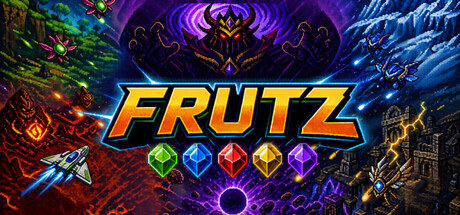
Generative AI tools were used to assist with select visual artwork, specifically the game’s main marketing images/store page artwork and splash screen.
Frutz does not use live-generated AI content during gameplay.
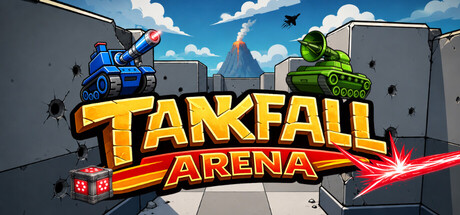
TankFall Arena contains certain pre-generated assets created with the assistance of generative AI tools during development. These assets may include promotional artwork, visual elements, audio content, and music. All AI-assisted content has been reviewed, curated, modified, and integrated by the developer as part of the game's overall design and presentation.
TankFall Arena does not generate AI content during gameplay and does not connect to external AI services while the game is running.
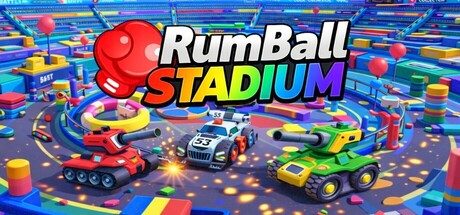
Some assets in RumBall Stadium were created with the assistance of generative AI tools, specifically the main game thumbnail and a selection of icons and background images used in the game's menus. All gameplay content, including vehicles, arenas, and game systems, was developed by the development team.
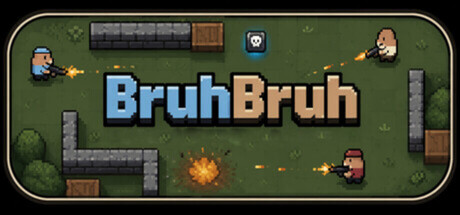
Character portraits were created using AI. As well, as modification to existing character portraits to create different expressions.
AI was not used for writing or audio purposes.
This game uses generative AI tools in limited ways to support development. Some music tracks were created using AI music generation tools, and certain marketing or store page visual assets were assisted by AI. All core gameplay and implementation were created by the developer.
Generative AI DisclosureWe believe in full transparency with our community regarding the development of our game. In this project, generative artificial intelligence (AI) was used strictly for translating the game's user interface (UI) and menus into multiple languages.What was generated: Only the user interface, buttons, menus, and system text translations were assisted by AI tools to make the game accessible to more players worldwide.Quality Assurance: All AI-translated UI texts were manually reviewed, edited, and tested by our team to ensure clarity, correct formatting, and accurate context.Human-Made Content: All other aspects of the game—including gameplay mechanics, code, graphics, level design, story, music, and audio—were created entirely by human hands without the use of AI.
The Moment of Panic uses generative artificial intelligence during gameplay to power its AI advisor characters. These locally running, open-source LLM-based advisors respond to intelligence signals, argue from assigned personalities, and attempt to influence the player’s decisions. Core game logic, threat truth, scoring, win/loss conditions, and outcomes are controlled by the game itself, not by the language model. Generative AI is used for dynamic in-game text responses only, and for some images shown alongside that text. Images are not generated at runtime.
RogueScape may use generative AI tools as part of the development workflow, primarily to assist with programming, debugging, prototyping, workflow automation, and occasional asset or copy iteration. Any AI-assisted content used in the game, store page, or related marketing materials is reviewed, edited, and approved by the developer before publication.
Generative AI tools were used during the creation of marketing and promotional materials for the game's Steam Store page and Community Hub assets. Specifically, the game's official community avatars, group banner backgrounds, and concept art presentations were generated using AI imagery tools to establish the game's retro space pixel-art aesthetic. No AI-generated assets are contained directly within the game code or build itself.
I used chatgpt to remaster some models, and to boost my artwork.
I DID NOT:
- let AI create any new models
- design any of my levels or scripts
- generate voices or music
Some promotional artwork and store graphic backgrounds may include AI-assisted elements. The core gameplay, UI, ships, enemies, mechanics, systems and visual identity are created and edited by the developer using original game assets.
Crown Caps Soccer uses generative artificial intelligence tools for part of its content. Specifically, we use AI to generate and translate interface text and descriptions, as well as to assist in creating certain in-game content. All AI-generated content is reviewed by our team before publication.
- Code was written with Assistance of Anthropic Claude Code
- Character Portraits were created with Google Gemini
- Other Art Assets and Sound Effects were created using Python (matplotlib, wave)
There are AI voices in certain parts of the game: TikTok-style narration voice in the Tiktok parody intro, retro robotic text-to-speech voices for a character, etc...
I use ElevenLabs to create sound effects as well as the voice changing effects. I recorded the lines in the game and used ElevenLabs to alter my voice into the characters you will here in this game. The main character Mesh, some interactable mesh's as well as the main entity within this game were initially generated in MeshyAI and edited by myself in Blender.
All music was generated by AI.
Anything not covered up with an effect was touched up by AI. We created the original concepts in Piskel.
Ai assisted with some aspects of coding/refactoring/debugging.
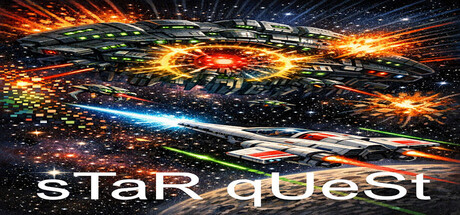
The image in our store media, with the 3 ships, was generated using AI based on our in-game enemy ships and the players "elite" ship. Everything else was created using Canva.
A few in game images and the cover were AI generated using Microsoft's Co-Pilot AI. Nothing in game involves AI. The enemy patterns are enemy movement behavior logic like the old days. In time I might make the images myself. This is just saving me a lot of time. I am not a studio, just one dude.
Generative AI tools are used in this project. Claude and ChatGPT assist with drafting store page copy and marketing media. Some in-game visual assets are created with AI image generation.
・Creation of some image assets
・Localization (translation) of in-game text
All AI-generated content has been reviewed and adjusted by the developer before being included in the game.
AI tools were used during development to assist in generating custom sound effects, instrumental music assets, and code optimization. The technology was also utilized as a base to pre-fabricate certain background environment elements. However, all character designs and frame-by-frame 2D animations were 100% hand-drawn and manually created by a solo developer.
Some background images were expanded to fit higher resolutions with the assistance of generative AI tools.
All core content and gameplay experiences were designed and created by the developer.
Generative AI was used in a limited, assistive role during development. All final content has been curated, refined, and approved by the developer to meet the game’s creative direction and quality expectations.
AI tools were used during the localization process and then manually reviewed by a human.
All in-game and promotional art was authored by a person and not made with generative AI.
Generative AI tools were used to assist with select visual artwork, specifically the game’s main marketing images/store page artwork and splash screen.
Frutz does not use live-generated AI content during gameplay.
TankFall Arena contains certain pre-generated assets created with the assistance of generative AI tools during development. These assets may include promotional artwork, visual elements, audio content, and music. All AI-assisted content has been reviewed, curated, modified, and integrated by the developer as part of the game's overall design and presentation.
TankFall Arena does not generate AI content during gameplay and does not connect to external AI services while the game is running.
Some assets in RumBall Stadium were created with the assistance of generative AI tools, specifically the main game thumbnail and a selection of icons and background images used in the game's menus. All gameplay content, including vehicles, arenas, and game systems, was developed by the development team.
Character portraits were created using AI. As well, as modification to existing character portraits to create different expressions.
AI was not used for writing or audio purposes.
This game uses generative AI tools in limited ways to support development. Some music tracks were created using AI music generation tools, and certain marketing or store page visual assets were assisted by AI. All core gameplay and implementation were created by the developer.
Generative AI DisclosureWe believe in full transparency with our community regarding the development of our game. In this project, generative artificial intelligence (AI) was used strictly for translating the game's user interface (UI) and menus into multiple languages.What was generated: Only the user interface, buttons, menus, and system text translations were assisted by AI tools to make the game accessible to more players worldwide.Quality Assurance: All AI-translated UI texts were manually reviewed, edited, and tested by our team to ensure clarity, correct formatting, and accurate context.Human-Made Content: All other aspects of the game—including gameplay mechanics, code, graphics, level design, story, music, and audio—were created entirely by human hands without the use of AI.
The Moment of Panic uses generative artificial intelligence during gameplay to power its AI advisor characters. These locally running, open-source LLM-based advisors respond to intelligence signals, argue from assigned personalities, and attempt to influence the player’s decisions. Core game logic, threat truth, scoring, win/loss conditions, and outcomes are controlled by the game itself, not by the language model. Generative AI is used for dynamic in-game text responses only, and for some images shown alongside that text. Images are not generated at runtime.
RogueScape may use generative AI tools as part of the development workflow, primarily to assist with programming, debugging, prototyping, workflow automation, and occasional asset or copy iteration. Any AI-assisted content used in the game, store page, or related marketing materials is reviewed, edited, and approved by the developer before publication.
Generative AI tools were used during the creation of marketing and promotional materials for the game's Steam Store page and Community Hub assets. Specifically, the game's official community avatars, group banner backgrounds, and concept art presentations were generated using AI imagery tools to establish the game's retro space pixel-art aesthetic. No AI-generated assets are contained directly within the game code or build itself.
I used chatgpt to remaster some models, and to boost my artwork.
I DID NOT:
- let AI create any new models
- design any of my levels or scripts
- generate voices or music
Some promotional artwork and store graphic backgrounds may include AI-assisted elements. The core gameplay, UI, ships, enemies, mechanics, systems and visual identity are created and edited by the developer using original game assets.
Crown Caps Soccer uses generative artificial intelligence tools for part of its content. Specifically, we use AI to generate and translate interface text and descriptions, as well as to assist in creating certain in-game content. All AI-generated content is reviewed by our team before publication.
- Code was written with Assistance of Anthropic Claude Code
- Character Portraits were created with Google Gemini
- Other Art Assets and Sound Effects were created using Python (matplotlib, wave)
There are AI voices in certain parts of the game: TikTok-style narration voice in the Tiktok parody intro, retro robotic text-to-speech voices for a character, etc...
I use ElevenLabs to create sound effects as well as the voice changing effects. I recorded the lines in the game and used ElevenLabs to alter my voice into the characters you will here in this game. The main character Mesh, some interactable mesh's as well as the main entity within this game were initially generated in MeshyAI and edited by myself in Blender.
All music was generated by AI.
Anything not covered up with an effect was touched up by AI. We created the original concepts in Piskel.
Ai assisted with some aspects of coding/refactoring/debugging.
The image in our store media, with the 3 ships, was generated using AI based on our in-game enemy ships and the players "elite" ship. Everything else was created using Canva.
A few in game images and the cover were AI generated using Microsoft's Co-Pilot AI. Nothing in game involves AI. The enemy patterns are enemy movement behavior logic like the old days. In time I might make the images myself. This is just saving me a lot of time. I am not a studio, just one dude.
Generative AI tools are used in this project. Claude and ChatGPT assist with drafting store page copy and marketing media. Some in-game visual assets are created with AI image generation.
・Creation of some image assets
・Localization (translation) of in-game text
All AI-generated content has been reviewed and adjusted by the developer before being included in the game.
AI tools were used during development to assist in generating custom sound effects, instrumental music assets, and code optimization. The technology was also utilized as a base to pre-fabricate certain background environment elements. However, all character designs and frame-by-frame 2D animations were 100% hand-drawn and manually created by a solo developer.
Some background images were expanded to fit higher resolutions with the assistance of generative AI tools.
All core content and gameplay experiences were designed and created by the developer.
Generative AI was used in a limited, assistive role during development. All final content has been curated, refined, and approved by the developer to meet the game’s creative direction and quality expectations.
AI tools were used during the localization process and then manually reviewed by a human.
All in-game and promotional art was authored by a person and not made with generative AI.