Public Steam disclosure research25,380 disclosures tracked
Where do games disclose AI use?
Search developers’ Steam disclosures, compare classified AI use across
games, and follow recorded changes.
This index adds cross-game classifications and statistics to
statements published on individual store pages.
Groups reflect automatic analysis of public disclosures; mature records are excluded. These counts do not measure AI use across all of Steam.
Missing or unclear statements cannot establish whether a game uses AI.
Generative AI is used as a production support tool throughout development. It assists with localization, workflow acceleration, and the integration of assets across multiple disciplines into a consistent production pipeline. All AI-assisted content is reviewed, edited, integrated, and quality-controlled by the development team before being included in the final game.
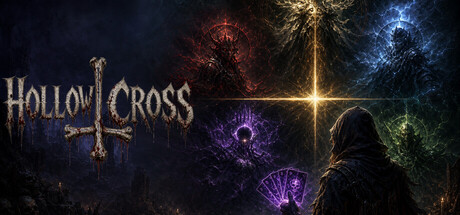
The artwork in Hollowcross — including card illustrations and background scenes — was created with the assistance of AI image‑generation tools. All generated art is curated, selected, and edited by the developer, who has taken steps to ensure the output does not contain illegal or infringing content. The game contains no AI‑generated content produced live during gameplay.
Some visual assets, promotional artwork, and store graphical assets were created or assisted using generative AI tools. All assets were reviewed, edited, and integrated into the game by the developer.
AI was used to translate the game into certain languages. When selecting one of these languages for the first time, a notification appears. Additionally, a marker is displayed next to the language name in the options menu.
Furthermore, AI was utilized to generate some of the graphical assets and may have been used in the creation of videos.
During the development of this game, AI tools were used solely as a coding assistance aid — primarily to help identify and fix minor bugs, and to assist with small code corrections and improvements. AI was not used to generate any content experienced by the player, including visual assets, audio, narrative or in-game text. All artwork, sound, and written content presented to the player are original and human-created. The AI usage disclosed here is limited to development-side coding assistance and does not appear as generated content within the final player-facing experience.
This game's development made partial use of generative AI tools. Generative AI (ChatGPT and ElevenLabs' image generation features) was used to create some artwork, including the title screen and field background images, the title logo, and some of the special clover and UI icons. ElevenLabs' audio generation features were used for the BGM and sound effects. Generative AI was also used to help localize the game into languages other than Japanese (English, Simplified Chinese, Traditional Chinese, Korean, Russian, Spanish, Brazilian Portuguese, German, and French). All AI-generated assets and translations were reviewed and adjusted by the developer before being incorporated into the game.
This game and its store page assets utilize pre-generated AI technology (such as assisting in the creation of character art, background assets, and promotional images). All AI-assisted content complies with copyright policies and has undergone extensive manual refinement, optimization, and quality control by the development team before being integrated into the game or store page to ensure the best possible player experience.
Generative AI was used only during the early concept art and ideation phase to help explore visual directions and inspire the art team. Any AI-assisted concepts served solely as reference material. All final in-game artwork was created, substantially reworked, or manually produced by human artists. The game does not generate AI content during gameplay, and no live AI systems are used by players.
Yes, I used AI-assisted tools during the development of this game. They were primarily used for code logic support, translation optimization, and copy polishing. The core gameplay design, art style, level design, and overall player experience were all directed and finalized by me personally. The AI served as a productivity tool, while all creative decisions and implementation choices were made by me.
Generative AI tools were used during development for photos and videos of characters, as well as for development support such as code suggestions and iteration.
All AI-assisted assets and code are fixed, reviewed, and integrated by the developer prior to release. The game does not use generative AI to produce live or dynamic content, text, images, audio, or code during gameplay.
Some store page text, marketing copy, and promotional planning materials for Black File were created with assistance from generative AI tools and reviewed, edited, and approved by the development team before publication. The game does not use generative AI to create content during gameplay.
I only used AI to help with the Steam assets (capsules, banners, etc.) and with some programming systems I was still learning, such as the save system and the rebirth system. I've been developing this game for about 3.5 months, and at some point you have to call it finished. I'm happy with how it turned out, and I hope you'll give it a try. It's designed to be a game you can open for 10–15 minutes a day, make some progress, and come back to later.
This game makes use of generative AI as part of the creative pipeline across art, text, sound, and voice. None of it is dumped in raw — every asset is curated, edited, and reworked by hand, and every line of dialogue is agonized over until it earns its place. AI is a tool here, not the author; the taste, the pacing, and the final call on what stays are all made by people. The codebase, in the interest of full honesty, is held together with AI-assisted spaghetti and sheer willpower — but it works, and every line is reviewed before shipping.
The game's code, artwork, text content, and some marketing assets were created with the assistance of generative AI tools during development. All AI-generated content was reviewed, tested, and curated by the developer before inclusion. The game does not generate any content in real time using AI — all content is pre-rendered and static.
The videos were generated using artificial intelligence, employed to recreate the gothic and unsettling atmospheres typical of 1970s and 1980s horror films.
AI was used to generate images depicting illegal substances and highly disturbing situations presented in the game. The Steam capsule and cover images were also generated using AI.
Generative AI tools were used during development to assist in the creation of some pre-generated visual assets, character voices, translations, and promotional materials. All AI-assisted content was reviewed, edited, and curated by the developer. The game does not generate AI content in real time during gameplay.
This game uses generative AI-assisted development for some fictional market event text, achievement/icon concepts, interface copy, and marketing/store text. All AI-assisted content is pre-generated, reviewed, edited, and included by the developer. The game does not generate AI content live during gameplay.
Pre-generated AI content: character art, backgrounds, icons and key art images, music and sound effects, and portions of the story text were created with generative AI tools (Google Gemini, fal.ai, Anthropic Claude) and were reviewed and edited by the developers. No AI content is generated at runtime.
Generative AI was used during parts of the production process for the game’s graphics, music, and narrative content.
AI-generated outputs were edited, revised, and restructured by the developer and were not used in the game without modification.
The final gameplay experience, narrative structure, character portrayal, and presentation were designed, curated, and supervised by the developer.
Oreworks contains AI-generated content. Like in-game visual assets and programming assistance during developement.
All AI-generated content was manually reviewed, curated and intetegrated by the developer.
Some portions of the game's source code were developed with the assistance of generative AI tools. All gameplay design, story, puzzles, dialogue, creative direction, and final implementation decisions were created, reviewed, and controlled by the developer.
Some promotional artwork and marketing materials may also have been created with the assistance of generative AI tools and subsequently reviewed and edited by the developer.
No generative AI is used during gameplay, and no content is generated dynamically for players.
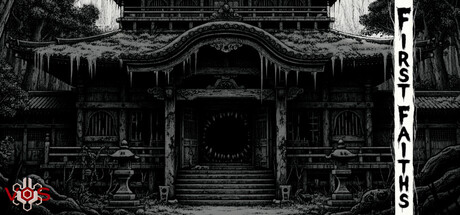
As a solo independent project, generative AI tools were used as a foundation for the initial creation of visual and audio assets. Please note that every asset has been systematically retouched, edited, and hand-refined to ensure unique artistic consistency and to bring the raw vision of First Faiths to life.
Some visual assets were created with the assistance of generative AI tools and then manually edited, adjusted, and finalized by the developer. The game does not use real-time generative AI during gameplay.
> **AI was used exclusively for the creation of certain artwork and promotional materials for the game. All programming, mechanics, systems, achievements, and playable content were developed manually by the developer. The game does not use generative AI during execution.**
AI-assisted tools were used during development to help create certain cinematic images, visual effects, music, and localization content. Some cinematic sequences incorporate AI-generated imagery or AI-assisted animation techniques.
The majority of the game’s artwork, environments, gameplay content, puzzle design, story content, and overall development were created by hand by the development team. Some music was also created by human collaborators.
Generative AI is used as a production support tool throughout development. It assists with localization, workflow acceleration, and the integration of assets across multiple disciplines into a consistent production pipeline. All AI-assisted content is reviewed, edited, integrated, and quality-controlled by the development team before being included in the final game.
The artwork in Hollowcross — including card illustrations and background scenes — was created with the assistance of AI image‑generation tools. All generated art is curated, selected, and edited by the developer, who has taken steps to ensure the output does not contain illegal or infringing content. The game contains no AI‑generated content produced live during gameplay.
Some visual assets, promotional artwork, and store graphical assets were created or assisted using generative AI tools. All assets were reviewed, edited, and integrated into the game by the developer.
AI was used to translate the game into certain languages. When selecting one of these languages for the first time, a notification appears. Additionally, a marker is displayed next to the language name in the options menu.
Furthermore, AI was utilized to generate some of the graphical assets and may have been used in the creation of videos.
During the development of this game, AI tools were used solely as a coding assistance aid — primarily to help identify and fix minor bugs, and to assist with small code corrections and improvements. AI was not used to generate any content experienced by the player, including visual assets, audio, narrative or in-game text. All artwork, sound, and written content presented to the player are original and human-created. The AI usage disclosed here is limited to development-side coding assistance and does not appear as generated content within the final player-facing experience.
This game's development made partial use of generative AI tools. Generative AI (ChatGPT and ElevenLabs' image generation features) was used to create some artwork, including the title screen and field background images, the title logo, and some of the special clover and UI icons. ElevenLabs' audio generation features were used for the BGM and sound effects. Generative AI was also used to help localize the game into languages other than Japanese (English, Simplified Chinese, Traditional Chinese, Korean, Russian, Spanish, Brazilian Portuguese, German, and French). All AI-generated assets and translations were reviewed and adjusted by the developer before being incorporated into the game.
This game and its store page assets utilize pre-generated AI technology (such as assisting in the creation of character art, background assets, and promotional images). All AI-assisted content complies with copyright policies and has undergone extensive manual refinement, optimization, and quality control by the development team before being integrated into the game or store page to ensure the best possible player experience.
Generative AI was used only during the early concept art and ideation phase to help explore visual directions and inspire the art team. Any AI-assisted concepts served solely as reference material. All final in-game artwork was created, substantially reworked, or manually produced by human artists. The game does not generate AI content during gameplay, and no live AI systems are used by players.
Yes, I used AI-assisted tools during the development of this game. They were primarily used for code logic support, translation optimization, and copy polishing. The core gameplay design, art style, level design, and overall player experience were all directed and finalized by me personally. The AI served as a productivity tool, while all creative decisions and implementation choices were made by me.
Generative AI tools were used during development for photos and videos of characters, as well as for development support such as code suggestions and iteration.
All AI-assisted assets and code are fixed, reviewed, and integrated by the developer prior to release. The game does not use generative AI to produce live or dynamic content, text, images, audio, or code during gameplay.
Some store page text, marketing copy, and promotional planning materials for Black File were created with assistance from generative AI tools and reviewed, edited, and approved by the development team before publication. The game does not use generative AI to create content during gameplay.
I only used AI to help with the Steam assets (capsules, banners, etc.) and with some programming systems I was still learning, such as the save system and the rebirth system. I've been developing this game for about 3.5 months, and at some point you have to call it finished. I'm happy with how it turned out, and I hope you'll give it a try. It's designed to be a game you can open for 10–15 minutes a day, make some progress, and come back to later.
This game makes use of generative AI as part of the creative pipeline across art, text, sound, and voice. None of it is dumped in raw — every asset is curated, edited, and reworked by hand, and every line of dialogue is agonized over until it earns its place. AI is a tool here, not the author; the taste, the pacing, and the final call on what stays are all made by people. The codebase, in the interest of full honesty, is held together with AI-assisted spaghetti and sheer willpower — but it works, and every line is reviewed before shipping.
The game's code, artwork, text content, and some marketing assets were created with the assistance of generative AI tools during development. All AI-generated content was reviewed, tested, and curated by the developer before inclusion. The game does not generate any content in real time using AI — all content is pre-rendered and static.
The videos were generated using artificial intelligence, employed to recreate the gothic and unsettling atmospheres typical of 1970s and 1980s horror films.
AI was used to generate images depicting illegal substances and highly disturbing situations presented in the game. The Steam capsule and cover images were also generated using AI.
Generative AI tools were used during development to assist in the creation of some pre-generated visual assets, character voices, translations, and promotional materials. All AI-assisted content was reviewed, edited, and curated by the developer. The game does not generate AI content in real time during gameplay.
This game uses generative AI-assisted development for some fictional market event text, achievement/icon concepts, interface copy, and marketing/store text. All AI-assisted content is pre-generated, reviewed, edited, and included by the developer. The game does not generate AI content live during gameplay.
Pre-generated AI content: character art, backgrounds, icons and key art images, music and sound effects, and portions of the story text were created with generative AI tools (Google Gemini, fal.ai, Anthropic Claude) and were reviewed and edited by the developers. No AI content is generated at runtime.
Generative AI was used during parts of the production process for the game’s graphics, music, and narrative content.
AI-generated outputs were edited, revised, and restructured by the developer and were not used in the game without modification.
The final gameplay experience, narrative structure, character portrayal, and presentation were designed, curated, and supervised by the developer.
Oreworks contains AI-generated content. Like in-game visual assets and programming assistance during developement.
All AI-generated content was manually reviewed, curated and intetegrated by the developer.
Some portions of the game's source code were developed with the assistance of generative AI tools. All gameplay design, story, puzzles, dialogue, creative direction, and final implementation decisions were created, reviewed, and controlled by the developer.
Some promotional artwork and marketing materials may also have been created with the assistance of generative AI tools and subsequently reviewed and edited by the developer.
No generative AI is used during gameplay, and no content is generated dynamically for players.
As a solo independent project, generative AI tools were used as a foundation for the initial creation of visual and audio assets. Please note that every asset has been systematically retouched, edited, and hand-refined to ensure unique artistic consistency and to bring the raw vision of First Faiths to life.
Some visual assets were created with the assistance of generative AI tools and then manually edited, adjusted, and finalized by the developer. The game does not use real-time generative AI during gameplay.
> **AI was used exclusively for the creation of certain artwork and promotional materials for the game. All programming, mechanics, systems, achievements, and playable content were developed manually by the developer. The game does not use generative AI during execution.**
AI-assisted tools were used during development to help create certain cinematic images, visual effects, music, and localization content. Some cinematic sequences incorporate AI-generated imagery or AI-assisted animation techniques.
The majority of the game’s artwork, environments, gameplay content, puzzle design, story content, and overall development were created by hand by the development team. Some music was also created by human collaborators.