Public Steam disclosure research25,380 disclosures tracked
Where do games disclose AI use?
Search developers’ Steam disclosures, compare classified AI use across
games, and follow recorded changes.
This index adds cross-game classifications and statistics to
statements published on individual store pages.
Groups reflect automatic analysis of public disclosures; mature records are excluded. These counts do not measure AI use across all of Steam.
Missing or unclear statements cannot establish whether a game uses AI.
AI tools were used during development to create music, selected sound effects and promotional artwork, and to assist with written content and translations. Content is prepared in advance; no AI content is generated during gameplay.
Generative AI was used during development to create static artwork, including game sprites, icons, the illustrated menu background, and Steam store and library artwork. AI assistance was also used for written text and translations. These assets were reviewed and integrated by the developer. No content is generated by AI during gameplay.
AI was only used to translate the game into its different languages, to polish Dr. Ferrán's dialogue in each of them, and to polish the game's description on the Steam page. The original lines were written by us in Spanish.
This game uses generative AI in the production and development process. All AI-assisted art is reviewed and curated by the development team before being included in the game.
Nuclear Kitty Games is a human-led studio whose team brings 15 years of professional game-development experience. We use AI and large language models (LLMs) to support development and content creation, improve our workflows and speed up iteration. Our developers direct the design and development of every game, and review and integrate the final content. We are game makers and players who care about the games we create.
Some content included in this game and its promotional materials was created with generative AI assistance. The game does not generate AI content or connect to AI services during play.
AI tools assisted with game development, particularly multiplayer systems, and with the creation of in-game artwork, animations, and music as well as store and marketing visuals, including the logo.
Generative AI was used during development to create some character models and visual assets, promotional artwork, and to assist with text and localization. These assets are prepared in advance and included with the game or its store and marketing materials. No AI-generated content is created during gameplay, and the game does not connect to external generative AI services.
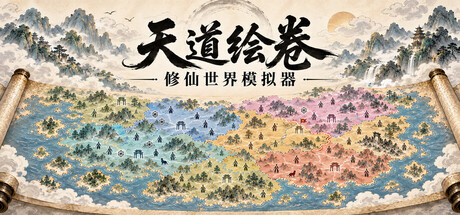
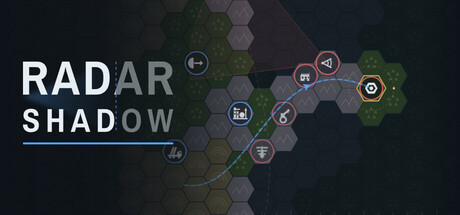
Some backgrounds, map event effects, and promotional artwork were created with the assistance of generative AI during development. World simulation follows local rules; the game does not generate AI content or connect to external AI services during play.
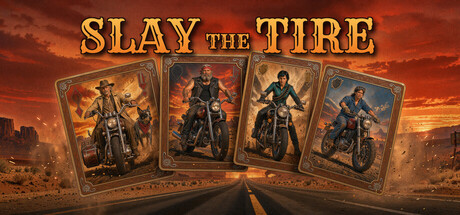
Slay the Tire combines original human authorship with generative AI tools. I designed and wrote the game, its locations, and gameplay. AI assisted with visual assets, including card art, textures, 3D models, scenery, and marketing artwork, as well as audio production and store text. The soundtrack began as music I composed and performed on instruments, then used Suno for styling, orchestration, and production. All content is prepared during development; no AI content is generated during gameplay.
Some 2D artwork and visual assets were created with the assistance of generative AI tools during development and were reviewed and edited by the developer. The game does not generate AI content during gameplay.
The host's voice lines were generated with an AI text-to-speech service from a script we wrote. Parts of the store page text were drafted with AI assistance and edited by us. All game art, minigames and code are made by the developer; nothing is generated while you play.
During development we used procedural and AI-assisted tools to help create some content. The game does not generate any content with AI while you play.
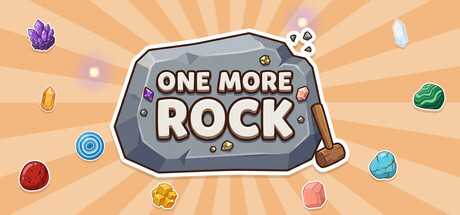
The game's 2D illustrations (rocks, gems, tools, icons and logo) were generated with AI image tools, then cleaned up and edited by the developer. Cracks, rarity effects, particles and animations are made in code. The translations were produced with the help of AI. The store page capsules, screenshots and trailer are built from these same in-game sprites. No content is generated by AI while the game is running.
Some translations were generated with AI and are in beta, so more players can enjoy the game in their language.
The art and music were made without AI.
This game was created with a lot of help from AI. Although I'm an experienced game developer a lot of the physics, graphic elements, and code were generate with the help of AI.
Some of the images on our store page were created by artificial intelligence and edits were made on the images. and some images in the game were made by artificial intelligence.
Generative AI tools were used to create visual artwork for the game and its marketing, and to assist with store-page text. These materials are prepared in advance. Temple Breaker does not generate content with AI during gameplay.
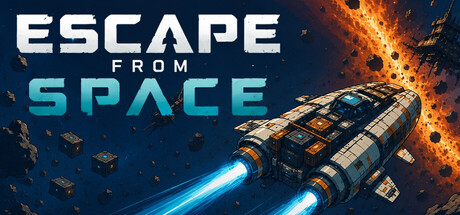
Some promotional artwork for Escape From Space, including images on its Steam store and library pages, was created with the assistance of generative AI and reviewed before use. The game does not generate content with AI during gameplay.
Some graphics and sound assets included in this game were created with the assistance of Generative AI and were subsequently reviewed and retouched by humans.
Generative AI assisted some game text and store descriptions. Promotional images and gameplay screenshots use actual game visuals. No live AI or external AI services. Offline.
The game includes 2D illustrations created with generative AI during development, including characters, enemies and backgrounds. These images were then manually cleaned up, edited and integrated into the game. The game does not generate AI content during gameplay.
The 32 illustrations, the soundtrack and the sound effects in A to Zen were created with generative AI tools from the developer's own prompts, then selected, checked and edited by hand. The in-game texts, the store translations and parts of the game code were also made with AI assistance and reviewed and tested by the developer. Game design, puzzle mechanics and the chapter concept are the developer's own work. Nothing is generated while you play, and the game does not connect to any AI service.
Generative AI tools may be used to assist with text localization/translation and to support sound effects or background audio production during development. No AI-generated visual assets, 3D models, or artwork are used in the final build of the game.
AI created promotional images, cinematic trailer footage and helped translate this store page. No AI content is generated during gameplay. The game does not connect to an external AI service while playing.
This game uses generative AI tools during development to assist with the following content: text translation, sound effects, and background artwork assets
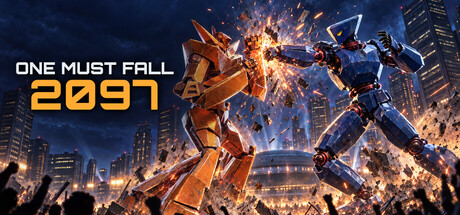
The remake's 3D robots, arenas and animation were produced with AI-assisted generation tools (image-to-3D and image generation) from the original game's designs, then authored, repaired and reviewed by hand in Blender and Unreal. The menu art shown in HD is AI-remastered from the original game's pictures, and the store page artwork was AI-generated from renders of our in-game robots. All AI content is pre-made during development; nothing is generated while you play. The music and sound effects are the original recordings, remastered without AI.
NBD2 is an AI game development studio. As a solo indie dev who is unlikely to ever make a dime from any of my games, there's no other way I could bring my ideas to life.
Pop 1,000,000 Hot Air Balloons was created using generative AI throughout development, including its artwork and visuals, store artwork, music, sound effects, player-facing text, and game code. All AI generation took place during development. The game does not generate AI content or code during play or connect to an external AI service.
I recognize AI in game development is an extremely sensitive topic and I appreciate both sides. I only hope the game is fun.
The goal should always be making something that human beings will enjoy.
Pre-generated AI content
The application's user-facing text was written with the assistance of a large language model, and translated from English into the other nine supported languages the same way. The store page description was drafted the same way.
The screenshots are unedited captures of the running software.
The in-application audio is synthesised by a DSP script, not by a generative model.
from material the developer produced: frames of video recorded in the headset, and renders of the application's own interface.
Live-generated AI content
None. Next Eye does not run any AI model at runtime, does not send anything to any service, and works entirely offline.
Some content in PRE-ECHO was created with the help of generative AI tools during development and was then integrated, adjusted and art-directed by the developer:
- 3D models: the character and creature models, and many prop and vehicle models, were generated with Tripo from original reference images made for this project, then rigged, adjusted and textured in Blender and Unreal Engine.
- 2D art: some textures and interface images (such as the main-menu background, the workshop investigation board, journal and map paper, and inventory icons) were generated with image-generation tools from original prompts.
- Voices: all spoken lines are synthesized with the open-source Kokoro text-to-speech model using generic voices. No real person's voice was recorded or cloned.
- Text: the script, in-game text and English/Spanish localization were written with an AI assistant under the developer's direction.
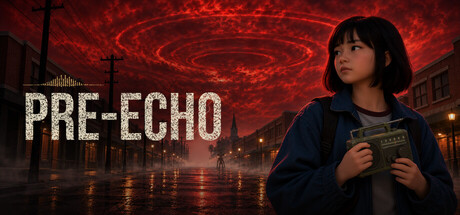
- Store art: the store and library artwork was generated with AI image tools from the project's own character and creature references, then retouched by the developer. The logo was made without AI. The screenshots are unedited captures of the game.
No content is generated by AI while the game is running.
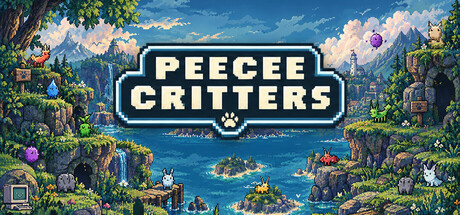
The key art and logo began as an AI-generated base image, which we then reworked and finished by hand in Photoshop. The narration in the trailers is a synthetic voice made with a text-to-speech model. Nothing inside the game is AI-generated: every critter, the world, the device, the music and the sound are drawn and composed by the game's own code.
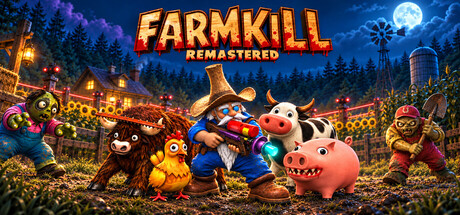
Farmkill Remastered brings back the game our small team originally created for iPad in 2012. For its PC remaster, we used AI tools to upscale, sharpen and redraw the original low-resolution artwork, preserving the characters and visual designs while restoring detail for larger screens.
We also used generative AI to create new artwork, music, character voices, sound effects, written content and animated cutscenes, including assets used in the store artwork and trailer. This content was generated during development, then selected and integrated under the developer’s creative direction. The game does not generate AI content during play.
Pre-generated: the music and SFX was created with generative AI tools and then edited and mixed by the developer. No generative AI is used while the game is running.
Parte del texturizado, la optimización de mallas y las traducciones se realizaron con ayuda de herramientas de IA generativa. Todo el contenido fue revisado y editado manualmente.
I used an AI coding assistant while building the game, and it helped come up with the achievement names and descriptions, and some events which I edited. Nothing else in the game is AI generated: the soundtrack is licensed from its creators, the radio voices are my own recordings, and the art and sounds are produced by the game's code.
Some voice lines (the narrator, phone messages and townspeople), some sound effects and the menu music were created with generative AI text-to-speech and audio tools (ElevenLabs) and edited by the developer. All visual art, 3D, animation, level design and code were made by the developer. No AI content is generated during gameplay.
Generative AI was used to assist with some pre-generated 2D artwork. All AI-assisted assets were selected, edited and integrated by the developer. No generative AI is used during gameplay.
The game's pixel art (characters, enemies, bosses, environment tiles and props, effects, UI icons) was created with the help of the AI tool PixelLab and then selected, edited, animated and assembled by the developer. The key art, logo, app icon, music and sound effects were generated with Higgsfield and then edited and mixed by the developer. The trailer's opening and closing cinematic shots are AI-animated from the game's key art. All gameplay, code and design are the developer's own. The game does not generate any content with AI while it runs.
Generative AI was used to assist with the creation of some visual and audio assets, localization, and store-page marketing materials. All AI-assisted content was reviewed and edited by the developer before use. The game does not use live generative AI during gameplay.
Some music, sound effects, artwork and translations were made with AI tools and edited by hand. The map, units and interface you see in play are drawn by the game's own code. No generative AI is used at runtime.
Hello! It’s a pleasure to greet you.
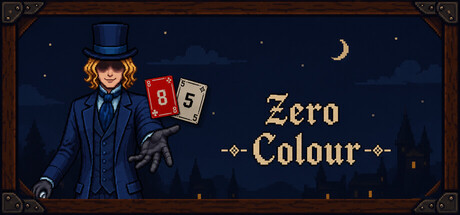
I am the developer of Zero Colour.
As you may notice, some aspects of the game include AI. I understand that some people may not like this or may find it bothersome, so I apologize for that.
I am using this tool because I do not have the resources to hire professionals for the game’s art or translations. Please excuse any mistakes; I did my best.
I hope you enjoy the game. If you have any corrections or suggestions, please feel free to let me know.
Thank you very much!
Some in-game artwork (sprites, icons and illustrations), sound effects, music and localized text were created with the help of generative AI tools, then edited, curated and reviewed by the developer. No content is generated by AI during gameplay.
AI tools were used during development to create music, selected sound effects and promotional artwork, and to assist with written content and translations. Content is prepared in advance; no AI content is generated during gameplay.
Generative AI was used during development to create static artwork, including game sprites, icons, the illustrated menu background, and Steam store and library artwork. AI assistance was also used for written text and translations. These assets were reviewed and integrated by the developer. No content is generated by AI during gameplay.
AI was only used to translate the game into its different languages, to polish Dr. Ferrán's dialogue in each of them, and to polish the game's description on the Steam page. The original lines were written by us in Spanish.
This game uses generative AI in the production and development process. All AI-assisted art is reviewed and curated by the development team before being included in the game.
Nuclear Kitty Games is a human-led studio whose team brings 15 years of professional game-development experience. We use AI and large language models (LLMs) to support development and content creation, improve our workflows and speed up iteration. Our developers direct the design and development of every game, and review and integrate the final content. We are game makers and players who care about the games we create.
Some content included in this game and its promotional materials was created with generative AI assistance. The game does not generate AI content or connect to AI services during play.
AI tools assisted with game development, particularly multiplayer systems, and with the creation of in-game artwork, animations, and music as well as store and marketing visuals, including the logo.
Generative AI was used during development to create some character models and visual assets, promotional artwork, and to assist with text and localization. These assets are prepared in advance and included with the game or its store and marketing materials. No AI-generated content is created during gameplay, and the game does not connect to external generative AI services.
Some backgrounds, map event effects, and promotional artwork were created with the assistance of generative AI during development. World simulation follows local rules; the game does not generate AI content or connect to external AI services during play.
Slay the Tire combines original human authorship with generative AI tools. I designed and wrote the game, its locations, and gameplay. AI assisted with visual assets, including card art, textures, 3D models, scenery, and marketing artwork, as well as audio production and store text. The soundtrack began as music I composed and performed on instruments, then used Suno for styling, orchestration, and production. All content is prepared during development; no AI content is generated during gameplay.
Some 2D artwork and visual assets were created with the assistance of generative AI tools during development and were reviewed and edited by the developer. The game does not generate AI content during gameplay.
The host's voice lines were generated with an AI text-to-speech service from a script we wrote. Parts of the store page text were drafted with AI assistance and edited by us. All game art, minigames and code are made by the developer; nothing is generated while you play.
During development we used procedural and AI-assisted tools to help create some content. The game does not generate any content with AI while you play.
The game's 2D illustrations (rocks, gems, tools, icons and logo) were generated with AI image tools, then cleaned up and edited by the developer. Cracks, rarity effects, particles and animations are made in code. The translations were produced with the help of AI. The store page capsules, screenshots and trailer are built from these same in-game sprites. No content is generated by AI while the game is running.
Some translations were generated with AI and are in beta, so more players can enjoy the game in their language.
The art and music were made without AI.
This game was created with a lot of help from AI. Although I'm an experienced game developer a lot of the physics, graphic elements, and code were generate with the help of AI.
Some of the images on our store page were created by artificial intelligence and edits were made on the images. and some images in the game were made by artificial intelligence.
Generative AI tools were used to create visual artwork for the game and its marketing, and to assist with store-page text. These materials are prepared in advance. Temple Breaker does not generate content with AI during gameplay.
Some promotional artwork for Escape From Space, including images on its Steam store and library pages, was created with the assistance of generative AI and reviewed before use. The game does not generate content with AI during gameplay.
Some graphics and sound assets included in this game were created with the assistance of Generative AI and were subsequently reviewed and retouched by humans.
Generative AI assisted some game text and store descriptions. Promotional images and gameplay screenshots use actual game visuals. No live AI or external AI services. Offline.
The game includes 2D illustrations created with generative AI during development, including characters, enemies and backgrounds. These images were then manually cleaned up, edited and integrated into the game. The game does not generate AI content during gameplay.
The 32 illustrations, the soundtrack and the sound effects in A to Zen were created with generative AI tools from the developer's own prompts, then selected, checked and edited by hand. The in-game texts, the store translations and parts of the game code were also made with AI assistance and reviewed and tested by the developer. Game design, puzzle mechanics and the chapter concept are the developer's own work. Nothing is generated while you play, and the game does not connect to any AI service.
Generative AI tools may be used to assist with text localization/translation and to support sound effects or background audio production during development. No AI-generated visual assets, 3D models, or artwork are used in the final build of the game.
AI created promotional images, cinematic trailer footage and helped translate this store page. No AI content is generated during gameplay. The game does not connect to an external AI service while playing.
This game uses generative AI tools during development to assist with the following content: text translation, sound effects, and background artwork assets
The remake's 3D robots, arenas and animation were produced with AI-assisted generation tools (image-to-3D and image generation) from the original game's designs, then authored, repaired and reviewed by hand in Blender and Unreal. The menu art shown in HD is AI-remastered from the original game's pictures, and the store page artwork was AI-generated from renders of our in-game robots. All AI content is pre-made during development; nothing is generated while you play. The music and sound effects are the original recordings, remastered without AI.
NBD2 is an AI game development studio. As a solo indie dev who is unlikely to ever make a dime from any of my games, there's no other way I could bring my ideas to life.
Pop 1,000,000 Hot Air Balloons was created using generative AI throughout development, including its artwork and visuals, store artwork, music, sound effects, player-facing text, and game code. All AI generation took place during development. The game does not generate AI content or code during play or connect to an external AI service.
I recognize AI in game development is an extremely sensitive topic and I appreciate both sides. I only hope the game is fun.
The goal should always be making something that human beings will enjoy.
Pre-generated AI content
The application's user-facing text was written with the assistance of a large language model, and translated from English into the other nine supported languages the same way. The store page description was drafted the same way.
The screenshots are unedited captures of the running software.
The in-application audio is synthesised by a DSP script, not by a generative model.
from material the developer produced: frames of video recorded in the headset, and renders of the application's own interface.
Live-generated AI content
None. Next Eye does not run any AI model at runtime, does not send anything to any service, and works entirely offline.
Some content in PRE-ECHO was created with the help of generative AI tools during development and was then integrated, adjusted and art-directed by the developer:
- 3D models: the character and creature models, and many prop and vehicle models, were generated with Tripo from original reference images made for this project, then rigged, adjusted and textured in Blender and Unreal Engine.
- 2D art: some textures and interface images (such as the main-menu background, the workshop investigation board, journal and map paper, and inventory icons) were generated with image-generation tools from original prompts.
- Voices: all spoken lines are synthesized with the open-source Kokoro text-to-speech model using generic voices. No real person's voice was recorded or cloned.
- Text: the script, in-game text and English/Spanish localization were written with an AI assistant under the developer's direction.
- Store art: the store and library artwork was generated with AI image tools from the project's own character and creature references, then retouched by the developer. The logo was made without AI. The screenshots are unedited captures of the game.
No content is generated by AI while the game is running.
The key art and logo began as an AI-generated base image, which we then reworked and finished by hand in Photoshop. The narration in the trailers is a synthetic voice made with a text-to-speech model. Nothing inside the game is AI-generated: every critter, the world, the device, the music and the sound are drawn and composed by the game's own code.
Farmkill Remastered brings back the game our small team originally created for iPad in 2012. For its PC remaster, we used AI tools to upscale, sharpen and redraw the original low-resolution artwork, preserving the characters and visual designs while restoring detail for larger screens.
We also used generative AI to create new artwork, music, character voices, sound effects, written content and animated cutscenes, including assets used in the store artwork and trailer. This content was generated during development, then selected and integrated under the developer’s creative direction. The game does not generate AI content during play.
Pre-generated: the music and SFX was created with generative AI tools and then edited and mixed by the developer. No generative AI is used while the game is running.
Parte del texturizado, la optimización de mallas y las traducciones se realizaron con ayuda de herramientas de IA generativa. Todo el contenido fue revisado y editado manualmente.
I used an AI coding assistant while building the game, and it helped come up with the achievement names and descriptions, and some events which I edited. Nothing else in the game is AI generated: the soundtrack is licensed from its creators, the radio voices are my own recordings, and the art and sounds are produced by the game's code.
Some voice lines (the narrator, phone messages and townspeople), some sound effects and the menu music were created with generative AI text-to-speech and audio tools (ElevenLabs) and edited by the developer. All visual art, 3D, animation, level design and code were made by the developer. No AI content is generated during gameplay.
Generative AI was used to assist with some pre-generated 2D artwork. All AI-assisted assets were selected, edited and integrated by the developer. No generative AI is used during gameplay.
The game's pixel art (characters, enemies, bosses, environment tiles and props, effects, UI icons) was created with the help of the AI tool PixelLab and then selected, edited, animated and assembled by the developer. The key art, logo, app icon, music and sound effects were generated with Higgsfield and then edited and mixed by the developer. The trailer's opening and closing cinematic shots are AI-animated from the game's key art. All gameplay, code and design are the developer's own. The game does not generate any content with AI while it runs.
Generative AI was used to assist with the creation of some visual and audio assets, localization, and store-page marketing materials. All AI-assisted content was reviewed and edited by the developer before use. The game does not use live generative AI during gameplay.
Some music, sound effects, artwork and translations were made with AI tools and edited by hand. The map, units and interface you see in play are drawn by the game's own code. No generative AI is used at runtime.
Hello! It’s a pleasure to greet you.
I am the developer of Zero Colour.
As you may notice, some aspects of the game include AI. I understand that some people may not like this or may find it bothersome, so I apologize for that.
I am using this tool because I do not have the resources to hire professionals for the game’s art or translations. Please excuse any mistakes; I did my best.
I hope you enjoy the game. If you have any corrections or suggestions, please feel free to let me know.
Thank you very much!
Some in-game artwork (sprites, icons and illustrations), sound effects, music and localized text were created with the help of generative AI tools, then edited, curated and reviewed by the developer. No content is generated by AI during gameplay.