Public Steam disclosure research25,380 disclosures tracked
Where do games disclose AI use?
Search developers’ Steam disclosures, compare classified AI use across
games, and follow recorded changes.
This index adds cross-game classifications and statistics to
statements published on individual store pages.
Groups reflect automatic analysis of public disclosures; mature records are excluded. These counts do not measure AI use across all of Steam.
Missing or unclear statements cannot establish whether a game uses AI.
The images and illustrations in Old Money (icons, scenes, backgrounds) as well as parts of the store artwork were created with generative AI image tools and were curated and edited by the developer. The program code and parts of the texts were also developed with the assistance of AI tools and were reviewed, tested and are the responsibility of the developer. The game concept, design and balancing come from the developer. No content is generated by AI at runtime, and the game does not send any data to AI services.
This game uses content created or assisted by generative AI. Generative AI was used to help create and edit some visual assets, music/sound materials, and scripts. All final content was reviewed, selected, and adjusted by the developer before being included in the game.
To improve development efficiency and creative inspiration, our team integrated AI-assisted tools into the development of the game. We used Claude and GLM as creative partners to help us draft and refine portions of the game's visuals, story, dialogue, and text, as well as to help translate the store page content into different languages (not in-game text).
Please be assured that AI is just one part of our creative process — every piece of content ultimately presented to players, from each word to the overall story, has been carefully designed, reviewed, and revised by our development team to ensure the highest quality and the best gaming experience.
AI tools were used to assist with code development, some in-game text, and marketing visuals. All game design, story direction and gameplay mechanics were created and reviewed by the developer. No AI-generated content is produced in real-time during gameplay.
A small amount of the art is generated or seeded using AI, but much of it is altered, changed or had custom things done with it. All music, sound, writing and code was made by a human.
Character portraits and evidence images were created with OpenAI's image generation; some diagrams were authored as SVG with OpenAI Codex. These assets were reviewed before release (originality and likeness pass). Sound effects and the ambient music bed are produced by a deterministic synthesis program (oscillators, filtered noise, and math-based DSP), not by a generative-AI audio model, and from no sampled or library audio; the synthesis script itself was written with AI coding assistance (AI-assisted code, not AI-generated audio). Fonts, engine, and runtime are non-AI third-party components under their own licenses.
NarrationOS uses generative AI to create its output. It synthesizes speech from your books using an AI voice model (Resemble AI's Chatterbox) and can generate a custom voice from a short recording you supply. A local AI language model assists with text analysis. All generation happens locally on your device. You are responsible for having the rights to any content or voice you use, and voice cloning requires your confirmation of consent.
In the development process of this game, we utilized pre-generated AI tools as follows:
* 2D Assets (Backgrounds, Photos, Various Images): After generating base images using AI, we manually added, modified, and processed them before implementing them in the game.
* 3D Assets: AI generation was used for some 3D models, and the output models were then manually adjusted and processed before use.
* Audio: Generation AI tools (text-to-speech and speech synthesis) were used for some sound effects (SE) and character voices.
Please note that we did not use any live-generated AI systems that generate content in real time during game execution.
We've harnessed the power of Generative AI technology to create several of our game's unique theme background artworks, enhancing your gaming experience with visually stunning designs.
Generative AI was used during the development of this game to assist with the creation of certain visual assets and to help with portions of the programming process. All gameplay mechanics, game design, story, progression, and creative direction were designed and implemented by the developer.
This game's code was written with the assistance of generative AI. No AI-generated artwork or audio is used.
The visuals are hand-coded by the developer and the music is procedurally generated. AI also assisted with some in-game text and its French translation.
The game's 2D artwork (character portraits, scenes, backgrounds) and music were created with generative AI tools, then curated and edited by the developer. Parts of the game's code and narrative text were written with AI assistance, under human direction, review and rewriting. All AI-assisted content is pre-generated during development: nothing is generated by AI while you play.
Generative AI was used as a production tool to help create selected visual and audio assets and to assist with refining some written content. The game’s concept, narrative direction, scenes, mechanics, and final presentation were defined, directed, reviewed, and edited by the developer. No content is generated by AI during gameplay.
All content in this game was created by a single developer using generative AI tools, under full human supervision.
The scenario and script were written by the developer (writing assistance: Claude). All theme song lyrics were written by the developer. Backgrounds, character sprites, the logo, and the OP/ED movies were generated with Leonardo AI, based on the developer's own character designs, compositions, and art direction. The music and theme songs were produced with Suno AI. All voice acting was generated with ElevenLabs; every line in all three languages (Japanese, English, and Simplified Chinese, approx. 1,900 lines each) was individually reviewed by the developer for pronunciation, acting, and emotional delivery, and only approved takes were used. Localization was assisted by Claude Code, with every translation reviewed by the developer. Programming was assisted by Claude Code.
The store page and marketing assets (capsule images, logo, trailers, etc.) were likewise created with Leonardo AI (imagery) and Suno AI (music). Screenshots and trailer footage are captures of the actual game (the game itself contains the AI-generated assets described above).
Every AI-generated asset was reviewed, selected, and corrected by the developer before use. No content is generated by AI at runtime. A breakdown of tools by production stage is included in the end credits.
Generative AI was used during development to assist in creating some 2D background artwork, character images, item artwork, UI assets, and concept art. These assets were reviewed, edited, adjusted, and integrated into the game by the developer. The game does not generate AI content during gameplay.
AI was used to help develop parts of the game such as code, formulas, and concepts. Game origination, development, assets, and management was solely led by human solo developer. There is no use of AI during any active play of this game.
The game's design, game systems, balance, and English narrative are human-developed. AI tools were used during development as a coding assistant, with any recommended code changes specified, reviewed, and tested by the developer. The Japanese localization was produced with AI assistance and hand-edited for nuances, idioms, and accuracy. AI tools were also used for grammar and spell checking. No content is AI-generated at runtime.
This game is primarily built with pre-generated AI-assisted content, including artwork, text, localization, music, video, and marketing materials. All AI-assisted content is reviewed, selected, and edited by the developer before being included in the game or store page. The game does not use live-generated AI during gameplay and does not connect to any external AI service while running.
AI Used to Generate SOME Game Aspects such as backend simulations and Graphical Textures. ALL AI Usage is Pre-Rendered and approved by Development team before being built into the game.
Some graphical assets (capsule images, etc.) and music tracks
were created using AI generation tools.
No AI generates content in real time during gameplay.
All AI-generated materials were reviewed and selected by a human.
This game uses generative artificial intelligence (Midjourney) as a supporting tool in the production of some of its artwork and illustrations. All AI-generated content is selected, edited, and art-directed by the development team, which defines composition, style, and visual coherence before it is integrated into the game.
Generative AI was used only during the early testing and prototyping stages to create temporary placeholder images for visualisation and internal evaluation. These images will not be included in the final released version of the game and will be replaced with original, professionally produced artwork.
The final game will not contain any AI-generated images, text, audio, or other AI-generated assets. It also does not use generative AI to produce content during gameplay.
Some character illustrations were refined using generative AI as an assistive tool based on artwork originally designed and created by the developer. The final artwork was then manually reviewed and edited. Generative AI was also used to assist with the initial English localization, which was subsequently reviewed and revised before implementation in the game.
This project is built by a one-man team. I use AI tools as a supportive assistant to help with development. However, every line of code, piece of text, and design decision has been manually reviewed, edited, and finalized by me to ensure the quality and soul of the game.
GridIron Grit is made with love, for us hardcore football sim fans, but AI did much of the heavy lifting.
AI helped me bring my dream game to life, writing code and generating game assets.
The game itself uses no generative AI within.
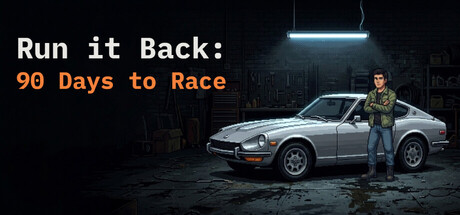
Run It Back: 90 Days to Race is developed solo. Illustrating the game's scenes, key art, and character art by hand wasn't feasible working alone, so AI image-generation tools are used as part of the art pipeline — some pieces generated directly from text prompts, others produced by restyling real photographic references into the game's illustrated art style. All AI-assisted artwork was selected and curated by the developer. No AI-generated content is created live during gameplay.
AI tools were used during development.
The interface translations (English, French, German, Italian and Portuguese) and the log translations were generated with AI assistance, under the developer's direction and with human review. The game does not generate AI content at runtime.
This game uses generative AI in the creation of some background images.
The generated images have been selected and adjusted by the developer to fit the content of the game, and are used as in-game background assets.
AI does not generate any new text, images, audio, or other content during gameplay.
Some illustrations and background art were pre-generated using AI image tools, then manually curated, edited, and tone-matched by the developer. All game text, game design, and code are human-authored. The game does not generate any content with AI at runtime.
This game uses generative AI tools (including Canva AI) to create some visual assets, such as the logo, menu backgrounds, and promotional artwork. In-game text localization into multiple languages was produced with AI assistance and reviewed by the development team. The trailer's background music was created using a generative AI music tool, licensed for commercial use. No content is generated by AI during gameplay, and the game does not connect to any external AI service.
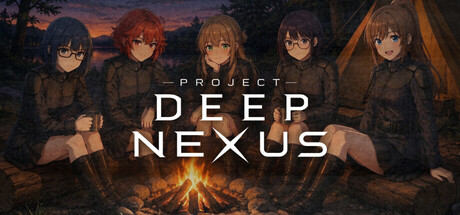
In the development of Project Deep Nexus, AI was utilized for several key components. This includes creating character and background artworks, as well as generating some music tracks. While the developer curated the plot and narrative, AI assisted in the process.
The images and illustrations in Old Money (icons, scenes, backgrounds) as well as parts of the store artwork were created with generative AI image tools and were curated and edited by the developer. The program code and parts of the texts were also developed with the assistance of AI tools and were reviewed, tested and are the responsibility of the developer. The game concept, design and balancing come from the developer. No content is generated by AI at runtime, and the game does not send any data to AI services.
This game uses content created or assisted by generative AI. Generative AI was used to help create and edit some visual assets, music/sound materials, and scripts. All final content was reviewed, selected, and adjusted by the developer before being included in the game.
To improve development efficiency and creative inspiration, our team integrated AI-assisted tools into the development of the game. We used Claude and GLM as creative partners to help us draft and refine portions of the game's visuals, story, dialogue, and text, as well as to help translate the store page content into different languages (not in-game text).
Please be assured that AI is just one part of our creative process — every piece of content ultimately presented to players, from each word to the overall story, has been carefully designed, reviewed, and revised by our development team to ensure the highest quality and the best gaming experience.
AI tools were used to assist with code development, some in-game text, and marketing visuals. All game design, story direction and gameplay mechanics were created and reviewed by the developer. No AI-generated content is produced in real-time during gameplay.
A small amount of the art is generated or seeded using AI, but much of it is altered, changed or had custom things done with it. All music, sound, writing and code was made by a human.
Character portraits and evidence images were created with OpenAI's image generation; some diagrams were authored as SVG with OpenAI Codex. These assets were reviewed before release (originality and likeness pass). Sound effects and the ambient music bed are produced by a deterministic synthesis program (oscillators, filtered noise, and math-based DSP), not by a generative-AI audio model, and from no sampled or library audio; the synthesis script itself was written with AI coding assistance (AI-assisted code, not AI-generated audio). Fonts, engine, and runtime are non-AI third-party components under their own licenses.
NarrationOS uses generative AI to create its output. It synthesizes speech from your books using an AI voice model (Resemble AI's Chatterbox) and can generate a custom voice from a short recording you supply. A local AI language model assists with text analysis. All generation happens locally on your device. You are responsible for having the rights to any content or voice you use, and voice cloning requires your confirmation of consent.
In the development process of this game, we utilized pre-generated AI tools as follows:
* 2D Assets (Backgrounds, Photos, Various Images): After generating base images using AI, we manually added, modified, and processed them before implementing them in the game.
* 3D Assets: AI generation was used for some 3D models, and the output models were then manually adjusted and processed before use.
* Audio: Generation AI tools (text-to-speech and speech synthesis) were used for some sound effects (SE) and character voices.
Please note that we did not use any live-generated AI systems that generate content in real time during game execution.
We've harnessed the power of Generative AI technology to create several of our game's unique theme background artworks, enhancing your gaming experience with visually stunning designs.
Generative AI was used during the development of this game to assist with the creation of certain visual assets and to help with portions of the programming process. All gameplay mechanics, game design, story, progression, and creative direction were designed and implemented by the developer.
This game's code was written with the assistance of generative AI. No AI-generated artwork or audio is used.
The visuals are hand-coded by the developer and the music is procedurally generated. AI also assisted with some in-game text and its French translation.
The game's 2D artwork (character portraits, scenes, backgrounds) and music were created with generative AI tools, then curated and edited by the developer. Parts of the game's code and narrative text were written with AI assistance, under human direction, review and rewriting. All AI-assisted content is pre-generated during development: nothing is generated by AI while you play.
Generative AI was used as a production tool to help create selected visual and audio assets and to assist with refining some written content. The game’s concept, narrative direction, scenes, mechanics, and final presentation were defined, directed, reviewed, and edited by the developer. No content is generated by AI during gameplay.
All content in this game was created by a single developer using generative AI tools, under full human supervision.
The scenario and script were written by the developer (writing assistance: Claude). All theme song lyrics were written by the developer. Backgrounds, character sprites, the logo, and the OP/ED movies were generated with Leonardo AI, based on the developer's own character designs, compositions, and art direction. The music and theme songs were produced with Suno AI. All voice acting was generated with ElevenLabs; every line in all three languages (Japanese, English, and Simplified Chinese, approx. 1,900 lines each) was individually reviewed by the developer for pronunciation, acting, and emotional delivery, and only approved takes were used. Localization was assisted by Claude Code, with every translation reviewed by the developer. Programming was assisted by Claude Code.
The store page and marketing assets (capsule images, logo, trailers, etc.) were likewise created with Leonardo AI (imagery) and Suno AI (music). Screenshots and trailer footage are captures of the actual game (the game itself contains the AI-generated assets described above).
Every AI-generated asset was reviewed, selected, and corrected by the developer before use. No content is generated by AI at runtime. A breakdown of tools by production stage is included in the end credits.
Generative AI was used during development to assist in creating some 2D background artwork, character images, item artwork, UI assets, and concept art. These assets were reviewed, edited, adjusted, and integrated into the game by the developer. The game does not generate AI content during gameplay.
AI was used to help develop parts of the game such as code, formulas, and concepts. Game origination, development, assets, and management was solely led by human solo developer. There is no use of AI during any active play of this game.
The game's design, game systems, balance, and English narrative are human-developed. AI tools were used during development as a coding assistant, with any recommended code changes specified, reviewed, and tested by the developer. The Japanese localization was produced with AI assistance and hand-edited for nuances, idioms, and accuracy. AI tools were also used for grammar and spell checking. No content is AI-generated at runtime.
This game is primarily built with pre-generated AI-assisted content, including artwork, text, localization, music, video, and marketing materials. All AI-assisted content is reviewed, selected, and edited by the developer before being included in the game or store page. The game does not use live-generated AI during gameplay and does not connect to any external AI service while running.
AI Used to Generate SOME Game Aspects such as backend simulations and Graphical Textures. ALL AI Usage is Pre-Rendered and approved by Development team before being built into the game.
Some graphical assets (capsule images, etc.) and music tracks
were created using AI generation tools.
No AI generates content in real time during gameplay.
All AI-generated materials were reviewed and selected by a human.
This game uses generative artificial intelligence (Midjourney) as a supporting tool in the production of some of its artwork and illustrations. All AI-generated content is selected, edited, and art-directed by the development team, which defines composition, style, and visual coherence before it is integrated into the game.
Generative AI was used only during the early testing and prototyping stages to create temporary placeholder images for visualisation and internal evaluation. These images will not be included in the final released version of the game and will be replaced with original, professionally produced artwork.
The final game will not contain any AI-generated images, text, audio, or other AI-generated assets. It also does not use generative AI to produce content during gameplay.
Some character illustrations were refined using generative AI as an assistive tool based on artwork originally designed and created by the developer. The final artwork was then manually reviewed and edited. Generative AI was also used to assist with the initial English localization, which was subsequently reviewed and revised before implementation in the game.
This project is built by a one-man team. I use AI tools as a supportive assistant to help with development. However, every line of code, piece of text, and design decision has been manually reviewed, edited, and finalized by me to ensure the quality and soul of the game.
GridIron Grit is made with love, for us hardcore football sim fans, but AI did much of the heavy lifting.
AI helped me bring my dream game to life, writing code and generating game assets.
The game itself uses no generative AI within.
Run It Back: 90 Days to Race is developed solo. Illustrating the game's scenes, key art, and character art by hand wasn't feasible working alone, so AI image-generation tools are used as part of the art pipeline — some pieces generated directly from text prompts, others produced by restyling real photographic references into the game's illustrated art style. All AI-assisted artwork was selected and curated by the developer. No AI-generated content is created live during gameplay.
AI tools were used during development.
The interface translations (English, French, German, Italian and Portuguese) and the log translations were generated with AI assistance, under the developer's direction and with human review. The game does not generate AI content at runtime.
This game uses generative AI in the creation of some background images.
The generated images have been selected and adjusted by the developer to fit the content of the game, and are used as in-game background assets.
AI does not generate any new text, images, audio, or other content during gameplay.
Some illustrations and background art were pre-generated using AI image tools, then manually curated, edited, and tone-matched by the developer. All game text, game design, and code are human-authored. The game does not generate any content with AI at runtime.
This game uses generative AI tools (including Canva AI) to create some visual assets, such as the logo, menu backgrounds, and promotional artwork. In-game text localization into multiple languages was produced with AI assistance and reviewed by the development team. The trailer's background music was created using a generative AI music tool, licensed for commercial use. No content is generated by AI during gameplay, and the game does not connect to any external AI service.
In the development of Project Deep Nexus, AI was utilized for several key components. This includes creating character and background artworks, as well as generating some music tracks. While the developer curated the plot and narrative, AI assisted in the process.