Public Steam disclosure research25,380 disclosures tracked
Where do games disclose AI use?
Search developers’ Steam disclosures, compare classified AI use across
games, and follow recorded changes.
This index adds cross-game classifications and statistics to
statements published on individual store pages.
Groups reflect automatic analysis of public disclosures; mature records are excluded. These counts do not measure AI use across all of Steam.
Missing or unclear statements cannot establish whether a game uses AI.
Some development and marketing materials may have been assisted by generative AI during pre-production (concept exploration, references, and drafts). The game does not generate content in real time during gameplay.
Generative AI tools were used during the development process to assist in creating some background environmental textures, atmospheric sound effects, and promotional marketing materials. All AI-generated assets have been reviewed and refined by the developer to ensure quality and originality.
This game was developed with assistance from AI tools. Generative AI was used in the development of store page content and marketing materials. All in-game assets, environments, and gameplay were created using Unreal Engine 5 and licensed asset packs.
We use AI in early conceptual design, to figure out an appropriate background art. We then go through several iterations manually with artist modifications, to produce a good, highly polished background that gels well with our characters, story and intended art style.
Our characters are hand drawn by humans.
Our objects are hand drawn by humans.
All user interface (UI) elements are hand drawn by humans.
All animations are hand drawn and meticulously rigged (also by humans) using bone animation.
To make the game world truly vibrant and unpredictable, we turned to modern procedural generation technologies. Some elements were created with the assistance of artificial intelligence tools, allowing us to add more unique content and make each of your adventures one-of-a-kind.
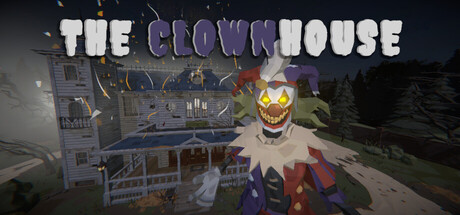
Some scripts, documentation, and marketing texts in The Clownhouse were created with the assistance of AI-based tools. All AI-generated content has been reviewed, edited, and approved by the development team to ensure quality and consistency with the game's vision.
No AI-generated art, sound, music, or voice acting is used in this game. All visual assets, audio, and core creative content were made by humans.
We use generative AI tools to create and enhance various in-game assets, including environmental textures and marketing materials such as store banners. This helps us achieve a higher level of visual detail and atmosphere in the game world.
This game uses generative AI tools during development to assist in the creation of certain pre-rendered visual assets such as textures and images. All AI-assisted content was directed, reviewed, and refined by the developer to ensure it aligns with the game’s artistic vision and quality standards. The game does not use live-generated AI content during gameplay.
Some visual assets in the game and store page were created using generative AI and then edited and integrated by the developer. No real-time AI generation is used during gameplay.
This game uses AI-generated voice performances for certain in-game recordings. All narrative design, gameplay systems, and environmental content were created and implemented by the developer.
AI tools were used to assist in creating selected promotional store assets. These materials were later edited, refined, and finalized by human creators.
In-game videos used for simulating "web cam" or in house cameras are AI generated and than processed by code to get an ASCSII video. Translations of the game into all supported languages were produced with the assistance of large language models
This game uses pre-generated AI content.
Generative AI tools were used during development to assist in the creation of certain visual assets (including some meshes and textures), audio assets (including music), and voice recordings.
All AI-generated content was reviewed, edited, and integrated by the development team.
This game uses AI-assisted tools as part of the production pipeline for selected visual assets and audio. Final assets are directed, edited, selected, integrated, and reviewed by Moire X Studio.
Some environmental posters visible in the game were initially created using generative AI tools and then manually edited and integrated by the developer. These assets are static decorative elements and do not affect gameplay or narrative systems.
COALCOM was built by a solo developer with 20+ years in the power industry. Generative AI was used to write and iterate on game code — it's what made finishing a +10-year project idea finally possible. Some written content, including store page copy and the game manual, was drafted with AI assistance and refined by the developer. The game design, mechanics, domain expertise, and voice are entirely human. The visual assets were not AI-generated.
This game was developed by a solo creator using generative AI tools to assist in the creation of visual assets (including environmental textures, character portraits, and UI elements) and background music. All AI-generated content has been manually reviewed, edited, and integrated to ensure it fits the game's horror atmosphere and narrative.
This is a genuine work of 'Cyber-Stitching.' We employed a never-tiring AI assistant to handle the code architecture (composed of 50% blind faith and 50% compiler errors) and some generative architectural models. The student developer's primary role was cheering the AI on from a dorm room and stitching these scattered soul fragments into the underground space you see now. To be honest, without the AI’s infinite patience, this pile of 'crispy' code garbage wouldn't even exist.
We use AI in a very limited way to generate rough starting meshes for 3D models. Those initial models act only as a starting point - similar to a placeholder. From there, all the work is done by us: Models are manually refined, rebuilt, optimized and integrated by the development team. All environments, level design, lighting, materials, and world building are hand-crafted. All gameplay systems, programming, mechanics, and logic are human-written. All story, narrative design, pacing and world lore are human-created. All art direction, maps, layouts, and creative decisions are human-driven.
The purpose of this is simple: to remove an entry barrier so this game can exist.
We are a small, self-funded team of two developers learning Unreal Engine hands-on, building everything piece by piece. Using AI in this limited way allows us to start from a basic form instead of a blank screen - but the final result is the product of human effort, learning, iteration, and creative intent.
We know this can be a sensitive topic, especially for artists and voice actors, and those concerns are completely valid.
We truly appreciate everyone who chooses to be a part of this journey.
Some of the images and monster models in the game are generated using artificial intelligence. I can guarantee that all AI elements are compliant, legal, and commercially usable.
I make games as a solo designer, so a few images have been generated for textures and sprites along with editing to make sure they fit the game. I also use it for programming and writing descriptions. I also use it to change my voice because I'm the only voice actor. I'm too broke to pay a bunch of people so AI isn't taking any jobs, just helping me create content in a realistic timeline.
The goal of AI's use during our production was for it to be used sparingly, and speed up production of elements deemed trivial in that they don't affect the intrinsic spirit of the game or artstyle.
AI was used in the generation of some textures and objects that were later composited to create scene backgrounds (similar to the photo-bashing technique used by concept artists).
Lastly, some voices and voice lines were generated by text-to-speech tools.
Some visual assets and artistic elements in this project were created or refined with the assistance of generative AI tools during development.
All AI-assisted content was reviewed, edited, and integrated manually to ensure consistency with the game’s artistic vision and narrative themes.
Generative AI is not used in real-time during gameplay.
Generative Ai is used for mainly Localization and to make a few Images (artwork) in game. Rest artwork, assets, sounds used in game are made by Real Human Artists.
Artwork and narrative elements in Lyra Signal were created with the assistance of generative AI tools. All content has been carefully reviewed by the development team to maintain the story, atmosphere, and quality of the game experience.
We use generative AI as a support tool in development, mainly for music and some textures. The generated material was reviewed and adjusted by the human team before being integrated into the game.
This game makes limited use of generative AI tools during development and marketing.
Generative AI has been used for creating certain user interface icons, in‑game informational images, promotional materials, and cinematic videos. AI‑assisted tools have also been used for some video scenes and voice work related to the Nexus character.
All gameplay systems, code, mechanics, level design, and narrative content are designed and implemented by the development team. Generative AI is not used in core gameplay systems or in content that directly affects player decisions.
This game utilizes pre-generated AI content in the following areas:
Artwork: The game's cover art and certain promotional assets were created using AI generation tools.
Audio: Character voice-overs and the in-game soundtrack (radio music) were generated using AI tools.
All AI-generated assets have been manually reviewed, edited, and curated by the developer to ensure they fit the game's narrative and artistic quality.
Some development and marketing materials may have been assisted by generative AI during pre-production (concept exploration, references, and drafts). The game does not generate content in real time during gameplay.
Generative AI tools were used during the development process to assist in creating some background environmental textures, atmospheric sound effects, and promotional marketing materials. All AI-generated assets have been reviewed and refined by the developer to ensure quality and originality.
This game was developed with assistance from AI tools. Generative AI was used in the development of store page content and marketing materials. All in-game assets, environments, and gameplay were created using Unreal Engine 5 and licensed asset packs.
We use AI in early conceptual design, to figure out an appropriate background art. We then go through several iterations manually with artist modifications, to produce a good, highly polished background that gels well with our characters, story and intended art style.
Our characters are hand drawn by humans.
Our objects are hand drawn by humans.
All user interface (UI) elements are hand drawn by humans.
All animations are hand drawn and meticulously rigged (also by humans) using bone animation.
To make the game world truly vibrant and unpredictable, we turned to modern procedural generation technologies. Some elements were created with the assistance of artificial intelligence tools, allowing us to add more unique content and make each of your adventures one-of-a-kind.
Some scripts, documentation, and marketing texts in The Clownhouse were created with the assistance of AI-based tools. All AI-generated content has been reviewed, edited, and approved by the development team to ensure quality and consistency with the game's vision.
No AI-generated art, sound, music, or voice acting is used in this game. All visual assets, audio, and core creative content were made by humans.
We use generative AI tools to create and enhance various in-game assets, including environmental textures and marketing materials such as store banners. This helps us achieve a higher level of visual detail and atmosphere in the game world.
This game uses generative AI tools during development to assist in the creation of certain pre-rendered visual assets such as textures and images. All AI-assisted content was directed, reviewed, and refined by the developer to ensure it aligns with the game’s artistic vision and quality standards. The game does not use live-generated AI content during gameplay.
Some visual assets in the game and store page were created using generative AI and then edited and integrated by the developer. No real-time AI generation is used during gameplay.
This game uses AI-generated voice performances for certain in-game recordings. All narrative design, gameplay systems, and environmental content were created and implemented by the developer.
AI tools were used to assist in creating selected promotional store assets. These materials were later edited, refined, and finalized by human creators.
In-game videos used for simulating "web cam" or in house cameras are AI generated and than processed by code to get an ASCSII video. Translations of the game into all supported languages were produced with the assistance of large language models
This game uses pre-generated AI content.
Generative AI tools were used during development to assist in the creation of certain visual assets (including some meshes and textures), audio assets (including music), and voice recordings.
All AI-generated content was reviewed, edited, and integrated by the development team.
This game uses AI-assisted tools as part of the production pipeline for selected visual assets and audio. Final assets are directed, edited, selected, integrated, and reviewed by Moire X Studio.
Some environmental posters visible in the game were initially created using generative AI tools and then manually edited and integrated by the developer. These assets are static decorative elements and do not affect gameplay or narrative systems.
COALCOM was built by a solo developer with 20+ years in the power industry. Generative AI was used to write and iterate on game code — it's what made finishing a +10-year project idea finally possible. Some written content, including store page copy and the game manual, was drafted with AI assistance and refined by the developer. The game design, mechanics, domain expertise, and voice are entirely human. The visual assets were not AI-generated.
This game was developed by a solo creator using generative AI tools to assist in the creation of visual assets (including environmental textures, character portraits, and UI elements) and background music. All AI-generated content has been manually reviewed, edited, and integrated to ensure it fits the game's horror atmosphere and narrative.
This is a genuine work of 'Cyber-Stitching.' We employed a never-tiring AI assistant to handle the code architecture (composed of 50% blind faith and 50% compiler errors) and some generative architectural models. The student developer's primary role was cheering the AI on from a dorm room and stitching these scattered soul fragments into the underground space you see now. To be honest, without the AI’s infinite patience, this pile of 'crispy' code garbage wouldn't even exist.
We use AI in a very limited way to generate rough starting meshes for 3D models. Those initial models act only as a starting point - similar to a placeholder. From there, all the work is done by us: Models are manually refined, rebuilt, optimized and integrated by the development team. All environments, level design, lighting, materials, and world building are hand-crafted. All gameplay systems, programming, mechanics, and logic are human-written. All story, narrative design, pacing and world lore are human-created. All art direction, maps, layouts, and creative decisions are human-driven.
The purpose of this is simple: to remove an entry barrier so this game can exist.
We are a small, self-funded team of two developers learning Unreal Engine hands-on, building everything piece by piece. Using AI in this limited way allows us to start from a basic form instead of a blank screen - but the final result is the product of human effort, learning, iteration, and creative intent.
We know this can be a sensitive topic, especially for artists and voice actors, and those concerns are completely valid.
We truly appreciate everyone who chooses to be a part of this journey.
Some of the images and monster models in the game are generated using artificial intelligence. I can guarantee that all AI elements are compliant, legal, and commercially usable.
I make games as a solo designer, so a few images have been generated for textures and sprites along with editing to make sure they fit the game. I also use it for programming and writing descriptions. I also use it to change my voice because I'm the only voice actor. I'm too broke to pay a bunch of people so AI isn't taking any jobs, just helping me create content in a realistic timeline.
The goal of AI's use during our production was for it to be used sparingly, and speed up production of elements deemed trivial in that they don't affect the intrinsic spirit of the game or artstyle.
AI was used in the generation of some textures and objects that were later composited to create scene backgrounds (similar to the photo-bashing technique used by concept artists).
Lastly, some voices and voice lines were generated by text-to-speech tools.
Some visual assets and artistic elements in this project were created or refined with the assistance of generative AI tools during development.
All AI-assisted content was reviewed, edited, and integrated manually to ensure consistency with the game’s artistic vision and narrative themes.
Generative AI is not used in real-time during gameplay.
Generative Ai is used for mainly Localization and to make a few Images (artwork) in game. Rest artwork, assets, sounds used in game are made by Real Human Artists.
Artwork and narrative elements in Lyra Signal were created with the assistance of generative AI tools. All content has been carefully reviewed by the development team to maintain the story, atmosphere, and quality of the game experience.
We use generative AI as a support tool in development, mainly for music and some textures. The generated material was reviewed and adjusted by the human team before being integrated into the game.
This game makes limited use of generative AI tools during development and marketing.
Generative AI has been used for creating certain user interface icons, in‑game informational images, promotional materials, and cinematic videos. AI‑assisted tools have also been used for some video scenes and voice work related to the Nexus character.
All gameplay systems, code, mechanics, level design, and narrative content are designed and implemented by the development team. Generative AI is not used in core gameplay systems or in content that directly affects player decisions.
This game utilizes pre-generated AI content in the following areas:
Artwork: The game's cover art and certain promotional assets were created using AI generation tools.
Audio: Character voice-overs and the in-game soundtrack (radio music) were generated using AI tools.
All AI-generated assets have been manually reviewed, edited, and curated by the developer to ensure they fit the game's narrative and artistic quality.