Public Steam disclosure research25,380 disclosures tracked
Where do games disclose AI use?
Search developers’ Steam disclosures, compare classified AI use across
games, and follow recorded changes.
This index adds cross-game classifications and statistics to
statements published on individual store pages.
Groups reflect automatic analysis of public disclosures; mature records are excluded. These counts do not measure AI use across all of Steam.
Missing or unclear statements cannot establish whether a game uses AI.
Coding
Supported by anthropic Opus 4.6 & Opus 4.7
Music
13 era-specific tracks generated with Google Lyria · manually curated and mastered
Voice (Klammi)
Google Gemini TTS "Puck" · German · Opus 96 kbit/s WebM
Avatars & Images
Generated with DALL-E / Google Gemini Image · manually selected and background-removed
Mascot Videos (Klammi)
Google Veo 2.0 · Luma-Key + VP9-Alpha pipeline · 480×480 px
Logo & Branding
Generated with Google Gemini · background removed with rembg
Translation
Original content written in german, translated by Claude Sonett 4.6
Vertical capsule image (store and library) generated using Adobe Firefly.
All in-game content (sprites, music, sound effects) is human-created or licensed from human-made asset packs.
Generative AI tools were used during development to assist with code, localization text, store page copy, and procedural geometric marketing assets. The game does not use live generative AI during gameplay. All AI-assisted content was reviewed, edited, and integrated by the developer.
Some visual and audio assets in this game were generated with the assistance of AI tools. The developer has reviewed, selected, and where necessary edited all AI-generated content. Creative direction, game design, and all core development work were performed by the developer.
Our team's Generative AI policy is that we cannot use it at all for Assets, Sounds, and Arts. The only thing we have allowed ourselves to use Gen AI for is coding, although we have agreed we won't use Gen AI the first time we attempt to solve a problem. We only use Gen AI after having already attempted to fix a problem through YouTube videos, asking peers, etc.
Generative AI was used as a development assistant during this project. It helped with brainstorming gameplay mechanics, coding/debugging support, level design ideas, marketing copy, store description text, and some promotional/store artwork.
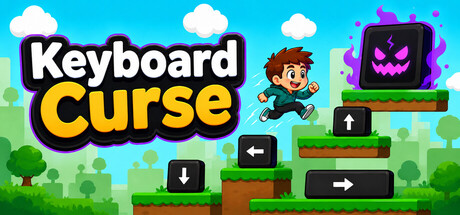
The game itself is a 2D platformer developed in Unity. Gameplay does not use live generative AI, and no content is generated dynamically during gameplay.
All gameplay artwork is handmade. The title background image is AI generated; I don't have enough skill nor a desire to commission a single flavor image.
Billionaire MAX is an indie game where the core game design, mechanics, balance, and creative direction were authored by the developer, while the implementation work was assisted by AI tools.
The following content was created with AI assistance:
- Source code: Game logic, UI, networking, and other code was written with the help of AI coding assistants. All code was reviewed, tested, and integrated by the developer.
- Visual assets: Achievement icons, sector illustrations, and in-game card art were generated with AI image generation tools. The developer curated, edited, and selected every asset before inclusion.
- Sound effects: Created with AI audio generation tools. The developer curated and selected each sound effect before inclusion.
- Localization: Initial drafts of English, Korean, and Simplified Chinese translations were produced with AI assistance, then proofread and refined by the developer.
The following content was NOT created with AI:
- Game design and rules
- Music
- Final QA and gameplay tuning
No AI generation occurs at runtime. The game does not invoke any AI service during gameplay; players never see content produced live by AI.
Some arranged versions of the background music include sounds generated with AI assistance. All original compositions and other content, including graphics and game design, were created entirely by the developer.
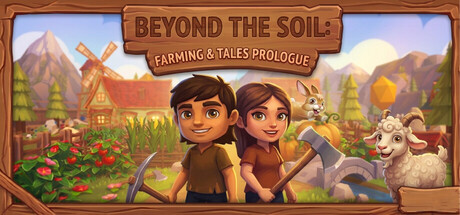
During the development of Beyond the Soil: Farming & Tales Prologue, generative AI technologies were used to optimize localization texts and assist in the design phase of certain visual marketing materials.
Generative AI tools were used during development to assist with selected visual and audio asset concepts and production support.
All final assets included in the game were reviewed, edited, and integrated by the developer to ensure they are appropriate for the game and do not knowingly include infringing content. No live AI-generated content is produced during gameplay.
WinBolo's core engine and gameplay code was originally written by John Morrison between 1998 and 2008. The 2.0 modernization — including build system updates, the networking rewrite and platform ports — was developed with assistance from AI coding tools, with all architectural decisions, code review, and final integration handled by John Morrison.
Some non-gameplay marketing materials — including images and video elements used in trailers, social media, and the store page — were created using AI image generation as a starting point, with composition, editing, effects, and final selection done by hand. Gameplay screenshots and video footage are unedited captures from the actual game.
The game itself contains no generative AI content at runtime. Player-facing in-game assets (graphics, sound, music, text, UI) are human-created. The in-game AI opponents ("Brains," including NewAutopilot and future ML-trained agents) use traditional game AI techniques and trained reinforcement-learning models — they don't generate text, images, or audio during play.
AI disclosure: AI assistants were used during development to help write and refine the game's source code and to edit narrative text (board memos, news headlines, event copy). All AI-assisted output was reviewed, edited, and approved by a human before shipping.
Some visual prototype assets and early promotional materials may include content created with generative AI. Final gameplay design, implementation, balancing, and overall creative direction are developed by the creator.
This game's development used generative AI in three specific areas:
1. Source code: Portions of the source code were authored with assistance from large language model (LLM) coding tools.
2. Localization: In-game text translations for 10 languages (English, Simplified Chinese, Traditional Chinese, Korean, Russian, German, French, Spanish, Brazilian Portuguese, and Italian) were generated
using LLM-based tools from the original Japanese source text.
3. Visual assets (UI graphics and logo): Generative AI was used in some cases to assist with creating certain in-game UI icons and the game logo. These AI-assisted assets are limited to generic UI elements
(icons, indicators) and abstract logo designs, and do not depict real-world characters, brands, or copyrighted materials.
This game uses AI tools to help assist in the development process. To ensure a high-quality experience, all element has been manually reviewed and refined by our development team to meet our creative standards and Steam's community guidelines.
All visual assets and sound effects in this game were created with the assistance of AI generation tools, then curated and integrated by the developer.
The only AI that was used for this game was placeholders and for research into the Norwegian culture. Everything else was designed and produced by humans.
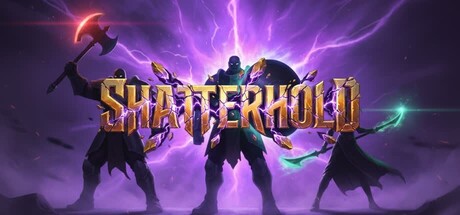
Shatterhold uses AI-generated art for environmental paintings, creature portraits, and music tracks. All gameplay mechanics, code, and game design are human-directed.
During our development, we have used AI tools to assist us in Content creation for the game. As a small team that is still learning and growing, we leverage AI to help us in generating content. But the final product has been shaped by the team's collective hardwork, dedication and creativity.
Generative AI was used during development to assist with certain in-game visual assets, audio/music, and promotional/store page materials. Final selection, editing, implementation, and overall game integration were handled by the developer.
Some visual content used in the game and on its store page was created with the assistance of generative AI. All such content was selected, reviewed, and implemented by the developer. The game does not generate AI content during gameplay.
Currently only AI generated item is the Store graphics.
It is, however, intended in the future for the game itself to contain AI generated graphics as well.
Spa World was developed with AI-assisted tools used during
the development process, including code assistance and
content drafting. All game design, creative direction,
artwork, and final decisions were made by the developer.
The game itself does not use or generate AI content
during gameplay.
All Store images built with a baseline of Genertive AI and heavly modified before upload
Some Code mainly underlying Features are Made With Generative AI
This game uses generative artificial intelligence tools during parts of its development process. AI assistance was used in a limited capacity for implementing certain minor systems and supporting the coding workflow, representing a small portion of the overall codebase.
In addition, some visual assets and UI elements were created or enhanced using AI-generated imagery, often combined with manual editing and integration to fit the game’s style and design.
This game uses generative AI in the following limited ways:
AI tools were used during development to assist in generating and organizing vocabulary word data.
AI may have been used to help draft or structure non-final text content, which has been manually reviewed and edited by the developer.
No generative AI is used in real-time gameplay, player interaction, or runtime content generation.
This game does not use external AI services during gameplay.
AI tools were used to accelerate game development and localization.
No real-time AI generation during gameplay.
The game contains a humorous nod to AI culture inspired by the development process.
AI was used during development to assist with brainstorming and iteration, while all final rooms, puzzles, and gameplay mechanics were designed by the developer.
Some visual assets and marketing materials for this game were created with the assistance of generative AI tools.
All AI-generated content has been carefully reviewed, refined, and integrated by the developer to ensure a consistent visual style and high-quality presentation.
No AI is used to generate content during gameplay.
AI was used in the application to create illustrations, voiceovers, translations. All materials have been manually reviewed and refined to ensure the quality and integrity of the application.
Coding
Supported by anthropic Opus 4.6 & Opus 4.7
Music
13 era-specific tracks generated with Google Lyria · manually curated and mastered
Voice (Klammi)
Google Gemini TTS "Puck" · German · Opus 96 kbit/s WebM
Avatars & Images
Generated with DALL-E / Google Gemini Image · manually selected and background-removed
Mascot Videos (Klammi)
Google Veo 2.0 · Luma-Key + VP9-Alpha pipeline · 480×480 px
Logo & Branding
Generated with Google Gemini · background removed with rembg
Translation
Original content written in german, translated by Claude Sonett 4.6
Vertical capsule image (store and library) generated using Adobe Firefly.
All in-game content (sprites, music, sound effects) is human-created or licensed from human-made asset packs.
Generative AI tools were used during development to assist with code, localization text, store page copy, and procedural geometric marketing assets. The game does not use live generative AI during gameplay. All AI-assisted content was reviewed, edited, and integrated by the developer.
Some visual and audio assets in this game were generated with the assistance of AI tools. The developer has reviewed, selected, and where necessary edited all AI-generated content. Creative direction, game design, and all core development work were performed by the developer.
Our team's Generative AI policy is that we cannot use it at all for Assets, Sounds, and Arts. The only thing we have allowed ourselves to use Gen AI for is coding, although we have agreed we won't use Gen AI the first time we attempt to solve a problem. We only use Gen AI after having already attempted to fix a problem through YouTube videos, asking peers, etc.
Generative AI was used as a development assistant during this project. It helped with brainstorming gameplay mechanics, coding/debugging support, level design ideas, marketing copy, store description text, and some promotional/store artwork.
The game itself is a 2D platformer developed in Unity. Gameplay does not use live generative AI, and no content is generated dynamically during gameplay.
All gameplay artwork is handmade. The title background image is AI generated; I don't have enough skill nor a desire to commission a single flavor image.
Billionaire MAX is an indie game where the core game design, mechanics, balance, and creative direction were authored by the developer, while the implementation work was assisted by AI tools.
The following content was created with AI assistance:
- Source code: Game logic, UI, networking, and other code was written with the help of AI coding assistants. All code was reviewed, tested, and integrated by the developer.
- Visual assets: Achievement icons, sector illustrations, and in-game card art were generated with AI image generation tools. The developer curated, edited, and selected every asset before inclusion.
- Sound effects: Created with AI audio generation tools. The developer curated and selected each sound effect before inclusion.
- Localization: Initial drafts of English, Korean, and Simplified Chinese translations were produced with AI assistance, then proofread and refined by the developer.
The following content was NOT created with AI:
- Game design and rules
- Music
- Final QA and gameplay tuning
No AI generation occurs at runtime. The game does not invoke any AI service during gameplay; players never see content produced live by AI.
Some arranged versions of the background music include sounds generated with AI assistance. All original compositions and other content, including graphics and game design, were created entirely by the developer.
During the development of Beyond the Soil: Farming & Tales Prologue, generative AI technologies were used to optimize localization texts and assist in the design phase of certain visual marketing materials.
Generative AI tools were used during development to assist with selected visual and audio asset concepts and production support.
All final assets included in the game were reviewed, edited, and integrated by the developer to ensure they are appropriate for the game and do not knowingly include infringing content. No live AI-generated content is produced during gameplay.
WinBolo's core engine and gameplay code was originally written by John Morrison between 1998 and 2008. The 2.0 modernization — including build system updates, the networking rewrite and platform ports — was developed with assistance from AI coding tools, with all architectural decisions, code review, and final integration handled by John Morrison.
Some non-gameplay marketing materials — including images and video elements used in trailers, social media, and the store page — were created using AI image generation as a starting point, with composition, editing, effects, and final selection done by hand. Gameplay screenshots and video footage are unedited captures from the actual game.
The game itself contains no generative AI content at runtime. Player-facing in-game assets (graphics, sound, music, text, UI) are human-created. The in-game AI opponents ("Brains," including NewAutopilot and future ML-trained agents) use traditional game AI techniques and trained reinforcement-learning models — they don't generate text, images, or audio during play.
AI disclosure: AI assistants were used during development to help write and refine the game's source code and to edit narrative text (board memos, news headlines, event copy). All AI-assisted output was reviewed, edited, and approved by a human before shipping.
Some visual prototype assets and early promotional materials may include content created with generative AI. Final gameplay design, implementation, balancing, and overall creative direction are developed by the creator.
This game's development used generative AI in three specific areas:
1. Source code: Portions of the source code were authored with assistance from large language model (LLM) coding tools.
2. Localization: In-game text translations for 10 languages (English, Simplified Chinese, Traditional Chinese, Korean, Russian, German, French, Spanish, Brazilian Portuguese, and Italian) were generated
using LLM-based tools from the original Japanese source text.
3. Visual assets (UI graphics and logo): Generative AI was used in some cases to assist with creating certain in-game UI icons and the game logo. These AI-assisted assets are limited to generic UI elements
(icons, indicators) and abstract logo designs, and do not depict real-world characters, brands, or copyrighted materials.
This game uses AI tools to help assist in the development process. To ensure a high-quality experience, all element has been manually reviewed and refined by our development team to meet our creative standards and Steam's community guidelines.
All visual assets and sound effects in this game were created with the assistance of AI generation tools, then curated and integrated by the developer.
The only AI that was used for this game was placeholders and for research into the Norwegian culture. Everything else was designed and produced by humans.
Shatterhold uses AI-generated art for environmental paintings, creature portraits, and music tracks. All gameplay mechanics, code, and game design are human-directed.
During our development, we have used AI tools to assist us in Content creation for the game. As a small team that is still learning and growing, we leverage AI to help us in generating content. But the final product has been shaped by the team's collective hardwork, dedication and creativity.
Generative AI was used during development to assist with certain in-game visual assets, audio/music, and promotional/store page materials. Final selection, editing, implementation, and overall game integration were handled by the developer.
Some visual content used in the game and on its store page was created with the assistance of generative AI. All such content was selected, reviewed, and implemented by the developer. The game does not generate AI content during gameplay.
Currently only AI generated item is the Store graphics.
It is, however, intended in the future for the game itself to contain AI generated graphics as well.
Spa World was developed with AI-assisted tools used during
the development process, including code assistance and
content drafting. All game design, creative direction,
artwork, and final decisions were made by the developer.
The game itself does not use or generate AI content
during gameplay.
All Store images built with a baseline of Genertive AI and heavly modified before upload
Some Code mainly underlying Features are Made With Generative AI
This game uses generative artificial intelligence tools during parts of its development process. AI assistance was used in a limited capacity for implementing certain minor systems and supporting the coding workflow, representing a small portion of the overall codebase.
In addition, some visual assets and UI elements were created or enhanced using AI-generated imagery, often combined with manual editing and integration to fit the game’s style and design.
This game uses generative AI in the following limited ways:
AI tools were used during development to assist in generating and organizing vocabulary word data.
AI may have been used to help draft or structure non-final text content, which has been manually reviewed and edited by the developer.
No generative AI is used in real-time gameplay, player interaction, or runtime content generation.
This game does not use external AI services during gameplay.
AI tools were used to accelerate game development and localization.
No real-time AI generation during gameplay.
The game contains a humorous nod to AI culture inspired by the development process.
AI was used during development to assist with brainstorming and iteration, while all final rooms, puzzles, and gameplay mechanics were designed by the developer.
Some visual assets and marketing materials for this game were created with the assistance of generative AI tools.
All AI-generated content has been carefully reviewed, refined, and integrated by the developer to ensure a consistent visual style and high-quality presentation.
No AI is used to generate content during gameplay.
AI was used in the application to create illustrations, voiceovers, translations. All materials have been manually reviewed and refined to ensure the quality and integrity of the application.