Public Steam disclosure research26,626 disclosures tracked
Where do games disclose AI use?
Search developers’ Steam disclosures, compare classified AI use across
games, and follow recorded changes.
This index adds cross-game classifications and statistics to
statements published on individual store pages.
Groups reflect automatic analysis of public disclosures; mature records are excluded. These counts do not measure AI use across all of Steam.
Missing or unclear statements cannot establish whether a game uses AI.
Generative AI tools were used during development to assist in creating some visual assets, music, sound effects, and voice-over content. All AI-generated content was created and reviewed prior to its inclusion in the game. The game does not generate AI content during gameplay.
The game includes a limited number of developer-reviewed AI-assisted 2D atmospheric illustrations used as static, non-interactive UI/background art. They are not gameplay screenshots, playable characters, dialogue, code, or user-generated content. Interactive levels, gameplay systems, text, and the in-game 3D presentation are authored or assembled by the developer using project-owned and separately tracked third-party assets.
Some artwork, cinematic sequences, and music were created with the assistance of generative AI tools and then selected, edited, and integrated by the developer. No AI-generated content is created during gameplay, and the game does not connect to external AI services.
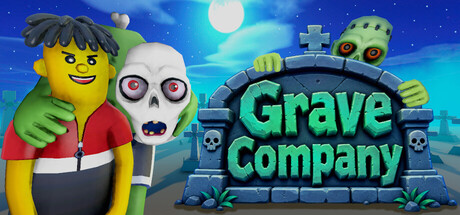
Some artwork and localization in Grave Company were created with the assistance of generative AI. This content was reviewed and adjusted by the development team before release.
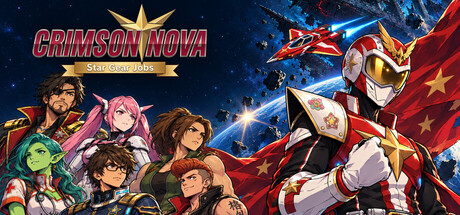
Crimson Nova is designed by me and made using AI tools. Character art, backgrounds and full-screen illustrations were generated with AI image tools, then selected, edited, composited and animated by me. Voices and music were generated with AI audio tools, then edited and mixed by me. The seven non-English text versions are AI translations. The game does not generate any content while it is being played.
Generative AI tools helped create character portraits, illustrations, store and marketing artwork, music, sound effects, and player-facing text during development. These are pre-generated assets. No generative AI runs during gameplay, and the game does not connect to external generative AI services.
AI tools were used during development to help translate the user interface into its 14 languages and to produce the voice-over in the store trailer. All translations and marketing materials were reviewed by the developer. MacroPilot itself does not generate content with AI; users can optionally connect their own third-party AI assistant through the built-in MCP connection.
Generative AI tools were used during development to assist with in-game dialogue, Korean localization, programming, and store-page text and marketing materials. Orbit Foundry does not generate AI content or connect to AI services during gameplay.
I use bots in a supporting role, including: ideating; writing independent classes; altering images; research; transcription...
Generated assets are never the first seed or final product in my games.
Generative AI tools were used during development to assist with the creation and refinement of some visual assets and localization. All AI-assisted content is reviewed, edited, and curated by the developer before being included in the game.
Pre-generated AI-assisted content is present for background art, portions of the Steam/Windows key art and logo derivatives. Kingside Break contains no runtime generative-AI system or live AI-content generation. Its chess opponent is conventional gameplay AI, not generative AI.
Generative AI tools were used during development to assist with coding, music, dialogue writing, and texture assets. All content has been reviewed and approved by the developer.
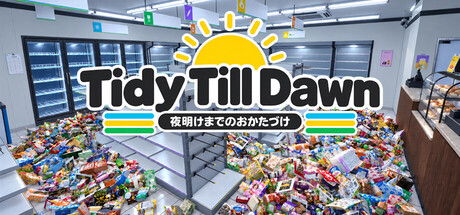
This game uses generative AI for: in-game product packaging (rice balls, bento, salads, deli dishes, chilled noodles, desserts, sandwiches, household goods, ice cream, chips, cup noodles, gummies, gum, chocolate, candy, dried snacks, stationery, sundries, bath salts, hair care and hair color, coffee/tea boxes, drink and can labels, magazine covers, newspaper pages, and so on; for the rice balls, bento, ice cream and chips, the photos of the contents on the packages (and, for some chips, the mascot art) were generated, and the developer worked them into the package designs); full-screen art (title background, intro and epilogue illustrations, character icons, the morning results screen, the store floor plan, skill cards, skill icons, and effect overlays); the notices and whiteboard on the walls inside the store (shift schedule, no-smoking sign, lost-and-found, the manager's notes and so on, including their lettering); some UI elements (panels, buttons, tabs); outdoor art and props (night sky panorama, vending machines, signage, banner flags, pavement, building walls, the traffic signal textures, the textures of small props by the entrance, the leaves, flowers and soil of the hedges and potted plants, the brick planters, the air-conditioner units and the wood grain of the sidewalk signs); the store capsule art and achievement icons; some 3D models (the radio in the back office, the parking wheel stops, the trash bins by the entrance, the traffic lights, the bread crates and the street trees, generated with Meshy and finished by the developer in Blender); some 3D models (five cars in the parking lot and on the street, two vending machines, the hot-case trays, the coffee machine, the cash register, the microwaves, and the guard rails and ashtray by the entrance, generated with Rodin (Hyper3D) and finished by the developer); the background music (title and in-store tracks, also used in the trailer), generated with Suno and selected and arranged by the developer; the commercial "The Dawn Mart Song" (the song was generated with Suno; the American-comic-style panels were generated from screenshots of the game, and the developer edited them into the video); and the in-store radio show (the voices of the two hosts and their guests were generated with Google Gemini text-to-speech, and the show's music and jingles were generated with Suno and arranged by the developer). All generated assets were reviewed and edited by the developer to avoid resembling real trademarks, people, or works. No content is generated by AI at runtime.
This game has a lot of assets; as a solo developer, AI-assisted tools were used to help create some of the audio and sound files. I'm sharing this openly so players can make an informed choice. If the game finds an audience, I'd love to invest in commissioning original art to replace these assets down the line.
Some visual art assets were created using AI-assisted collage techniques, combining and compositing multiple generated elements into final scenes. Some character voices use AI voice modulation applied to original voice performances to modify and enhance those performances. Music is originally composed, with AI tools assisting in instrumentation and production.
All the Localization, voiceovers/music, and many of the in-game textures were generated using AI.
The store page trailer and images are rendered inside the game itself, so indirectly they also contains those AI generated textures.
A note on why.
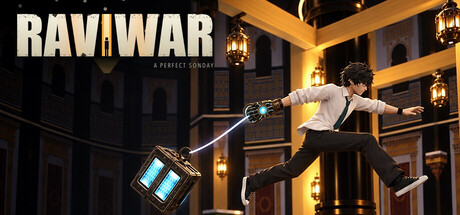
RaviWar 1 is the first part of a story that takes eight games to tell: RaviWar 1 & 2, and six shorter games set inside the same universe, under the name Tales of Takarek.
I am one person, with no studio and no funding behind me. Built the traditional way, a project that size would outlast me. These tools are the only way I can attempt it at all, and I would rather finish the whole story imperfectly than finish a fraction of it perfectly.
It is also why this game is free. I am not asking anyone to pay for AI generated work.
The design, the writing, the puzzles and the world are mine. As the project grows I intend to replace generated assets with commissioned ones.
Once again I am sorry.
Some in-game 2D art assets were created with the assistance of generative AI tools, then curated and integrated by the developer. The game does not generate content with AI during gameplay and does not connect to external AI services.
In-game icons and background assets were generated with AI and then manually adjusted
Promotional images and promotional videos were generated with AI and then manually adjusted
Some of the visual assets in Sacrificium — creature sprites, animations and background art — were created with the help of generative AI tools, then reviewed, edited and integrated by hand. All generative AI content is pre-generated; nothing is generated at runtime while you play. Game design, code, systems and all in-game text were written entirely by a human.
Generative AI was used to assist in creating some art assets, including backgrounds, prop images, and store promotional images, and in drafting and polishing some written content. The developer selected, edited, and integrated these materials for use in the game and on its store page. The game does not generate AI content during gameplay or connect to external AI services.
This game is fully programmed by a human developer, including all gameplay systems, level design, and dungeon creation. Generative AI is used to assist with artistic elements such as textures, 3D objects/characters, and store visuals. All creative and technical decisions remain entirely human‑made.
AI-assisted tools were used during development to create fixed assets that are baked into the build and the store page:
- Pixel-art sprites for the sea creatures, the guardians, battle effects and Ariel
- Store page art (capsules, library images, logo)
- Drafts of some in-game text and the EN / RU / JA localization, reviewed by the developer
Game design, code, level layouts and music are human-authored. All music and sound effects are generated procedurally by the game's own code at runtime - there are no audio files and no AI model is involved.
No AI model runs while the game is playing. The build is fully offline.
Some marketing concept art (store page / website) was created with Leonardo.ai and is labelled as concept art. No AI-generated content ships in the game itself. Every mesh, texture, material and sound is generated procedurally by the game's own code at runtime.
This game uses generative AI as part of the development process. ChatGPT was used for planning, specification review, and the creation of some base visual assets, while Codex was used to assist with code generation, implementation, and testing.
Some visual assets were generated as base material and then edited and refined in tools such as Photoshop. SOUNDRAW was used for some background music, and ElevenLabs was used for some sound effects.
All AI-generated content was created during development. The game does not use generative AI to create content in real time during gameplay. Final design, editing, implementation, and selection decisions were made by the developer.
Store descriptions, in-game text (the hive's log) and their translations are drafted with an AI assistant and reviewed and edited by the developer.
No AI-generated images, audio or 3D assets: all visuals are captured from the game, built on licensed third-party assets.
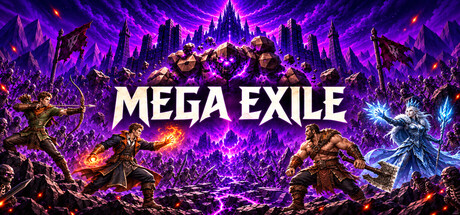
Generative AI tools were used during development to help create some 3D character assets and store page text. This content is prepared in advance. Mega Exile does not generate AI content during gameplay or connect to external AI services while you play.
Generative AI tools assisted with drafting and translating text for the store page and trailer captions. The game does not generate AI content during play.
This game was vibe coded in C++ with Claude Code Opus 5, and some GPT-6 Astra while I operated Unreal Engine 5.7. Many of the assets were purchased at fab.com, and the voices are from elevenlabs.io. Call it shovelware if you like, I had fun shoveling.
Generative AI was used to assist in creating artwork for marine creatures, plants, decorations, underwater environments, and Steam store and marketing images, as well as portions of descriptive text. This content is pre-generated and included as fixed assets or text. The game does not generate content during play and does not connect to external AI services.
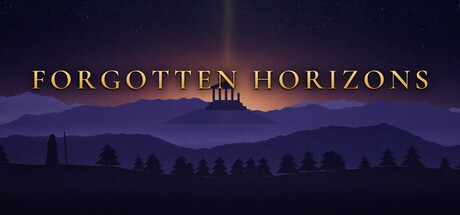
Generative AI tools were used during the development of Forgotten Horizons to assist with the creation of some content. AI-generated content was reviewed and edited by the development team before being included in the game or its store and marketing materials. The game does not generate AI content in real time during gameplay.
Generative AI was used for some of the artwork and text: the 3D representation
of the motorcycles, the achievement icons, the artwork on this page, and text in
the game and store, including the English version. All of it is pre-rendered -
created during development, not while you play.
No AI runs while the game is running: the race simulation and vehicle physics
are computed on the server, the engine sound is synthesised in the game itself,
and the circuit layouts are based on real geodata from OpenStreetMap
contributors (ODbL).
Generative AI was used in two areas for this project: First, 2D character artwork hand-drawn by a human artist was converted into 3D models using AI-powered tools. Second, AI was used for the localization and translation of the game's text into multiple languages. All other game assets, including sound design, music, and the core story, were created entirely without the use of AI.
Generative AI was used during development to assist with the creation of some visual assets, as well as marketing materials. AI-generated assets were reviewed, edited, and integrated by the developer as part of the game's overall art direction. Generative AI is not used to generate content or code during gameplay.
This game uses Generative Artificial Intelligence (AI) to create Localization based text and In-game Sound Effects (sfx).
Disclosure is part of Magnus et Epicus LLC commitment on AI free use for all.
Pre-generated AI-assisted content: portions of the game's 2D art, music, sound effects, NPC voice lines, and promotional artwork were created with AI generation tools during development, then reviewed and finalized by the developer. No AI content is generated at runtime.
Generative AI tools were used during development to assist with the creation of some visual assets, promotional artwork, and selected localization or text drafts. All AI-assisted content was reviewed by the developer and, where needed, edited before being included in the game or its Steam store materials.
The game does not generate AI content during gameplay and does not connect to external AI services.
Some of this game's art and audio were made with generative AI tools and then edited and modified by the developer. All of it is pre-generated during development. No AI runs live during gameplay. The game's code, design and writing are authored by the developer.