Public Steam disclosure research25,706 disclosures tracked
Where do games disclose AI use?
Search developers’ Steam disclosures, compare classified AI use across
games, and follow recorded changes.
This index adds cross-game classifications and statistics to
statements published on individual store pages.
Groups reflect automatic analysis of public disclosures; mature records are excluded. These counts do not measure AI use across all of Steam.
Missing or unclear statements cannot establish whether a game uses AI.
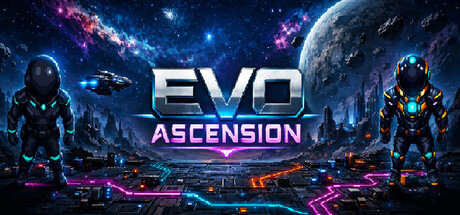
Evo Ascension includes limited AI‑generated content. Some audio and select graphical elements were created using AI tools, with most visuals further refined and hand‑edited in Aseprite. All gameplay systems, pixel art characters, animations, and core design remain handcrafted by the developer.
Generative AI was used to help create promotional capsule artwork and music/audio material for the game. The gameplay, level design, mechanics, and final implementation were created and reviewed by the developer.
The game has used AI to enhance the game's store description, help improve the game's narrative and to assist with localisation using Google Translate.
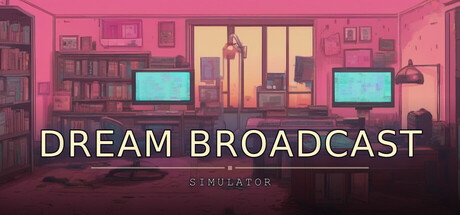
This game is built by a Master of the Fine Arts in Digital and New Media with a specialization in procedural content. Generative AI tools were used during development to create and iterate on pre-rendered visual assets, including dream artwork, backgrounds, capsule art, and marketing imagery. All AI-assisted content is selected, edited, and integrated by the development team. The game does not generate AI content during gameplay and does not connect to third-party AI services during play.
Generative AI was used to assist with grammar and spelling checks for some in-game text, translate store page content, and generate some sound assets. All content was reviewed and approved by the developer before inclusion. The game does not use live-generated AI.
This game's code was written with the assistance of generative AI. No AI-generated artwork or audio is used.
The visuals are hand-coded by the developer and the music is procedurally generated. AI also assisted with some in-game text and its French translation.
Ever since I was a child, I dreamed of making my own game. I tried again and again — I gathered teams, but something always fell apart and I would give up halfway. This time is different: with the help of AI, I am finally able to bring my dream to life. AI helped me with some of the text and translations — all the art, music, and sound are human-made or licensed, and the game uses no AI while you play.
I am an honest person, and I will keep giving this game everything I have. Thank you for taking the time to read this. 💚
Some of the user interfaces were generated using AI; the reason for this is that I am not a graphic designer myself and cannot afford to hire a service provider to create them.
The game icon and store page artwork (capsules and key art backgrounds) were created with the assistance of AI image-generation tools, then edited and composited by the development team. The in-game title logo also used AI assistance. All game design, level design, code, and gameplay content were created by the development team. No AI-generated content is created live during gameplay.
I built Orbisphere as a solo developer using AI tools under human direction. The soundtrack was created with generative AI music tools, with each track directed, selected, and edited by me. In-game vector artwork was authored with AI assistance from my terrible MS Paint references and designs. All game design, writing, systems, and balance are my own work.
Heartwood Incremental was made by a solo developer working alongside an AI assistant (Anthropic's Claude). The AI helped write the game's code, including the code that procedurally draws its pixel-art sprites, tree, and icons, and helped draft written content such as upgrade, achievement, and store text. Everything was directed, reviewed, and refined by the human developer, and hand-checked before release. No generative AI runs while you play: nothing is created on your device at runtime, and all art and text are fixed in the build.
Generative AI was used during production of some visual and audio assets. All generated material is selected, directed, edited, and integrated through a human-led creative process. The game does not generate content with AI during play.
Don't worry, this game is made by an experienced developer. It's fun and good quality. Give it a try!
That being said: AI was used to facilitate development. For example: it was used to facilitate coding and localization.
Generative AI was used to create various graphical assets featured in the game. These assets were selected, edited, composited and integrated by the developer as part of the game’s visual design, alongside substantial human creative direction, implementation and refinement.
This game uses generative artificial intelligence in the following ways: pixel character artwork and background images. AI-generated content was reviewed and edited by the developer before being included in the game or store page.
Generative AI tools were used to assist in the creation of selected promotional and store artwork. During gameplay, players can also optionally use generative AI to create custom word sets and hints.
Certain visual elements and marketing assets for the game were produced with support from generative AI tools. Every AI-assisted asset was carefully selected, edited, and adjusted by the developer to match the game’s intended art style and overall quality.
Some promotional images and marketing content for Maze Mischief were created with the assistance of generative artificial intelligence tools and subsequently reviewed and adjusted by the developer.
Train Trek uses generative AI in two ways.
During development we used AI tools to help make some assets: the user-interface art (HUD and menu icons, menu artwork, frames, button plates, mouse cursors), the instrumental soundtrack, and some sound effects. All of it was chosen, edited and finished by hand before it shipped. The 3D models are built procedurally by our own scripts, and the design, world generation and balancing are authored by hand. Parts of the source code were written with an AI coding assistant, reviewed and tested by the developer.
While you play, the game speaks using a text-to-speech model that ships inside the game and runs entirely on your own computer. It voices tutorial guidance, hints and menu narration instead of pre-recorded audio. It needs no internet connection, sends nothing anywhere, and never records or listens to you. It only reads lines we wrote and shipped with the game - it does not invent dialogue.
Some of the promotional artwork for MoonCraft was created using generative AI tools.
All in‑game content, gameplay assets, code, and visuals were created manually without AI.
Only the store page art uses AI; the game itself does not include AI‑generated content.
Portions of this game were created with the assistance of generative AI tools. This includes parts of the game's code, artwork and UI graphics, sound effects, and written text (in-game and on the store page). All AI-assisted content was directed, reviewed, and edited by the developer before inclusion. No AI content is generated during gameplay, the cribbage opponent uses conventional game algorithms, not generative AI and the game does not connect to any AI services at runtime.
Generative AI was used to create artwork for the title screen, lobby background, and some UI decorations. The generated images were selected, edited, and sliced by the development team before being integrated into the game. Generative AI was also used to assist with drafting and editing some mini-game prompts. The game does not use generative AI at runtime and does not connect to external AI services during play.
Generative AI tools were used during development to assist with the game's custom C# code, gameplay systems, UI structure and layout, in-game written content, official word list, localization in nine languages, and draft store-page copy.
All AI-assisted outputs were reviewed, edited, tested, and integrated by the developer. Visual art, icons, fonts, music, and sound effects are separately licensed third-party assets.
No generative AI is used during gameplay, and the game does not connect to external AI services.
Generative AI was used during development to assist in creating some 2D background artwork, character images, item artwork, UI assets, and concept art. These assets were reviewed, edited, adjusted, and integrated into the game by the developer. The game does not generate AI content during gameplay.
As this is a solo-developed project, I have utilized generative AI assistants for the writing, debugging, and structuring of the game's programming code.
Additionally, AI has been used in a very minor and complementary capacity for some secondary environmental visual elements. The vast majority of the core artistic assets, art direction, game design, 3D modeling, and overall experience have been entirely hand-crafted and assembled.
Some of the graphics and illustrations used in the game were created with the help of generative AI and have been reviewed and edited by the developers. Generative AI is not used during gameplay.
Pre-generated AI: GPT Image 2 was used during development to create 2D paper-cut-style images included in the app, including weather phenomena, collectible visitors, ecosystem entities, Steam achievement icons, and key art for Steam store capsules and library assets. The developer selected and edited these images, including cropping, background removal, color and alpha cleanup, and export. The app does not use generative AI at runtime.
Paste this for the "how" description:
All AI-generated content in Scrumbag is pre-generated — baked into the build and curated by the developer, not generated live during play. This includes the game's artwork (character and enemy art, UI, icons, and store/marketing images) and its music (AI-generated arrangements and remixes based on songs by Andy Rehfeldt). AI tools were also used to assist development. All shipped content is reviewed and selected by the developer before release.
This game uses content created with the assistance of generative AI. Some of the game's artwork and visual assets, along with its store page and marketing text, were produced with generative AI tools. The core gameplay — levels, mechanics, and the real-time 3D visuals rendered by the game engine — is hand-designed and code-generated by the developer. No generative AI content is created in real time during gameplay; all assets are finalized and reviewed before release.
As a solo developer, I unfortunately cannot afford to hire artists or creators, so the media in my game is a mix of AI-generated and hand-edited/crafted. I would love to have my assets professionally made, but the cost of somewhere around two thousand icons, portraits, and other media assets would be far more than I can afford as just some guy working alone. I've done my best to create the best art and sounds with the tools I have access to, trying extremely hard to make things you will enjoy. If this game were to ever be successful enough, I'd love to hire professional artists one day to remake my assets (and for my future games). I thank you for your understanding, and I hope the game is good enough to get me there eventually!
Evo Ascension includes limited AI‑generated content. Some audio and select graphical elements were created using AI tools, with most visuals further refined and hand‑edited in Aseprite. All gameplay systems, pixel art characters, animations, and core design remain handcrafted by the developer.
Generative AI was used to help create promotional capsule artwork and music/audio material for the game. The gameplay, level design, mechanics, and final implementation were created and reviewed by the developer.
The game has used AI to enhance the game's store description, help improve the game's narrative and to assist with localisation using Google Translate.
This game is built by a Master of the Fine Arts in Digital and New Media with a specialization in procedural content. Generative AI tools were used during development to create and iterate on pre-rendered visual assets, including dream artwork, backgrounds, capsule art, and marketing imagery. All AI-assisted content is selected, edited, and integrated by the development team. The game does not generate AI content during gameplay and does not connect to third-party AI services during play.
Generative AI was used to assist with grammar and spelling checks for some in-game text, translate store page content, and generate some sound assets. All content was reviewed and approved by the developer before inclusion. The game does not use live-generated AI.
This game's code was written with the assistance of generative AI. No AI-generated artwork or audio is used.
The visuals are hand-coded by the developer and the music is procedurally generated. AI also assisted with some in-game text and its French translation.
Ever since I was a child, I dreamed of making my own game. I tried again and again — I gathered teams, but something always fell apart and I would give up halfway. This time is different: with the help of AI, I am finally able to bring my dream to life. AI helped me with some of the text and translations — all the art, music, and sound are human-made or licensed, and the game uses no AI while you play.
I am an honest person, and I will keep giving this game everything I have. Thank you for taking the time to read this. 💚
Some of the user interfaces were generated using AI; the reason for this is that I am not a graphic designer myself and cannot afford to hire a service provider to create them.
The game icon and store page artwork (capsules and key art backgrounds) were created with the assistance of AI image-generation tools, then edited and composited by the development team. The in-game title logo also used AI assistance. All game design, level design, code, and gameplay content were created by the development team. No AI-generated content is created live during gameplay.
I built Orbisphere as a solo developer using AI tools under human direction. The soundtrack was created with generative AI music tools, with each track directed, selected, and edited by me. In-game vector artwork was authored with AI assistance from my terrible MS Paint references and designs. All game design, writing, systems, and balance are my own work.
Heartwood Incremental was made by a solo developer working alongside an AI assistant (Anthropic's Claude). The AI helped write the game's code, including the code that procedurally draws its pixel-art sprites, tree, and icons, and helped draft written content such as upgrade, achievement, and store text. Everything was directed, reviewed, and refined by the human developer, and hand-checked before release. No generative AI runs while you play: nothing is created on your device at runtime, and all art and text are fixed in the build.
Generative AI was used during production of some visual and audio assets. All generated material is selected, directed, edited, and integrated through a human-led creative process. The game does not generate content with AI during play.
Don't worry, this game is made by an experienced developer. It's fun and good quality. Give it a try!
That being said: AI was used to facilitate development. For example: it was used to facilitate coding and localization.
Generative AI was used to create various graphical assets featured in the game. These assets were selected, edited, composited and integrated by the developer as part of the game’s visual design, alongside substantial human creative direction, implementation and refinement.
This game uses generative artificial intelligence in the following ways: pixel character artwork and background images. AI-generated content was reviewed and edited by the developer before being included in the game or store page.
Generative AI tools were used to assist in the creation of selected promotional and store artwork. During gameplay, players can also optionally use generative AI to create custom word sets and hints.
Certain visual elements and marketing assets for the game were produced with support from generative AI tools. Every AI-assisted asset was carefully selected, edited, and adjusted by the developer to match the game’s intended art style and overall quality.
Some promotional images and marketing content for Maze Mischief were created with the assistance of generative artificial intelligence tools and subsequently reviewed and adjusted by the developer.
Train Trek uses generative AI in two ways.
During development we used AI tools to help make some assets: the user-interface art (HUD and menu icons, menu artwork, frames, button plates, mouse cursors), the instrumental soundtrack, and some sound effects. All of it was chosen, edited and finished by hand before it shipped. The 3D models are built procedurally by our own scripts, and the design, world generation and balancing are authored by hand. Parts of the source code were written with an AI coding assistant, reviewed and tested by the developer.
While you play, the game speaks using a text-to-speech model that ships inside the game and runs entirely on your own computer. It voices tutorial guidance, hints and menu narration instead of pre-recorded audio. It needs no internet connection, sends nothing anywhere, and never records or listens to you. It only reads lines we wrote and shipped with the game - it does not invent dialogue.
Some of the promotional artwork for MoonCraft was created using generative AI tools.
All in‑game content, gameplay assets, code, and visuals were created manually without AI.
Only the store page art uses AI; the game itself does not include AI‑generated content.
Portions of this game were created with the assistance of generative AI tools. This includes parts of the game's code, artwork and UI graphics, sound effects, and written text (in-game and on the store page). All AI-assisted content was directed, reviewed, and edited by the developer before inclusion. No AI content is generated during gameplay, the cribbage opponent uses conventional game algorithms, not generative AI and the game does not connect to any AI services at runtime.
Generative AI was used to create artwork for the title screen, lobby background, and some UI decorations. The generated images were selected, edited, and sliced by the development team before being integrated into the game. Generative AI was also used to assist with drafting and editing some mini-game prompts. The game does not use generative AI at runtime and does not connect to external AI services during play.
Generative AI tools were used during development to assist with the game's custom C# code, gameplay systems, UI structure and layout, in-game written content, official word list, localization in nine languages, and draft store-page copy.
All AI-assisted outputs were reviewed, edited, tested, and integrated by the developer. Visual art, icons, fonts, music, and sound effects are separately licensed third-party assets.
No generative AI is used during gameplay, and the game does not connect to external AI services.
Generative AI was used during development to assist in creating some 2D background artwork, character images, item artwork, UI assets, and concept art. These assets were reviewed, edited, adjusted, and integrated into the game by the developer. The game does not generate AI content during gameplay.
As this is a solo-developed project, I have utilized generative AI assistants for the writing, debugging, and structuring of the game's programming code.
Additionally, AI has been used in a very minor and complementary capacity for some secondary environmental visual elements. The vast majority of the core artistic assets, art direction, game design, 3D modeling, and overall experience have been entirely hand-crafted and assembled.
Some of the graphics and illustrations used in the game were created with the help of generative AI and have been reviewed and edited by the developers. Generative AI is not used during gameplay.
Pre-generated AI: GPT Image 2 was used during development to create 2D paper-cut-style images included in the app, including weather phenomena, collectible visitors, ecosystem entities, Steam achievement icons, and key art for Steam store capsules and library assets. The developer selected and edited these images, including cropping, background removal, color and alpha cleanup, and export. The app does not use generative AI at runtime.
Paste this for the "how" description:
All AI-generated content in Scrumbag is pre-generated — baked into the build and curated by the developer, not generated live during play. This includes the game's artwork (character and enemy art, UI, icons, and store/marketing images) and its music (AI-generated arrangements and remixes based on songs by Andy Rehfeldt). AI tools were also used to assist development. All shipped content is reviewed and selected by the developer before release.
This game uses content created with the assistance of generative AI. Some of the game's artwork and visual assets, along with its store page and marketing text, were produced with generative AI tools. The core gameplay — levels, mechanics, and the real-time 3D visuals rendered by the game engine — is hand-designed and code-generated by the developer. No generative AI content is created in real time during gameplay; all assets are finalized and reviewed before release.
As a solo developer, I unfortunately cannot afford to hire artists or creators, so the media in my game is a mix of AI-generated and hand-edited/crafted. I would love to have my assets professionally made, but the cost of somewhere around two thousand icons, portraits, and other media assets would be far more than I can afford as just some guy working alone. I've done my best to create the best art and sounds with the tools I have access to, trying extremely hard to make things you will enjoy. If this game were to ever be successful enough, I'd love to hire professional artists one day to remake my assets (and for my future games). I thank you for your understanding, and I hope the game is good enough to get me there eventually!