








Disclosure
Temporary artwork for the store page.
- Creator
- Under Stair Games
- Reviews
- -
- Added
- May 23, 2026
Public Steam disclosure research 25,706 disclosures tracked
Search developers’ Steam disclosures, compare classified AI use across games, and follow recorded changes. This index adds cross-game classifications and statistics to statements published on individual store pages.
Code help, debugging and other development work.
Capsule art, trailers and promotional material.
Pre-made art, audio, writing and other game assets.
Interactive or runtime AI features disclosed by the developer.
Groups reflect automatic analysis of public disclosures; mature records are excluded. These counts do not measure AI use across all of Steam. Missing or unclear statements cannot establish whether a game uses AI.
Temporary artwork for the store page.
"The game utilizes generative AI tools for the creation of concept art, UI icons, and English-to-Turkish localization. These assets are pre-generated during the development phase and are fully reviewed and polished by our team to ensure quality and originality."
Cover art and localizations were made with the help of generative artificial intelligence.
The background image for the store page art and the in-game menu have been generated by AI.
Nexus Legacy is made by a solo developer using AI-assisted production tools. These tools were used during development to help with visual iteration, asset production, prototyping and code assistance, making a larger persistent MMO possible with a small production pipeline. The final game is not a live AI generator. Gameplay design, balance, economy, progression, PvE/PvP rules, server logic, world structure, final visuals and updates are selected, reviewed, edited and maintained by the developer. No live generative AI is used to create player-facing content while the game is running.
EQUILIBRIUM uses generative AI to power its core gameplay mechanic: the Policy Terminal. LIVE-GENERATED CONTENT When a player types a directive or law in natural language (e.g., "Abolish the luxury car tax"), the AI Engine analyzes the request in real time and generates a structured governmental dossier, including: - Legislative feasibility analysis - Budget impact and financial coverage - Macroeconomic effects (GDP, debt, inflation) - Social and political consensus projections - Parliamentary vote simulation Model used: Anthropic Claude, accessed via API. Guardrails: AI output is constrained to a fixed set of structured fields defined by the developer. All numeric effects are clamped within bounds enforced by the simulation engine, so no AI output can produce values outside the game's defined ranges. The model operates only on the simulation state provided to it and cannot invent game data: commands that cannot be mapped to a valid government action are refused, and the player is offered bounded policy alternatives instead. No image, audio, or user-data generation is involved, and no player data is used to train any model. Because responses are generated at runtime, outputs vary between playthroughs: the same directive may produce different wording and different outcomes. PRE-GENERATED CONTENT The game's background music track was generated using AI tools during development and ships with the game.
use AI to translate content, assist with coding, and generate portions of visual assets.
Some content may have been generated using automated tools or processes.
Images on the playing cards and translations into multiple languages.
Some art assets started as AI-generated bases and were then manually edited, retouched, and finalized by real artists.
The capsule artwork on your store page is created using generative AI.
During the game development process, we utilized artificial intelligence tools to assist with programming and created a variety of game assets, including images, icons, and localized content. All assets generated or assisted by AI underwent thorough review and necessary adjustments before receiving official approval from our development team. This meticulous process ensured that the quality and style of all materials met the highest standards and remained consistent throughout the project.
Parts of the game's code and images were created using generative AI.
Part of the art was assisted by AI
AI disclosure: AI assistants were used during development to help write and refine the game's source code and to edit narrative text (board memos, news headlines, event copy). All AI-assisted output was reviewed, edited, and approved by a human before shipping.
Game Demon uses large language models (Llama 3.1/3.3 via Groq API, plus optional local Ollama inference) to generate coaching text in real time from the user's match data. Vision models analyze user-sampled frames. No user content is sent to third parties without explicit opt-in. No generative images or audio in final output.
Official AI Usage Statement: Some of the soundtracks in the game have been procured from commercial music large-scale models and are accompanied by commercial licensing certificates. The initial rough models of certain game elements were generated by commercially viable large-scale models to assist in the development process.
CyberDeck contains pre-generated visual art, animation frames, music, sound effects, voice audio, and written content created or assisted with generative AI tools, then curated and integrated by the development team. Generative AI also assists development, including code. No AI generates content during gameplay, and the game does not connect to external AI services while you play.
All in-game visual art assets in this title — including item icons, equipment artwork, character portraits, story illustrations, and UI decorative elements (frames, icons, and background textures) — are produced using OpenAI's ChatGPT image generation and xAI's Grok image generation API as core tools within our ink-wash and gongbi-style art pipeline. Every generated asset is reviewed, curated, manually retouched, and compositionally adjusted by the developer before being incorporated into the game. No real person's likeness has been used. The game's source code is written by the developer, Kevin Chen, with OpenAI Codex and Anthropic Claude Code used as coding assistants during development. In-game narrative and dialogue text are written by the developer, with portions assisted by Anthropic Claude for polishing and proofreading.
Gridholm uses AI-generated imagery for its card art, champion portraits, and 3D models. As the sole developer, it's how I bring a full 250+ card game to life with a cohesive, painterly dark-fantasy look.
Visual assets (hero portraits, card art backgrounds, dice imagery, booster pack illustrations) were generated using Midjourney and refined/composed in Photopea. Suit pip icons are by Lorc and Delapouite via game-icons.net (CC BY 3.0). Sound effects and music were generated using AI tools. All AI-generated content was directed, curated, and integrated by the developer. No AI is used to generate content live at runtime — all assets are pre-rendered and embedded in the build.
Some marketing assets for this game (capsule art) were created with the assistance of AI image generation tools. All gameplay content is procedurally generated by the NAGAS simulation engine — a custom-built system using deterministic algorithms, not generative AI.
Some visual prototype assets and early promotional materials may include content created with generative AI. Final gameplay design, implementation, balancing, and overall creative direction are developed by the creator.
Some of the text translations in this game were assisted by generative AI tools. All visual assets, artwork, and music were created entirely by human artists and composers.
I used AI to learn how to make this and to test for Linux, SteamOS and MacOS compatability.
Scenarios for using generative AI in games: -Using generative AI to adjust game programs -Using generative AI to create art assets -Used AI tools to assist with multilingual localization translation (pre-generated text)
This game incorporates generative AI to enhance visual storytelling and character depth in the following ways: Video Content: A portion of the ending cinematic utilizes footage generated by Sora 2, which can be identified by its watermark. Character Illustrations: Three soldier profile photos displayed within the Personnel Search Center were created using ChatGPT (DALL-E). We have used these tools to supplement the creative vision of our team and ensure a more immersive atmosphere for our players.
1. In-game artwork Some visual assets (e.g., character/decor sprites, UI icons) are generated with Google Gemini and OpenAI ChatGPT (image generation) and further edited, retouched, and composed by the developer in the final art pipeline. 2. Store page and marketing graphical assets Capsule art, library hero, library capsule, and promotional images are generated with Google Gemini and OpenAI ChatGPT, and further edited, retouched, and composed by the developer before upload. 3. In-game localization Text translations are AI-assisted using Anthropic Claude, with developer review for tone and accuracy. Runtime behavior: - No generative AI models are bundled with or called from the shipped game binary. - All AI-generated content is pre-rendered and baked into final assets at build time. - No user inputs are sent to any AI service during gameplay.
This game's development used generative AI in three specific areas: 1. Source code: Portions of the source code were authored with assistance from large language model (LLM) coding tools. 2. Localization: In-game text translations for 10 languages (English, Simplified Chinese, Traditional Chinese, Korean, Russian, German, French, Spanish, Brazilian Portuguese, and Italian) were generated using LLM-based tools from the original Japanese source text. 3. Visual assets (UI graphics and logo): Generative AI was used in some cases to assist with creating certain in-game UI icons and the game logo. These AI-assisted assets are limited to generic UI elements (icons, indicators) and abstract logo designs, and do not depict real-world characters, brands, or copyrighted materials.
Some visual assets (card art and character portraits) generated using Google Gemini image models. Some SFX partially generated via ElevenLabs where Unity Assets were not available. All licensed for commercial use. Game design, code, and text content are original.
Store capsule and promotional artwork was created with the assistance of generative AI image tools. No AI content is generated during gameplay.
I have used Claude Code to create the game itself code and assets.
This game uses AI tools to help assist in the development process. To ensure a high-quality experience, all element has been manually reviewed and refined by our development team to meet our creative standards and Steam's community guidelines.
Some art assets in the game are generated by AI
All visual assets were generated in part using Nano Banana. Some code was generated using Gemini. This project was done by a Solo Dev and few eternal assets were used except where noted.
This game uses AI to generate dynamic NPC dialogue during gameplay. NPCs respond to player actions and choices with unique, contextual conversations. All AI-generated text is filtered to ensure appropriate content.
Some enemy artwork in this game was created with the assistance of generative AI tools (Midjourney), followed by human curation and post-processing.
Partly coding and art assets.
Flux Tower Defense uses generative AI in the following development areas: • Store page artwork: Main, header, library, small, and vertical capsule images, library hero, library header, and page background were created using AI image generation tools with human direction, prompt iteration, and post-processing. The "FLUX TOWER DEFENSE" wordmark typography was added manually. • Achievement icons: The 20 in-game achievement icons were generated with AI image tools using hand-authored prompts and manually curated selections. • Localization: Non-English store page descriptions were translated with AI assistance and reviewed before publication. The game's runtime contains NO generative AI. All gameplay systems (towers, enemies, traps, waves, pathfinding, damage, upgrades), UI, and in-game visuals are deterministic code rendered live via HTML5 Canvas 2D. There are no pre-rendered sprites, no AI-generated game content, and no AI inference during play.
The model creation and icon production in the game used a combination of AI and manual editing. All translations were generated by AI. The store page promotional images were generated by AI and then manually edited.
This title uses generative AI for part of its localization process. AI-generated translation drafts are reviewed and edited by the developer before implementation. No content is dynamically generated by generative AI during gameplay.
This game was made available in many languages thanks to generative AI. Creation of some assets was performed or aided by generative AI tools. If you ever beat an open-world game, you probably used more power than was used to generate all the assets in this game, including the ones that went unused. If you 100%'d that game, you used much, much more.
Some visual assets in Triad were created with the assistance of AI tools and further refined by the developer. Triad is a solo-developed project, and these tools helped make its creation possible. — Raph, developer of Triad
Some game artwork was generated with the assistance of AI, including monster sprites and a portion of achievement icons. These assets were then manually reviewed and edited to fit the game's pixel-art style. Store page descriptions were co-written with AI assistance.
- Visual art: A portion of the pixel-art tiles and select character sprites were generated using PixelLab AI (pixellab.ai), then composited, edited, and integrated by the developer. - Audio: Background music tracks were generated with AI music tools, then exported and sequenced into the game. - Code & narrative writing: Game code and the in-game chronicler text (Brom's journal entries) were drafted with AI assistance (Anthropic's Claude) and edited by the developer.
Generative AI was used for some of the music in game. All in game art was hand drawn and vectorized by the creator. Main Theme music created by Grace Streeter. Trailer voiceover by Grace Streeter.
Generative AI was used during the development process to create character illustrations for the cards. All AI-generated content has been reviewed, manually refined, and edited by our team to ensure it does not include any illegal or infringing material.
Generative AI tools are used to translate text into different languages and to create visual assets. All content is reviewed and manually edited before being included in the game.
AI has been used to generate 3D models based off of human-created concept art.
AI was NOT used to generate code, text, art or music for the game itself. It was also NOT used for any artwork used on Steam. I'm rubbish at marketing so I used it to help write the store descriptions (this is literally the only thing steam related I used it for) and to help develop a marketing plan for me.
| Title⇅ | Disclosure | Creator⇅ | Src | Reviews⇅ | Added↓ |
|---|---|---|---|---|---|
 Project: C.E.L.L. Store/marketing art | Temporary artwork for the store page. | Under Stair Games | - | May 23, 2026 | |
 WOTT In-game content arttext | "The game utilizes generative AI tools for the creation of concept art, UI icons, and English-to-Turkish localization. These assets are pre-generated during the development phase and are fully reviewed and polished by our team to ensure quality and originality." | WOTT Studios | - | May 23, 2026 | |
 Chess 2 Store/marketing arttext | Cover art and localizations were made with the help of generative artificial intelligence. | Proper Puppy | - | May 23, 2026 | |
 Dark DieMansion In-game content art | The background image for the store page art and the in-game menu have been generated by AI. | Tempus Rift Games | - | May 23, 2026 | |
 Nexus Legacy In-game content artcode | Nexus Legacy is made by a solo developer using AI-assisted production tools. These tools were used during development to help with visual iteration, asset production, prototyping and code assistance, making a larger persistent MMO possible with a small production pipeline.
The final game is not a live AI generator. Gameplay design, balance, economy, progression, PvE/PvP rules, server logic, world structure, final visuals and updates are selected, reviewed, edited and maintained by the developer.
No live generative AI is used to create player-facing content while the game is running. | Nexus Legacy Team | 214 | May 23, 2026 | |
 EQUILIBRIUM Live AI text | EQUILIBRIUM uses generative AI to power its core gameplay mechanic: the Policy Terminal.
LIVE-GENERATED CONTENT
When a player types a directive or law in natural language (e.g., "Abolish the luxury car tax"), the AI Engine analyzes the request in real time and generates a structured governmental dossier, including:
- Legislative feasibility analysis
- Budget impact and financial coverage
- Macroeconomic effects (GDP, debt, inflation)
- Social and political consensus projections
- Parliamentary vote simulation
Model used: Anthropic Claude, accessed via API.
Guardrails: AI output is constrained to a fixed set of structured fields defined by the developer. All numeric effects are clamped within bounds enforced by the simulation engine, so no AI output can produce values outside the game's defined ranges. The model operates only on the simulation state provided to it and cannot invent game data: commands that cannot be mapped to a valid government action are refused, and the player is offered bounded policy alternatives instead. No image, audio, or user-data generation is involved, and no player data is used to train any model.
Because responses are generated at runtime, outputs vary between playthroughs: the same directive may produce different wording and different outcomes.
PRE-GENERATED CONTENT
The game's background music track was generated using AI tools during development and ships with the game. | Benetti Andrea | - | May 23, 2026 | |
 结界大阵:生灵庇护所 In-game content arttextcode | use AI to translate content, assist with coding, and generate portions of visual assets. | SUPERSNOWBALL | - | May 23, 2026 | |
 Bible Quiz: Trivia Game Unclear | Some content may have been generated using automated tools or processes. | Supergonk | 21 | May 23, 2026 | |
 Match Cards: Football In-game content arttext | Images on the playing cards and translations into multiple languages. | PlayeRom | - | May 23, 2026 | |
 Problematic In-game content art | Some art assets started as AI-generated bases and were then manually edited, retouched, and finalized by real artists. | Galactrex Studios | - | May 23, 2026 | |
 西游释厄传 Store/marketing art | The capsule artwork on your store page is created using generative AI. | 班超工作室 | - | May 23, 2026 | |
 The Plus-One Kingdom In-game content arttextcode | During the game development process, we utilized artificial intelligence tools to assist with programming and created a variety of game assets, including images, icons, and localized content.
All assets generated or assisted by AI underwent thorough review and necessary adjustments before receiving official approval from our development team. This meticulous process ensured that the quality and style of all materials met the highest standards and remained consistent throughout the project. | YDIVA Limited | - | May 23, 2026 | |
 Stop slacking In-game content artcode | Parts of the game's code and images were created using generative AI. | Hyx | - | May 23, 2026 | |
 丹命 Unclear art | Part of the art was assisted by AI | Pelican Game | - | May 23, 2026 | |
 Blueprint: EV Dev only codetext | AI disclosure: AI assistants were used during development to help write and refine the game's source code and to edit narrative text (board memos, news headlines, event copy). All AI-assisted output was reviewed, edited, and approved by a human before shipping. | Phi Digital | - | May 23, 2026 | |
 Game Demon Live AI text | Game Demon uses large language models (Llama 3.1/3.3 via Groq API, plus optional local Ollama inference) to generate coaching text in real time from the user's match data. Vision models analyze user-sampled frames. No user content is sent to third parties without explicit opt-in. No generative images or audio in final output. | Altros Studios | - | May 23, 2026 | |
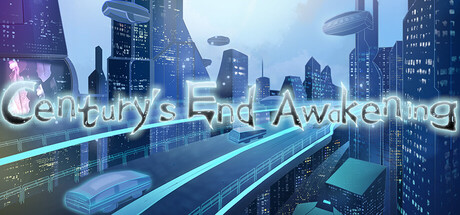 Century’s End Awakening In-game content audio | Official AI Usage Statement:
Some of the soundtracks in the game have been procured from commercial music large-scale models and are accompanied by commercial licensing certificates.
The initial rough models of certain game elements were generated by commercially viable large-scale models to assist in the development process. | 卜帆菌 | - | May 23, 2026 | |
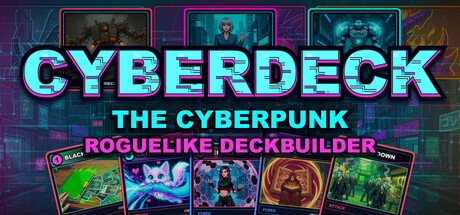 CyberDeck In-game content artaudiotextcode | CyberDeck contains pre-generated visual art, animation frames, music, sound effects, voice audio, and written content created or assisted with generative AI tools, then curated and integrated by the development team. Generative AI also assists development, including code. No AI generates content during gameplay, and the game does not connect to external AI services while you play. | CyberSprawl Studios | - | May 23, 2026 | |
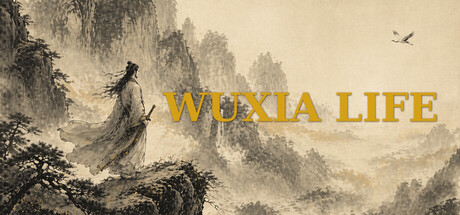 武俠人生 In-game content arttextcode | All in-game visual art assets in this title — including item icons, equipment artwork, character portraits, story illustrations, and UI decorative elements (frames, icons, and background textures) — are produced using OpenAI's ChatGPT image generation and xAI's Grok image generation API as core tools within our ink-wash and gongbi-style art pipeline. Every generated asset is reviewed, curated, manually retouched, and compositionally adjusted by the developer before being incorporated into the game. No real person's likeness has been used.
The game's source code is written by the developer, Kevin Chen, with OpenAI Codex and Anthropic Claude Code used as coding assistants during development. In-game narrative and dialogue text are written by the developer, with portions assisted by Anthropic Claude for polishing and proofreading. | 肉's Lab | - | May 23, 2026 | |
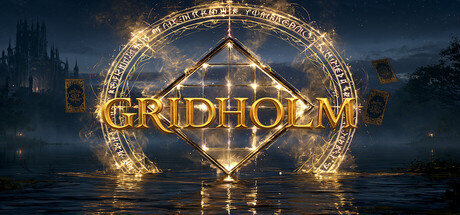 Gridholm In-game content art | Gridholm uses AI-generated imagery for its card art, champion portraits, and 3D models. As the sole developer, it's how I bring a full 250+ card game to life with a cohesive, painterly dark-fantasy look. | Logos Nova | - | May 23, 2026 | |
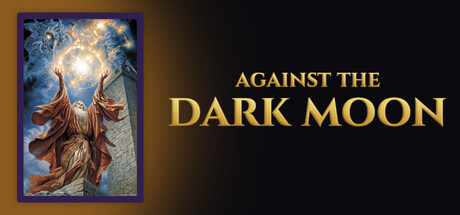 Against the Dark Moon In-game content artaudio | Visual assets (hero portraits, card art backgrounds, dice imagery, booster pack illustrations) were generated using Midjourney and refined/composed in Photopea. Suit pip icons are by Lorc and Delapouite via game-icons.net (CC BY 3.0). Sound effects and music were generated using AI tools. All AI-generated content was directed, curated, and integrated by the developer. No AI is used to generate content live at runtime — all assets are pre-rendered and embedded in the build. | Orthus Games | - | May 23, 2026 | |
 The Universe Won't Pause In-game content art | Some marketing assets for this game (capsule art) were created with the assistance of AI image generation tools. All gameplay content is procedurally generated by the NAGAS simulation engine — a custom-built system using deterministic algorithms, not generative AI. | My Insights Games | - | May 23, 2026 | |
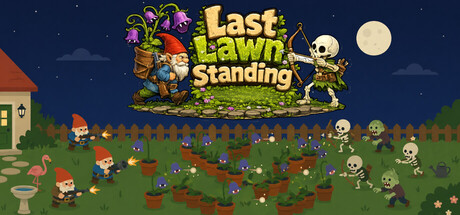 Last Lawn Standing In-game content art | Some visual prototype assets and early promotional materials may include content created with generative AI. Final gameplay design, implementation, balancing, and overall creative direction are developed by the creator. | Gravel Roads Studio | - | May 23, 2026 | |
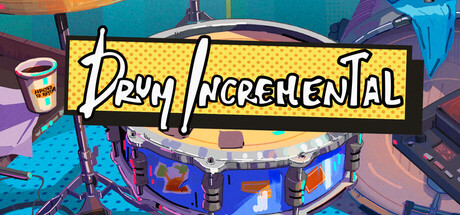 Drum Incremental In-game content text | Some of the text translations in this game were assisted by generative AI tools. All visual assets, artwork, and music were created entirely by human artists and composers. | Samuel Ruiz | - | May 23, 2026 | |
 Minesweeper: Unlimited Expansion Dev only code | I used AI to learn how to make this and to test for Linux, SteamOS and MacOS compatability. | Hugh | - | May 23, 2026 | |
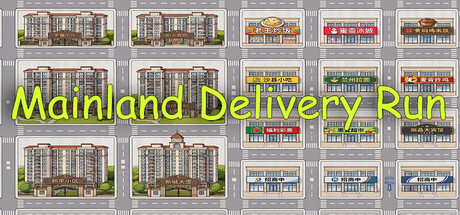 我在大陆送外卖 In-game content textart | Scenarios for using generative AI in games:
-Using generative AI to adjust game programs
-Using generative AI to create art assets
-Used AI tools to assist with multilingual localization translation (pre-generated text) | MoonCake_Game | - | May 23, 2026 | |
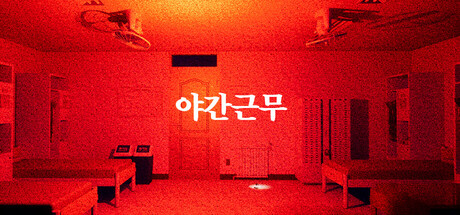 야간근무 - Finding In-game content arttext | This game incorporates generative AI to enhance visual storytelling and character depth in the following ways:
Video Content: A portion of the ending cinematic utilizes footage generated by Sora 2, which can be identified by its watermark.
Character Illustrations: Three soldier profile photos displayed within the Personnel Search Center were created using ChatGPT (DALL-E).
We have used these tools to supplement the creative vision of our team and ensure a more immersive atmosphere for our players. | Videogame by Lee Si Hyeon | - | May 23, 2026 | |
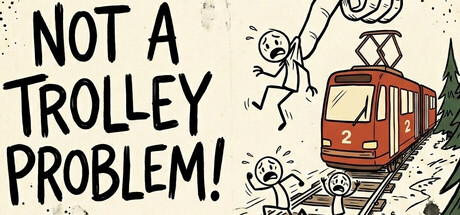 Not a Trolley Problem! In-game content arttext | 1. In-game artwork
Some visual assets (e.g., character/decor sprites, UI icons) are generated with Google Gemini and OpenAI ChatGPT
(image generation) and further edited, retouched, and composed by the developer in the final art pipeline.
2. Store page and marketing graphical assets
Capsule art, library hero, library capsule, and promotional images are generated with Google Gemini and OpenAI
ChatGPT, and further edited, retouched, and composed by the developer before upload.
3. In-game localization
Text translations are AI-assisted using Anthropic Claude, with developer review for tone and accuracy.
Runtime behavior:
- No generative AI models are bundled with or called from the shipped game binary.
- All AI-generated content is pre-rendered and baked into final assets at build time.
- No user inputs are sent to any AI service during gameplay. | NEOTOLIS LLC | - | May 23, 2026 | |
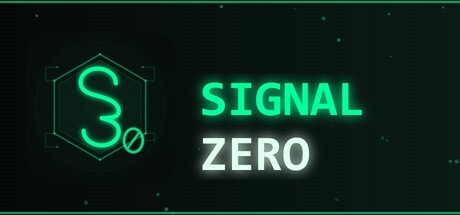 Signal Zero In-game content codetextart | This game's development used generative AI in three specific areas:
1. Source code: Portions of the source code were authored with assistance from large language model (LLM) coding tools.
2. Localization: In-game text translations for 10 languages (English, Simplified Chinese, Traditional Chinese, Korean, Russian, German, French, Spanish, Brazilian Portuguese, and Italian) were generated
using LLM-based tools from the original Japanese source text.
3. Visual assets (UI graphics and logo): Generative AI was used in some cases to assist with creating certain in-game UI icons and the game logo. These AI-assisted assets are limited to generic UI elements
(icons, indicators) and abstract logo designs, and do not depict real-world characters, brands, or copyrighted materials. | Hollow Frame | - | May 23, 2026 | |
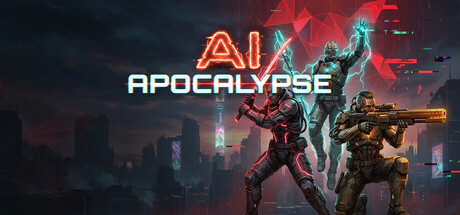 AI Apocalypse In-game content artaudio | Some visual assets (card art and character portraits) generated using Google Gemini image models. Some SFX partially generated via ElevenLabs where Unity Assets were not available. All licensed for commercial use. Game design, code, and text content are original. | Scuffed Studios | - | May 23, 2026 | |
 Paskahousu Store/marketing art | Store capsule and promotional artwork was created with the assistance of generative AI image tools. No AI content is generated during gameplay. | Vaara Games | - | May 23, 2026 | |
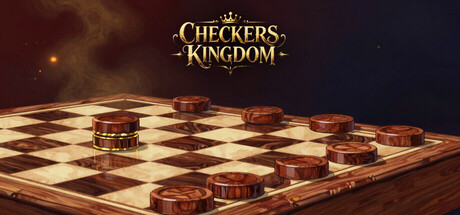 Checkers Kingdom In-game content codeart | I have used Claude Code to create the game itself code and assets. | Pinch Games | - | May 23, 2026 | |
 Solo Defending Dev only | This game uses AI tools to help assist in the development process. To ensure a high-quality experience, all element has been manually reviewed and refined by our development team to meet our creative standards and Steam's community guidelines. | Masonosam | - | May 23, 2026 | |
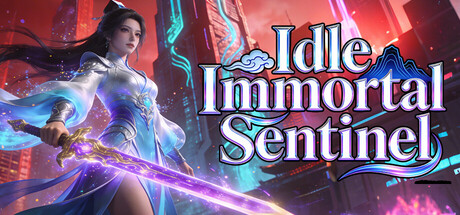 Idle Immortal Sentinel In-game content art | Some art assets in the game are generated by AI | 所以然 | - | May 23, 2026 | |
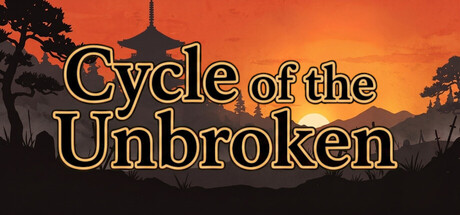 Cycle of the Unbroken In-game content artcode | All visual assets were generated in part using Nano Banana. Some code was generated using Gemini. This project was done by a Solo Dev and few eternal assets were used except where noted. | Latent Blade Studios | - | May 23, 2026 | |
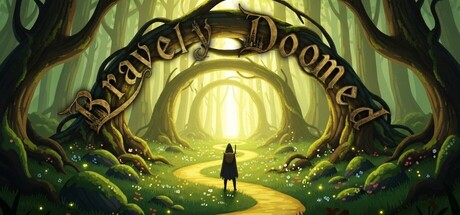 Bravely Doomed Live AI text | This game uses AI to generate dynamic NPC dialogue during gameplay. NPCs respond to player actions and choices with unique, contextual conversations. All AI-generated text is filtered to ensure appropriate content. | Phillip Donnelly | - | May 23, 2026 | |
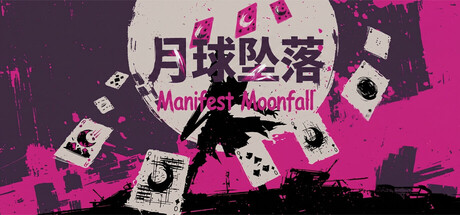 Manifest Moonfall 月球坠落 In-game content art | Some enemy artwork in this game was created with the assistance of generative AI tools (Midjourney), followed by human curation and post-processing. | 吃了就睡工作室 | - | May 23, 2026 | |
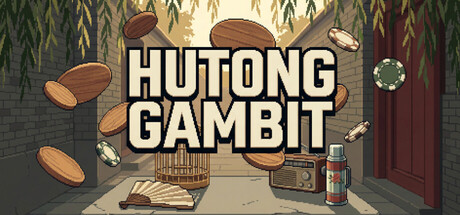 Hutong Gambit In-game content artcode | Partly coding and art assets. | Half Flower | - | May 23, 2026 | |
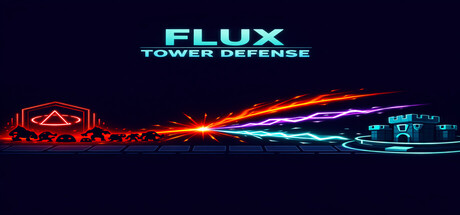 Flux Tower Defense In-game content arttext | Flux Tower Defense uses generative AI in the following development areas:
• Store page artwork: Main, header, library, small, and vertical capsule images, library hero, library header, and page background were created using AI image generation tools with human direction, prompt iteration, and post-processing. The "FLUX TOWER DEFENSE" wordmark typography was added manually.
• Achievement icons: The 20 in-game achievement icons were generated with AI image tools using hand-authored prompts and manually curated selections.
• Localization: Non-English store page descriptions were translated with AI assistance and reviewed before publication.
The game's runtime contains NO generative AI. All gameplay systems (towers, enemies, traps, waves, pathfinding, damage, upgrades), UI, and in-game visuals are deterministic code rendered live via HTML5 Canvas 2D. There are no pre-rendered sprites, no AI-generated game content, and no AI inference during play. | ArcadeDeck | - | May 23, 2026 | |
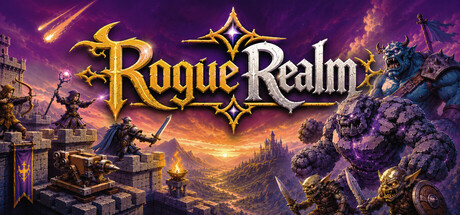 Rogue Realm: Guardian Grids In-game content arttext | The model creation and icon production in the game used a combination of AI and manual editing. All translations were generated by AI. The store page promotional images were generated by AI and then manually edited. | YogurtGames | 96 | May 23, 2026 | |
 Elecade In-game content text | This title uses generative AI for part of its localization process.
AI-generated translation drafts are reviewed and edited by the developer before implementation.
No content is dynamically generated by generative AI during gameplay. | PongorianGames | - | May 23, 2026 | |
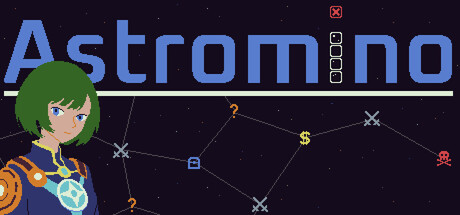 Astromino In-game content textart | This game was made available in many languages thanks to generative AI. Creation of some assets was performed or aided by generative AI tools.
If you ever beat an open-world game, you probably used more power than was used to generate all the assets in this game, including the ones that went unused. If you 100%'d that game, you used much, much more. | Ben Hendel-Doying | - | May 23, 2026 | |
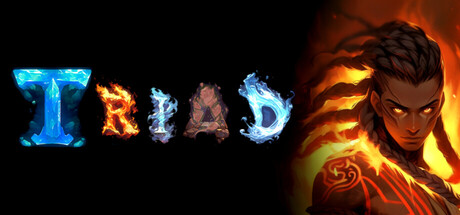 Triad: Elemental Saga In-game content art | Some visual assets in Triad were created with the assistance of AI tools and further refined by the developer.
Triad is a solo-developed project, and these tools helped make its creation possible.
— Raph, developer of Triad | Heritage Games | - | May 23, 2026 | |
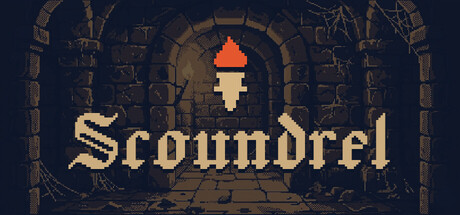 Scoundrel In-game content art | Some game artwork was generated with the assistance of AI, including monster sprites and a portion of achievement icons. These assets were then manually reviewed and edited to fit the game's pixel-art style. Store page descriptions were co-written with AI assistance. | senator.ovh | - | May 23, 2026 | |
 Deephold In-game content artaudiotext | - Visual art: A portion of the pixel-art tiles and select character sprites were generated using PixelLab AI (pixellab.ai), then composited, edited, and integrated by the developer.
- Audio: Background music tracks were generated with AI music tools, then exported and sequenced into the game.
- Code & narrative writing: Game code and the in-game chronicler text (Brom's journal entries) were drafted with AI assistance (Anthropic's Claude) and edited by the developer. | Chuckwalla Works LLC | - | May 23, 2026 | |
 Taktari In-game content audio | Generative AI was used for some of the music in game. All in game art was hand drawn and vectorized by the creator. Main Theme music created by Grace Streeter. Trailer voiceover by Grace Streeter. | Leander Streeter | - | May 23, 2026 | |
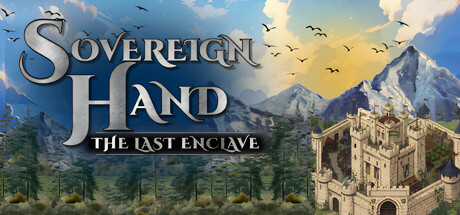 Sovereign Hand : The Last Enclave In-game content art | Generative AI was used during the development process to create character illustrations for the cards. All AI-generated content has been reviewed, manually refined, and edited by our team to ensure it does not include any illegal or infringing material. | Unbent Studios | - | May 23, 2026 | |
 Prevent WW3 In-game content textart | Generative AI tools are used to translate text into different languages and to create visual assets. All content is reviewed and manually edited before being included in the game. | NT7 Studio | - | May 23, 2026 | |
 Varren's Expanse In-game content art | AI has been used to generate 3D models based off of human-created concept art. | Wonder Forge, Inc. | - | May 23, 2026 | |
 Build To The Moon Dev only text | AI was NOT used to generate code, text, art or music for the game itself. It was also NOT used for any artwork used on Steam.
I'm rubbish at marketing so I used it to help write the store descriptions (this is literally the only thing steam related I used it for) and to help develop a marketing plan for me. | BumpkinBrothers | - | May 23, 2026 |


