Public Steam disclosure research25,508 disclosures tracked
Where do games disclose AI use?
Search developers’ Steam disclosures, compare classified AI use across
games, and follow recorded changes.
This index adds cross-game classifications and statistics to
statements published on individual store pages.
Groups reflect automatic analysis of public disclosures; mature records are excluded. These counts do not measure AI use across all of Steam.
Missing or unclear statements cannot establish whether a game uses AI.
We use AI generated images as an early starting point for some promotional key art and some in game lore portrait images. These images are then edited, retouched, and finalized by a human. No AI is used to live generate content, code, or text during gameplay.
The game makes use of AI to enhance the player experience in the following ways:
Marketing and Menu Artwork: AI was used to generate promotional assets and in-game menu art. These assets were created based on original concept briefs and refined for style consistency.
Story Development: All storylines, characters, and branching decisions are original and human-written. However, AI tools were used to assist with grammar correction, spelling consistency, and stylistic polishing, ensuring a high-quality reading experience across thousands of branching narrative paths.
Voice Acting: All in-game dialog audio is AI-generated using text-to-speech technology.
There is no real-time AI decision-making or AI-driven gameplay logic. All player-facing content is deterministic and authored by the development team.
I'm a one-person developer. That means I do everything; and some of it I'm just bad at. I use AI as a tool to cover the gaps: the tasks I hate, the stuff I'd waste hours on just to replace later. The tools don't make the art. Every idea and decision, everything that made it into this game came from me.
This game utilizes Generative Artificial Intelligence (AI) to assist in the creation of various visual assets, including textures, family photos, and character facial expressions. Additionally, AI was used for translating in-game dialogues into multiple supported languages. The core gameplay content, 3D models, and programming were crafted manually by the developer
We used AI-assisted tools during development to help generate portions of our game code, synthesize the voice of our virtual guide “MiM,” and create concept artwork and UI assets. No AI runs during gameplay—these technologies were purely production aids to streamline our workflow and enhance the game’s visuals and audio.
・The background images for stages 1, 2, 4, and 7 were created using the generative AI tool "mage".
・The character animation materials were created using "Flowframes".
Veil of Torment uses AI-generated voice performances for certain characters. These voices were created using licensed AI voice tools and do not replicate or impersonate real individuals. All voice content is original and was produced specifically for this project, in accordance with Steam's content policies.
Generative AI is being used for asset creation during development wherever possible (e.g. sprites, backgrounds, music) to ensure that I, as a solo developer, can keep up with the rapidly evolving nature of this project and meet both my own standards and player expectations of a polished experience.
Some visual elements, such as wall reliefs and parts of the user interface, were generated using AI tools and slightly modified. These assets were used solely during the pre-production phase — in the final version of the game, they will be replaced with illustrations created by artists.
“This game includes a small number of static 3D meshes created with generative AI tools. All environments, gameplay, and narrative content are handcrafted.”
AI tools were used during development to support creative tasks. The game’s cover image was generated using Grok and later manually edited and masked. Voiceovers were created using ElevenLabs. ChatGPT and Grok were used to help brainstorm narrative and dialogue ideas, but all final writing and design decisions were made by the developer.
No AI systems are present during gameplay, and players do not interact with or influence any generative AI. All AI-generated content was reviewed and curated before being included in the game or its marketing materials.
For more information about how AI, copyright, and trademarks were handled in this project, please see: https://theinfernalist.com/copyright-and-trademarks/
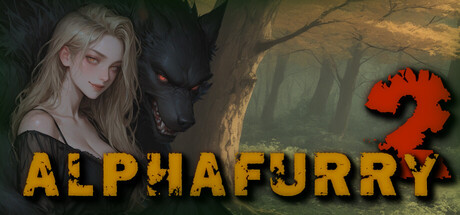
Music and some images, especially the erotic artwork, were created using AI as a visual supplement to the game.
I chosed to use AI-generated visuals as it allowed me to dedicate more time and budget to what truly matters - funny and long gameplay.
Some visual assets were created with the help of generative AI tools. These assets were later modified and updated manually during development. They are not direct or unedited outputs of the AI tools.
The game itself does not include any AI-generated content. AI-generated tools were used solely to assist in creating some of the promotional material displayed on this Steam page.
NO AI was used except as outlined below. NO AI OF ANY FORM was used for story/writing, character sprites, CGs, main backgrounds, music, coding, or any other elements.
We discovered a contractor used AI-assisted base line art on a limited number of secondary/non-main backgrounds. These were fully repainted and finished by a human artist. Includes speech synthesis.
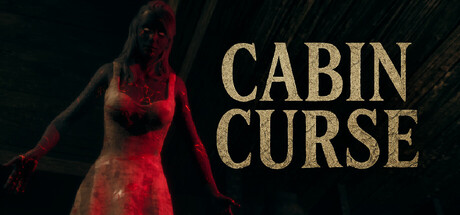
Cabin Curse uses generative AI tools to assist with development. Specifically, AI was used to help create early concept art, generate a few ambient music tracks, and design minor in-world details such as product labels on props (e.g., mugs, cereal boxes). No AI is used to generate content during gameplay, and all AI-generated assets were reviewed, edited, and integrated by the developer.
Some of the promotional materials (such as capsule images and library assets) were created using AI-based tools and then manually edited. In addition, the main character “Tung Tung Sahur” was initially generated using AI and then redesigned and animated manually. There is no AI-generated content during actual gameplay. AI usage is limited to marketing visuals and early character concept creation only.
Generative AI content was used in the following cases:
- The main character of the game on the covers of the Steam page
- Music in the game
- Voice acting in the game
- Images for splashes and backgrounds in the game
This game uses AI-generated sound effects (e.g., footsteps, ambient noises) to enhance the atmosphere.
All gameplay, visuals, and story content are handcrafted.
We use AI generated images as an early starting point for some promotional key art and some in game lore portrait images. These images are then edited, retouched, and finalized by a human. No AI is used to live generate content, code, or text during gameplay.
The game makes use of AI to enhance the player experience in the following ways:
Marketing and Menu Artwork: AI was used to generate promotional assets and in-game menu art. These assets were created based on original concept briefs and refined for style consistency.
Story Development: All storylines, characters, and branching decisions are original and human-written. However, AI tools were used to assist with grammar correction, spelling consistency, and stylistic polishing, ensuring a high-quality reading experience across thousands of branching narrative paths.
Voice Acting: All in-game dialog audio is AI-generated using text-to-speech technology.
There is no real-time AI decision-making or AI-driven gameplay logic. All player-facing content is deterministic and authored by the development team.
I'm a one-person developer. That means I do everything; and some of it I'm just bad at. I use AI as a tool to cover the gaps: the tasks I hate, the stuff I'd waste hours on just to replace later. The tools don't make the art. Every idea and decision, everything that made it into this game came from me.
This game utilizes Generative Artificial Intelligence (AI) to assist in the creation of various visual assets, including textures, family photos, and character facial expressions. Additionally, AI was used for translating in-game dialogues into multiple supported languages. The core gameplay content, 3D models, and programming were crafted manually by the developer
We used AI-assisted tools during development to help generate portions of our game code, synthesize the voice of our virtual guide “MiM,” and create concept artwork and UI assets. No AI runs during gameplay—these technologies were purely production aids to streamline our workflow and enhance the game’s visuals and audio.
・The background images for stages 1, 2, 4, and 7 were created using the generative AI tool "mage".
・The character animation materials were created using "Flowframes".
Veil of Torment uses AI-generated voice performances for certain characters. These voices were created using licensed AI voice tools and do not replicate or impersonate real individuals. All voice content is original and was produced specifically for this project, in accordance with Steam's content policies.
Generative AI is being used for asset creation during development wherever possible (e.g. sprites, backgrounds, music) to ensure that I, as a solo developer, can keep up with the rapidly evolving nature of this project and meet both my own standards and player expectations of a polished experience.
Some visual elements, such as wall reliefs and parts of the user interface, were generated using AI tools and slightly modified. These assets were used solely during the pre-production phase — in the final version of the game, they will be replaced with illustrations created by artists.
“This game includes a small number of static 3D meshes created with generative AI tools. All environments, gameplay, and narrative content are handcrafted.”
AI tools were used during development to support creative tasks. The game’s cover image was generated using Grok and later manually edited and masked. Voiceovers were created using ElevenLabs. ChatGPT and Grok were used to help brainstorm narrative and dialogue ideas, but all final writing and design decisions were made by the developer.
No AI systems are present during gameplay, and players do not interact with or influence any generative AI. All AI-generated content was reviewed and curated before being included in the game or its marketing materials.
For more information about how AI, copyright, and trademarks were handled in this project, please see: https://theinfernalist.com/copyright-and-trademarks/
Music and some images, especially the erotic artwork, were created using AI as a visual supplement to the game.
I chosed to use AI-generated visuals as it allowed me to dedicate more time and budget to what truly matters - funny and long gameplay.
Some visual assets were created with the help of generative AI tools. These assets were later modified and updated manually during development. They are not direct or unedited outputs of the AI tools.
The game itself does not include any AI-generated content. AI-generated tools were used solely to assist in creating some of the promotional material displayed on this Steam page.
NO AI was used except as outlined below. NO AI OF ANY FORM was used for story/writing, character sprites, CGs, main backgrounds, music, coding, or any other elements.
We discovered a contractor used AI-assisted base line art on a limited number of secondary/non-main backgrounds. These were fully repainted and finished by a human artist. Includes speech synthesis.
Cabin Curse uses generative AI tools to assist with development. Specifically, AI was used to help create early concept art, generate a few ambient music tracks, and design minor in-world details such as product labels on props (e.g., mugs, cereal boxes). No AI is used to generate content during gameplay, and all AI-generated assets were reviewed, edited, and integrated by the developer.
Some of the promotional materials (such as capsule images and library assets) were created using AI-based tools and then manually edited. In addition, the main character “Tung Tung Sahur” was initially generated using AI and then redesigned and animated manually. There is no AI-generated content during actual gameplay. AI usage is limited to marketing visuals and early character concept creation only.
Generative AI content was used in the following cases:
- The main character of the game on the covers of the Steam page
- Music in the game
- Voice acting in the game
- Images for splashes and backgrounds in the game
This game uses AI-generated sound effects (e.g., footsteps, ambient noises) to enhance the atmosphere.
All gameplay, visuals, and story content are handcrafted.