Public Steam disclosure research25,710 disclosures tracked
Where do games disclose AI use?
Search developers’ Steam disclosures, compare classified AI use across
games, and follow recorded changes.
This index adds cross-game classifications and statistics to
statements published on individual store pages.
Groups reflect automatic analysis of public disclosures; mature records are excluded. These counts do not measure AI use across all of Steam.
Missing or unclear statements cannot establish whether a game uses AI.
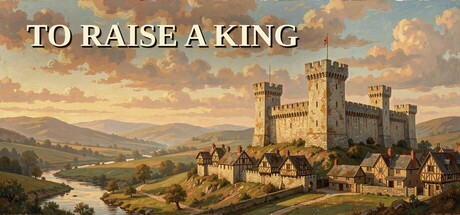
To Raise a King was made by one person working with AI collaborators. AI tools were used in the following ways during development, and every AI output shipped in the game was reviewed, curated, edited, and approved by the developer before inclusion.
Source code. Written in collaboration with Anthropic's Claude, with the developer directing architecture, reviewing every change, and testing behavior.
Character and scene illustrations. Generated locally with the FLUX.2 image model running in ComfyUI. Prompts, reference images, layered compositions, and final selections were all authored and curated by the developer.
Voice acting. Voices were produced with ElevenLabs. The developer cast each role, wrote each line, directed the delivery through iteration, and hand-picked the takes shipped in the game.
Music and sound. Music and select sound effects were produced with ElevenLabs' music generation. Tracks were selected, edited, and placed by the developer.
Writing and design. Story beats, dialogue, and system design were developed collaboratively with Claude, with the developer as the final author.
The developer confirms they hold or have licensed the rights to use these tools' outputs commercially, and has taken reasonable steps to ensure no infringing or unlawful content was produced.
The entirety of the game from the code to the art to the music WAS GENERATED WITH AI. This is not a disguise, I do not know how to build an entire game from scratch by myself. The story, characters, and concept art was created entirely by me and partly with my best friend Xavier, but everything in game is made using AI.
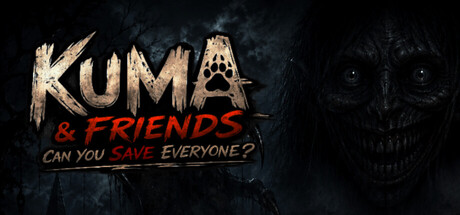
Some temporary horror sound effects and vocal effects in this game were created using generative AI tools during development. These assets have been reviewed and integrated by the developer. As development continues and resources become available, these temporary AI-generated audio assets may be replaced with recordings created by professional voice actors and sound engineers to further enhance the game's atmosphere and realism.
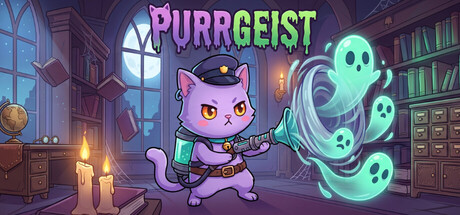
Some of Purrgeist's visual assets (such as backgrounds and base artwork) and some marketing materials were created with the help of generative AI tools (e.g., Google Gemini) as a starting point, then reviewed, edited, and reworked into pixel art by the developer. This is pre-generated content — the game does not generate any AI content while you play, and everything is human-reviewed.
This game used AI tools to assist in generating some visual assets and code. All AI-generated content has been manually reviewed and edited by the developer to ensure quality.
All songs in **GALAXY BEAT** credited to the artist **"Nullspecter"** were created using AI.
In addition, some of the album artwork and UI images included in **GALAXY BEAT** were created with the assistance of AI.
This game uses AI-generated voice audio for the narrative cassette recordings, and some AI-assisted sound effects. All content was reviewed and edited by the developer.
AI assisted drafting was used for the Steam store page text and marketing copy. The game does not use generative AI to create runtime gameplay content or player facing outputs during play.
Generative AI was used during development to assist in creating some pre-generated visual assets for the game and its promotional materials, as well as parts of the English localization. All AI-assisted content was reviewed by the developer and edited where necessary. No content is generated by AI while the game is running.
Many of the art assets used at this stage are AI-generated placeholders, including most of the card artwork. These AI assets help depict the overall creative style and vision that will be achieved in the full release. A Kickstarter campaign will be dedicated to raising the funds to replace the AI placeholder art.
All of the sound design, music, text and game code is entirely human-created.
Some of Blobkey's visual assets were created with the help of generative AI, including character and face art, arena background imagery, menu background art, and imagery used in the trailer. All AI-generated content was produced during development and is baked into the game. No AI content is generated live during gameplay.
- Cutscene voice changer : original audio by voice artist transformed to character voices with AI. No text to speech AI was used as it just wasn't up to standards.
- Cutscene music/jingles, profile pictures and background pictures
- Textures
We are just as repulsed by AI slop (and slop in general) as anybody. We made a conscious effort to drop anything that wasn't up to standard.
Some in-game visual assets (character portraits, icons, and interface art) were created with generative AI tools under commercial licenses, with direction and curation by the developer. Background music is licensed separately (Kevin MacLeod, CC BY 4.0). The game does not generate new art or text during gameplay.
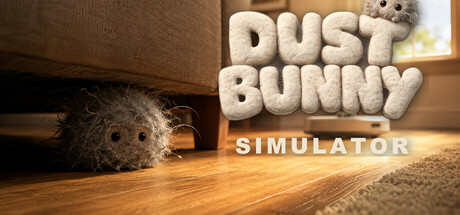
2D artwork for this game and its Steam store page — including the logo, store capsules, key art, and in-game textures — was created using generative AI image tools, generated ahead of time during development. The 3D models are stock/CC0 assets and the dust-bunny character is procedural/code-generated. Screenshots are captures of actual gameplay. No generative AI runs at runtime. All AI-generated images were reviewed to ensure they do not reproduce third-party intellectual property.
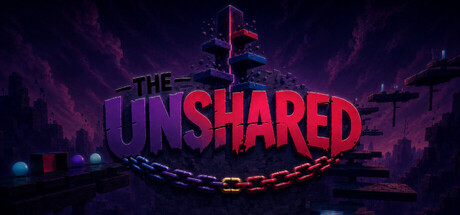
THE UNSHARED uses pre-rendered AI-generated assets: the CURATOR's voice (Kokoro-82M TTS) and two UI images (logo and menu background). No AI content is generated during gameplay.
This game uses generative artificial intelligence as a supporting tool for the creation of some visual and graphic assets, such as the game icon, logo, promotional images, main menu artwork, buttons, and certain visual or typography styles used within the game.
All AI-generated or AI-assisted content was reviewed, edited, and manually selected by the developer before being included in the game. Generative AI is not used during gameplay to create real-time content or to dynamically modify the player experience.
In the development of Project Deep Nexus, AI was utilized for several key components. This includes creating character and background artworks, as well as generating some music tracks. While the developer curated the plot and narrative, AI assisted in the process.
Generative AI is used only to assist with localization and translation of game-related text. No gameplay, artwork, audio, or other player-facing content is generated by AI.
We are using AI art assets in places where our Art has not caught up to the current game progress. We are continuing to produce art to replace the AI assets.
Pre-generated AI tools were used during development to create the game's soundtrack and sound effects, and to assist with portions of its application icon and promotional key art. Those assets were selected, integrated, and reviewed by the developer. No AI content is generated during gameplay.
No AI content is generated during gameplay. AI tools were used solely for code assistance during development, all code was reviewed and tested by the developer.
Every piece of art, music, sound, and text in the game was human-made.
Some store page visuals and marketing materials
were created with the assistance of AI image
generation tools. All in-game assets are
human-made or licensed from asset stores.
Claude Code was used to scaffold most of the Rust code for this game, and the art assets were built from prompting latent diffusion models with human hand drawn sketches and text prompts.
We used generative AI tools to assist in creating in-game background illustrations. All AI-generated assets were pre-rendered during development and do not generate content in real-time.
Minisprite Engine was created by a small team using a combination of original work and generative AI tools.
Its mascot and hand-drawn character art were created by our designer, without the use of AI. Generative AI tools were used in creating other visual assets — including UI and store page artwork — and in drafting and localizing text across multiple languages.
All content was reviewed and refined by the team before release.
Generative AI tools were used during development and marketing to assist with ideation, drafting, rewriting, and visual exploration for IN & OUT.
All final content included in the game, store page, screenshots, capsules, trailers, and marketing materials is reviewed, selected, edited, and approved by the development team before publication.
The game does not use live-generated AI content at runtime. No player input is sent to an AI service, and no gameplay, puzzle, narrative, visual, audio, or localization content is generated dynamically by AI while the game is running.
No game assets or gameplay content were generated using AI.
Localization into some supported languages was created with AI assistance and reviewed by the developers and community where possible.
This product uses generative AI only for some visual content, including in-game sprite images and promotional/store artwork such as capsule images, key art, logos, and character/instrument illustrations. AI is not used to generate live gameplay content in real time.
Ice Cream Express uses generative AI-assisted artwork in some packaging visuals for in-game products/items. Generative AI is not used in any other part of the game, and we are working to remove these AI-assisted visuals before the full release.
To Raise a King was made by one person working with AI collaborators. AI tools were used in the following ways during development, and every AI output shipped in the game was reviewed, curated, edited, and approved by the developer before inclusion.
Source code. Written in collaboration with Anthropic's Claude, with the developer directing architecture, reviewing every change, and testing behavior.
Character and scene illustrations. Generated locally with the FLUX.2 image model running in ComfyUI. Prompts, reference images, layered compositions, and final selections were all authored and curated by the developer.
Voice acting. Voices were produced with ElevenLabs. The developer cast each role, wrote each line, directed the delivery through iteration, and hand-picked the takes shipped in the game.
Music and sound. Music and select sound effects were produced with ElevenLabs' music generation. Tracks were selected, edited, and placed by the developer.
Writing and design. Story beats, dialogue, and system design were developed collaboratively with Claude, with the developer as the final author.
The developer confirms they hold or have licensed the rights to use these tools' outputs commercially, and has taken reasonable steps to ensure no infringing or unlawful content was produced.
The entirety of the game from the code to the art to the music WAS GENERATED WITH AI. This is not a disguise, I do not know how to build an entire game from scratch by myself. The story, characters, and concept art was created entirely by me and partly with my best friend Xavier, but everything in game is made using AI.
Some temporary horror sound effects and vocal effects in this game were created using generative AI tools during development. These assets have been reviewed and integrated by the developer. As development continues and resources become available, these temporary AI-generated audio assets may be replaced with recordings created by professional voice actors and sound engineers to further enhance the game's atmosphere and realism.
Some of Purrgeist's visual assets (such as backgrounds and base artwork) and some marketing materials were created with the help of generative AI tools (e.g., Google Gemini) as a starting point, then reviewed, edited, and reworked into pixel art by the developer. This is pre-generated content — the game does not generate any AI content while you play, and everything is human-reviewed.
This game used AI tools to assist in generating some visual assets and code. All AI-generated content has been manually reviewed and edited by the developer to ensure quality.
All songs in **GALAXY BEAT** credited to the artist **"Nullspecter"** were created using AI.
In addition, some of the album artwork and UI images included in **GALAXY BEAT** were created with the assistance of AI.
This game uses AI-generated voice audio for the narrative cassette recordings, and some AI-assisted sound effects. All content was reviewed and edited by the developer.
AI assisted drafting was used for the Steam store page text and marketing copy. The game does not use generative AI to create runtime gameplay content or player facing outputs during play.
Generative AI was used during development to assist in creating some pre-generated visual assets for the game and its promotional materials, as well as parts of the English localization. All AI-assisted content was reviewed by the developer and edited where necessary. No content is generated by AI while the game is running.
Many of the art assets used at this stage are AI-generated placeholders, including most of the card artwork. These AI assets help depict the overall creative style and vision that will be achieved in the full release. A Kickstarter campaign will be dedicated to raising the funds to replace the AI placeholder art.
All of the sound design, music, text and game code is entirely human-created.
Some of Blobkey's visual assets were created with the help of generative AI, including character and face art, arena background imagery, menu background art, and imagery used in the trailer. All AI-generated content was produced during development and is baked into the game. No AI content is generated live during gameplay.
- Cutscene voice changer : original audio by voice artist transformed to character voices with AI. No text to speech AI was used as it just wasn't up to standards.
- Cutscene music/jingles, profile pictures and background pictures
- Textures
We are just as repulsed by AI slop (and slop in general) as anybody. We made a conscious effort to drop anything that wasn't up to standard.
Some in-game visual assets (character portraits, icons, and interface art) were created with generative AI tools under commercial licenses, with direction and curation by the developer. Background music is licensed separately (Kevin MacLeod, CC BY 4.0). The game does not generate new art or text during gameplay.
2D artwork for this game and its Steam store page — including the logo, store capsules, key art, and in-game textures — was created using generative AI image tools, generated ahead of time during development. The 3D models are stock/CC0 assets and the dust-bunny character is procedural/code-generated. Screenshots are captures of actual gameplay. No generative AI runs at runtime. All AI-generated images were reviewed to ensure they do not reproduce third-party intellectual property.
THE UNSHARED uses pre-rendered AI-generated assets: the CURATOR's voice (Kokoro-82M TTS) and two UI images (logo and menu background). No AI content is generated during gameplay.
This game uses generative artificial intelligence as a supporting tool for the creation of some visual and graphic assets, such as the game icon, logo, promotional images, main menu artwork, buttons, and certain visual or typography styles used within the game.
All AI-generated or AI-assisted content was reviewed, edited, and manually selected by the developer before being included in the game. Generative AI is not used during gameplay to create real-time content or to dynamically modify the player experience.
In the development of Project Deep Nexus, AI was utilized for several key components. This includes creating character and background artworks, as well as generating some music tracks. While the developer curated the plot and narrative, AI assisted in the process.
Generative AI is used only to assist with localization and translation of game-related text. No gameplay, artwork, audio, or other player-facing content is generated by AI.
We are using AI art assets in places where our Art has not caught up to the current game progress. We are continuing to produce art to replace the AI assets.
Pre-generated AI tools were used during development to create the game's soundtrack and sound effects, and to assist with portions of its application icon and promotional key art. Those assets were selected, integrated, and reviewed by the developer. No AI content is generated during gameplay.
No AI content is generated during gameplay. AI tools were used solely for code assistance during development, all code was reviewed and tested by the developer.
Every piece of art, music, sound, and text in the game was human-made.
Some store page visuals and marketing materials
were created with the assistance of AI image
generation tools. All in-game assets are
human-made or licensed from asset stores.
Claude Code was used to scaffold most of the Rust code for this game, and the art assets were built from prompting latent diffusion models with human hand drawn sketches and text prompts.
We used generative AI tools to assist in creating in-game background illustrations. All AI-generated assets were pre-rendered during development and do not generate content in real-time.
Minisprite Engine was created by a small team using a combination of original work and generative AI tools.
Its mascot and hand-drawn character art were created by our designer, without the use of AI. Generative AI tools were used in creating other visual assets — including UI and store page artwork — and in drafting and localizing text across multiple languages.
All content was reviewed and refined by the team before release.
Generative AI tools were used during development and marketing to assist with ideation, drafting, rewriting, and visual exploration for IN & OUT.
All final content included in the game, store page, screenshots, capsules, trailers, and marketing materials is reviewed, selected, edited, and approved by the development team before publication.
The game does not use live-generated AI content at runtime. No player input is sent to an AI service, and no gameplay, puzzle, narrative, visual, audio, or localization content is generated dynamically by AI while the game is running.
No game assets or gameplay content were generated using AI.
Localization into some supported languages was created with AI assistance and reviewed by the developers and community where possible.
This product uses generative AI only for some visual content, including in-game sprite images and promotional/store artwork such as capsule images, key art, logos, and character/instrument illustrations. AI is not used to generate live gameplay content in real time.
Ice Cream Express uses generative AI-assisted artwork in some packaging visuals for in-game products/items. Generative AI is not used in any other part of the game, and we are working to remove these AI-assisted visuals before the full release.