Public Steam disclosure research25,706 disclosures tracked
Where do games disclose AI use?
Search developers’ Steam disclosures, compare classified AI use across
games, and follow recorded changes.
This index adds cross-game classifications and statistics to
statements published on individual store pages.
Groups reflect automatic analysis of public disclosures; mature records are excluded. These counts do not measure AI use across all of Steam.
Missing or unclear statements cannot establish whether a game uses AI.
I’m a solo developer and I use my own cat photography in the game. Some of those photos were transformed into in-game card art with generative AI. Both my original photography and the card art based on it are included in the game. Voice lines in the intro cinematic were also generated with AI. Generative AI is also used when generating stylized weapon & power-up cards. Final assets were selected and edited by the developer.
Some visual assets in this game were created with the assistance of generative AI tools, specifically the store page capsule artwork and the title sequence logo image. All gameplay, level design, code, and audio were created by the developer.
This game includes AI-assisted visual content, including character portraits and promotional assets. All content has been significantly modified, reviewed, and curated by the developer to ensure originality and avoid resemblance to any real individuals. The game does not depict or reference real persons.
Generative AI tools were used exclusively during the development process for brainstorming ideas and coding assistance. All in-game assets—including art, animation, audio, and narrative—were entirely created by our human team.
AI was used as a coding assistant and for assistance with sprite animation. However none of the art was fully generated by AI. All art, be it music or drawn, was originally created by myself, the sole developer, or from open source creators.
AI Disclosure (Text Content):
This game uses generative AI to assist in creating in-game text descriptions, specifically for:
Game Concepts & Descriptions: Some fictional game ideas and descriptions within the simulation are pre-generated using AI text models.
Manual Oversight: All AI-generated text has been manually reviewed and edited by the developer to ensure it contains no prohibited content and aligns with the game's creative direction.
No real-time AI generation occurs during gameplay.
Some parts of this game were created with the assistance of generative AI tools, including certain visual assets, sounds, and code.
All AI-generated content has been reviewed and modified by the developer to ensure quality and consistency.
AI was used to proofread and correct texts.
No game assets were generated by AI.
All assets were either produced:
In-house
Commissioned from freelancers
From 3rd party asset providers
Generative AI was carefully used for structuring the majority of content available in the decks, given the vast breadth of the topics/languages available. However, every piece of information was extracted from publicly available curated sources, where AI was used for the re-writing the facts into questions. Also, in general the distractors (wrong answers) are intelligently chosen at runtime based on similar answers of similar length, however it can occur that certain answer pools where too small for reasonable gameplay. For this, fake answers were generated by AI as well, albeit rarely.
AI-generated images were used during the concept and reference phase. All final in-game artwork, including card illustrations, backgrounds, UI elements, and promotional materials, was hand-crafted and finalized by the developer.
Generative AI was used to create a few very specific, minor promotional images and texture enhancements. Everything else; including plane textures, sprites, UI, and airport layouts, was entirely hand crafted by a single human developer using free editing tools like GIMP, Canva, PowerPoint, and MSPaint.
AI-assisted tools were used for all of the game visuals, audio, and code. No AI generation occurs during gameplay, and no external AI services are used while playing.
Some visual assets and artwork in this game were created with the assistance of generative AI tools and then curated, edited, and integrated by the developer.
All final content has been reviewed and adjusted to ensure consistency, quality, and compliance with Steam guidelines.
This game uses pre-generated AI-assisted artwork for fictional wrestling logos and selected Steam store/marketing assets. These assets were created as fictional branding for the game and reviewed/edited by the developer before use.
The game does not use live generative AI during gameplay.
The game's code is written with the help of AI.
Every other gameplay aspects and assets, i.e. Art, Audio, etc., is human produced, with love and care sprinkled in.
This game uses pre-generated AI images for card artwork and
character sprites, created with Stable Diffusion. No AI is used
to generate content during gameplay.
This game made auxiliary use of pre-generated AI tools during solo development to improve efficiency in areas such as programming code scripts, game system data structure design, draft text writing, and the creation of certain UI icons (such as trait nodes). All AI-assisted content in the game—including code, graphic assets, and text—was thoroughly reviewed, revised, and reworked by the developer to align with the game's intended direction. This game does not include live-generated AI content that is created through real-time interaction with players.
This game uses generative AI to create various pre-rendered 2D visual assets, such as user interface elements, backgrounds, and item icons. Some pre-rendered audio and sound effects were also generated using AI tools. There is no live-generation of AI content while playing the game.
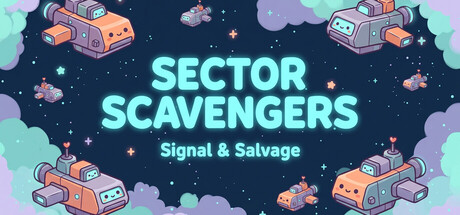
Sector Scavengers was built almost 100% using AI agents and tools. Makko.ai created the game art, animations, and game code/logic, and the trailers were made with a combination of Grok and 11 Labs.
Building a game of this scale as a solo indie developer is a gigantic quest. To bring this vision to life, I utilized AI to help manage the immense development load.
I have used AI to help create placeholder assets as visual guides to get the final look and feel, some initial base assets that have since been modified to be game-ready, and, in some rare cases, game elements that did not require further polishing. I have worked hard to ensure the overall quality is as high as possible, given the limitations with funding, personnel and time.
What wasn't made with AI:
The core game design, idea and execution. Some of the game code, performance optimizations, final polishing, and most final assets. Additionally, some of the development tools, such as the terrain optimizer/generator, targeting, turret, and explosion systems, have been under development as personal hobby projects for nearly a decade. The game was completely visualized, balanced, play tested, and designed by people (the fun part).
What is heavily AI-generated:
Audio: The audio concepts and prompts were written by me, generated using AI algorithms, and then manually polished where needed. Real human work was required to orchestrate, mix, time, and fit these audio clips seamlessly into the game.
Some textures: In a few rare cases, a generated texture was used "as-is" and did not require any additional post-processing or optimization of any kind (excluding cropping or some basic photoshopping).
Some content in this game was created with the assistance of generative AI tools. This includes parts of the intro cinematic, background music, and a small number of visual assets. All AI-assisted content has been reviewed, edited, and integrated by the developer to ensure quality and consistency with the overall game experience.
As a solo developer, I used AI as my development partner on Tower's Gambit. It has helped me code faster and prototype things quickly. Every design decision, every mechanic, every pixel of this game reflects my vision — AI just helped me get there.
AI tools were used during development to assist with text localization,
narrative drafting, and music prompt generation. All game design, pixel art,
code, and final creative decisions are made by the developer.
AI tools were used to assist in creating some card illustrations during development. We will continuously optimize and update the game's visuals based on development progress.
I used AI-assisted tools to help create and animate characters, manually refining and adapting them to fit the game's art style.
All other content, including world-building, UI, SFX, VFX, was either licensed from professional artists or created traditionally.
I’m a solo developer and I use my own cat photography in the game. Some of those photos were transformed into in-game card art with generative AI. Both my original photography and the card art based on it are included in the game. Voice lines in the intro cinematic were also generated with AI. Generative AI is also used when generating stylized weapon & power-up cards. Final assets were selected and edited by the developer.
Some visual assets in this game were created with the assistance of generative AI tools, specifically the store page capsule artwork and the title sequence logo image. All gameplay, level design, code, and audio were created by the developer.
This game includes AI-assisted visual content, including character portraits and promotional assets. All content has been significantly modified, reviewed, and curated by the developer to ensure originality and avoid resemblance to any real individuals. The game does not depict or reference real persons.
Generative AI tools were used exclusively during the development process for brainstorming ideas and coding assistance. All in-game assets—including art, animation, audio, and narrative—were entirely created by our human team.
AI was used as a coding assistant and for assistance with sprite animation. However none of the art was fully generated by AI. All art, be it music or drawn, was originally created by myself, the sole developer, or from open source creators.
AI Disclosure (Text Content):
This game uses generative AI to assist in creating in-game text descriptions, specifically for:
Game Concepts & Descriptions: Some fictional game ideas and descriptions within the simulation are pre-generated using AI text models.
Manual Oversight: All AI-generated text has been manually reviewed and edited by the developer to ensure it contains no prohibited content and aligns with the game's creative direction.
No real-time AI generation occurs during gameplay.
Some parts of this game were created with the assistance of generative AI tools, including certain visual assets, sounds, and code.
All AI-generated content has been reviewed and modified by the developer to ensure quality and consistency.
AI was used to proofread and correct texts.
No game assets were generated by AI.
All assets were either produced:
In-house
Commissioned from freelancers
From 3rd party asset providers
Generative AI was carefully used for structuring the majority of content available in the decks, given the vast breadth of the topics/languages available. However, every piece of information was extracted from publicly available curated sources, where AI was used for the re-writing the facts into questions. Also, in general the distractors (wrong answers) are intelligently chosen at runtime based on similar answers of similar length, however it can occur that certain answer pools where too small for reasonable gameplay. For this, fake answers were generated by AI as well, albeit rarely.
AI-generated images were used during the concept and reference phase. All final in-game artwork, including card illustrations, backgrounds, UI elements, and promotional materials, was hand-crafted and finalized by the developer.
Generative AI was used to create a few very specific, minor promotional images and texture enhancements. Everything else; including plane textures, sprites, UI, and airport layouts, was entirely hand crafted by a single human developer using free editing tools like GIMP, Canva, PowerPoint, and MSPaint.
AI-assisted tools were used for all of the game visuals, audio, and code. No AI generation occurs during gameplay, and no external AI services are used while playing.
Some visual assets and artwork in this game were created with the assistance of generative AI tools and then curated, edited, and integrated by the developer.
All final content has been reviewed and adjusted to ensure consistency, quality, and compliance with Steam guidelines.
This game uses pre-generated AI-assisted artwork for fictional wrestling logos and selected Steam store/marketing assets. These assets were created as fictional branding for the game and reviewed/edited by the developer before use.
The game does not use live generative AI during gameplay.
The game's code is written with the help of AI.
Every other gameplay aspects and assets, i.e. Art, Audio, etc., is human produced, with love and care sprinkled in.
This game uses pre-generated AI images for card artwork and
character sprites, created with Stable Diffusion. No AI is used
to generate content during gameplay.
This game made auxiliary use of pre-generated AI tools during solo development to improve efficiency in areas such as programming code scripts, game system data structure design, draft text writing, and the creation of certain UI icons (such as trait nodes). All AI-assisted content in the game—including code, graphic assets, and text—was thoroughly reviewed, revised, and reworked by the developer to align with the game's intended direction. This game does not include live-generated AI content that is created through real-time interaction with players.
This game uses generative AI to create various pre-rendered 2D visual assets, such as user interface elements, backgrounds, and item icons. Some pre-rendered audio and sound effects were also generated using AI tools. There is no live-generation of AI content while playing the game.
Sector Scavengers was built almost 100% using AI agents and tools. Makko.ai created the game art, animations, and game code/logic, and the trailers were made with a combination of Grok and 11 Labs.
Building a game of this scale as a solo indie developer is a gigantic quest. To bring this vision to life, I utilized AI to help manage the immense development load.
I have used AI to help create placeholder assets as visual guides to get the final look and feel, some initial base assets that have since been modified to be game-ready, and, in some rare cases, game elements that did not require further polishing. I have worked hard to ensure the overall quality is as high as possible, given the limitations with funding, personnel and time.
What wasn't made with AI:
The core game design, idea and execution. Some of the game code, performance optimizations, final polishing, and most final assets. Additionally, some of the development tools, such as the terrain optimizer/generator, targeting, turret, and explosion systems, have been under development as personal hobby projects for nearly a decade. The game was completely visualized, balanced, play tested, and designed by people (the fun part).
What is heavily AI-generated:
Audio: The audio concepts and prompts were written by me, generated using AI algorithms, and then manually polished where needed. Real human work was required to orchestrate, mix, time, and fit these audio clips seamlessly into the game.
Some textures: In a few rare cases, a generated texture was used "as-is" and did not require any additional post-processing or optimization of any kind (excluding cropping or some basic photoshopping).
Some content in this game was created with the assistance of generative AI tools. This includes parts of the intro cinematic, background music, and a small number of visual assets. All AI-assisted content has been reviewed, edited, and integrated by the developer to ensure quality and consistency with the overall game experience.
As a solo developer, I used AI as my development partner on Tower's Gambit. It has helped me code faster and prototype things quickly. Every design decision, every mechanic, every pixel of this game reflects my vision — AI just helped me get there.
AI tools were used during development to assist with text localization,
narrative drafting, and music prompt generation. All game design, pixel art,
code, and final creative decisions are made by the developer.
AI tools were used to assist in creating some card illustrations during development. We will continuously optimize and update the game's visuals based on development progress.
I used AI-assisted tools to help create and animate characters, manually refining and adapting them to fit the game's art style.
All other content, including world-building, UI, SFX, VFX, was either licensed from professional artists or created traditionally.