Public Steam disclosure research25,706 disclosures tracked
Where do games disclose AI use?
Search developers’ Steam disclosures, compare classified AI use across
games, and follow recorded changes.
This index adds cross-game classifications and statistics to
statements published on individual store pages.
Groups reflect automatic analysis of public disclosures; mature records are excluded. These counts do not measure AI use across all of Steam.
Missing or unclear statements cannot establish whether a game uses AI.
I use generative AI as a tool during development:
• Some 3D models (characters, creatures and props) were created with AI generation tools, then edited, rigged and animated by hand for use in the game.
• Some sound effects were generated with AI audio tools, then edited and mixed by hand.
• Some store page and marketing artwork was created with AI image generation.
Everything produced this way is reviewed and reworked by me before it ships. The game generates no content while you play and connects to no AI service at runtime.
Some visual assets used in the game and its promotional materials were created with the assistance of generative AI. The game does not generate AI content at runtime.
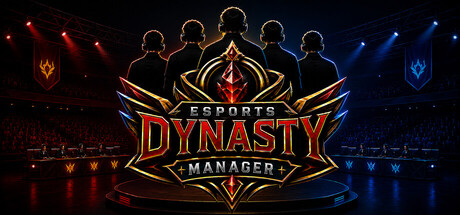
Generative AI tools were used during development to assist in creating pre-generated visual assets for the game, including character and hero artwork, team logos, backgrounds, interface elements, and other decorative assets. All generated content is reviewed, selected, edited, and integrated into the game by the developer. The game does not generate AI content during gameplay.
I’m a broke college student and don’t have the budget to hire a professional artist for everything, so generative AI was used to help create some marketing and promotional artwork for the game do forgive me.
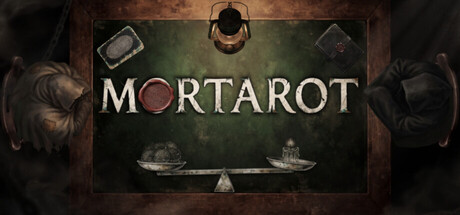
Some of MORTAROT's visual assets were created with the assistance of generative AI image tools and then edited, composited, and refined by hand by the artist. Some interface text and the English localization were drafted with AI assistance and reviewed by the team. AI coding assistants were also used during development. All AI-generated content has been reviewed to ensure that it does not contain infringing or illegal material.
Soulforge uses generative AI for part of its asset production. All AI-assisted content is pre-generated, fixed in the shipped build, and reviewed by the developer before release — the game generates no content at runtime.
• 2D art: UI frames and chrome, spell and passive ability icons, class portraits, key art and store capsule art were produced using AI image generation from written style briefs, then selected, corrected, cropped, rescaled, composited and colour-graded by the developer before being imported into the game.
• 3D models and textures: a portion of environment and prop assets were produced with AI generation tools, then edited, retopologised and hand-adjusted before being used in the game.
• Localization: the game's 20 interface languages were produced with AI translation, each language then passed through a separate independent AI review pass and a mechanical validator. Native-speaker review is ongoing and corrections ship as they arrive.
Audio is procedurally synthesised with hand-written DSP code, not generated by an AI model.
We have reviewed the shipped assets and believe they contain no illegal or infringing content.
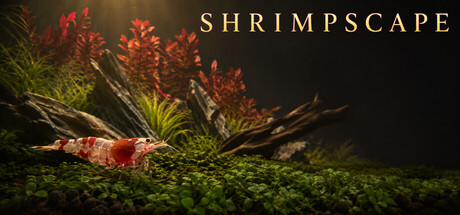
Some of Shrimpscape's assets were produced with generative AI. The shrimp, plant and hardscape artwork was generated with AI image tools and then hand-edited, colour-corrected and assembled by the developer. The 3D hardscape models were generated with an AI mesh tool and then cleaned up and textured by hand in Blender. Store page and capsule art was made the same way. Text outside English is machine-translated. Nothing is generated while you play — everything shipped in the game is fixed and reviewed before release.
Some promotional artwork on the store page (capsule images and logo) was created with the assistance of generative AI tools, based on the game's own original key art and branding. The game itself contains no AI-generated content: all gameplay, music, visuals, and levels are hand-crafted.
Generative AI was used only for a small set of supporting assets — some interface icons, a few decorative visuals and some sound effects. It is not used while the game is running, and no part of the gameplay or the paintings depends on it.
Some of the visual assets in Champions of Thaloria were created with the help
of generative AI tools during development. This includes parts of the store
page artwork and trailer, along with a portion of the in-game 2D art such as
item icons, avatar frames and class emblems.
Every AI-assisted asset was selected, edited and assembled by hand before it
went into the game, and all of it was reviewed by the developer.
The game does not generate anything while you play. No content is created at
runtime and no AI service is contacted during gameplay — everything ships
with the game.
Pre-generated content: Some promotional and store-page visual assets, including logo variations, were created or enhanced with generative AI during development. No generative AI is used at runtime. The game does not generate AI content for players.
As a solo developer, I used generative AI tools during the development process to assist with creating game assets (such as character artwork and item graphics), composing background music, and generating or refining code snippets. All AI-assisted content was pre-generated prior to release and manually curated. No AI content is generated live during gameplay.
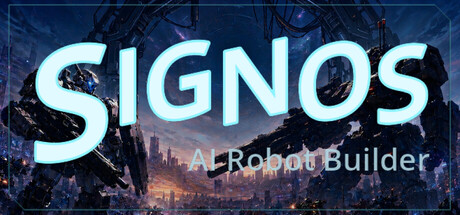
This game uses generative AI tools for parts of its 3D model creation and music/sound effect production.
Core elements of the game experience — including the scenario, game design, AI logic design and implementation, and part balance adjustments — are created and decided primarily by the developer himself.
In keeping with the game's own concept of "designing AI logic to fight," the development process itself also actively incorporates collaboration with AI. This game was completed by using dialogue with AI to work around the limitations of a one-person team.
Some pre-made content was created with the help of generative AI and curated by the developer: promotional/splash artwork and some item icons, several source 3D meshes, background music tracks, and portions of in-game flavor text. The game does not generate any content at runtime.
Some card artwork, character illustrations, and marketing text were created with the assistance of generative AI tools, then reviewed, edited, and curated by the developer. All game design and code direction is human-led. No AI content is generated live during gameplay.
Generative AI tools were used to assist in creating some store page artwork and marketing materials, as well as parts of the game's word content. All AI-assisted content was reviewed, edited, and integrated by the developer. Game design, programming, and final implementation were created by the developer.
Generative AI was used during development to assist in creating and refining some visual assets and development materials. All AI-assisted content included in the game and its marketing is reviewed, selected, and edited by the developer before publication. No AI-generated content is created during gameplay.
Generative AI is used solely for localization from Japanese into other languages, both within the game itself and for external content such as this store page. All artwork and story content in the game are created by hand, and no generative AI is used in their creation.
Iron Command uses generative AI for part of its content:
• 3D models and their textures were generated with AI. Every model was then cleaned up, scaled, oriented and assembled into the game by hand.
• The key art used on the title screen and for the store images was generated with an image model and edited afterwards.
• The spoken mission briefings and unit voice lines are produced with a text-to-speech system from scripts written by the developer.
Game design, programming, level design, balancing and all written text are the developer's own work, created without generative AI.
Generative AI was used during development to assist with code, artwork, in-game text such as death messages, and store page text. All AI-generated content was reviewed and edited by the developer. No AI runs during gameplay - the game is fully offline and generates no content at runtime.
Generative AI tools were used during development to create and refine selected 2D artwork and UI elements, and to assist with some narrative text and localization. All AI-assisted content was reviewed, edited, and integrated by the developer. The game does not generate content using AI during gameplay.
Generative AI was used to help create pre-generated visual assets and promotional artwork used in the game and on the store page. The game does not generate AI content during gameplay and does not connect to external AI services during gameplay.
Generative AI technologies were used during certain stages of development to assist in creating select art, audio, text, or design assets. All final content has been reviewed, refined, and integrated by our team to ensure overall experience and product quality.
Generative AI was used to assist in creating some visual assets, dialogue, and localization for the game. AI-generated visual assets were manually pixel-edited, recolored, and refined by the developer to match the game's art style. AI-assisted dialogue and localization were reviewed and edited by the developer before being included in the game. No generative AI content is created dynamically during gameplay.
Some of the content in this game was created with generative AI tools.
· The five background music tracks were generated with an AI music tool, then edited
and looped to fit the game.
· 2D sprites (props, enemies, bosses, UI) started as generative AI image drafts and
went through background removal, resizing and color correction before shipping.
· Interface translations — the source language is Korean; the other languages were
machine-translated with AI and only some have had a human pass. If you spot an
awkward line, tell us and we will fix it.
Sound effects are not AI-generated. They are synthesized in real time by the game's code.
No AI runs while you play. Every piece of content ships as a fixed file — the game does
not generate anything during play and does not contact any AI service.
Generative AI tools were used during development to assist in creating visual promotional artwork, UI graphics, and character concept designs. All AI-generated assets were reviewed, modified, and curated by the developer to ensure quality and consistency with the game's art style. No real-time AI content generation is used during gameplay.
This game is currentilty making use of 2 AI generate models among all other hand crafted models for the PLAYTEST alone and will be changed during DEMO and FULL RELEASE.
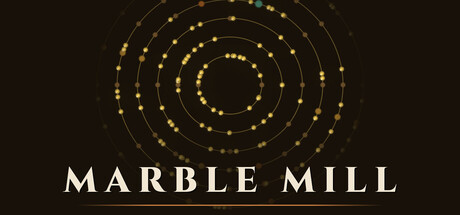
Marble Mill's text was written with generative AI assistance — the in-game strings, the achievement and perk descriptions, and this store page.
Nothing else is AI-generated. The mill is drawn by the game's own renderer rather than from image files: the build contains no art assets beyond the window icon, which a script in the project generates. Every chime is synthesised in code as it plays, so the game ships no audio files at all. And nothing is generated while you play — there is no AI model in the game and no calls out to one.
About 10% of this game’s art assets were created with AI-assisted design, including some combat scenes and talent icons. All AI-generated content was reviewed, adjusted, and polished by artists. The remaining art assets were hand-crafted.
AI-assisted tools were used solely during development to support programming tasks such as coding, debugging, and refactoring. All resulting code was reviewed, tested, and integrated by the developer. The game does not generate content using AI during gameplay.
The in-game music and portions of the marketing materials (such as promotional images and text) were generated or assisted using AI. All AI-generated content was reviewed and curated by the developer.
Generative AI was used to assist with some promotional artwork for the Steam store page. All gameplay screenshots and trailer footage are captured from the actual game. The game itself does not contain AI-generated content.
I use generative AI as a tool during development:
• Some 3D models (characters, creatures and props) were created with AI generation tools, then edited, rigged and animated by hand for use in the game.
• Some sound effects were generated with AI audio tools, then edited and mixed by hand.
• Some store page and marketing artwork was created with AI image generation.
Everything produced this way is reviewed and reworked by me before it ships. The game generates no content while you play and connects to no AI service at runtime.
Some visual assets used in the game and its promotional materials were created with the assistance of generative AI. The game does not generate AI content at runtime.
Generative AI tools were used during development to assist in creating pre-generated visual assets for the game, including character and hero artwork, team logos, backgrounds, interface elements, and other decorative assets. All generated content is reviewed, selected, edited, and integrated into the game by the developer. The game does not generate AI content during gameplay.
I’m a broke college student and don’t have the budget to hire a professional artist for everything, so generative AI was used to help create some marketing and promotional artwork for the game do forgive me.
Some of MORTAROT's visual assets were created with the assistance of generative AI image tools and then edited, composited, and refined by hand by the artist. Some interface text and the English localization were drafted with AI assistance and reviewed by the team. AI coding assistants were also used during development. All AI-generated content has been reviewed to ensure that it does not contain infringing or illegal material.
Soulforge uses generative AI for part of its asset production. All AI-assisted content is pre-generated, fixed in the shipped build, and reviewed by the developer before release — the game generates no content at runtime.
• 2D art: UI frames and chrome, spell and passive ability icons, class portraits, key art and store capsule art were produced using AI image generation from written style briefs, then selected, corrected, cropped, rescaled, composited and colour-graded by the developer before being imported into the game.
• 3D models and textures: a portion of environment and prop assets were produced with AI generation tools, then edited, retopologised and hand-adjusted before being used in the game.
• Localization: the game's 20 interface languages were produced with AI translation, each language then passed through a separate independent AI review pass and a mechanical validator. Native-speaker review is ongoing and corrections ship as they arrive.
Audio is procedurally synthesised with hand-written DSP code, not generated by an AI model.
We have reviewed the shipped assets and believe they contain no illegal or infringing content.
Some of Shrimpscape's assets were produced with generative AI. The shrimp, plant and hardscape artwork was generated with AI image tools and then hand-edited, colour-corrected and assembled by the developer. The 3D hardscape models were generated with an AI mesh tool and then cleaned up and textured by hand in Blender. Store page and capsule art was made the same way. Text outside English is machine-translated. Nothing is generated while you play — everything shipped in the game is fixed and reviewed before release.
Some promotional artwork on the store page (capsule images and logo) was created with the assistance of generative AI tools, based on the game's own original key art and branding. The game itself contains no AI-generated content: all gameplay, music, visuals, and levels are hand-crafted.
Generative AI was used only for a small set of supporting assets — some interface icons, a few decorative visuals and some sound effects. It is not used while the game is running, and no part of the gameplay or the paintings depends on it.
Some of the visual assets in Champions of Thaloria were created with the help
of generative AI tools during development. This includes parts of the store
page artwork and trailer, along with a portion of the in-game 2D art such as
item icons, avatar frames and class emblems.
Every AI-assisted asset was selected, edited and assembled by hand before it
went into the game, and all of it was reviewed by the developer.
The game does not generate anything while you play. No content is created at
runtime and no AI service is contacted during gameplay — everything ships
with the game.
Pre-generated content: Some promotional and store-page visual assets, including logo variations, were created or enhanced with generative AI during development. No generative AI is used at runtime. The game does not generate AI content for players.
As a solo developer, I used generative AI tools during the development process to assist with creating game assets (such as character artwork and item graphics), composing background music, and generating or refining code snippets. All AI-assisted content was pre-generated prior to release and manually curated. No AI content is generated live during gameplay.
This game uses generative AI tools for parts of its 3D model creation and music/sound effect production.
Core elements of the game experience — including the scenario, game design, AI logic design and implementation, and part balance adjustments — are created and decided primarily by the developer himself.
In keeping with the game's own concept of "designing AI logic to fight," the development process itself also actively incorporates collaboration with AI. This game was completed by using dialogue with AI to work around the limitations of a one-person team.
Some pre-made content was created with the help of generative AI and curated by the developer: promotional/splash artwork and some item icons, several source 3D meshes, background music tracks, and portions of in-game flavor text. The game does not generate any content at runtime.
Some card artwork, character illustrations, and marketing text were created with the assistance of generative AI tools, then reviewed, edited, and curated by the developer. All game design and code direction is human-led. No AI content is generated live during gameplay.
Generative AI tools were used to assist in creating some store page artwork and marketing materials, as well as parts of the game's word content. All AI-assisted content was reviewed, edited, and integrated by the developer. Game design, programming, and final implementation were created by the developer.
Generative AI was used during development to assist in creating and refining some visual assets and development materials. All AI-assisted content included in the game and its marketing is reviewed, selected, and edited by the developer before publication. No AI-generated content is created during gameplay.
Generative AI is used solely for localization from Japanese into other languages, both within the game itself and for external content such as this store page. All artwork and story content in the game are created by hand, and no generative AI is used in their creation.
Iron Command uses generative AI for part of its content:
• 3D models and their textures were generated with AI. Every model was then cleaned up, scaled, oriented and assembled into the game by hand.
• The key art used on the title screen and for the store images was generated with an image model and edited afterwards.
• The spoken mission briefings and unit voice lines are produced with a text-to-speech system from scripts written by the developer.
Game design, programming, level design, balancing and all written text are the developer's own work, created without generative AI.
Generative AI was used during development to assist with code, artwork, in-game text such as death messages, and store page text. All AI-generated content was reviewed and edited by the developer. No AI runs during gameplay - the game is fully offline and generates no content at runtime.
Generative AI tools were used during development to create and refine selected 2D artwork and UI elements, and to assist with some narrative text and localization. All AI-assisted content was reviewed, edited, and integrated by the developer. The game does not generate content using AI during gameplay.
Generative AI was used to help create pre-generated visual assets and promotional artwork used in the game and on the store page. The game does not generate AI content during gameplay and does not connect to external AI services during gameplay.
Generative AI technologies were used during certain stages of development to assist in creating select art, audio, text, or design assets. All final content has been reviewed, refined, and integrated by our team to ensure overall experience and product quality.
Generative AI was used to assist in creating some visual assets, dialogue, and localization for the game. AI-generated visual assets were manually pixel-edited, recolored, and refined by the developer to match the game's art style. AI-assisted dialogue and localization were reviewed and edited by the developer before being included in the game. No generative AI content is created dynamically during gameplay.
Some of the content in this game was created with generative AI tools.
· The five background music tracks were generated with an AI music tool, then edited
and looped to fit the game.
· 2D sprites (props, enemies, bosses, UI) started as generative AI image drafts and
went through background removal, resizing and color correction before shipping.
· Interface translations — the source language is Korean; the other languages were
machine-translated with AI and only some have had a human pass. If you spot an
awkward line, tell us and we will fix it.
Sound effects are not AI-generated. They are synthesized in real time by the game's code.
No AI runs while you play. Every piece of content ships as a fixed file — the game does
not generate anything during play and does not contact any AI service.
Generative AI tools were used during development to assist in creating visual promotional artwork, UI graphics, and character concept designs. All AI-generated assets were reviewed, modified, and curated by the developer to ensure quality and consistency with the game's art style. No real-time AI content generation is used during gameplay.
This game is currentilty making use of 2 AI generate models among all other hand crafted models for the PLAYTEST alone and will be changed during DEMO and FULL RELEASE.
Marble Mill's text was written with generative AI assistance — the in-game strings, the achievement and perk descriptions, and this store page.
Nothing else is AI-generated. The mill is drawn by the game's own renderer rather than from image files: the build contains no art assets beyond the window icon, which a script in the project generates. Every chime is synthesised in code as it plays, so the game ships no audio files at all. And nothing is generated while you play — there is no AI model in the game and no calls out to one.
About 10% of this game’s art assets were created with AI-assisted design, including some combat scenes and talent icons. All AI-generated content was reviewed, adjusted, and polished by artists. The remaining art assets were hand-crafted.
AI-assisted tools were used solely during development to support programming tasks such as coding, debugging, and refactoring. All resulting code was reviewed, tested, and integrated by the developer. The game does not generate content using AI during gameplay.
The in-game music and portions of the marketing materials (such as promotional images and text) were generated or assisted using AI. All AI-generated content was reviewed and curated by the developer.
Generative AI was used to assist with some promotional artwork for the Steam store page. All gameplay screenshots and trailer footage are captured from the actual game. The game itself does not contain AI-generated content.