Public Steam disclosure research25,376 disclosures tracked
Where do games disclose AI use?
Search developers’ Steam disclosures, compare classified AI use across
games, and follow recorded changes.
This index adds cross-game classifications and statistics to
statements published on individual store pages.
Groups reflect automatic analysis of public disclosures; mature records are excluded. These counts do not measure AI use across all of Steam.
Missing or unclear statements cannot establish whether a game uses AI.
This game uses AI-generated voice acting for in-game dialogue. All visual assets, including art, characters, and 3D models, are original content created by our development team.
We used AI to generate pre-rendered content for this game.
for example some icons. and we used ai for get some advice.
We have NOT use AI to live-generate content or code during gameplay yet.
This game uses elements created with the help of artificial intelligence:
- Character artwork is fully AI-generated and adapted to match the game's style.
- Some interface elements were created using AI image generation technologies.
All AI-generated content was produced in compliance with the rights to use the tools and resources.
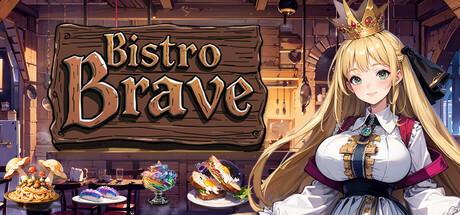
The vast majority of art materials in this game are generated using AI. But the generated art materials are mostly scenes, food, tables, chairs, benches, etc., so there is no copyright issue.
AI image generation has been used for character graphics, backgrounds, other objects, and UI elements.
AI music generation has been partially used for the music.
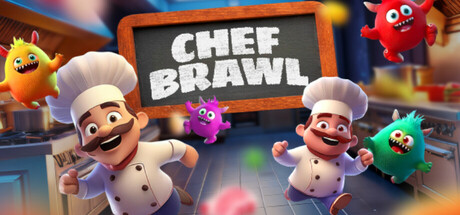
"In Chef Brawl, we have utilized AI in the following ways:
Content Generation: Some game content was initially generated using AI tools. This served as a starting point for our creative process.
Design References: AI was used to create design references and inspiration for our final product.
Human Refinement: While AI assisted in the initial stages, all AI-generated content and designs were reviewed, refined, and finalized by our human development team to ensure quality and coherence with our game vision.
No core gameplay mechanics or critical narrative elements rely on real-time AI processing. The AI was primarily used as a tool in our development process to enhance creativity and efficiency."
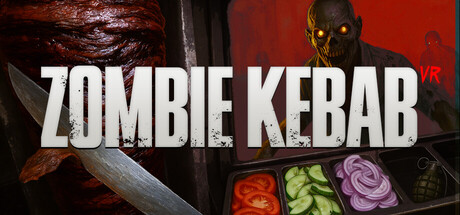
During the development of Zombie Kebab, we may use AI-assisted tools to support our creative process. These tools help us speed up production and experiment with ideas — but every asset, scene, and design decision is guided and refined by our team.
Some examples may include concept art, background textures, or decorative posters within the game world.
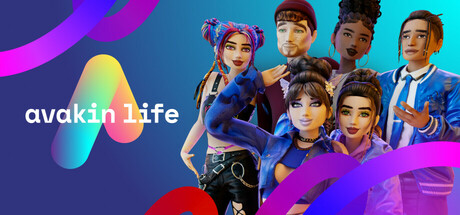
Players can create textures using text prompts, and apply those textures to virtual clothing templates.
Our team uses generative AI tools to help develop some in game assets.
Art and text in the game do not directly use any AI-generated content.
However, the character portraits and item UI designs are based on AI designs.
The artwork will be created by the artist.
Especially for the character portraits, each one took a significant amount of time to create.
A very small portion of the sound effects and music in the game are created or modified by AI.
Certain visual UI components were initially generated as primitive draft concepts using AI-assisted tools and were subsequently heavily edited, reworked, and finalized by a sole human designer.
AI was not used in the development of any gameplay mechanics, systems, logic, or non-UI content. All such elements were entirely designed and implemented by a sole human developer.
We partly use AI for our project to optimize the workflow and create smaller models, icons, textures, the logo or some texts. This saves time and helps our team to focus on the development. Game soundtrack generated with Udio.
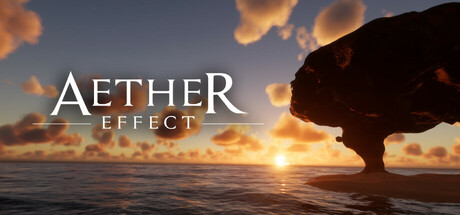
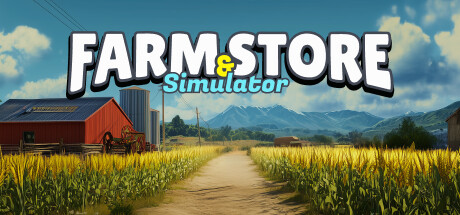
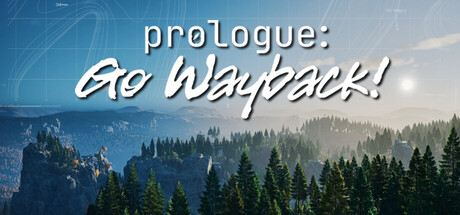
We are developing our own in-house machine-learning model which is trained on publicly available open-source data and vetted to prevent the use of any copyrighted material. This ML model is used to generate base terrain maps in Unreal Engine 5 which are then populated procedurally with custom made assets such as the trees, rivers, rocks, and hills you explore. Our artists and designers use our ML model to allow us to generate 64km2 maps that look and feel natural and realistic. The game generates a new map offline on your system every time you play.
This game uses AI-generated voice acting for in-game dialogue. All visual assets, including art, characters, and 3D models, are original content created by our development team.
We used AI to generate pre-rendered content for this game.
for example some icons. and we used ai for get some advice.
We have NOT use AI to live-generate content or code during gameplay yet.
This game uses elements created with the help of artificial intelligence:
- Character artwork is fully AI-generated and adapted to match the game's style.
- Some interface elements were created using AI image generation technologies.
All AI-generated content was produced in compliance with the rights to use the tools and resources.
The vast majority of art materials in this game are generated using AI. But the generated art materials are mostly scenes, food, tables, chairs, benches, etc., so there is no copyright issue.
AI image generation has been used for character graphics, backgrounds, other objects, and UI elements.
AI music generation has been partially used for the music.
"In Chef Brawl, we have utilized AI in the following ways:
Content Generation: Some game content was initially generated using AI tools. This served as a starting point for our creative process.
Design References: AI was used to create design references and inspiration for our final product.
Human Refinement: While AI assisted in the initial stages, all AI-generated content and designs were reviewed, refined, and finalized by our human development team to ensure quality and coherence with our game vision.
No core gameplay mechanics or critical narrative elements rely on real-time AI processing. The AI was primarily used as a tool in our development process to enhance creativity and efficiency."
During the development of Zombie Kebab, we may use AI-assisted tools to support our creative process. These tools help us speed up production and experiment with ideas — but every asset, scene, and design decision is guided and refined by our team.
Some examples may include concept art, background textures, or decorative posters within the game world.
Players can create textures using text prompts, and apply those textures to virtual clothing templates.
Our team uses generative AI tools to help develop some in game assets.
Art and text in the game do not directly use any AI-generated content.
However, the character portraits and item UI designs are based on AI designs.
The artwork will be created by the artist.
Especially for the character portraits, each one took a significant amount of time to create.
A very small portion of the sound effects and music in the game are created or modified by AI.
Certain visual UI components were initially generated as primitive draft concepts using AI-assisted tools and were subsequently heavily edited, reworked, and finalized by a sole human designer.
AI was not used in the development of any gameplay mechanics, systems, logic, or non-UI content. All such elements were entirely designed and implemented by a sole human developer.
We partly use AI for our project to optimize the workflow and create smaller models, icons, textures, the logo or some texts. This saves time and helps our team to focus on the development. Game soundtrack generated with Udio.
We are developing our own in-house machine-learning model which is trained on publicly available open-source data and vetted to prevent the use of any copyrighted material. This ML model is used to generate base terrain maps in Unreal Engine 5 which are then populated procedurally with custom made assets such as the trees, rivers, rocks, and hills you explore. Our artists and designers use our ML model to allow us to generate 64km2 maps that look and feel natural and realistic. The game generates a new map offline on your system every time you play.