Public Steam disclosure research25,380 disclosures tracked
Where do games disclose AI use?
Search developers’ Steam disclosures, compare classified AI use across
games, and follow recorded changes.
This index adds cross-game classifications and statistics to
statements published on individual store pages.
Groups reflect automatic analysis of public disclosures; mature records are excluded. These counts do not measure AI use across all of Steam.
Missing or unclear statements cannot establish whether a game uses AI.
We've leveraged the capabilities of Generative AI technology to create some of the unique themed backgrounds, characters, and content elements featured in our game. This innovative approach allows us to deliver a richer, more immersive experience, filled with visually captivating and creatively inspired designs that enhance every moment of gameplay.
AI tools were used during development to assist with code, artwork, music, and other production tasks. All creative direction, design decisions, implementation, integration, testing, and final selection of content were handled by the developer.
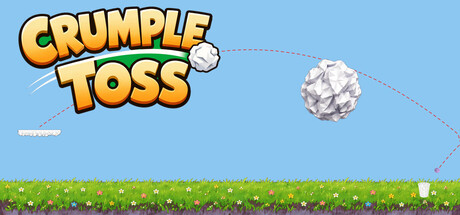
Some of the game's 2D art — backgrounds, obstacle textures, sticker
illustrations and the logo — was created with the help of generative AI
tools during development. All of it was reviewed, edited and assembled by
the developer. Part of the game's source code was also written with AI
assistance. The game itself contains no AI models and generates nothing at
runtime: every asset ships as a fixed file.
Generative AI tools were used to create some of the pre-rendered content that ships with this game and appears on this store page, specifically artwork and character voice audio. Nothing is generated by AI while the game is running.
This game's text localization into multiple languages was assisted by AI translation tools. Three background music tracks, licensed from Pixabay, were AI-created or AI-modified by their original creators. All other artwork, audio, and game assets are human-made or sourced from licensed marketplaces — no other AI-generated content is used.
AI was used for some translations, music, and visual assets. The game does not create AI-generated content during gameplay, and AI was not used to write the game’s code.
The game uses generative AI in a limited capacity to create small aesthetic UI elements (such as icons and the mouse cursor), to assist with game translations, and to generate voiceovers for promotional materials, such as the game's trailer and to make minor adjustments.
We only consider AI to be a supportive tool. Every detail is meticulously crafted with human intent, as our creative process is still firmly anchored in manual craftsmanship.
The area background artwork in this game is based on images created with a generative AI tool. This covers 96 images across six themes; the generated images were reviewed, selected, and processed into the game's format during development. Some title logos were produced the same way and then post-processed.
All other assets — cell graphics, clouds, sound effects, background music, planet textures, and the app icon — are generated procedurally in code and do not use AI.
No AI runs while the game is playing.
AI was utilized as a supportive tool during development to streamline processes, while all final creative assets were designed, crafted, and polished by our team of artists with dedication and precision.
All card art, UI, and character face customization are hand-drawn by me. Everything in this game is made by me or from purchased assets, except for one wall painting and one window decoration texture, which were AI generated and will be replaced later.
Pre-generated AI tools were used to assist in creating 2D character, environment, interface, and promotional artwork. No content is generated by AI during gameplay, and the game does not connect to external AI services.
Props to you for checking this out! I used AI to help code some of the newer features and port this from my original mobile build as it saved a lot of dev time. Everything else—sounds, amateur vector art, and the remaining 85%+ of the code is completely human-crafted.
AI tools were used to assist with localizing the interface text into the game's 11 supported languages. All artwork, music, sound and game design are human-made.
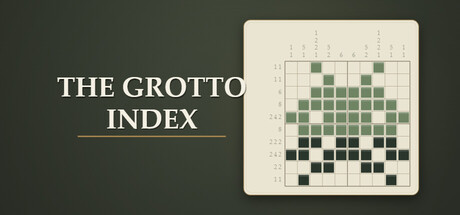
The developer of The Grotto Index used generative AI tools during development to help create some of the game's visual assets, including specimen pixel art and illustrations. All AI-assisted content was reviewed, edited, and curated by the developer before being included in the game. No content is generated by AI during gameplay — every puzzle, image, and piece of text in the shipped game is fixed and was finalized before release.
Some visual assets in the game were created with the assistance of generative AI tools. All gameplay systems, mechanics, and interactive content were developed by the team.
Generative AI tools helped create and refine some concept art, and marketing images for this game. The game does not generate new AI content while you play.
AI tools were used during development solely to assist with coding, including identifying and fixing bugs and making minor code corrections and improvements. AI does not generate any content for players during gameplay.
Generative AI was used in the creation of visual assets for this game, including characters, backgrounds, and stage maps.
AI-assisted coding tools were also used during the development of the game.
The game does not use generative AI to create content in real time during gameplay.
This game uses generative AI tools to assist in creating early drafts of some artwork and text during development. All AI-generated content is pre-rendered and has been reviewed, edited, and polished by hand before being included in the game. No content is generated live at runtime.
In Game: Icons and splash screens in the game have been generated during the development process using artificial intelligence.
Store page: Images on the store page have been generated using artificial intelligence, with exception of in game screen shots which are not made using AI.
This game used generative AI during development as a programming aid, assisting with the writing, debugging, and optimization of portions of the source code. All AI-assisted code was reviewed, edited, and tested by the developer before inclusion.
Some store page and marketing artwork (including capsule images) was created with generative AI tools. Gameplay, trailers, and screenshots are captured from the game itself. The game does not use generative AI during play and does not connect to external AI services.
This game uses generative AI tools during development. Some textures were created with AI image-generation models as part of the art pipeline, and portions of the text (such as store page copy and in-game descriptions) were drafted with AI assistance and then reviewed and edited by the developer. No content is generated in real time during gameplay.
Generative AI tools were used during development to assist in the creation of visual and audio content. All AI-assisted content was created prior to release, reviewed and curated by the developer, and is included as part of the finished game. No generative AI is used during gameplay.
The artwork in this game was pre generated with AI tools, then cut, curated, corrected and animated by the developer before it shipped. This covers the character art, the city backdrops, the item and badge icons, and the store capsules. All code, level design, music and written text are the developer's own. No third party artwork was used as a source.
Generative AI tools were used to create and refine selected promotional artwork for the Steam store page. All resulting materials were reviewed and curated by the developer. The game does not generate AI content during gameplay or connect to external AI services.
During development, generative AI was used as an assistive tool to create some in-game text and translations, 2D graphics, and store images. The generated content was reviewed and modified by the developer before being included in the game. Generative AI is not used to create content while the game is running, and no player input or personal information is sent to AI services.
Some visual assets and promotional materials were created or assisted using generative AI tools and have been reviewed, modified, and integrated by the developer.
All gameplay, programming, level design, and game logic were created and implemented by the developer.
Take a Joke uses generative AI in a few clearly defined places.
Created during development and shipped as fixed files:
• Artwork — the game's logo, icon, and character avatars were created using AI image-generation tools, then selected, edited, and assembled by hand.
• Narrator voice — the spoken introduction is a synthesized voice performance created with ElevenLabs, reading a script we wrote.
• Cards — the great majority of the prompt and answer deck was written by hand. A small number of cards were drafted with AI assistance. Every card in the game was read and approved by a person before it shipped.
Generated during play (optional features):
• The narrator occasionally reacts to what is happening in a round. The lines come from a fixed, human-written library; a player's name is inserted and the line is voiced with ElevenLabs.
• The optional end-of-game awards ceremony writes a short, custom awards show about the game you just played — the award titles and descriptions are AI-written from that game's results, then voiced.
When those optional features are on, the game sends player nicknames and submitted answers to the services that generate them. With them off, nothing is generated while you play.
The majority of this game is hand-coded. AI support was used to generate code for CPU player states, modify/rearrange UI elements, create custom shaders, and generate the main menu background image.
AI assistance (a large language model) was used to translate the store page description into English. No in-game assets — 3D models, textures, music, or sound — were created using generative AI.
Generative AI tools were used during development as part of the visual ideation and reference process for some in-game objects. Final game assets were created, assembled, and manually refined by the developer. The game does not use generative AI during gameplay.
Generative AI tools were used during development to assist with programming, debugging, and selected visual and marketing assets. All AI-assisted code and content were reviewed, tested, and edited by the developer. No content is generated during gameplay.
Shirt Happens! was made with the help of generative AI. We used it to write and review
code, to bring the game's mechanics online, to support our UI work, to generate visual
assets and reference images for our 2D and 3D art, to draft written text including parts
of this store page, and as a sounding board for design ideas. Everything it produced was
reviewed, edited and finished by us before it shipped.
We've leveraged the capabilities of Generative AI technology to create some of the unique themed backgrounds, characters, and content elements featured in our game. This innovative approach allows us to deliver a richer, more immersive experience, filled with visually captivating and creatively inspired designs that enhance every moment of gameplay.
AI tools were used during development to assist with code, artwork, music, and other production tasks. All creative direction, design decisions, implementation, integration, testing, and final selection of content were handled by the developer.
Some of the game's 2D art — backgrounds, obstacle textures, sticker
illustrations and the logo — was created with the help of generative AI
tools during development. All of it was reviewed, edited and assembled by
the developer. Part of the game's source code was also written with AI
assistance. The game itself contains no AI models and generates nothing at
runtime: every asset ships as a fixed file.
Generative AI tools were used to create some of the pre-rendered content that ships with this game and appears on this store page, specifically artwork and character voice audio. Nothing is generated by AI while the game is running.
This game's text localization into multiple languages was assisted by AI translation tools. Three background music tracks, licensed from Pixabay, were AI-created or AI-modified by their original creators. All other artwork, audio, and game assets are human-made or sourced from licensed marketplaces — no other AI-generated content is used.
AI was used for some translations, music, and visual assets. The game does not create AI-generated content during gameplay, and AI was not used to write the game’s code.
The game uses generative AI in a limited capacity to create small aesthetic UI elements (such as icons and the mouse cursor), to assist with game translations, and to generate voiceovers for promotional materials, such as the game's trailer and to make minor adjustments.
We only consider AI to be a supportive tool. Every detail is meticulously crafted with human intent, as our creative process is still firmly anchored in manual craftsmanship.
The area background artwork in this game is based on images created with a generative AI tool. This covers 96 images across six themes; the generated images were reviewed, selected, and processed into the game's format during development. Some title logos were produced the same way and then post-processed.
All other assets — cell graphics, clouds, sound effects, background music, planet textures, and the app icon — are generated procedurally in code and do not use AI.
No AI runs while the game is playing.
AI was utilized as a supportive tool during development to streamline processes, while all final creative assets were designed, crafted, and polished by our team of artists with dedication and precision.
All card art, UI, and character face customization are hand-drawn by me. Everything in this game is made by me or from purchased assets, except for one wall painting and one window decoration texture, which were AI generated and will be replaced later.
Pre-generated AI tools were used to assist in creating 2D character, environment, interface, and promotional artwork. No content is generated by AI during gameplay, and the game does not connect to external AI services.
Props to you for checking this out! I used AI to help code some of the newer features and port this from my original mobile build as it saved a lot of dev time. Everything else—sounds, amateur vector art, and the remaining 85%+ of the code is completely human-crafted.
AI tools were used to assist with localizing the interface text into the game's 11 supported languages. All artwork, music, sound and game design are human-made.
The developer of The Grotto Index used generative AI tools during development to help create some of the game's visual assets, including specimen pixel art and illustrations. All AI-assisted content was reviewed, edited, and curated by the developer before being included in the game. No content is generated by AI during gameplay — every puzzle, image, and piece of text in the shipped game is fixed and was finalized before release.
Some visual assets in the game were created with the assistance of generative AI tools. All gameplay systems, mechanics, and interactive content were developed by the team.
Generative AI tools helped create and refine some concept art, and marketing images for this game. The game does not generate new AI content while you play.
AI tools were used during development solely to assist with coding, including identifying and fixing bugs and making minor code corrections and improvements. AI does not generate any content for players during gameplay.
Generative AI was used in the creation of visual assets for this game, including characters, backgrounds, and stage maps.
AI-assisted coding tools were also used during the development of the game.
The game does not use generative AI to create content in real time during gameplay.
This game uses generative AI tools to assist in creating early drafts of some artwork and text during development. All AI-generated content is pre-rendered and has been reviewed, edited, and polished by hand before being included in the game. No content is generated live at runtime.
In Game: Icons and splash screens in the game have been generated during the development process using artificial intelligence.
Store page: Images on the store page have been generated using artificial intelligence, with exception of in game screen shots which are not made using AI.
This game used generative AI during development as a programming aid, assisting with the writing, debugging, and optimization of portions of the source code. All AI-assisted code was reviewed, edited, and tested by the developer before inclusion.
Some store page and marketing artwork (including capsule images) was created with generative AI tools. Gameplay, trailers, and screenshots are captured from the game itself. The game does not use generative AI during play and does not connect to external AI services.
This game uses generative AI tools during development. Some textures were created with AI image-generation models as part of the art pipeline, and portions of the text (such as store page copy and in-game descriptions) were drafted with AI assistance and then reviewed and edited by the developer. No content is generated in real time during gameplay.
Generative AI tools were used during development to assist in the creation of visual and audio content. All AI-assisted content was created prior to release, reviewed and curated by the developer, and is included as part of the finished game. No generative AI is used during gameplay.
The artwork in this game was pre generated with AI tools, then cut, curated, corrected and animated by the developer before it shipped. This covers the character art, the city backdrops, the item and badge icons, and the store capsules. All code, level design, music and written text are the developer's own. No third party artwork was used as a source.
Generative AI tools were used to create and refine selected promotional artwork for the Steam store page. All resulting materials were reviewed and curated by the developer. The game does not generate AI content during gameplay or connect to external AI services.
During development, generative AI was used as an assistive tool to create some in-game text and translations, 2D graphics, and store images. The generated content was reviewed and modified by the developer before being included in the game. Generative AI is not used to create content while the game is running, and no player input or personal information is sent to AI services.
Some visual assets and promotional materials were created or assisted using generative AI tools and have been reviewed, modified, and integrated by the developer.
All gameplay, programming, level design, and game logic were created and implemented by the developer.
Take a Joke uses generative AI in a few clearly defined places.
Created during development and shipped as fixed files:
• Artwork — the game's logo, icon, and character avatars were created using AI image-generation tools, then selected, edited, and assembled by hand.
• Narrator voice — the spoken introduction is a synthesized voice performance created with ElevenLabs, reading a script we wrote.
• Cards — the great majority of the prompt and answer deck was written by hand. A small number of cards were drafted with AI assistance. Every card in the game was read and approved by a person before it shipped.
Generated during play (optional features):
• The narrator occasionally reacts to what is happening in a round. The lines come from a fixed, human-written library; a player's name is inserted and the line is voiced with ElevenLabs.
• The optional end-of-game awards ceremony writes a short, custom awards show about the game you just played — the award titles and descriptions are AI-written from that game's results, then voiced.
When those optional features are on, the game sends player nicknames and submitted answers to the services that generate them. With them off, nothing is generated while you play.
The majority of this game is hand-coded. AI support was used to generate code for CPU player states, modify/rearrange UI elements, create custom shaders, and generate the main menu background image.
AI assistance (a large language model) was used to translate the store page description into English. No in-game assets — 3D models, textures, music, or sound — were created using generative AI.
Generative AI tools were used during development as part of the visual ideation and reference process for some in-game objects. Final game assets were created, assembled, and manually refined by the developer. The game does not use generative AI during gameplay.
Generative AI tools were used during development to assist with programming, debugging, and selected visual and marketing assets. All AI-assisted code and content were reviewed, tested, and edited by the developer. No content is generated during gameplay.
Shirt Happens! was made with the help of generative AI. We used it to write and review
code, to bring the game's mechanics online, to support our UI work, to generate visual
assets and reference images for our 2D and 3D art, to draft written text including parts
of this store page, and as a sounding board for design ideas. Everything it produced was
reviewed, edited and finished by us before it shipped.