








Disclosure
AI was used to assist in creating the game thumbnail and a few elements on the store page, followed by additional manual editing.
- Creator
- Bewolba Studios
- Reviews
- -
- Added
- Sep 27, 2026
Public Steam disclosure research 25,380 disclosures tracked
Search developers’ Steam disclosures, compare classified AI use across games, and follow recorded changes. This index adds cross-game classifications and statistics to statements published on individual store pages.
Code help, debugging and other development work.
Capsule art, trailers and promotional material.
Pre-made art, audio, writing and other game assets.
Interactive or runtime AI features disclosed by the developer.
Groups reflect automatic analysis of public disclosures; mature records are excluded. These counts do not measure AI use across all of Steam. Missing or unclear statements cannot establish whether a game uses AI.
AI was used to assist in creating the game thumbnail and a few elements on the store page, followed by additional manual editing.
All graphics in the game are hand-pixelled. The soundtrack was created with generative AI. Some images for the Steam store and library were expanded using AI to fit the required aspect ratios. No content is generated by AI during gameplay.
Ia was only used for create the main menu song and the main menu cover image.
StageStar uses generative AI only to create fictional social media-style posts inside the game’s parody social platform. These AI-generated posts are used to make the game world feel more alive and reactive to the player’s career progress. The AI-generated content does not represent real people, real accounts, or real-world social media posts. It is fictional in-game content created for entertainment purposes only.
AI-generated images were used as references for only some of the art assets. The final assets were created by hand.
The developer uses generative AI during development for prototyping (placeholder models/assets), and some current store‑page marketing images are AI‑composed. No generative AI runs during gameplay.
Generative AI was used only to create artwork for the Steam store page and marketing materials. No generative AI is used in the game or during gameplay.
-Start and finish platform 3D model pre-generated -Some graphic elements related to the online store were created with the help of AI.
Pre-generated AI was used to assist in creating the game's logo, some 2D UI elements (HUD icons), and the background music for the promotional teaser (using Soundraw). The game's code, 3D assets, core mechanics, and level design are developed without generative AI.
During development we used generative AI tools to create some of the game's 2D artwork and a portion of its 3D models, as well as some store page marketing artwork. All AI-assisted assets were reviewed, edited, and finalized by our team. The game does not generate AI content at runtime.
Generative AI tools were used to during development to assist with game code, content, and materials. The game contains no live generative AI interactions and does not generate content during gameplay.
Some steps of the art production used AI tools, for example to create or upscale backgrounds and illustrations that were then refined by hand, and for first drafts of language translations. No AI content is generated during gameplay.
This game was made by a two-person team: a developer and a designer/artist. AI tools were used only as an aid during development. An AI 3D generator provided rough starting shapes for the capybara figurines, which the team then remodeled, textured and set up in the game engine. level design, gameplay, art direction, UI and text was designed and made by the team. The game does not generate any AI content while you play.
Generative AI tools were used to assist with some assets.
The game includes pre-generated sound effects created with generative AI. Some store and promotional artwork was also created with AI tools. No content is generated by AI during gameplay.
Generative AI tools were used in the following areas of this game's development. ■ Visual assets Image generation AI was used to create some 2D visual assets, including backgrounds, card artwork, and UI elements. These images are included in the game as fixed assets. ■ Music The background music was created using Suno, an AI music generation tool. ■ Voice assets The included female voice assets were created using audio generation AI. The male voice assets are pre-existing recordings provided by T-Sta. ■ Text and translation Generative AI assisted with writing and translation for some in-game text and the store page description. ■ Program code AI coding assistance tools were used for part of the implementation work. ■ Other assets Sound effects are pre-existing audio assets provided by Soundeffect Lab, Kurage Kosho, T-Sta, and DOVA-SYNDROME. The font is Zen Kaku Gothic New, provided under the SIL Open Font License. ■ No live generation All AI-generated content described above was created in advance during development. The game does not use generative AI to create new images, music, voices, or dialogue during gameplay.
Shogi: Magic & Mischief was developed with the assistance of generative AI tools in the following areas. ■ Illustrations and images Generative AI was used to create 2D visual assets, including character portraits, backgrounds, title illustrations, and other game and promotional artwork. The developer directed the visual concepts, character designs, composition, and colors, and selected the images for inclusion, with editing, cropping, and compositing where needed. ■ Music Background music was created using music generation AI. The developer defined the intended mood, generated candidates, and selected and edited tracks for the game. ■ Voices The male voice assets are pre-existing human-recorded audio from T-Sta. The female voice assets were created using audio generation AI and selected and edited by the developer. These descriptions refer to the voice asset sets, rather than the gender of every character using them. ■ Text AI writing assistance was used to draft or revise some character descriptions and store-page text, including English promotional text. The developer determines the final wording. ■ Program code AI coding assistance tools were used during implementation, debugging, and testing. ■ Non-AI assets Sound effects are pre-existing human-created audio assets from providers including Soundeffect Lab, Kurage Kosho, T-Sta, and DOVA-SYNDROME, rather than AI-generated sound effects. The game uses the fonts Zen Kaku Gothic New and Shippori Mincho, distributed under the SIL Open Font License 1.1. ■ How AI is used Generative AI is used during development, not to generate new artwork, music, voices, or dialogue during gameplay. The computer-controlled shogi opponents use game logic and move-search algorithms; they are separate from the generative AI tools used to develop the game. ■ Developer responsibility The developer is responsible for the content included in the game, reviewing it for inappropriate or potentially infringing material, and checking the applicable licenses and terms of use for third-party assets and AI tools.
Some of the game's 3D models were created using generative AI (Tripo3D). The English localization and store page text were also prepared with the help of an AI assistant and reviewed by hand. The audio and gameplay were made without generative AI. Часть 3D-моделей в игре создана с помощью генеративного ИИ (Tripo3D). Английская локализация и тексты для страницы в магазине также подготовлены с помощью ИИ-ассистента и вычитаны вручную. Звук и геймплей созданы без генеративного ИИ.
Some of the game's 3D models and artwork were created with the help of generative AI tools and then cleaned up and edited by hand. Parts of the store page text were drafted with AI assistance. The game does not generate any AI content while you play.
Some of this game's art was stylized or created with AI image generation tools from original prompts and project reference material: character portraits, tables, backgrounds, and Steam store and community artwork. Initial translations were AI-assisted. All of it was edited and reviewed before shipping. The soundtrack is chip-synth music generated at build time by the game's own code, no audio model and no sampled audio in the shipped files. Several tracks are AI-stylized arrangements of original songs written by a member of the development team; others were composed with AI assistance to our direction. Nothing is generated by AI while you play.
This game was created as a personal challenge to myself to see if i could solo dev a game and release it the same day as GTA 6. I wanted to see what the highest quality final release consumer ready product I could create with only 69 days and a 200 dollar per month codex pro plan as the budget. While the majority of implementation and art assets were llm derived, the architecture, game design, card concepts and overall vision of the project remain the product of my own efforts.
I used an AI coding assistant while building the game, and it helped come up with the achievement names and descriptions, which I edited. Nothing else in the game is AI generated: the soundtrack is licensed from its creators, the radio voices are my own recordings, and the art and sounds are produced by the game's own code.
Generative AI tools were used during development to help create visual assets, interface artwork, decorative themes, and audio elements. AI tools also assisted with localization and store page text. These materials were prepared in advance under the developer’s direction. The game does not generate AI content during gameplay or connect to external AI services.
Studs Up! ships some pre-generated AI content. All of it was reviewed and edited by hand before it went into the game: - Player portraits and the end-of-season win/loss backdrops: image generation, converted down to the game's limited-palette pixel formats. - The match music loop and the match sound effects: audio generation, edited and loudness-normalised. - The announcer voice in the trailer: voice generation. No AI runs while you play. The game is fully offline and generates nothing at runtime.
Roadshift was developed with assistance from generative AI tools (such as Large Language Models) to help write and structure the source code and draft store descriptions, as well as generating in-game images, assets, art, and 3D models. The game does not feature live, runtime generative AI.
Generative AI was used during development to assist in the creation of some visual assets and promotional materials. The final content was reviewed and selected by the developer before being included in the game or its store materials.
Generative AI tools were used during development to create pre-rendered assets: creature and building artwork, icons, 3D models and parts of the store graphics. All assets were selected, edited and integrated by the developers. The game does not generate any content with AI while it is running.
Some cosmetic artwork and icons, and the original music soundtrack, were created with generative AI tools during development. These assets are pre-generated. The game does not generate AI content during gameplay or connect to an AI service.
Portions of the art and code in this game were generated by AI.
This game uses generative AI in the creation of some 2D and 3D artwork, images and videos used for visual presentation, as well as assets for the Steam store page and marketing materials. Generative AI-assisted tools were also used for some text creation and localization. All generated content has been reviewed and edited by the developer before use. The game does not use generative AI to generate content in real time during gameplay.
This game uses Generative AI tools to assist in the creation of select visual assets and graphic elements, such as icons, background textures, and concept art. All generated assets were subsequently reviewed, edited, and manually integrated by our team to ensure quality, consistency, and a seamless gameplay experience. These features will be replaced as the game progresses through development.
We currently use generative AI-assisted tools during development to create some pre-generated visual content. The capsule artwork on the Steam store page is currently AI-assisted and is intended to be replaced before release. We also use Kimodo as an aid in generating and refining character animations used in the game. The game does not generate AI content during gameplay and does not connect to external AI services while running.
This game may contain generative artificial intelligence.
The soundtrack is AI generated.
Generative AI capabilities have been used in game development content to enhance development efficiency.
The store artwork (key art, capsule images, logo) was created with the help of generative AI and then selected and edited by hand. AI tools assisted with programming, in-game text and translations; all content was reviewed and revised by the developer. The in-game 3D models, textures and animations come from licensed asset packs and are not AI-generated. No content is generated by AI during gameplay.
Generative AI was used to assist with programming during development. No generative AI was used to create content included in the game.
Utilize AI for localized translation and pre-rendering
Some of this game's user-interface text, its Korean, English, Japanese and Simplified Chinese translations, parts of this store page, and the on-screen text in the trailer were written with the assistance of generative AI tools, then reviewed and edited by the developer. All 3D models, user-interface art and sound effects are licensed from commercial asset stores. All artwork made for this game, including the app icon, store art and trailer, is rendered or captured from the game itself rather than produced by an image- or video-generation model. The game does not generate any content at runtime and does not connect to any AI service during play.
In the trailer's song, NPC voices (although its only a placeholder) and 2 NPC's shirt textures.
Generative AI tools were used during development to create and refine some branding, interface artwork, and promotional images. These assets are prepared in advance; the game does not generate AI content during gameplay.
We use AI to generate combat simulation tests, placeholder artwork, and agentic workflows for game logic. AI is a tool and not something to replace humans with. A lot of human hours have been put into the game too.
Some AI tools were sued to assist in asset production
Some music tracks included in the game were created using generative AI tools by third-party music providers. These tracks are used under licenses that permit their inclusion in commercial projects. The game's visual assets, 3D environments, characters, animations and other artwork are primarily human-created assets, including original work and commercially licensed asset packs or free asset packs. The game does not generate AI content while running.
KAPUT is made by a small team, and we use AI coding assistants as a programming tool during development — to help write, refactor and review parts of the game's code and internal documentation. Every change is reviewed, tested and integrated by our developers, who are responsible for the final result. The game's art, animation, music, sound design and writing are made by the team. No content is generated by AI while you play
Generative AI was used only to localize text originally written by the developer, and human review will continue up until official release.
Generative AI tools were used to help create some pre-made sound effects and marketing materials, including store-page text and promotional artwork. These are fixed assets prepared during development. The game does not generate AI content during gameplay; its random holes and boundaries are created by procedural game code.
The announcement artwork was created with the help of generative AI. I also use AI coding agents for debugging and development assistance. A small number of early-access placeholder sprites were created with AI assistance as well, but these are planned to be replaced before the full release.
AI was used only for localization from English to other languages.
Some artwork, promotional images, text, and translations were created with AI assistance.
| Title⇅ | Disclosure | Creator⇅ | Src | Reviews⇅ | Added↓ |
|---|---|---|---|---|---|
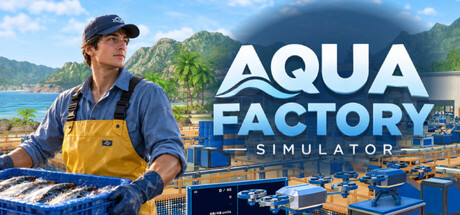 Aqua Factory Simulator Store/marketing arttext | AI was used to assist in creating the game thumbnail and a few elements on the store page, followed by additional manual editing. | Bewolba Studios | - | Sep 27, 2026 | |
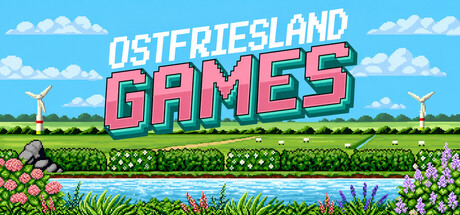 Ostfriesland Games In-game content audioart | All graphics in the game are hand-pixelled. The soundtrack was created with generative AI. Some images for the Steam store and library were expanded using AI to fit the required aspect ratios. No content is generated by AI during gameplay. | m01n studios | - | Sep 27, 2026 | |
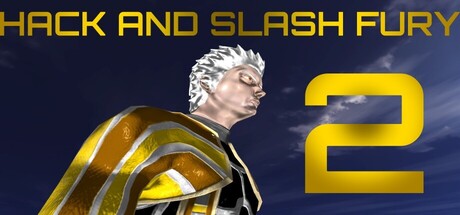 Hack And Slash Fury 2: Lancelot Betrayal In-game content audioart | Ia was only used for create the main menu song and the main menu cover image. | juan_poder_azure | - | Sep 27, 2026 | |
 StageStar In-game content text | StageStar uses generative AI only to create fictional social media-style posts inside the game’s parody social platform. These AI-generated posts are used to make the game world feel more alive and reactive to the player’s career progress.
The AI-generated content does not represent real people, real accounts, or real-world social media posts. It is fictional in-game content created for entertainment purposes only. | Edmond Szabo | - | Sep 27, 2026 | |
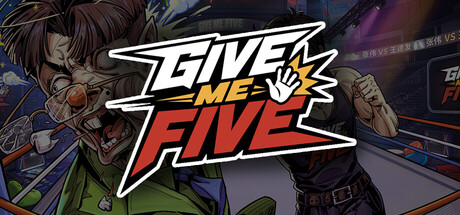 Give Me Five Dev only art | AI-generated images were used as references for only some of the art assets. The final assets were created by hand. | Dystop1a | - | Sep 26, 2026 | |
 Astral Inc. Store/marketing art | The developer uses generative AI during development for prototyping (placeholder models/assets), and some current store‑page marketing images are AI‑composed. No generative AI runs during gameplay. | adamjr | - | Sep 26, 2026 | |
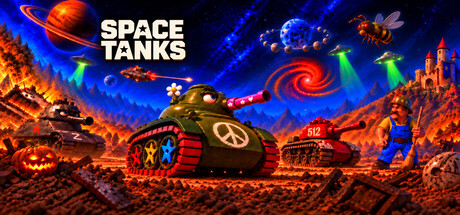 Space Tanks Store/marketing art | Generative AI was used only to create artwork for the Steam store page and marketing materials. No generative AI is used in the game or during gameplay. | Black Blowfish Software Labs | - | Sep 26, 2026 | |
 Two Minds One Car Store/marketing art | -Start and finish platform 3D model pre-generated
-Some graphic elements related to the online store were created with the help of AI. | Schallerino | - | Sep 26, 2026 | |
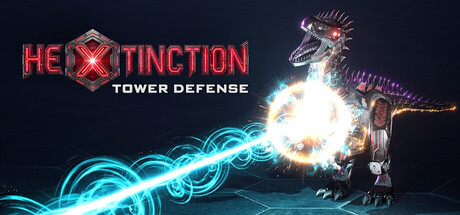 Hextinction: Tower Defense In-game content artaudio | Pre-generated AI was used to assist in creating the game's logo, some 2D UI elements (HUD icons), and the background music for the promotional teaser (using Soundraw). The game's code, 3D assets, core mechanics, and level design are developed without generative AI. | A2L Games | - | Sep 26, 2026 | |
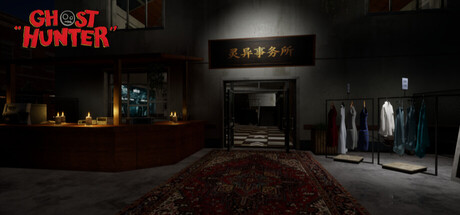 Ghost Hunter In-game content art | During development we used generative AI tools to create some of the game's 2D
artwork and a portion of its 3D models, as well as some store page marketing
artwork. All AI-assisted assets were reviewed, edited, and finalized by our team.
The game does not generate AI content at runtime. | Tricky Spirit | - | Sep 26, 2026 | |
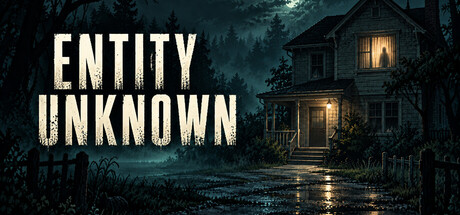 Entity Unknown In-game content arttextcode | Generative AI tools were used to during development to assist with game code, content, and materials. The game contains no live generative AI interactions and does not generate content during gameplay. | Blackbox Interactive | - | Sep 25, 2026 | |
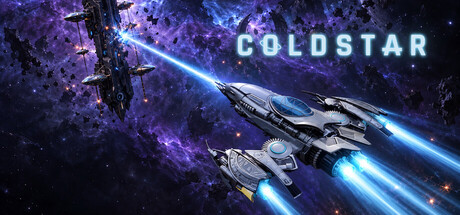 Coldstar In-game content arttext | Some steps of the art production used AI tools, for example to create or upscale backgrounds and illustrations that were then refined by hand, and for first drafts of language translations. No AI content is generated during gameplay. | Coldstar Games | - | Sep 25, 2026 | |
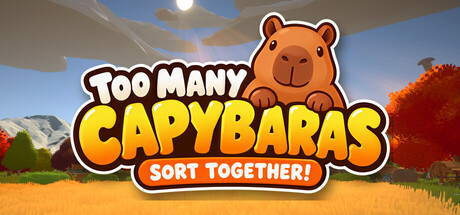 Too Many Capybaras: Sort Together In-game content art | This game was made by a two-person team: a developer and a designer/artist. AI tools were used only as an aid during development. An AI 3D generator provided rough starting shapes for the capybara figurines, which the team then remodeled, textured and set up in the game engine. level design, gameplay, art direction, UI and text was designed and made by the team. The game does not generate any AI content while you play. | Tidywreck | - | Sep 25, 2026 | |
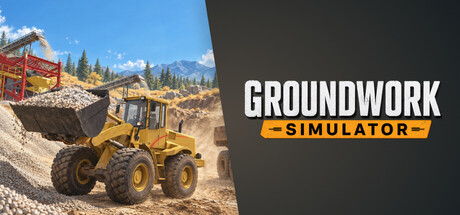 Groundwork Simulator Unclear | Generative AI tools were used to assist with some assets. | XYZ STUDIO | - | Sep 25, 2026 | |
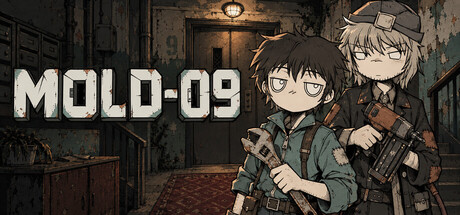 MOLD-09 In-game content audioart | The game includes pre-generated sound effects created with generative AI. Some store and promotional artwork was also created with AI tools. No content is generated by AI during gameplay. | Hatred Engine | - | Sep 25, 2026 | |
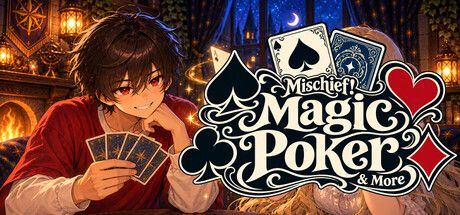 Mischief! Magic Poker & More In-game content artaudiotextcode | Generative AI tools were used in the following areas of this game's development.
■ Visual assets
Image generation AI was used to create some 2D visual assets, including backgrounds, card artwork, and UI elements. These images are included in the game as fixed assets.
■ Music
The background music was created using Suno, an AI music generation tool.
■ Voice assets
The included female voice assets were created using audio generation AI. The male voice assets are pre-existing recordings provided by T-Sta.
■ Text and translation
Generative AI assisted with writing and translation for some in-game text and the store page description.
■ Program code
AI coding assistance tools were used for part of the implementation work.
■ Other assets
Sound effects are pre-existing audio assets provided by Soundeffect Lab, Kurage Kosho, T-Sta, and DOVA-SYNDROME. The font is Zen Kaku Gothic New, provided under the SIL Open Font License.
■ No live generation
All AI-generated content described above was created in advance during development. The game does not use generative AI to create new images, music, voices, or dialogue during gameplay. | Miyadaiku | - | Sep 25, 2026 | |
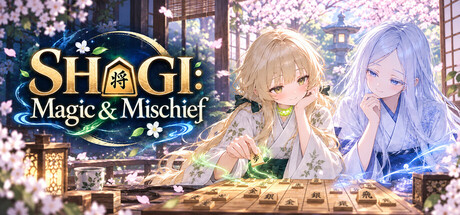 Shogi: Magic & Mischief In-game content artaudiotextcode | Shogi: Magic & Mischief was developed with the assistance of generative AI tools in the following areas.
■ Illustrations and images
Generative AI was used to create 2D visual assets, including character portraits, backgrounds, title illustrations, and other game and promotional artwork. The developer directed the visual concepts, character designs, composition, and colors, and selected the images for inclusion, with editing, cropping, and compositing where needed.
■ Music
Background music was created using music generation AI. The developer defined the intended mood, generated candidates, and selected and edited tracks for the game.
■ Voices
The male voice assets are pre-existing human-recorded audio from T-Sta. The female voice assets were created using audio generation AI and selected and edited by the developer. These descriptions refer to the voice asset sets, rather than the gender of every character using them.
■ Text
AI writing assistance was used to draft or revise some character descriptions and store-page text, including English promotional text. The developer determines the final wording.
■ Program code
AI coding assistance tools were used during implementation, debugging, and testing.
■ Non-AI assets
Sound effects are pre-existing human-created audio assets from providers including Soundeffect Lab, Kurage Kosho, T-Sta, and DOVA-SYNDROME, rather than AI-generated sound effects. The game uses the fonts Zen Kaku Gothic New and Shippori Mincho, distributed under the SIL Open Font License 1.1.
■ How AI is used
Generative AI is used during development, not to generate new artwork, music, voices, or dialogue during gameplay. The computer-controlled shogi opponents use game logic and move-search algorithms; they are separate from the generative AI tools used to develop the game.
■ Developer responsibility
The developer is responsible for the content included in the game, reviewing it for inappropriate or potentially infringing material, and checking the applicable licenses and terms of use for third-party assets and AI tools. | Miyadaiku | - | Sep 25, 2026 | |
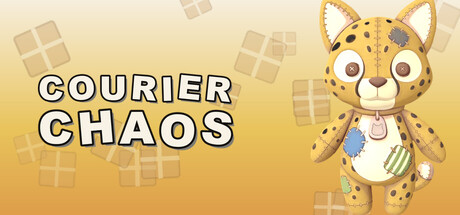 Courier Chaos In-game content arttext | Some of the game's 3D models were created using generative AI (Tripo3D). The English localization and store page text were also prepared with the help of an AI assistant and reviewed by hand. The audio and gameplay were made without generative AI.
Часть 3D-моделей в игре создана с помощью генеративного ИИ (Tripo3D). Английская локализация и тексты для страницы в магазине также подготовлены с помощью ИИ-ассистента и вычитаны вручную. Звук и геймплей созданы без генеративного ИИ. | J Games | - | Sep 25, 2026 | |
 My Friend is Blind In-game content arttext | Some of the game's 3D models and artwork were created with the help of generative AI tools and then cleaned up and edited by hand. Parts of the store page text were drafted with AI assistance. The game does not generate any AI content while you play. | SStudio | - | Sep 25, 2026 | |
 House of Pips: a Domino Roguelike In-game content arttextaudio | Some of this game's art was stylized or created with AI image generation tools from original prompts and project reference material: character portraits, tables, backgrounds, and Steam store and community artwork. Initial translations were AI-assisted. All of it was edited and reviewed before shipping. The soundtrack is chip-synth music generated at build time by the game's own code, no audio model and no sampled audio in the shipped files. Several tracks are AI-stylized arrangements of original songs written by a member of the development team; others were composed with AI assistance to our direction. Nothing is generated by AI while you play. | Slapcraft Games | - | Sep 25, 2026 | |
 Peril and Plunder In-game content arttext | This game was created as a personal challenge to myself to see if i could solo dev a game and release it the same day as GTA 6.
I wanted to see what the highest quality final release consumer ready product I could create with only 69 days and a 200 dollar per month codex pro plan as the budget.
While the majority of implementation and art assets were llm derived, the architecture, game design, card concepts and overall vision of the project remain the product of my own efforts. | Zero Sequels | - | Sep 25, 2026 | |
 Wildfire Command '98 In-game content text | I used an AI coding assistant while building the game, and it helped come up with the achievement names and descriptions, which I edited. Nothing else in the game is AI generated: the soundtrack is licensed from its creators, the radio voices are my own recordings, and the art and sounds are produced by the game's own code. | MonkeyCat Games | - | Sep 25, 2026 | |
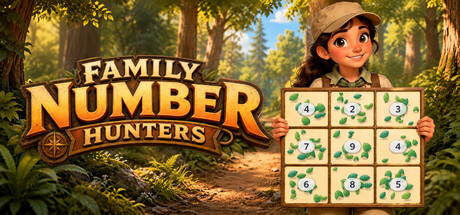 Family Number Hunters In-game content artaudiotext | Generative AI tools were used during development to help create visual assets, interface artwork, decorative themes, and audio elements. AI tools also assisted with localization and store page text. These materials were prepared in advance under the developer’s direction. The game does not generate AI content during gameplay or connect to external AI services. | Vitali Toropov | - | Sep 25, 2026 | |
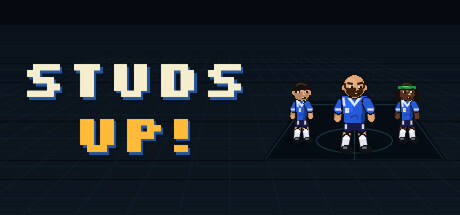 Studs Up! Win Ugly In-game content artaudiotext | Studs Up! ships some pre-generated AI content. All of it was reviewed and edited by hand before it went into the game:
- Player portraits and the end-of-season win/loss backdrops: image generation, converted down to the game's limited-palette pixel formats.
- The match music loop and the match sound effects: audio generation, edited and loudness-normalised.
- The announcer voice in the trailer: voice generation.
No AI runs while you play. The game is fully offline and generates nothing at runtime. | Gand | - | Sep 25, 2026 | |
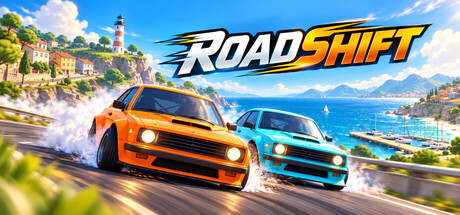 Roadshift In-game content artcodetext | Roadshift was developed with assistance from generative AI tools (such as Large Language Models) to help write and structure the source code and draft store descriptions, as well as generating in-game images, assets, art, and 3D models. The game does not feature live, runtime generative AI. | RVLWorks | - | Sep 25, 2026 | |
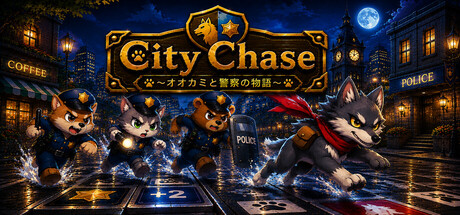 City Chase ~オオカミと警察の物語~ In-game content art | Generative AI was used during development to assist in the creation of some visual assets and promotional materials. The final content was reviewed and selected by the developer before being included in the game or its store materials. | SHo5 | - | Sep 25, 2026 | |
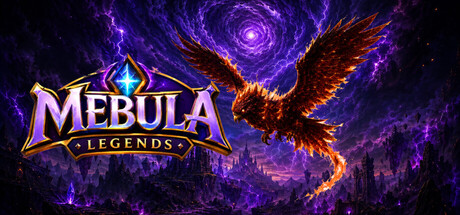 Mebula Legends In-game content art | Generative AI tools were used during development to create pre-rendered assets: creature and building artwork, icons, 3D models and parts of the store graphics. All assets were selected, edited and integrated by the developers. The game does not generate any content with AI while it is running. | Bitmeup | - | Sep 25, 2026 | |
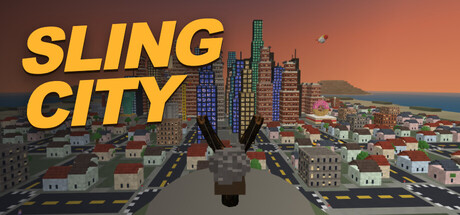 SLING CITY In-game content artaudio | Some cosmetic artwork and icons, and the original music soundtrack, were created with generative AI tools during development. These assets are pre-generated. The game does not generate AI content during gameplay or connect to an AI service. | Trago LLC | - | Sep 25, 2026 | |
 鱼来 Fish On In-game content artcode | Portions of the art and code in this game were generated by AI. | 放马过去 | - | Sep 25, 2026 | |
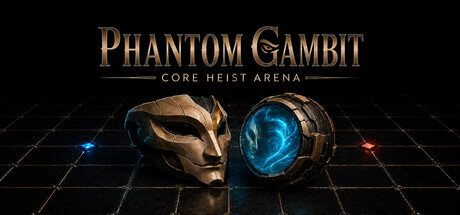 PHANTOM GAMBIT|CORE HEIST ARENA In-game content arttext | This game uses generative AI in the creation of some 2D and 3D artwork, images and videos used for visual presentation, as well as assets for the Steam store page and marketing materials. Generative AI-assisted tools were also used for some text creation and localization. All generated content has been reviewed and edited by the developer before use. The game does not use generative AI to generate content in real time during gameplay. | Exergy Studio | - | Sep 25, 2026 | |
 Dark Looter In-game content art | This game uses Generative AI tools to assist in the creation of select visual assets and graphic elements, such as icons, background textures, and concept art.
All generated assets were subsequently reviewed, edited, and manually integrated by our team to ensure quality, consistency, and a seamless gameplay experience.
These features will be replaced as the game progresses through development. | Chiqui Games | - | Sep 25, 2026 | |
 Wallstrike In-game content art | We currently use generative AI-assisted tools during development to create some pre-generated visual content.
The capsule artwork on the Steam store page is currently AI-assisted and is intended to be replaced before release. We also use Kimodo as an aid in generating and refining character animations used in the game.
The game does not generate AI content during gameplay and does not connect to external AI services while running. | Ctrl+Gecko | - | Sep 25, 2026 | |
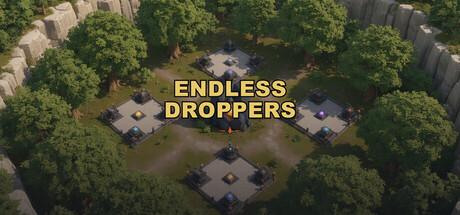 Endless Droppers general | This game may contain generative artificial intelligence. | Bret | - | Sep 25, 2026 | |
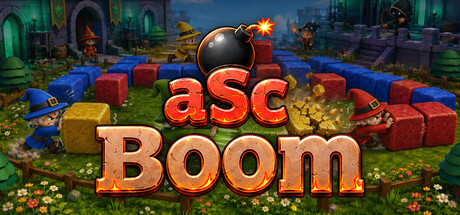 aSc Boom In-game content audio | The soundtrack is AI generated. | Juro | - | Sep 25, 2026 | |
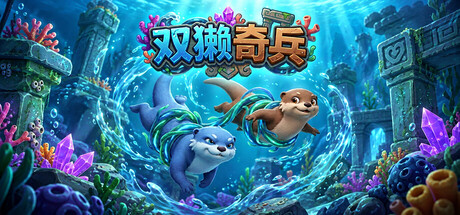 The Two Otters Dev only | Generative AI capabilities have been used in game development content to enhance development efficiency. | For Dawn Studio | - | Sep 25, 2026 | |
 Never Ending Trail In-game content arttext | The store artwork (key art, capsule images, logo) was created with the help of generative AI and then selected and edited by hand. AI tools assisted with programming, in-game text and translations; all content was reviewed and revised by the developer. The in-game 3D models, textures and animations come from licensed asset packs and are not AI-generated. No content is generated by AI during gameplay. | Leonard | - | Sep 25, 2026 | |
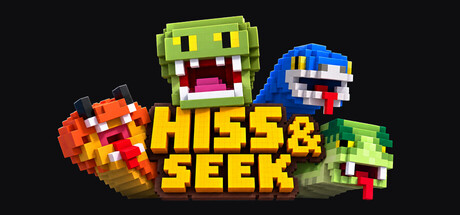 Hide and Hiss Dev only code | Generative AI was used to assist with programming during development. No generative AI was used to create content included in the game. | LastTower | - | Sep 25, 2026 | |
 影袭 In-game content text | Utilize AI for localized translation and pre-rendering | 倍科莱游戏 | - | Sep 25, 2026 | |
 Squish & Seek textartaudio | Some of this game's user-interface text, its Korean, English, Japanese and
Simplified Chinese translations, parts of this store page, and the on-screen text
in the trailer were written with the assistance of generative AI tools, then
reviewed and edited by the developer.
All 3D models, user-interface art and sound effects are licensed from commercial
asset stores. All artwork made for this game, including the app icon, store art
and trailer, is rendered or captured from the game itself rather than produced by
an image- or video-generation model. The game does not generate any content at
runtime and does not connect to any AI service during play. | Zukunft | - | Sep 25, 2026 | |
 Rio Beachside In-game content audioart | In the trailer's song, NPC voices (although its only a placeholder) and 2 NPC's shirt textures. | Fazedor De Jogos | - | Sep 25, 2026 | |
 MOBBED Store/marketing art | Generative AI tools were used during development to create and refine some branding, interface artwork, and promotional images. These assets are prepared in advance; the game does not generate AI content during gameplay. | Stari Studios | - | Sep 25, 2026 | |
 TBL: Taskbar Legends Dev only artcode | We use AI to generate combat simulation tests, placeholder artwork, and agentic workflows for game logic. AI is a tool and not something to replace humans with. A lot of human hours have been put into the game too. | Diminished Studios | - | Sep 25, 2026 | |
 Arcana Rift: Tactics Unclear | Some AI tools were sued to assist in asset production | PixcelzStudios | - | Sep 25, 2026 | |
 Troublelings In-game content audio | Some music tracks included in the game were created using generative AI tools by third-party music providers. These tracks are used under licenses that permit their inclusion in commercial projects.
The game's visual assets, 3D environments, characters, animations and other artwork are primarily human-created assets, including original work and commercially licensed asset packs or free asset packs.
The game does not generate AI content while running. | BRJ | - | Sep 25, 2026 | |
 Kaput Dev only code | KAPUT is made by a small team, and we use AI coding assistants as a programming tool during development — to help write, refactor and review parts of the game's code and internal documentation. Every change is reviewed, tested and integrated by our developers, who are responsible for the final result.
The game's art, animation, music, sound design and writing are made by the team. No content is generated by AI while you play | Anima Dream | - | Sep 25, 2026 | |
 OMG: Oh My Gravity In-game content text | Generative AI was used only to localize text originally written by the developer, and human review will continue up until official release. | WINDUP | - | Sep 25, 2026 | |
 Wormhole-in-One In-game content audioarttext | Generative AI tools were used to help create some pre-made sound effects and marketing materials, including store-page text and promotional artwork. These are fixed assets prepared during development. The game does not generate AI content during gameplay; its random holes and boundaries are created by procedural game code. | Keep Making Games | - | Sep 25, 2026 | |
 Joey's Slimeventure In-game content artcode | The announcement artwork was created with the help of generative AI.
I also use AI coding agents for debugging and development assistance.
A small number of early-access placeholder sprites were created with AI assistance as well, but these are planned to be replaced before the full release. | Joshua Pond | - | Sep 25, 2026 | |
 BOTCLOPS In-game content text | AI was used only for localization from English to other languages. | KytanDev | - | Sep 25, 2026 | |
 VOICES LIE In-game content arttext | Some artwork, promotional images, text, and translations were created with AI assistance. | Origin Echo | - | Sep 25, 2026 |


