Public Steam disclosure research25,380 disclosures tracked
Where do games disclose AI use?
Search developers’ Steam disclosures, compare classified AI use across
games, and follow recorded changes.
This index adds cross-game classifications and statistics to
statements published on individual store pages.
Groups reflect automatic analysis of public disclosures; mature records are excluded. These counts do not measure AI use across all of Steam.
Missing or unclear statements cannot establish whether a game uses AI.
Pre-generated visual assets and localized text were created with the assistance of generative tools, then reviewed, edited, and integrated by the developer. The game does not generate content during gameplay.
Some of the game's artwork (such as background images) and store/marketing assets were created with the assistance of generative AI tools, and all of them were reviewed and adjusted by the developer. Some in-game descriptive texts
were also drafted with AI assistance and manually verified. All AI-assisted content is pre-rendered — the game does not generate any content or code with AI during gameplay. Trailer narration uses VOICEVOX text-to-speech (VOICEVOX:
Zundamon).
Generative AI was used strictly to create temporary concept art and placeholder assets during early development. All of these placeholders are being systematically replaced with custom or commissioned assets prior to the game's final release.
This game was originally written in Chinese, and all non-Chinese localizations were created with the assistance of AI translation.
A part of game music was created by AI.
All other content — artwork, game design — was created by the development team without the use of generative AI.
Generative AI Disclosure
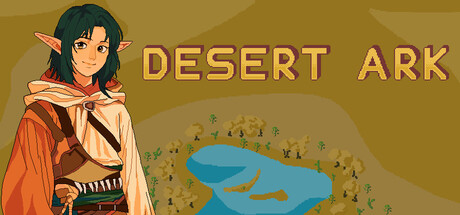
During the development of SandSea Ark, we utilized generative AI tools (such as Claude) to assist with:
1. Code writing and debugging: AI-assisted generation and optimization of GDScript code to improve development efficiency.
2. Data configuration: Assistance in maintaining game data tables and configuration files.
3. Documentation: Some technical documents and changelogs were generated with AI assistance.
The following content was NOT generated using AI:
- Game art assets, UI design, and scene layouts
- Core game design, mechanics, and balance tuning
This game does not contain live-generated AI content — all in-game content is pre-designed and hand-crafted. The game does not dynamically generate text, images, or audio during gameplay.
The game's programming, gameplay mechanics, system design, and overall game logic were developed by me using the Unity game engine. Generative AI tools were used only as an assistive resource for coding suggestions, debugging, optimization, and technical explanations. All AI-generated code was reviewed, modified, tested, and manually integrated into the project by me. The final implementation, design decisions, and gameplay systems were created and validated by the developer.
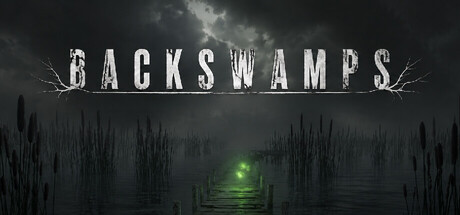
Backswamps contains some pre-generated visual assets created with the assistance of generative AI, including certain textures and interface artwork. All AI-assisted content has been reviewed, curated, and integrated by the developer. The game does not generate AI content during gameplay.
Generative AI tools were used during development to assist with portions of the game’s code. All AI-assisted code was reviewed, edited, and tested by the developer. The game does not generate AI content during gameplay and does not connect to external AI services.
Generative AI was used for some game assets, music, and promotional materials. All content was manually reviewed and selected. No AI is used during gameplay.
We used AI‑based tools to create some character images and background assets.
All content has been independently edited and refined to ensure it is presented as an original work.
Heartwood Incremental was made by a solo developer working alongside an AI assistant (Anthropic's Claude). The AI helped write the game's code, including the code that procedurally draws its pixel-art sprites, tree, and icons, and helped draft written content such as upgrade, achievement, and store text. Everything was directed, reviewed, and refined by the human developer, and hand-checked before release. No generative AI runs while you play: nothing is created on your device at runtime, and all art and text are fixed in the build.
This game uses generative AI for some pre-generated content. Specifically, generative AI tools were used in the creation of some in-game background/wallpaper assets and some in-game background music. All such content has been reviewed, selected, and edited by the developer before being included in the game. The game does not use live-generated AI content during gameplay.
AI tools were used during development to assist with the creation and refinement of some visual assets. All content included in the final game was selected, edited, and integrated by the developer.
The game includes pre-generated visual and audio assets created with the assistance of generative AI tools. These include character artwork, environmental backgrounds, music, and singing vocals. All lyrics were written entirely by the developer without the use of generative AI, while the music and vocals were created through a collaborative process involving human creative direction and generative AI tools. All AI-assisted outputs were reviewed, selected, edited, and integrated by the developer. The game does not generate content during gameplay and does not send player input to any AI service.
Fish species artwork in Swimcraft is pre-rendered AI-generated imagery. All venue photography is the developer's own, and all audio, UI and game code are non-generated. No AI content is generated live during play.
Some images used in the game were created or assisted with the help of AI-generated content. All AI-generated assets were reviewed, edited, and integrated by the developer as part of the game's final artwork.
Generative AI tools were used during development to create and manually refine some illustrations, store page artwork, and music tracks, as well as to assist with text preparation and localization. The game does not generate any AI content in real time.
This game was developed based on the concept of creating a Steam game with AI and Unity. Some in-game 3D models, images/artwork, UI elements, sounds, text, and multilingual localization copy were generated or assisted by generative AI tools, then directly edited, arranged, implemented, and finalized by the developer in Unity.
The game does not generate new AI content in real time during gameplay. All AI-generated or AI-assisted elements were created, reviewed, and edited in advance before being included as part of the game content.
Some of Tapis's visual assets were created with the help of generative AI tools. These elements are produced ahead of time, then art-directed, selected and reworked by the studio to fit the game's world. No AI generates any content while you play: the gameplay, rules, balancing and all systems are entirely designed and hand-validated.
Some visual assets (creature sprites, plant and background illustrations, and tarot card art, including some store page images) were created using generative AI tools and then curated, edited, and art-directed by the developer. No AI content is generated during gameplay.
This game's development made partial use of generative AI tools. Generative AI (ChatGPT and ElevenLabs' image generation features) was used to create some artwork, including the title screen and field background images, the title logo, and some of the special clover and UI icons. ElevenLabs' audio generation features were used for the BGM and sound effects. Generative AI was also used to help localize the game into languages other than Japanese (English, Simplified Chinese, Traditional Chinese, Korean, Russian, Spanish, Brazilian Portuguese, German, and French). All AI-generated assets and translations were reviewed and adjusted by the developer before being incorporated into the game.
Some visual assets and references in the game were created or assisted with generative AI tools, then manually reviewed, edited, and implemented by the developer. The game does not use generative AI during gameplay and does not generate dynamic AI content for players.
Many of the art assets used at this stage are AI-generated placeholders, including most of the card artwork. These AI assets help depict the overall creative style and vision that will be achieved in the full release. A Kickstarter campaign will be dedicated to raising the funds to replace the AI placeholder art.
All of the sound design, music, text and game code is entirely human-created.
Generative AI is used only to assist with localization and translation of game-related text. No gameplay, artwork, audio, or other player-facing content is generated by AI.
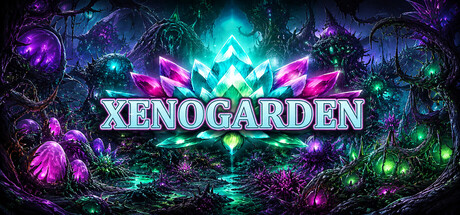
Generative AI-assisted tools were used as part of the development process for Xenogarden.
This includes support in creating and refining selected visual content such as concept art, artwork, textures, marketing materials and store page assets, as well as assistance with text, localization, sound/music ideas and creative drafts.
All content included in the game is pre-generated, selected, reviewed and curated. The game does not generate new AI content during gameplay and does not connect to external AI services during gameplay.
We leverage AI to generate in-game image assets and use Suno AI to create the game’s background music. All AI-generated visual and audio materials have been manually reviewed and edited to ensure compliance with content standards.
Some visual assets in this game, including certain character and background art, were created with the assistance of generative AI tools and then reviewed and edited by the developer. All gameplay, code, and design are human-directed. This game does not use AI to generate any content during gameplay.
As a small development studio, we had to use AI to generate translations for the game and the Steam page in order to make the game accessible to the widest possible audience.
The graphic and audio assets were created either by us or by the team at Craftpix.net (who, it seems, do not use AI).
Generative AI was used to assist in the creation of the visual assets displayed on the Steam store page, including capsules, promotional artwork, backgrounds, and other marketing images. AI was also used to assist in the creation of certain 2D visual assets used in the game. All AI-generated content was reviewed, edited, and integrated by the developer before being included. No generative AI is used during gameplay or by players.
The majority of this game's assets are human created. However during the development process, AI-based tools were used to assist further with selective content creation. The final product is highly reflective of the vision and creativity of the team.
This game does not contain any real-time generative AI features. Some game assets, including but not limited to animation effects, videos, and similar materials, were created with the assistance of AI.
Pre-generated visual assets and localized text were created with the assistance of generative tools, then reviewed, edited, and integrated by the developer. The game does not generate content during gameplay.
Some of the game's artwork (such as background images) and store/marketing assets were created with the assistance of generative AI tools, and all of them were reviewed and adjusted by the developer. Some in-game descriptive texts
were also drafted with AI assistance and manually verified. All AI-assisted content is pre-rendered — the game does not generate any content or code with AI during gameplay. Trailer narration uses VOICEVOX text-to-speech (VOICEVOX:
Zundamon).
Generative AI was used strictly to create temporary concept art and placeholder assets during early development. All of these placeholders are being systematically replaced with custom or commissioned assets prior to the game's final release.
This game was originally written in Chinese, and all non-Chinese localizations were created with the assistance of AI translation.
A part of game music was created by AI.
All other content — artwork, game design — was created by the development team without the use of generative AI.
Generative AI Disclosure
During the development of SandSea Ark, we utilized generative AI tools (such as Claude) to assist with:
1. Code writing and debugging: AI-assisted generation and optimization of GDScript code to improve development efficiency.
2. Data configuration: Assistance in maintaining game data tables and configuration files.
3. Documentation: Some technical documents and changelogs were generated with AI assistance.
The following content was NOT generated using AI:
- Game art assets, UI design, and scene layouts
- Core game design, mechanics, and balance tuning
This game does not contain live-generated AI content — all in-game content is pre-designed and hand-crafted. The game does not dynamically generate text, images, or audio during gameplay.
The game's programming, gameplay mechanics, system design, and overall game logic were developed by me using the Unity game engine. Generative AI tools were used only as an assistive resource for coding suggestions, debugging, optimization, and technical explanations. All AI-generated code was reviewed, modified, tested, and manually integrated into the project by me. The final implementation, design decisions, and gameplay systems were created and validated by the developer.
Backswamps contains some pre-generated visual assets created with the assistance of generative AI, including certain textures and interface artwork. All AI-assisted content has been reviewed, curated, and integrated by the developer. The game does not generate AI content during gameplay.
Generative AI tools were used during development to assist with portions of the game’s code. All AI-assisted code was reviewed, edited, and tested by the developer. The game does not generate AI content during gameplay and does not connect to external AI services.
Generative AI was used for some game assets, music, and promotional materials. All content was manually reviewed and selected. No AI is used during gameplay.
We used AI‑based tools to create some character images and background assets.
All content has been independently edited and refined to ensure it is presented as an original work.
Heartwood Incremental was made by a solo developer working alongside an AI assistant (Anthropic's Claude). The AI helped write the game's code, including the code that procedurally draws its pixel-art sprites, tree, and icons, and helped draft written content such as upgrade, achievement, and store text. Everything was directed, reviewed, and refined by the human developer, and hand-checked before release. No generative AI runs while you play: nothing is created on your device at runtime, and all art and text are fixed in the build.
This game uses generative AI for some pre-generated content. Specifically, generative AI tools were used in the creation of some in-game background/wallpaper assets and some in-game background music. All such content has been reviewed, selected, and edited by the developer before being included in the game. The game does not use live-generated AI content during gameplay.
AI tools were used during development to assist with the creation and refinement of some visual assets. All content included in the final game was selected, edited, and integrated by the developer.
The game includes pre-generated visual and audio assets created with the assistance of generative AI tools. These include character artwork, environmental backgrounds, music, and singing vocals. All lyrics were written entirely by the developer without the use of generative AI, while the music and vocals were created through a collaborative process involving human creative direction and generative AI tools. All AI-assisted outputs were reviewed, selected, edited, and integrated by the developer. The game does not generate content during gameplay and does not send player input to any AI service.
Fish species artwork in Swimcraft is pre-rendered AI-generated imagery. All venue photography is the developer's own, and all audio, UI and game code are non-generated. No AI content is generated live during play.
Some images used in the game were created or assisted with the help of AI-generated content. All AI-generated assets were reviewed, edited, and integrated by the developer as part of the game's final artwork.
Generative AI tools were used during development to create and manually refine some illustrations, store page artwork, and music tracks, as well as to assist with text preparation and localization. The game does not generate any AI content in real time.
This game was developed based on the concept of creating a Steam game with AI and Unity. Some in-game 3D models, images/artwork, UI elements, sounds, text, and multilingual localization copy were generated or assisted by generative AI tools, then directly edited, arranged, implemented, and finalized by the developer in Unity.
The game does not generate new AI content in real time during gameplay. All AI-generated or AI-assisted elements were created, reviewed, and edited in advance before being included as part of the game content.
Some of Tapis's visual assets were created with the help of generative AI tools. These elements are produced ahead of time, then art-directed, selected and reworked by the studio to fit the game's world. No AI generates any content while you play: the gameplay, rules, balancing and all systems are entirely designed and hand-validated.
Some visual assets (creature sprites, plant and background illustrations, and tarot card art, including some store page images) were created using generative AI tools and then curated, edited, and art-directed by the developer. No AI content is generated during gameplay.
This game's development made partial use of generative AI tools. Generative AI (ChatGPT and ElevenLabs' image generation features) was used to create some artwork, including the title screen and field background images, the title logo, and some of the special clover and UI icons. ElevenLabs' audio generation features were used for the BGM and sound effects. Generative AI was also used to help localize the game into languages other than Japanese (English, Simplified Chinese, Traditional Chinese, Korean, Russian, Spanish, Brazilian Portuguese, German, and French). All AI-generated assets and translations were reviewed and adjusted by the developer before being incorporated into the game.
Some visual assets and references in the game were created or assisted with generative AI tools, then manually reviewed, edited, and implemented by the developer. The game does not use generative AI during gameplay and does not generate dynamic AI content for players.
Many of the art assets used at this stage are AI-generated placeholders, including most of the card artwork. These AI assets help depict the overall creative style and vision that will be achieved in the full release. A Kickstarter campaign will be dedicated to raising the funds to replace the AI placeholder art.
All of the sound design, music, text and game code is entirely human-created.
Generative AI is used only to assist with localization and translation of game-related text. No gameplay, artwork, audio, or other player-facing content is generated by AI.
Generative AI-assisted tools were used as part of the development process for Xenogarden.
This includes support in creating and refining selected visual content such as concept art, artwork, textures, marketing materials and store page assets, as well as assistance with text, localization, sound/music ideas and creative drafts.
All content included in the game is pre-generated, selected, reviewed and curated. The game does not generate new AI content during gameplay and does not connect to external AI services during gameplay.
We leverage AI to generate in-game image assets and use Suno AI to create the game’s background music. All AI-generated visual and audio materials have been manually reviewed and edited to ensure compliance with content standards.
Some visual assets in this game, including certain character and background art, were created with the assistance of generative AI tools and then reviewed and edited by the developer. All gameplay, code, and design are human-directed. This game does not use AI to generate any content during gameplay.
As a small development studio, we had to use AI to generate translations for the game and the Steam page in order to make the game accessible to the widest possible audience.
The graphic and audio assets were created either by us or by the team at Craftpix.net (who, it seems, do not use AI).
Generative AI was used to assist in the creation of the visual assets displayed on the Steam store page, including capsules, promotional artwork, backgrounds, and other marketing images. AI was also used to assist in the creation of certain 2D visual assets used in the game. All AI-generated content was reviewed, edited, and integrated by the developer before being included. No generative AI is used during gameplay or by players.
The majority of this game's assets are human created. However during the development process, AI-based tools were used to assist further with selective content creation. The final product is highly reflective of the vision and creativity of the team.
This game does not contain any real-time generative AI features. Some game assets, including but not limited to animation effects, videos, and similar materials, were created with the assistance of AI.