Public Steam disclosure research25,380 disclosures tracked
Where do games disclose AI use?
Search developers’ Steam disclosures, compare classified AI use across
games, and follow recorded changes.
This index adds cross-game classifications and statistics to
statements published on individual store pages.
Groups reflect automatic analysis of public disclosures; mature records are excluded. These counts do not measure AI use across all of Steam.
Missing or unclear statements cannot establish whether a game uses AI.
Some pre-generated assets in this game (certain artwork/icons/sound effects) were created with the assistance of AI tools and then reviewed and edited by the developer. No content is generated by AI at runtime.
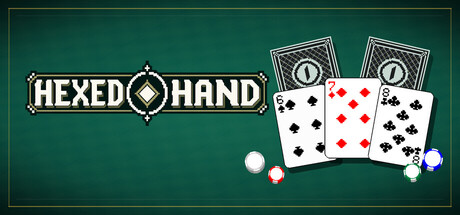
Generative AI tools were used during development to assist with some pre-generated text, localization, and promotional/store materials. All AI-assisted content was reviewed and edited by the developer. Hexed Hand does not generate AI content during gameplay and does not connect to external AI services.
Generative AI tools were used during development to assist with the creation of some pre-generated 2D visual assets, illustrations, and written content drafts. All AI-assisted content is reviewed, edited, and curated by the development team before being included in the game or promotional materials. The game does not use generative AI to create content in real time during gameplay.
Generative tools were used during development to create and refine pre-generated artwork, some 3D assets, textures, audio, cinematic sequences, and store/marketing materials, including translated store descriptions. These assets are included as fixed content. The game does not generate AI content during play and does not connect to a generative AI service.
Artificial Intelligence was used to assist for the art, music, and development as this was built by a single person working a full time job. Your support is appreciated and we understand if this does not align with your values.
FableBrawl uses pre-generated AI content for Storybook artwork, store artwork, some music and sound effects, and translations. These assets are created during development and shipped as finished files. No content or code is generated by AI during gameplay, and the game does not call an external generative AI service while you play.
Storybook mode art is AI-generated; if you prefer no AI art, you can use Rough Draft mode art. Community Mode is a work-in-progress version supported by the generous donations of our community.
Some of the artwork in this game was created using generative AI. The illustrated
backgrounds, character portraits and achievement icons were generated with Google
Gemini and then edited, cropped and colour-matched by hand for use in the game.
Everything else is hand-made: the code, the market simulation, all writing and
dialogue, the interface, and the sound.
AI was used only for localization and for generating some assets outside the game. The game itself does not use or integrate AI. Any AI use described in the game refers to players using their own external tools.
As a solo developer several of the art assets used during the development of the game are generated using AI models with art references. Should the game be successful it is my hope to slowly start using commissioned art.
I am a solo developer leveraging AI to improve my efficiency while moonlighting this project. Hence, many temporary AI-generated assets make their way into the game but I hope to replace over 90% of those with handcrafted assets over time.
Some of the in-game background images and the store Capsule image art assets in this game were created using pre-rendered generative AI tools. These assets were then reviewed, refined, and integrated by our development team to fit the game's artistic vision
Generative AI was used during development to create officer portraits, illustrations, backgrounds and other graphical assets, translations, and background music. This content was generated in advance; no AI content is generated during gameplay.
Diplomacy, or Else! was built with AI-assisted development. Generative AI was used, under the developer's direction and review, for game code and for writing text: interface strings, the in-game diplomacy word tables, achievement names and descriptions, and this store page, including their German, Spanish, Brazilian Portuguese and Ukrainian translations. The soundtrack was produced with an AI music tool and edited by the developer. Artwork, icons, the trailer and sound effects were made without generative AI. The game does not generate content during play and does not connect to any AI service.
I've used AI for a lot of things in this project. The code, 3D models, textures, 3D animations, music and more. I know a lot of people don't anything to do with AI so I want to be up front. This is a small pet project, I'm able to create a lot more of my vision than I could without AI. I do not dismiss the reasons people have for rejecting AI.
Some of the game's assets were created with generative AI tools during development and are pre-generated: card illustrations, character portraits and UI artwork (image generation), several 3D character models (Meshy), sound effects, music and the narrated story panels (ElevenLabs). Parts of the code were written with AI coding assistants. All of this content was reviewed and integrated by the developer. The game does not generate any content while you play.
During the development of this game, generative AI was used to assist in the creation of some 2D art assets and pre-generated sound effects. All AI-assisted content underwent manual review, modification, and integration by the developers. No content will be generated by generative AI during gameplay.
Pie Paw includes pre-generated, AI-assisted artwork used in the game and on the Steam store page. All such content is created before release, then reviewed, selected, and edited by the development team. The game does not use generative AI during gameplay and does not connect to external AI services.
Generative AI was used to brainstorm some character images (but not directly used), and to render some static backgrounds. I also argued with it about coding bugs. It was helpful but not smart.
Generative AI was used to assist in creating some of the game’s art assets, including character portraits and illustrations, as well as background music. These assets were modified by the developer before being incorporated into the game.
Generative AI-assisted tools were used in parts of the development process, including selected visual assets, 3D models, music/audio, and promotional materials. These elements are reviewed and integrated by the developer as part of the game's overall creative direction. No generative AI is used to create content live during gameplay.
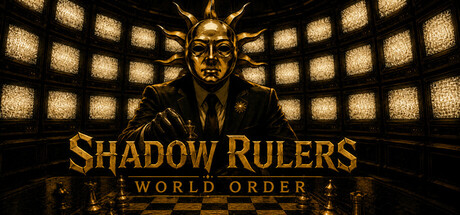
Shadow Rulers: World Order uses generative AI tools during development to help create certain visual assets, including faction icons for the game's Ruling Families, background and UI elements, and some in-game and promotional artwork. All AI-generated content is reviewed and curated by the developer before being included in the game. No content is generated live during gameplay, and the game does not connect to any external AI service during play.
Generative AI tools are used during development to help create selected artwork, including ability icons, and to draft and edit text. This content is prepared before release. No content is generated by AI during gameplay, and the game does not connect to external AI services.
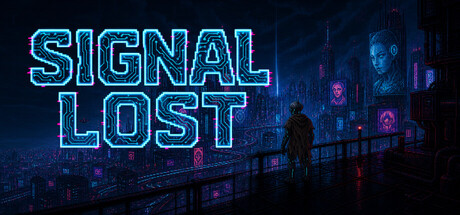
SignalLost uses generative AI only during development to create and refine selected 2D artwork, promotional images, and trailer assets. No AI content is generated during gameplay, and the game does not connect to external AI services. All shipped assets are reviewed, edited, and integrated by the developer before release.
Some 2D sprites, sound effects, and music tracks were created with the assistance of generative AI tools during development and were manually reviewed and edited by the developer.
AI was used to help with created capsule art and assist with building the teaser trailers. There is no generative AI art, sound effects, video, or voice art in the game itself.
There is no active generative AI content when you play the game. Some of the still images to support the quests, fate and hope cards were originally AI generated.
Some store artwork (capsules, hero art, page background) was created with generative AI and then edited by hand. All in-game art, audio and text are hand-made or licensed. The game does not generate any content at runtime.
CENIZA is created using AI tools under human creative direction. Pre-generated content includes environmental textures, interface artwork, game text and translations, promotional art, and assets produced through AI-assisted modeling, coding and audio workflows. The base game does not generate content with generative AI while you play and does not connect to an AI service. Mod authors may optionally use external AI tools; manual editing and conventional tools are equally welcome.
AI was used to create write parts of the game code and scripting, to refine mech textures, and for voiceover and audio content - to be used as placeholders while in playtests.
Modern generative AI tools have been used alongside traditional development tools to assist with creating and modifying some visual and audio assets. This includes tasks such as retexturing assets to improve historical accuracy.
Generative AI was used during development for some card artwork, textures, sound effects, text, and translations. These are fixed, pre-generated assets. No generative AI runs during gameplay.
Generative AI tools were used extensively during the development of this game. Some artwork, UI assets, written content, character voices, and localization were created with the assistance of generative AI and were subsequently selected, edited, integrated, and reviewed by the developer. All AI-generated content was created in advance during development; no AI content is generated live during gameplay.
Some 2D artwork in this game (store artwork and in-game character portraits) was drafted with generative AI tools, then curated and edited by the developers. No AI content is generated during gameplay.
Puzzle grids are constructed using Crossword Compiler, a conventional (non-AI) crossword construction tool. AI tools were used to assist in drafting clue text, which was then rewritten and reviewed by hand before inclusion. Every clue and answer that ships in the game has been checked by an individual human for accuracy, solvability, and quality. No content is generated during gameplay.
Generative AI was used during development to assist in the creation of some pre-generated visual and audio assets, as well as portions of promotional and store-page materials. All AI-assisted content is generated and reviewed during development and included as fixed content. No generative AI content is created during gameplay.
AI tools were used in a limited capacity to support coding, early prototyping, and the creation of a small number of icons. All AI-assisted elements were reviewed and refined by us.
Some art assets, sound effects and texts of this game are produced with the assistance of generative AI. No real‑time AI‑generated content will be created during gameplay.
Some pre-generated assets in this game (certain artwork/icons/sound effects) were created with the assistance of AI tools and then reviewed and edited by the developer. No content is generated by AI at runtime.
Generative AI tools were used during development to assist with some pre-generated text, localization, and promotional/store materials. All AI-assisted content was reviewed and edited by the developer. Hexed Hand does not generate AI content during gameplay and does not connect to external AI services.
Generative AI tools were used during development to assist with the creation of some pre-generated 2D visual assets, illustrations, and written content drafts. All AI-assisted content is reviewed, edited, and curated by the development team before being included in the game or promotional materials. The game does not use generative AI to create content in real time during gameplay.
Generative tools were used during development to create and refine pre-generated artwork, some 3D assets, textures, audio, cinematic sequences, and store/marketing materials, including translated store descriptions. These assets are included as fixed content. The game does not generate AI content during play and does not connect to a generative AI service.
Artificial Intelligence was used to assist for the art, music, and development as this was built by a single person working a full time job. Your support is appreciated and we understand if this does not align with your values.
FableBrawl uses pre-generated AI content for Storybook artwork, store artwork, some music and sound effects, and translations. These assets are created during development and shipped as finished files. No content or code is generated by AI during gameplay, and the game does not call an external generative AI service while you play.
Storybook mode art is AI-generated; if you prefer no AI art, you can use Rough Draft mode art. Community Mode is a work-in-progress version supported by the generous donations of our community.
Some of the artwork in this game was created using generative AI. The illustrated
backgrounds, character portraits and achievement icons were generated with Google
Gemini and then edited, cropped and colour-matched by hand for use in the game.
Everything else is hand-made: the code, the market simulation, all writing and
dialogue, the interface, and the sound.
AI was used only for localization and for generating some assets outside the game. The game itself does not use or integrate AI. Any AI use described in the game refers to players using their own external tools.
As a solo developer several of the art assets used during the development of the game are generated using AI models with art references. Should the game be successful it is my hope to slowly start using commissioned art.
I am a solo developer leveraging AI to improve my efficiency while moonlighting this project. Hence, many temporary AI-generated assets make their way into the game but I hope to replace over 90% of those with handcrafted assets over time.
Some of the in-game background images and the store Capsule image art assets in this game were created using pre-rendered generative AI tools. These assets were then reviewed, refined, and integrated by our development team to fit the game's artistic vision
Generative AI was used during development to create officer portraits, illustrations, backgrounds and other graphical assets, translations, and background music. This content was generated in advance; no AI content is generated during gameplay.
Diplomacy, or Else! was built with AI-assisted development. Generative AI was used, under the developer's direction and review, for game code and for writing text: interface strings, the in-game diplomacy word tables, achievement names and descriptions, and this store page, including their German, Spanish, Brazilian Portuguese and Ukrainian translations. The soundtrack was produced with an AI music tool and edited by the developer. Artwork, icons, the trailer and sound effects were made without generative AI. The game does not generate content during play and does not connect to any AI service.
I've used AI for a lot of things in this project. The code, 3D models, textures, 3D animations, music and more. I know a lot of people don't anything to do with AI so I want to be up front. This is a small pet project, I'm able to create a lot more of my vision than I could without AI. I do not dismiss the reasons people have for rejecting AI.
Some of the game's assets were created with generative AI tools during development and are pre-generated: card illustrations, character portraits and UI artwork (image generation), several 3D character models (Meshy), sound effects, music and the narrated story panels (ElevenLabs). Parts of the code were written with AI coding assistants. All of this content was reviewed and integrated by the developer. The game does not generate any content while you play.
During the development of this game, generative AI was used to assist in the creation of some 2D art assets and pre-generated sound effects. All AI-assisted content underwent manual review, modification, and integration by the developers. No content will be generated by generative AI during gameplay.
Pie Paw includes pre-generated, AI-assisted artwork used in the game and on the Steam store page. All such content is created before release, then reviewed, selected, and edited by the development team. The game does not use generative AI during gameplay and does not connect to external AI services.
Generative AI was used to brainstorm some character images (but not directly used), and to render some static backgrounds. I also argued with it about coding bugs. It was helpful but not smart.
Generative AI was used to assist in creating some of the game’s art assets, including character portraits and illustrations, as well as background music. These assets were modified by the developer before being incorporated into the game.
Generative AI-assisted tools were used in parts of the development process, including selected visual assets, 3D models, music/audio, and promotional materials. These elements are reviewed and integrated by the developer as part of the game's overall creative direction. No generative AI is used to create content live during gameplay.
Shadow Rulers: World Order uses generative AI tools during development to help create certain visual assets, including faction icons for the game's Ruling Families, background and UI elements, and some in-game and promotional artwork. All AI-generated content is reviewed and curated by the developer before being included in the game. No content is generated live during gameplay, and the game does not connect to any external AI service during play.
Generative AI tools are used during development to help create selected artwork, including ability icons, and to draft and edit text. This content is prepared before release. No content is generated by AI during gameplay, and the game does not connect to external AI services.
SignalLost uses generative AI only during development to create and refine selected 2D artwork, promotional images, and trailer assets. No AI content is generated during gameplay, and the game does not connect to external AI services. All shipped assets are reviewed, edited, and integrated by the developer before release.
Some 2D sprites, sound effects, and music tracks were created with the assistance of generative AI tools during development and were manually reviewed and edited by the developer.
AI was used to help with created capsule art and assist with building the teaser trailers. There is no generative AI art, sound effects, video, or voice art in the game itself.
There is no active generative AI content when you play the game. Some of the still images to support the quests, fate and hope cards were originally AI generated.
Some store artwork (capsules, hero art, page background) was created with generative AI and then edited by hand. All in-game art, audio and text are hand-made or licensed. The game does not generate any content at runtime.
CENIZA is created using AI tools under human creative direction. Pre-generated content includes environmental textures, interface artwork, game text and translations, promotional art, and assets produced through AI-assisted modeling, coding and audio workflows. The base game does not generate content with generative AI while you play and does not connect to an AI service. Mod authors may optionally use external AI tools; manual editing and conventional tools are equally welcome.
AI was used to create write parts of the game code and scripting, to refine mech textures, and for voiceover and audio content - to be used as placeholders while in playtests.
Modern generative AI tools have been used alongside traditional development tools to assist with creating and modifying some visual and audio assets. This includes tasks such as retexturing assets to improve historical accuracy.
Generative AI was used during development for some card artwork, textures, sound effects, text, and translations. These are fixed, pre-generated assets. No generative AI runs during gameplay.
Generative AI tools were used extensively during the development of this game. Some artwork, UI assets, written content, character voices, and localization were created with the assistance of generative AI and were subsequently selected, edited, integrated, and reviewed by the developer. All AI-generated content was created in advance during development; no AI content is generated live during gameplay.
Some 2D artwork in this game (store artwork and in-game character portraits) was drafted with generative AI tools, then curated and edited by the developers. No AI content is generated during gameplay.
Puzzle grids are constructed using Crossword Compiler, a conventional (non-AI) crossword construction tool. AI tools were used to assist in drafting clue text, which was then rewritten and reviewed by hand before inclusion. Every clue and answer that ships in the game has been checked by an individual human for accuracy, solvability, and quality. No content is generated during gameplay.
Generative AI was used during development to assist in the creation of some pre-generated visual and audio assets, as well as portions of promotional and store-page materials. All AI-assisted content is generated and reviewed during development and included as fixed content. No generative AI content is created during gameplay.
AI tools were used in a limited capacity to support coding, early prototyping, and the creation of a small number of icons. All AI-assisted elements were reviewed and refined by us.
Some art assets, sound effects and texts of this game are produced with the assistance of generative AI. No real‑time AI‑generated content will be created during gameplay.