Public Steam disclosure research25,380 disclosures tracked
Where do games disclose AI use?
Search developers’ Steam disclosures, compare classified AI use across
games, and follow recorded changes.
This index adds cross-game classifications and statistics to
statements published on individual store pages.
Groups reflect automatic analysis of public disclosures; mature records are excluded. These counts do not measure AI use across all of Steam.
Missing or unclear statements cannot establish whether a game uses AI.
Generative AI tools were used during development to create portions of the artwork, character and environment assets, cinematic visuals, music, sound effects, voice recordings, text, localization, and store marketing materials. These assets are prepared in advance and incorporated into the game by Keke Studio. The game does not generate AI content or connect to third-party generative AI services during gameplay.
Generative AI was used during development to create some artwork, character animation assets, music, and promotional artwork. These assets were prepared before release. The game does not generate AI content during gameplay or connect to an AI service.
Game text and translations were created with the help of AI tools. The public build has no AI voices; it has no voice acting yet. The art is not made with generative AI: it comes from free CC0 asset packs plus shapes and textures built in code. Sound effects are synthesized by our own scripts. Nothing is generated by AI while you play.
AI-assisted tools were used to support performance optimization and to generate the player character. AI tools also contributed to enemy character assets, store artwork and translations. These uses concern content prepared during development.
Some character portraits were created with generative AI. AI tools were also used to help write and translate the store page and to translate the game's text. The story and dialogue were written by our team.
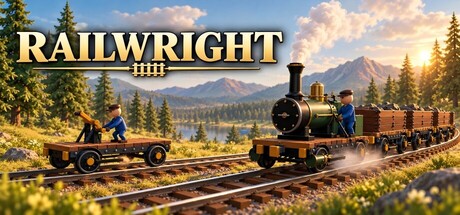
Generative AI tools were used to assist in creating and iterating on selected promotional artwork and graphical assets for Railwright, including materials used on the Steam store page and related marketing. Gameplay screenshots shown on the store page are captured from the actual game. Railwright does not use generative AI to generate content during gameplay.
I'm a solo developer with a full-time job and a dad with two wonderful little kids. Full Count Club is a game I've wanted to make for a long time. AI tools are how I fit it into the time I have: they helped create the illustrated art, some sound effects, and some in-game writing such as newspaper headlines. I direct, select and edit all of it. The game does not generate any AI content while you play.
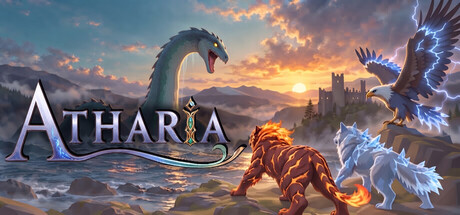
Atharia uses generative AI tools under the developer's constant direction. The combat animations are AI-generated video clips, converted into sprites and integrated into custom-built staging. Background environments and interface elements are also created with AI assistance. Every asset is art-directed, selected and validated by the developer before it enters the game.
Gród is designed, built and tested by a solo developer. Every rule, system and pixel of the game follows my own vision.
AI tools helped with parts of the production: the voice lines, the music and some store artwork were created with generative AI, then selected, edited and fitted into the game by me. The in-game pixel art is drawn by the game's own code, with no AI image generators.
Screenshots and GIFs show real gameplay. The game does not use generative AI while you play.
AI tools were used to help draft and edit some English text: store page copy and some in-game UI strings such as hints, item descriptions and dialogs. All text was reviewed and edited by the developer. All art, models, audio and music are human-made or licensed assets. The game does not generate any content with AI at runtime.
This game was made possible due to generative AI coding. It uses generative AI for the code base and procedural environmental generation but is limited to that. Models and music have been manually created.
The English localization was prepared with AI assistance and was fully reviewed and edited by the developer. Some in-game sounds were generated with AI. The capsule image on the Steam store page was generated with AI. The in-game visual and model assets were not generated with AI.
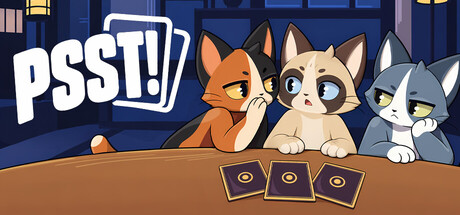
Psst! uses generative AI in two ways, and both run entirely on your own PC. Nothing you say or type is sent to a server, stored, or used to train anything.
Live voices: Bot players and the host speak their hints and table talk out loud through a text-to-speech model (Supertonic) that runs on your computer. The spoken lines come from the game's own writing and word lists. The AI only turns that text into audio.
Speech recognition: If you choose to play with your voice, a speech-to-text model (NVIDIA Parakeet) turns what you say into text so the game can read your hint or guess. This is optional, and you can always type instead.
All artwork, writing and game design were made by the developer or bought as assets with licenses.
Generative AI was used to create some visual elements in certain promotional images for the Steam store page. These images are pre-generated and do not change during gameplay. The game currently does not generate AI content during gameplay or connect to external AI services.
AI tools assisted with the game's code and some written text during development. All artwork comes from the game's own engine, being web code. The music is composed by Juhani Junkala, and nothing is generated while you play.
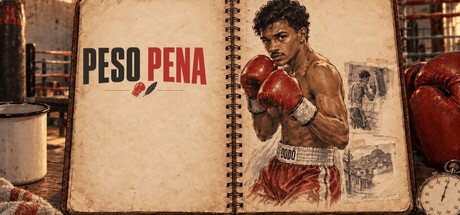
Peso Pena uses generative AI tools during production, under the direction and review of our team. AI was used to create pre-rendered visual assets, including character illustrations, sprites and animation frames, backgrounds, store artwork and trailer/cutscene footage, all of which were curated, edited and approved by our artists. Some in-game and store texts were drafted or translated with AI assistance and then reviewed by the team. The game does not generate any content at runtime: every image, animation, text and sound that players see is fixed and was reviewed before release.
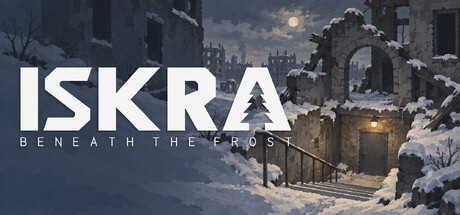
ISKRA currently includes AI-generated artwork prepared during development. We plan to replace this artwork with work created by human artists before leaving Early Access, giving the game the individual artistic identity we envision.
Logo/branding art: The game's logo and some promotional material was generated using an AI image generation tool.
Modeling: A handfull of props where generated using AI.
Localization: In-game text (menus, UI, dialogue, and other player-facing strings) has been translated into additional languages using AI translation tools, so accuracy and natural phrasing may vary by language.
All artwork, animation, writing, character designs and other creative content in this game were made by hand. None of it was created with generative AI.
Generative AI was used only in two parts of development:
Programming assistance: helping to write and debug parts of the game code.
Translation assistance: helping to translate the text for non-Chinese language versions.
The artwork and writing that players see in the game were not generated by AI.
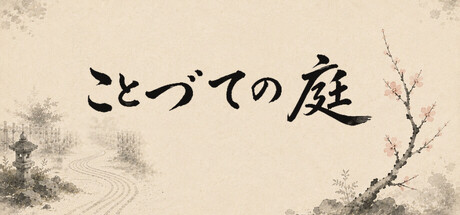
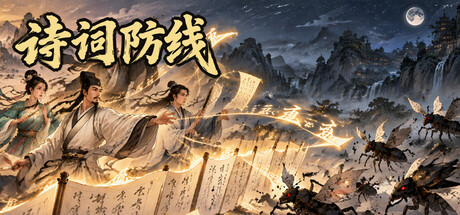
This game uses pre-generated AI-assisted visual content. Generative AI tools were used during development to help create and refine some 2D artwork and Steam store materials, including Chinese ink-style backgrounds, capsule images, UI/marketing artwork, icons, and related visual elements. All AI-assisted assets were reviewed and edited by the developer before being included. The game does not use live generative AI during gameplay, and no player input is sent to an AI service to generate content.
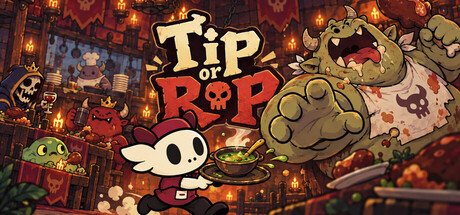
We combined hands-on development with AI tools to help speed up our workflow, including work on artwork, music, text, and translations. Our team designed and built the game, guided its creative direction, and edited and refined the visuals to match TIP or RIP’s cartoon style.
Some promotional artwork on this store page was created using generative AI tools. All in-game assets (characters, environments, effects) are original or licensed third-party content.
Generative AI tools were used during development to assist with the creation of some pre-generated visual artwork. AI-assisted artwork is substantially edited, painted over, composited, and finalized by the developer before inclusion in the game. No generative AI is used to create content during gameplay.
Pre-generated AI tools were used during development to create portions of the game's static 2D artwork and music, including some environment and character images, store marketing art, and achievement icons. The outputs were selected, edited, integrated, and reviewed by the developer. No content is generated while the game is running, and the game does not send player prompts or player data to any AI service.
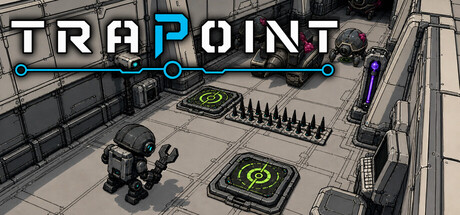
Trapoint is made by a single developer. 3D models, 2D art, sound, music, UI text, and the English localization were generated with AI tools from the developer's own prompts and then edited and integrated by hand; game design, systems, and level data are the developer's own work.
This game was made with the help of generative AI.
AI tools were used during development to create visual assets, sound and music, parts
of the source code, and the translations of this page and the in-game text. Everything
was chosen, edited and assembled by hand before release.
Nothing is generated while you play — all content ships with the game.
Portraits of characters and creatures are generated using Stable Diffusion. They appear in-game and in store page materials. I plan to replace all generated portraits with hand-drawn art.
Some in-game labels and text descriptions are placeholders generated by an LLM. I am gradually rewriting them by hand.
AI tools assisted portions of the pre-produced artwork, text, development code, and audio-production scripts. Music and sound effects use procedural synthesis. No AI content is generated during gameplay, and the Windows game does not connect to an external AI service.
This game is a solo-developed hobby project. Generative AI tools were used as part of the production workflow, including assistance with code, audio, and base visual assets. No generative AI output is used as a final in-game asset; all assets were manually edited, and integrated by the developer. The story, dialogue, and all other written in-game content were written by the developer. All gameplay design, creative direction, balancing, and final content decisions were made by the developer.
The illustrated character portraits used as player avatars (also shown in our store and library artwork) were created with AI image generation (Google Gemini) and then cropped and adjusted by the developer. Some store text and interface translations were drafted with AI assistance. The game does not generate any AI content while you play.
Some UI icons were generated using AI, then refined by our artists to suit the UI. All other artwork was created by hand. No AI content is generated during gameplay.
Generative AI tools were used during development to create portions of the artwork, character and environment assets, cinematic visuals, music, sound effects, voice recordings, text, localization, and store marketing materials. These assets are prepared in advance and incorporated into the game by Keke Studio. The game does not generate AI content or connect to third-party generative AI services during gameplay.
Generative AI was used during development to create some artwork, character animation assets, music, and promotional artwork. These assets were prepared before release. The game does not generate AI content during gameplay or connect to an AI service.
Game text and translations were created with the help of AI tools. The public build has no AI voices; it has no voice acting yet. The art is not made with generative AI: it comes from free CC0 asset packs plus shapes and textures built in code. Sound effects are synthesized by our own scripts. Nothing is generated by AI while you play.
AI-assisted tools were used to support performance optimization and to generate the player character. AI tools also contributed to enemy character assets, store artwork and translations. These uses concern content prepared during development.
Some character portraits were created with generative AI. AI tools were also used to help write and translate the store page and to translate the game's text. The story and dialogue were written by our team.
Generative AI tools were used to assist in creating and iterating on selected promotional artwork and graphical assets for Railwright, including materials used on the Steam store page and related marketing. Gameplay screenshots shown on the store page are captured from the actual game. Railwright does not use generative AI to generate content during gameplay.
I'm a solo developer with a full-time job and a dad with two wonderful little kids. Full Count Club is a game I've wanted to make for a long time. AI tools are how I fit it into the time I have: they helped create the illustrated art, some sound effects, and some in-game writing such as newspaper headlines. I direct, select and edit all of it. The game does not generate any AI content while you play.
Atharia uses generative AI tools under the developer's constant direction. The combat animations are AI-generated video clips, converted into sprites and integrated into custom-built staging. Background environments and interface elements are also created with AI assistance. Every asset is art-directed, selected and validated by the developer before it enters the game.
Gród is designed, built and tested by a solo developer. Every rule, system and pixel of the game follows my own vision.
AI tools helped with parts of the production: the voice lines, the music and some store artwork were created with generative AI, then selected, edited and fitted into the game by me. The in-game pixel art is drawn by the game's own code, with no AI image generators.
Screenshots and GIFs show real gameplay. The game does not use generative AI while you play.
AI tools were used to help draft and edit some English text: store page copy and some in-game UI strings such as hints, item descriptions and dialogs. All text was reviewed and edited by the developer. All art, models, audio and music are human-made or licensed assets. The game does not generate any content with AI at runtime.
This game was made possible due to generative AI coding. It uses generative AI for the code base and procedural environmental generation but is limited to that. Models and music have been manually created.
The English localization was prepared with AI assistance and was fully reviewed and edited by the developer. Some in-game sounds were generated with AI. The capsule image on the Steam store page was generated with AI. The in-game visual and model assets were not generated with AI.
Psst! uses generative AI in two ways, and both run entirely on your own PC. Nothing you say or type is sent to a server, stored, or used to train anything.
Live voices: Bot players and the host speak their hints and table talk out loud through a text-to-speech model (Supertonic) that runs on your computer. The spoken lines come from the game's own writing and word lists. The AI only turns that text into audio.
Speech recognition: If you choose to play with your voice, a speech-to-text model (NVIDIA Parakeet) turns what you say into text so the game can read your hint or guess. This is optional, and you can always type instead.
All artwork, writing and game design were made by the developer or bought as assets with licenses.
Generative AI was used to create some visual elements in certain promotional images for the Steam store page. These images are pre-generated and do not change during gameplay. The game currently does not generate AI content during gameplay or connect to external AI services.
AI tools assisted with the game's code and some written text during development. All artwork comes from the game's own engine, being web code. The music is composed by Juhani Junkala, and nothing is generated while you play.
Peso Pena uses generative AI tools during production, under the direction and review of our team. AI was used to create pre-rendered visual assets, including character illustrations, sprites and animation frames, backgrounds, store artwork and trailer/cutscene footage, all of which were curated, edited and approved by our artists. Some in-game and store texts were drafted or translated with AI assistance and then reviewed by the team. The game does not generate any content at runtime: every image, animation, text and sound that players see is fixed and was reviewed before release.
ISKRA currently includes AI-generated artwork prepared during development. We plan to replace this artwork with work created by human artists before leaving Early Access, giving the game the individual artistic identity we envision.
Logo/branding art: The game's logo and some promotional material was generated using an AI image generation tool.
Modeling: A handfull of props where generated using AI.
Localization: In-game text (menus, UI, dialogue, and other player-facing strings) has been translated into additional languages using AI translation tools, so accuracy and natural phrasing may vary by language.
All artwork, animation, writing, character designs and other creative content in this game were made by hand. None of it was created with generative AI.
Generative AI was used only in two parts of development:
Programming assistance: helping to write and debug parts of the game code.
Translation assistance: helping to translate the text for non-Chinese language versions.
The artwork and writing that players see in the game were not generated by AI.
This game uses pre-generated AI-assisted visual content. Generative AI tools were used during development to help create and refine some 2D artwork and Steam store materials, including Chinese ink-style backgrounds, capsule images, UI/marketing artwork, icons, and related visual elements. All AI-assisted assets were reviewed and edited by the developer before being included. The game does not use live generative AI during gameplay, and no player input is sent to an AI service to generate content.
We combined hands-on development with AI tools to help speed up our workflow, including work on artwork, music, text, and translations. Our team designed and built the game, guided its creative direction, and edited and refined the visuals to match TIP or RIP’s cartoon style.
Some promotional artwork on this store page was created using generative AI tools. All in-game assets (characters, environments, effects) are original or licensed third-party content.
Generative AI tools were used during development to assist with the creation of some pre-generated visual artwork. AI-assisted artwork is substantially edited, painted over, composited, and finalized by the developer before inclusion in the game. No generative AI is used to create content during gameplay.
Pre-generated AI tools were used during development to create portions of the game's static 2D artwork and music, including some environment and character images, store marketing art, and achievement icons. The outputs were selected, edited, integrated, and reviewed by the developer. No content is generated while the game is running, and the game does not send player prompts or player data to any AI service.
Trapoint is made by a single developer. 3D models, 2D art, sound, music, UI text, and the English localization were generated with AI tools from the developer's own prompts and then edited and integrated by hand; game design, systems, and level data are the developer's own work.
This game was made with the help of generative AI.
AI tools were used during development to create visual assets, sound and music, parts
of the source code, and the translations of this page and the in-game text. Everything
was chosen, edited and assembled by hand before release.
Nothing is generated while you play — all content ships with the game.
Portraits of characters and creatures are generated using Stable Diffusion. They appear in-game and in store page materials. I plan to replace all generated portraits with hand-drawn art.
Some in-game labels and text descriptions are placeholders generated by an LLM. I am gradually rewriting them by hand.
AI tools assisted portions of the pre-produced artwork, text, development code, and audio-production scripts. Music and sound effects use procedural synthesis. No AI content is generated during gameplay, and the Windows game does not connect to an external AI service.
This game is a solo-developed hobby project. Generative AI tools were used as part of the production workflow, including assistance with code, audio, and base visual assets. No generative AI output is used as a final in-game asset; all assets were manually edited, and integrated by the developer. The story, dialogue, and all other written in-game content were written by the developer. All gameplay design, creative direction, balancing, and final content decisions were made by the developer.
The illustrated character portraits used as player avatars (also shown in our store and library artwork) were created with AI image generation (Google Gemini) and then cropped and adjusted by the developer. Some store text and interface translations were drafted with AI assistance. The game does not generate any AI content while you play.
Some UI icons were generated using AI, then refined by our artists to suit the UI. All other artwork was created by hand. No AI content is generated during gameplay.