Public Steam disclosure research25,380 disclosures tracked
Where do games disclose AI use?
Search developers’ Steam disclosures, compare classified AI use across
games, and follow recorded changes.
This index adds cross-game classifications and statistics to
statements published on individual store pages.
Groups reflect automatic analysis of public disclosures; mature records are excluded. These counts do not measure AI use across all of Steam.
Missing or unclear statements cannot establish whether a game uses AI.
Codex, powered by ChatGPT, was used as a coding assistant during development.
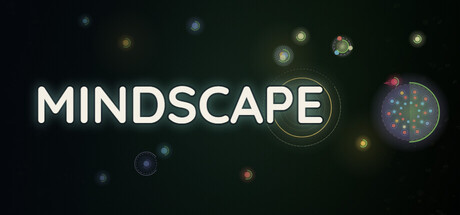
I’m a software engineer with 25 years of programming experience. I used Codex to help with technical implementation while I focused on the game’s design, systems, balance, and overall feel. It made it possible to build Mindscape in my spare time and release it for free.
Generative AI was used during development to assist with creating some art assets, music, sound effects, gameplay prototypes, text, and code iteration. All AI-generated content used in the game has been manually reviewed, edited, integrated, and tested before inclusion.
All character and unit art is hand-drawn; audio and music contain no AI. Some background art and UI icons were made with help from generative AI tools and then edited by the developer. AI also assists translation, with every translation human-reviewed before release.
All materials and assets used in this game were created by hand. Generative AI tools were used only as a supportive enhancement tool, for example to refine, polish, or improve certain elements. The final content, including visual assets, story elements, audio direction, and overall creative design, remains the result of human creation and artistic direction.
The developer used generative AI tools during development to assist in creating pre-generated assets, including concept art for backgrounds and placeholder text assets. None of the AI content is generated in real-time during gameplay.
The Early Access build includes some static pre-generated AI placeholder artwork used as temporary in-game assets during development. This content is not generated during gameplay, is not user-generated, and does not connect to any external AI service. Placeholder artwork may be replaced or polished during Early Access as final art is completed.
Character art and event scene illustrations in this game were created using AI image generation tools. All generated images were curated, edited, and refined by the developer to produce the final in-game assets. No AI content is generated in real time during gameplay.
Generative AI tools were used during development to assist with some pre-generated visual and text assets, including Steam store or marketing materials. All AI-assisted content is reviewed and included before release. The game does not generate new AI content during gameplay and does not connect to external AI services while running.
Generative AI tools were used only to assist in the creation of certain store page and marketing images. No AI-generated content is created during gameplay, and the game does not use live AI systems or connect to external AI services while running.
Some of the textures of the game is created using AI. Some of the images are taking personal own stills and rendered into 2D pixel images using AI tools.
Some 2D art (icons and illustrations) was created with the help of generative AI tools and refined by the developer. No AI content is generated during gameplay.
Some of the images and sounds in this game were created using generative AI.
This allows us to reduce development costs and deliver more content faster, providing players with a richer and more engaging experience.
This game contains pre-generated AI-generated and AI-assisted visual content.
Generative AI tools were used as part of the art creation process for certain visual assets appearing in the game and on the Steam store page. This may include building artwork, ability cards, character artwork, menu artwork, user interface elements, promotional images, store capsules, library assets, and other graphical materials.
All such content was reviewed, curated, modified where necessary, and approved by the developer before inclusion in the final game. The developer is responsible for the final content presented to players.
The game does not use live AI generation, AI-powered gameplay systems, or AI-generated user content. All AI-assisted content is pre-generated during development and distributed as part of the game files.
All background music used in this game are pre-generated offline AI audio assets sourced from Pixabay (static files only, no real-time generation). All materials fully comply with Pixabay’s free commercial use license with no copyright infringement issues. Full download records of these assets are retained, and there is no mandatory requirement to disclose specific AI generation tools.
Localized texts and tutorial content of the game are created with the assistance of AI tools. All AI-generated content has been reviewed for compliance.
Hi everyone! I'm currently a student and this is my very first indie game. While I'm completely at home with coding and game engines, handling all the visual design and localization entirely by myself was quite a challenge.
I created all the promotional capsule art and designs you see on the Steam store page manually from scratch. However, I did use AI generation tools as a starting base for some of the in-game UI overlays and minor textures. Afterward, I manually edited and color-corrected them to ensure they perfectly match the game's dark atmosphere. I also used AI text models to assist with translation and localization. There are no real-time AI generation systems running while you play. Thank you so much for your support and understanding!
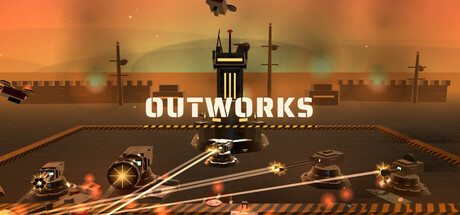
OUTWORKS was developed with the help of AI-based coding assistants, which we used to write parts of the game's source code. Everything you see and hear in the game is then generated procedurally by that code — all graphics are drawn in code (SVG/CSS) and all sound is synthesized in code (Web Audio). The game contains no AI-generated image or audio assets, and no generative AI runs while you play.
This game uses AI-generated artwork for store page banners, character portraits, unit illustrations, and in-game backgrounds. All AI-generated assets were created using Stable Diffusion and Midjourney, then reviewed, edited, and post-processed by the development team before being included in the game. No AI content is generated in real-time during gameplay.
OrderlyWorld currently uses a limited number of pre-generated AI visual assets in the development build and store materials, including the main menu background. These assets are static and curated by the developer. The game does not generate content during play or connect to external AI services.
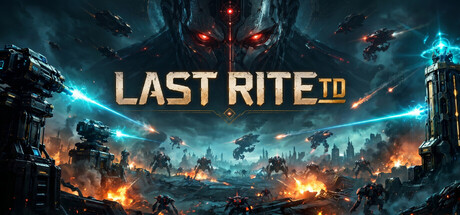
LAST RITE TD uses generative AI tools during development to assist with creating and iterating some visual concepts, marketing artwork, store capsule images, trailer-related promotional materials, voice/audio elements, and certain worldbuilding or text-drafting support.
Some voice/audio elements may also be AI-assisted. All AI-assisted content is reviewed, selected, edited, and integrated by the developer before being used in the game or on the Steam store page.
The game does not use generative AI to create unpredictable real-time gameplay content for players during normal play.
Some of the background music in Hold It In comes from a commercially-licensed third-party music pack bought from itch.io ("Hell Metal Songs" by thc555) that was created with AI-assisted music tools. All other audio (voice, sound effects), all art, and all game code were created without generative AI. No AI-generated content is created live during gameplay.
This game uses generative AI during development to assist with concept art,
texture drafts, store media preparation, and iteration of visual assets.
Final in-game assets are reviewed, edited, and integrated by the developer
before release. The game does not use generative AI to create live gameplay
content during play.
[Pre-Generated AI Content]This game makes extensive use of generative AI during development.AI tools were used to create or assist in producing the following assets:- Character illustrations and artwork- UI elements and visual effects- Sound and audio assets- Portions of the game codeAll AI-generated content has been reviewed, curated, and editedby the developer to ensure quality and fit the game's design vision.[Live-Generated AI Content]This game does not use any live-generated AI content during gameplay.
Some of this game's in-game text, including character dialogue and narrative/flavor writing was created with the help of generative AI tools during development, then reviewed and edited by the developer before release. The game's visual art is generated procedurally (algorithmically, not by AI). BrainRot Defender does not generate any content using AI in real time during gameplay, and does not connect to any external AI services.
AI tools were used to generate some of the bulk flavor text/copy (which were human-reviewed/modified/tested).
All other assets (music, sound effects, artwork, sprites, core game text, etc) were created by humans.
We utilized generative AI tools to assist in creating certain visual assets, UI elements, and background music (BGM) during the development process.
Additionally, AI was used to optimize coding efficiency and assist with text localization to improve the quality of the English translation.
All AI-assisted contents and scripts have been thoroughly reviewed, verified, and refined manually by the developer to ensure quality.
Generative AI was used as a development assistant for pre-release asset iteration, writing support, localization drafts, ideation and productivity tasks. Some visual assets and draft text/assets may have been assisted or iterated with generative AI before being reviewed and integrated into the game. This content is static and does not generate new content at runtime. The game does not use live generative AI to create content during gameplay. No player prompts are sent to an AI service at runtime. AI-assisted material is reviewed manually before inclusion. It is adjusted to match the game's style, naming, tone and technical requirements, and content that would be inappropriate, infringing or inconsistent with the project is not intentionally included.
Generative AI was used to create portions of the game's logo, character icon artwork, and promotional/store page images. Some marketing images were created using in-game screenshots as references and combined with AI-assisted artwork.
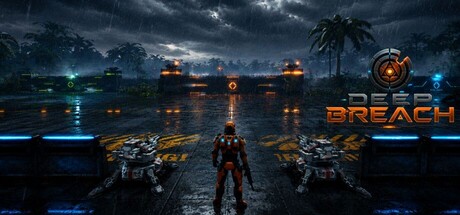
Deep Breach Demo contains some pre-generated visual assets created with assistance from generative AI tools during development. These include certain static 2D visual elements such as UI icons, item and turret imagery, and promotional/store artwork. No AI-generated content is created live during gameplay.
Generative AI were used to assist in the creation of assets, and artwork. All generated content was reviewed and modified by the developers before inclusion in the final game.
Generative AI tools were used during development for technical planning, system architecture, building custom systems, code cleanup, and similar engineering support.
Some current pre-release visual/model assets are AI-generated placeholders. These are intended to be replaced with final authored assets before release.
Non-English localizations are AI-assisted and reviewed by our team for quality. Simplified Chinese was additionally reviewed by a native speaker. We welcome community feedback to help improve translations over time.
This project's entire graphic asset collection (all sprites) and all code is entirely generated by AI. It has been assembled and tweaked by the creator, but otherwise is 95% AI generated. This is purposeful and was intended to test some limits of Claude and GPT5.
Some of this game's marketing artwork (Steam store capsules and banners) was generated with the help of an AI image model (FLUX via Runware) and then composited and edited by hand for the final assets.
Translations for 14 of the 16 supported languages — Danish, Finnish, French, German, Italian, Japanese, Korean, Norwegian, Polish, Portuguese, Simplified Chinese, Slovak, Spanish, and Swedish — were produced by machine translation (DeepL). Only English and Czech are reviewed and edited by a human; the other translations may contain mistakes, and corrections are welcome.
This game uses AI-assisted tools for certain in-game assets and promotional images. All gameplay, mechanics, and story content were designed by the development team.
Codex, powered by ChatGPT, was used as a coding assistant during development.
I’m a software engineer with 25 years of programming experience. I used Codex to help with technical implementation while I focused on the game’s design, systems, balance, and overall feel. It made it possible to build Mindscape in my spare time and release it for free.
Generative AI was used during development to assist with creating some art assets, music, sound effects, gameplay prototypes, text, and code iteration. All AI-generated content used in the game has been manually reviewed, edited, integrated, and tested before inclusion.
All character and unit art is hand-drawn; audio and music contain no AI. Some background art and UI icons were made with help from generative AI tools and then edited by the developer. AI also assists translation, with every translation human-reviewed before release.
All materials and assets used in this game were created by hand. Generative AI tools were used only as a supportive enhancement tool, for example to refine, polish, or improve certain elements. The final content, including visual assets, story elements, audio direction, and overall creative design, remains the result of human creation and artistic direction.
The developer used generative AI tools during development to assist in creating pre-generated assets, including concept art for backgrounds and placeholder text assets. None of the AI content is generated in real-time during gameplay.
The Early Access build includes some static pre-generated AI placeholder artwork used as temporary in-game assets during development. This content is not generated during gameplay, is not user-generated, and does not connect to any external AI service. Placeholder artwork may be replaced or polished during Early Access as final art is completed.
Character art and event scene illustrations in this game were created using AI image generation tools. All generated images were curated, edited, and refined by the developer to produce the final in-game assets. No AI content is generated in real time during gameplay.
Generative AI tools were used during development to assist with some pre-generated visual and text assets, including Steam store or marketing materials. All AI-assisted content is reviewed and included before release. The game does not generate new AI content during gameplay and does not connect to external AI services while running.
Generative AI tools were used only to assist in the creation of certain store page and marketing images. No AI-generated content is created during gameplay, and the game does not use live AI systems or connect to external AI services while running.
Some of the textures of the game is created using AI. Some of the images are taking personal own stills and rendered into 2D pixel images using AI tools.
Some 2D art (icons and illustrations) was created with the help of generative AI tools and refined by the developer. No AI content is generated during gameplay.
Some of the images and sounds in this game were created using generative AI.
This allows us to reduce development costs and deliver more content faster, providing players with a richer and more engaging experience.
This game contains pre-generated AI-generated and AI-assisted visual content.
Generative AI tools were used as part of the art creation process for certain visual assets appearing in the game and on the Steam store page. This may include building artwork, ability cards, character artwork, menu artwork, user interface elements, promotional images, store capsules, library assets, and other graphical materials.
All such content was reviewed, curated, modified where necessary, and approved by the developer before inclusion in the final game. The developer is responsible for the final content presented to players.
The game does not use live AI generation, AI-powered gameplay systems, or AI-generated user content. All AI-assisted content is pre-generated during development and distributed as part of the game files.
All background music used in this game are pre-generated offline AI audio assets sourced from Pixabay (static files only, no real-time generation). All materials fully comply with Pixabay’s free commercial use license with no copyright infringement issues. Full download records of these assets are retained, and there is no mandatory requirement to disclose specific AI generation tools.
Localized texts and tutorial content of the game are created with the assistance of AI tools. All AI-generated content has been reviewed for compliance.
Hi everyone! I'm currently a student and this is my very first indie game. While I'm completely at home with coding and game engines, handling all the visual design and localization entirely by myself was quite a challenge.
I created all the promotional capsule art and designs you see on the Steam store page manually from scratch. However, I did use AI generation tools as a starting base for some of the in-game UI overlays and minor textures. Afterward, I manually edited and color-corrected them to ensure they perfectly match the game's dark atmosphere. I also used AI text models to assist with translation and localization. There are no real-time AI generation systems running while you play. Thank you so much for your support and understanding!
OUTWORKS was developed with the help of AI-based coding assistants, which we used to write parts of the game's source code. Everything you see and hear in the game is then generated procedurally by that code — all graphics are drawn in code (SVG/CSS) and all sound is synthesized in code (Web Audio). The game contains no AI-generated image or audio assets, and no generative AI runs while you play.
This game uses AI-generated artwork for store page banners, character portraits, unit illustrations, and in-game backgrounds. All AI-generated assets were created using Stable Diffusion and Midjourney, then reviewed, edited, and post-processed by the development team before being included in the game. No AI content is generated in real-time during gameplay.
OrderlyWorld currently uses a limited number of pre-generated AI visual assets in the development build and store materials, including the main menu background. These assets are static and curated by the developer. The game does not generate content during play or connect to external AI services.
LAST RITE TD uses generative AI tools during development to assist with creating and iterating some visual concepts, marketing artwork, store capsule images, trailer-related promotional materials, voice/audio elements, and certain worldbuilding or text-drafting support.
Some voice/audio elements may also be AI-assisted. All AI-assisted content is reviewed, selected, edited, and integrated by the developer before being used in the game or on the Steam store page.
The game does not use generative AI to create unpredictable real-time gameplay content for players during normal play.
Some of the background music in Hold It In comes from a commercially-licensed third-party music pack bought from itch.io ("Hell Metal Songs" by thc555) that was created with AI-assisted music tools. All other audio (voice, sound effects), all art, and all game code were created without generative AI. No AI-generated content is created live during gameplay.
This game uses generative AI during development to assist with concept art,
texture drafts, store media preparation, and iteration of visual assets.
Final in-game assets are reviewed, edited, and integrated by the developer
before release. The game does not use generative AI to create live gameplay
content during play.
[Pre-Generated AI Content]This game makes extensive use of generative AI during development.AI tools were used to create or assist in producing the following assets:- Character illustrations and artwork- UI elements and visual effects- Sound and audio assets- Portions of the game codeAll AI-generated content has been reviewed, curated, and editedby the developer to ensure quality and fit the game's design vision.[Live-Generated AI Content]This game does not use any live-generated AI content during gameplay.
Some of this game's in-game text, including character dialogue and narrative/flavor writing was created with the help of generative AI tools during development, then reviewed and edited by the developer before release. The game's visual art is generated procedurally (algorithmically, not by AI). BrainRot Defender does not generate any content using AI in real time during gameplay, and does not connect to any external AI services.
AI tools were used to generate some of the bulk flavor text/copy (which were human-reviewed/modified/tested).
All other assets (music, sound effects, artwork, sprites, core game text, etc) were created by humans.
We utilized generative AI tools to assist in creating certain visual assets, UI elements, and background music (BGM) during the development process.
Additionally, AI was used to optimize coding efficiency and assist with text localization to improve the quality of the English translation.
All AI-assisted contents and scripts have been thoroughly reviewed, verified, and refined manually by the developer to ensure quality.
Generative AI was used as a development assistant for pre-release asset iteration, writing support, localization drafts, ideation and productivity tasks. Some visual assets and draft text/assets may have been assisted or iterated with generative AI before being reviewed and integrated into the game. This content is static and does not generate new content at runtime. The game does not use live generative AI to create content during gameplay. No player prompts are sent to an AI service at runtime. AI-assisted material is reviewed manually before inclusion. It is adjusted to match the game's style, naming, tone and technical requirements, and content that would be inappropriate, infringing or inconsistent with the project is not intentionally included.
Generative AI was used to create portions of the game's logo, character icon artwork, and promotional/store page images. Some marketing images were created using in-game screenshots as references and combined with AI-assisted artwork.
Deep Breach Demo contains some pre-generated visual assets created with assistance from generative AI tools during development. These include certain static 2D visual elements such as UI icons, item and turret imagery, and promotional/store artwork. No AI-generated content is created live during gameplay.
Generative AI were used to assist in the creation of assets, and artwork. All generated content was reviewed and modified by the developers before inclusion in the final game.
Generative AI tools were used during development for technical planning, system architecture, building custom systems, code cleanup, and similar engineering support.
Some current pre-release visual/model assets are AI-generated placeholders. These are intended to be replaced with final authored assets before release.
Non-English localizations are AI-assisted and reviewed by our team for quality. Simplified Chinese was additionally reviewed by a native speaker. We welcome community feedback to help improve translations over time.
This project's entire graphic asset collection (all sprites) and all code is entirely generated by AI. It has been assembled and tweaked by the creator, but otherwise is 95% AI generated. This is purposeful and was intended to test some limits of Claude and GPT5.
Some of this game's marketing artwork (Steam store capsules and banners) was generated with the help of an AI image model (FLUX via Runware) and then composited and edited by hand for the final assets.
Translations for 14 of the 16 supported languages — Danish, Finnish, French, German, Italian, Japanese, Korean, Norwegian, Polish, Portuguese, Simplified Chinese, Slovak, Spanish, and Swedish — were produced by machine translation (DeepL). Only English and Czech are reviewed and edited by a human; the other translations may contain mistakes, and corrections are welcome.
This game uses AI-assisted tools for certain in-game assets and promotional images. All gameplay, mechanics, and story content were designed by the development team.