Public Steam disclosure research25,710 disclosures tracked
Where do games disclose AI use?
Search developers’ Steam disclosures, compare classified AI use across
games, and follow recorded changes.
This index adds cross-game classifications and statistics to
statements published on individual store pages.
Groups reflect automatic analysis of public disclosures; mature records are excluded. These counts do not measure AI use across all of Steam.
Missing or unclear statements cannot establish whether a game uses AI.
AI-assisted tools were used in a limited capacity during development, in line with modern creative production workflows, to help create the game’s cover artwork and certain in-game illustrations.
All AI-assisted materials were manually reviewed, edited, refined, and adapted by our team before being included in the game or on the store page. These assets were not used in their original generated form.
The game does not use live generative AI during gameplay.
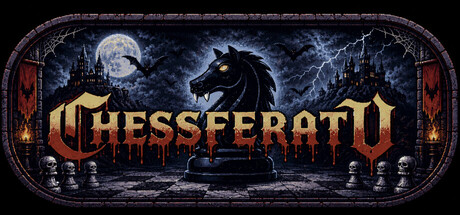
Chessferatu Graphics were generated using AI tools. Codex was used in the process of creating and refining code and in the porting of the code to different systems (Mobile to PC).
Generative AI Disclosure
Some visual concepts, promotional images, text drafts, and background music were created or edited with the assistance of generative AI tools. The final materials were reviewed, selected, modified, and integrated by the developer.
The game does not include real-time generative AI features during gameplay.
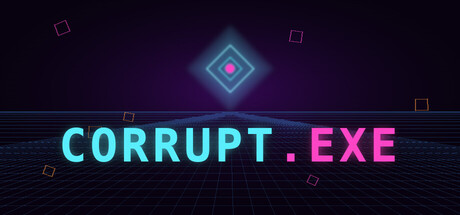
Generative AI was used during the development of CORRUPT.EXE to assist with coding, design iteration, brainstorming, and the creation of certain visual assets. All AI-generated content was reviewed, edited, and curated by the developer before being included in the game. No live AI-generated content is created during gameplay, and players do not interact with generative AI systems while playing.
Some artwork, character illustrations, backgrounds, music, and promotional images were created using generative AI tools and then reviewed, edited, and integrated into the game by the developer. The game does not generate AI-created images, music, text, or other content during gameplay.
Generative AI is used for a single feature: to allow players to create a custom illustration of their character reflecting their personalized appearance and equipped items for in-game use. There is no other use of Generative AI assets in MapleStory.
This game uses generative AI in two ways: (1) AI language models (LLM) to generate character dialogue text in real-time during conversations, and (2) AI text-to-speech (TTS) technology to generate character voice audio. AI processing is handled via cloud servers or optional local models. No conversation data is stored or saved on servers. All AI-generated content is produced live based on player input.
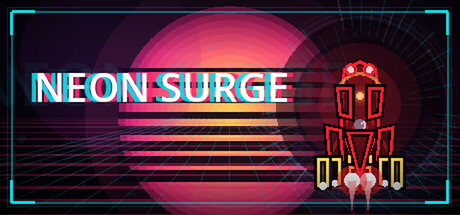
AI was used to assist in producing the in-game user-interface text translations for French, Spanish, German and Italian, which were then reviewed for accuracy. The English and Portuguese text is human-authored. All visual art, sound effects and music in NEON SURGE are generated procedurally by our own code — no AI models were used to create art, audio or gameplay assets.
This game uses AI-generated artwork for store page banners, character portraits, unit illustrations, and in-game backgrounds. All AI-generated assets were created using Stable Diffusion and Midjourney, then reviewed, edited, and post-processed by the development team before being included in the game. No AI content is generated in real-time during gameplay.
This game was developed with the assistance of generative AI tools. Specifically, generative AI was used to assist with the creation and refinement of some background art assets, the creation of some music assets, and the production of some promotional animation materials.
Sparrow God uses generative AI assistance for localization and some store-page/marketing copy. The game's design, mechanics, and mahjong rules are all original works by the developer. In-game visuals and audio are created through the developer's direction + algorithms (procedural rendering/synthesis), not AI-generated images or music. AI is a development-assist tool; the creative direction is led by a human.
FLOWORKS was developed with the help of AI-based coding assistants, which we used to write parts of the game's source code. Everything you see and hear in the game is then generated procedurally by that code — all graphics are drawn in code (SVG/CSS) and all sound is synthesized in code (Web Audio).
The game contains no AI-generated image or audio assets, and no generative AI runs while you play.
This game uses generative AI as a development aid. Specifically, AI was used to
help create some illustrations (backgrounds and store key art) and to assist
with the localization (translation) of in-game text. All AI output was reviewed
and adjusted by hand, and we have confirmed it contains no material that
infringes third-party rights or any illegal/inappropriate content. No AI content
is generated live during gameplay.
AI tools were used to assist with parts of the background music and
artwork during development. In addition, AI-generated translation was
used for all languages other than Japanese.
Generative AI tools were used to assist with store page text, trailer captions, and marketing copy. The game does not use live generative AI during gameplay.
Hey everyone! I’m incredibly excited to finally bring this factory game to Steam.
To be completely transparent, a significant part of this game was crafted through what the cool kids call "Vibe Coding"—leveraging cutting-edge AI to help bring my logic, systems, and visions to life. While the AI helped lay down the bricks, the core factory mechanics, balancing, and gameplay design are all fueled by my own passion for automation.
Think of it as a factory game built by a developer who loves automation so much, they even automated parts of the development process! I hope you enjoy optimizing your factories as much as I enjoyed optimizing this code.
This game uses Pre-Generated AI only. AI tools were used during development to create static assets (art, text, sound effects, etc.) that are bundled into the game. No Live-Generated AI is used — no AI model inference or online content generation takes place at runtime.
The story, code, mechanics, and every design decision of The Laws of Probability are entirely my own. The music was generated with AI tools based on my direction, and the backgrounds were AI-rendered from my hand-drawn sketches. Using this technology allowed me to bring the project's original vision to life and deliver a complete experience. I am sharing this openly because I respect your right to know.
Some store page marketing images and artwork
were created with the assistance of AI image
generation tools. All in-game artwork,
characters, backgrounds, and gameplay content
were created by the development team. No AI
is used to generate content during gameplay.
AI-assisted tools were used to create selected graphical assets, concept artwork and marketing materials. All generated content was reviewed, modified and integrated by the developer. No AI-generated content is created during gameplay.
Generative AI was used to code & write elements of this game including but not limited to items, default hero names, default party names, SVG Vectors and to make balance decisions and other elements of game play.
Character and background images were modified from AI-generated imagery.
The vast majority of the in-game music was created using AI tools to remix original-made tracks or add vocals.
Some musical tracks were generated entirely by AI.
Some of the game's 2D art assets (creature/lifeform illustrations and background imagery) were created with the help of generative AI image-generation tools. All AI-generated assets were hand-selected, edited and curated by the developer before being included in the build. The game does not generate any AI content live at runtime — all content ships pre-made.
We translated the game in German and French ourselves. For Japanese, Simplified Chinese, Spanish and Portuguese (BR), we used AI. If you see any translation mistakes, feel free to let us know!
This game uses generative AI tools during development to assist with concept exploration, reference image creation, asset iteration, text drafting, localization, and promotional material preparation.
All final in-game content is reviewed, edited, and selected by the developer before being included in the game. AI-generated outputs are not used directly without human review.
This game does not use Live-Generated AI during gameplay.
The game does not connect to any external AI service, does not send player input to AI models, and does not generate new AI content while the game is running.
Some visual assets in the game were created with the assistance of generative AI tools during development. These assets are static, pre-generated, reviewed by the developer, and included directly in the game build.
All AI-assisted visual content is used as fixed in-game artwork and is not dynamically generated during gameplay
The AI acts as your gameplay partner (either as a captain or a guesser). It analyzes the words on the game board and generates short text clues, or tries to guess the correct words based on the text clues you provide.
Popular Kids uses generative artificial intelligence to power conversations with student characters. Players can interact using voice or text, and AI-generated dialogue allows characters to respond dynamically based on the current situation, their personality, previous interactions, and the player’s choices throughout the game.
All storylines, characters, progression systems, popularity mechanics, reputation systems, and overall game design are created by the developer. Generative AI is used only to generate character dialogue and conversational responses during gameplay. AI-generated content is monitored and guided by character-specific instructions and game rules to maintain age-appropriate school-life interactions and narrative consistency.
Some of this game's assets were created with the assistance of generative AI tools. Character, enemy, and background artwork was created using Stable Diffusion and then manually edited and retouched by the developer. Background music and the ending theme songs were generated using ACE-Step v1.5. All AI-assisted assets were reviewed and curated by the developer. No content is generated by AI during gameplay.
Some of the visual assets in Iron Ledger, including the game icon and splash/menu artwork, were created with the assistance of generative AI image tools. All AI-assisted assets were reviewed and curated by the developer. No AI-generated content is produced live during gameplay.
Some of the visual elements and promotional materials for “Bubble Dogs” were created using generative AI tools and then manually refined, selected, modified, and integrated by the developer as part of the game's artistic production process.
Generative AI was used for some marketing visuals, evidence assets, and music. All other content including scripts, character sprites, and game development was created by the developer.
AI-assisted tools were used in a limited capacity during development, in line with modern creative production workflows, to help create the game’s cover artwork and certain in-game illustrations.
All AI-assisted materials were manually reviewed, edited, refined, and adapted by our team before being included in the game or on the store page. These assets were not used in their original generated form.
The game does not use live generative AI during gameplay.
Chessferatu Graphics were generated using AI tools. Codex was used in the process of creating and refining code and in the porting of the code to different systems (Mobile to PC).
Generative AI Disclosure
Some visual concepts, promotional images, text drafts, and background music were created or edited with the assistance of generative AI tools. The final materials were reviewed, selected, modified, and integrated by the developer.
The game does not include real-time generative AI features during gameplay.
Generative AI was used during the development of CORRUPT.EXE to assist with coding, design iteration, brainstorming, and the creation of certain visual assets. All AI-generated content was reviewed, edited, and curated by the developer before being included in the game. No live AI-generated content is created during gameplay, and players do not interact with generative AI systems while playing.
Some artwork, character illustrations, backgrounds, music, and promotional images were created using generative AI tools and then reviewed, edited, and integrated into the game by the developer. The game does not generate AI-created images, music, text, or other content during gameplay.
Generative AI is used for a single feature: to allow players to create a custom illustration of their character reflecting their personalized appearance and equipped items for in-game use. There is no other use of Generative AI assets in MapleStory.
This game uses generative AI in two ways: (1) AI language models (LLM) to generate character dialogue text in real-time during conversations, and (2) AI text-to-speech (TTS) technology to generate character voice audio. AI processing is handled via cloud servers or optional local models. No conversation data is stored or saved on servers. All AI-generated content is produced live based on player input.
AI was used to assist in producing the in-game user-interface text translations for French, Spanish, German and Italian, which were then reviewed for accuracy. The English and Portuguese text is human-authored. All visual art, sound effects and music in NEON SURGE are generated procedurally by our own code — no AI models were used to create art, audio or gameplay assets.
This game uses AI-generated artwork for store page banners, character portraits, unit illustrations, and in-game backgrounds. All AI-generated assets were created using Stable Diffusion and Midjourney, then reviewed, edited, and post-processed by the development team before being included in the game. No AI content is generated in real-time during gameplay.
This game was developed with the assistance of generative AI tools. Specifically, generative AI was used to assist with the creation and refinement of some background art assets, the creation of some music assets, and the production of some promotional animation materials.
Sparrow God uses generative AI assistance for localization and some store-page/marketing copy. The game's design, mechanics, and mahjong rules are all original works by the developer. In-game visuals and audio are created through the developer's direction + algorithms (procedural rendering/synthesis), not AI-generated images or music. AI is a development-assist tool; the creative direction is led by a human.
FLOWORKS was developed with the help of AI-based coding assistants, which we used to write parts of the game's source code. Everything you see and hear in the game is then generated procedurally by that code — all graphics are drawn in code (SVG/CSS) and all sound is synthesized in code (Web Audio).
The game contains no AI-generated image or audio assets, and no generative AI runs while you play.
This game uses generative AI as a development aid. Specifically, AI was used to
help create some illustrations (backgrounds and store key art) and to assist
with the localization (translation) of in-game text. All AI output was reviewed
and adjusted by hand, and we have confirmed it contains no material that
infringes third-party rights or any illegal/inappropriate content. No AI content
is generated live during gameplay.
AI tools were used to assist with parts of the background music and
artwork during development. In addition, AI-generated translation was
used for all languages other than Japanese.
Generative AI tools were used to assist with store page text, trailer captions, and marketing copy. The game does not use live generative AI during gameplay.
Hey everyone! I’m incredibly excited to finally bring this factory game to Steam.
To be completely transparent, a significant part of this game was crafted through what the cool kids call "Vibe Coding"—leveraging cutting-edge AI to help bring my logic, systems, and visions to life. While the AI helped lay down the bricks, the core factory mechanics, balancing, and gameplay design are all fueled by my own passion for automation.
Think of it as a factory game built by a developer who loves automation so much, they even automated parts of the development process! I hope you enjoy optimizing your factories as much as I enjoyed optimizing this code.
This game uses Pre-Generated AI only. AI tools were used during development to create static assets (art, text, sound effects, etc.) that are bundled into the game. No Live-Generated AI is used — no AI model inference or online content generation takes place at runtime.
The story, code, mechanics, and every design decision of The Laws of Probability are entirely my own. The music was generated with AI tools based on my direction, and the backgrounds were AI-rendered from my hand-drawn sketches. Using this technology allowed me to bring the project's original vision to life and deliver a complete experience. I am sharing this openly because I respect your right to know.
Some store page marketing images and artwork
were created with the assistance of AI image
generation tools. All in-game artwork,
characters, backgrounds, and gameplay content
were created by the development team. No AI
is used to generate content during gameplay.
AI-assisted tools were used to create selected graphical assets, concept artwork and marketing materials. All generated content was reviewed, modified and integrated by the developer. No AI-generated content is created during gameplay.
Generative AI was used to code & write elements of this game including but not limited to items, default hero names, default party names, SVG Vectors and to make balance decisions and other elements of game play.
Character and background images were modified from AI-generated imagery.
The vast majority of the in-game music was created using AI tools to remix original-made tracks or add vocals.
Some musical tracks were generated entirely by AI.
Some of the game's 2D art assets (creature/lifeform illustrations and background imagery) were created with the help of generative AI image-generation tools. All AI-generated assets were hand-selected, edited and curated by the developer before being included in the build. The game does not generate any AI content live at runtime — all content ships pre-made.
We translated the game in German and French ourselves. For Japanese, Simplified Chinese, Spanish and Portuguese (BR), we used AI. If you see any translation mistakes, feel free to let us know!
This game uses generative AI tools during development to assist with concept exploration, reference image creation, asset iteration, text drafting, localization, and promotional material preparation.
All final in-game content is reviewed, edited, and selected by the developer before being included in the game. AI-generated outputs are not used directly without human review.
This game does not use Live-Generated AI during gameplay.
The game does not connect to any external AI service, does not send player input to AI models, and does not generate new AI content while the game is running.
Some visual assets in the game were created with the assistance of generative AI tools during development. These assets are static, pre-generated, reviewed by the developer, and included directly in the game build.
All AI-assisted visual content is used as fixed in-game artwork and is not dynamically generated during gameplay
The AI acts as your gameplay partner (either as a captain or a guesser). It analyzes the words on the game board and generates short text clues, or tries to guess the correct words based on the text clues you provide.
Popular Kids uses generative artificial intelligence to power conversations with student characters. Players can interact using voice or text, and AI-generated dialogue allows characters to respond dynamically based on the current situation, their personality, previous interactions, and the player’s choices throughout the game.
All storylines, characters, progression systems, popularity mechanics, reputation systems, and overall game design are created by the developer. Generative AI is used only to generate character dialogue and conversational responses during gameplay. AI-generated content is monitored and guided by character-specific instructions and game rules to maintain age-appropriate school-life interactions and narrative consistency.
Some of this game's assets were created with the assistance of generative AI tools. Character, enemy, and background artwork was created using Stable Diffusion and then manually edited and retouched by the developer. Background music and the ending theme songs were generated using ACE-Step v1.5. All AI-assisted assets were reviewed and curated by the developer. No content is generated by AI during gameplay.
Some of the visual assets in Iron Ledger, including the game icon and splash/menu artwork, were created with the assistance of generative AI image tools. All AI-assisted assets were reviewed and curated by the developer. No AI-generated content is produced live during gameplay.
Some of the visual elements and promotional materials for “Bubble Dogs” were created using generative AI tools and then manually refined, selected, modified, and integrated by the developer as part of the game's artistic production process.
Generative AI was used for some marketing visuals, evidence assets, and music. All other content including scripts, character sprites, and game development was created by the developer.