Public Steam disclosure research25,710 disclosures tracked
Where do games disclose AI use?
Search developers’ Steam disclosures, compare classified AI use across
games, and follow recorded changes.
This index adds cross-game classifications and statistics to
statements published on individual store pages.
Groups reflect automatic analysis of public disclosures; mature records are excluded. These counts do not measure AI use across all of Steam.
Missing or unclear statements cannot establish whether a game uses AI.
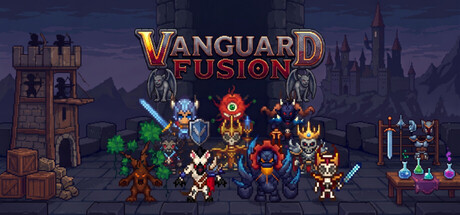
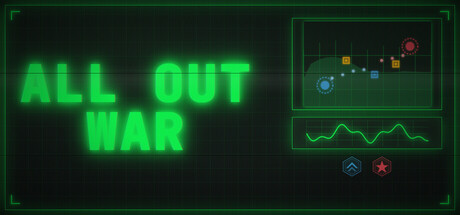
The 2D background images in the main menu and the promotional (capsule) designs used on the Steam store page were created with the help of generative AI tools and subsequently edited manually. The characters, battlefields, and in-game pixel art graphics that make up the core game experience are completely outside of this scope.
Generative AI tools were used during development for limited coding assistance and as a starting point for some 3D assets. All AI-assisted content was reviewed, modified, and integrated by the developer. No generative AI is used during gameplay.
Certain visual assets incorporated into the final product were subject to a multi-stage development, revision, and production process involving, at intermediate stages of asset preparation, generative AI-assisted material, together with subsequent developer-directed editing, alteration, reconstruction, and final implementation.
We use generative AI to help identify coding errors that could otherwise take a significant amount of time to find manually.
We also use it during brainstorming to generate textures that would take a long time to create by hand and may ultimately be discarded.
All AI-generated feedback/content is reviewed and modified by a team member until it fits what we really want to do.
The majority of the game's programming was done by AI.
For the in-game text, AI is utilized as a supplementary tool to improve grammar, but all text is ultimately checked and adjusted manually. AI is also used for translating the game into other languages.
However, no AI is used whatsoever for the illustrations or UI.
Generative AI was used in the development of this game. 2D artwork (characters, familiars, cards, backgrounds, etc.) was created with image-generation AI, then curated, edited, and retouched by the developer. AI-assisted tools were also used during development (e.g., programming). No AI content is generated at runtime. BOT opponents are rule-based programs, not generative AI.
All pixel artwork is hand-made by a human artist (Dani Maccari, licensed and credited). Sound effects are procedurally synthesized from hand-authored code and Suno AI. AI tools were used during development as a programming assistant and to help draft and edit some in-game and store text, all of which was human-directed, reviewed, and curated. No generative AI runs at runtime, and no AI-generated imagery ships with the game.
Generative AI was used during development to create in-game 2D visual assets, as well as 2D upgrade icons and sound effects. Generative AI was also used for certain promotional voice-over audio. All generated outputs were reviewed, selected, edited, and integrated by the developer. The game does not use live generative AI or generate content at runtime. Every asset was created under the developer’s creative direction to reflect the developer’s own ideas and artistic vision.
Generative AI was used during development to assist with some pre-generated visual artwork. The development team reviewed and curated the AI-assisted artwork before including it in the game. No generative AI content is created during gameplay, and no player data or input is sent to an AI service.
Generative AI tools were used during development to assist with pre-generated content only.
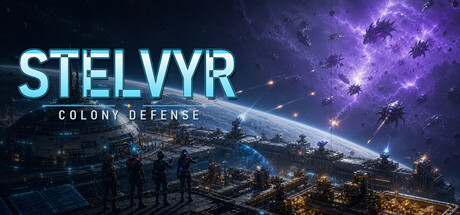
AI-assisted content includes one promotional artwork asset used in the Steam store capsule and library assets, AI-generated imagery used in the game's story description, some in-game sound assets, localization and translation, and portions of certain 3D models.
All AI-assisted outputs were reviewed, selected, edited where necessary, and integrated by the developer before being included in the game or on the Steam store page.
The game does not generate content using AI while it is running, does not connect players to any generative AI service, and does not send player input to an AI service.
Some images and graphic elements used in the game were created with the assistance of generative artificial intelligence tools. These assets were subsequently selected, edited, and integrated into the game by the developers.
Generative AI has been used for concepts and early sketches of some backgrounds. No final graphical assets included in the game have been generated by AI.
Some promotional images have been enhanced using AI.
Some music tracks have been created with the help of AI.
Background music was generated with Suno. Background images and character sprites were generated with image-generation AI (Google Gemini, Pollo AI), then curated and edited by the developer. Much of the program code was written with an AI coding assistant (Claude Code) under the developer's direction and review. Game design and sound effects are the developer's own work. No content is generated by AI at runtime.
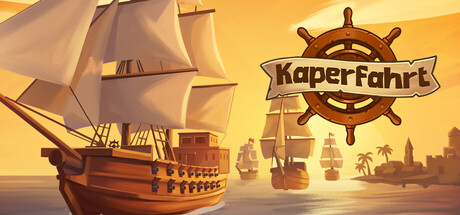
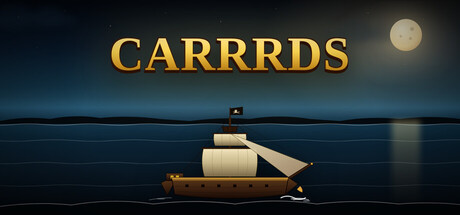
Kaperfahrt uses AI generated assets in two places. Both are placeholders and are being replaced with commissioned work.
The portrait illustrations on the wanted posters of the 23 Blacklist pirates were made with an AI image generator. They were bought as finished assets.
The soundtrack, the ambient audio and the spoken lines of the Blacklist pirates were made with Suno under a paid commercial licence.
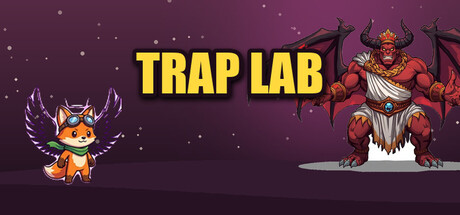
Much of the 2D artwork in TRAP LAB — character sprites, enemy and boss art, and cutscene illustrations — was created with the help of generative AI image tools. Every generated image was hand-selected, edited, and assembled by the developer before being used in the game. The game's code, level design, and audio are hand-made and are not AI-generated.
The images in this game start from generative AI output and are then redrawn pixel by pixel by the developer. This covers equipment icons, character and enemy sprites, backgrounds, and the images on this store page.
The music was created with a generative AI music service under a commercial-use license.
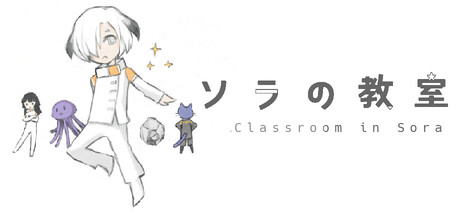
The text is written in Japanese and machine-translated into other languages.
Some pre-rendered visual artwork, promotional material, as well as game elements were created with AI and then selected, edited, and integrated by the developer. The game does not generate AI content during gameplay and does not connect to third-party AI services during gameplay.
This game used generative AI during the development process to assist with the creation and modeling visual assets, including characters designs and environmental textures like buildings.
Generative AI tools were used to create pre-generated visual assets used in the game and its marketing, including the station environment, CRT console artwork, and selected trailer, store, and event artwork.
All outputs were art-directed, edited, composited, and approved by Ruldae before inclusion.
SIGNAL does not use generative AI while the game is running. No player input or personal data is sent to an AI service, and the game contains no live-generated AI content.
The non-English text is AI machine-translated for now (English is the only hand-written one), and it's labelled as AI in-game. If you're a native speaker and want to help fix the rough spots, there'll be an open localization repo for corrections, which ship in updates.
Generative AI was used to assist with the localization of the game's text into multiple languages. The Portuguese and English localizations were reviewed by the developer, while the Japanese localization received partial human review. Other supported languages were translated with AI assistance and have not yet received full human review, or their review is still in progress.
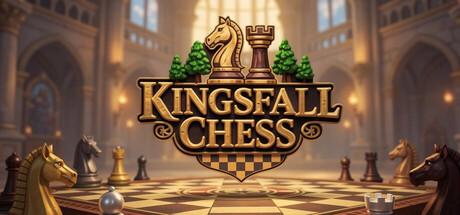
Kingsfall:Chess uses pre-generated AI-generated imagery for some visual assets within the game and promotional/store materials. Other visual assets were created by artists using traditional methods. No content is generated by AI during gameplay.
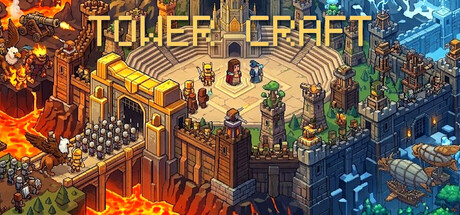
Tower Craft was developed with AI-assisted tools. All 3D models, animations and sound effects are procedurally generated by code that was written with AI assistance; the interface translations for the game's 14 languages were produced with AI assistance and reviewed by the developer. Store page text and marketing materials were also created with AI assistance. The game does not generate any content with AI at runtime — every battle plays out through deterministic, hand-tuned game logic.
Generative AI tools were used during development to assist with some pre-generated visual assets and with drafting, editing, and localization of text. All AI-assisted content was reviewed, edited, curated, and integrated by the developer before inclusion in the game. No content is generated by AI during gameplay.
The 2D background images in the main menu and the promotional (capsule) designs used on the Steam store page were created with the help of generative AI tools and subsequently edited manually. The characters, battlefields, and in-game pixel art graphics that make up the core game experience are completely outside of this scope.
Generative AI tools were used during development for limited coding assistance and as a starting point for some 3D assets. All AI-assisted content was reviewed, modified, and integrated by the developer. No generative AI is used during gameplay.
Certain visual assets incorporated into the final product were subject to a multi-stage development, revision, and production process involving, at intermediate stages of asset preparation, generative AI-assisted material, together with subsequent developer-directed editing, alteration, reconstruction, and final implementation.
We use generative AI to help identify coding errors that could otherwise take a significant amount of time to find manually.
We also use it during brainstorming to generate textures that would take a long time to create by hand and may ultimately be discarded.
All AI-generated feedback/content is reviewed and modified by a team member until it fits what we really want to do.
The majority of the game's programming was done by AI.
For the in-game text, AI is utilized as a supplementary tool to improve grammar, but all text is ultimately checked and adjusted manually. AI is also used for translating the game into other languages.
However, no AI is used whatsoever for the illustrations or UI.
Generative AI was used in the development of this game. 2D artwork (characters, familiars, cards, backgrounds, etc.) was created with image-generation AI, then curated, edited, and retouched by the developer. AI-assisted tools were also used during development (e.g., programming). No AI content is generated at runtime. BOT opponents are rule-based programs, not generative AI.
All pixel artwork is hand-made by a human artist (Dani Maccari, licensed and credited). Sound effects are procedurally synthesized from hand-authored code and Suno AI. AI tools were used during development as a programming assistant and to help draft and edit some in-game and store text, all of which was human-directed, reviewed, and curated. No generative AI runs at runtime, and no AI-generated imagery ships with the game.
Generative AI was used during development to create in-game 2D visual assets, as well as 2D upgrade icons and sound effects. Generative AI was also used for certain promotional voice-over audio. All generated outputs were reviewed, selected, edited, and integrated by the developer. The game does not use live generative AI or generate content at runtime. Every asset was created under the developer’s creative direction to reflect the developer’s own ideas and artistic vision.
Generative AI was used during development to assist with some pre-generated visual artwork. The development team reviewed and curated the AI-assisted artwork before including it in the game. No generative AI content is created during gameplay, and no player data or input is sent to an AI service.
Generative AI tools were used during development to assist with pre-generated content only.
AI-assisted content includes one promotional artwork asset used in the Steam store capsule and library assets, AI-generated imagery used in the game's story description, some in-game sound assets, localization and translation, and portions of certain 3D models.
All AI-assisted outputs were reviewed, selected, edited where necessary, and integrated by the developer before being included in the game or on the Steam store page.
The game does not generate content using AI while it is running, does not connect players to any generative AI service, and does not send player input to an AI service.
Some images and graphic elements used in the game were created with the assistance of generative artificial intelligence tools. These assets were subsequently selected, edited, and integrated into the game by the developers.
Generative AI has been used for concepts and early sketches of some backgrounds. No final graphical assets included in the game have been generated by AI.
Some promotional images have been enhanced using AI.
Some music tracks have been created with the help of AI.
Background music was generated with Suno. Background images and character sprites were generated with image-generation AI (Google Gemini, Pollo AI), then curated and edited by the developer. Much of the program code was written with an AI coding assistant (Claude Code) under the developer's direction and review. Game design and sound effects are the developer's own work. No content is generated by AI at runtime.
Kaperfahrt uses AI generated assets in two places. Both are placeholders and are being replaced with commissioned work.
The portrait illustrations on the wanted posters of the 23 Blacklist pirates were made with an AI image generator. They were bought as finished assets.
The soundtrack, the ambient audio and the spoken lines of the Blacklist pirates were made with Suno under a paid commercial licence.
Much of the 2D artwork in TRAP LAB — character sprites, enemy and boss art, and cutscene illustrations — was created with the help of generative AI image tools. Every generated image was hand-selected, edited, and assembled by the developer before being used in the game. The game's code, level design, and audio are hand-made and are not AI-generated.
The images in this game start from generative AI output and are then redrawn pixel by pixel by the developer. This covers equipment icons, character and enemy sprites, backgrounds, and the images on this store page.
The music was created with a generative AI music service under a commercial-use license.
The text is written in Japanese and machine-translated into other languages.
Some pre-rendered visual artwork, promotional material, as well as game elements were created with AI and then selected, edited, and integrated by the developer. The game does not generate AI content during gameplay and does not connect to third-party AI services during gameplay.
This game used generative AI during the development process to assist with the creation and modeling visual assets, including characters designs and environmental textures like buildings.
Generative AI tools were used to create pre-generated visual assets used in the game and its marketing, including the station environment, CRT console artwork, and selected trailer, store, and event artwork.
All outputs were art-directed, edited, composited, and approved by Ruldae before inclusion.
SIGNAL does not use generative AI while the game is running. No player input or personal data is sent to an AI service, and the game contains no live-generated AI content.
The non-English text is AI machine-translated for now (English is the only hand-written one), and it's labelled as AI in-game. If you're a native speaker and want to help fix the rough spots, there'll be an open localization repo for corrections, which ship in updates.
Generative AI was used to assist with the localization of the game's text into multiple languages. The Portuguese and English localizations were reviewed by the developer, while the Japanese localization received partial human review. Other supported languages were translated with AI assistance and have not yet received full human review, or their review is still in progress.
Kingsfall:Chess uses pre-generated AI-generated imagery for some visual assets within the game and promotional/store materials. Other visual assets were created by artists using traditional methods. No content is generated by AI during gameplay.
Tower Craft was developed with AI-assisted tools. All 3D models, animations and sound effects are procedurally generated by code that was written with AI assistance; the interface translations for the game's 14 languages were produced with AI assistance and reviewed by the developer. Store page text and marketing materials were also created with AI assistance. The game does not generate any content with AI at runtime — every battle plays out through deterministic, hand-tuned game logic.
Generative AI tools were used during development to assist with some pre-generated visual assets and with drafting, editing, and localization of text. All AI-assisted content was reviewed, edited, curated, and integrated by the developer before inclusion in the game. No content is generated by AI during gameplay.