Public Steam disclosure research25,706 disclosures tracked
Where do games disclose AI use?
Search developers’ Steam disclosures, compare classified AI use across
games, and follow recorded changes.
This index adds cross-game classifications and statistics to
statements published on individual store pages.
Groups reflect automatic analysis of public disclosures; mature records are excluded. These counts do not measure AI use across all of Steam.
Missing or unclear statements cannot establish whether a game uses AI.
Generative AI tools were used to create visual assets including achievement icons, store page capsules, and marketing materials. Additionally, AI-based Text-to-Speech (TTS) was used for in-game voiceovers. All AI-generated content has been manually reviewed and edited to ensure high quality and consistency with the game's artistic style.
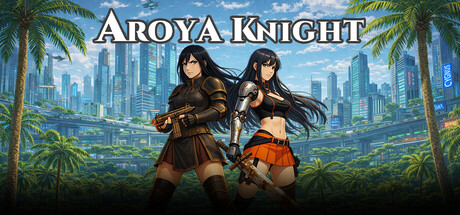
Aroya Knight is developed in Godot with a focus on precision and hand-crafted systems. While generative AI assisted in the early conceptual stages of asset creation, every asset has been manually crafted to ensure a cohesive aesthetic. Most importantly, all code is hand-written—including the 3,000+ line player controller—to guarantee the tight, responsive gameplay essential for a high-stakes Metroidvania.
AI tools are used to assist in the creation of some pre-rendered content, such as concept imagery, promotional visuals, or draft marketing assets (for example, store page artwork or community images).
This game uses AI-generated content for a small number of in-game item images and some UI elements. All gameplay systems, and core assets are created manually.
Some promotional images on the store page were created with the assistance of AI tools. All in game assets and gameplay content are original and manually created. The game does not use real time AI generated content.
I'm a solo developer making this game entirely on my own with a zero budget. Without AI, I would've gone mad creating such a massive project. It would've taken around 15 years just to reach Early Access.
To be completely transparent: during development, I may use AI tools to assist with content creation, primarily for routine tasks. However, everything is always manually reviewed and refined by me. The workflow is strictly: My work → AI → My work.
AI was used in the game's thumbnail and was not used in the game's code or any other development resources. However, the aforementioned thumbnail and all other game resources were created by the developer.
Artificial intelligence was used in this project to assist with generating and preparing graphic materials, including concept art and background elements. All gameplay logic, code, level design, and final implementation were created manually.
Abyssbound uses generative AI to create certain voice lines and character animations. These AI-generated elements are used to enhance atmosphere and storytelling, but they do not affect gameplay mechanics or player progression. All AI-generated content is integrated in a way that supports the game's artistic direction.
We use AI in early conceptual design, to figure out an appropriate background art. We then go through several iterations manually with artist modifications, to produce a good, highly polished background that gels well with our characters, story and intended art style.
Our characters are hand drawn by humans.
Our objects are hand drawn by humans.
All user interface (UI) elements are hand drawn by humans.
All animations are hand drawn and meticulously rigged (also by humans) using bone animation.
Some visual and text elements in this game were created with the help of AI tools during development.
No real-time AI is used during gameplay.
All AI-assisted content has been reviewed, modified and approved by the developer.
The billboard female model was created using AI, and the initial draft of the game icon was also generated with AI before being refined by me.
I lacked both the resources and the skills, and I apologize for this.
To support efficient development, generative AI tools assisted in creating early versions of some 3D models, item icon images, and voiceovers for trailers. Every element was then extensively reviewed, edited, refined, and adjusted by hand to fit the game's unique adorable aesthetic.
The developers used generative AI tools in the creation of the game's logo designs, character mouth animations, and the pre-rendered introductory video.
Certain mechanics and rendering optomizations were created using LLM(s). Majority of the code was written by me and some parts were taken from copyright-free tutorials on Youtube and Stack Overflow.
AI was used to create the images, but the character sprites were redrawn by artist, and the backgrounds were edited in a graphics editor. To create the music, AI was used as a reference, and then the composer created his tracks based on it.
This game uses AI-generated assets such as images and sound effects that were created during development and are pre-rendered into the game. No AI is used to generate content during gameplay, and players cannot generate content using AI. All AI-generated assets are reviewed by the developer to ensure they do not infringe on third-party rights.
We use AI in early conceptual design, to figure out an appropriate background art. We then go through several iterations manually with artist modifications, to produce a good, highly polished background that gels well with our characters, story and intended art style.
Our characters are hand drawn by humans.
Our objects are hand drawn by humans.
All user interface (UI) elements are hand drawn by humans.
All animations are hand drawn and meticulously rigged (also by humans) using bone animation.
AI tools were used exclusively to generate static illustrations and to assist with the translation of the game's text. All character sprites, tiles, and pixel art assets were created by hand by the developer. All AI-generated output has been reviewed, edited, and validated by the developer to ensure it fits the artistic direction and gameplay experience.
AI was used for localization only (UI and dialogue).
The following languages were translated using AI: German, French, Spanish, Chinese (Simplified), Japanese, and Russian.
All original English text is human-written, and the Greek translation was also done by a human.
Some of the promotional and storefront images were created with AI tools and then refined by hand. All of the in-game assets were designed by a 3D artist.
This game uses traditional, non-generative AI only for gameplay logic such as enemy navigation, combat behavior, and basic decision-making (for example taking cover, flanking, or reacting to player actions).
We do not use generative AI to create art, animation, audio, or text, and we do not use AI for biometric analysis, surveillance, or player profiling. No player data is used to train any AI systems.
Generative AI tools were used to create visual assets including achievement icons, store page capsules, and marketing materials. Additionally, AI-based Text-to-Speech (TTS) was used for in-game voiceovers. All AI-generated content has been manually reviewed and edited to ensure high quality and consistency with the game's artistic style.
Aroya Knight is developed in Godot with a focus on precision and hand-crafted systems. While generative AI assisted in the early conceptual stages of asset creation, every asset has been manually crafted to ensure a cohesive aesthetic. Most importantly, all code is hand-written—including the 3,000+ line player controller—to guarantee the tight, responsive gameplay essential for a high-stakes Metroidvania.
AI tools are used to assist in the creation of some pre-rendered content, such as concept imagery, promotional visuals, or draft marketing assets (for example, store page artwork or community images).
This game uses AI-generated content for a small number of in-game item images and some UI elements. All gameplay systems, and core assets are created manually.
Some promotional images on the store page were created with the assistance of AI tools. All in game assets and gameplay content are original and manually created. The game does not use real time AI generated content.
I'm a solo developer making this game entirely on my own with a zero budget. Without AI, I would've gone mad creating such a massive project. It would've taken around 15 years just to reach Early Access.
To be completely transparent: during development, I may use AI tools to assist with content creation, primarily for routine tasks. However, everything is always manually reviewed and refined by me. The workflow is strictly: My work → AI → My work.
AI was used in the game's thumbnail and was not used in the game's code or any other development resources. However, the aforementioned thumbnail and all other game resources were created by the developer.
Artificial intelligence was used in this project to assist with generating and preparing graphic materials, including concept art and background elements. All gameplay logic, code, level design, and final implementation were created manually.
Abyssbound uses generative AI to create certain voice lines and character animations. These AI-generated elements are used to enhance atmosphere and storytelling, but they do not affect gameplay mechanics or player progression. All AI-generated content is integrated in a way that supports the game's artistic direction.
We use AI in early conceptual design, to figure out an appropriate background art. We then go through several iterations manually with artist modifications, to produce a good, highly polished background that gels well with our characters, story and intended art style.
Our characters are hand drawn by humans.
Our objects are hand drawn by humans.
All user interface (UI) elements are hand drawn by humans.
All animations are hand drawn and meticulously rigged (also by humans) using bone animation.
Some visual and text elements in this game were created with the help of AI tools during development.
No real-time AI is used during gameplay.
All AI-assisted content has been reviewed, modified and approved by the developer.
The billboard female model was created using AI, and the initial draft of the game icon was also generated with AI before being refined by me.
I lacked both the resources and the skills, and I apologize for this.
To support efficient development, generative AI tools assisted in creating early versions of some 3D models, item icon images, and voiceovers for trailers. Every element was then extensively reviewed, edited, refined, and adjusted by hand to fit the game's unique adorable aesthetic.
The developers used generative AI tools in the creation of the game's logo designs, character mouth animations, and the pre-rendered introductory video.
Certain mechanics and rendering optomizations were created using LLM(s). Majority of the code was written by me and some parts were taken from copyright-free tutorials on Youtube and Stack Overflow.
AI was used to create the images, but the character sprites were redrawn by artist, and the backgrounds were edited in a graphics editor. To create the music, AI was used as a reference, and then the composer created his tracks based on it.
This game uses AI-generated assets such as images and sound effects that were created during development and are pre-rendered into the game. No AI is used to generate content during gameplay, and players cannot generate content using AI. All AI-generated assets are reviewed by the developer to ensure they do not infringe on third-party rights.
We use AI in early conceptual design, to figure out an appropriate background art. We then go through several iterations manually with artist modifications, to produce a good, highly polished background that gels well with our characters, story and intended art style.
Our characters are hand drawn by humans.
Our objects are hand drawn by humans.
All user interface (UI) elements are hand drawn by humans.
All animations are hand drawn and meticulously rigged (also by humans) using bone animation.
AI tools were used exclusively to generate static illustrations and to assist with the translation of the game's text. All character sprites, tiles, and pixel art assets were created by hand by the developer. All AI-generated output has been reviewed, edited, and validated by the developer to ensure it fits the artistic direction and gameplay experience.
AI was used for localization only (UI and dialogue).
The following languages were translated using AI: German, French, Spanish, Chinese (Simplified), Japanese, and Russian.
All original English text is human-written, and the Greek translation was also done by a human.
Some of the promotional and storefront images were created with AI tools and then refined by hand. All of the in-game assets were designed by a 3D artist.
This game uses traditional, non-generative AI only for gameplay logic such as enemy navigation, combat behavior, and basic decision-making (for example taking cover, flanking, or reacting to player actions).
We do not use generative AI to create art, animation, audio, or text, and we do not use AI for biometric analysis, surveillance, or player profiling. No player data is used to train any AI systems.