
Disclosure
The game's character artwork was created with the assistance of generative AI. Generative AI is not used to generate content during gameplay.
- Creator
- DriftVale
- Reviews
- -
- Added
- Aug 14, 2026
Public Steam disclosure research 25,710 disclosures tracked
Search developers’ Steam disclosures, compare classified AI use across games, and follow recorded changes. This index adds cross-game classifications and statistics to statements published on individual store pages.
Code help, debugging and other development work.
Capsule art, trailers and promotional material.
Pre-made art, audio, writing and other game assets.
Interactive or runtime AI features disclosed by the developer.
Groups reflect automatic analysis of public disclosures; mature records are excluded. These counts do not measure AI use across all of Steam. Missing or unclear statements cannot establish whether a game uses AI.
The game's character artwork was created with the assistance of generative AI. Generative AI is not used to generate content during gameplay.
The two announcer voices, BroadcASH and BOBcast, are generated with ElevenLabs from scripts we write and edit ourselves. Every line is approved, levelled and listened to by hand before it ships. Nothing else in the game is AI generated. The card art is emoji placeholder today, and is being replaced with original illustrations commissioned from human artists. The music is composed in-house by our own procedural scripts, and every track has a written provenance log. The rules, the design and the natural history research are ours. Some marketing and store copy is drafted with AI assistance and edited before use.
Some of the 2D pixel art assets in EndlessRain were created with the assistance of AI-based pixel art generation tools. This includes character and enemy sprites, item and ability icons, and environment art. All generated assets were reviewed, edited, and assembled by the developer before being included in the game. Code, game design, and game text were written by the developer without AI-generated content. No content is generated by AI while the game is running. All assets are pre-generated and ship as static files.
Some of our store and marketing art started as AI-generated images. We used Midjourney to create the base key art for the Steam capsules, the library hero and the page background, then edited and composited those into the final images ourselves. The logo, wordmark and typography are our own work. The game itself does not use generative AI. Every in-game asset (art, animation, UI, music, sound, and code) was made by us, by hand or with our own tools. We’ve reviewed the AI-assisted art, we hold the rights to use it commercially, and as far as we’re aware it doesn’t infringe anyone else’s work.
Petrivore uses AI-assisted tools in parts of its development: some icons and steam assets were made with AI image generation, the in-game text and steam page was translated with AI translation tools. All of it was reviewed and edited by the developer.
This work of love was made with the best tools and talent I could get my hands on. That includes commercially available AI tools, because what idiot wouldn't use the best tools at their disposal? Some of the sprite art, the key art, and the score were made with AI under my direction and finished by hand. Play the game. If it sucks, that's because I'm a lousy manager, not because some of the tools were AI.
No live AI generation is used during gameplay. TinSpring Soccer's boards, characters, textures, and sounds are produced procedurally by game code. AI tools were used under developer direction for implementation, localization, and selected store page artwork.
Generative AI was used during development to create some pre-generated 2D pixel art assets, including mine backgrounds, ores, and character artwork. Generative AI was also used to assist with some localization text. All generated output was reviewed, selected, and edited by the developer as needed. The game does not generate content during gameplay and does not connect to any external AI services.
Generative AI was used during development to assist with logos, graphical assets, and portions of the game’s code.
All artwork, character art, animation and audio in Fleshgrinder were created by human artists — the use of generative AI for art was contractually prohibited on this project. Generative AI was used to translate the game's text into its ten non-English languages, and to draft a portion of the in-game item descriptions and dialogue. No generative AI runs while you play; nothing is generated at runtime.
The background images and honeyberrys pictures are pre-rendered AI art.
Generative AI was used during development to create some 2D artwork, specifically cover art and certain in-game officer portraits. These assets were reviewed and integrated by the developer before release. They are pre-generated static files included with the game. The game does not use generative AI at runtime, and no content is generated or modified based on player input.
Green vs Tan was built with AI-assisted development tools under human direction. Every design decision was made and reviewed by a person. The art you see while playing is not shipped as image files. The soldiers, vehicles, carpet and bosses are drawn procedurally by the game's own code, and the sound effects are synthesized as they play. Some of our store and marketing artwork was AI-assisted and human-curated. No content is generated by AI while you play, and the game never calls out to an AI service.
Some of this game's visual assets (key art, character and hero illustrations, narration video plates) were created with generative image tools under human direction, with manual curation, retouching and compositing. The narrator's voice lines are synthesized speech generated from scripts written and edited by the developer. Some music tracks were created with generative music tools from developer-written prompts. All gameplay systems, code and game design are human-made. The game contains no live AI-generated content: everything was generated during development and reviewed before inclusion.
Generative AI was used to assist in the creation of a small number of pre-generated sound effects. All AI-assisted audio was reviewed and curated by the developer. No generative AI is used during gameplay, and the game does not generate content in real time.
Some visual assets were AI-assisted, then manually edited by our team. No AI content is generated during gameplay.
In this game AI was used to generate a few abstract textures in 4th and 5th game worlds. Game's logo was also made partially with a help of image generation tooling.
Some visual assets were created with the assistance of generative AI tools and then curated and edited by the developer: story illustrations, character portraits, key art / capsule backgrounds, and a small number of decorative item images. All gameplay sprites, animations, environments, music and sound effects are human-made assets used under CC0 / open licenses (credited in-game). Voice-over lines (English and Turkish) were generated with ElevenLabs text-to-speech under a commercial license, from scripts written by the developer. The game does not generate any content with AI at runtime. The developer has reviewed all AI-assisted content to ensure it is not illegal or infringing.
Generative AI was used in the following ways: • The title logo on our store capsule images was created with an AI image tool. Everything else in those images is real footage from the running game. • The trailer narration was written with AI assistance and voiced using ElevenLabs text-to-speech. • Some in-game text event descriptions, help and interface copy was written with AI assistance and edited by hand. The game itself is not AI-generated. The world simulation, the voxel terrain and its creatures, and all in-game art are hand-built. Sound effects and music are licensed from stock audio libraries. Nothing is generated while you play.
Tiny Knight and the Corrupted Crystal uses AI-generated music. All background music tracks were created with Suno, then edited, and mixed by the developer before being placed in the game.
Generative AI was used as a tool to assist with a portion of the character designs.
Generative AI was used during development for translations, some pixel art, and some music. AI-assisted content is human-reviewed before release. The main painting is historical public-domain art. Nothing is AI-generated during gameplay.
Pre-generated generative AI tools were used to create selected audio assets and Steam marketing artwork. All outputs were reviewed, curated, and edited by the developer. No content is generated live during gameplay.
The game uses pre-generated AI-assisted artwork created before release. It does not generate images, text, audio, or other content during runtime and does not connect to any external AI service.
During development, we used generative AI tools to transform early sketches and visual concepts into functional 2D game assets and visual materials that help define Cosmic Clicker’s identity. This included selected in-game assets, Steam store capsules, library artwork, icons, and key art. The generated results were reviewed, selected, refined, and integrated to maintain consistency with the game’s established art direction.
Image assets and some localized text were created with generative AI assistance, then manually processed and reviewed by the developer. No content is generated at runtime.
Some of this game's assets were made with the assistance of generative AI tools and were reviewed, curated and hand-finished by the developer. No content is generated while you play.
Some of the pre-rendered 2D art shipped with the game (era intermission illustrations, panel icons, campaign cover images and the Economic Association hall with economist portraits) was produced with generative image tools (fal.ai, Krea) from prompts authored by the developer, then post-processed by hand and by scripts in tools/. No generative AI is used at runtime. The game's simulation code, UI, isometric city renderer, world map (built from Natural Earth data) and all text, including the three interface languages, are authored by the developer.
Please note that all non-Chinese descriptions on this store page were localized using AI-assisted translation.
The pixel art was generated with PixelLab. The music was generated with Suno on a paid plan. I wrote the prompts, picked what worked, and threw out what didn't. The game itself, the economy, the systems, the design, the words on screen, I built. Nothing is generated while the game runs. Everything ships as files. There are no AI calls at play time, no AI voice, and no chatbots.
This is a one-person project — just me — and I used AI tools throughout development. All of it is pre-generated: the game doesn't make AI calls while you're playing, and it makes no network calls at all. Most of the code was written with AI coding assistants. Some of the writing players see was drafted the same way and then edited by me: the word lists the game builds its procedural company names from, the achievement titles, and the templates behind the news items and company filings. Those get assembled in-game by ordinary seeded code, not by a model. The store page copy was drafted with AI help as well. The app icon was made with an AI image generator. That same icon is also the Steam community icon, the Windows client icon, the store page background, and the base image for the achievement icons. The rest of the art isn't AI-generated. The capsules and library assets are drawn programmatically from the game's own stylesheet and some seeded procedural drawing code, the screenshots are straight captures of the game running, and the audio is synthesized as you play rather than being generated audio files.
Scuttled was created by a solo developer working with an AI assistant. AI was used under the developer's direction to help write the game's code, its in-game text and story logs, the procedurally drawn artwork and music, and the store page materials, including the key art and trailer. All of it was reviewed, revised, and approved by the developer. The game does not use AI at runtime: nothing is generated while you play, and everything you see and hear ships with the game exactly as authored.
Generative AI was used during development to assist with the creation of 2D concept art and background textures. The loading screen video is also made with generative AI. All final assets were manually edited and (if necessary) refined by the developer to match the game's art style. Voice lines for the characters were generated using AI voice tools based on licensed models. The scripts were entirely written by humans, and the generated audio was manually edited where necessary.
Generative AI was used to create the game's artwork, audio, localization, and promotional materials. All AI-generated content was personally reviewed, selected, directed, and refined by the developer before being included in the game. No generative AI is used during gameplay.
本作では、キャラクターイラスト、背景画像および音楽・効果音の制作過程に生成型AIを使用しています。これらの素材は開発者による生成後の選定・編集・調整を経て、本作の世界観や演出に合わせて使用しています。
Some 3D models and assets used in the game were created with the assistance of generative AI tools, then adapted, modified, and integrated into the game during development.
Dubstep: Solar System is an AI-assisted indie game — the studio name, Vibe Coded Reality, wears it proudly. Here is exactly how generative AI was used: MUSIC: The entire 46-track original dubstep soundtrack was generated with Suno under a paid commercial license, from prompts written by the developer — every track hand-picked from multiple takes and play-tested against the game's beat-gate timing. CODE: Much of the game's code was written with AI coding assistants working under the developer's direction; all game design, difficulty tuning, and play-testing are human work. STORE ARTWORK: The cover and capsule artwork were created with AI image tools, then composed and typeset by the developer. All in-game visuals are drawn procedurally by the game's own code — no AI-generated images appear inside the game itself, and nothing is generated by AI at runtime while you play.
I used AI to help create player models
Some of the content shipping with this game was created using generative AI: • Images: the title/loading screen, the store graphics (capsules) and the five faction portraits were generated with an image AI. • Audio: the title music, intro music, sector music tracks and the sound effects were created with AI tools. • Text: the store description was drafted with AI assistance. All of this content was selected, reviewed and integrated by hand. Not AI-generated: the 3D world, the ships, stations and effects — those are built procedurally and in Blender. The source code was developed with AI assistance; we mention this for completeness, even though development tools are exempt from disclosure.
AI was used for localization, while being manually reviewed, and as a time-saving step in the development of some image and model assets, for retopology, concepting, and inbetweening. The game contains no unmodified AI outputs.
Generative AI tools were used during development to assist with portions of the game's code, hand-drawn-style visual elements, original music and audio, written text, and some store and community marketing materials. All included material was reviewed, selected, edited, and integrated by the developer. The game does not use generative AI during gameplay and does not connect to external AI services. Its randomized meadows are created through conventional procedural generation.
Generative AI was used during the development of this game to assist with portions of the artwork, programming, and translation. All generated content was reviewed and edited by the developer as necessary.
AI was used to assist with the translation of the game's text into multiple languages.
AI-generated art object
All the art in Arcanum Solitarius, from the playing cards to the Arcana and the workshop backgrounds, was made with AI image generation using a model I trained myself. I was after one specific look: a medieval alchemist's workshop by candlelight, in aged parchment and dark walnut with verdigris and old gold. Most of the music was made the same way. I used AI to draft some of the in-game writing, then rewrote it into my own words. I picked and edited every piece before it went into the game, and the images on this page come from those same assets. Nothing is generated while you play.
コーディングと一部のサウンドアセットと画像アセットに生成AIを活用しています。
3D character and prop models and store artwork were created with the assistance of generative AI, then manually rigged, edited, and integrated by the developers. No content is AI-generated at runtime.
Used for music
no ai assets inside the game, just the store capsule
AI-generated art object
| Title⇅ | Disclosure | Creator⇅ | Src | Reviews⇅ | Added↓ |
|---|---|---|---|---|---|
 Cardrooms In-game content art | The game's character artwork was created with the assistance of generative AI. Generative AI is not used to generate content during gameplay. | DriftVale | - | Aug 14, 2026 | |
 The Cup In-game content audiotext | The two announcer voices, BroadcASH and BOBcast, are generated with ElevenLabs from scripts we write and edit ourselves. Every line is approved, levelled and listened to by hand before it ships.
Nothing else in the game is AI generated. The card art is emoji placeholder today, and is being replaced with original illustrations commissioned from human artists. The music is composed in-house by our own procedural scripts, and every track has a written provenance log. The rules, the design and the natural history research are ours.
Some marketing and store copy is drafted with AI assistance and edited before use. | Tkayy | - | Aug 14, 2026 | |
 EndlessRain In-game content art | Some of the 2D pixel art assets in EndlessRain were created with the assistance of AI-based pixel art generation tools. This includes character and enemy sprites, item and ability icons, and environment art.
All generated assets were reviewed, edited, and assembled by the developer before being included in the game. Code, game design, and game text were written by the developer without AI-generated content.
No content is generated by AI while the game is running. All assets are pre-generated and ship as static files. | airnuri | - | Aug 14, 2026 | |
 Gnomekeeper In-game content art | Some of our store and marketing art started as AI-generated images. We used Midjourney to create the base key art for the Steam capsules, the library hero and the page background, then edited and composited those into the final images ourselves. The logo, wordmark and typography are our own work.
The game itself does not use generative AI. Every in-game asset (art, animation, UI, music, sound, and code) was made by us, by hand or with our own tools.
We’ve reviewed the AI-assisted art, we hold the rights to use it commercially, and as far as we’re aware it doesn’t infringe anyone else’s work. | Omrune | - | Aug 14, 2026 | |
 Petrivore In-game content arttext | Petrivore uses AI-assisted tools in parts of its development: some icons and steam assets were made with AI image generation, the in-game text and steam page was translated with AI translation tools. All of it was reviewed and edited by the developer. | Tiny Badger | - | Aug 14, 2026 | |
 Morgierra: Survivor In-game content art | This work of love was made with the best tools and talent I could get my hands on. That includes commercially available AI tools, because what idiot wouldn't use the best tools at their disposal? Some of the sprite art, the key art, and the score were made with AI under my direction and finished by hand. Play the game. If it sucks, that's because I'm a lousy manager, not because some of the tools were AI. | TS Games | - | Aug 14, 2026 | |
 TinSpring Soccer In-game content artaudiotext | No live AI generation is used during gameplay. TinSpring Soccer's boards, characters, textures, and sounds are produced procedurally by game code. AI tools were used under developer direction for implementation, localization, and selected store page artwork. | Gaboo Arts Entertainment | - | Aug 14, 2026 | |
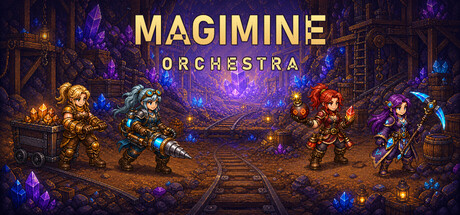 MagiMine Orchestra In-game content arttext | Generative AI was used during development to create some pre-generated 2D pixel art assets, including mine backgrounds, ores, and character artwork. Generative AI was also used to assist with some localization text. All generated output was reviewed, selected, and edited by the developer as needed. The game does not generate content during gameplay and does not connect to any external AI services. | Pitagora Games | - | Aug 14, 2026 | |
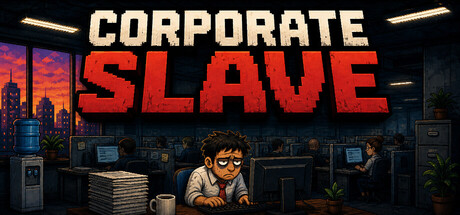 Corporate Slave In-game content artcode | Generative AI was used during development to assist with logos, graphical assets, and portions of the game’s code. | ATK-Play | - | Aug 14, 2026 | |
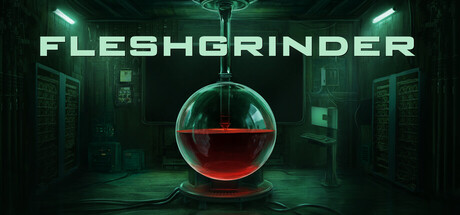 Fleshgrinder In-game content text | All artwork, character art, animation and audio in Fleshgrinder were created by human artists — the use of generative AI for art was contractually prohibited on this project. Generative AI was used to translate the game's text into its ten non-English languages, and to draft a portion of the in-game item descriptions and dialogue. No generative AI runs while you play; nothing is generated at runtime. | hainalcode | - | Aug 14, 2026 | |
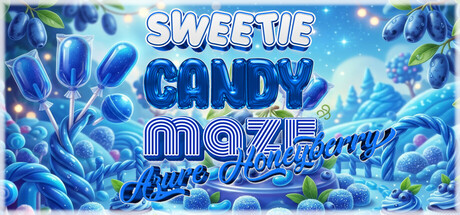 Sweetie Candy Maze: Azure Honeyberry In-game content art | The background images and honeyberrys pictures are pre-rendered AI art. | Cute Hannah's Games | - | Aug 14, 2026 | |
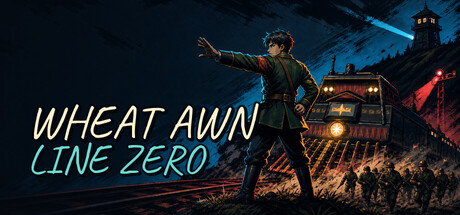 Wheat Awn: Line Zero In-game content art | Generative AI was used during development to create some 2D artwork, specifically cover art and certain in-game officer portraits. These assets were reviewed and integrated by the developer before release. They are pre-generated static files included with the game. The game does not use generative AI at runtime, and no content is generated or modified based on player input. | doggy brother | - | Aug 14, 2026 | |
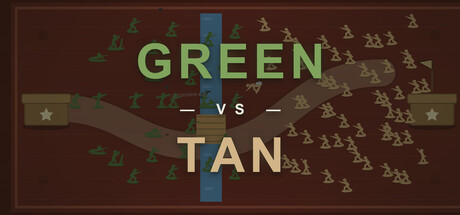 Green vs Tan In-game content artaudio | Green vs Tan was built with AI-assisted development tools under human direction. Every design decision was made and reviewed by a person.
The art you see while playing is not shipped as image files. The soldiers, vehicles, carpet and bosses are drawn procedurally by the game's own code, and the sound effects are synthesized as they play.
Some of our store and marketing artwork was AI-assisted and human-curated.
No content is generated by AI while you play, and the game never calls out to an AI service. | Corkscrew Games | - | Aug 14, 2026 | |
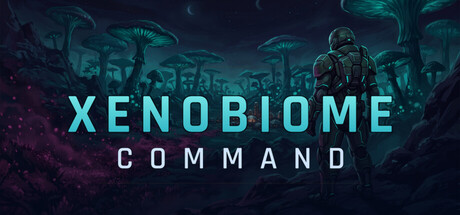 Xenobiome Command In-game content artaudiotext | Some of this game's visual assets (key art, character and hero illustrations, narration video plates) were created with generative image tools under human direction, with manual curation, retouching and compositing. The narrator's voice lines are synthesized speech generated from scripts written and edited by the developer. Some music tracks were created with generative music tools from developer-written prompts. All gameplay systems, code and game design are human-made. The game contains no live AI-generated content: everything was generated during development and reviewed before inclusion. | Gergo Nagy | - | Aug 14, 2026 | |
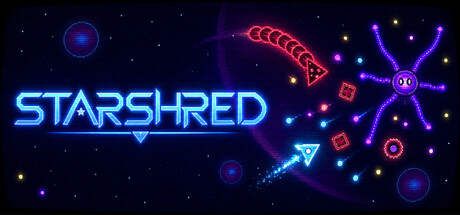 STARSHRED In-game content audio | Generative AI was used to assist in the creation of a small number of pre-generated sound effects. All AI-assisted audio was reviewed and curated by the developer. No generative AI is used during gameplay, and the game does not generate content in real time. | NEYSEGAMES | - | Aug 14, 2026 | |
 Portrise Idle In-game content art | Some visual assets were AI-assisted, then manually edited by our team. No AI content is generated during gameplay. | baldgames | - | Aug 14, 2026 | |
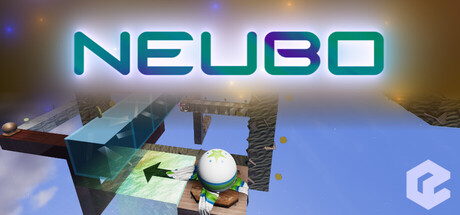 Neubo In-game content art | In this game AI was used to generate a few abstract textures in 4th and 5th game worlds. Game's logo was also made partially with a help of image generation tooling. | Neubound Games | - | Aug 14, 2026 | |
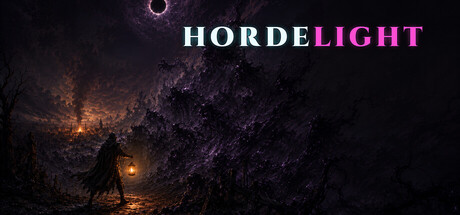 HORDELIGHT In-game content artaudio | Some visual assets were created with the assistance of generative AI tools and then curated and edited by the developer: story illustrations, character portraits, key art / capsule backgrounds, and a small number of decorative item images.
All gameplay sprites, animations, environments, music and sound effects are human-made assets used under CC0 / open licenses (credited in-game).
Voice-over lines (English and Turkish) were generated with ElevenLabs text-to-speech under a commercial license, from scripts written by the developer.
The game does not generate any content with AI at runtime. The developer has reviewed all AI-assisted content to ensure it is not illegal or infringing. | AGAMED GAMES | - | Aug 14, 2026 | |
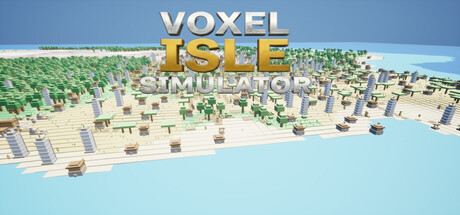 VOXEL ISLE SIMULATOR In-game content arttextaudio | Generative AI was used in the following ways:
• The title logo on our store capsule images was created with an AI image
tool. Everything else in those images is real footage from the running game.
• The trailer narration was written with AI assistance and voiced using
ElevenLabs text-to-speech.
• Some in-game text event descriptions, help and interface copy was
written with AI assistance and edited by hand.
The game itself is not AI-generated. The world simulation, the voxel terrain
and its creatures, and all in-game art are hand-built. Sound effects and music
are licensed from stock audio libraries. Nothing is generated while you play. | SFH PROD | - | Aug 14, 2026 | |
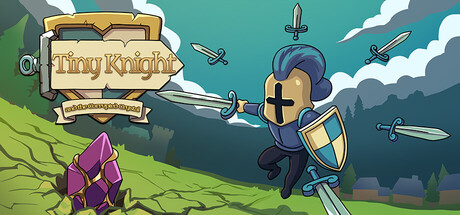 Tiny Knight and the Corrupted Crystal In-game content audio | Tiny Knight and the Corrupted Crystal uses AI-generated music. All background music tracks were created with Suno, then edited, and mixed by the developer before being placed in the game. | BlackBreeze Studios | - | Aug 14, 2026 | |
 VIOLENCE DOLL バイオレンスドール In-game content art | Generative AI was used as a tool to assist with a portion of the character designs. | Mechanical Games | - | Aug 14, 2026 | |
 Pastimes In-game content artaudiotext | Generative AI was used during development for translations, some pixel art, and some music. AI-assisted content is human-reviewed before release. The main painting is historical public-domain art. Nothing is AI-generated during gameplay. | Kaal | - | Aug 14, 2026 | |
 Forgotten Haven: The First Call In-game content audioart | Pre-generated generative AI tools were used to create selected audio assets and Steam marketing artwork. All outputs were reviewed, curated, and edited by the developer. No content is generated live during gameplay. | Infotrium Inc. | - | Aug 14, 2026 | |
 雾锁荒城 In-game content art | The game uses pre-generated AI-assisted artwork created before release. It does not generate images, text, audio, or other content during runtime and does not connect to any external AI service. | 温州金酷网络科技有限公司 | - | Aug 14, 2026 | |
 Cosmic Clicker In-game content art | During development, we used generative AI tools to transform early sketches and visual concepts into functional 2D game assets and visual materials that help define Cosmic Clicker’s identity. This included selected in-game assets, Steam store capsules, library artwork, icons, and key art.
The generated results were reviewed, selected, refined, and integrated to maintain consistency with the game’s established art direction. | Gladino | - | Aug 14, 2026 | |
 六界牌鬥 Six Realms In-game content arttext | Image assets and some localized text were created with generative AI assistance, then manually processed and reviewed by the developer. No content is generated at runtime. | 火星 MARS | - | Aug 14, 2026 | |
 Neon Highway In-game content art | Some of this game's assets were made with the assistance of generative AI tools and were reviewed, curated and hand-finished by the developer. No content is generated while you play. | Meridian Studios | - | Aug 14, 2026 | |
 Governor In-game content arttext | Some of the pre-rendered 2D art shipped with the game (era intermission illustrations, panel icons, campaign cover images and the Economic Association hall with economist portraits) was produced with generative image tools (fal.ai, Krea) from prompts authored by the developer, then post-processed by hand and by scripts in tools/. No generative AI is used at runtime. The game's simulation code, UI, isometric city renderer, world map (built from Natural Earth data) and all text, including the three interface languages, are authored by the developer. | Daniling | - | Aug 14, 2026 | |
 theDIARY In-game content text | Please note that all non-Chinese descriptions on this store page were localized using AI-assisted translation. | 酒神工作室 | - | Aug 14, 2026 | |
 SPINDLEDRIFT In-game content artaudiotext | The pixel art was generated with PixelLab. The music was generated with Suno on a paid plan. I wrote the prompts, picked what worked, and threw out what didn't. The game itself, the economy, the systems, the design, the words on screen, I built. Nothing is generated while the game runs. Everything ships as files. There are no AI calls at play time, no AI voice, and no chatbots. | Half Ass Studios | - | Aug 14, 2026 | |
 Volatility In-game content codetextart | This is a one-person project — just me — and I used AI tools throughout development. All of it is pre-generated: the game doesn't make AI calls while you're playing, and it makes no network calls at all.
Most of the code was written with AI coding assistants. Some of the writing players see was drafted the same way and then edited by me: the word lists the game builds its procedural company names from, the achievement titles, and the templates behind the news items and company filings. Those get assembled in-game by ordinary seeded code, not by a model. The store page copy was drafted with AI help as well.
The app icon was made with an AI image generator. That same icon is also the Steam community icon, the Windows client icon, the store page background, and the base image for the achievement icons.
The rest of the art isn't AI-generated. The capsules and library assets are drawn programmatically from the game's own stylesheet and some seeded procedural drawing code, the screenshots are straight captures of the game running, and the audio is synthesized as you play rather than being generated audio files. | Dancing_Penguin | - | Aug 14, 2026 | |
 Scuttled In-game content artaudiotextcode | Scuttled was created by a solo developer working with an AI assistant. AI was used under the developer's direction to help write the game's code, its in-game text and story logs, the procedurally drawn artwork and music, and the store page materials, including the key art and trailer. All of it was reviewed, revised, and approved by the developer. The game does not use AI at runtime: nothing is generated while you play, and everything you see and hear ships with the game exactly as authored. | Tallboy Games | - | Aug 14, 2026 | |
 Lying Thieves: Amsterdam In-game content artaudio | Generative AI was used during development to assist with the creation of 2D concept art and background textures. The loading screen video is also made with generative AI. All final assets were manually edited and (if necessary) refined by the developer to match the game's art style.
Voice lines for the characters were generated using AI voice tools based on licensed models. The scripts were entirely written by humans, and the generated audio was manually edited where necessary. | Sitix | - | Aug 14, 2026 | |
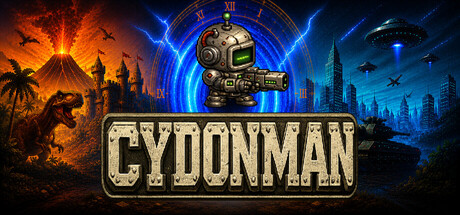 CydonMan In-game content artaudiotext | Generative AI was used to create the game's artwork, audio, localization, and promotional materials. All AI-generated content was personally reviewed, selected, directed, and refined by the developer before being included in the game. No generative AI is used during gameplay. | YesNine | - | Aug 14, 2026 | |
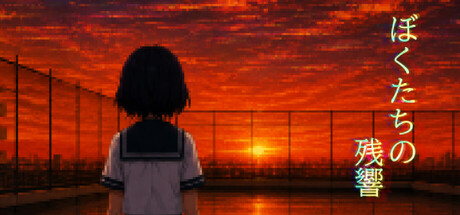 ぼくたちの残響 In-game content artaudio | 本作では、キャラクターイラスト、背景画像および音楽・効果音の制作過程に生成型AIを使用しています。これらの素材は開発者による生成後の選定・編集・調整を経て、本作の世界観や演出に合わせて使用しています。 | OUTDATED NOVISE | - | Aug 14, 2026 | |
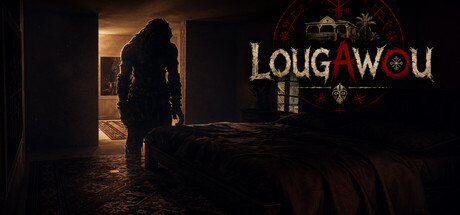 LOUGAWOU In-game content art | Some 3D models and assets used in the game were created with the assistance of generative AI tools, then adapted, modified, and integrated into the game during development. | Lakay Games | - | Aug 14, 2026 | |
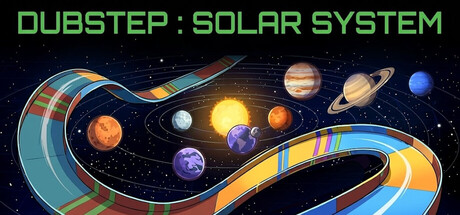 Dubstep: Solar System In-game content audioartcode | Dubstep: Solar System is an AI-assisted indie game — the studio name, Vibe Coded Reality, wears it proudly. Here is exactly how generative AI was used:
MUSIC: The entire 46-track original dubstep soundtrack was generated with Suno under a paid commercial license, from prompts written by the developer — every track hand-picked from multiple takes and play-tested against the game's beat-gate timing.
CODE: Much of the game's code was written with AI coding assistants working under the developer's direction; all game design, difficulty tuning, and play-testing are human work.
STORE ARTWORK: The cover and capsule artwork were created with AI image tools, then composed and typeset by the developer.
All in-game visuals are drawn procedurally by the game's own code — no AI-generated images appear inside the game itself, and nothing is generated by AI at runtime while you play. | Ian Rosner | - | Aug 14, 2026 | |
 Terrible Forest Management In-game content art | I used AI to help create player models | SwampMeister Games | - | Aug 14, 2026 | |
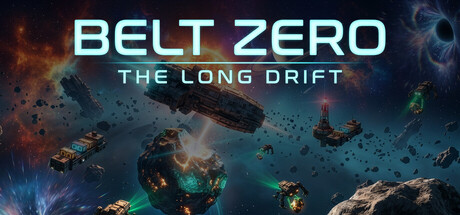 Belt Zero In-game content artaudiotext | Some of the content shipping with this game was created using generative AI:
• Images: the title/loading screen, the store graphics (capsules) and the five faction portraits were generated with an image AI. • Audio: the title music, intro music, sector music tracks and the sound effects were created with AI tools. • Text: the store description was drafted with AI assistance.
All of this content was selected, reviewed and integrated by hand. Not AI-generated: the 3D world, the ships, stations and effects — those are built procedurally and in Blender. The source code was developed with AI assistance; we mention this for completeness, even though development tools are exempt from disclosure. | Kay Maik Dev | - | Aug 14, 2026 | |
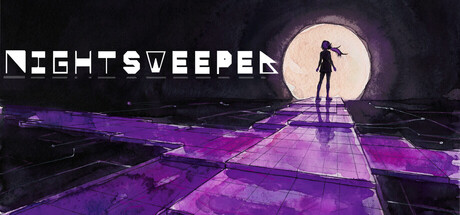 NIGHTSWEEPER In-game content textart | AI was used for localization, while being manually reviewed, and as a time-saving step in the development of some image and model assets, for retopology, concepting, and inbetweening.
The game contains no unmodified AI outputs. | Ryan Wheeler | - | Aug 14, 2026 | |
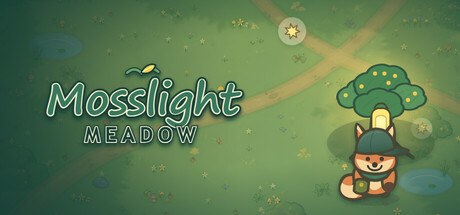 Mosslight Meadow In-game content artaudiotextcode | Generative AI tools were used during development to assist with portions of the game's code, hand-drawn-style visual elements, original music and audio, written text, and some store and community marketing materials. All included material was reviewed, selected, edited, and integrated by the developer.
The game does not use generative AI during gameplay and does not connect to external AI services. Its randomized meadows are created through conventional procedural generation. | Lanternleaf Games | - | Aug 14, 2026 | |
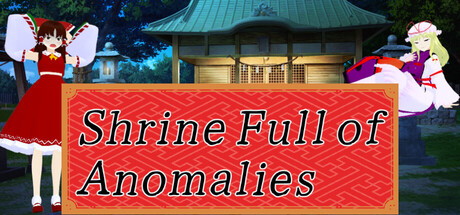 Shrine Full of Anomalies In-game content artcodetext | Generative AI was used during the development of this game to assist with portions of the artwork, programming, and translation. All generated content was reviewed and edited by the developer as necessary. | GamingGentoo | - | Aug 14, 2026 | |
 FireEgg Blast In-game content text | AI was used to assist with the translation of the game's text into multiple languages. | larvava | - | Aug 14, 2026 | |
 Carry Bros: Find It Together In-game content art | AI-generated art object | Red Suns Tech | - | Aug 14, 2026 | |
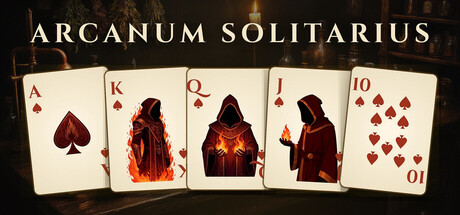 Arcanum Solitarius In-game content artaudiotext | All the art in Arcanum Solitarius, from the playing cards to the Arcana and the workshop backgrounds, was made with AI image generation using a model I trained myself. I was after one specific look: a medieval alchemist's workshop by candlelight, in aged parchment and dark walnut with verdigris and old gold. Most of the music was made the same way. I used AI to draft some of the in-game writing, then rewrote it into my own words. I picked and edited every piece before it went into the game, and the images on this page come from those same assets. Nothing is generated while you play. | Arcanica Games | - | Aug 14, 2026 | |
 ハイブラシルの魔王 In-game content artaudio | コーディングと一部のサウンドアセットと画像アセットに生成AIを活用しています。 | mikouri | - | Aug 14, 2026 | |
 Murder Your Friends In-game content art | 3D character and prop models and store artwork were created with the assistance of generative AI, then manually rigged, edited, and integrated by the developers. No content is AI-generated at runtime. | Friendslop Studios | - | Aug 14, 2026 | |
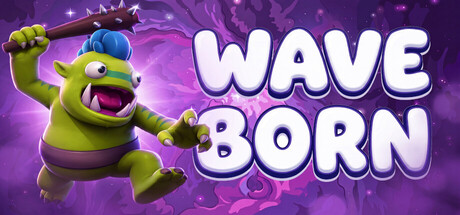 WaveBorn In-game content audio | Used for music | Sedge Games | - | Aug 14, 2026 | |
 FastFoo In-game content art | no ai assets inside the game, just the store capsule | Play365 | - | Aug 14, 2026 | |
 Escape Together: Prison Break In-game content art | AI-generated art object | Among Super-Eaters | - | Aug 14, 2026 |


