Public Steam disclosure research25,714 disclosures tracked
Where do games disclose AI use?
Search developers’ Steam disclosures, compare classified AI use across
games, and follow recorded changes.
This index adds cross-game classifications and statistics to
statements published on individual store pages.
Groups reflect automatic analysis of public disclosures; mature records are excluded. These counts do not measure AI use across all of Steam.
Missing or unclear statements cannot establish whether a game uses AI.
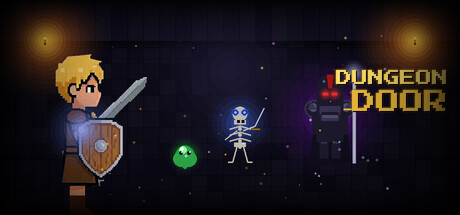
Dungeon Door utilizes generative AI to enhance creative expression and development efficiency as follows:
Artwork and Visual Assets: Generative AI was used in the conceptualization of character designs and the creation of marketing assets for the Steam store page. Every asset has been carefully reviewed and manually refined to ensure it adheres to the intended classic pixel art aesthetic.
Text and Narrative: AI tools assisted in drafting store descriptions, synopses, and localizing in-game text to provide a consistent experience across different languages.
We have carefully crafted a complete set of NPC dialogue without the use of AI. At the same time, we are experimenting with an additional feature powered by AI large language models, allowing players to freely converse with their favorite NPCs. This is an exploratory feature that exists entirely separately from the traditional game content.
These experimental elements are intended to offer players a new additional experience and will not affect the complete single-player experience. Whether this feature will be included in the final release has not yet been decided. Even if it is ultimately implemented, it will be optional rather than required.
Generative AI tools were used to assist with drafting and editing store page text and marketing descriptions. All final content is reviewed and edited by the developer.
This game does not utilize real-time AI-generated content output. In accordance with Steam guidelines, only pre-created and verified content is used.
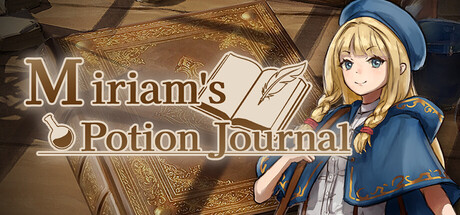
To improve development efficiency and quality, AI-generated technology is used supplementarily in the following applications:
Program code support: Code refactoring, review, and code completion
Text translation: English translation support
Graphic asset creation: Base generation of some visuals such as potions, crafting ingredients, and background images
Furthermore, all of this content is manually reviewed and edited (added or modified); no unprocessed AI-generated content is used.
This game uses generative AI to assist with parts of the creative process, including some artwork, voice/audio content, written text, localization, and marketing materials. AI-assisted content is reviewed, edited, and selected by the developer before being included in the game.
The overall story direction, game design, character concepts, and final creative decisions are made by the developer.
Character art and event scene illustrations in this game were created using AI image generation tools. All generated images were curated, edited, and refined by the developer to produce the final in-game assets. No AI content is generated in real time during gameplay.
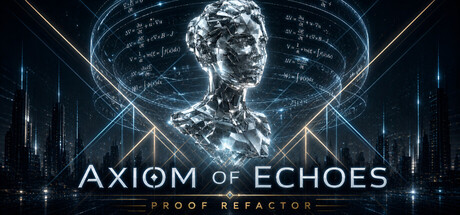
Axiom of Echoes uses generative AI for part of its assets. The store and library artwork (capsule, header, and library images) was created with AI image-generation tools and then curated and edited by hand.
Portions of the soundtrack, sound effects, and voice narration were produced with AI audio tools. All AI-assisted content is reviewed by a human before it ships. The gameplay itself — the 3D voxel puzzles, their target shapes and solutions — is generated procedurally from mathematical formulas, not by AI.
Generative AI tools were used during development to assist with some pre-generated visual and text assets, including Steam store or marketing materials. All AI-assisted content is reviewed and included before release. The game does not generate new AI content during gameplay and does not connect to external AI services while running.
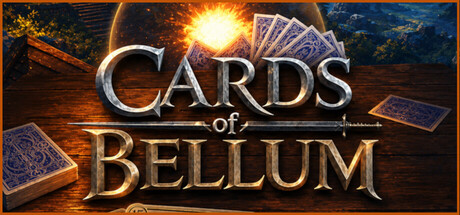
Our team used generative AI tools to help develop some in-game card images and the images for our Steam Achievements. For any assets acquired from third-party artists, we were not always able to confirm whether generative AI was used in their creation. This is the full extent of our AI usage.
AI Disclosure
This game was developed entirely with the assistance of large language models and generative AI tools. AI systems were used for graphic asset generation, concept art, narrative text drafting, lore writing, design review, creative critique, initial structural planning, code architecture, system design, feature implementation, iterative refinement, and debugging. All lore, mechanics, story, art, and game systems are pre-authored and fully static. No AI processing or generation occurs at runtime — the game runs entirely on pre-built code with no live model calls. This disclosure is provided in compliance with Steam's AI Content Policy and Valve developer transparency guidelines.
Some of the textures of the game is created using AI. Some of the images are taking personal own stills and rendered into 2D pixel images using AI tools.
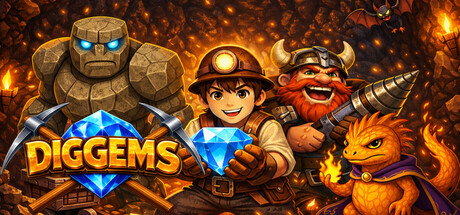
Diggems is developed by a very small team, and we use generative AI tools to assist with some pre-generated 2D and 3D art assets outside our core skill set. All AI-assisted assets are reviewed and adjusted before being included in the game.
Some visuals, text, and promotional materials (including the trailer) were created with the help of AI.
Imperfections, inconsistencies, and “errors” are intentional — they reflect a world where systems don’t always make sense, yet people rely on them anyway.
This is not a bug. It’s the design.
Artificial intelligence (AI) was leveraged for key aspects of the game's development, including in-game logic, support systems, and certain artistic assets.
Generative AI was used to assist in creating selected promotional artwork and logo/icon assets for the Steam store page. All outputs were reviewed, selected, and edited by the developer. Generative AI is not used during gameplay, and no content is generated live for players.
Generative AI was used in this game’s development and related asset creation, including the game code, three music tracks, selected visual assets, and multilingual localization translation.
This game uses generative AI tools during development to assist with the creation of some story drafts, character and scene image assets, interface text, and code generation or optimization.
All AI-assisted content has been manually reviewed, edited, selected, and integrated by the developer to fit the game’s story, children’s sci-fi style, and overall presentation. The final narrative, gameplay structure, character design, and in-game content are curated and approved by the developer.
The game does not generate AI content in real time during gameplay, and it does not submit player input, choices, or gameplay data to any generative AI service.
Generative AI was used to create the music and for text translation. Distant views in the image were partially edited using generative AI but manually edited for the final product.
AI tools were used to generate store/marketing illustrations (capsule, hero, banners, trailer). All in-game graphics are procedurally generated in real time and do not use AI
Some store page assets and library assets (marketing banner etc), as well as some artwork and maybe 10% of the sound effects, were created with the assistance of AI.
The music is entirely human. No AI music in the game.
Since english is not my native language.
During the development, I use AI and grammar websites to help me correct my sentences.
But all the text was conceived and finalized by me.
Generative AI (OpenAI ChatGPT) was used to create the title/boot key art and the 20 achievement badge icons. The game's code — which procedurally generates the city, UI and synthesized music — was written with AI coding assistance (Anthropic Claude).
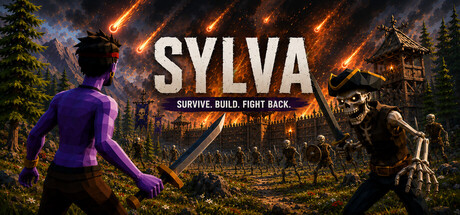
SYLVA contains pre-generated AI-assisted content. Generative AI tools were used during development to create and refine certain store page artwork, capsule images, library assets, loading screen artwork, logos, promotional materials, visual concepts, text drafts, localization assistance, and software development workflows.
All AI-assisted content was reviewed, modified, and approved by the developer before being included in the game or published on the Steam store page. The final game design, gameplay systems, progression, balancing, world design, and creative direction are determined by the developer.
SYLVA does not generate real-time AI content during gameplay.
Some Steam store page promotional images were created or edited with the assistance of generative AI tools. These assets are used only for store page or marketing presentation.
The playable game itself does not include generative AI features, does not connect to any AI service, and does not generate images, audio, text, or other content at runtime. No AI-generated images, audio, or text are included in the playable game build.
My game currently uses generative AI only to assist with temporary localization and translation work, mainly as a placeholder until the translations can be reviewed and replaced by professional human translators.
Dungeon Door utilizes generative AI to enhance creative expression and development efficiency as follows:
Artwork and Visual Assets: Generative AI was used in the conceptualization of character designs and the creation of marketing assets for the Steam store page. Every asset has been carefully reviewed and manually refined to ensure it adheres to the intended classic pixel art aesthetic.
Text and Narrative: AI tools assisted in drafting store descriptions, synopses, and localizing in-game text to provide a consistent experience across different languages.
We have carefully crafted a complete set of NPC dialogue without the use of AI. At the same time, we are experimenting with an additional feature powered by AI large language models, allowing players to freely converse with their favorite NPCs. This is an exploratory feature that exists entirely separately from the traditional game content.
These experimental elements are intended to offer players a new additional experience and will not affect the complete single-player experience. Whether this feature will be included in the final release has not yet been decided. Even if it is ultimately implemented, it will be optional rather than required.
Generative AI tools were used to assist with drafting and editing store page text and marketing descriptions. All final content is reviewed and edited by the developer.
This game does not utilize real-time AI-generated content output. In accordance with Steam guidelines, only pre-created and verified content is used.
To improve development efficiency and quality, AI-generated technology is used supplementarily in the following applications:
Program code support: Code refactoring, review, and code completion
Text translation: English translation support
Graphic asset creation: Base generation of some visuals such as potions, crafting ingredients, and background images
Furthermore, all of this content is manually reviewed and edited (added or modified); no unprocessed AI-generated content is used.
This game uses generative AI to assist with parts of the creative process, including some artwork, voice/audio content, written text, localization, and marketing materials. AI-assisted content is reviewed, edited, and selected by the developer before being included in the game.
The overall story direction, game design, character concepts, and final creative decisions are made by the developer.
Character art and event scene illustrations in this game were created using AI image generation tools. All generated images were curated, edited, and refined by the developer to produce the final in-game assets. No AI content is generated in real time during gameplay.
Axiom of Echoes uses generative AI for part of its assets. The store and library artwork (capsule, header, and library images) was created with AI image-generation tools and then curated and edited by hand.
Portions of the soundtrack, sound effects, and voice narration were produced with AI audio tools. All AI-assisted content is reviewed by a human before it ships. The gameplay itself — the 3D voxel puzzles, their target shapes and solutions — is generated procedurally from mathematical formulas, not by AI.
Generative AI tools were used during development to assist with some pre-generated visual and text assets, including Steam store or marketing materials. All AI-assisted content is reviewed and included before release. The game does not generate new AI content during gameplay and does not connect to external AI services while running.
Our team used generative AI tools to help develop some in-game card images and the images for our Steam Achievements. For any assets acquired from third-party artists, we were not always able to confirm whether generative AI was used in their creation. This is the full extent of our AI usage.
AI Disclosure
This game was developed entirely with the assistance of large language models and generative AI tools. AI systems were used for graphic asset generation, concept art, narrative text drafting, lore writing, design review, creative critique, initial structural planning, code architecture, system design, feature implementation, iterative refinement, and debugging. All lore, mechanics, story, art, and game systems are pre-authored and fully static. No AI processing or generation occurs at runtime — the game runs entirely on pre-built code with no live model calls. This disclosure is provided in compliance with Steam's AI Content Policy and Valve developer transparency guidelines.
Some of the textures of the game is created using AI. Some of the images are taking personal own stills and rendered into 2D pixel images using AI tools.
Diggems is developed by a very small team, and we use generative AI tools to assist with some pre-generated 2D and 3D art assets outside our core skill set. All AI-assisted assets are reviewed and adjusted before being included in the game.
Some visuals, text, and promotional materials (including the trailer) were created with the help of AI.
Imperfections, inconsistencies, and “errors” are intentional — they reflect a world where systems don’t always make sense, yet people rely on them anyway.
This is not a bug. It’s the design.
Artificial intelligence (AI) was leveraged for key aspects of the game's development, including in-game logic, support systems, and certain artistic assets.
Generative AI was used to assist in creating selected promotional artwork and logo/icon assets for the Steam store page. All outputs were reviewed, selected, and edited by the developer. Generative AI is not used during gameplay, and no content is generated live for players.
Generative AI was used in this game’s development and related asset creation, including the game code, three music tracks, selected visual assets, and multilingual localization translation.
This game uses generative AI tools during development to assist with the creation of some story drafts, character and scene image assets, interface text, and code generation or optimization.
All AI-assisted content has been manually reviewed, edited, selected, and integrated by the developer to fit the game’s story, children’s sci-fi style, and overall presentation. The final narrative, gameplay structure, character design, and in-game content are curated and approved by the developer.
The game does not generate AI content in real time during gameplay, and it does not submit player input, choices, or gameplay data to any generative AI service.
Generative AI was used to create the music and for text translation. Distant views in the image were partially edited using generative AI but manually edited for the final product.
AI tools were used to generate store/marketing illustrations (capsule, hero, banners, trailer). All in-game graphics are procedurally generated in real time and do not use AI
Some store page assets and library assets (marketing banner etc), as well as some artwork and maybe 10% of the sound effects, were created with the assistance of AI.
The music is entirely human. No AI music in the game.
Since english is not my native language.
During the development, I use AI and grammar websites to help me correct my sentences.
But all the text was conceived and finalized by me.
Generative AI (OpenAI ChatGPT) was used to create the title/boot key art and the 20 achievement badge icons. The game's code — which procedurally generates the city, UI and synthesized music — was written with AI coding assistance (Anthropic Claude).
SYLVA contains pre-generated AI-assisted content. Generative AI tools were used during development to create and refine certain store page artwork, capsule images, library assets, loading screen artwork, logos, promotional materials, visual concepts, text drafts, localization assistance, and software development workflows.
All AI-assisted content was reviewed, modified, and approved by the developer before being included in the game or published on the Steam store page. The final game design, gameplay systems, progression, balancing, world design, and creative direction are determined by the developer.
SYLVA does not generate real-time AI content during gameplay.
Some Steam store page promotional images were created or edited with the assistance of generative AI tools. These assets are used only for store page or marketing presentation.
The playable game itself does not include generative AI features, does not connect to any AI service, and does not generate images, audio, text, or other content at runtime. No AI-generated images, audio, or text are included in the playable game build.
My game currently uses generative AI only to assist with temporary localization and translation work, mainly as a placeholder until the translations can be reviewed and replaced by professional human translators.