Public Steam disclosure research25,714 disclosures tracked
Where do games disclose AI use?
Search developers’ Steam disclosures, compare classified AI use across
games, and follow recorded changes.
This index adds cross-game classifications and statistics to
statements published on individual store pages.
Groups reflect automatic analysis of public disclosures; mature records are excluded. These counts do not measure AI use across all of Steam.
Missing or unclear statements cannot establish whether a game uses AI.
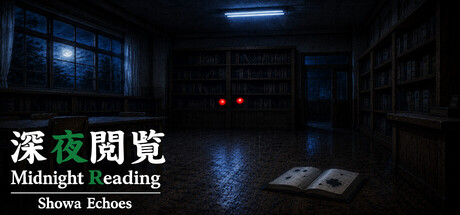
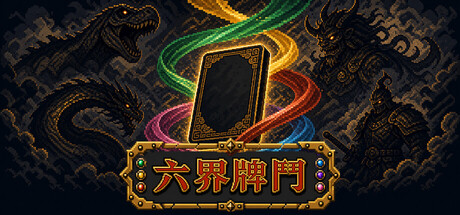
The images in this game start from generative AI output and are then redrawn pixel by pixel by the developer. This covers equipment icons, character and enemy sprites, backgrounds, and the images on this store page.
The music was created with a generative AI music service under a commercial-use license.
The text is written in Japanese and machine-translated into other languages.
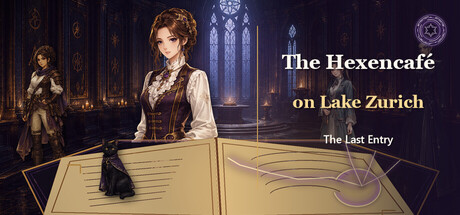
Some pre-rendered visual artwork, promotional material, as well as game elements were created with AI and then selected, edited, and integrated by the developer. The game does not generate AI content during gameplay and does not connect to third-party AI services during gameplay.
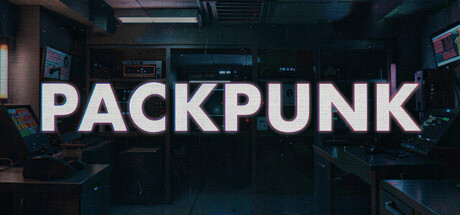
Generative AI tools were used to create pre-generated visual assets used in the game and its marketing, including the station environment, CRT console artwork, and selected trailer, store, and event artwork.
All outputs were art-directed, edited, composited, and approved by Ruldae before inclusion.
SIGNAL does not use generative AI while the game is running. No player input or personal data is sent to an AI service, and the game contains no live-generated AI content.
Some visual assets and promotional images were created with generative AI tools and later reviewed, modified, and integrated by the developer. No generative AI content is created during gameplay.
Generative AI was used to assist with the localization of the game's text into multiple languages. The Portuguese and English localizations were reviewed by the developer, while the Japanese localization received partial human review. Other supported languages were translated with AI assistance and have not yet received full human review, or their review is still in progress.
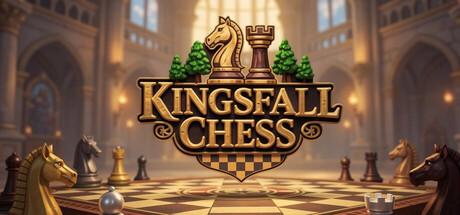
Kingsfall:Chess uses pre-generated AI-generated imagery for some visual assets within the game and promotional/store materials. Other visual assets were created by artists using traditional methods. No content is generated by AI during gameplay.
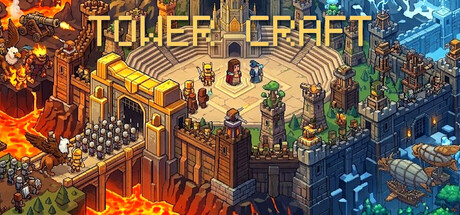
Tower Craft was developed with AI-assisted tools. All 3D models, animations and sound effects are procedurally generated by code that was written with AI assistance; the interface translations for the game's 14 languages were produced with AI assistance and reviewed by the developer. Store page text and marketing materials were also created with AI assistance. The game does not generate any content with AI at runtime — every battle plays out through deterministic, hand-tuned game logic.
AI-assisted tools were used in a limited capacity during development, including for some visual assets and text proofreading. All resulting content was reviewed, edited, and finalized manually by the development team.
AI was used solely as a supportive development tool. The game's creative direction and final content were created and developed by the team.
Generative AI tools were used during development to assist with some pre-generated visual assets and with drafting, editing, and localization of text. All AI-assisted content was reviewed, edited, curated, and integrated by the developer before inclusion in the game. No content is generated by AI during gameplay.
Generative AI tools were used during the development process exclusively to assist with programming, specifically for structuring GDScript code and debugging.
The two announcer voices, BroadcASH and BOBcast, are generated with ElevenLabs from scripts we write and edit ourselves. Every line is approved, levelled and listened to by hand before it ships.
Nothing else in the game is AI generated. The card art is emoji placeholder today, and is being replaced with original illustrations commissioned from human artists. The music is composed in-house by our own procedural scripts, and every track has a written provenance log. The rules, the design and the natural history research are ours.
Some marketing and store copy is drafted with AI assistance and edited before use.
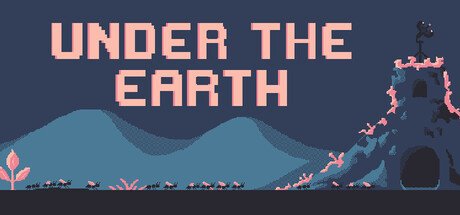
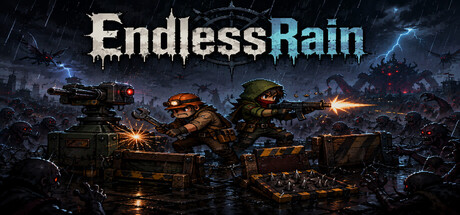
Some of the 2D pixel art assets in EndlessRain were created with the assistance of AI-based pixel art generation tools. This includes character and enemy sprites, item and ability icons, and environment art.
All generated assets were reviewed, edited, and assembled by the developer before being included in the game. Code, game design, and game text were written by the developer without AI-generated content.
No content is generated by AI while the game is running. All assets are pre-generated and ship as static files.
Some of our store and marketing art started as AI-generated images. We used Midjourney to create the base key art for the Steam capsules, the library hero and the page background, then edited and composited those into the final images ourselves. The logo, wordmark and typography are our own work.
The game itself does not use generative AI. Every in-game asset (art, animation, UI, music, sound, and code) was made by us, by hand or with our own tools.
We’ve reviewed the AI-assisted art, we hold the rights to use it commercially, and as far as we’re aware it doesn’t infringe anyone else’s work.
Petrivore uses AI-assisted tools in parts of its development: some icons and steam assets were made with AI image generation, the in-game text and steam page was translated with AI translation tools. All of it was reviewed and edited by the developer.
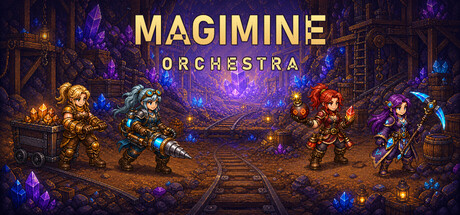
Generative AI was used during development to create some pre-generated 2D pixel art assets, including mine backgrounds, ores, and character artwork. Generative AI was also used to assist with some localization text. All generated output was reviewed, selected, and edited by the developer as needed. The game does not generate content during gameplay and does not connect to any external AI services.
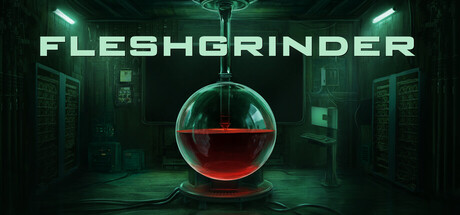
All artwork, character art, animation and audio in Fleshgrinder were created by human artists — the use of generative AI for art was contractually prohibited on this project. Generative AI was used to translate the game's text into its ten non-English languages, and to draft a portion of the in-game item descriptions and dialogue. No generative AI runs while you play; nothing is generated at runtime.
Generative AI was used during development to create some 2D artwork, specifically cover art and certain in-game officer portraits. These assets were reviewed and integrated by the developer before release. They are pre-generated static files included with the game. The game does not use generative AI at runtime, and no content is generated or modified based on player input.
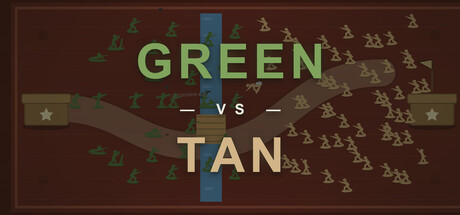
Green vs Tan was built with AI-assisted development tools under human direction. Every design decision was made and reviewed by a person.
The art you see while playing is not shipped as image files. The soldiers, vehicles, carpet and bosses are drawn procedurally by the game's own code, and the sound effects are synthesized as they play.
Some of our store and marketing artwork was AI-assisted and human-curated.
No content is generated by AI while you play, and the game never calls out to an AI service.
Generative AI was used to assist in the creation of a small number of pre-generated sound effects. All AI-assisted audio was reviewed and curated by the developer. No generative AI is used during gameplay, and the game does not generate content in real time.
In this game AI was used to generate a few abstract textures in 4th and 5th game worlds. Game's logo was also made partially with a help of image generation tooling.
Some visual assets were created with the assistance of generative AI tools and then curated and edited by the developer: story illustrations, character portraits, key art / capsule backgrounds, and a small number of decorative item images.
All gameplay sprites, animations, environments, music and sound effects are human-made assets used under CC0 / open licenses (credited in-game).
Voice-over lines (English and Turkish) were generated with ElevenLabs text-to-speech under a commercial license, from scripts written by the developer.
The game does not generate any content with AI at runtime. The developer has reviewed all AI-assisted content to ensure it is not illegal or infringing.
Generative AI was used in the following ways:
• The title logo on our store capsule images was created with an AI image
tool. Everything else in those images is real footage from the running game.
• The trailer narration was written with AI assistance and voiced using
ElevenLabs text-to-speech.
• Some in-game text event descriptions, help and interface copy was
written with AI assistance and edited by hand.
The game itself is not AI-generated. The world simulation, the voxel terrain
and its creatures, and all in-game art are hand-built. Sound effects and music
are licensed from stock audio libraries. Nothing is generated while you play.
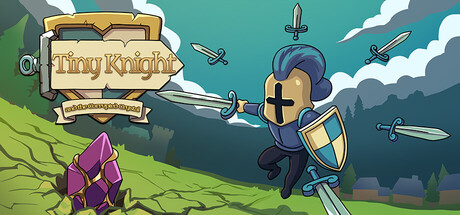
Tiny Knight and the Corrupted Crystal uses AI-generated music. All background music tracks were created with Suno, then edited, and mixed by the developer before being placed in the game.
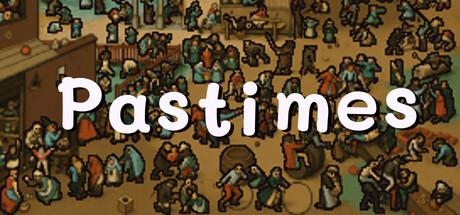
Generative AI was used during development for translations, some pixel art, and some music. AI-assisted content is human-reviewed before release. The main painting is historical public-domain art. Nothing is AI-generated during gameplay.
Pre-generated generative AI tools were used to create selected audio assets and Steam marketing artwork. All outputs were reviewed, curated, and edited by the developer. No content is generated live during gameplay.
AI tools were used during development to assist with coding and to create internal task, references and supporting documentation. The game does not include any player-facing generative AI features.
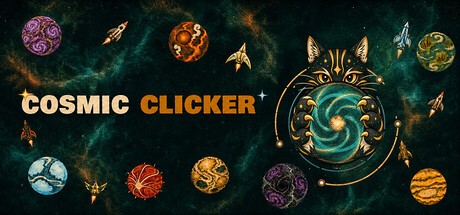
During development, we used generative AI tools to transform early sketches and visual concepts into functional 2D game assets and visual materials that help define Cosmic Clicker’s identity. This included selected in-game assets, Steam store capsules, library artwork, icons, and key art.
The generated results were reviewed, selected, refined, and integrated to maintain consistency with the game’s established art direction.
Image assets and some localized text were created with generative AI assistance, then manually processed and reviewed by the developer. No content is generated at runtime.
Some of this game's assets were made with the assistance of generative AI tools and were reviewed, curated and hand-finished by the developer. No content is generated while you play.
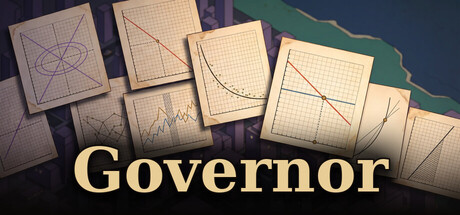
Some of the pre-rendered 2D art shipped with the game (era intermission illustrations, panel icons, campaign cover images and the Economic Association hall with economist portraits) was produced with generative image tools (fal.ai, Krea) from prompts authored by the developer, then post-processed by hand and by scripts in tools/. No generative AI is used at runtime. The game's simulation code, UI, isometric city renderer, world map (built from Natural Earth data) and all text, including the three interface languages, are authored by the developer.
The pixel art was generated with PixelLab. The music was generated with Suno on a paid plan. I wrote the prompts, picked what worked, and threw out what didn't. The game itself, the economy, the systems, the design, the words on screen, I built. Nothing is generated while the game runs. Everything ships as files. There are no AI calls at play time, no AI voice, and no chatbots.
The images in this game start from generative AI output and are then redrawn pixel by pixel by the developer. This covers equipment icons, character and enemy sprites, backgrounds, and the images on this store page.
The music was created with a generative AI music service under a commercial-use license.
The text is written in Japanese and machine-translated into other languages.
Some pre-rendered visual artwork, promotional material, as well as game elements were created with AI and then selected, edited, and integrated by the developer. The game does not generate AI content during gameplay and does not connect to third-party AI services during gameplay.
Generative AI tools were used to create pre-generated visual assets used in the game and its marketing, including the station environment, CRT console artwork, and selected trailer, store, and event artwork.
All outputs were art-directed, edited, composited, and approved by Ruldae before inclusion.
SIGNAL does not use generative AI while the game is running. No player input or personal data is sent to an AI service, and the game contains no live-generated AI content.
Some visual assets and promotional images were created with generative AI tools and later reviewed, modified, and integrated by the developer. No generative AI content is created during gameplay.
Generative AI was used to assist with the localization of the game's text into multiple languages. The Portuguese and English localizations were reviewed by the developer, while the Japanese localization received partial human review. Other supported languages were translated with AI assistance and have not yet received full human review, or their review is still in progress.
Kingsfall:Chess uses pre-generated AI-generated imagery for some visual assets within the game and promotional/store materials. Other visual assets were created by artists using traditional methods. No content is generated by AI during gameplay.
Tower Craft was developed with AI-assisted tools. All 3D models, animations and sound effects are procedurally generated by code that was written with AI assistance; the interface translations for the game's 14 languages were produced with AI assistance and reviewed by the developer. Store page text and marketing materials were also created with AI assistance. The game does not generate any content with AI at runtime — every battle plays out through deterministic, hand-tuned game logic.
AI-assisted tools were used in a limited capacity during development, including for some visual assets and text proofreading. All resulting content was reviewed, edited, and finalized manually by the development team.
AI was used solely as a supportive development tool. The game's creative direction and final content were created and developed by the team.
Generative AI tools were used during development to assist with some pre-generated visual assets and with drafting, editing, and localization of text. All AI-assisted content was reviewed, edited, curated, and integrated by the developer before inclusion in the game. No content is generated by AI during gameplay.
Generative AI tools were used during the development process exclusively to assist with programming, specifically for structuring GDScript code and debugging.
The two announcer voices, BroadcASH and BOBcast, are generated with ElevenLabs from scripts we write and edit ourselves. Every line is approved, levelled and listened to by hand before it ships.
Nothing else in the game is AI generated. The card art is emoji placeholder today, and is being replaced with original illustrations commissioned from human artists. The music is composed in-house by our own procedural scripts, and every track has a written provenance log. The rules, the design and the natural history research are ours.
Some marketing and store copy is drafted with AI assistance and edited before use.
Some of the 2D pixel art assets in EndlessRain were created with the assistance of AI-based pixel art generation tools. This includes character and enemy sprites, item and ability icons, and environment art.
All generated assets were reviewed, edited, and assembled by the developer before being included in the game. Code, game design, and game text were written by the developer without AI-generated content.
No content is generated by AI while the game is running. All assets are pre-generated and ship as static files.
Some of our store and marketing art started as AI-generated images. We used Midjourney to create the base key art for the Steam capsules, the library hero and the page background, then edited and composited those into the final images ourselves. The logo, wordmark and typography are our own work.
The game itself does not use generative AI. Every in-game asset (art, animation, UI, music, sound, and code) was made by us, by hand or with our own tools.
We’ve reviewed the AI-assisted art, we hold the rights to use it commercially, and as far as we’re aware it doesn’t infringe anyone else’s work.
Petrivore uses AI-assisted tools in parts of its development: some icons and steam assets were made with AI image generation, the in-game text and steam page was translated with AI translation tools. All of it was reviewed and edited by the developer.
Generative AI was used during development to create some pre-generated 2D pixel art assets, including mine backgrounds, ores, and character artwork. Generative AI was also used to assist with some localization text. All generated output was reviewed, selected, and edited by the developer as needed. The game does not generate content during gameplay and does not connect to any external AI services.
All artwork, character art, animation and audio in Fleshgrinder were created by human artists — the use of generative AI for art was contractually prohibited on this project. Generative AI was used to translate the game's text into its ten non-English languages, and to draft a portion of the in-game item descriptions and dialogue. No generative AI runs while you play; nothing is generated at runtime.
Generative AI was used during development to create some 2D artwork, specifically cover art and certain in-game officer portraits. These assets were reviewed and integrated by the developer before release. They are pre-generated static files included with the game. The game does not use generative AI at runtime, and no content is generated or modified based on player input.
Green vs Tan was built with AI-assisted development tools under human direction. Every design decision was made and reviewed by a person.
The art you see while playing is not shipped as image files. The soldiers, vehicles, carpet and bosses are drawn procedurally by the game's own code, and the sound effects are synthesized as they play.
Some of our store and marketing artwork was AI-assisted and human-curated.
No content is generated by AI while you play, and the game never calls out to an AI service.
Generative AI was used to assist in the creation of a small number of pre-generated sound effects. All AI-assisted audio was reviewed and curated by the developer. No generative AI is used during gameplay, and the game does not generate content in real time.
In this game AI was used to generate a few abstract textures in 4th and 5th game worlds. Game's logo was also made partially with a help of image generation tooling.
Some visual assets were created with the assistance of generative AI tools and then curated and edited by the developer: story illustrations, character portraits, key art / capsule backgrounds, and a small number of decorative item images.
All gameplay sprites, animations, environments, music and sound effects are human-made assets used under CC0 / open licenses (credited in-game).
Voice-over lines (English and Turkish) were generated with ElevenLabs text-to-speech under a commercial license, from scripts written by the developer.
The game does not generate any content with AI at runtime. The developer has reviewed all AI-assisted content to ensure it is not illegal or infringing.
Generative AI was used in the following ways:
• The title logo on our store capsule images was created with an AI image
tool. Everything else in those images is real footage from the running game.
• The trailer narration was written with AI assistance and voiced using
ElevenLabs text-to-speech.
• Some in-game text event descriptions, help and interface copy was
written with AI assistance and edited by hand.
The game itself is not AI-generated. The world simulation, the voxel terrain
and its creatures, and all in-game art are hand-built. Sound effects and music
are licensed from stock audio libraries. Nothing is generated while you play.
Tiny Knight and the Corrupted Crystal uses AI-generated music. All background music tracks were created with Suno, then edited, and mixed by the developer before being placed in the game.
Generative AI was used during development for translations, some pixel art, and some music. AI-assisted content is human-reviewed before release. The main painting is historical public-domain art. Nothing is AI-generated during gameplay.
Pre-generated generative AI tools were used to create selected audio assets and Steam marketing artwork. All outputs were reviewed, curated, and edited by the developer. No content is generated live during gameplay.
AI tools were used during development to assist with coding and to create internal task, references and supporting documentation. The game does not include any player-facing generative AI features.
During development, we used generative AI tools to transform early sketches and visual concepts into functional 2D game assets and visual materials that help define Cosmic Clicker’s identity. This included selected in-game assets, Steam store capsules, library artwork, icons, and key art.
The generated results were reviewed, selected, refined, and integrated to maintain consistency with the game’s established art direction.
Image assets and some localized text were created with generative AI assistance, then manually processed and reviewed by the developer. No content is generated at runtime.
Some of this game's assets were made with the assistance of generative AI tools and were reviewed, curated and hand-finished by the developer. No content is generated while you play.
Some of the pre-rendered 2D art shipped with the game (era intermission illustrations, panel icons, campaign cover images and the Economic Association hall with economist portraits) was produced with generative image tools (fal.ai, Krea) from prompts authored by the developer, then post-processed by hand and by scripts in tools/. No generative AI is used at runtime. The game's simulation code, UI, isometric city renderer, world map (built from Natural Earth data) and all text, including the three interface languages, are authored by the developer.
The pixel art was generated with PixelLab. The music was generated with Suno on a paid plan. I wrote the prompts, picked what worked, and threw out what didn't. The game itself, the economy, the systems, the design, the words on screen, I built. Nothing is generated while the game runs. Everything ships as files. There are no AI calls at play time, no AI voice, and no chatbots.