Public Steam disclosure research25,376 disclosures tracked
Where do games disclose AI use?
Search developers’ Steam disclosures, compare classified AI use across
games, and follow recorded changes.
This index adds cross-game classifications and statistics to
statements published on individual store pages.
Groups reflect automatic analysis of public disclosures; mature records are excluded. These counts do not measure AI use across all of Steam.
Missing or unclear statements cannot establish whether a game uses AI.
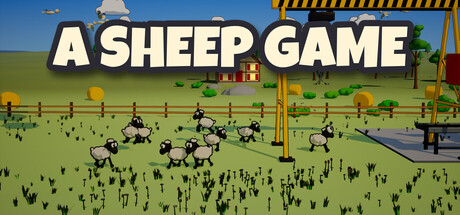
Generative AI was used during development to help create some in-game visual assets, store and promotional artwork, and store description text and translations. These materials were generated in advance.
Pre-generated content: Parts of the game were made with generative AI tools and then selected, edited and integrated by the developer: the soundtrack (made with Suno), interface icons and stickers, the painted world illustrations on the level cards and act screens, sound effects and the spoken sheep lines. Some in-game and store texts, including the English translation, were drafted with an AI assistant and edited by the developer. All 3D models, animations and levels are made by the developer's own tools. The game does not generate content with AI while it runs.
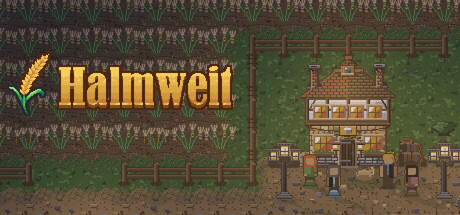
Halmweit is a one-person project, and I've had a little help from some tools along the way. AI helped with writing and translating the texts and with programming. What goes into the game is my decision. The music was written by hand by a composer. While you play, the game doesn't generate anything with AI.
Generative AI was used to assist with localization of in-game text from English to Spanish, French, German, Japanese, Korean, Simplified Chinese, Portuguese, and Russian.
Some character and equipment models were generated with an AI 3D tool and then rigged, recoloured and edited by hand. The icons were designed with AI tools and drawn in code, and the game's text was written with AI assistance and edited by the developer. Environments use asset packs made by people, sound effects come from a sound pack recorded by people, and the music is synthesised by the game's own code. No AI generates anything while you play.
Generative AI was used to create some of the game's content. The illustrations and the characters (character designs and artwork and models) were created with the help of generative AI tools, then selected, edited and integrated by the developer. Some English localization text (UI and character descriptions) and the store page description were also drafted with an AI assistant and reviewed and edited by the developer. The game does not generate any content with AI while it is running.
Generative AI was used to create some of the game's illustrations and graphical assets, as well as artwork for the Steam store page, including capsule images.
Generative AI was used during development to create early drafts of some graphical resources and to help further develop and refine game design concepts. All AI-assisted materials were reviewed and adjusted by the development team before being used in the final game.
Disclosure regarding Generative AI
This game utilizes artificial intelligence (AI) tools to assist in generating some of the promotional materials on the store page, as well as certain in-game visual assets.
The game's artwork, audio and other assets are not AI-generated. The game engine is written from scratch over the course of 8 months in C++ and Simple DirectMedia Layer 2; in which Codex assistance was used for programming. No content is generated by AI during gameplay. No AI service is used during gameplay. All AI actions in the game are classic decision tree based intelligence made.
Generative AI tools assisted with programming and development of The Construction Game and were used to create some promotional images. The game does not use generative AI to create content during gameplay.
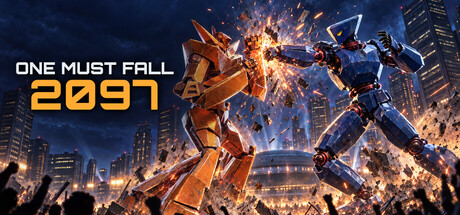
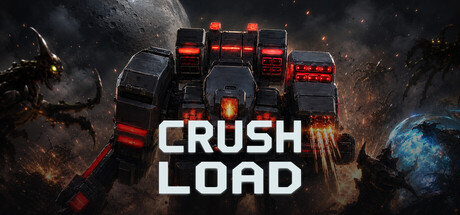
The remake's 3D robots, arenas and animation were produced with AI-assisted generation tools (image-to-3D and image generation) from the original game's designs, then authored, repaired and reviewed by hand in Blender and Unreal. The menu art shown in HD is AI-remastered from the original game's pictures, and the store page artwork was AI-generated from renders of our in-game robots. All AI content is pre-made during development; nothing is generated while you play. The music and sound effects are the original recordings, remastered without AI.
Generative AI was used during development to create some illustrations, visual assets, and built-in example dog images. These assets are included with the game. Your own pet photos are processed locally on your computer to create animated paper cutouts; they are never uploaded to online AI services or redrawn using generative AI.
This game was created with extensive AI assistance. AI-generated and AI-assisted content is used in the game, store artwork, descriptions and trailer. This includes graphics and artwork, text, and contributions to programming, music and trailer production. The trailer and screenshots show actual footage captured from the game. No generative AI content is created during gameplay, and the game does not connect to external AI services while being played.
Some visual assets, including map backgrounds, concept art, and hero and creature models, were created with the help of AI image and 3D generation tools. The developer then edited, rigged, animated and integrated them by hand. Some text, including translations into the supported languages and store copy, was drafted with AI assistance and reviewed by the developer. The voice-over in the trailer was generated with an AI voice tool.
The game does not generate any content with AI during gameplay.
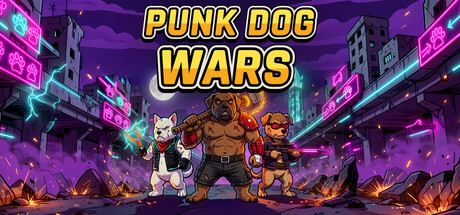
Punk Dog Wars uses AI-assisted tools during development. Character, effect and environment art, the music, and the announcer and dog voices were generated with AI models and then selected, composited and edited by our team. The store art was made the same way. No content is generated while you play.
Generative AI was used during development to create some pre-generated background art, character portraits, promotional images, dialogue, and music. No AI content is generated while the game is running.
Voice acting, music and sound effects were generated with ElevenLabs AI tools, then selected, edited and mixed by the developer. Some game text, including dialogue and store descriptions, was drafted with AI assistance and edited by the developer. The game does not generate any AI content while it runs.
The game uses AI-generated code, textures, and sound effects.Some 2D item artwork was created with generative AI tools during development, including certain pet-care items, container states, and shed-fur graphics. Store promotional illustrations, title artwork, and icons were also created with generative AI tools. AI assisted with drafting and translating the store descriptions. The relevant in-game artwork is provided as pre-generated static assets. The game does not use generative AI to create content during gameplay.
Generative AI was used during development to create in-game artwork, music, sound effects, text, and translations, as well as store and promotional artwork. The game does not generate AI content during gameplay.
Phantom Fleet uses generative AI during development to assist in creating card illustrations, skill icons, UI decorations, backgrounds, ship textures, and some visual effect assets. AI assistance was also used in writing in-game descriptions and store page text.
Background music and sound effects were created using audio synthesis code written with the assistance of AI and are included in the game.
All of this content is pre-generated during development. The game does not use generative AI to create new images, music, dialogue, or other content in real time during gameplay.
Pre-generated AI content:
Some promotional artwork used on the Steam store page was created with generative AI and subsequently edited by the developer
This game utilizes AI technology for some of its translations and content creation.
While we make every effort to review and refine the content, some translations or expressions may contain inaccuracies or unnatural wording.
If you notice any issues or have any feedback, we will work to address and improve them through future updates. Thank you for your understanding.
Generative AI tools were used during development to assist with the creation and iteration of some game assets and development code. AI-assisted content included in the final game is pre-generated and reviewed by the developer. The game does not generate AI content during gameplay.
Some artwork, 3D models, and code in this game were created with the assistance of AI tools during development. All AI-assisted content is pre-made and included in the game files; no content or code is generated live during gameplay.
※ AI was used as a supplementary tool for English translation, spell checking, and programming code writing in this game. Illustrations, pixel art, Live2D, music, and voice acting were created entirely by humans.
During the development of this game, we utilized generative artificial intelligence tools—specifically Claude, Gemini, and Codex (GPT)—to assist with programming, debugging, and drafting text/documentation.
Code and Systems: AI models were used as development assistants to help write, refactor, and troubleshoot code logic.
Text and Documentation: AI assistants were used to brainstorm and draft text content, which was then thoroughly reviewed, edited, and manually integrated by our development team.
Generative AI was used to assist in creating one or two background 3D assets during the development process. All other 3D models, visual effects, and environmental assets were custom-made or sourced entirely from standard digital asset marketplaces like Fab.
This game contains content created with the assistance of AI tools. AI was used during development to assist with programming, visual assets, and other creative elements. All generated content was reviewed, edited, and integrated by the dev.
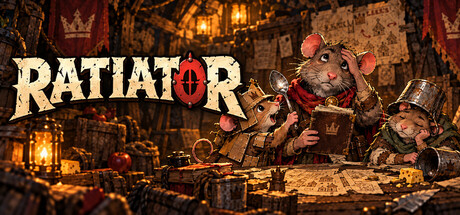
Ratiator is made by a small independent studio, and generative AI is one of the tools that lets a tiny team build a world this big. Every piece of AI-assisted content was directed, selected and refined by us to match our own art direction and design.
Artwork: backgrounds, UI elements, event illustrations, icons and key art were created with AI image tools from our concepts and art direction, then curated, edited and assembled by hand.
3D models: our rats and their household-junk weapons and armour started as AI-generated 3D models built from our concept art. We then rigged, fitted, animated and tuned them with our own tools, so every rat moves and fights the way we designed it.
Animation: a few short cinematic clips and the living light in some backgrounds (flickering lanterns, flowing water) were made with AI video tools and blended into our original paintings.
Writing: story and event texts were drafted with the help of an AI writing assistant, then edited and shaped by us to fit the world and its humour.
Nothing in the game is generated by AI while you play. Every fight, rat and story event is driven by the game's own systems, and no player data is sent to any AI service.
Some assets in this game were created with generative AI tools during development and then selected and edited by hand: the store key art and capsule images, some in-game images (UI decorations, stage backgrounds and some illustrations), and the background music and jingles. No generative AI is used while you play: the stats and skills of your drawing are decided by deterministic on-device image processing, and nothing is sent to an AI service.
Generative AI was used during development to help create some visual and audio assets, dialogue, and translations. This content was selected and edited during development and incorporated into the game. No content is generated by AI in real time during gameplay.
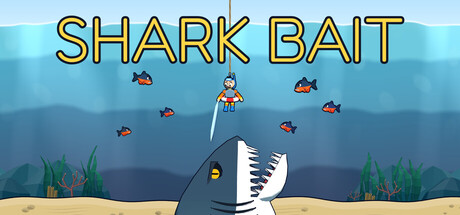
Shark Bait was made with AI assistance. AI assistants wrote the game's code, including the code that creates its 3D models, sound effects and music, so those were made by AI too. They also helped write the in-game text. The developer directed, played and reviewed all of it.
This game uses generative artificial intelligence to assist in the creation of its original soundtrack.
All tracks were composed with AI support, resulting in a music selection inspired by J-Rock, K-Pop, electronic music, and classic football games from the 90s/2000s. The goal was to deliver an energetic, nostalgic, and vibrant atmosphere that perfectly matches the 2.5D pixel art aesthetic of Free Kick.
Artificial intelligence was used exclusively as a production tool during development. The soundtrack is not generated in real time and does not dynamically adapt to match conditions — all tracks are fixed, curated, and manually integrated to ensure quality and consistency throughout the experience.
Generative AI was used during development to create some artwork, character animation assets, music, and promotional artwork. These assets were prepared before release. The game does not generate AI content during gameplay or connect to an AI service.
This product contains pre-generated content created with the assistance of generative AI tools during development. AI-assisted content includes selected 2D artwork, character portraits, unit illustrations, decorative interface imagery, trailer and store artwork, portions of the soundtrack, and some player-facing descriptive or localization text. All AI-assisted content was reviewed and edited by the developer and is fixed before release. The game does not generate text, images, audio, or any other content using generative AI while it is running. Computer-controlled opponents and procedural simulation systems use conventional game logic, not generative AI.
Some of the artworks, such as textures and illustrative elements, were created or enhanced using AI-based tools. All generated content has been reviewed, edited, and integrated to ensure consistency with the overall visual style and quality of the game.
No AI is used during gameplay.
Generative AI tools were used during development to create some character, environment, and object visuals, 3D assets, and promotional materials. All AI-generated content was created in advance during development. No new content is generated by AI during gameplay, and the game does not connect to any external AI services.
Generative AI was used during development to help create some in-game visual assets, store and promotional artwork, and store description text and translations. These materials were generated in advance.
Pre-generated content: Parts of the game were made with generative AI tools and then selected, edited and integrated by the developer: the soundtrack (made with Suno), interface icons and stickers, the painted world illustrations on the level cards and act screens, sound effects and the spoken sheep lines. Some in-game and store texts, including the English translation, were drafted with an AI assistant and edited by the developer. All 3D models, animations and levels are made by the developer's own tools. The game does not generate content with AI while it runs.
Halmweit is a one-person project, and I've had a little help from some tools along the way. AI helped with writing and translating the texts and with programming. What goes into the game is my decision. The music was written by hand by a composer. While you play, the game doesn't generate anything with AI.
Generative AI was used to assist with localization of in-game text from English to Spanish, French, German, Japanese, Korean, Simplified Chinese, Portuguese, and Russian.
Some character and equipment models were generated with an AI 3D tool and then rigged, recoloured and edited by hand. The icons were designed with AI tools and drawn in code, and the game's text was written with AI assistance and edited by the developer. Environments use asset packs made by people, sound effects come from a sound pack recorded by people, and the music is synthesised by the game's own code. No AI generates anything while you play.
Generative AI was used to create some of the game's content. The illustrations and the characters (character designs and artwork and models) were created with the help of generative AI tools, then selected, edited and integrated by the developer. Some English localization text (UI and character descriptions) and the store page description were also drafted with an AI assistant and reviewed and edited by the developer. The game does not generate any content with AI while it is running.
Generative AI was used to create some of the game's illustrations and graphical assets, as well as artwork for the Steam store page, including capsule images.
Generative AI was used during development to create early drafts of some graphical resources and to help further develop and refine game design concepts. All AI-assisted materials were reviewed and adjusted by the development team before being used in the final game.
Disclosure regarding Generative AI
This game utilizes artificial intelligence (AI) tools to assist in generating some of the promotional materials on the store page, as well as certain in-game visual assets.
The game's artwork, audio and other assets are not AI-generated. The game engine is written from scratch over the course of 8 months in C++ and Simple DirectMedia Layer 2; in which Codex assistance was used for programming. No content is generated by AI during gameplay. No AI service is used during gameplay. All AI actions in the game are classic decision tree based intelligence made.
Generative AI tools assisted with programming and development of The Construction Game and were used to create some promotional images. The game does not use generative AI to create content during gameplay.
The remake's 3D robots, arenas and animation were produced with AI-assisted generation tools (image-to-3D and image generation) from the original game's designs, then authored, repaired and reviewed by hand in Blender and Unreal. The menu art shown in HD is AI-remastered from the original game's pictures, and the store page artwork was AI-generated from renders of our in-game robots. All AI content is pre-made during development; nothing is generated while you play. The music and sound effects are the original recordings, remastered without AI.
Generative AI was used during development to create some illustrations, visual assets, and built-in example dog images. These assets are included with the game. Your own pet photos are processed locally on your computer to create animated paper cutouts; they are never uploaded to online AI services or redrawn using generative AI.
This game was created with extensive AI assistance. AI-generated and AI-assisted content is used in the game, store artwork, descriptions and trailer. This includes graphics and artwork, text, and contributions to programming, music and trailer production. The trailer and screenshots show actual footage captured from the game. No generative AI content is created during gameplay, and the game does not connect to external AI services while being played.
Some visual assets, including map backgrounds, concept art, and hero and creature models, were created with the help of AI image and 3D generation tools. The developer then edited, rigged, animated and integrated them by hand. Some text, including translations into the supported languages and store copy, was drafted with AI assistance and reviewed by the developer. The voice-over in the trailer was generated with an AI voice tool.
The game does not generate any content with AI during gameplay.
Punk Dog Wars uses AI-assisted tools during development. Character, effect and environment art, the music, and the announcer and dog voices were generated with AI models and then selected, composited and edited by our team. The store art was made the same way. No content is generated while you play.
Generative AI was used during development to create some pre-generated background art, character portraits, promotional images, dialogue, and music. No AI content is generated while the game is running.
Voice acting, music and sound effects were generated with ElevenLabs AI tools, then selected, edited and mixed by the developer. Some game text, including dialogue and store descriptions, was drafted with AI assistance and edited by the developer. The game does not generate any AI content while it runs.
The game uses AI-generated code, textures, and sound effects.Some 2D item artwork was created with generative AI tools during development, including certain pet-care items, container states, and shed-fur graphics. Store promotional illustrations, title artwork, and icons were also created with generative AI tools. AI assisted with drafting and translating the store descriptions. The relevant in-game artwork is provided as pre-generated static assets. The game does not use generative AI to create content during gameplay.
Generative AI was used during development to create in-game artwork, music, sound effects, text, and translations, as well as store and promotional artwork. The game does not generate AI content during gameplay.
Phantom Fleet uses generative AI during development to assist in creating card illustrations, skill icons, UI decorations, backgrounds, ship textures, and some visual effect assets. AI assistance was also used in writing in-game descriptions and store page text.
Background music and sound effects were created using audio synthesis code written with the assistance of AI and are included in the game.
All of this content is pre-generated during development. The game does not use generative AI to create new images, music, dialogue, or other content in real time during gameplay.
Pre-generated AI content:
Some promotional artwork used on the Steam store page was created with generative AI and subsequently edited by the developer
This game utilizes AI technology for some of its translations and content creation.
While we make every effort to review and refine the content, some translations or expressions may contain inaccuracies or unnatural wording.
If you notice any issues or have any feedback, we will work to address and improve them through future updates. Thank you for your understanding.
Generative AI tools were used during development to assist with the creation and iteration of some game assets and development code. AI-assisted content included in the final game is pre-generated and reviewed by the developer. The game does not generate AI content during gameplay.
Some artwork, 3D models, and code in this game were created with the assistance of AI tools during development. All AI-assisted content is pre-made and included in the game files; no content or code is generated live during gameplay.
※ AI was used as a supplementary tool for English translation, spell checking, and programming code writing in this game. Illustrations, pixel art, Live2D, music, and voice acting were created entirely by humans.
During the development of this game, we utilized generative artificial intelligence tools—specifically Claude, Gemini, and Codex (GPT)—to assist with programming, debugging, and drafting text/documentation.
Code and Systems: AI models were used as development assistants to help write, refactor, and troubleshoot code logic.
Text and Documentation: AI assistants were used to brainstorm and draft text content, which was then thoroughly reviewed, edited, and manually integrated by our development team.
Generative AI was used to assist in creating one or two background 3D assets during the development process. All other 3D models, visual effects, and environmental assets were custom-made or sourced entirely from standard digital asset marketplaces like Fab.
This game contains content created with the assistance of AI tools. AI was used during development to assist with programming, visual assets, and other creative elements. All generated content was reviewed, edited, and integrated by the dev.
Ratiator is made by a small independent studio, and generative AI is one of the tools that lets a tiny team build a world this big. Every piece of AI-assisted content was directed, selected and refined by us to match our own art direction and design.
Artwork: backgrounds, UI elements, event illustrations, icons and key art were created with AI image tools from our concepts and art direction, then curated, edited and assembled by hand.
3D models: our rats and their household-junk weapons and armour started as AI-generated 3D models built from our concept art. We then rigged, fitted, animated and tuned them with our own tools, so every rat moves and fights the way we designed it.
Animation: a few short cinematic clips and the living light in some backgrounds (flickering lanterns, flowing water) were made with AI video tools and blended into our original paintings.
Writing: story and event texts were drafted with the help of an AI writing assistant, then edited and shaped by us to fit the world and its humour.
Nothing in the game is generated by AI while you play. Every fight, rat and story event is driven by the game's own systems, and no player data is sent to any AI service.
Some assets in this game were created with generative AI tools during development and then selected and edited by hand: the store key art and capsule images, some in-game images (UI decorations, stage backgrounds and some illustrations), and the background music and jingles. No generative AI is used while you play: the stats and skills of your drawing are decided by deterministic on-device image processing, and nothing is sent to an AI service.
Generative AI was used during development to help create some visual and audio assets, dialogue, and translations. This content was selected and edited during development and incorporated into the game. No content is generated by AI in real time during gameplay.
Shark Bait was made with AI assistance. AI assistants wrote the game's code, including the code that creates its 3D models, sound effects and music, so those were made by AI too. They also helped write the in-game text. The developer directed, played and reviewed all of it.
This game uses generative artificial intelligence to assist in the creation of its original soundtrack.
All tracks were composed with AI support, resulting in a music selection inspired by J-Rock, K-Pop, electronic music, and classic football games from the 90s/2000s. The goal was to deliver an energetic, nostalgic, and vibrant atmosphere that perfectly matches the 2.5D pixel art aesthetic of Free Kick.
Artificial intelligence was used exclusively as a production tool during development. The soundtrack is not generated in real time and does not dynamically adapt to match conditions — all tracks are fixed, curated, and manually integrated to ensure quality and consistency throughout the experience.
Generative AI was used during development to create some artwork, character animation assets, music, and promotional artwork. These assets were prepared before release. The game does not generate AI content during gameplay or connect to an AI service.
This product contains pre-generated content created with the assistance of generative AI tools during development. AI-assisted content includes selected 2D artwork, character portraits, unit illustrations, decorative interface imagery, trailer and store artwork, portions of the soundtrack, and some player-facing descriptive or localization text. All AI-assisted content was reviewed and edited by the developer and is fixed before release. The game does not generate text, images, audio, or any other content using generative AI while it is running. Computer-controlled opponents and procedural simulation systems use conventional game logic, not generative AI.
Some of the artworks, such as textures and illustrative elements, were created or enhanced using AI-based tools. All generated content has been reviewed, edited, and integrated to ensure consistency with the overall visual style and quality of the game.
No AI is used during gameplay.
Generative AI tools were used during development to create some character, environment, and object visuals, 3D assets, and promotional materials. All AI-generated content was created in advance during development. No new content is generated by AI during gameplay, and the game does not connect to any external AI services.