

Disclosure
Some artwork and marketing materials for Knightoria were created using generative AI. AI-generated content is pre-rendered and is not generated during gameplay.
- Creator
- Veyransia Studios
- Reviews
- -
- Added
- Oct 11, 2026
Public Steam disclosure research 25,376 disclosures tracked
Search developers’ Steam disclosures, compare classified AI use across games, and follow recorded changes. This index adds cross-game classifications and statistics to statements published on individual store pages.
Code help, debugging and other development work.
Capsule art, trailers and promotional material.
Pre-made art, audio, writing and other game assets.
Interactive or runtime AI features disclosed by the developer.
Groups reflect automatic analysis of public disclosures; mature records are excluded. These counts do not measure AI use across all of Steam. Missing or unclear statements cannot establish whether a game uses AI.
Some artwork and marketing materials for Knightoria were created using generative AI. AI-generated content is pre-rendered and is not generated during gameplay.
Artificial intelligence was used to generate character images and code assisted programming.
Some promotional materials for Doodle Duel, including animation and music created or assisted by generative AI tools based on game images, were made with generative AI. The game itself does not generate content at runtime and does not connect to external AI services.
Generative AI was used during development to assist with artwork and localization, including some store and promotional materials. The game does not generate AI content during gameplay or connect to external AI services.
Generative AI tools were used during development to create pre-generated artwork, audio content, and text/translations. These assets are included as fixed content in the game. No content is generated by generative AI during gameplay, and the game does not connect to external generative AI services.
Generative AI tools were used to assist in the creation of various assets for the game. All generated graphics were subsequently edited, refined, and adjusted in Adobe Photoshop by the developer. No AI-generated graphics are used directly in the game without manual editing and refinement.
This game uses generative AI tools to assist in creating some content: pixel-art visuals (character, enemy, and card artwork, icons, and backgrounds) via PixelLab, and sound effects via ElevenLabs. All AI-assisted content was reviewed and curated by the developer before being included in the game.
In the game itself, all graphics and sound effects are drawn and synthesized by the game's own code, which was also written with AI assistance. The game contains no AI-generated image, voice or music files, and nothing is generated by AI while you play.
Some 2D artwork and visual assets were created with the assistance of generative AI tools during development and were reviewed and edited by the developer. The game does not generate AI content during gameplay.
The remake's 3D robots, arenas and animation were produced with AI-assisted generation tools (image-to-3D and image generation) from the original game's designs, then authored, repaired and reviewed by hand in Blender and Unreal. The menu art shown in HD is AI-remastered from the original game's pictures, and the store page artwork was AI-generated from renders of our in-game robots. All AI content is pre-made during development; nothing is generated while you play. The music and sound effects are the original recordings, remastered without AI.
Pre-generated: the game's art (character portraits, battle poses, map sprites, painted battlefields and towns, cutscene stills, icons) and music were created with generative AI tools under the developer's direction, then reviewed, edited and assembled by the developer. Live-generated: none. No AI content is generated while you play.
AI tools were used to help with the game's localization and parts of the music
During the development stage of this game, some of the art materials and text were created using artificial intelligence.
Generative AI tools were used to assist with code development. All art, music, and design are human-made.
Some of the images in the game were stylized using AI.
AI was used during the development of the game mainly for code optimization and improvements. To a limited extent, AI was also used to create some graphics and to improve the appearance of a small number of interface elements.
Some assets in this game were created with generative AI tools during development and then selected and edited by hand: the store key art and capsule images, some in-game images (UI decorations, stage backgrounds and some illustrations), and the background music and jingles. No generative AI is used while you play: the stats and skills of your drawing are decided by deterministic on-device image processing, and nothing is sent to an AI service.
Some artwork on ROM Hollow's store page was generated with AI.
Generative AI tools were used during development to assist with programming and some written/game content. All generated material was reviewed and integrated by the developer. The game does not generate AI content during gameplay.
We use our own created small local generative AI models to create Artworks in realtime. Local LLM's are used to interact with the NPC's Text based (Input / Output) in realtime. Be aware that realtime AI can make mistakes. We put a lot of effort into to make it work properly, but there can still be issues. No external AI models needed so your data stays on your own Computer! We generally used AI assistance to create Assets in the game, most Assets where highly edited from Human Authoring. The game was created by strong directed human vision, so everything is unique and my own idea!
BoltFall was developed with the assistance of generative AI tools. The game's music was generated using AI audio tools, and environment art assets were created with the assistance of AI image generation tools. All AI-generated content was reviewed, edited, and curated by the developer before being included in the final game.
This game was developed with the help of AI tools. AI assisted with programming, and some pre-generated content was created with AI assistance: pixel-art visual effects, background music, Japanese and Chinese translations, and parts of the store page text. All AI-assisted content was reviewed and edited by the developer. The game does not generate any content with AI while you play.
AI tools assisted with the game's code and some written text during development. All artwork comes from the game's own engine, being web code. The music is composed by Juhani Junkala, and nothing is generated while you play.
Some visual assets in this game were generated using AI. Specifically: planet sprites/textures are AI-generated. All other in-game art is purchased/licensed, not AI-generated, and all audio is purchased/licensed, not AI-generated.
I only use AI to aid in coding. I am a solo dev and i built all music and all artwork.
Generative AI was used during development to create and refine pre-generated visual assets for Legends of the Pitch, including character illustrations, environment artwork, card and interface imagery, and promotional artwork for the Steam store. Screenshots and trailers may display these assets. The developer selected, edited and integrated the final content. No AI content is generated during gameplay, and the game does not connect to any external AI service while playing.
A small number of weapon assets were created with generative AI during development and are included in the shipped game as well as the store and library assets minus the logo.
AI was used as an assistant to create tooling for faster game development
The protagonist was entirely hand-drawn. Some of the in-game tilesets, objects, background music, and sound effects were created using generative AI, and all AI-generated assets were manually retouched and edited by me before being used in the game.No generative AI content is generated during gameplay.
Some visual assets and promotional artwork included in the game were created or assisted with generative AI tools during development. These assets were subsequently edited, adjusted, animated, and integrated by the developer. The game does not use generative AI to create content during gameplay.
Generative AI was used in the making of visual and coded assets.
The game to contain art assets generated by artificial intelligence
Some static art assets and store promotional texts of this game are drafted with generative AI. All AI-generated materials have been manually checked for copyright and revised by the development team. No dynamic AI content will be generated in real time during gameplay.
AI was used to generate sounds as well as images in the game.
Some codes, Some Audios.
"Generative AI tools were used to create some of the in-game character artwork and object visuals."
Some of this game's art assets and store page text were created with the help of generative AI tools. All AI-assisted material is pre-rendered and reviewed by the developer before release. No content is generated by AI while the game is running.
One human made this game with many AI agents. Agents would draft concept art and samples for review, then iterate on feedback given.
Generative AI tools were used during the development of the game to assist with creating parts of the game. AI was used as a development aid, while the final content and implementation were reviewed and integrated by the developer.
Generative AI was used to assist with the development of this game and with the creation of some of its visual assets. The game includes an optional custom character feature. Players may enter text descriptions and provide reference images to generate character visuals. Players may also use text descriptions together with character reference images to create custom cinematic videos for their characters’ special moves. These materials are generated by generative AI through an online service during gameplay. Once generation is complete, the resulting content is provided to the player for use as part of their custom character data.
Some environment prop artwork was created with an image-generation model from written briefs, then hand-reviewed, cropped and integrated. Sprites, tilesets, audio, UI, achievement icons and all code are authored procedurally or by hand. No AI-generated text, narrative or live-generated content.
Generative AI was used as part of the development process for Sand Horde to help create select environmental artwork, backgrounds, visual assets, and promotional materials, as well as to assist with prototyping and development. All AI-assisted content is reviewed and integrated by the developer as part of the game's overall design and development.
Generative AI was used as an assistive tool during development for selected visual assets and promotional materials. All AI-assisted content was reviewed and edited by the developer before use. No generative AI is used during gameplay, and the game does not connect to any external AI services.
Ai has been used for music and art creation.
We used generative AI tools as part of our creative process, alongside our team’s direction, editing, and refinement.
This demo uses generative AI tools to create most of the character art, illustrations, and visual assets. All AI-generated content has been reviewed and edited by the development team to ensure quality and compliance with Steam policies. No illegal or infringing material is included.
AI assisted artwork is used for illustrated scenes shown between campaign levels.
AI Disclosure: Certain background textures, NPC portrait concepts, or promotional marketing assets in this game were generated with the assistance of AI tools.
Generative AI tools were used during development to create game assets.
No live AI. It was used to assist with the game's programming and code development.
| Title⇅ | Disclosure | Creator⇅ | Src | Reviews⇅ | Added↓ |
|---|---|---|---|---|---|
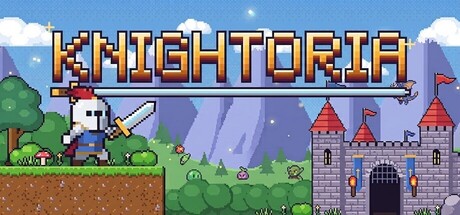 Knightoria Store/marketing art | Some artwork and marketing materials for Knightoria were created using generative AI. AI-generated content is pre-rendered and is not generated during gameplay. | Veyransia Studios | - | Oct 11, 2026 | |
 你的老婆和你妈 In-game content artcode | Artificial intelligence was used to generate character images and code assisted programming. | Gamevati | - | Oct 10, 2026 | |
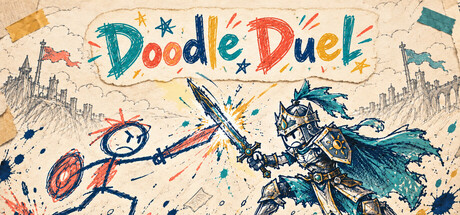 Doodle Duel In-game content artaudio | Some promotional materials for Doodle Duel, including animation and music created or assisted by generative AI tools based on game images, were made with generative AI. The game itself does not generate content at runtime and does not connect to external AI services. | Fluvilume | - | Oct 10, 2026 | |
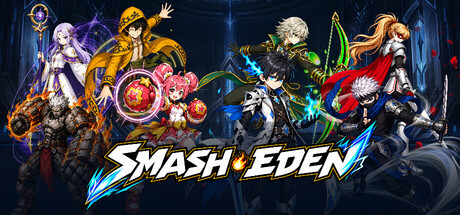 SMASH EDEN In-game content arttext | Generative AI was used during development to assist with artwork and localization, including some store and promotional materials. The game does not generate AI content during gameplay or connect to external AI services. | Hachi Eito | - | Oct 10, 2026 | |
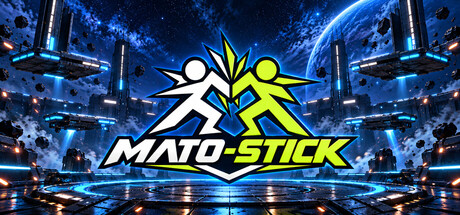 MATO-STICK In-game content artaudiotext | Generative AI tools were used during development to create pre-generated artwork, audio content, and text/translations. These assets are included as fixed content in the game. No content is generated by generative AI during gameplay, and the game does not connect to external generative AI services. | Veyr Works | - | Oct 10, 2026 | |
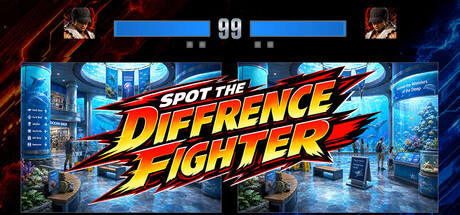 Spot the Difference Fighter In-game content art | Generative AI tools were used to assist in the creation of various assets for the game. All generated graphics were subsequently edited, refined, and adjusted in Adobe Photoshop by the developer. No AI-generated graphics are used directly in the game without manual editing and refinement. | hirohasu | - | Oct 10, 2026 | |
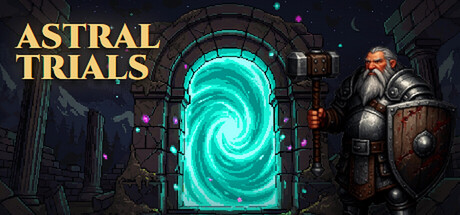 Astral Trials: Ascension In-game content artaudio | This game uses generative AI tools to assist in creating some content: pixel-art visuals (character, enemy, and card artwork, icons, and backgrounds) via PixelLab, and sound effects via ElevenLabs. All AI-assisted content was reviewed and curated by the developer before being included in the game. | Kyle- Ninjutsu Entertainment LLC | - | Oct 10, 2026 | |
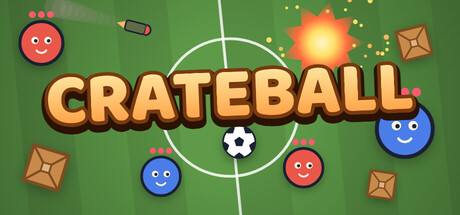 Crateball In-game content artaudiocode | In the game itself, all graphics and sound effects are drawn and synthesized by the game's own code, which was also written with AI assistance. The game contains no AI-generated image, voice or music files, and nothing is generated by AI while you play. | rafi | - | Oct 10, 2026 | |
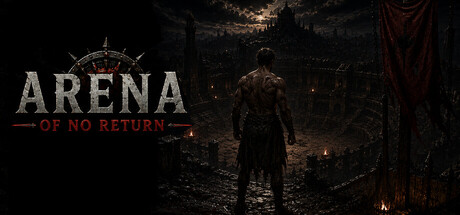 Arena of No Return In-game content art | Some 2D artwork and visual assets were created with the assistance of generative AI tools during development and were reviewed and edited by the developer. The game does not generate AI content during gameplay. | Tiltados Games | - | Oct 9, 2026 | |
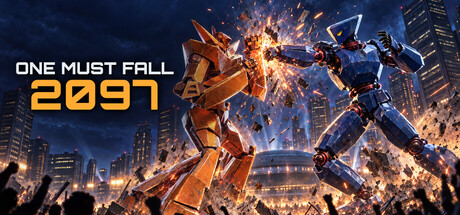 One Must Fall 2097 In-game content art | The remake's 3D robots, arenas and animation were produced with AI-assisted generation tools (image-to-3D and image generation) from the original game's designs, then authored, repaired and reviewed by hand in Blender and Unreal. The menu art shown in HD is AI-remastered from the original game's pictures, and the store page artwork was AI-generated from renders of our in-game robots. All AI content is pre-made during development; nothing is generated while you play. The music and sound effects are the original recordings, remastered without AI. | LineCrush Games | - | Oct 9, 2026 | |
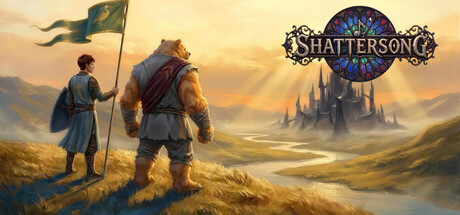 Shattersong In-game content artaudio | Pre-generated: the game's art (character portraits, battle poses, map sprites, painted battlefields and towns, cutscene stills, icons) and music were created with generative AI tools under the developer's direction, then reviewed, edited and assembled by the developer. Live-generated: none. No AI content is generated while you play. | Matt Lionheart | - | Oct 9, 2026 | |
 Wobble In-game content textaudio | AI tools were used to help with the game's localization and parts of the music | ThreePlate | - | Oct 9, 2026 | |
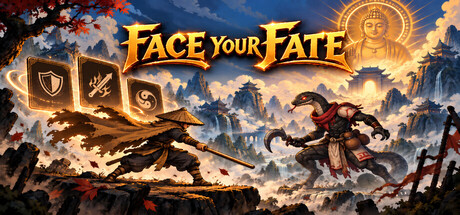 直面天命 Unclear arttext | During the development stage of this game, some of the art materials and text were created using artificial intelligence. | Jumping Frog Studio | - | Oct 7, 2026 | |
 Overlap Dev only code | Generative AI tools were used to assist with code development. All art, music, and design are human-made. | MilesThePiles | - | Oct 5, 2026 | |
 unligal In-game content art | Some of the images in the game were stylized using AI. | RUKA Industries | - | Oct 3, 2026 | |
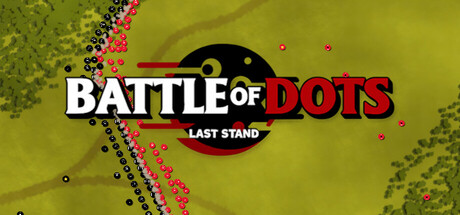 Battle Of Dots: Last Stand In-game content artcode | AI was used during the development of the game mainly for code optimization and improvements. To a limited extent, AI was also used to create some graphics and to improve the appearance of a small number of interface elements. | WarNode Interactive | - | Oct 3, 2026 | |
 らくがきスマッシュ / Doodle Smash In-game content artaudio | Some assets in this game were created with generative AI tools during development and then selected and edited by hand: the store key art and capsule images, some in-game images (UI decorations, stage backgrounds and some illustrations), and the background music and jingles. No generative AI is used while you play: the stats and skills of your drawing are decided by deterministic on-device image processing, and nothing is sent to an AI service. | 白鳥のぞみ | - | Oct 1, 2026 | |
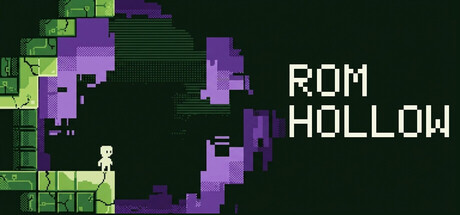 ROM Hollow Store/marketing art | Some artwork on ROM Hollow's store page was generated with AI. | Chris Karageorge | - | Oct 1, 2026 | |
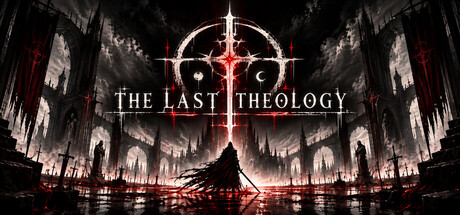 The Last Theology In-game content codetext | Generative AI tools were used during development to assist with programming and some written/game content. All generated material was reviewed and integrated by the developer. The game does not generate AI content during gameplay. | WastedWaffle | - | Oct 1, 2026 | |
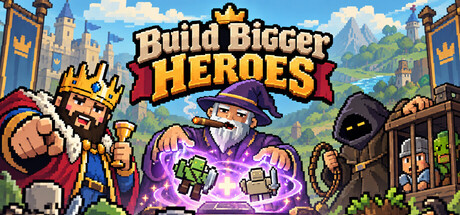 Build Bigger Heroes Live AI arttext | We use our own created small local generative AI models to create Artworks in realtime. Local LLM's are used to interact with the NPC's Text based (Input / Output) in realtime.
Be aware that realtime AI can make mistakes. We put a lot of effort into to make it work properly, but there can still be issues. No external AI models needed so your data stays on your own Computer!
We generally used AI assistance to create Assets in the game, most Assets where highly edited from Human Authoring.
The game was created by strong directed human vision, so everything is unique and my own idea! | INDIE-SQUID | - | Oct 1, 2026 | |
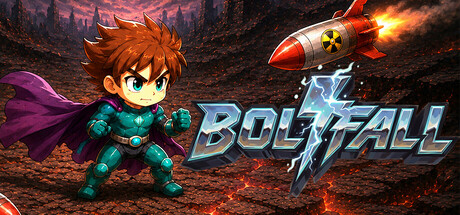 Boltfall In-game content audioart | BoltFall was developed with the assistance of generative AI tools. The game's music was generated using AI audio tools, and environment art assets were created with the assistance of AI image generation tools. All AI-generated content was reviewed, edited, and curated by the developer before being included in the final game. | MayaRealm Studios | - | Oct 1, 2026 | |
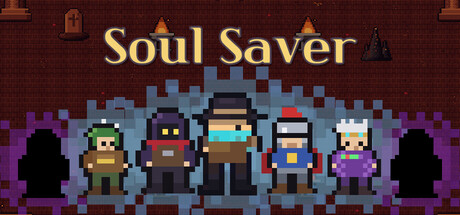 Soul Saver In-game content artaudiotext | This game was developed with the help of AI tools. AI assisted with programming, and some pre-generated content was created with AI assistance: pixel-art visual effects, background music, Japanese and Chinese translations, and parts of the store page text. All AI-assisted content was reviewed and edited by the developer. The game does not generate any content with AI while you play. | 박민근 | - | Sep 30, 2026 | |
 PONK Dev only code | AI tools assisted with the game's code and some written text during development. All artwork comes from the game's own engine, being web code. The music is composed by Juhani Junkala, and nothing is generated while you play. | aliyen | - | Sep 30, 2026 | |
 Cosmic Dominion In-game content art | Some visual assets in this game were generated using AI. Specifically: planet sprites/textures are AI-generated. All other in-game art is purchased/licensed, not AI-generated, and all audio is purchased/licensed, not AI-generated. | DMarshallGaming | - | Sep 30, 2026 | |
 Creators of War Dev only code | I only use AI to aid in coding. I am a solo dev and i built all music and all artwork. | Journeyman Games | - | Sep 30, 2026 | |
 Legends of the Pitch In-game content art | Generative AI was used during development to create and refine pre-generated visual assets for Legends of the Pitch, including character illustrations, environment artwork, card and interface imagery, and promotional artwork for the Steam store. Screenshots and trailers may display these assets. The developer selected, edited and integrated the final content. No AI content is generated during gameplay, and the game does not connect to any external AI service while playing. | LZQI STUDIOS | - | Sep 27, 2026 | |
 Stick Mania In-game content art | A small number of weapon assets were created with generative AI during development and are included in the shipped game as well as the store and library assets minus the logo. | PictureFrameGames | - | Sep 24, 2026 | |
 Death's Hour Dev only | AI was used as an assistant to create tooling for faster game development | TA Games | - | Sep 24, 2026 | |
 AVELUNE In-game content artaudio | The protagonist was entirely hand-drawn. Some of the in-game tilesets, objects, background music, and sound effects were created using generative AI, and all AI-generated assets were manually retouched and edited by me before being used in the game.No generative AI content is generated during gameplay. | Skyho | - | Sep 24, 2026 | |
 Ogro Buchón: Barrio Multiversal In-game content art | Some visual assets and promotional artwork included in the game were created or assisted with generative AI tools during development. These assets were subsequently edited, adjusted, animated, and integrated by the developer. The game does not use generative AI to create content during gameplay. | John Michel Rivera de Leon | - | Sep 24, 2026 | |
 Echoes of Eternity 2 In-game content artcode | Generative AI was used in the making of visual and coded assets. | DurableChain | - | Sep 24, 2026 | |
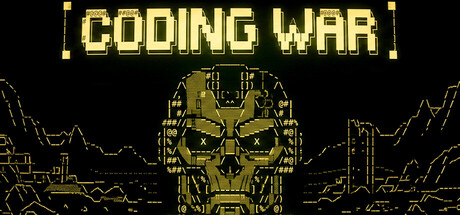 Coding War In-game content art | The game to contain art assets generated by artificial intelligence | Piece Of Voxel | - | Sep 24, 2026 | |
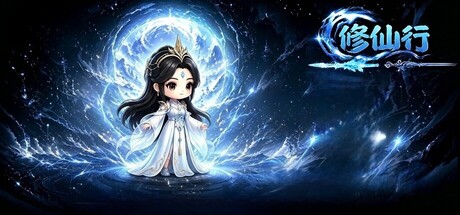 修仙行 Store/marketing arttext | Some static art assets and store promotional texts of this game are drafted with generative AI. All AI-generated materials have been manually checked for copyright and revised by the development team. No dynamic AI content will be generated in real time during gameplay. | 青行互娱 | - | Sep 24, 2026 | |
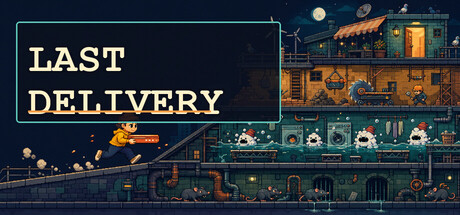 Last Delivery In-game content artaudio | AI was used to generate sounds as well as images in the game. | PizzaForPeople | - | Sep 22, 2026 | |
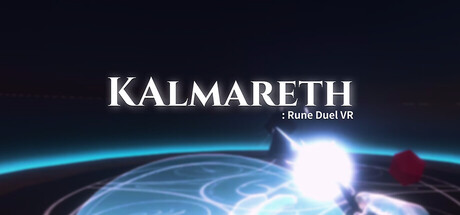 Kalmareth: Rune Duel VR Unclear codeaudio | Some codes, Some Audios. | UniCoti | - | Sep 22, 2026 | |
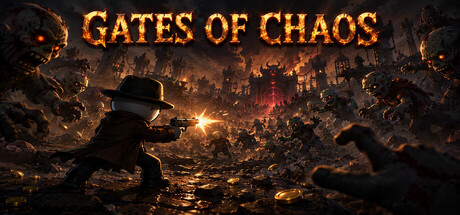 gates of chaos In-game content art | "Generative AI tools were used to create some of the in-game character artwork and object visuals." | Çağrı Alparslan | - | Sep 21, 2026 | |
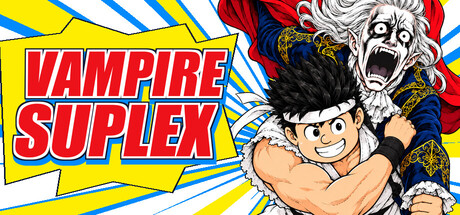 Vampire Suplex In-game content arttext | Some of this game's art assets and store page text were created with the help of generative AI tools. All AI-assisted material is pre-rendered and reviewed by the developer before release. No content is generated by AI while the game is running. | DUMARU Inc. | - | Sep 19, 2026 | |
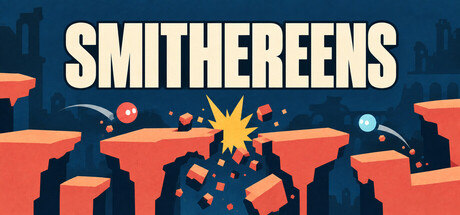 Smithereens Dev only art | One human made this game with many AI agents. Agents would draft concept art and samples for review, then iterate on feedback given. | Sunny Oak Studios LLC | - | Sep 19, 2026 | |
 Killpath Dev only | Generative AI tools were used during the development of the game to assist with creating parts of the game. AI was used as a development aid, while the final content and implementation were reviewed and integrated by the developer. | Szymon Deresz | - | Sep 19, 2026 | |
 FacePunch Live AI art | Generative AI was used to assist with the development of this game and with the creation of some of its visual assets.
The game includes an optional custom character feature. Players may enter text descriptions and provide reference images to generate character visuals. Players may also use text descriptions together with character reference images to create custom cinematic videos for their characters’ special moves.
These materials are generated by generative AI through an online service during gameplay. Once generation is complete, the resulting content is provided to the player for use as part of their custom character data. | 金展創意 | - | Sep 19, 2026 | |
 Night Ops: Undead In-game content art | Some environment prop artwork was created with an image-generation model from written briefs, then hand-reviewed, cropped and integrated. Sprites, tilesets, audio, UI, achievement icons and all code are authored procedurally or by hand. No AI-generated text, narrative or live-generated content. | Boarded Window Games | - | Sep 18, 2026 | |
 Sand Horde In-game content art | Generative AI was used as part of the development process for Sand Horde to help create select environmental artwork, backgrounds, visual assets, and promotional materials, as well as to assist with prototyping and development. All AI-assisted content is reviewed and integrated by the developer as part of the game's overall design and development. | Level Up Ventures | - | Sep 18, 2026 | |
 Mineral Zone Store/marketing art | Generative AI was used as an assistive tool during development for selected visual assets and promotional materials. All AI-assisted content was reviewed and edited by the developer before use. No generative AI is used during gameplay, and the game does not connect to any external AI services. | Surio | - | Sep 17, 2026 | |
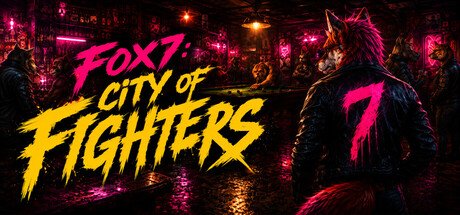 Fox7: City Of Fighters In-game content artaudio | Ai has been used for music and art creation. | Daniel Fox | - | Sep 16, 2026 | |
 Tooth for Tooth Unclear | We used generative AI tools as part of our creative process, alongside our team’s direction, editing, and refinement. | Outlane | - | Sep 16, 2026 | |
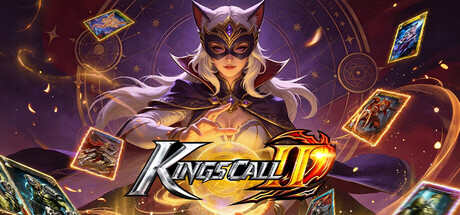 Kings Call 2 In-game content art | This demo uses generative AI tools to create most of the character art, illustrations, and visual assets. All AI-generated content has been reviewed and edited by the development team to ensure quality and compliance with Steam policies. No illegal or infringing material is included. | X Star Game Limited | - | Sep 16, 2026 | |
 TRENCHWORMS In-game content art | AI assisted artwork is used for illustrated scenes shown between campaign levels. | Walus Game Studio | - | Sep 15, 2026 | |
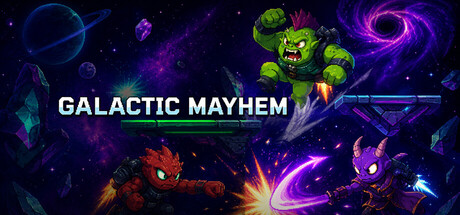 Galactic Mayhem In-game content art | AI Disclosure: Certain background textures, NPC portrait concepts, or promotional marketing assets in this game were generated with the assistance of AI tools. | Basement Dweller Studios | - | Sep 15, 2026 | |
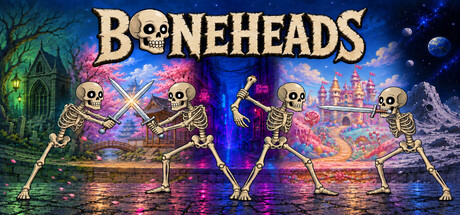 BoneHeads In-game content art | Generative AI tools were used during development to create game assets. | deReaLized | - | Sep 15, 2026 | |
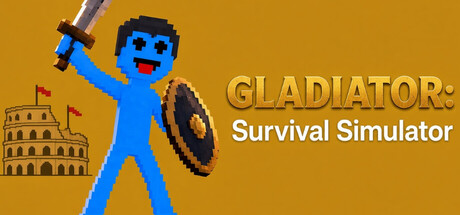 GLADIATOR: Survival Simulator Dev only code | No live AI. It was used to assist with the game's programming and code development. | Wynand Smit | - | Sep 12, 2026 |


