




Disclosure
AI-generated content is used for artwork, sound, and coding assistance.
- Creator
- MIKAGE STUDIO.
- Reviews
- -
- Added
- Oct 12, 2026
Public Steam disclosure research 25,376 disclosures tracked
Search developers’ Steam disclosures, compare classified AI use across games, and follow recorded changes. This index adds cross-game classifications and statistics to statements published on individual store pages.
Code help, debugging and other development work.
Capsule art, trailers and promotional material.
Pre-made art, audio, writing and other game assets.
Interactive or runtime AI features disclosed by the developer.
Groups reflect automatic analysis of public disclosures; mature records are excluded. These counts do not measure AI use across all of Steam. Missing or unclear statements cannot establish whether a game uses AI.
AI-generated content is used for artwork, sound, and coding assistance.
Text for the game and store page was localized with AI assistance. The game's menu and store page feature title artwork created with the help of AI tools.
Generative AI tools were used to assist with the creation of some pre-generated marketing text and promotional content for the game. The game does not use live-generated AI during gameplay.
AI tools were used solely for generating background images. All character art, UI elements, writing, and other visual content were created entirely by the development team without the use of generative AI.
Memory Access Violation was made by a solo developer working with an AI coding assistant, which was used during development: Code and level design: much of the game's code, including the level-building tools, puzzle layouts, enemy behaviour and vehicle handling, was written with AI assistance. The developer directed, playtested and revised every level. Puzzle solutions were checked by automated solvers so each one is fair. Visuals: the game's environments, vehicles, mechs and enemies are built in code from simple geometric shapes and custom shaders. No AI image generators were used for in-game art.
AI was used to assist with text translation into Italian, Portuguese, Chinese, Japanese, Korean, Norwegian, Swedish and German. The translations are used in the store page and in-game. No other content in this game uses AI.
Generative AI tools assisted with creating content for FluxFall and its promotional materials. The developer revied and refined the results, guiding the creative direction, gameplay design, and final presentation.
AI tools were used during development to help write the game's code (including the scripts that procedurally generate its sound effects and store art), to compose the soundtrack (melodies and arrangements written with AI assistance, rendered from our own scripts and an MIT-licensed instrument bank) and to translate its text into 10 languages. Game design, balance and visual direction are the developer's own, and all AI-assisted work was reviewed before being included. The game does not generate any AI content while you play.
Part of the game were created with the help of generative AI tools, then reviewed, edited and assembled by the developer: • visual art — the ambient background images and the animated background loop • audio — background music and sound effects Generative AI is used only during development to produce these assets. The game does NOT use any AI at runtime — there is no live AI generation while you play. Puzzles and word lists are hand-curated, and level layouts are produced by our own deterministic algorithm (not AI).
Generative AI tools were used extensively throughout development. Most of the game's visual content, user interface, written text, audio, narrative and localization, and program code were created with the assistance of generative AI, then selected, edited, integrated, and refined by the developer. Generative AI is used only during development. The game does not connect to AI services or generate content in real time during gameplay.
Some word lists used for typing practice were generated with ChatGPT and manually reviewed.
AI tools were used for the store and library images such as capsules (generated from the game's own in-game graphics), the English, Chinese and Korean translations, the background music, and the store page text. All in-game graphics were created without AI.
AI was used to generate code and textures for this game.
Lethal Geometry's written content and level design were made with generative AI assistance: the in-game text, the upgrade and milestone descriptions, the map hints, the layout and waves of the maps, and this store page. Nothing you see or hear is generated by an AI model. The board, the interface and the icons are drawn by the game's own code, so the build contains no image files, and every sound effect is synthesised by a script from mathematical waveforms. Nothing is generated while you play: there is no AI model in the game and no calls out to one. CS
The in-game text translations (26 languages), as well as this store page's texts and their translations, were prepared with the help of generative AI tools. No AI-generated content is produced while you play.
Parts of the store-page text and a few short interface lines were drafted with an AI writing assistant and reviewed and edited by the developer. The game's literary text, English narration, music, sound design and visual design are human-made.
This game includes content created with the assistance of generative AI. Specifically, the clock face and background designs available in the in-game shop were created using generative AI image tools, and the localization of the in-game interface text into several additional languages was produced with generative AI. The game's audio and other content were created without generative AI. No generative AI runs while the game is played — all such content is pre-generated and included in the build.
This game uses generative AI to write code.
Generative AI tools were used during development to create and refine some pre-generated visual assets, music, sound effects, and promotional artwork. No text or narrative content was generated using AI. All AI-assisted materials were reviewed, edited, and integrated by the development team. The game does not use generative AI at runtime, and no player input or personal data is sent to any AI service.
This game uses generative AI to create some of its audio content. Background music tracks were generated using Suno, and sound effects (SFX) for menus were generated using ElevenLabs. All AI-generated audio was reviewed and curated by the developer. No gameplay code or puzzle logic is generated by AI at runtime; the use of AI is limited to pre-generated audio content included in the build.
Generative AI was used to assist with drafting and translating store-page text and localization. No live-generated AI content is used during gameplay.
浣熊的設計與建模過程中有使用AI生成輔助,加快製作速度與溝通效率,後續調整了許多使其適配我們的遊戲本身。
The Art 2d art in the main menu was AI generated through chat gpt.
Generative AI tools assisted with pre-generated artwork, including Steam store capsules and library images, and some localization text. The game does not generate AI content during play or connect to external AI services.
AI was used in the game's development and store promotional materials
Quest for the Golden Nail was made with extensive use of generative AI. All creative, design and production decisions were made by a human developer. Generative AI was used for: Code and implementation support: OpenAI Codex and Anthropic Claude 3D Art & Textures: Codex, ChatGPT / Imagen, Meshy.ai Writing and translation support: ChatGPT Sounds and voices were recorded by humans. Every part of the game was directed, reviewed, tested and refined by hand.
We used generative AI during development to create parts of the game’s code and narrative content.
Some visual assets and store-related materials for this game were created with generative AI assistance, then reviewed and edited by humans before inclusion. In-game opponents use traditional search and position evaluation; moves are not generated by generative AI at runtime.
このゲームはプログラミング、グラフィックを
Advice on game development and assistance with programming.
Some 3D models and sound effects in this game were created using generative AI tools.
Generative AI was used for most in-game voice lines and sound effects, and for some 3D props.
Almost all graphic elements in the game were created using artificial intelligence tools and subsequently refined in graphic editing software to ensure visual consistency. Non-English translations are generated automatically. No AI-generated content is created in real time during gameplay. All graphical assets are static and pre-rendered.
Generative AI tools were used during development for programming assistance and debugging support. No AI-generated player-facing content is included in the game.
We conducted game testing with AI bots and fine-tuned the balance. TIC.EXE does not use AI while you play. The procedurally generated boards, runs and the chiptune soundtrack are all produced by hand-written algorithms, and no content is generated at runtime.
Generative AI tools were used during development to assist with programming, debugging, and development iteration. No generative AI is used during gameplay, no live AI-generated content is produced, and the game does not connect to external AI services during play.
Generative AI was used to support and enhance the Soundtrack Production.
In this project, we are using generative AI to brainstorm ideas for character designs and to localize text.
Certain UI elements and regional logos were created with the assistance of AI.
The store and library capsule images and the logo were created with AI image generation tools and edited by hand; AI also assisted with the store description and the in-game translations. The game itself contains no AI-generated content and generates nothing while you play. All screenshots and trailer footage come from the actual game.
Below The Loop uses generative AI-assisted tools during development to create some visual assets and marketing artwork. These assets are pre-generated and reviewed and edited as part of the development process. The game does not use AI to generate content in real time during gameplay.
Some localization, marketing material and some art are drafted with AI first then brought to its final version.
Some icons, UI elements and text were created with the help of AI tools during development, then reviewed and edited by hand. Nothing is generated while you play.
AI was used as a coding assistant during development, and for translations. I’m a software engineer with 25 years of programming experience. I used AI to help with technical implementation while I focused on the game’s design, systems, balance, and overall feel.
This game uses some pre-generated content created with generative AI tools. It does not use generative AI to generate content in real time in response to player actions. Artwork Generative AI tools were used to create some in-game graphics, as well as images for the Steam store page and promotional and marketing materials. Generated assets are reviewed by the developer and edited or adjusted when necessary. Some assets are used without additional editing. Translation AI tools are used to assist with translation and localization for some languages other than Japanese. Translations are reviewed and corrected by the developer.
AI was used to generate the voices for cutscene. No other AI was used in the making of this product.
We've leveraged the capabilities of Generative AI technology to create some of the unique themed backgrounds, characters, and content elements featured in our game. This innovative approach allows us to deliver a richer, more immersive experience, filled with visually captivating and creatively inspired designs that enhance every moment of gameplay.
The background images and birds pictures are pre-rendered AI art
The Settings and Guide Texts are partially generated by generative AI.
Parts of this product were produced with the help of generative AI. The HTML, CSS, JavaScript and shader code of the bundled wallpapers, the store page text and its translations were drafted with AI assistance and reviewed by a person before release. The application itself does not use generative AI at runtime. It generates no content while you use it, and nothing you do in Wallpaper — hardware readings, settings, your own photos and videos — is sent to any AI model or to any server. Everything stays on your PC.
| Title⇅ | Disclosure | Creator⇅ | Src | Reviews⇅ | Added↓ |
|---|---|---|---|---|---|
 SLASH//SYNC In-game content artaudiocode | AI-generated content is used for artwork, sound, and coding assistance. | MIKAGE STUDIO. | - | Oct 12, 2026 | |
 Everbreak In-game content textart | Text for the game and store page was localized with AI assistance. The game's menu and store page feature title artwork created with the help of AI tools. | unomy | - | Oct 12, 2026 | |
 Welcome home, Resident Store/marketing text | Generative AI tools were used to assist with the creation of some pre-generated marketing text and promotional content for the game. The game does not use live-generated AI during gameplay. | Dale McCarthy | - | Oct 10, 2026 | |
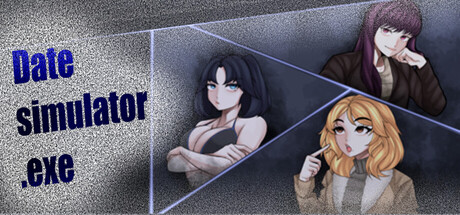 DATE_SIMULATOR.EXE In-game content art | AI tools were used solely for generating background images. All character art, UI elements, writing, and other visual content were created entirely by the development team without the use of generative AI. | NO REGRETS | - | Oct 10, 2026 | |
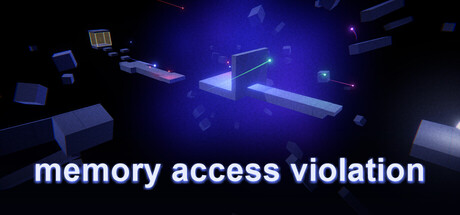 Memory Access Violation In-game content codeart | Memory Access Violation was made by a solo developer working with an AI coding assistant, which was used during development:
Code and level design: much of the game's code, including the level-building tools, puzzle layouts, enemy behaviour and vehicle handling, was written with AI assistance. The developer directed, playtested and revised every level. Puzzle solutions were checked by automated solvers so each one is fair.
Visuals: the game's environments, vehicles, mechs and enemies are built in code from simple geometric shapes and custom shaders. No AI image generators were used for in-game art. | De La Guardia Games | - | Oct 9, 2026 | |
 Attkand In-game content text | AI was used to assist with text translation into Italian, Portuguese, Chinese, Japanese, Korean, Norwegian, Swedish and German. The translations are used in the store page and in-game.
No other content in this game uses AI. | Starhand Games | - | Oct 9, 2026 | |
 Flux Fall Store/marketing arttext | Generative AI tools assisted with creating content for FluxFall and its promotional materials. The developer revied and refined the results, guiding the creative direction, gameplay design, and final presentation. | RecursionSplash | - | Oct 7, 2026 | |
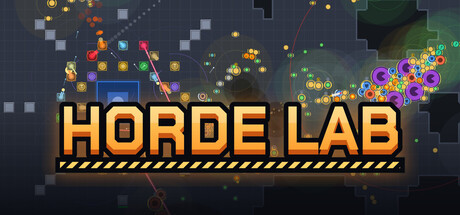 Horde Lab In-game content artaudiotext | AI tools were used during development to help write the game's code (including the scripts that procedurally generate its sound effects and store art), to compose the soundtrack (melodies and arrangements written with AI assistance, rendered from our own scripts and an MIT-licensed instrument bank) and to translate its text into 10 languages. Game design, balance and visual direction are the developer's own, and all AI-assisted work was reviewed before being included. The game does not generate any AI content while you play. | MurzaGames | - | Oct 7, 2026 | |
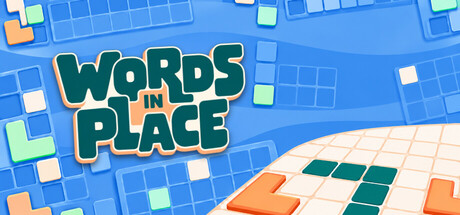 Words In Place In-game content artaudio | Part of the game were created with the help of generative AI tools, then reviewed, edited and assembled by the developer:
• visual art — the ambient background images and the animated background loop
• audio — background music and sound effects
Generative AI is used only during development to produce these assets. The game does NOT use any AI at runtime — there is no live AI generation while you play.
Puzzles and word lists are hand-curated, and level layouts are produced by our own deterministic algorithm (not AI). | lil kooky | - | Oct 6, 2026 | |
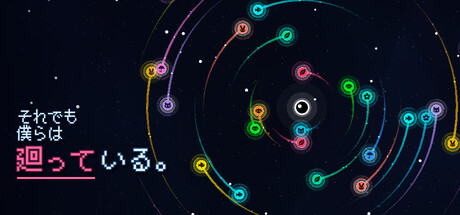 それでも僕らは廻っている。 In-game content arttextaudiocode | Generative AI tools were used extensively throughout development. Most of the game's visual content, user interface, written text, audio, narrative and localization, and program code were created with the assistance of generative AI, then selected, edited, integrated, and refined by the developer. Generative AI is used only during development. The game does not connect to AI services or generate content in real time during gameplay. | おまど | - | Oct 4, 2026 | |
 JUST TYPE Dev only text | Some word lists used for typing practice were generated with ChatGPT and manually reviewed. | VLighter | - | Oct 4, 2026 | |
 EternalCircuitBoard In-game content artaudiotext | AI tools were used for the store and library images such as capsules (generated from the game's own in-game graphics), the English, Chinese and Korean translations, the background music, and the store page text. All in-game graphics were created without AI. | HS Games | - | Oct 4, 2026 | |
 Skies End In-game content artcode | AI was used to generate code and textures for this game. | Startek | - | Oct 3, 2026 | |
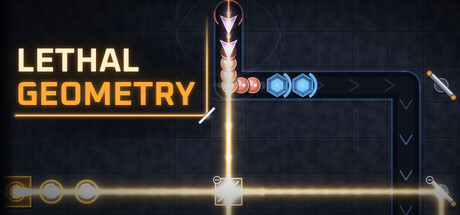 Lethal Geometry In-game content text | Lethal Geometry's written content and level design were made with generative AI assistance: the in-game text, the upgrade and milestone descriptions, the map hints, the layout and waves of the maps, and this store page.
Nothing you see or hear is generated by an AI model. The board, the interface and the icons are drawn by the game's own code, so the build contains no image files, and every sound effect is synthesised by a script from mathematical waveforms. Nothing is generated while you play: there is no AI model in the game and no calls out to one.
CS | StoneForge Labs s.r.o. | - | Oct 3, 2026 | |
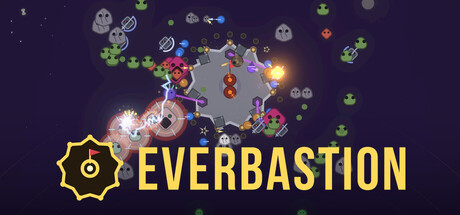 EverBastion In-game content text | The in-game text translations (26 languages), as well as this store page's texts and their translations, were prepared with the help of generative AI tools. No AI-generated content is produced while you play. | Osiris Atlas | - | Oct 3, 2026 | |
 Ex Oblivione Store/marketing text | Parts of the store-page text and a few short interface lines were drafted with an AI writing assistant and reviewed and edited by the developer. The game's literary text, English narration, music, sound design and visual design are human-made. | No_Return() | - | Oct 1, 2026 | |
 Waste Your Time In-game content arttext | This game includes content created with the assistance of generative AI. Specifically, the clock face and background designs available in the in-game shop were created using generative AI image tools, and the localization of the in-game interface text into several additional languages was produced with generative AI. The game's audio and other content were created without generative AI. No generative AI runs while the game is played — all such content is pre-generated and included in the build. | XejiksGG | - | Oct 1, 2026 | |
 go Up Dev only code | This game uses generative AI to write code. | yee | - | Oct 1, 2026 | |
 Parallax In-game content artaudio | Generative AI tools were used during development to create and refine some pre-generated visual assets, music, sound effects, and promotional artwork. No text or narrative content was generated using AI. All AI-assisted materials were reviewed, edited, and integrated by the development team. The game does not use generative AI at runtime, and no player input or personal data is sent to any AI service. | NEUTWORK | - | Oct 1, 2026 | |
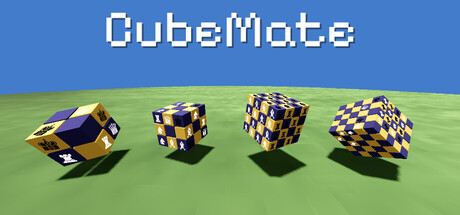 CubeMate In-game content audio | This game uses generative AI to create some of its audio content. Background music tracks were generated using Suno, and sound effects (SFX) for menus were generated using ElevenLabs. All AI-generated audio was reviewed and curated by the developer. No gameplay code or puzzle logic is generated by AI at runtime; the use of AI is limited to pre-generated audio content included in the build. | Bartosz Woźniak Solutions | - | Oct 1, 2026 | |
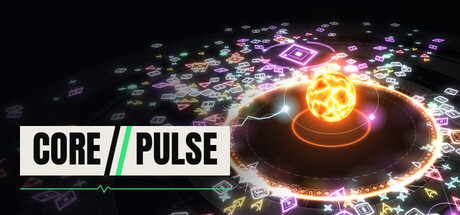 CORE//PULSE In-game content text | Generative AI was used to assist with drafting and translating store-page text and localization. No live-generated AI content is used during gameplay. | EEE Inc. | - | Sep 30, 2026 | |
 惡搞浣熊 In-game content art | 浣熊的設計與建模過程中有使用AI生成輔助,加快製作速度與溝通效率,後續調整了許多使其適配我們的遊戲本身。 | 惡搞浣熊 | - | Sep 28, 2026 | |
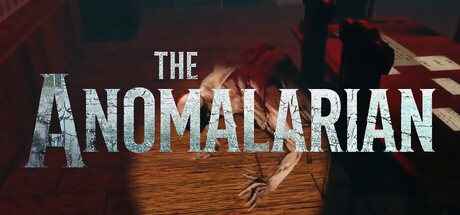 The Anomalarian In-game content art | The Art 2d art in the main menu was AI generated through chat gpt. | Sion Kruger | - | Sep 27, 2026 | |
 MirrorBullet Store/marketing arttext | Generative AI tools assisted with pre-generated artwork, including Steam store capsules and library images, and some localization text. The game does not generate AI content during play or connect to external AI services. | Ark | - | Sep 27, 2026 | |
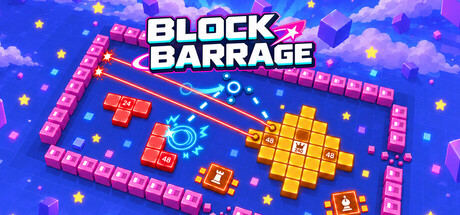 Block Barrage Store/marketing | AI was used in the game's development and store promotional materials | Sun Monster FxxL | - | Sep 25, 2026 | |
 Quest for the Golden Nail In-game content arttextcode | Quest for the Golden Nail was made with extensive use of generative AI. All creative, design and production decisions were made by a human developer.
Generative AI was used for:
Code and implementation support: OpenAI Codex and Anthropic Claude
3D Art & Textures: Codex, ChatGPT / Imagen, Meshy.ai
Writing and translation support: ChatGPT
Sounds and voices were recorded by humans.
Every part of the game was directed, reviewed, tested and refined by hand. | PoweredByPixels | - | Sep 25, 2026 | |
 Arrow Puzzle In-game content codetext | We used generative AI during development to create parts of the game’s code and narrative content. | Al Dente Games | - | Sep 25, 2026 | |
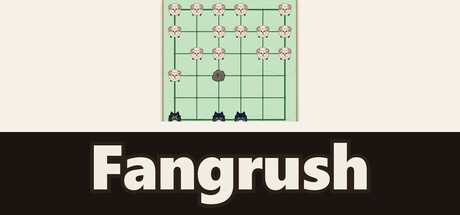 Fangrush In-game content art | Some visual assets and store-related materials for this game were created with generative AI assistance, then reviewed and edited by humans before inclusion. In-game opponents use traditional search and position evaluation; moves are not generated by generative AI at runtime. | Fangrush | - | Sep 24, 2026 | |
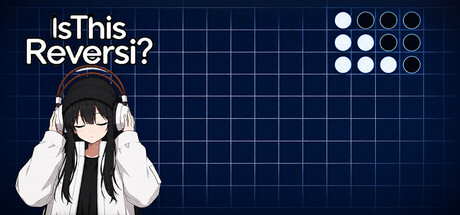 Is This Reversi? Unclear artcode | このゲームはプログラミング、グラフィックを | 創造神司-souzousinzi- | - | Sep 24, 2026 | |
 ADs Storm Dev only code | Advice on game development and assistance with programming. | ブロッコリー | - | Sep 24, 2026 | |
 A Weird Game About Sausage In-game content artaudio | Some 3D models and sound effects in this game were created using generative AI tools. | Madman's Cheese | 159 | Sep 22, 2026 | |
 Tutorial Hell In-game content audioart | Generative AI was used for most in-game voice lines and sound effects, and for some 3D props. | Alfamonk | - | Sep 20, 2026 | |
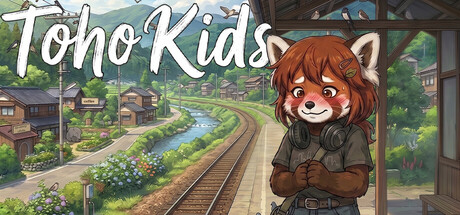 TohoKids In-game content arttext | Almost all graphic elements in the game were created using artificial intelligence tools and subsequently refined in graphic editing software to ensure visual consistency. Non-English translations are generated automatically.
No AI-generated content is created in real time during gameplay. All graphical assets are static and pre-rendered. | MonardoFunClub | - | Sep 20, 2026 | |
 ARCASCIAN Dev only code | Generative AI tools were used during development for programming assistance and debugging support. No AI-generated player-facing content is included in the game. | Piledriver Playhouse | - | Sep 19, 2026 | |
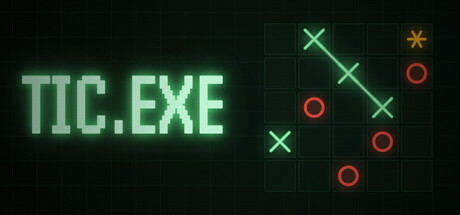 TIC.EXE Dev only | We conducted game testing with AI bots and fine-tuned the balance.
TIC.EXE does not use AI while you play. The procedurally generated boards, runs and the chiptune soundtrack are all produced by hand-written algorithms, and no content is generated at runtime. | RedRock Games | - | Sep 18, 2026 | |
 Where's WigglyJiggly Dev only code | Generative AI tools were used during development to assist with programming, debugging, and development iteration. No generative AI is used during gameplay, no live AI-generated content is produced, and the game does not connect to external AI services during play. | CurlyGames | - | Sep 18, 2026 | |
 Nullwatch In-game content audio | Generative AI was used to support and enhance the Soundtrack Production. | Grid North Games | - | Sep 18, 2026 | |
 贋作・掟の門(習作) Dev only text | In this project, we are using generative AI to brainstorm ideas for character designs and to localize text. | ILCA, Inc. | - | Sep 18, 2026 | |
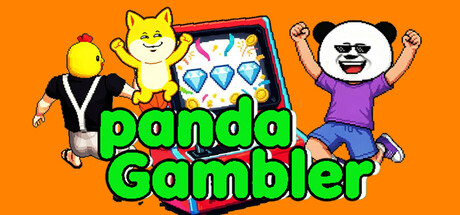 Panda Gambler In-game content art | Certain UI elements and regional logos were created with the assistance of AI. | TR Panda 、박정금 | - | Sep 18, 2026 | |
 Pixel Ping Pong In-game content arttext | The store and library capsule images and the logo were created with AI image generation tools and edited by hand; AI also assisted with the store description and the in-game translations. The game itself contains no AI-generated content and generates nothing while you play. All screenshots and trailer footage come from the actual game. | Butterstick Games | - | Sep 18, 2026 | |
 Below The Loop Store/marketing art | Below The Loop uses generative AI-assisted tools during development to create some visual assets and marketing artwork. These assets are pre-generated and reviewed and edited as part of the development process. The game does not use AI to generate content in real time during gameplay. | Sandbox Studio | - | Sep 18, 2026 | |
 NOEMA In-game content arttext | Some localization, marketing material and some art are drafted with AI first then brought to its final version. | Imponix Game Studio | - | Sep 16, 2026 | |
 One Pixel In-game content arttext | Some icons, UI elements and text were created with the help of AI tools during development, then reviewed and edited by hand. Nothing is generated while you play. | Andret2344 | - | Sep 15, 2026 | |
 Colorsong Dev only codetext | AI was used as a coding assistant during development, and for translations.
I’m a software engineer with 25 years of programming experience. I used AI to help with technical implementation while I focused on the game’s design, systems, balance, and overall feel. | Vladlen Manshin | - | Sep 15, 2026 | |
 Black & White in Balance In-game content arttext | This game uses some pre-generated content created with generative AI tools. It does not use generative AI to generate content in real time in response to player actions.
Artwork
Generative AI tools were used to create some in-game graphics, as well as images for the Steam store page and promotional and marketing materials. Generated assets are reviewed by the developer and edited or adjusted when necessary. Some assets are used without additional editing.
Translation
AI tools are used to assist with translation and localization for some languages other than Japanese. Translations are reviewed and corrected by the developer. | Indie Heart Games | - | Sep 15, 2026 | |
 Surf Academy In-game content audio | AI was used to generate the voices for cutscene. No other AI was used in the making of this product. | Hunter Kelly | - | Sep 14, 2026 | |
 Chessfolk In-game content art | We've leveraged the capabilities of Generative AI technology to create some of the unique themed backgrounds, characters, and content elements featured in our game. This innovative approach allows us to deliver a richer, more immersive experience, filled with visually captivating and creatively inspired designs that enhance every moment of gameplay. | Space 64 | - | Sep 10, 2026 | |
 Chronime Puzzle: Birds In-game content art | The background images and birds pictures are pre-rendered AI art | Quantum Quiver Games | - | Sep 10, 2026 | |
 Cyan Moon - The Simulation Program In-game content text | The Settings and Guide Texts are partially generated by generative AI. | Daishi11 | - | Sep 9, 2026 | |
 Wallpaper Store/marketing codetext | Parts of this product were produced with the help of generative AI. The HTML, CSS, JavaScript and shader code of the bundled wallpapers, the store page text and its translations were drafted with AI assistance and reviewed by a person before release.
The application itself does not use generative AI at runtime. It generates no content while you use it, and nothing you do in Wallpaper — hardware readings, settings, your own photos and videos — is sent to any AI model or to any server. Everything stays on your PC. | Simay Yaşın | - | Sep 9, 2026 |


