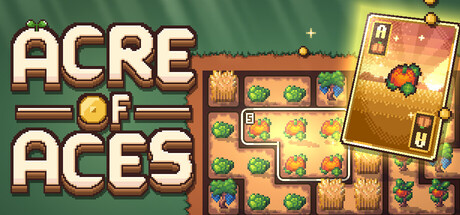
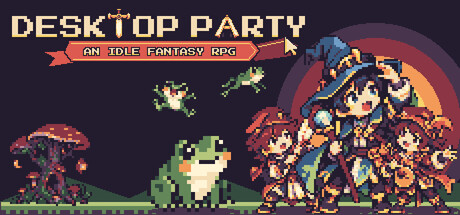
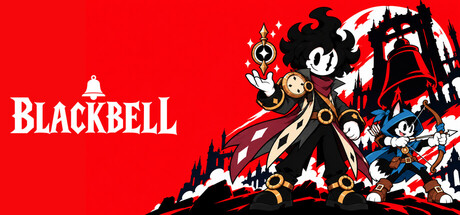

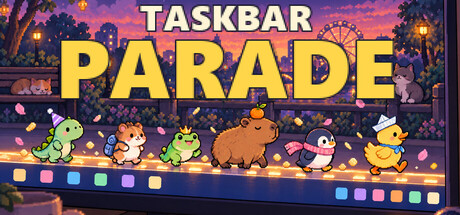


Disclosure
Steam store and library, including capsule images, the logo and icons Gameplay screenshots were captured directly from the game.
- Creator
- Emberquiver Studio
- Reviews
- -
- Added
- Oct 10, 2026
Public Steam disclosure research 25,376 disclosures tracked
Search developers’ Steam disclosures, compare classified AI use across games, and follow recorded changes. This index adds cross-game classifications and statistics to statements published on individual store pages.
Code help, debugging and other development work.
Capsule art, trailers and promotional material.
Pre-made art, audio, writing and other game assets.
Interactive or runtime AI features disclosed by the developer.
Groups reflect automatic analysis of public disclosures; mature records are excluded. These counts do not measure AI use across all of Steam. Missing or unclear statements cannot establish whether a game uses AI.
Steam store and library, including capsule images, the logo and icons Gameplay screenshots were captured directly from the game.
AI tools assisted with localization, store-page text, and preparation of promotional artwork. This content is prepared in advance. The game does not use AI to generate content during gameplay or connect to external AI services.
Some of the background music, the in-game translations and parts of the store text were created with the help of generative AI tools, then reviewed and edited by the developer.
Generative AI tools were used to create the game logo and some promotional artwork for the Steam store page. The generated content was reviewed, cropped, edited, and arranged by the developer before publication. The game does not use generative AI to generate content during gameplay.
Some of the game's content was created with the help of generative AI tools and then edited, cleaned up, rigged, animated and integrated by the developer. This includes 3D models of characters and enemies, 2D art such as ability icons, UI elements and some store page artwork, sound effects, and parts of the store page text. All gameplay, design, balance and final assembly were done by the developer.
Generative AI tools assisted with drafting and translating text for the store page and trailer captions. The game does not generate AI content during play.
AI has been used to help develop the game's cover art.
No live AI. It was used to assist with the game's programming and code development.
Pre-generated generative AI was used during development to assist with the creation and refinement of some 2D pixel-art assets, including characters, animals, equipment, environments, and user-interface elements, as well as localized text. All AI-assisted content was reviewed, edited, and integrated by the developer. The game does not use live-generated AI and does not generate content during gameplay.
Generative AI tools were used to assist with some store marketing assets including capsule artwork, as well as a small number of in-game item icons and a loading screen. All AI-assisted assets were reviewed, edited and polished by hand before use and will be replaced at a later date.
Generative AI tools were used during development to help create visual assets for this game, including character art, environments such as the temple, weapons, and other in-game artwork, as well as store and marketing images (capsule art, logo, and store background). All AI-assisted content was reviewed, edited, and finalized by the developer, who holds the rights to use it. No AI-generated content is created live during gameplay.
AI was not used to make mechanics or maps AI was used to create placeholder images that will be removed before the full release of the game.
AI tools were used to assist with development of this game."
Some of the 2D artwork used for this game's branding and store page - including the app icon and the key art - was created with the help of generative AI image tools, then cropped, edited and finalized by hand. No AI-generated content is produced while you play: all gameplay, 3D models, animation and audio come from licensed or hand-authored assets.
This game features generative artificial intelligence was used to generate artwork and images.
We used A.I. in some assets of our game.
Some code and animation created with the assistance of LLMs.
I am a solo developer balancing this project with another job. To make this game a reality, I have used generative AI tools as an assistant during development, as well as to generate various pre-rendered assets: 2D visual elements (such as item icons, textures, and interface art) and the composition of the orchestral soundtrack.
The game is primarily developed using Houdini, VEX and Godot. Generative AI assists with concept/reference artwork, initial 3D asset generation, and programming. Assets are further processed, optimized, rigged and animated in Houdini before integration into the game.
Generative AI was used selectively as a development tool to assist with some textures and selected 3D assets. All assets were reviewed, refined where needed, and integrated by the developer. The game does not use live-generated AI content.
Aftergrowth's code was written with the help of an AI coding assistant, and some of the game's text — including parts of this store page — was first drafted with it and then edited by hand. Nothing you see or hear is AI-generated. Every sprite, tile and icon is drawn by deterministic Python scripts rather than by an image model. The music is synthesised and the sound effects are CC0 recordings by Kenney, both credited in the game's CREDITS file. No generative AI runs while you play: nothing is generated live, and the game makes no request to any AI service.
Some of the store promotional materials for this game (including the cover, main key visual, and some 2D UI elements) were created with the assistance of generative AI. In-game visual effects, programming, gameplay, and all other game content were developed entirely by human developers. The game does not use generative AI during runtime, nor does it collect or upload player data.
Selected visual assets and music tracks were created using generative AI tools as part of the production process. All AI-generated material was reviewed, curated, and integrated by the developer to ensure consistency with the game’s creative direction. No AI-generated content is produced during gameplay.
This game uses generative AI to assist in creating some monster and card artwork.
Some content in this game was enhanced using generative artificial intelligence (AI).
Generative AI was used to create some base assets, which were subsequently heavily edited by hand. All final assets included in the game have undergone substantial manual editing.
Wildmark was made by one person. The story and all of its dialogue are my own, written by me. But without a studio's budget to commission artists, composers, and voice actors, I used generative AI tools to help create much of what you see. Nothing ships as a raw, untouched generation: every asset was hand-directed, chosen, refined, and assembled to fit a single cohesive, hand-crafted style and world, and reviewed by me to make sure it belonged. In the end, what matters is whether the game is enjoyable and worth your time, not which tools helped build it.
At this stage, some in-game text is translated using generative AI tools as a temporary solution. All other content — art, models, audio, and design — is created manually. AI translation will be replaced with professional human localization for the full release.
A few generated placeholder pixel art icons that will hopefully be gone by the time of the full official release.
We want to be transparent with our players. It is possible that AI-assisted tools were used at some early stages of development, such as brainstorming, concept exploration, or helping us evaluate clarity of certain narrative elements. Some audio assets used in the game were sourced from licensed third-party libraries and marketplaces (such as Envato), and are used under proper commercial licenses. At the current stage of development, voice acting is generated using AI-based tools as a temporary solution. We are actively planning to replace it with professional human voice acting in future updates. All final gameplay experience and core content are assembled, designed, and produced by our development team.
All in-game illustrations (character portraits, NPC and monster art, location and item images, key art) were pre-generated during development using generative AI tools and manually curated by the developer. The game does not create AI-generated content at runtime.
This game uses generative AI assistance in the creation of some art, audio, text, or marketing materials, and all related content is reviewed, edited, and approved by the development team before release.
AI-assisted tools were used to support the development of some programming elements in the game.
Our development process makes use of generative AI tools for internal tasks such as early concept exploration - both for the game and marketing assets, as well as workflow automation. All final game assets are created by our team without AI-generated content.
Splatapult contains generative AI Art
Azura uses artificial intelligence to accelerate card prototyping, character ideas, and mechanic balancing, always providing creative support. All final content goes through human curation and collaborations with artists, ensuring a visually unique and soulful game.
Some of the image assets on the store page are generated by AI.
This game includes pre-generated assets created with the assistance of generative AI tools. AI-assisted content may include selected store capsule artwork, promotional artwork, UI-related graphics, and selected music/audio elements. All AI-assisted content is reviewed and edited by the developer before being included in the game or store presentation. The game does not use live generative AI during gameplay.
AI was used to generate background music, English voice-over, a video featuring the team logo, and a small portion of textures.
This game uses AI for rapid prototyping, all AI assets should be replaced upon launch. Please report any missed assets on our discord.
The game is mostly made by hand, ai was used for this things: 1) Translations 2) A couple of sprites and scripts 3) Composition of promo banners
GeneWorld uses generative AI for dynamic NPC interactions and adaptive dialogue systems. NPC responses, quest interactions, trading behavior, and temporary buffs may be generated in real time based on player conversations. All AI-generated content is moderated and restricted from generating inappropriate or harmful content.
During development, AI-assisted tools may have been used in a limited role for tasks such as concept support and writing assistance. These tools were used only to assist the development process. All final content choices, editing, implementation, and creative direction were carried out by the solo developer. The game does not include live-generated AI content during runtime.
Steel and Sinew uses AI art as placeholder for UI.
Font and Translation
The logo and some of the art surrounding the logo on the main menu screen is partly made using Photoshop Generative AI feature.
Some icons and localization elements in this game were created with AI assistance.
During development of this game AI was used for code completion, art generation, text descriptions and a psychological/motivational/emotional support as well as release planning. Pretty much at every step of this game dev journey the AI was part of it.
Developing Aevalore solo meant tackling a massive project on my own. To manage the 500+ sprite sheets required, I used generative AI for the artwork (most hand polished for finish) and 90% of the music. Some of the music was made by a friend and me. This allowed me to pour all my energy into coding the 81-ability system, 12+ unique characters and crafting the world. These tools didn't replace my vision; they made it possible for a solo dev to build it.
This game utilizes generative AI tools during development to enhance certain aspects of production. Specifically, AI was used to assist with programming tasks and sound creation. All AI-assisted content was carefully reviewed, refined, and integrated by the developer to ensure consistency and quality within the game.
| Title⇅ | Disclosure | Creator⇅ | Src | Reviews⇅ | Added↓ |
|---|---|---|---|---|---|
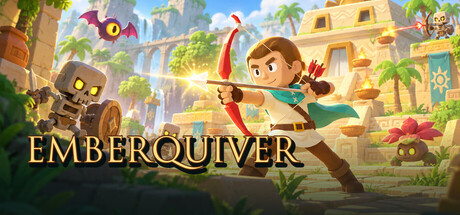 Emberquiver Store/marketing art | Steam store and library, including capsule images, the logo and icons Gameplay screenshots were captured directly from the game. | Emberquiver Studio | - | Oct 10, 2026 | |
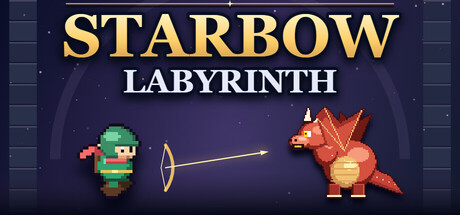 StarbowLabyrinth In-game content textart | AI tools assisted with localization, store-page text, and preparation of promotional artwork. This content is prepared in advance. The game does not use AI to generate content during gameplay or connect to external AI services. | jincycle | - | Oct 9, 2026 | |
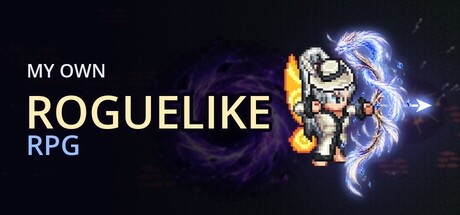 My Own Roguelike: RPG In-game content audiotext | Some of the background music, the in-game translations and parts of the store text were created with the help of generative AI tools, then reviewed and edited by the developer. | DGSTUDIO | - | Oct 7, 2026 | |
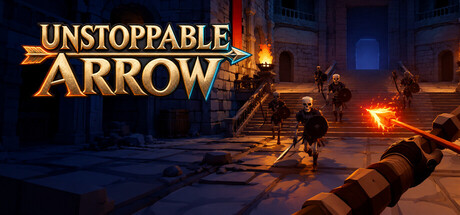 Unstoppable Arrow Store/marketing art | Generative AI tools were used to create the game logo and some promotional artwork for the Steam store page. The generated content was reviewed, cropped, edited, and arranged by the developer before publication. The game does not use generative AI to generate content during gameplay. | bloodyice | - | Oct 3, 2026 | |
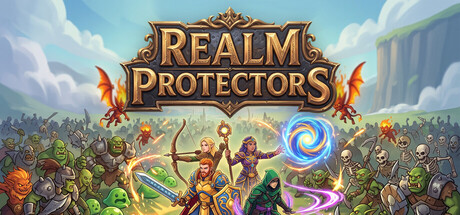 Realm Protectors In-game content artaudiotext | Some of the game's content was created with the help of generative AI tools and then edited, cleaned up, rigged, animated and integrated by the developer. This includes 3D models of characters and enemies, 2D art such as ability icons, UI elements and some store page artwork, sound effects, and parts of the store page text. All gameplay, design, balance and final assembly were done by the developer. | slimevault | - | Sep 28, 2026 | |
 Hold the door! Store/marketing text | Generative AI tools assisted with drafting and translating text for the store page and trailer captions. The game does not generate AI content during play. | Free Dust | - | Sep 22, 2026 | |
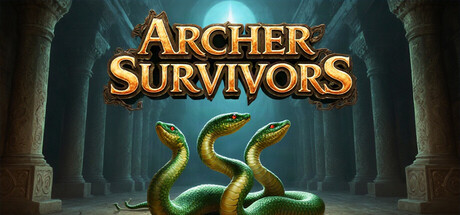 Archer Survivors Store/marketing art | AI has been used to help develop the game's cover art. | Hard Shark Games | - | Sep 15, 2026 | |
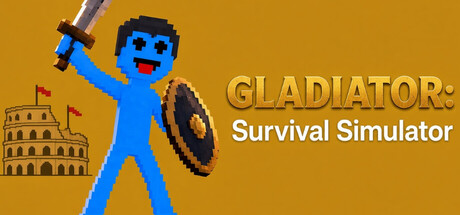 GLADIATOR: Survival Simulator Dev only code | No live AI. It was used to assist with the game's programming and code development. | Wynand Smit | - | Sep 12, 2026 | |
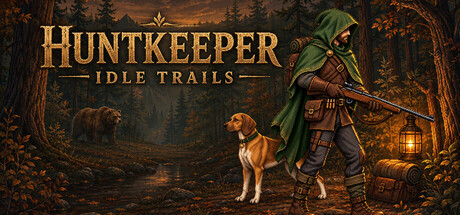 HUNTKEEPER: Idle Trails In-game content arttext | Pre-generated generative AI was used during development to assist with the creation and refinement of some 2D pixel-art assets, including characters, animals, equipment, environments, and user-interface elements, as well as localized text. All AI-assisted content was reviewed, edited, and integrated by the developer. The game does not use live-generated AI and does not generate content during gameplay. | Crimson Smile Games | - | Sep 12, 2026 | |
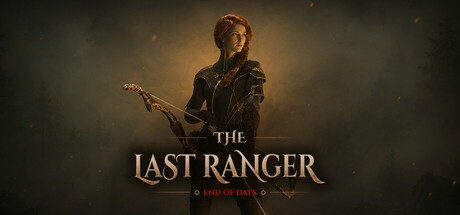 The Last Ranger In-game content art | Generative AI tools were used to assist with some store marketing assets including capsule artwork, as well as a small number of in-game item icons and a loading screen. All AI-assisted assets were reviewed, edited and polished by hand before use and will be replaced at a later date. | NoRestForTheBest | - | Sep 12, 2026 | |
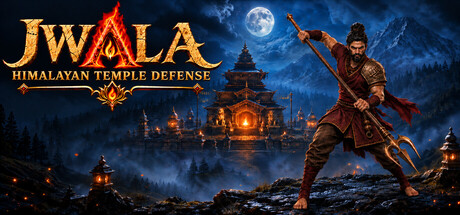 Jwala: Himalayan Temple Defense In-game content art | Generative AI tools were used during development to help create visual assets for this game, including character art, environments such as the temple, weapons, and other in-game artwork, as well as store and marketing images (capsule art, logo, and store background). All AI-assisted content was reviewed, edited, and finalized by the developer, who holds the rights to use it. No AI-generated content is created live during gameplay. | MonkVerse | - | Sep 6, 2026 | |
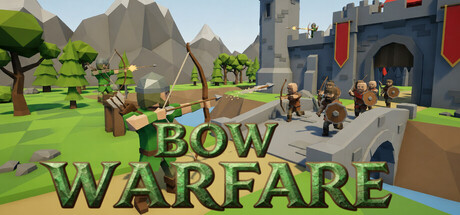 Bow Warfare Dev only art | AI was not used to make mechanics or maps AI was used to create placeholder images that will be removed before the full release of the game. | Iron Tank Studios | - | Sep 4, 2026 | |
 Sumi Archery Unclear | AI tools were used to assist with development of this game." | Mangal09 | - | Sep 3, 2026 | |
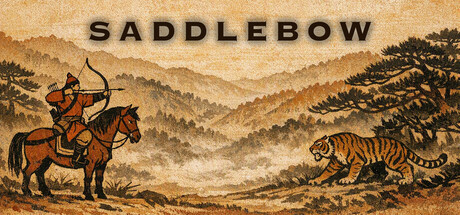 Saddlebow In-game content art | Some of the 2D artwork used for this game's branding and store page - including the app icon and the key art - was created with the help of generative AI image tools, then cropped, edited and finalized by hand. No AI-generated content is produced while you play: all gameplay, 3D models, animation and audio come from licensed or hand-authored assets. | SweetPulse Games | - | Sep 3, 2026 | |
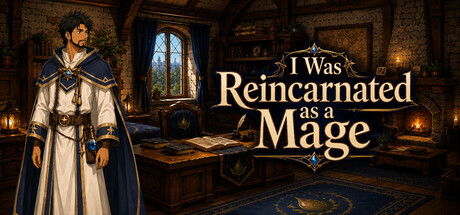 I was reincarnated as a mage. In-game content art | This game features generative artificial intelligence was used to generate artwork and images. | SimulationJay | - | Sep 3, 2026 | |
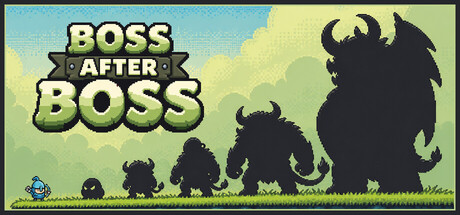 Boss After Boss In-game content | We used A.I. in some assets of our game. | EK Games | - | Sep 1, 2026 | |
 Hood Dev only code | Some code and animation created with the assistance of LLMs. | Deep Six Game Studios | - | Aug 29, 2026 | |
 Road to Verdant In-game content artaudio | I am a solo developer balancing this project with another job. To make this game a reality, I have used generative AI tools as an assistant during development, as well as to generate various pre-rendered assets: 2D visual elements (such as item icons, textures, and interface art) and the composition of the orchestral soundtrack. | Verdant Studio | - | Aug 28, 2026 | |
 HedgeHogged Dev only artcode | The game is primarily developed using Houdini, VEX and Godot. Generative AI assists with concept/reference artwork, initial 3D asset generation, and programming. Assets are further processed, optimized, rigged and animated in Houdini before integration into the game. | VFX South | - | Aug 28, 2026 | |
 Provinces In-game content art | Generative AI was used selectively as a development tool to assist with some textures and selected 3D assets. All assets were reviewed, refined where needed, and integrated by the developer. The game does not use live-generated AI content. | PezhetGames | - | Aug 25, 2026 | |
 Aftergrowth Dev only textcode | Aftergrowth's code was written with the help of an AI coding assistant, and some of the game's text — including parts of this store page — was first drafted with it and then edited by hand.
Nothing you see or hear is AI-generated. Every sprite, tile and icon is drawn by deterministic Python scripts rather than by an image model. The music is synthesised and the sound effects are CC0 recordings by Kenney, both credited in the game's CREDITS file. No generative AI runs while you play: nothing is generated live, and the game makes no request to any AI service. | pl0xuee | - | Aug 24, 2026 | |
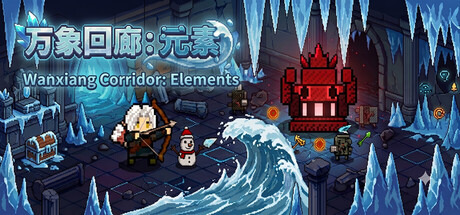 万象回廊:元素 In-game content art | Some of the store promotional materials for this game (including the cover, main key visual, and some 2D UI elements) were created with the assistance of generative AI. In-game visual effects, programming, gameplay, and all other game content were developed entirely by human developers. The game does not use generative AI during runtime, nor does it collect or upload player data. | 黄涛 | - | Aug 23, 2026 | |
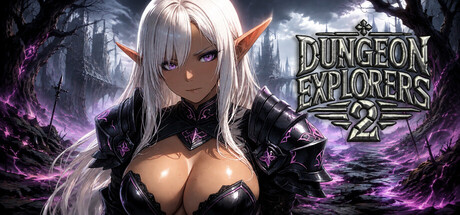 Dungeon Explorers 2 In-game content artaudio | Selected visual assets and music tracks were created using generative AI tools as part of the production process. All AI-generated material was reviewed, curated, and integrated by the developer to ensure consistency with the game’s creative direction. No AI-generated content is produced during gameplay. | C.M.Cas Games | - | Aug 20, 2026 | |
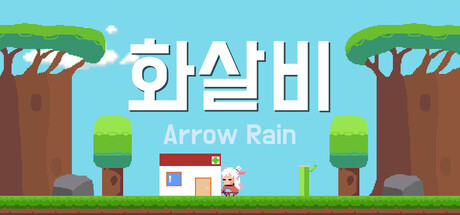 Arrow Rain In-game content art | This game uses generative AI to assist in creating some monster and card artwork. | potg | - | Aug 19, 2026 | |
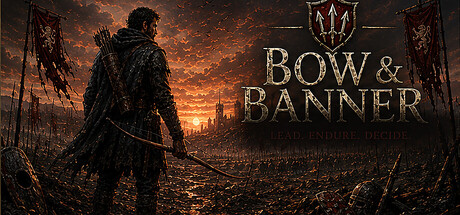 Bow & Banner Unclear | Some content in this game was enhanced using generative artificial intelligence (AI). | Fahad Azad | - | Aug 17, 2026 | |
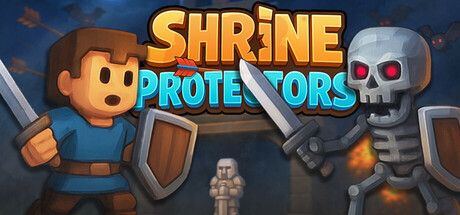 Shrine Protectors In-game content art | Generative AI was used to create some base assets, which were subsequently heavily edited by hand. All final assets included in the game have undergone substantial manual editing. | VSolStudio | - | Aug 8, 2026 | |
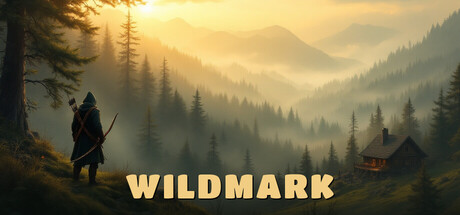 Wildmark In-game content artaudiotext | Wildmark was made by one person. The story and all of its dialogue are my own, written by me. But without a studio's budget to commission artists, composers, and voice actors, I used generative AI tools to help create much of what you see. Nothing ships as a raw, untouched generation: every asset was hand-directed, chosen, refined, and assembled to fit a single cohesive, hand-crafted style and world, and reviewed by me to make sure it belonged. In the end, what matters is whether the game is enjoyable and worth your time, not which tools helped build it. | Jaco Stander | - | Aug 7, 2026 | |
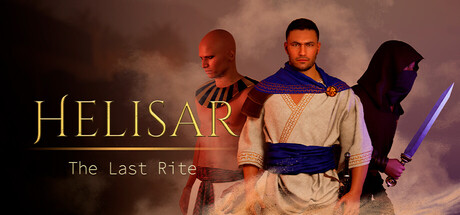 Helisar: The last Rite In-game content text | At this stage, some in-game text is translated using generative AI tools as a temporary solution. All other content — art, models, audio, and design — is created manually. AI translation will be replaced with professional human localization for the full release. | NVarc | - | Aug 5, 2026 | |
 aimRPG In-game content art | A few generated placeholder pixel art icons that will hopefully be gone by the time of the full official release. | crin | - | Aug 5, 2026 | |
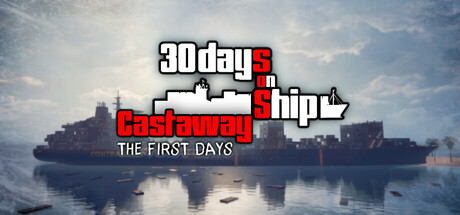 First 3 Days On Ship In-game content audiotext | We want to be transparent with our players.
It is possible that AI-assisted tools were used at some early stages of development, such as brainstorming, concept exploration, or helping us evaluate clarity of certain narrative elements.
Some audio assets used in the game were sourced from licensed third-party libraries and marketplaces (such as Envato), and are used under proper commercial licenses.
At the current stage of development, voice acting is generated using AI-based tools as a temporary solution. We are actively planning to replace it with professional human voice acting in future updates.
All final gameplay experience and core content are assembled, designed, and produced by our development team. | Madnetic Games S.A. | 158 | Jul 25, 2026 | |
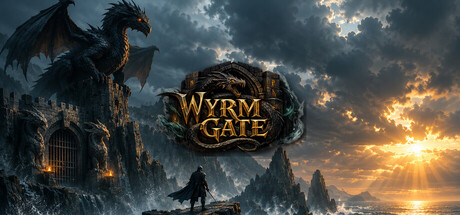 WyrmGate In-game content art | All in-game illustrations (character portraits, NPC and monster art, location and item images, key art) were pre-generated during development using generative AI tools and manually curated by the developer. The game does not create AI-generated content at runtime. | Evgeny Popov | - | Jul 23, 2026 | |
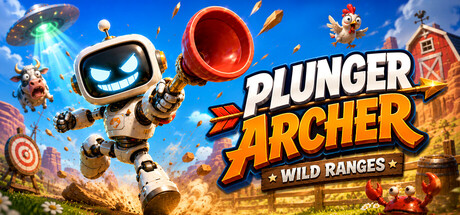 Plunger Archer: Wild Ranges In-game content artaudiotext | This game uses generative AI assistance in the creation of some art, audio, text, or marketing materials, and all related content is reviewed, edited, and approved by the development team before release. | NewBluestar Studio | - | Jul 7, 2026 | |
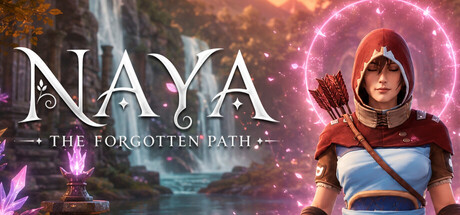 Naya: The Forgotten Path Dev only code | AI-assisted tools were used to support the development of some programming elements in the game. | L.S.F | - | Jul 5, 2026 | |
 The Rifted Skies Dev only arttext | Our development process makes use of generative AI tools for internal tasks such as early concept exploration - both for the game and marketing assets, as well as workflow automation. All final game assets are created by our team without AI-generated content. | DreamVR | - | Jun 28, 2026 | |
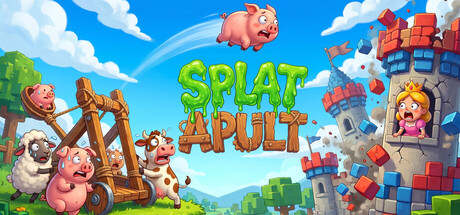 Splatapult Store/marketing art | Splatapult contains generative AI Art | Recoil Mojo | - | Jun 16, 2026 | |
 Azura Dev only art | Azura uses artificial intelligence to accelerate card prototyping, character ideas, and mechanic balancing, always providing creative support. All final content goes through human curation and collaborations with artists, ensuring a visually unique and soulful game. | Blackstar Games | - | Jun 16, 2026 | |
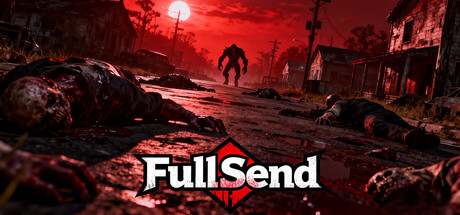 FullSend Store/marketing art | Some of the image assets on the store page are generated by AI. | bulanke | - | Jun 16, 2026 | |
 Lost Ages Hunting In-game content artaudio | This game includes pre-generated assets created with the assistance of generative AI tools. AI-assisted content may include selected store capsule artwork, promotional artwork, UI-related graphics, and selected music/audio elements. All AI-assisted content is reviewed and edited by the developer before being included in the game or store presentation. The game does not use live generative AI during gameplay. | HighlandsTeam | - | Jun 10, 2026 | |
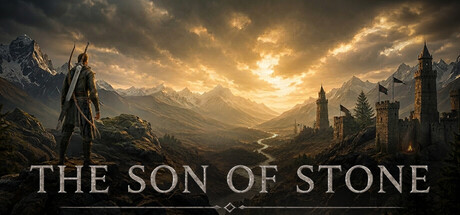 The Son of Stone In-game content audioart | AI was used to generate background music, English voice-over, a video featuring the team logo, and a small portion of textures. | Team Revolution | - | Jun 3, 2026 | |
 Rysk of Pain In-game content artaudiocodetext | This game uses AI for rapid prototyping, all AI assets should be replaced upon launch. Please report any missed assets on our discord. | £SiO2 | - | Jun 3, 2026 | |
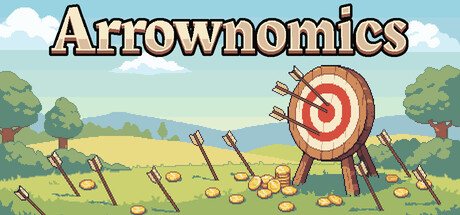 Arrownomics In-game content textartcode | The game is mostly made by hand, ai was used for this things:
1) Translations
2) A couple of sprites and scripts
3) Composition of promo banners | 717 pixels | - | May 23, 2026 | |
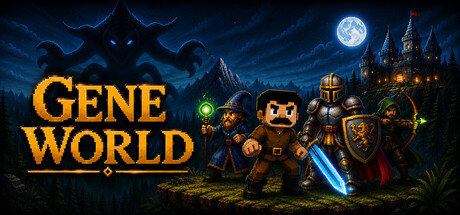 GeneWorld Live AI text | GeneWorld uses generative AI for dynamic NPC interactions and adaptive dialogue systems. NPC responses, quest interactions, trading behavior, and temporary buffs may be generated in real time based on player conversations. All AI-generated content is moderated and restricted from generating inappropriate or harmful content. | GeneWorld Studios | - | May 23, 2026 | |
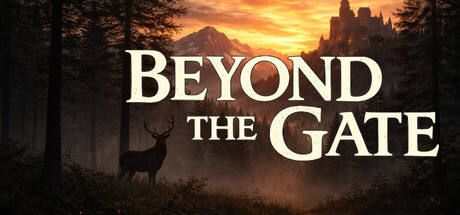 Beyond The Gate Dev only text | During development, AI-assisted tools may have been used in a limited role for tasks such as concept support and writing assistance. These tools were used only to assist the development process. All final content choices, editing, implementation, and creative direction were carried out by the solo developer. The game does not include live-generated AI content during runtime. | L.W. Studios | - | May 23, 2026 | |
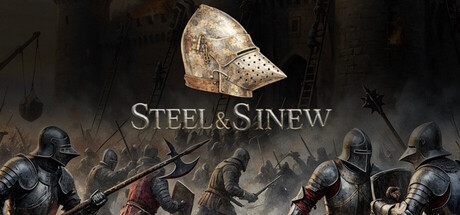 Steel And Sinew In-game content art | Steel and Sinew uses AI art as placeholder for UI. | SerGuillotin | - | May 23, 2026 | |
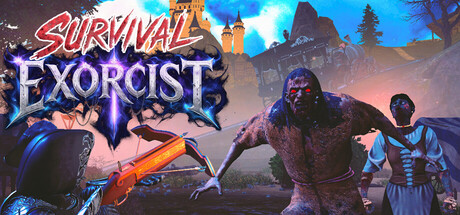 Survival Exorcist In-game content text | Font and Translation | Advance Garde | - | May 23, 2026 | |
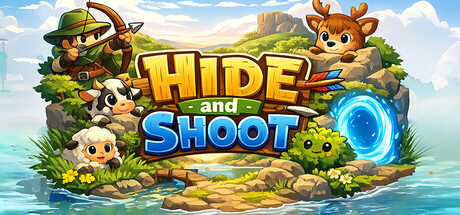 Hide and Shoot In-game content art | The logo and some of the art surrounding the logo on the main menu screen is partly made using Photoshop Generative AI feature. | Eneas Wollbekk-Grande | - | May 23, 2026 | |
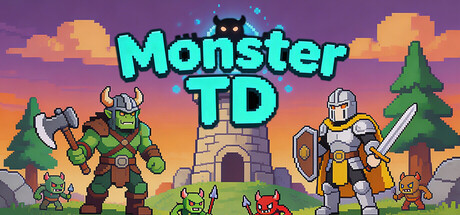 Monster TD In-game content arttext | Some icons and localization elements in this game were created with AI assistance. | zzz | - | May 23, 2026 | |
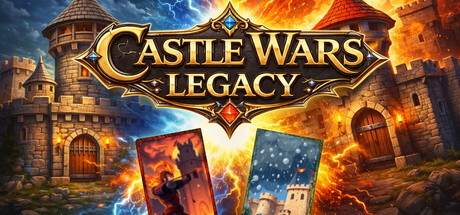 Castle Wars: Legacy In-game content arttextcode | During development of this game AI was used for code completion, art generation, text descriptions and a psychological/motivational/emotional support as well as release planning. Pretty much at every step of this game dev journey the AI was part of it. | Proclive | - | May 23, 2026 | |
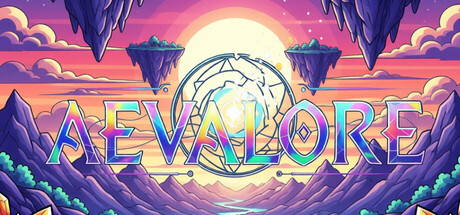 Aevalore In-game content artaudio | Developing Aevalore solo meant tackling a massive project on my own. To manage the 500+ sprite sheets required, I used generative AI for the artwork (most hand polished for finish) and 90% of the music. Some of the music was made by a friend and me. This allowed me to pour all my energy into coding the 81-ability system, 12+ unique characters and crafting the world. These tools didn't replace my vision; they made it possible for a solo dev to build it. | Aevalore | 16 | May 23, 2026 | |
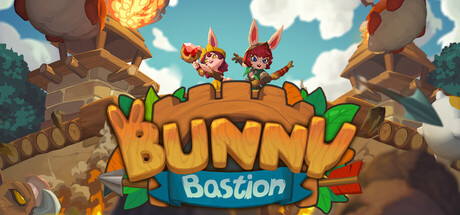 BUNNYBastion Dev only codeaudio | This game utilizes generative AI tools during development to enhance certain aspects of production. Specifically, AI was used to assist with programming tasks and sound creation. All AI-assisted content was carefully reviewed, refined, and integrated by the developer to ensure consistency and quality within the game. | Last Wall Games | - | May 23, 2026 |


