


Disclosure
This game’s store page text has been translated into multiple languages with the assistance of AI translation tools. We review and adjust translations manually.
- Creator
- KIB Games
- Reviews
- -
- Added
- Oct 12, 2026
Public Steam disclosure research 25,376 disclosures tracked
Search developers’ Steam disclosures, compare classified AI use across games, and follow recorded changes. This index adds cross-game classifications and statistics to statements published on individual store pages.
Code help, debugging and other development work.
Capsule art, trailers and promotional material.
Pre-made art, audio, writing and other game assets.
Interactive or runtime AI features disclosed by the developer.
Groups reflect automatic analysis of public disclosures; mature records are excluded. These counts do not measure AI use across all of Steam. Missing or unclear statements cannot establish whether a game uses AI.
This game’s store page text has been translated into multiple languages with the assistance of AI translation tools. We review and adjust translations manually.
Generative AI tools were used extensively during the development of BLACKBELL, including for artwork, writing, audio, code, and production support. All AI-generated content included in the shipped game is pre-generated, selected, edited, and integrated by the developer. The developer is responsible for the game's creative direction, design, curation, quality control, and final implementation.
Luckforge was made with the help of generative AI tools, selected and directed by the developer. The title-screen and battle backdrops were generated from our own layout briefs and screenshots, then converted to the game's pixel grid and colour palette. The pixel sprites, in-game text, translations and store text were created with AI assistance. Some promotional materials use AI-generated art or music. Nothing is generated by AI while you play.
Ludus Magna uses pre-generated, AI-assisted content created during development. This includes parts of the game's visual content such as character portraits, backgrounds and other illustrations, as well as AI-assisted text and localization. All content is selected, edited and reviewed by the developer before being included in the game. No generative AI content is created while the game is running.
Generative AI tools were used during development to create visual assets, including character artwork, environments, and visual effects, as well as in-game music. AI tools also assisted with promotional artwork and the translation of store descriptions. These contents were generated during development. The game does not generate content using AI during gameplay.
AI image tools were used to make some of the art, which was then edited by hand. No content is generated while the game runs.
This game was made using generative AI. Generative AI was used for card illustrations, backgrounds, character videos, music, the story and other text, translations, and promotional materials such as the store page and trailer. All of this content was created in advance; no content is generated by AI during gameplay.
Generative AI used in the development of the title, and the marketing of it.
Generative AI was used during development to create text content.
During the development process, generative AI tools were utilized to assist in creating and refining our audiovisual assets
Some artwork was created with generative tools and edited by the developer. No content is generated during gameplay.
Generative AI tools were used during development to help create some visual assets and branding. Some music and sound effects were developed with AI-assisted composition and procedural sound synthesis. Store screenshots and gameplay video are captured from the game. These assets are prepared before release.
An AI-generated sketch is used as a starting point. Everything else is made by a human: every shipped image is redrawn and retouched by hand, and the code, game design and texts are written by the developer.
AI was used responsibly in the making of this game
Generative AI was used to assist with localization of in-game text from English to Spanish, French, German, Japanese, Korean, Simplified Chinese, Portuguese, and Russian.
Some assets and portions of the game's localization were generated using AI tools.
Generative AI tools were used during development to assist with some UI artwork. The game does not generate new content using generative AI during gameplay.
Generative AI tools were used during development to assist with the creation of some visual assets, text, audio, localization, and code. All AI-assisted content included in the game was reviewed and curated by the developer. No generative AI is used during gameplay.
Generative AI was used for some visual and audio assets and text. No content is generated during play.
Some visual assets were generated using an in-house image model under our artist’s art direction (trained on open-licensed and proprietary data). Some UI elements were also created or refined using AI-assisted UI tools. We review, select, and edit assets before integrating them into the game. Some music was created using AI-assisted music tools under our creative direction. We review, select, and edit the outputs before integrating them into the game.
Character art, UI graphics and icons were created with generative AI image tools, then selected and edited by the developer. Some in-game text, translations and store page text were drafted with AI assistance and reviewed by the developer. Nothing is generated by AI while you play.
Generative AI was used during development to assist with pre-rendered character and environment artwork, animations, music and sound effects, and portions of narrative writing and localization. These materials are included as fixed game assets. The game does not generate AI content or connect to external AI services during gameplay.
Used AI generated UI and Art.
AI tools were used for Art Assets including the Steam store capsules
Some item icons, sound effects and translations were created with the help of generative AI tools.
Some of the game’s artwork was created with the assistance of generative AI tools.
The scene atmosphere images and the port and building illustrations in the game were generated using AI.
This game uses generative AI in the production and development process. All AI-assisted art is reviewed and curated by the development team before being included in the game.
AI tools assisted with game development, particularly multiplayer systems, and with the creation of in-game artwork, animations, and music as well as store and marketing visuals, including the logo.
Some 2D artwork and visual assets were created with the assistance of generative AI tools during development and were reviewed and edited by the developer. The game does not generate AI content during gameplay.
The title logo was generated with an AI image tool and then cropped and resized by the developer. The store capsule artwork (the key art behind the logo) was generated with an AI image tool from text prompts only, then cropped and resized by the developer. The in-game text in every language except English and Japanese is machine-translated with an AI language model from the developer's English and Japanese text, and has not yet been reviewed by native speakers. Some English and Japanese interface text and the English and Japanese store description were drafted with an AI writing assistant and then reviewed and edited by the developer. The store description in the other languages is translated with an AI language model. The majority of the code and the design was written by AI coding agents (Claude and Codex) under the developer's direction and review. The in-game characters, items, maps, effects, music, sound effects and fonts are mostly purchased or licensed assets. The exceptions are 8 equipment icons, the slash and healing effects, the spectators in the stands, the crowd cheers and the app icon, which were drawn or synthesized by programs written by AI coding agents (no image or audio generation model was used). The cutting out, combining, recoloring and touching up of the purchased assets, and the shapes and light effects the game draws on screen during matches, are also done by programs written by AI.
Pre-generated: The music was made with Suno. Sound effects, ambience and voices were made with ElevenLabs. The ability and tech icons were generated with AI image models and edited for the game. All of it was selected, edited and mixed by the developers. The 3D models, maps, animations and gameplay was developed with support of coding models. Every screenshot and video on this page was captured in the game. The store capsule art was refined with an AI image tool from in-game renders.
We have used AI for the translations.
Generative AI tools were used during development to assist in creating some visual artwork and image assets used in the game. All AI-assisted content was generated prior to release and was reviewed, selected, and integrated by the development team before being included in the final product. The game does not use generative AI during runtime and does not generate content dynamically for players.
All coding was done by us. Artwork and SFX/Music was again either done by us or bought from third parties. We don't use AI for any creative element of the game. To make our game playable for as wide an audience as possible we used AI to generate our translations. If you find it's done a poor job in your language, please let us know on discord!
The game uses AI-assisted tools during development, including code generation, asset creation, music composition, map prototyping, and image generation. These systems are part of the production workflow and do not generate new content during gameplay. AI for Coding: Development tools assist with scripting, debugging, and generating boilerplate code. All AI-generated code is reviewed and manually refined by the development team. AI for Visual Assets: Some environmental elements, props, and textures are created or enhanced using AI image-generation tools. These images are always curated, edited, and finalized by artists to ensure consistency with the game’s historical art direction. AI for Music: Background tracks and ambient layers may be composed with AI tools, then adjusted by human composers to match the tone of the game. AI for Maps: AI is used to prototype terrain shapes and layout ideas, which are later fully redesigned and polished by level designers. AI for Image Generation: Certain concept art, reference images, and early-stage visual drafts are produced using AI image-generation systems. These are used only as development references or starting points, not as final in‑game assets. All AI-generated materials are static, pre-produced, and manually validated. No AI system creates dynamic content, gameplay outcomes, or real-time images while the player is playing.
Realm utilizes generative artificial intelligence for various assets, including artwork, and audio. Additionally, the in-game map creator suite features an integrated AI assistant to help creators realize their vision.
3D models: the AfterPub models (plushies, items, props) come from an AI 3D generator; the files are named like Tripo exports. 2D assets: mix between AI and an Actual Human Designer and Artist. Commentator voice: produced by Piper, an AI text-to-speech engine, while the game runs. Music: Pixabay tracks.
Some of the game's pre-made content was created with the help of generative AI tools and then edited and checked by the developer: character, monster, item and background artwork, store artwork, music and sound effects. The game does not generate any content with AI while you play.
As a solo dev, I use generative AI to help with some coding, visual and audio assets. Every AI asset was selected, refined, and directed by me. No AI content is generated when playing the game.
Generative AI tools were used during development to create visual assets, including images and artwork, as well as sound assets. AI tools were also used to assist with localization and the creation of store page descriptions and marketing materials. These assets and texts are prepared in advance. The game does not generate AI content during gameplay.
Generative AI was used during development to create various visual assets featured in the game. The game maps and some UI elements were created manually by the developer. Generative AI was used as a content creation tool, while the final assets were integrated and adapted by the developer for use in the game.
I used the help of AI to supplement me in areas, where my talent lacks to bring my ideas to live. I am no great musician, I am no graphics designer and partly colorblind. I used these modern tools to create what I've dreamt of.
AI tools assisted with creating artwork, video effects, sound effects and translations.
AI was used to generate artwork and music.
AI was used to generate our event assets, player assets, market good assets, icon assets.
Generative AI assisted with portions of the artwork, audio, code, and store promotional materials during development. These outputs were reviewed, adjusted, and integrated by the development team.
AI-Based Translation
Various visual and audio assets, translations, and promotional materials were created with the assistance of generative AI tools. All AI-assisted content was selected, reviewed, and integrated by the developer. No generative AI is used during gameplay, and the game does not generate content in real time.
AI tools (Anthropic Claude) assisted the developer with the code, the vector art, the texts and translations, and the synthesized music and sound effects. Everything was directed and reviewed by the developer. No AI runs in the game and nothing is generated at runtime.
| Title⇅ | Disclosure | Creator⇅ | Src | Reviews⇅ | Added↓ |
|---|---|---|---|---|---|
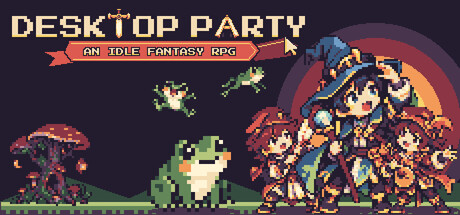 Desktop Party: An Idle Fantasy RPG Store/marketing text | This game’s store page text has been translated into multiple languages with the assistance of AI translation tools. We review and adjust translations manually. | KIB Games | - | Oct 12, 2026 | |
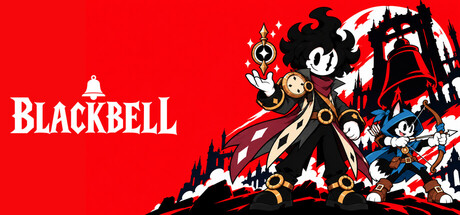 BLACKBELL In-game content arttextaudiocode | Generative AI tools were used extensively during the development of BLACKBELL, including for artwork, writing, audio, code, and production support. All AI-generated content included in the shipped game is pre-generated, selected, edited, and integrated by the developer. The developer is responsible for the game's creative direction, design, curation, quality control, and final implementation. | PALE WINDOW STUDIO | - | Oct 12, 2026 | |
 Luckforge In-game content arttext | Luckforge was made with the help of generative AI tools, selected and directed by the developer. The title-screen and battle backdrops were generated from our own layout briefs and screenshots, then converted to the game's pixel grid and colour palette. The pixel sprites, in-game text, translations and store text were created with AI assistance. Some promotional materials use AI-generated art or music. Nothing is generated by AI while you play. | Kasperzack Games | - | Oct 12, 2026 | |
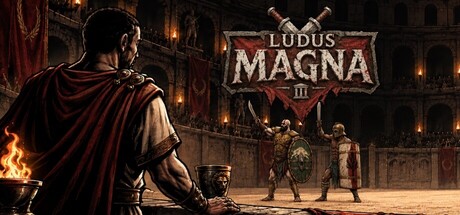 Ludus Magna In-game content arttext | Ludus Magna uses pre-generated, AI-assisted content created during development. This includes parts of the game's visual content such as character portraits, backgrounds and other illustrations, as well as AI-assisted text and localization. All content is selected, edited and reviewed by the developer before being included in the game. No generative AI content is created while the game is running. | Ludus Magna | - | Oct 12, 2026 | |
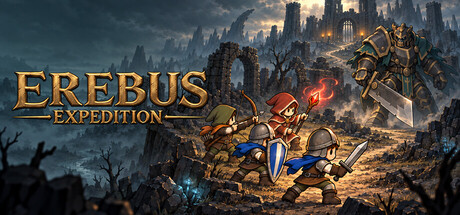 厄瑞博斯征途 In-game content artaudiotext | Generative AI tools were used during development to create visual assets, including character artwork, environments, and visual effects, as well as in-game music. AI tools also assisted with promotional artwork and the translation of store descriptions. These contents were generated during development. The game does not generate content using AI during gameplay. | Huhu Morningwind | - | Oct 12, 2026 | |
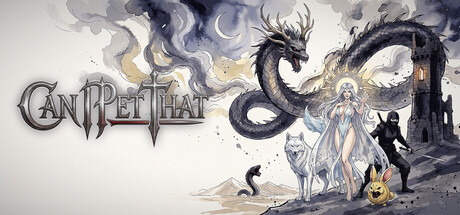 Can I Pet That In-game content art | AI image tools were used to make some of the art, which was then edited by hand. No content is generated while the game runs. | Grass Fight Games | - | Oct 12, 2026 | |
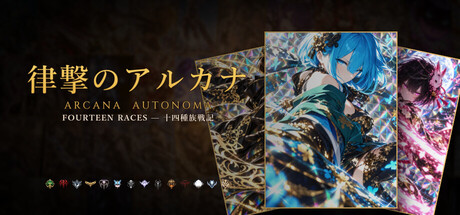 Arcana Autonoma: Fourteen Races In-game content artaudiotext | This game was made using generative AI. Generative AI was used for card illustrations, backgrounds, character videos, music, the story and other text, translations, and promotional materials such as the store page and trailer. All of this content was created in advance; no content is generated by AI during gameplay. | ShadeLurk | - | Oct 12, 2026 | |
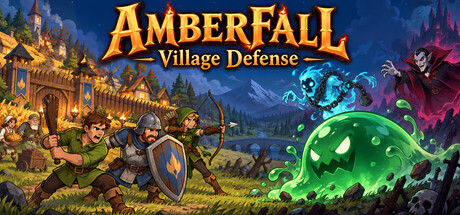 Amberfall: Village Defense Unclear | Generative AI used in the development of the title, and the marketing of it. | tinybox games :) | - | Oct 12, 2026 | |
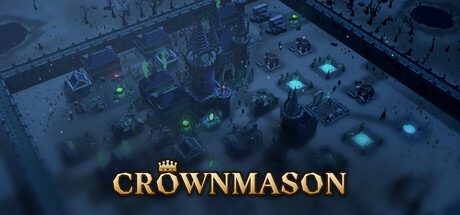 Crownmason Unclear text | Generative AI was used during development to create text content. | Funkenkauz Studios | - | Oct 12, 2026 | |
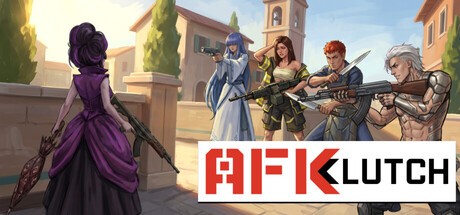 AFKlutch Unclear artaudio | During the development process, generative AI tools were utilized to assist in creating and refining our audiovisual assets | Nrujinzo | - | Oct 12, 2026 | |
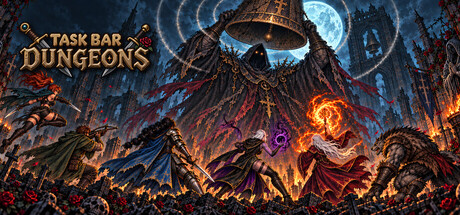 Task Bar Dungeons In-game content art | Some artwork was created with generative tools and edited by the developer. No content is generated during gameplay. | 3xQuest | - | Oct 12, 2026 | |
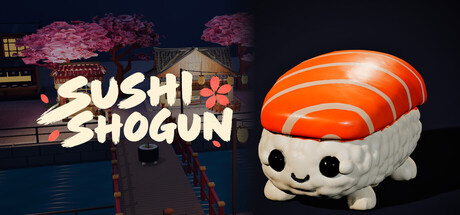 Sushi Shogun In-game content artaudio | Generative AI tools were used during development to help create some visual assets and branding. Some music and sound effects were developed with AI-assisted composition and procedural sound synthesis. Store screenshots and gameplay video are captured from the game. These assets are prepared before release. | Black Fruit Studios | - | Oct 12, 2026 | |
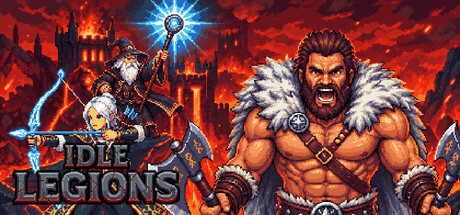 Idle Legions Dev only art | An AI-generated sketch is used as a starting point. Everything else is made by a human: every shipped image is redrawn and retouched by hand, and the code, game design and texts are written by the developer. | ALPACA TEAM | - | Oct 12, 2026 | |
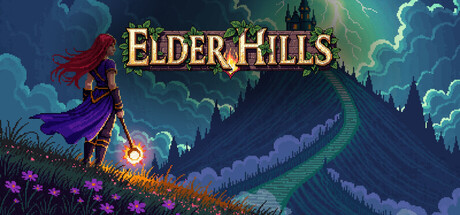 Elder Hills Unclear | AI was used responsibly in the making of this game | Darkfoo Games | - | Oct 12, 2026 | |
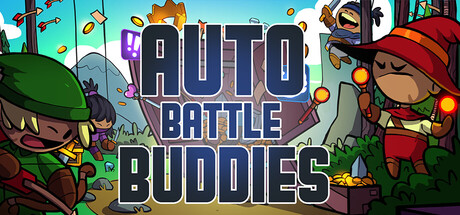 Auto Battle Buddies In-game content text | Generative AI was used to assist with localization of in-game text from English to Spanish, French, German, Japanese, Korean, Simplified Chinese, Portuguese, and Russian. | Casual Clam | - | Oct 11, 2026 | |
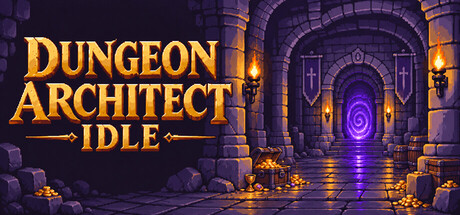 Dungeon Architect: Idle In-game content arttext | Some assets and portions of the game's localization were generated using AI tools. | COGNIVA SL | - | Oct 10, 2026 | |
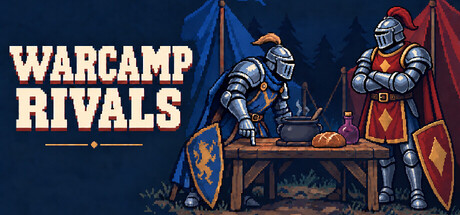 Warcamp Rivals In-game content art | Generative AI tools were used during development to assist with some UI artwork. The game does not generate new content using generative AI during gameplay. | Gergely Osbath | - | Oct 10, 2026 | |
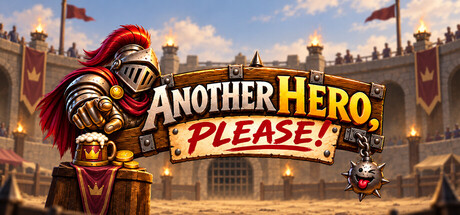 Another Hero, Please In-game content artaudiotextcode | Generative AI tools were used during development to assist with the creation of some visual assets, text, audio, localization, and code. All AI-assisted content included in the game was reviewed and curated by the developer. No generative AI is used during gameplay. | Mole Plays | - | Oct 10, 2026 | |
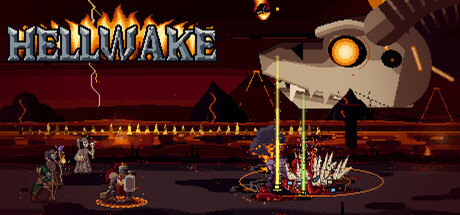 Hellwake In-game content artaudiotext | Generative AI was used for some visual and audio assets and text. No content is generated during play. | Precise Media AB | - | Oct 10, 2026 | |
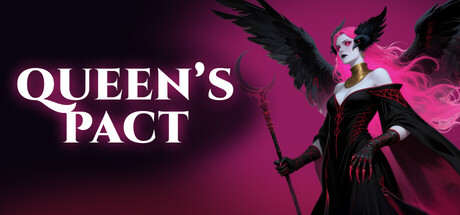 Queen's Pact In-game content artaudio | Some visual assets were generated using an in-house image model under our artist’s art direction (trained on open-licensed and proprietary data). Some UI elements were also created or refined using AI-assisted UI tools. We review, select, and edit assets before integrating them into the game.
Some music was created using AI-assisted music tools under our creative direction. We review, select, and edit the outputs before integrating them into the game. | Basalt Breach | - | Oct 10, 2026 | |
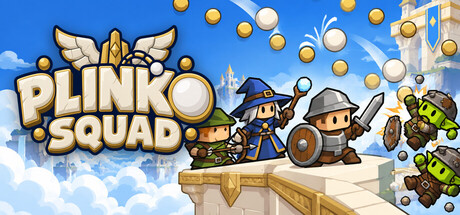 Plinko Squad In-game content arttext | Character art, UI graphics and icons were created with generative AI image tools, then selected and edited by the developer. Some in-game text, translations and store page text were drafted with AI assistance and reviewed by the developer. Nothing is generated by AI while you play. | Natural Nomad | - | Oct 10, 2026 | |
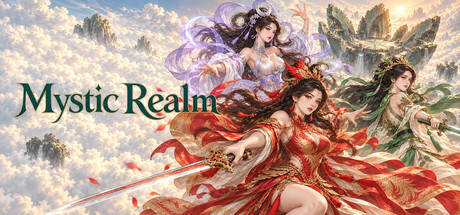 玄境 In-game content artaudiotext | Generative AI was used during development to assist with pre-rendered character and environment artwork, animations, music and sound effects, and portions of narrative writing and localization. These materials are included as fixed game assets. The game does not generate AI content or connect to external AI services during gameplay. | FunPlaceGame | - | Oct 10, 2026 | |
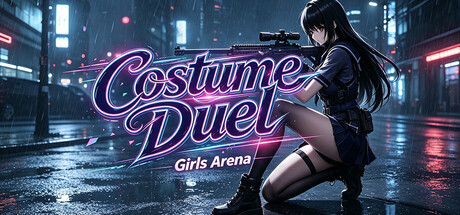 Costume Duel: Girls Arena In-game content art | Used AI generated UI and Art. | 风宇冲 | - | Oct 10, 2026 | |
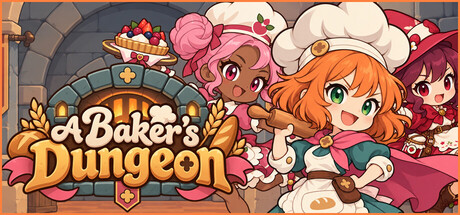 A Baker's Dungeon Store/marketing art | AI tools were used for Art Assets including the Steam store capsules | Chibi.Games | - | Oct 10, 2026 | |
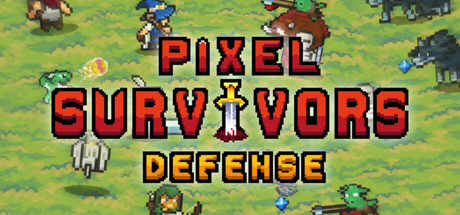 Pixel Survivors : Defense In-game content artaudiotext | Some item icons, sound effects and translations were created with the help of generative AI tools. | Amrita | - | Oct 9, 2026 | |
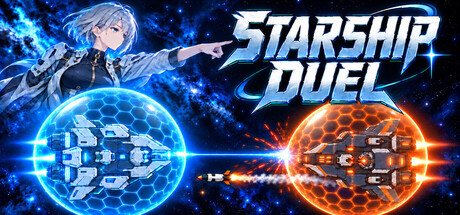 Starship Duel In-game content art | Some of the game’s artwork was created with the assistance of generative AI tools. | DD Games | - | Oct 9, 2026 | |
 聚落1592 In-game content art | The scene atmosphere images and the port and building illustrations in the game were generated using AI. | 土猫 | - | Oct 9, 2026 | |
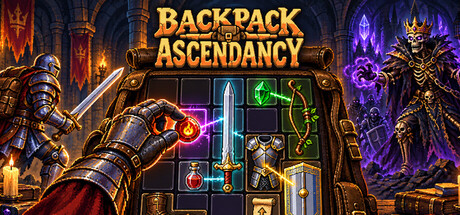 Backpack Ascendancy In-game content art | This game uses generative AI in the production and development process. All AI-assisted art is reviewed and curated by the development team before being included in the game. | i00nqw | - | Oct 9, 2026 | |
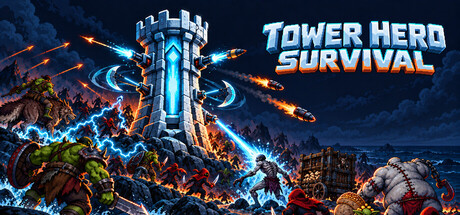 Tower Hero Survival In-game content artaudio | AI tools assisted with game development, particularly multiplayer systems, and with the creation of in-game artwork, animations, and music as well as store and marketing visuals, including the logo. | Polina Tingaeva | - | Oct 9, 2026 | |
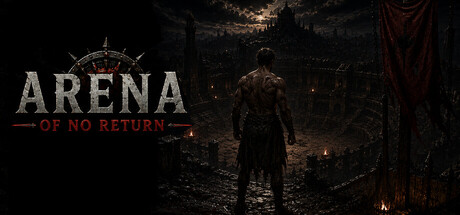 Arena of No Return In-game content art | Some 2D artwork and visual assets were created with the assistance of generative AI tools during development and were reviewed and edited by the developer. The game does not generate AI content during gameplay. | Tiltados Games | - | Oct 9, 2026 | |
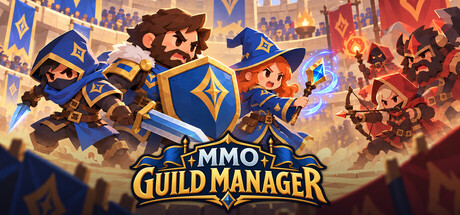 MMO Guild Manager In-game content arttextcode | The title logo was generated with an AI image tool and then cropped and resized by the developer.
The store capsule artwork (the key art behind the logo) was generated with an AI image tool from text prompts only, then cropped and resized by the developer.
The in-game text in every language except English and Japanese is machine-translated with an AI language model from the developer's English and Japanese text, and has not yet been reviewed by native speakers.
Some English and Japanese interface text and the English and Japanese store description were drafted with an AI writing assistant and then reviewed and edited by the developer. The store description in the other languages is translated with an AI language model.
The majority of the code and the design was written by AI coding agents (Claude and Codex) under the developer's direction and review.
The in-game characters, items, maps, effects, music, sound effects and fonts are mostly purchased or licensed assets. The exceptions are 8 equipment icons, the slash and healing effects, the spectators in the stands, the crowd cheers and the app icon, which were drawn or synthesized by programs written by AI coding agents (no image or audio generation model was used). The cutting out, combining, recoloring and touching up of the purchased assets, and the shapes and light effects the game draws on screen during matches, are also done by programs written by AI. | iida-lab | - | Oct 9, 2026 | |
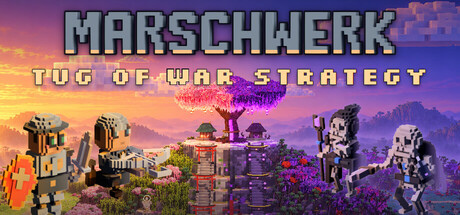 Marschwerk: Tug of War Strategy In-game content artaudiocode | Pre-generated: The music was made with Suno. Sound effects, ambience and voices were made with ElevenLabs. The ability and tech icons were generated with AI image models and edited for the game. All of it was selected, edited and mixed by the developers.
The 3D models, maps, animations and gameplay was developed with support of coding models.
Every screenshot and video on this page was captured in the game.
The store capsule art was refined with an AI image tool from in-game renders. | Andreas Hanuja | - | Oct 9, 2026 | |
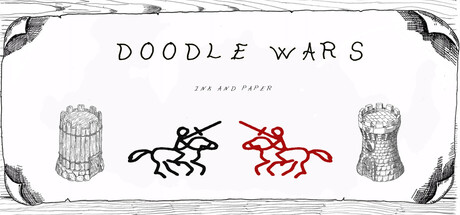 Doodle Wars: Ink and Paper In-game content text | We have used AI for the translations. | Humbertronics Arts | - | Oct 9, 2026 | |
 Sea of Silence In-game content art | Generative AI tools were used during development to assist in creating some visual artwork and image assets used in the game. All AI-assisted content was generated prior to release and was reviewed, selected, and integrated by the development team before being included in the final product. The game does not use generative AI during runtime and does not generate content dynamically for players. | zyc_zzmzs@163.com | - | Oct 9, 2026 | |
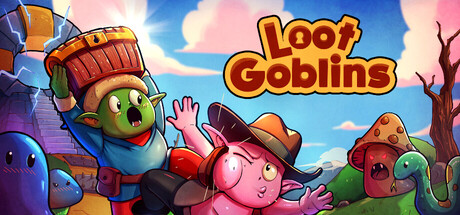 Loot Goblins In-game content text | All coding was done by us. Artwork and SFX/Music was again either done by us or bought from third parties. We don't use AI for any creative element of the game.
To make our game playable for as wide an audience as possible we used AI to generate our translations. If you find it's done a poor job in your language, please let us know on discord! | SunWillShineGames | - | Oct 8, 2026 | |
 History of war: Napoleon in Spain In-game content artaudiocode | The game uses AI-assisted tools during development, including code generation, asset creation, music composition, map prototyping, and image generation. These systems are part of the production workflow and do not generate new content during gameplay.
AI for Coding: Development tools assist with scripting, debugging, and generating boilerplate code. All AI-generated code is reviewed and manually refined by the development team.
AI for Visual Assets: Some environmental elements, props, and textures are created or enhanced using AI image-generation tools. These images are always curated, edited, and finalized by artists to ensure consistency with the game’s historical art direction.
AI for Music: Background tracks and ambient layers may be composed with AI tools, then adjusted by human composers to match the tone of the game.
AI for Maps: AI is used to prototype terrain shapes and layout ideas, which are later fully redesigned and polished by level designers.
AI for Image Generation: Certain concept art, reference images, and early-stage visual drafts are produced using AI image-generation systems. These are used only as development references or starting points, not as final in‑game assets.
All AI-generated materials are static, pre-produced, and manually validated.
No AI system creates dynamic content, gameplay outcomes, or real-time images while the player is playing. | War History Studio | - | Oct 8, 2026 | |
 Realm Live AI artaudio | Realm utilizes generative artificial intelligence for various assets, including artwork, and audio. Additionally, the in-game map creator suite features an integrated AI assistant to help creators realize their vision. | Realm | - | Oct 7, 2026 | |
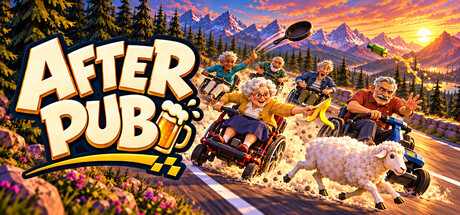 Afterpub Live AI artaudiotext | 3D models: the AfterPub models (plushies, items, props) come from an AI 3D generator; the files are named like Tripo exports.
2D assets: mix between AI and an Actual Human Designer and Artist.
Commentator voice: produced by Piper, an AI text-to-speech engine, while the game runs.
Music: Pixabay tracks. | ZEXP | - | Oct 7, 2026 | |
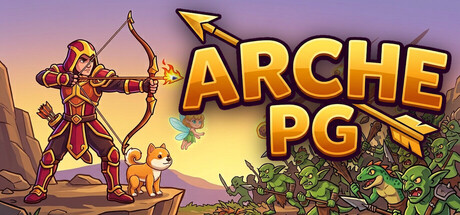 Arche PG In-game content artaudio | Some of the game's pre-made content was created with the help of generative AI tools and then edited and checked by the developer: character, monster, item and background artwork, store artwork, music and sound effects. The game does not generate any content with AI while you play. | Battle Of Plans | - | Oct 7, 2026 | |
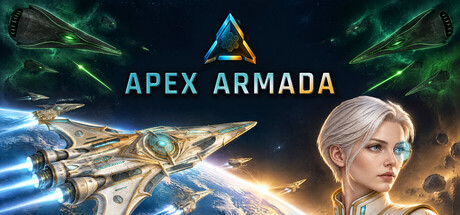 Apex Armada In-game content artaudiocode | As a solo dev, I use generative AI to help with some coding, visual and audio assets. Every AI asset was selected, refined, and directed by me. No AI content is generated when playing the game. | Max Q Games | - | Oct 7, 2026 | |
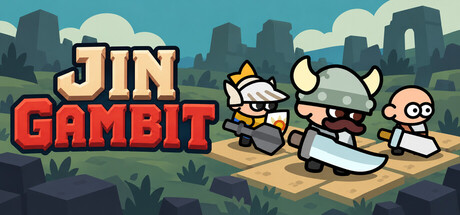 Jin Gambit In-game content artaudiotext | Generative AI tools were used during development to create visual assets, including images and artwork, as well as sound assets. AI tools were also used to assist with localization and the creation of store page descriptions and marketing materials. These assets and texts are prepared in advance. The game does not generate AI content during gameplay. | Dratiny Studio | - | Oct 7, 2026 | |
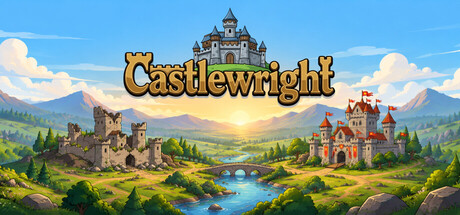 CastleWright In-game content art | Generative AI was used during development to create various visual assets featured in the game. The game maps and some UI elements were created manually by the developer. Generative AI was used as a content creation tool, while the final assets were integrated and adapted by the developer for use in the game. | Lunarhellgames | - | Oct 7, 2026 | |
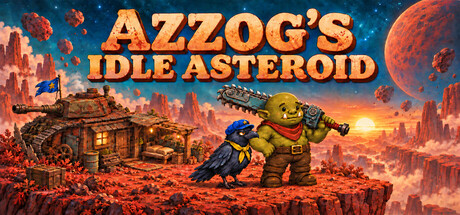 Azzog's Idle Asteroid In-game content artaudio | I used the help of AI to supplement me in areas, where my talent lacks to bring my ideas to live.
I am no great musician, I am no graphics designer and partly colorblind. I used these modern tools to create what I've dreamt of. | Sebastian von Herff | - | Oct 7, 2026 | |
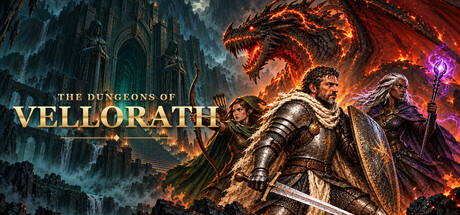 The Dungeons of Vellorath In-game content artaudiotext | AI tools assisted with creating artwork, video effects, sound effects and translations. | Bruno Heusi | - | Oct 7, 2026 | |
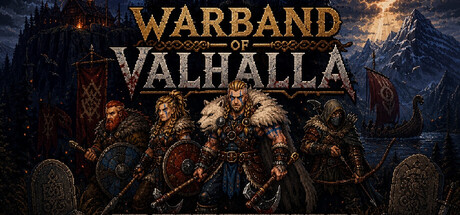 Warband Of Valhalla In-game content artaudio | AI was used to generate artwork and music. | Lombard Games | - | Oct 7, 2026 | |
 Merchants Demise In-game content art | AI was used to generate our event assets, player assets, market good assets, icon assets. | InbredJesus | - | Oct 7, 2026 | |
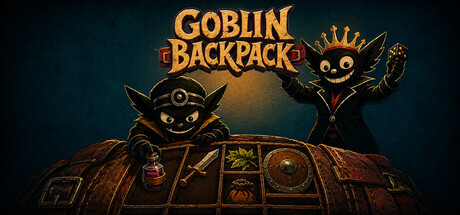 哥布林背包 In-game content artaudiocode | Generative AI assisted with portions of the artwork, audio, code, and store promotional materials during development. These outputs were reviewed, adjusted, and integrated by the development team. | LittleSun Studio | - | Oct 7, 2026 | |
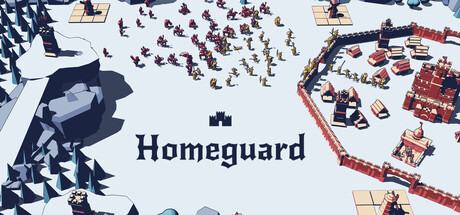 Homeguard In-game content text | AI-Based Translation | Pull of the Deep | - | Oct 7, 2026 | |
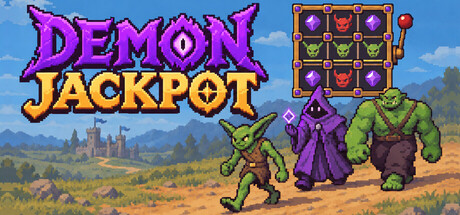 DEMON JACKPOT In-game content artaudiotext | Various visual and audio assets, translations, and promotional materials were created with the assistance of generative AI tools. All AI-assisted content was selected, reviewed, and integrated by the developer.
No generative AI is used during gameplay, and the game does not generate content in real time. | Root | - | Oct 6, 2026 | |
 Ruleball In-game content artcodeaudiotext | AI tools (Anthropic Claude) assisted the developer with the code, the vector art, the texts and translations, and the synthesized music and sound effects. Everything was directed and reviewed by the developer. No AI runs in the game and nothing is generated at runtime. | Tinkerburst Studio | - | Oct 6, 2026 |


