Public Steam disclosure research25,376 disclosures tracked
Where do games disclose AI use?
Search developers’ Steam disclosures, compare classified AI use across
games, and follow recorded changes.
This index adds cross-game classifications and statistics to
statements published on individual store pages.
Groups reflect automatic analysis of public disclosures; mature records are excluded. These counts do not measure AI use across all of Steam.
Missing or unclear statements cannot establish whether a game uses AI.
AI tools were used during development to assist with writing and translating French and English text, creating branding artwork (including the logo, icon and splash screen), and producing some music. Promotional artwork and the voice-over in our gameplay overview videos also use AI-generated content. These assets were prepared in advance and integrated by the developers. The game does not generate AI content during gameplay.
Artwork: cards, lobby illustrations and achievement icons were pregenerated with AI image tools and rewritten by hand. The visual style was reviewed and rewritten artist.
Text: The German and Italian localizations were made with AI translation.
Text for the game and store page was localized with AI assistance. The game's menu and store page feature title artwork created with the help of AI tools.
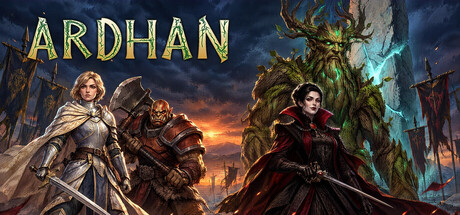
Ardhan was made by a solo developer with some help of generative AI tools. The card, hero, background and cinematic artwork, the key art on this store page, the short animated clips, the voice narration in all nine languages, part of the music and many of the sound effects were generated with AI models (image models hosted on Higgsfield; ElevenLabs voice, music and sound models) and then selected, cropped and edited by the developer. The game does not generate any content while you play, has no AI chat, and sends nothing to any AI service.
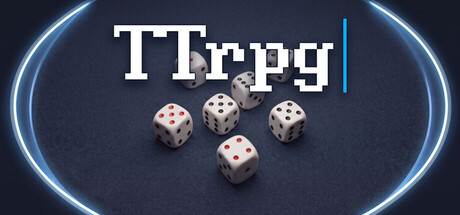
Table Night has an optional AI LLM game master: if the host turns it on with their own AI account, a language model narrates the match and judges what players write, while the game rolls the dice and decides every result. The AI is instructed to keep everything suitable for teens. Players' text is sent to the host's AI provider, and any table can be played with a human game master or none instead.
This game contains pre-generated content only: no AI generates content during gameplay. The game's translations (English, German, Italian, Spanish) and the store page texts were produced with the help of AI tools, then reviewed. All in-game visuals are rendered from the game's own 3D models.
-AI was used in limited capacity during development to assist with lighting effects and animation assets. These outputs were reviewed, edited, and integrated by the development team. AI is not used to generate content dynamically during gameplay, and the game does not use live AI systems to create images, audio, text, animations, or other player-facing content.
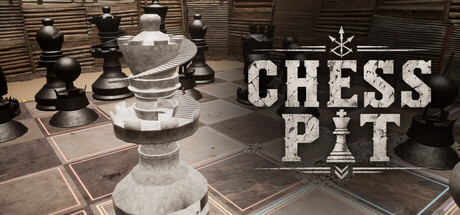
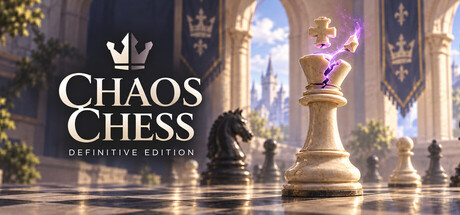
Some pre-made assets were created with the help of generative AI tools and then selected and edited by the developers: power-up card illustrations, achievement icons, store and key art, and some 3D chess piece models for cosmetic sets. The game does not generate any AI content while you play.
Generative AI tools were used during development to help create portions of the game's audio, visual assets, and written content, including background music and sound effects. AI assistance was also used for promotional artwork. These materials were selected, edited, and reviewed by the developer before inclusion. The core gameplay rules, design decisions, and final implementation were directed by the developer. The game uses pre-generated content and does not generate new content with AI during gameplay.
ENROQUIA uses generative AI for pre-made content included in the game; nothing is generated during play and the game does not connect to any AI service. Made with AI: the voice of James, the coach (an original synthetic voice that does not imitate any real person), the music, the club entrance video, the 3D props and textures, the paintings on the club walls, the character designs (the 20 opponents and James), the in-game text and its translations into 12 languages, and the promotional material. The chess engine and its analysis are the game's own, with no AI models, and James's comments on your games are chosen during play based on that analysis.
Generative AI tools were used during development to create 2D illustrations for in-game cards, environmental backgrounds, and store capsule graphics. All generated art assets have been curated, manually edited, and adapted for the game, ensuring they contain no copyrighted or infringing material.
IDE Code assistant used to optimize parts of the game's code and resolve bugs.
Certain assets in this game were created or modified with the assistance of genAI tools, then reviewed and integrated by our team.
Generative AI was used for a large portion of the game's visual assets, including character artwork, backgrounds, icons, and some promotional materials.
These assets were not used directly without review. Most of them went through repeated generation, selection, editing, and adjustment to keep the characters and overall art style consistent. A significant amount of time was also spent integrating the assets into the game and correcting issues where necessary.
The game design, gameplay systems, balancing, level design, UI design, programming, and overall direction were done by me.
The game does not generate AI content during gameplay.
Some in-game visual assets were created with the assistance of generative AI. All AI-assisted content is pre-generated and included in the shipped game; no content is generated during gameplay.
Generative AI tools assisted with programming and development of The Construction Game and were used to create some promotional images. The game does not use generative AI to create content during gameplay.
Some in-game icons and background music, as well as all character voice lines, were created using generative AI during development. The game does not generate AI content during gameplay.
Some translations were generated with AI and are in beta, so more players can enjoy the game in their language.
The art and music were made without AI.
Some of the game's text (menus, hints, minigame descriptions and translations) and the copy on this store page were written with the help of an AI language model. The game does not use AI to create anything while you play.
Music, background, videos and images in this game, especially the artwork, were created using AI tools as a visual supplement.
This creative choice allowed me to focus more time and resources on what matters most, delivering longer, more engaging, and fun gameplay.
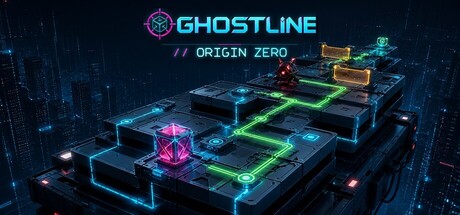
Generative AI was used to create pre-rendered English voice performances and selected music used in the game. All AI-generated content is fixed before release; GhostLine does not generate content during gameplay or connect to an external AI service.
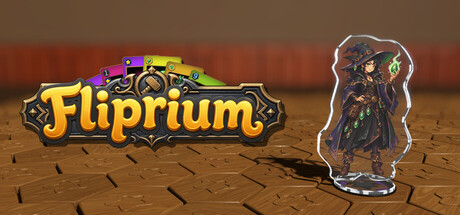
Fliprium contains visual artwork, music, and sound effects created with the assistance of generative AI tools. OpenAI image-generation tools were used for some visual assets, Suno for some music, and ElevenLabs for some sound effects. These assets were selected, edited, and integrated into the game by the developer during production
This game utilizes generative AI tools to assist in the production of select art, sound, and music assets. However, no raw AI content is used. Every single AI-generated asset has been extensively modified, remade, and personalized by hand to fit the game's specific creative vision.
Some pre-generated visual assets were created with the help of AI image generation tools and then edited by the developer: UI elements (buttons, icons, bars), the game logo, and the campaign zone background art. Some store and community artwork may also use AI-assisted imagery. All gameplay, card art, sound effects and music are procedurally generated by the game's own code, not by AI. No content is generated by AI live during gameplay.
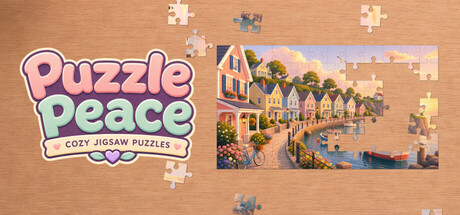
Puzzle Peace uses generative AI to help create puzzle artwork, music, and sound effects. As the developer, I direct the creative process, refine the generated material, and personally review and select the final assets to fit the game’s cozy style and atmosphere. All content is prepared before release; nothing is generated by AI during gameplay.
Generative AI was used during development to create in-game text, including item descriptions, interface copy, narrative text and localization. The Steam trailer also includes pre-generated AI cinematic visuals and music. No content is generated by AI during gameplay.
Generative AI tools were used during development to assist with the creation of certain 2D visual assets, animations and sound effects. AI tools were also used as development assistance for programming and implementation. All generated content was reviewed and curated by the developer before inclusion in the final game.
Generative AI tools were used during production to create character artwork, portraits, and some of the game's illustrations and visual assets. AI tools also assisted with the story, dialogue, and store-page copy, including its English version. These are pre-generated materials; the game does not use generative AI to create new content during gameplay.
Part of the game were created with the help of generative AI tools, then reviewed, edited and assembled by the developer:
• visual art — the ambient background images and the animated background loop
• audio — background music and sound effects
Generative AI is used only during development to produce these assets. The game does NOT use any AI at runtime — there is no live AI generation while you play.
Puzzles and word lists are hand-curated, and level layouts are produced by our own deterministic algorithm (not AI).
"Generative AI was used to create the game's cover art and the free scenario assets (such as character images). We plan to replace these art resources as soon as possible."
Pre-Generated AI Content:
During development, generative AI tools were used to create certain 3D character assets. These assets were subsequently integrated and adapted by the development team for use in the game.
This game uses generative AI to help create pre-rendered store artwork, chapter illustrations, background music, and the official trailer. Game logic was drafted with AI assistance and reviewed by the developer.
All level design, gameplay mechanics, and in-game text are hand-authored. No copyrighted third-party material was used in any AI output.
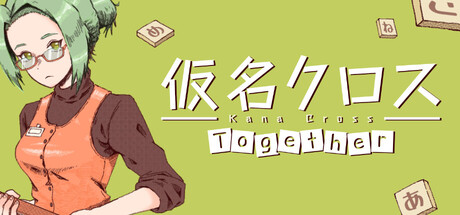
Kana Cross uses generative AI in the following ways, all reviewed by a person before release:
• Music: the game's background music was created using generative AI music tools.
• Localization: some of the Visual Novel and game's dictionary word meanings and translations.
We used an AI assistant (Claude) during development. No image-generating AI was used, and the game contains no AI-generated images, music, sound effects or voices. Nothing is generated by AI while you play.
- 3D shapes: The puppet parts and board objects are built from simple geometric shapes by scripts that the AI assistant helped write. The developer reviewed and adjusted every result.
- Text and translation: In-game text was drafted with the assistant, and the Japanese and English versions were translated with its help. The developer reviewed and edited all text.
- Studio logo: Built from basic shapes as code written with the same assistant.
All sound effects and music are recorded and made by the developer.
Some game assets were created using AI generative tools. AI-generated visual assets were subsequently painted over, edited, and composited manually by the developer in Photoshop/Photopea. AI was also used to assist with localized text translations.
AI tools were used during development to assist with writing and translating French and English text, creating branding artwork (including the logo, icon and splash screen), and producing some music. Promotional artwork and the voice-over in our gameplay overview videos also use AI-generated content. These assets were prepared in advance and integrated by the developers. The game does not generate AI content during gameplay.
Artwork: cards, lobby illustrations and achievement icons were pregenerated with AI image tools and rewritten by hand. The visual style was reviewed and rewritten artist.
Text: The German and Italian localizations were made with AI translation.
Text for the game and store page was localized with AI assistance. The game's menu and store page feature title artwork created with the help of AI tools.
Ardhan was made by a solo developer with some help of generative AI tools. The card, hero, background and cinematic artwork, the key art on this store page, the short animated clips, the voice narration in all nine languages, part of the music and many of the sound effects were generated with AI models (image models hosted on Higgsfield; ElevenLabs voice, music and sound models) and then selected, cropped and edited by the developer. The game does not generate any content while you play, has no AI chat, and sends nothing to any AI service.
Table Night has an optional AI LLM game master: if the host turns it on with their own AI account, a language model narrates the match and judges what players write, while the game rolls the dice and decides every result. The AI is instructed to keep everything suitable for teens. Players' text is sent to the host's AI provider, and any table can be played with a human game master or none instead.
This game contains pre-generated content only: no AI generates content during gameplay. The game's translations (English, German, Italian, Spanish) and the store page texts were produced with the help of AI tools, then reviewed. All in-game visuals are rendered from the game's own 3D models.
-AI was used in limited capacity during development to assist with lighting effects and animation assets. These outputs were reviewed, edited, and integrated by the development team. AI is not used to generate content dynamically during gameplay, and the game does not use live AI systems to create images, audio, text, animations, or other player-facing content.
Some pre-made assets were created with the help of generative AI tools and then selected and edited by the developers: power-up card illustrations, achievement icons, store and key art, and some 3D chess piece models for cosmetic sets. The game does not generate any AI content while you play.
Generative AI tools were used during development to help create portions of the game's audio, visual assets, and written content, including background music and sound effects. AI assistance was also used for promotional artwork. These materials were selected, edited, and reviewed by the developer before inclusion. The core gameplay rules, design decisions, and final implementation were directed by the developer. The game uses pre-generated content and does not generate new content with AI during gameplay.
ENROQUIA uses generative AI for pre-made content included in the game; nothing is generated during play and the game does not connect to any AI service. Made with AI: the voice of James, the coach (an original synthetic voice that does not imitate any real person), the music, the club entrance video, the 3D props and textures, the paintings on the club walls, the character designs (the 20 opponents and James), the in-game text and its translations into 12 languages, and the promotional material. The chess engine and its analysis are the game's own, with no AI models, and James's comments on your games are chosen during play based on that analysis.
Generative AI tools were used during development to create 2D illustrations for in-game cards, environmental backgrounds, and store capsule graphics. All generated art assets have been curated, manually edited, and adapted for the game, ensuring they contain no copyrighted or infringing material.
IDE Code assistant used to optimize parts of the game's code and resolve bugs.
Certain assets in this game were created or modified with the assistance of genAI tools, then reviewed and integrated by our team.
Generative AI was used for a large portion of the game's visual assets, including character artwork, backgrounds, icons, and some promotional materials.
These assets were not used directly without review. Most of them went through repeated generation, selection, editing, and adjustment to keep the characters and overall art style consistent. A significant amount of time was also spent integrating the assets into the game and correcting issues where necessary.
The game design, gameplay systems, balancing, level design, UI design, programming, and overall direction were done by me.
The game does not generate AI content during gameplay.
Some in-game visual assets were created with the assistance of generative AI. All AI-assisted content is pre-generated and included in the shipped game; no content is generated during gameplay.
Generative AI tools assisted with programming and development of The Construction Game and were used to create some promotional images. The game does not use generative AI to create content during gameplay.
Some in-game icons and background music, as well as all character voice lines, were created using generative AI during development. The game does not generate AI content during gameplay.
Some translations were generated with AI and are in beta, so more players can enjoy the game in their language.
The art and music were made without AI.
Some of the game's text (menus, hints, minigame descriptions and translations) and the copy on this store page were written with the help of an AI language model. The game does not use AI to create anything while you play.
Music, background, videos and images in this game, especially the artwork, were created using AI tools as a visual supplement.
This creative choice allowed me to focus more time and resources on what matters most, delivering longer, more engaging, and fun gameplay.
Generative AI was used to create pre-rendered English voice performances and selected music used in the game. All AI-generated content is fixed before release; GhostLine does not generate content during gameplay or connect to an external AI service.
Fliprium contains visual artwork, music, and sound effects created with the assistance of generative AI tools. OpenAI image-generation tools were used for some visual assets, Suno for some music, and ElevenLabs for some sound effects. These assets were selected, edited, and integrated into the game by the developer during production
This game utilizes generative AI tools to assist in the production of select art, sound, and music assets. However, no raw AI content is used. Every single AI-generated asset has been extensively modified, remade, and personalized by hand to fit the game's specific creative vision.
Some pre-generated visual assets were created with the help of AI image generation tools and then edited by the developer: UI elements (buttons, icons, bars), the game logo, and the campaign zone background art. Some store and community artwork may also use AI-assisted imagery. All gameplay, card art, sound effects and music are procedurally generated by the game's own code, not by AI. No content is generated by AI live during gameplay.
Puzzle Peace uses generative AI to help create puzzle artwork, music, and sound effects. As the developer, I direct the creative process, refine the generated material, and personally review and select the final assets to fit the game’s cozy style and atmosphere. All content is prepared before release; nothing is generated by AI during gameplay.
Generative AI was used during development to create in-game text, including item descriptions, interface copy, narrative text and localization. The Steam trailer also includes pre-generated AI cinematic visuals and music. No content is generated by AI during gameplay.
Generative AI tools were used during development to assist with the creation of certain 2D visual assets, animations and sound effects. AI tools were also used as development assistance for programming and implementation. All generated content was reviewed and curated by the developer before inclusion in the final game.
Generative AI tools were used during production to create character artwork, portraits, and some of the game's illustrations and visual assets. AI tools also assisted with the story, dialogue, and store-page copy, including its English version. These are pre-generated materials; the game does not use generative AI to create new content during gameplay.
Part of the game were created with the help of generative AI tools, then reviewed, edited and assembled by the developer:
• visual art — the ambient background images and the animated background loop
• audio — background music and sound effects
Generative AI is used only during development to produce these assets. The game does NOT use any AI at runtime — there is no live AI generation while you play.
Puzzles and word lists are hand-curated, and level layouts are produced by our own deterministic algorithm (not AI).
"Generative AI was used to create the game's cover art and the free scenario assets (such as character images). We plan to replace these art resources as soon as possible."
Pre-Generated AI Content:
During development, generative AI tools were used to create certain 3D character assets. These assets were subsequently integrated and adapted by the development team for use in the game.
This game uses generative AI to help create pre-rendered store artwork, chapter illustrations, background music, and the official trailer. Game logic was drafted with AI assistance and reviewed by the developer.
All level design, gameplay mechanics, and in-game text are hand-authored. No copyrighted third-party material was used in any AI output.
Kana Cross uses generative AI in the following ways, all reviewed by a person before release:
• Music: the game's background music was created using generative AI music tools.
• Localization: some of the Visual Novel and game's dictionary word meanings and translations.
We used an AI assistant (Claude) during development. No image-generating AI was used, and the game contains no AI-generated images, music, sound effects or voices. Nothing is generated by AI while you play.
- 3D shapes: The puppet parts and board objects are built from simple geometric shapes by scripts that the AI assistant helped write. The developer reviewed and adjusted every result.
- Text and translation: In-game text was drafted with the assistant, and the Japanese and English versions were translated with its help. The developer reviewed and edited all text.
- Studio logo: Built from basic shapes as code written with the same assistant.
All sound effects and music are recorded and made by the developer.
Some game assets were created using AI generative tools. AI-generated visual assets were subsequently painted over, edited, and composited manually by the developer in Photoshop/Photopea. AI was also used to assist with localized text translations.