Public Steam disclosure research25,376 disclosures tracked
Where do games disclose AI use?
Search developers’ Steam disclosures, compare classified AI use across
games, and follow recorded changes.
This index adds cross-game classifications and statistics to
statements published on individual store pages.
Groups reflect automatic analysis of public disclosures; mature records are excluded. These counts do not measure AI use across all of Steam.
Missing or unclear statements cannot establish whether a game uses AI.
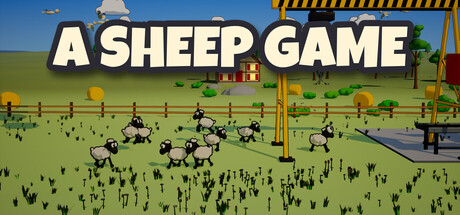
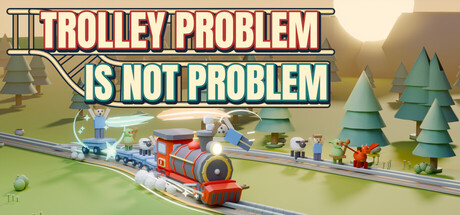
Pre-generated content: Parts of the game were made with generative AI tools and then selected, edited and integrated by the developer: the soundtrack (made with Suno), interface icons and stickers, the painted world illustrations on the level cards and act screens, sound effects and the spoken sheep lines. Some in-game and store texts, including the English translation, were drafted with an AI assistant and edited by the developer. All 3D models, animations and levels are made by the developer's own tools. The game does not generate content with AI while it runs.
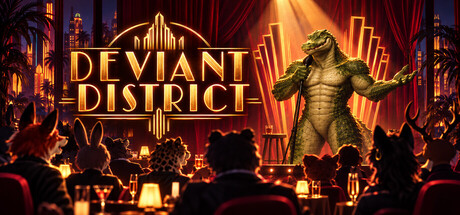
The game's code, some in-game text (English/Turkish dialogue and UI) and some poster artwork were created with the help of generative AI and then reviewed and edited by the developer. The game does not generate any AI content at runtime.
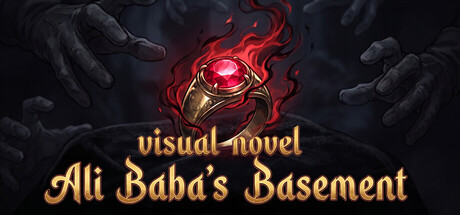
The art, animation, voice acting and music in this game were pre-generated with generative AI tools, then selected, edited and corrected shot by shot by hand. The script, all dialogue and the story structure are human-written. No AI generation happens at runtime.
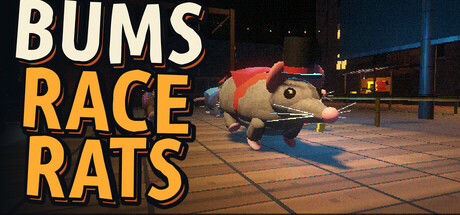
Generative AI was used during development to assist in creating select pre-generated promotional artwork and video assets used in marketing and on the Steam store page. AI-generated content is reviewed and selected by the developer before publication. Generative AI is not used to create gameplay content in real time.
All AI use happened during development. The background music was created with an AI music generation tool and edited by the developer. Parts of the in-game text, the store page text and the scripts used to build the 3D models were written with the help of an AI assistant, then reviewed and edited by the developer. No AI content is generated during gameplay.
AI tools were used during development to help write code, store and in-game text, translations, and the code that draws some icons. All output was reviewed and edited by the developer. The game does not generate any content with AI while you play.
This was created by a developer who used AI to assist with concept images, 3D model creation, and assets. Each piece was meticulously placed by an actual person. We're comedians, not professional artists.
The game's code, which procedurally generates all 3D models, textures, sound effects and music at runtime, was written with the help of an AI coding assistant, as were the store description, marketing images and trailer. No AI generation happens while the game is running.
AI tools were used to assist in creating selected promotional store assets and game assets. These materials were or will be later edited, refined, and finalized by human creators.
No art or audio in DEAD TIME is AI-generated: the music and sound effects are CC0 files from Freesound and Kenney, the characters and animations come from Adobe Mixamo, and every set, prop and the logo itself are drawn procedurally by the game's own code.
Generative AI was used as a writing assistant for text: the host's lines, the rules manual, the interface strings, their translation into the game's 12 languages, and this store description. Nothing is generated while you play, and the game never connects to an AI service.
- AI is used to help write scripts that create or modify some 3D models. In addition to creating many, I also personally refine and finish all models in Blender.
All additional art is human-made:
- Artwork: Created by me and my niece, with some icons licensed from the Unity Asset Store.
- Steam capsule artwork is by @Camilieroart
- Sound effects were created by myself and Kris McNaney, with additional sounds licensed from Uppbeat’s human-made library.
- Original music by Kris McNaney, with additional tracks licensed from Uppbeat’s human-made library.
Generative AI was used during development to create certain pre-generated visual assets and character textures included in the game, as well as to assist with translation into certain languages (French, German, and Spanish). These assets are created during development and are integrated into the game; there is no real-time AI content generation during gameplay.
AI was used throughout development for assistance with artwork, audio, code, and prototyping, as a tool, not a magic wand. Everything is directed, edited, assembled, and ultimately blamed on one questionably qualified human developer.
No AI runs during gameplay. It already costs me enough when the game isn't running.
The token bill remains undefeated.
Generative AI tools were used during development to create pre-generated artwork
and visual assets used in the game and its Steam store materials.
All AI-generated assets included in the final game were reviewed and selected by
the developer before use.
No generative AI content is created during gameplay, and the game does not connect
to any external AI services.
In-game icons and background assets were generated with AI and then manually adjusted
Promotional images and promotional videos were generated with AI and then manually adjusted
Generative AI was used during development to assist with the creation of some visual assets, as well as marketing materials. AI-generated assets were reviewed, edited, and integrated by the developer as part of the game's overall art direction. Generative AI is not used to generate content or code during gameplay.
Some visual and art assets in the game were created with the assistance of generative AI, combined with live-action materials and human-created artwork and editing.
AI was generally used in collaboration with human editing throughout most of the game. All released content was selected, edited and integrated by the developer. No content is generated during gameplay.
Generative AI tools were used during development. Some 3D models of characters and environments, some pre-rendered cutscenes, the main theme song, marketing videos and the translations were created with the help of AI tools, then edited and assembled by the developer. Gameplay design, code and in-game animations were made by the developer. No content is generated by AI during gameplay.
Generative AI was used to brainstorm some character images (but not directly used), and to render some static backgrounds. I also argued with it about coding bugs. It was helpful but not smart.
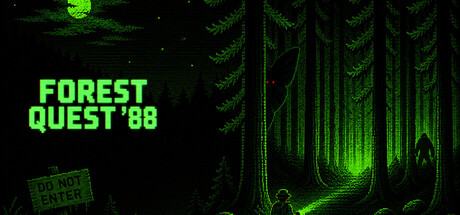
The branching narrative in FOREST QUEST '88 was generated during development using a locally-run AI language model (an offline Dolphin/LLaMA-family model via Ollama). All AI-generated text was produced ahead of time, then reviewed, edited, and curated by the developer before being baked into the finished game as fixed, hand-checked content. The shipped game contains no live AI generation — it plays back a static, pre-authored story. No player data is sent to any AI service; the game runs fully offline.
Some visual assets and 3D assets used in this game were created with the assistance of generative AI. The generated assets were edited and adjusted by the developer as needed before being incorporated into the game. No content is generated by AI in real time during gameplay.
Generating base images and materials for certain environmental textures (such as doors and labels), which are then manually edited, dithered, and color-crushed to fit the game's low-poly PSX aesthetic.
Generating video clips, audio, and visual concepts for the television broadcasts (like the in-game cooking shows) that play on CRT monitors throughout the world.
Generative AI tools were used during development to assist in the creation of some systems, 3D models, textures, and localized translations included in the game.
During the development process, we may use procedural- and AI-based tools to assist with content creation. In all such cases, the final product reflects the creativity and expression of our own development team.
Generative AI tools were used during development to assist with creating select pre-generated 3D base models, 2D promotional/marketing art, and drafting portions of the source code
All animations (sourced and configured via Mixamo), level design, environmental layouts, physics tuning, core game logic, and overall gameplay systems were manually designed, built, and integrated by the development team
The game does not generate any live AI content at runtime
All AI-assisted assets and code have been manually reviewed, curated, and tested to ensure stability, quality, and full compliance with copyright and intellectual property standards
The AI coworkers in this game are voiced by a machine (TTS), and their dialogue was really written by AI together with self portraits, on purpose and under human review. The slop is diegetic. The code was written with AI agents and reviewed by the last human in that loop, the developer. That is also the plot. No AI runs at runtime. Everything was baked and reviewed before shipping.
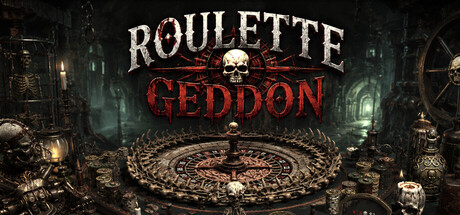
Some pre-generated visual assets used in Roulettegeddon, including portions of promotional artwork and certain in-game visual elements, were created or refined with the assistance of generative AI. The game's gameplay, mechanics, and player progression do not rely on AI-generated content during play.
Generative AI has been used solely as a supporting tool to create some of the icons used for the character's abilities and upgrades, as well as to assist with translating the game's text into other languages.
Generative AI tools were used during the early production stage to create preliminary visual assets and reference materials. All AI-assisted assets included in the final game were manually edited, refined, and reviewed by our designers.
Some store page and marketing artwork in this game was created with the help of generative AI tools. Game text localization into languages other than English and Korean was produced with AI-assisted translation and reviewed before shipping. All AI-generated content is pre-generated during development; the game does not generate any content live at runtime.
Pre-generated content: Parts of the game were made with generative AI tools and then selected, edited and integrated by the developer: the soundtrack (made with Suno), interface icons and stickers, the painted world illustrations on the level cards and act screens, sound effects and the spoken sheep lines. Some in-game and store texts, including the English translation, were drafted with an AI assistant and edited by the developer. All 3D models, animations and levels are made by the developer's own tools. The game does not generate content with AI while it runs.
The game's code, some in-game text (English/Turkish dialogue and UI) and some poster artwork were created with the help of generative AI and then reviewed and edited by the developer. The game does not generate any AI content at runtime.
The art, animation, voice acting and music in this game were pre-generated with generative AI tools, then selected, edited and corrected shot by shot by hand. The script, all dialogue and the story structure are human-written. No AI generation happens at runtime.
Generative AI was used during development to assist in creating select pre-generated promotional artwork and video assets used in marketing and on the Steam store page. AI-generated content is reviewed and selected by the developer before publication. Generative AI is not used to create gameplay content in real time.
All AI use happened during development. The background music was created with an AI music generation tool and edited by the developer. Parts of the in-game text, the store page text and the scripts used to build the 3D models were written with the help of an AI assistant, then reviewed and edited by the developer. No AI content is generated during gameplay.
AI tools were used during development to help write code, store and in-game text, translations, and the code that draws some icons. All output was reviewed and edited by the developer. The game does not generate any content with AI while you play.
This was created by a developer who used AI to assist with concept images, 3D model creation, and assets. Each piece was meticulously placed by an actual person. We're comedians, not professional artists.
The game's code, which procedurally generates all 3D models, textures, sound effects and music at runtime, was written with the help of an AI coding assistant, as were the store description, marketing images and trailer. No AI generation happens while the game is running.
AI tools were used to assist in creating selected promotional store assets and game assets. These materials were or will be later edited, refined, and finalized by human creators.
No art or audio in DEAD TIME is AI-generated: the music and sound effects are CC0 files from Freesound and Kenney, the characters and animations come from Adobe Mixamo, and every set, prop and the logo itself are drawn procedurally by the game's own code.
Generative AI was used as a writing assistant for text: the host's lines, the rules manual, the interface strings, their translation into the game's 12 languages, and this store description. Nothing is generated while you play, and the game never connects to an AI service.
- AI is used to help write scripts that create or modify some 3D models. In addition to creating many, I also personally refine and finish all models in Blender.
All additional art is human-made:
- Artwork: Created by me and my niece, with some icons licensed from the Unity Asset Store.
- Steam capsule artwork is by @Camilieroart
- Sound effects were created by myself and Kris McNaney, with additional sounds licensed from Uppbeat’s human-made library.
- Original music by Kris McNaney, with additional tracks licensed from Uppbeat’s human-made library.
Generative AI was used during development to create certain pre-generated visual assets and character textures included in the game, as well as to assist with translation into certain languages (French, German, and Spanish). These assets are created during development and are integrated into the game; there is no real-time AI content generation during gameplay.
AI was used throughout development for assistance with artwork, audio, code, and prototyping, as a tool, not a magic wand. Everything is directed, edited, assembled, and ultimately blamed on one questionably qualified human developer.
No AI runs during gameplay. It already costs me enough when the game isn't running.
The token bill remains undefeated.
Generative AI tools were used during development to create pre-generated artwork
and visual assets used in the game and its Steam store materials.
All AI-generated assets included in the final game were reviewed and selected by
the developer before use.
No generative AI content is created during gameplay, and the game does not connect
to any external AI services.
In-game icons and background assets were generated with AI and then manually adjusted
Promotional images and promotional videos were generated with AI and then manually adjusted
Generative AI was used during development to assist with the creation of some visual assets, as well as marketing materials. AI-generated assets were reviewed, edited, and integrated by the developer as part of the game's overall art direction. Generative AI is not used to generate content or code during gameplay.
Some visual and art assets in the game were created with the assistance of generative AI, combined with live-action materials and human-created artwork and editing.
AI was generally used in collaboration with human editing throughout most of the game. All released content was selected, edited and integrated by the developer. No content is generated during gameplay.
Generative AI tools were used during development. Some 3D models of characters and environments, some pre-rendered cutscenes, the main theme song, marketing videos and the translations were created with the help of AI tools, then edited and assembled by the developer. Gameplay design, code and in-game animations were made by the developer. No content is generated by AI during gameplay.
Generative AI was used to brainstorm some character images (but not directly used), and to render some static backgrounds. I also argued with it about coding bugs. It was helpful but not smart.
The branching narrative in FOREST QUEST '88 was generated during development using a locally-run AI language model (an offline Dolphin/LLaMA-family model via Ollama). All AI-generated text was produced ahead of time, then reviewed, edited, and curated by the developer before being baked into the finished game as fixed, hand-checked content. The shipped game contains no live AI generation — it plays back a static, pre-authored story. No player data is sent to any AI service; the game runs fully offline.
Some visual assets and 3D assets used in this game were created with the assistance of generative AI. The generated assets were edited and adjusted by the developer as needed before being incorporated into the game. No content is generated by AI in real time during gameplay.
Generating base images and materials for certain environmental textures (such as doors and labels), which are then manually edited, dithered, and color-crushed to fit the game's low-poly PSX aesthetic.
Generating video clips, audio, and visual concepts for the television broadcasts (like the in-game cooking shows) that play on CRT monitors throughout the world.
Generative AI tools were used during development to assist in the creation of some systems, 3D models, textures, and localized translations included in the game.
During the development process, we may use procedural- and AI-based tools to assist with content creation. In all such cases, the final product reflects the creativity and expression of our own development team.
Generative AI tools were used during development to assist with creating select pre-generated 3D base models, 2D promotional/marketing art, and drafting portions of the source code
All animations (sourced and configured via Mixamo), level design, environmental layouts, physics tuning, core game logic, and overall gameplay systems were manually designed, built, and integrated by the development team
The game does not generate any live AI content at runtime
All AI-assisted assets and code have been manually reviewed, curated, and tested to ensure stability, quality, and full compliance with copyright and intellectual property standards
The AI coworkers in this game are voiced by a machine (TTS), and their dialogue was really written by AI together with self portraits, on purpose and under human review. The slop is diegetic. The code was written with AI agents and reviewed by the last human in that loop, the developer. That is also the plot. No AI runs at runtime. Everything was baked and reviewed before shipping.
Some pre-generated visual assets used in Roulettegeddon, including portions of promotional artwork and certain in-game visual elements, were created or refined with the assistance of generative AI. The game's gameplay, mechanics, and player progression do not rely on AI-generated content during play.
Generative AI has been used solely as a supporting tool to create some of the icons used for the character's abilities and upgrades, as well as to assist with translating the game's text into other languages.
Generative AI tools were used during the early production stage to create preliminary visual assets and reference materials. All AI-assisted assets included in the final game were manually edited, refined, and reviewed by our designers.
Some store page and marketing artwork in this game was created with the help of generative AI tools. Game text localization into languages other than English and Korean was produced with AI-assisted translation and reviewed before shipping. All AI-generated content is pre-generated during development; the game does not generate any content live at runtime.