Public Steam disclosure research25,376 disclosures tracked
Where do games disclose AI use?
Search developers’ Steam disclosures, compare classified AI use across
games, and follow recorded changes.
This index adds cross-game classifications and statistics to
statements published on individual store pages.
Groups reflect automatic analysis of public disclosures; mature records are excluded. These counts do not measure AI use across all of Steam.
Missing or unclear statements cannot establish whether a game uses AI.
This game uses AI as a writing assistant during development. The story, characters, world, game systems, and overall creative direction are original work by the developer, drawn from personal experience and extensive planning. AI was used to help draft, translate, edit, and refine dialogue based on the developer's outlines, ideas, and direction, with the developer reviewing, revising, and making final creative decisions on all text that appears in the game. AI was not used to generate any art, music, or audio assets.
AI tools were used solely for generating background images. All character art, UI elements, writing, and other visual content were created entirely by the development team without the use of generative AI.
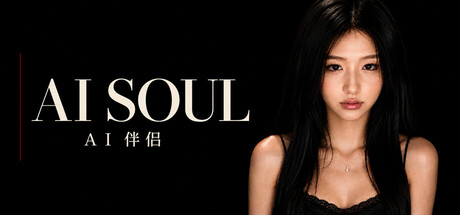
AI SOUL uses generative AI for conversational text, synthesized speech and speech-driven facial animation. Character imagery and store artwork include AI-generated material. Core conversation models run locally. Xiaoya is a synthetic character, not a live human operator. Responses may be inaccurate.
Generative AI was used only to assist with localization and translation into English, Simplified Chinese, Traditional Chinese, and Korean. The original story, artwork, audio, and other game assets were not generated using AI. No live-generated AI content is used in the game.
AI tools assisted with static artwork, marketing images and localization. During play, a bundled language model running locally on your PC generates dialogue, narrative and diary text from your input, card instructions and conversation context. No external AI service or API key is required. No images or voices are generated during play. Output quality, response time and consistency vary with your hardware and input.
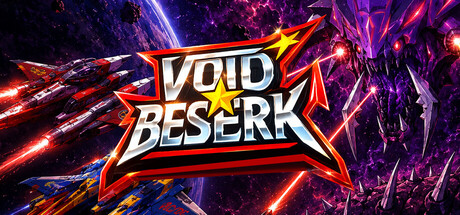
Regarding programming, this game was partially coded and translated using AI; however, AI is used only for marketing art. The game's international artwork is hand-drawn and vectorized based on unofficial rock band logos.
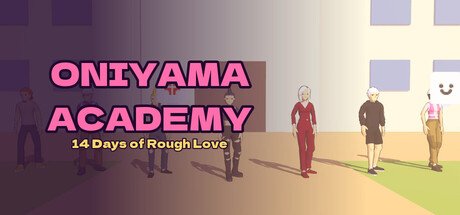
Portions of this game's code and dialogue were written with the assistance of AI tools and then reviewed and edited by the developer. All art, 3D models, music and sound effects are human-made assets (Quaternius, Kay Lousberg, Kenney, omfgdude and SubspaceAudio, all CC0). Nothing is generated by AI while you play.
All characters are original adult fictional characters. Generative AI tools are used to create character imagery, video footage, and Japanese voice performances under the creator's direction; the results are reviewed, selected, and edited shot by shot. AI assistants also support parts of writing, translation, editing, and game implementation. The creator defines the story, characters, choices, performance, interaction, and quality requirements and makes the final decisions. No real performer is depicted, no real person's face or voice is intentionally used as a character reference, and nothing is generated while the game runs.
ChatGPT, Grok, Gemini, Suno, and Doubao TTS assisted with most of the pre-generated visual, music, and voice content. All such content was created before release and selected, edited, and integrated by the developer. More than 99% of the game’s text was written manually by the author; AI was used only to help check for errors. The game does not connect to generative AI services or generate content at runtime.
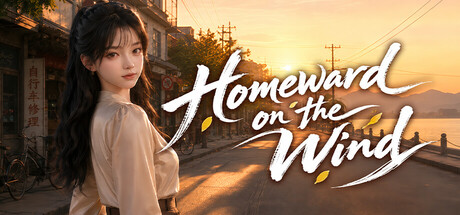
Visual assets and music in Homeward on the Wind were created with the assistance of generative AI tools and were reviewed and refined by the development team. The game does not generate content in real time. All storylines, choices, and interactions are pre-designed.
During development, Google Gemini and OpenAI GPT were primarily used for programming assistance, debugging, and development workflow support. Nano Banana was used to generate some character sprite artwork and to redraw or adjust certain facial-expression variants of existing character sprites. All AI-assisted art assets were manually reviewed, selected, and edited by the developer before being included in the game.
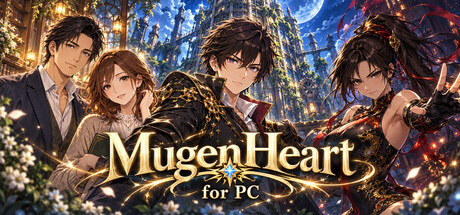
Part of the game's artwork - backgrounds, character illustrations, and CG images - was created with the assistance of generative AI tools, and some background music tracks and character voice lines were produced using AI music and AI speech generation services. All AI-assisted assets were reviewed and selected by the developer. The story, characters, and writing were authored by the developer. The game also includes an optional runtime AI dialogue feature that runs on a local model bundled with the game, fully offline; it generates short character replies only and cannot change the story or endings.
While AI tools were used to assist with the creation of select assets for our game's store page, all featured assets are fully original designs developed by our internal team.
Generative AI tools were used during development to create or refine selected visual and text assets. All such content was pre-generated, reviewed, and edited before use; the game does not use live generative AI.
Generative AI tools were used as development assistance, including support for programming, text editing, brainstorming, and localization. The game's visual artwork and assets are created by the developer and do not use AI-generated images. Story concepts and final creative decisions are made and edited by the developer.
Some of the images, music, and song lyrics in this game were created with the
assistance of generative AI tools. The creator performed all prompt design,
selection, editing, arrangement, and integration; every asset was reviewed and
adjusted by hand before being included in the game. The script, game design,
systems, and code were written by the creator.
The game uses AI tools to assist in generating background graphics and supporting the artistic process. AI is also used to aid in translation and localization, making the game available in multiple regions and languages.
While AI tools were used to assist with the creation of select assets for our game's store page, all featured assets are fully original designs developed by our internal team.
To enhance the gaming experience, a very small portion of the video footage, visual effects, and game interface were created with the assistance of artificial intelligence. AI-generated content accounts for less than 1% of the total content. Thank you for your understanding.
This game uses generative AI to provide personalized choices and free-form conversations based on player input and profile information. The main story and scenarios are written by human writers.
AI tools were used to assist in creating character sprites during development, followed by manual retouching and adjustments. The game does not generate real-time AI content during gameplay.
This game uses generative AI to create some character sprites, event CGs, backgrounds, and other in-game images. Some translations are also created using generative AI. These AI-generated assets are used as part of the game's content, as well as in images displayed on the game's store page. The game does not use generative AI to generate content in real time based on player input.
This game uses content created or assisted by generative AI. Generative AI was used to help create and edit some visual assets, music/sound materials, and scripts. All final content was reviewed, selected, and adjusted by the developer before being included in the game.
This game uses generative AI tools during development for some pre-rendered assets, including store capsules and key art, character sprites, backgrounds, CGs, and certain audio. AI-assisted assets are selected and edited before inclusion. Story and game systems are human-authored.
This game includes a small amount of generative AI content used only for optional tutorial and demonstration materials. These pre‑generated, G‑rated assets illustrate how the game’s IN‑OUT‑based timing loop works. They do not appear in normal gameplay and do not influence any game systems. All core mechanics, visuals, audio, and interactive content are fully handcrafted and do not use AI generation during play.
This game uses AI-generated imagery. Character portraits, backgrounds, card illustrations, and UI assets were created with generative AI image tools, then reviewed, edited to fit the game's art direction. Store page capsules use the same artwork.
Writing, game design, code, and systems are authored by a human developer. Nothing is generated while the game is running.
This game uses generative AI for some of its assets, specifically: character art and scene backgrounds, UI icons, the main menu motion visual, and part of the soundtrack. All story text is written by the developer; AI was used only for formatting and validation. Every AI-generated asset was manually reviewed, edited, and integrated before shipping.
This game uses AI as a writing assistant during development. The story, characters, world, game systems, and overall creative direction are original work by the developer, drawn from personal experience and extensive planning. AI was used to help draft, translate, edit, and refine dialogue based on the developer's outlines, ideas, and direction, with the developer reviewing, revising, and making final creative decisions on all text that appears in the game. AI was not used to generate any art, music, or audio assets.
AI tools were used solely for generating background images. All character art, UI elements, writing, and other visual content were created entirely by the development team without the use of generative AI.
AI SOUL uses generative AI for conversational text, synthesized speech and speech-driven facial animation. Character imagery and store artwork include AI-generated material. Core conversation models run locally. Xiaoya is a synthetic character, not a live human operator. Responses may be inaccurate.
Generative AI was used only to assist with localization and translation into English, Simplified Chinese, Traditional Chinese, and Korean. The original story, artwork, audio, and other game assets were not generated using AI. No live-generated AI content is used in the game.
AI tools assisted with static artwork, marketing images and localization. During play, a bundled language model running locally on your PC generates dialogue, narrative and diary text from your input, card instructions and conversation context. No external AI service or API key is required. No images or voices are generated during play. Output quality, response time and consistency vary with your hardware and input.
Regarding programming, this game was partially coded and translated using AI; however, AI is used only for marketing art. The game's international artwork is hand-drawn and vectorized based on unofficial rock band logos.
Portions of this game's code and dialogue were written with the assistance of AI tools and then reviewed and edited by the developer. All art, 3D models, music and sound effects are human-made assets (Quaternius, Kay Lousberg, Kenney, omfgdude and SubspaceAudio, all CC0). Nothing is generated by AI while you play.
All characters are original adult fictional characters. Generative AI tools are used to create character imagery, video footage, and Japanese voice performances under the creator's direction; the results are reviewed, selected, and edited shot by shot. AI assistants also support parts of writing, translation, editing, and game implementation. The creator defines the story, characters, choices, performance, interaction, and quality requirements and makes the final decisions. No real performer is depicted, no real person's face or voice is intentionally used as a character reference, and nothing is generated while the game runs.
ChatGPT, Grok, Gemini, Suno, and Doubao TTS assisted with most of the pre-generated visual, music, and voice content. All such content was created before release and selected, edited, and integrated by the developer. More than 99% of the game’s text was written manually by the author; AI was used only to help check for errors. The game does not connect to generative AI services or generate content at runtime.
Visual assets and music in Homeward on the Wind were created with the assistance of generative AI tools and were reviewed and refined by the development team. The game does not generate content in real time. All storylines, choices, and interactions are pre-designed.
During development, Google Gemini and OpenAI GPT were primarily used for programming assistance, debugging, and development workflow support. Nano Banana was used to generate some character sprite artwork and to redraw or adjust certain facial-expression variants of existing character sprites. All AI-assisted art assets were manually reviewed, selected, and edited by the developer before being included in the game.
Part of the game's artwork - backgrounds, character illustrations, and CG images - was created with the assistance of generative AI tools, and some background music tracks and character voice lines were produced using AI music and AI speech generation services. All AI-assisted assets were reviewed and selected by the developer. The story, characters, and writing were authored by the developer. The game also includes an optional runtime AI dialogue feature that runs on a local model bundled with the game, fully offline; it generates short character replies only and cannot change the story or endings.
While AI tools were used to assist with the creation of select assets for our game's store page, all featured assets are fully original designs developed by our internal team.
Generative AI tools were used during development to create or refine selected visual and text assets. All such content was pre-generated, reviewed, and edited before use; the game does not use live generative AI.
Generative AI tools were used as development assistance, including support for programming, text editing, brainstorming, and localization. The game's visual artwork and assets are created by the developer and do not use AI-generated images. Story concepts and final creative decisions are made and edited by the developer.
Some of the images, music, and song lyrics in this game were created with the
assistance of generative AI tools. The creator performed all prompt design,
selection, editing, arrangement, and integration; every asset was reviewed and
adjusted by hand before being included in the game. The script, game design,
systems, and code were written by the creator.
The game uses AI tools to assist in generating background graphics and supporting the artistic process. AI is also used to aid in translation and localization, making the game available in multiple regions and languages.
While AI tools were used to assist with the creation of select assets for our game's store page, all featured assets are fully original designs developed by our internal team.
To enhance the gaming experience, a very small portion of the video footage, visual effects, and game interface were created with the assistance of artificial intelligence. AI-generated content accounts for less than 1% of the total content. Thank you for your understanding.
This game uses generative AI to provide personalized choices and free-form conversations based on player input and profile information. The main story and scenarios are written by human writers.
AI tools were used to assist in creating character sprites during development, followed by manual retouching and adjustments. The game does not generate real-time AI content during gameplay.
This game uses generative AI to create some character sprites, event CGs, backgrounds, and other in-game images. Some translations are also created using generative AI. These AI-generated assets are used as part of the game's content, as well as in images displayed on the game's store page. The game does not use generative AI to generate content in real time based on player input.
This game uses content created or assisted by generative AI. Generative AI was used to help create and edit some visual assets, music/sound materials, and scripts. All final content was reviewed, selected, and adjusted by the developer before being included in the game.
This game uses generative AI tools during development for some pre-rendered assets, including store capsules and key art, character sprites, backgrounds, CGs, and certain audio. AI-assisted assets are selected and edited before inclusion. Story and game systems are human-authored.
This game includes a small amount of generative AI content used only for optional tutorial and demonstration materials. These pre‑generated, G‑rated assets illustrate how the game’s IN‑OUT‑based timing loop works. They do not appear in normal gameplay and do not influence any game systems. All core mechanics, visuals, audio, and interactive content are fully handcrafted and do not use AI generation during play.
This game uses AI-generated imagery. Character portraits, backgrounds, card illustrations, and UI assets were created with generative AI image tools, then reviewed, edited to fit the game's art direction. Store page capsules use the same artwork.
Writing, game design, code, and systems are authored by a human developer. Nothing is generated while the game is running.
This game uses generative AI for some of its assets, specifically: character art and scene backgrounds, UI icons, the main menu motion visual, and part of the soundtrack. All story text is written by the developer; AI was used only for formatting and validation. Every AI-generated asset was manually reviewed, edited, and integrated before shipping.