


Disclosure
Some AI-generated content is used as placeholder during development and will be replaced before release.
- Creator
- Man All In Studios
- Reviews
- -
- Added
- Oct 12, 2026
Public Steam disclosure research 25,376 disclosures tracked
Search developers’ Steam disclosures, compare classified AI use across games, and follow recorded changes. This index adds cross-game classifications and statistics to statements published on individual store pages.
Code help, debugging and other development work.
Capsule art, trailers and promotional material.
Pre-made art, audio, writing and other game assets.
Interactive or runtime AI features disclosed by the developer.
Groups reflect automatic analysis of public disclosures; mature records are excluded. These counts do not measure AI use across all of Steam. Missing or unclear statements cannot establish whether a game uses AI.
Some AI-generated content is used as placeholder during development and will be replaced before release.
AI was used responsibly in the making of this game
The game's pixel art, sound effects and music, in-game text (including translation), program code, and the store page text and images were created using an AI tool (Anthropic's Claude) under the developer's direction and review. The game does not generate any content with AI while it is running.
Generative AI tools were used to help create promotional artwork and Steam store page text. This content was prepared in advance. The game does not use generative AI or connect to external AI services during gameplay.
Generative AI was used for some visual and audio assets and text. No content is generated during play.
Some visual assets were generated using an in-house image model under our artist’s art direction (trained on open-licensed and proprietary data). Some UI elements were also created or refined using AI-assisted UI tools. We review, select, and edit assets before integrating them into the game. Some music was created using AI-assisted music tools under our creative direction. We review, select, and edit the outputs before integrating them into the game.
This game uses generative AI tools to assist in creating some content: pixel-art visuals (character, enemy, and card artwork, icons, and backgrounds) via PixelLab, and sound effects via ElevenLabs. All AI-assisted content was reviewed and curated by the developer before being included in the game.
The game's pixel art (characters, enemies, bosses, environment tiles and props, effects, UI icons) was created with the help of the AI tool PixelLab and then selected, edited, animated and assembled by the developer. The key art, logo, app icon, music and sound effects were generated with Higgsfield and then edited and mixed by the developer. The trailer's opening and closing cinematic shots are AI-animated from the game's key art. All gameplay, code and design are the developer's own. The game does not generate any content with AI while it runs.
AI tools were used to create pre-generated artwork, music, sound effects, and narration, including artwork used on this store page.
How we do use AI:
Various visual and audio assets, translations, and promotional materials were created with the assistance of generative AI tools. All AI-assisted content was selected, reviewed, and integrated by the developer. No generative AI is used during gameplay, and the game does not generate content in real time.
Art Design
AI is used to create some of the images on the game's store page and in the library.
This game contains content created with the assistance of AI tools. AI was used during development to assist with programming, visual assets, and other creative elements. All generated content was reviewed, edited, and integrated by the dev.
AI-assisted tools were used during development to create some visual assets, including some artwork. These assets are included as pre-generated game content.
localization
Game store page logo and cover art made with ai tools Game menu images made with ai tools
Some assets (voiceovers, wall paintings, icons) are currently generated using AI and are planned to be replaced with artist-created assets in future updates.
Some of the game's artwork was created from the developer's own sketches and refined using AI image tools. Some sound effects were produced with the help of AI audio tools. The in-game text was translated into the supported languages with the help of AI tools. All content is reviewed and approved by the developer before release.
Some of the game's 2D art (characters, enemies, backgrounds and icons) was created with the help of generative AI tools and then edited, cleaned up and reviewed by the developer. Some translations were also made with AI assistance. No AI content is generated while the game is running, and the game does not connect to any AI service.
Generative AI tools were used during development to assist with programming and some written/game content. All generated material was reviewed and integrated by the developer. The game does not generate AI content during gameplay.
Twisted Survivors was designed and made by Six. Some of its art (including the store artwork), music, voice-over and the opening cinematic were created with the help of AI tools, then curated and edited by Six; nothing is generated while you play.
The store page artwork (capsule images, header, library images and logo) was created with the help of generative AI tools. Part of the game's source code and development tools were also written with the help of AI coding assistants, then reviewed and integrated by the developer. The in-game content itself (3D visuals from licensed asset packs, CC0 sound effects, texts) is not AI-generated, and the game does not use generative AI while playing. All screenshots are captured from the actual game.
We use AI to assist with debugging, prototyping, automating repetitive processes, and generating some of the game's visual assets.
Logo/branding art: The game's logo and some promotional material was generated using an AI image generation tool. Modeling: A handfull of props where generated using AI. Localization: In-game text (menus, UI, dialogue, and other player-facing strings) has been translated into additional languages using AI translation tools, so accuracy and natural phrasing may vary by language.
Some visual and text content in KAZENRA was created or refined with the assistance of generative AI tools during development. All such content was reviewed, selected, edited, and integrated by the developer before release. The game does not generate AI content during gameplay.
Some of the game's content was created with the help of generative AI tools and then edited, cleaned up, rigged, animated and integrated by the developer. This includes 3D models of characters and enemies, 2D art such as ability icons, UI elements and some store page artwork, sound effects, and parts of the store page text. All gameplay, design, balance and final assembly were done by the developer.
This game used generative AI for the game logo
Pre-generated AI content includes equipment illustrations, skill icons, clothing surface textures, short English character-selection voice lines, and Steam capsule and library artwork. AI tools also assisted with store-page text and translations. The game does not generate AI content or connect to AI services during gameplay.
The Art 2d art in the main menu was AI generated through chat gpt.
The tower and building art began as 3D models made with AI tools and inside Blender. I edited many of them by hand, then turned them into pixel art with our own pipeline. The characters are drawn by hand in Aseprite. Some in-game text and the translations were written with AI assistance.
I am a solo developer with no budget. This game (my first) has been a passion project of about two years. I have developed it in between work and life. During that time, I made the decision to use a text-to-speech program to generate some NPC dialogue. Someday I hope to be working with a budget; but for now, since I don't have one, I believe that my current solution delivers the best experience for the player.
This game started with my own ideas. Its development, design, sound, and graphics were all created using AI. AI-generated content was created during development. The game does not generate AI content during gameplay or connect to external AI services.
The content of Dark Dice Dungeon was produced with the help of generative AI tools: the illustrations, the music and sound effects, the in-game writing, and the English and Spanish translations. All of it was then selected, edited and assembled by hand by the developer. Nothing is generated while you play: the game ships with fixed assets and never connects to any service.
Some store and marketing images were created with generative AI tools. Parts of the in-game UI artwork were also created or assisted with generative AI, then reviewed and integrated by the developer. All other game content is human-authored or from licensed third-party assets. No generative AI content is created live during gameplay.
NO HOOMAN
Generative AI tools were used to assist with localization and translations, as well as to create marketing materials and promotional assets.
Generative AI was used in two areas for this project: First, 2D character artwork hand-drawn by a human artist was converted into 3D models using AI-powered tools. Second, AI was used for the localization and translation of the game's text into multiple languages. All other game assets, including sound design, music, and the core story, were created entirely without the use of AI.
Some characters and scenes were designed using AI.
Translations of some texts.
Logo and Capsules only. No in game content is AI generated.
Development of this game used AI assistance for writing source code, and for creating some of the in-game art assets such as objects and enemies. All AI-generated content was produced during development and reviewed by the developer; the game does not generate any content with AI at runtime.
War of the Watchers uses generative AI in two places. Both are pre-generated before release and ship as fixed files; nothing is generated while you play. Character dialogue is voiced using AI text-to-speech. Every line was written by the developer, and the tool performs those written lines. Each take is recorded before release and ships as an audio file. Some promotional artwork, including the key art and store capsules, was produced with AI image tools and then edited by the developer. Game code, level design and all in-game visuals are hand-authored. No content is generated during gameplay.
This game makes use of generative AI as part of its creation process of art and localization.
AI tools were used during the development of Slot Crawler to assist in creating select visual assets and promotional materials. Every AI-assisted element was reviewed, refined, and integrated by the developer to ensure consistency with the game’s artistic direction and quality standards.
This game was developed solo by an independent developer. Some UI visuals and artwork used for the Steam store page were created with the help of generative AI. Original sound effects were also created with AI assistance to match the game's atmosphere. This content is fixed and built into the game. AI is not used to generate content in real time during gameplay.
AI has been used to help develop the game's cover art.
AI coding assistance was used in developing some parts of the game's code and in drafting in-game text, all of it directed and reviewed by the developer.
Some promotional concept artwork was generated by AI, no AI is used in-game.
Some marketing materials were created with the help of generative AI tools.
| Title⇅ | Disclosure | Creator⇅ | Src | Reviews⇅ | Added↓ |
|---|---|---|---|---|---|
 Empty Throne general | Some AI-generated content is used as placeholder during development and will be replaced before release. | Man All In Studios | - | Oct 12, 2026 | |
 Elder Hills Unclear | AI was used responsibly in the making of this game | Darkfoo Games | - | Oct 12, 2026 | |
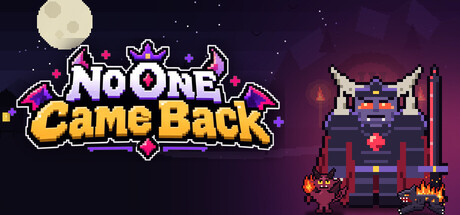 No One Came Back In-game content artaudiocodetext | The game's pixel art, sound effects and music, in-game text (including translation), program code, and the store page text and images were created using an AI tool (Anthropic's Claude) under the developer's direction and review. The game does not generate any content with AI while it is running. | ImpressaEntertainment,Inc. | - | Oct 10, 2026 | |
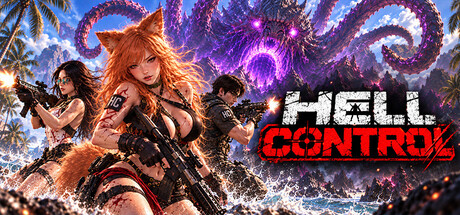 Hell Control Store/marketing arttext | Generative AI tools were used to help create promotional artwork and Steam store page text. This content was prepared in advance. The game does not use generative AI or connect to external AI services during gameplay. | RokuGo Studio | - | Oct 10, 2026 | |
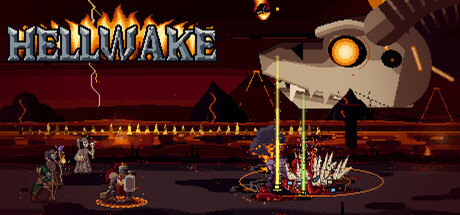 Hellwake In-game content artaudiotext | Generative AI was used for some visual and audio assets and text. No content is generated during play. | Precise Media AB | - | Oct 10, 2026 | |
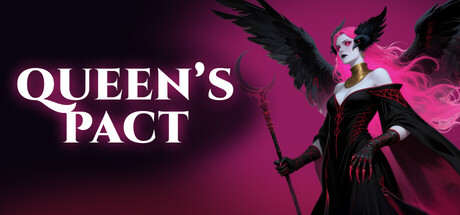 Queen's Pact In-game content artaudio | Some visual assets were generated using an in-house image model under our artist’s art direction (trained on open-licensed and proprietary data). Some UI elements were also created or refined using AI-assisted UI tools. We review, select, and edit assets before integrating them into the game.
Some music was created using AI-assisted music tools under our creative direction. We review, select, and edit the outputs before integrating them into the game. | Basalt Breach | - | Oct 10, 2026 | |
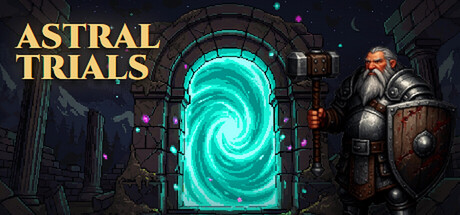 Astral Trials: Ascension In-game content artaudio | This game uses generative AI tools to assist in creating some content: pixel-art visuals (character, enemy, and card artwork, icons, and backgrounds) via PixelLab, and sound effects via ElevenLabs. All AI-assisted content was reviewed and curated by the developer before being included in the game. | Kyle- Ninjutsu Entertainment LLC | - | Oct 10, 2026 | |
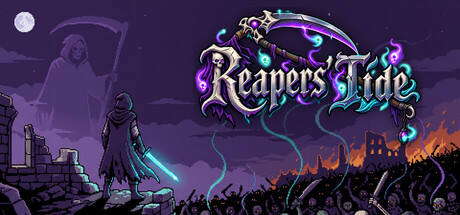 Reapers' Tide In-game content artaudio | The game's pixel art (characters, enemies, bosses, environment tiles and props, effects, UI icons) was created with the help of the AI tool PixelLab and then selected, edited, animated and assembled by the developer. The key art, logo, app icon, music and sound effects were generated with Higgsfield and then edited and mixed by the developer. The trailer's opening and closing cinematic shots are AI-animated from the game's key art. All gameplay, code and design are the developer's own. The game does not generate any content with AI while it runs. | Petr Jirous | - | Oct 9, 2026 | |
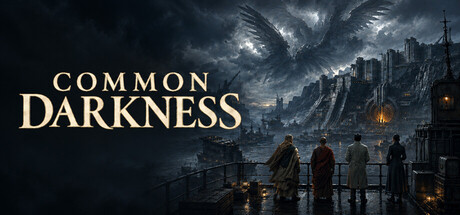 Common Darkness In-game content artaudiotext | AI tools were used to create pre-generated artwork, music, sound effects, and narration, including artwork used on this store page. | One More Turn Games | - | Oct 7, 2026 | |
 Perceptum Unclear | How we do use AI: | Duck Reaction | - | Oct 7, 2026 | |
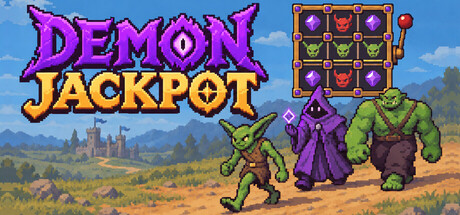 DEMON JACKPOT In-game content artaudiotext | Various visual and audio assets, translations, and promotional materials were created with the assistance of generative AI tools. All AI-assisted content was selected, reviewed, and integrated by the developer.
No generative AI is used during gameplay, and the game does not generate content in real time. | Root | - | Oct 6, 2026 | |
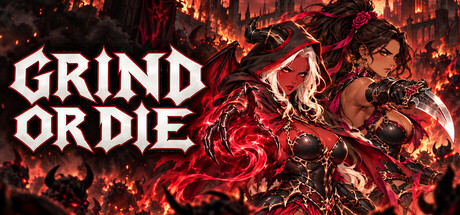 Grind or Die art | Art Design | Bowden Game Studios | - | Oct 6, 2026 | |
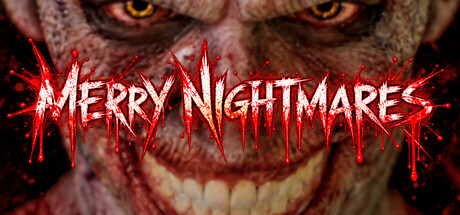 Merry Nightmares Store/marketing art | AI is used to create some of the images on the game's store page and in the library. | REVVALUTION Studio | - | Oct 6, 2026 | |
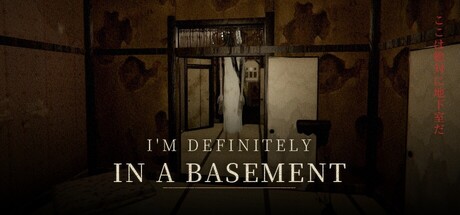 I'M DEFINITELY IN A BASEMENT In-game content artcode | This game contains content created with the assistance of AI tools. AI was used during development to assist with programming, visual assets, and other creative elements. All generated content was reviewed, edited, and integrated by the dev. | ISEKAI Games | - | Oct 6, 2026 | |
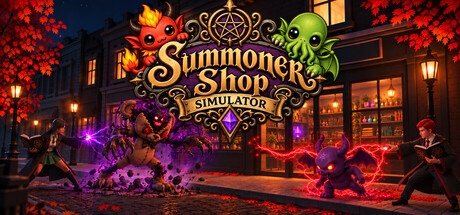 Summoner Shop Simulator In-game content art | AI-assisted tools were used during development to create some visual assets, including some artwork. These assets are included as pre-generated game content. | Odd Ritual Games | - | Oct 6, 2026 | |
 Dice Knight In-game content text | localization | Summit Games Interactive | - | Oct 6, 2026 | |
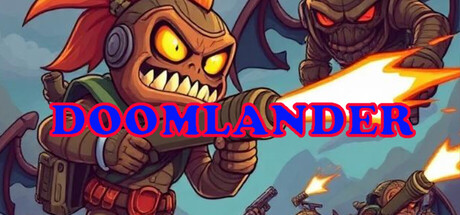 Doomlander Store/marketing art | Game store page logo and cover art made with ai tools
Game menu images made with ai tools | Saylor games | - | Oct 3, 2026 | |
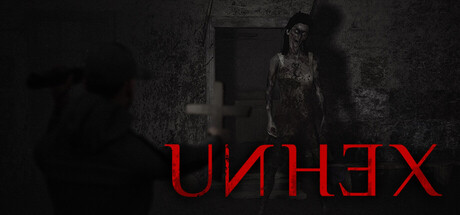 Unhex In-game content audioart | Some assets (voiceovers, wall paintings, icons) are currently generated using AI and are planned to be replaced with artist-created assets in future updates. | Major Dog Games | - | Oct 3, 2026 | |
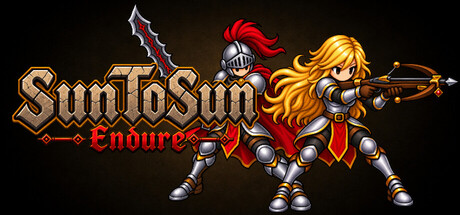 Sun To Sun: Endure In-game content artaudiotext | Some of the game's artwork was created from the developer's own sketches and refined using AI image tools. Some sound effects were produced with the help of AI audio tools. The in-game text was translated into the supported languages with the help of AI tools. All content is reviewed and approved by the developer before release. | Titan L.E.M.A.R Studios | - | Oct 1, 2026 | |
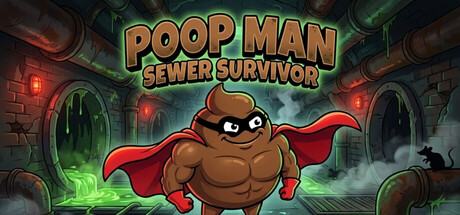 PoopMan: Sewer Survivor In-game content arttext | Some of the game's 2D art (characters, enemies, backgrounds and icons) was created with the help of generative AI tools and then edited, cleaned up and reviewed by the developer. Some translations were also made with AI assistance. No AI content is generated while the game is running, and the game does not connect to any AI service. | PoopMan Productions | - | Oct 1, 2026 | |
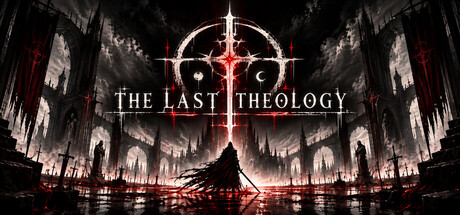 The Last Theology In-game content codetext | Generative AI tools were used during development to assist with programming and some written/game content. All generated material was reviewed and integrated by the developer. The game does not generate AI content during gameplay. | WastedWaffle | - | Oct 1, 2026 | |
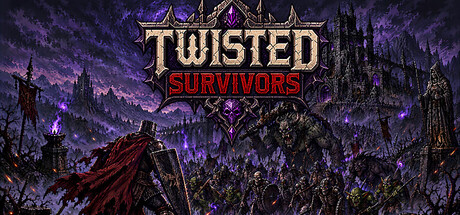 Twisted Survivors In-game content artaudiotext | Twisted Survivors was designed and made by Six. Some of its art (including the store artwork), music, voice-over and the opening cinematic were created with the help of AI tools, then curated and edited by Six; nothing is generated while you play. | Six | - | Oct 1, 2026 | |
 Breath Of The Death Store/marketing artcode | The store page artwork (capsule images, header, library images and logo) was created with the help of generative AI tools. Part of the game's source code and development tools were also written with the help of AI coding assistants, then reviewed and integrated by the developer. The in-game content itself (3D visuals from licensed asset packs, CC0 sound effects, texts) is not AI-generated, and the game does not use generative AI while playing. All screenshots are captured from the actual game. | Ethernal Games Inc | - | Sep 30, 2026 | |
 Helbreath Mystic Tavern Classic In-game content art | We use AI to assist with debugging, prototyping, automating repetitive processes, and generating some of the game's visual assets. | Mystic Tavern | - | Sep 30, 2026 | |
 Trick or Eat In-game content arttext | Logo/branding art: The game's logo and some promotional material was generated using an AI image generation tool.
Modeling: A handfull of props where generated using AI.
Localization: In-game text (menus, UI, dialogue, and other player-facing strings) has been translated into additional languages using AI translation tools, so accuracy and natural phrasing may vary by language. | Nether Tree Games | - | Sep 30, 2026 | |
 KAZENRA In-game content arttext | Some visual and text content in KAZENRA was created or refined with the assistance of generative AI tools during development. All such content was reviewed, selected, edited, and integrated by the developer before release. The game does not generate AI content during gameplay. | Mecun Games | - | Sep 28, 2026 | |
 Realm Protectors In-game content artaudiotext | Some of the game's content was created with the help of generative AI tools and then edited, cleaned up, rigged, animated and integrated by the developer. This includes 3D models of characters and enemies, 2D art such as ability icons, UI elements and some store page artwork, sound effects, and parts of the store page text. All gameplay, design, balance and final assembly were done by the developer. | slimevault | - | Sep 28, 2026 | |
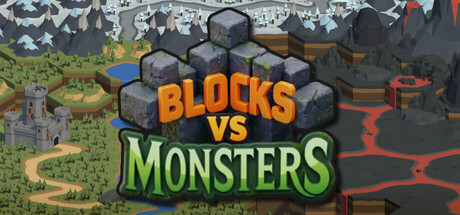 Blocks vs. Monsters Store/marketing art | This game used generative AI for the game logo | Overflow Interactive | - | Sep 28, 2026 | |
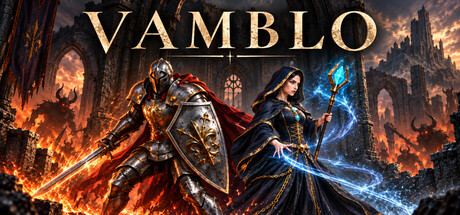 Vamblo In-game content artaudiotext | Pre-generated AI content includes equipment illustrations, skill icons, clothing surface textures, short English character-selection voice lines, and Steam capsule and library artwork. AI tools also assisted with store-page text and translations. The game does not generate AI content or connect to AI services during gameplay. | firearlydev | - | Sep 27, 2026 | |
 The Anomalarian In-game content art | The Art 2d art in the main menu was AI generated through chat gpt. | Sion Kruger | - | Sep 27, 2026 | |
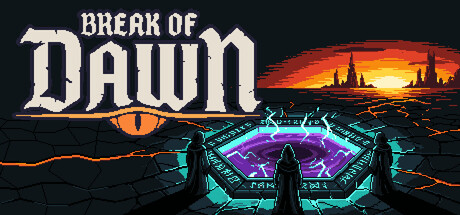 Break Of Dawn In-game content arttext | The tower and building art began as 3D models made with AI tools and inside Blender. I edited many of them by hand, then turned them into pixel art with our own pipeline. The characters are drawn by hand in Aseprite. Some in-game text and the translations were written with AI assistance. | Kalyx Games | - | Sep 27, 2026 | |
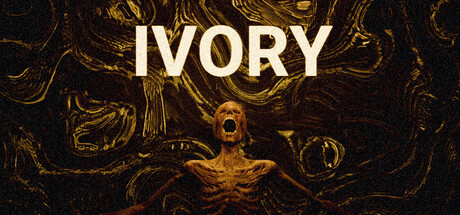 IVORY In-game content audio | I am a solo developer with no budget. This game (my first) has been a passion project of about two years. I have developed it in between work and life. During that time, I made the decision to use a text-to-speech program to generate some NPC dialogue. Someday I hope to be working with a budget; but for now, since I don't have one, I believe that my current solution delivers the best experience for the player. | Taalon Games, LLC. | - | Sep 27, 2026 | |
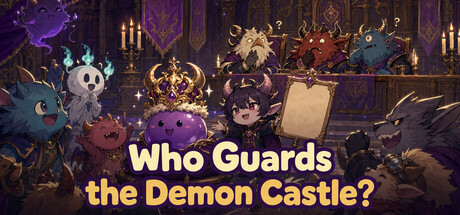 마왕님, 마왕성은 누가 지켜요? In-game content artaudiotext | This game started with my own ideas. Its development, design, sound, and graphics were all created using AI. AI-generated content was created during development. The game does not generate AI content during gameplay or connect to external AI services. | DK.Lee | - | Sep 25, 2026 | |
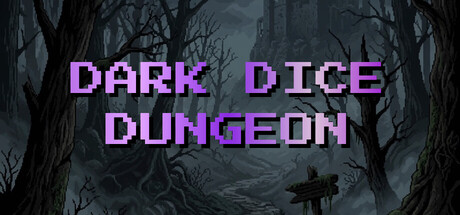 Dark Dice Dungeon In-game content artaudiotext | The content of Dark Dice Dungeon was produced with the help of generative AI tools: the illustrations, the music and sound effects, the in-game writing, and the English and Spanish translations. All of it was then selected, edited and assembled by hand by the developer. Nothing is generated while you play: the game ships with fixed assets and never connects to any service. | Lolo's Game Studio | - | Sep 24, 2026 | |
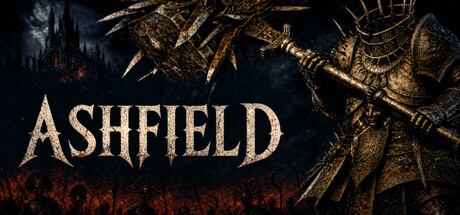 Ashfield In-game content art | Some store and marketing images were created with generative AI tools. Parts of the in-game UI artwork were also created or assisted with generative AI, then reviewed and integrated by the developer. All other game content is human-authored or from licensed third-party assets. No generative AI content is created live during gameplay. | Pioneer Games | - | Sep 24, 2026 | |
 Beat the Meat general | NO HOOMAN | UrbanWanderer | - | Sep 23, 2026 | |
 Lords of Pain In-game content textart | Generative AI tools were used to assist with localization and translations, as well as to create marketing materials and promotional assets. | Pinfel | - | Sep 23, 2026 | |
 Pinewood Inn In-game content arttext | Generative AI was used in two areas for this project: First, 2D character artwork hand-drawn by a human artist was converted into 3D models using AI-powered tools. Second, AI was used for the localization and translation of the game's text into multiple languages. All other game assets, including sound design, music, and the core story, were created entirely without the use of AI. | plushiebear-games | - | Sep 22, 2026 | |
 少女派对 In-game content art | Some characters and scenes were designed using AI. | Maiden Studio | - | Sep 22, 2026 | |
 Virtus Arenae Unclear text | Translations of some texts. | Aestua Games | - | Sep 21, 2026 | |
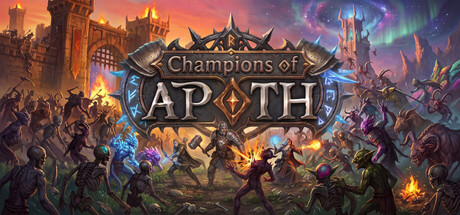 Champions of Apoth Store/marketing art | Logo and Capsules only.
No in game content is AI generated. | LootLab Games LLC | - | Sep 18, 2026 | |
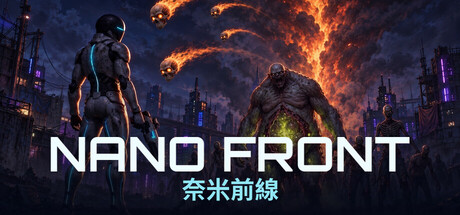 NANO FRONT In-game content artcode | Development of this game used AI assistance for writing source code, and for creating some of the in-game art assets such as objects and enemies. All AI-generated content was produced during development and reviewed by the developer; the game does not generate any content with AI at runtime. | Yang.biz | - | Sep 18, 2026 | |
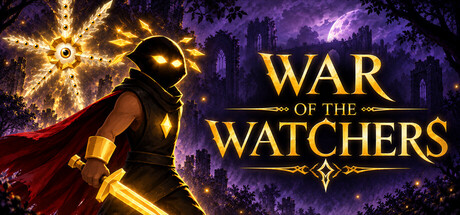 War of the Watchers In-game content audioart | War of the Watchers uses generative AI in two places. Both are pre-generated before release and ship as fixed files; nothing is generated while you play.
Character dialogue is voiced using AI text-to-speech. Every line was written by the developer, and the tool performs those written lines. Each take is recorded before release and ships as an audio file.
Some promotional artwork, including the key art and store capsules, was produced with AI image tools and then edited by the developer.
Game code, level design and all in-game visuals are hand-authored. No content is generated during gameplay. | Crown & Cross Studios | - | Sep 18, 2026 | |
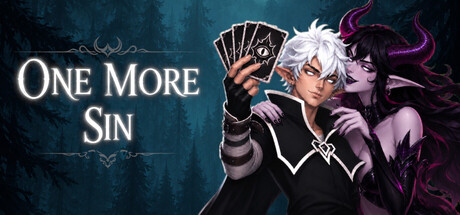 One More Sin In-game content arttext | This game makes use of generative AI as part of its creation process of art and localization. | Robo Goat | - | Sep 18, 2026 | |
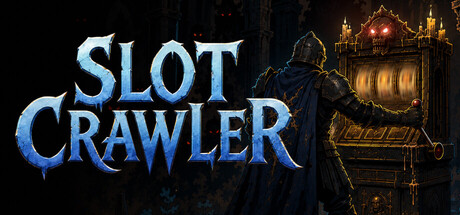 Slot Crawler Store/marketing art | AI tools were used during the development of Slot Crawler to assist in creating select visual assets and promotional materials. Every AI-assisted element was reviewed, refined, and integrated by the developer to ensure consistency with the game’s artistic direction and quality standards. | Disco Studio | - | Sep 16, 2026 | |
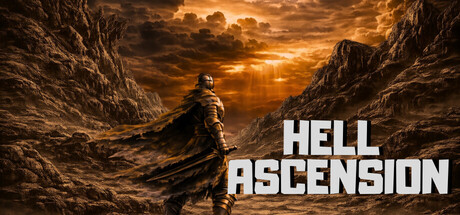 Hell Ascension In-game content artaudio | This game was developed solo by an independent developer. Some UI visuals and artwork used for the Steam store page were created with the help of generative AI. Original sound effects were also created with AI assistance to match the game's atmosphere. This content is fixed and built into the game.
AI is not used to generate content in real time during gameplay. | JehemStudio | - | Sep 15, 2026 | |
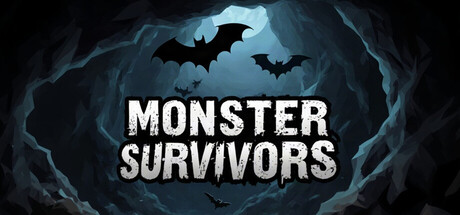 Monster Survivors Store/marketing art | AI has been used to help develop the game's cover art. | Hard Shark Games | - | Sep 15, 2026 | |
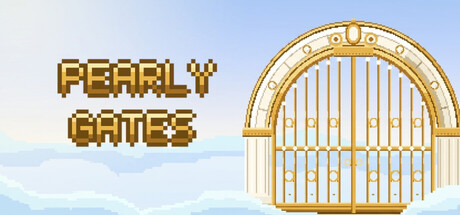 Pearly Gates In-game content textcode | AI coding assistance was used in developing some parts of the game's code and in drafting in-game text, all of it directed and reviewed by the developer. | Abersoft Studios | - | Sep 15, 2026 | |
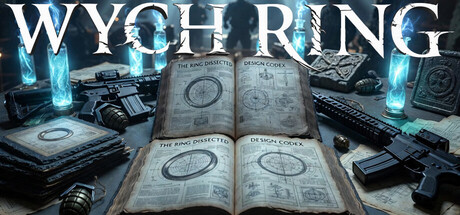 Wych Ring Store/marketing art | Some promotional concept artwork was generated by AI, no AI is used in-game. | Chad Steingraber | - | Sep 15, 2026 | |
 Darkshot Store/marketing arttext | Some marketing materials were created with the help of generative AI tools. | Cem | - | Sep 13, 2026 |


