


Disclosure
Generative AI was used during development to create and refine some of the game’s visual assets, including certain images and textures.
- Creator
- SKEF_5XX3
- Reviews
- -
- Added
- Oct 12, 2026
Public Steam disclosure research 25,376 disclosures tracked
Search developers’ Steam disclosures, compare classified AI use across games, and follow recorded changes. This index adds cross-game classifications and statistics to statements published on individual store pages.
Code help, debugging and other development work.
Capsule art, trailers and promotional material.
Pre-made art, audio, writing and other game assets.
Interactive or runtime AI features disclosed by the developer.
Groups reflect automatic analysis of public disclosures; mature records are excluded. These counts do not measure AI use across all of Steam. Missing or unclear statements cannot establish whether a game uses AI.
Generative AI was used during development to create and refine some of the game’s visual assets, including certain images and textures.
AI Generated Content Disclosure The developers of LIGHT IT provide the following disclosure regarding the use of AI tools in the creation of this game. All AI-assisted content is pre-generated; the game does not generate any AI content live during gameplay. Music: The in-game music was produced using Suno, an AI music-generation tool. Art: Some visual assets were created with the assistance of AI image-generation tools. Code: AI assistants were used to help brainstorm implementation ideas and to assist with debugging. All AI-assisted content and code was reviewed, tested, and refined by the developer before being included in the final game.
Generative AI tools assisted with pre-generated game content, including text and localization, and with store artwork and marketing text. The game uses prepared content. It does not generate content with AI during gameplay or connect to external AI services.
This game contains pre-generated AI content, all reviewed and edited by the developer: - Voice acting: every radio and PA line, in English and Turkish, is text-to-speech generated with ElevenLabs. - Audio: most sound effects and the three music beds were generated with ElevenLabs. - 3D art: some organic growth props were shaped with an image-to-3D pipeline (SDXL + Hunyuan3D), then UV-unwrapped, baked and finished by hand in Blender. - 2D art: the still images in the narrated opening were made with an image model. The game generates nothing with AI while it runs. The trailer, screenshots and capsule art on this page are in-game footage and in-engine captures.
Character art, portraits, monsters, backgrounds, item and skill icons, and story illustrations were created with AI image-generation tools, then selected, reviewed and laid out in the game by the developers. The background music was created with an AI music-generation tool (Suno). The code and text were written with AI assistance and reviewed by the developers. The game does not generate any AI content while it runs.
Music was generated by AI. Art was generated by AI and rework by human
AI tools were used for some background audio and aiding with scripts.
AI tools were used solely for generating background images. All character art, UI elements, writing, and other visual content were created entirely by the development team without the use of generative AI.
Nuclear Kitty Games is a human-led studio whose team brings 15 years of professional game-development experience. We use AI and large language models (LLMs) to support development and content creation, improve our workflows and speed up iteration. Our developers direct the design and development of every game, and review and integrate the final content. We are game makers and players who care about the games we create. Some content included in this game and its promotional materials was created with generative AI assistance. No content is AI-generated during gameplay.
Some content in PRE-ECHO was created with the help of generative AI tools during development and was then integrated, adjusted and art-directed by the developer: - 3D models: the character and creature models, and many prop and vehicle models, were generated with Tripo from original reference images made for this project, then rigged, adjusted and textured in Blender and Unreal Engine. - 2D art: some textures and interface images (such as the main-menu background, the workshop investigation board, journal and map paper, and inventory icons) were generated with image-generation tools from original prompts. - Voices: all spoken lines are synthesized with the open-source Kokoro text-to-speech model using generic voices. No real person's voice was recorded or cloned. - Text: the script, in-game text and English/Spanish localization were written with an AI assistant under the developer's direction. - Store art: the store and library artwork was generated with AI image tools from the project's own character and creature references, then retouched by the developer. The logo was made without AI. The screenshots are unedited captures of the game. No content is generated by AI while the game is running.
AI tools helped create models, art, textures, music and English localization.
Solo devving the art for the cards is practically really long given how many cards are there. So i had to make the cards a bit prettier. Everything else is non AI.
Some source code and internal editor tooling were written with the assistance of AI coding tools during development. All of it was reviewed, edited and tested by the developer. The game's story, dialogue, characters and design are human-written. Visual and audio assets come from licensed asset packs and human-made content. No content is generated by AI while the game is running.
The store page is created with AI-assisted tools
Some of the artwork (including store art) and the music were created with the help of generative AI tools, then selected and edited by the developer. Translations were also prepared with AI assistance. No AI content is generated while you play.
Note: All story, art, and audio assets are original and human-made. Some scripting was developed with the assistance of AI-generated code.
NPC dialogue in Ruiwen’s Romance of the Three Kingdoms: The Life of a Persuader is generated in real‑time by a locally‑running AI model. All content is computed offline on your own device, with no data uploaded to external servers. The game’s story framework, directed plotlines, numerical judgement rules and ending conditions are all hand‑crafted. The AI is only responsible for generating character conversations. Multiple safety guardrails are built‑in: automatic profanity detection, historical timeline checks to avoid anachronisms, character‑stance locking and fallback responses. These ensure every line of dialogue fits the character’s identity and historical context.
Generative AI tools were used during development to assist with the creation of certain 2D visual assets, animations and sound effects. AI tools were also used as development assistance for programming and implementation. All generated content was reviewed and curated by the developer before inclusion in the final game.
1420MHz uses AI tools for translations from English to non-English languages.
Some assets in this game were created with generative AI during development: 3D models of characters and props (including some of their animations), and images such as textures and illustrations. All of them were selected and adjusted by the developers before being used in the game. No content is generated by AI while the game is running.
In our project, AI was used to partially create art assets, helping our artists bring some ideas to life.
This game uses generative AI to help create pre-rendered store artwork, chapter illustrations, background music, and the official trailer. Game logic was drafted with AI assistance and reviewed by the developer. All level design, gameplay mechanics, and in-game text are hand-authored. No copyrighted third-party material was used in any AI output.
Pre-generated content (created during development, not generated while playing): - The ending theme song "さくら色の上履き" was created with Suno. - The title logos were generated with an AI image tool and reviewed by the developer. - Game artwork (scenes, character art and illustrations) was created with the help of AI image generation and upscaled with Real-ESRGAN, then selected and edited by the developer. - AI assistants (Codex, Claude) were used to help write code and to draft/translate some text; all story text was reviewed by the developer. The game does not generate any content with AI at runtime.
This game uses generative AI tools to help create some artwork and store page text. All AI-assisted content is reviewed by the developer before use.
In our project, AI was used to partially create art assets, helping our artists bring some ideas to life.
Some assets (voiceovers, wall paintings, icons) are currently generated using AI and are planned to be replaced with artist-created assets in future updates.
In our project, AI was used to partially create art assets, helping our artists bring some ideas to life.
The game's cases, design and text were created by the developer. Generative AI was used as an assistant when writing the text of this store page and of the game, and to translate it into 12 languages; all of it was reviewed and edited by the developer. No content is generated while you play.
all the pictures are generated by artificial intelligence.
The store page artwork (capsule images, header, library images and logo) was created with the help of generative AI tools. Part of the game's source code and development tools were also written with the help of AI coding assistants, then reviewed and integrated by the developer. The in-game content itself (3D visuals from licensed asset packs, CC0 sound effects, texts) is not AI-generated, and the game does not use generative AI while playing. All screenshots are captured from the actual game.
Game text and translations were created with the help of AI tools. The public build has no AI voices; it has no voice acting yet. The art is not made with generative AI: it comes from free CC0 asset packs plus shapes and textures built in code. Sound effects are synthesized by our own scripts. Nothing is generated by AI while you play.
Generative AI tools were used during development to create some character, environment, and object visuals, 3D assets, and promotional materials. All AI-generated content was created in advance during development. No new content is generated by AI during gameplay, and the game does not connect to any external AI services.
AI-generated content is used on the store page.
The illustrated character portraits used as player avatars (also shown in our store and library artwork) were created with AI image generation (Google Gemini) and then cropped and adjusted by the developer. Some store text and interface translations were drafted with AI assistance. The game does not generate any AI content while you play.
This game uses AI tools in the following ways: Music: Composed using Suno. Code: Written and debugged with AI assistance. Art: Created with AI assistance. All AI-assisted content was reviewed, edited, and finalized by the developer.
Some 2D artwork used in this game (such as character and environment illustrations) was created or assisted with generative AI tools, then selected and edited by the developer for the final game. Gameplay systems, puzzles, and interactive logic were designed and implemented by the developer. The game does not use generative AI to create content in real time during play.
Some store and library capsule art was produced with image-generation tools (SDXL and a chat assistant) using our own in-game screenshots as the input image. The underlying game content -- models, textures, code, text -- is authored by us without generative AI. All generated art was reviewed by us before publication.
The soundtrack was produced with generative AI music tools and then edited, cut and mixed by the developer. Part of the game's text and this store page was written with AI assistance and reviewed line by line by the developer. Everything else - code, interface art, achievement icons, the map and every capsule and screenshot - is hand-made. No content is generated by AI while you play.
The Art 2d art in the main menu was AI generated through chat gpt.
Generative AI tools were used to during development to assist with game code, content, and materials. The game contains no live generative AI interactions and does not generate content during gameplay.
Utkant is a solo project developed with the help of AI coding assistants. The store page text and some in-game writing were drafted with AI assistance, then reviewed and edited by the developer. Nothing is generated by AI while you play.
AI tools assisted in developing certain visual and audio elements, design references, and translations. The development team reviewed and finalized all published content.
This game is a polished and updated version of a limited-time game released in August 2026, and only available for a single month. The objective for the original was to create a game in as short a time as possible. Development was finished in three weeks, and to achieve this goal, Suno(AI) was used to create some of the sound assets. If you would prefer not to support this game due to this use of AI, we fully understand. Regardless, thank you for taking the time to consider it!
Machine translation programs have been used for translations into the various languages, except for Spanish and English.
Some artwork, promotional images, text, and translations were created with AI assistance.
all the pictures are generated by artificial intelligence.
Generative AI was used to create background images and character artwork in the game. It was also used as a writing aid for proofreading and editing the narrative. AI-assisted content was reviewed and selected by the developer.
Multilingual translation.
The game utilizes AI to generate animations, and AI is also used to modify the atmosphere of some background images.
部分背景音乐使用人工智能辅助合成
| Title⇅ | Disclosure | Creator⇅ | Src | Reviews⇅ | Added↓ |
|---|---|---|---|---|---|
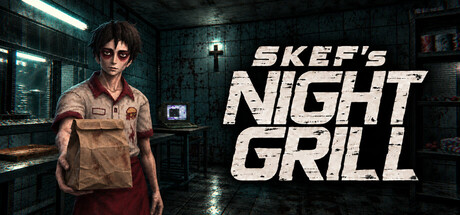 SKEFs Night Grill In-game content art | Generative AI was used during development to create and refine some of the game’s visual assets, including certain images and textures. | SKEF_5XX3 | - | Oct 12, 2026 | |
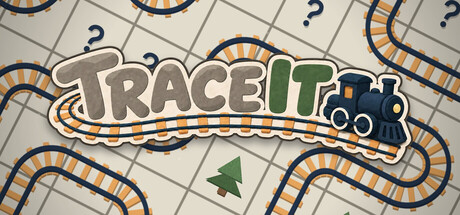 TRACE IT In-game content audioartcode | AI Generated Content Disclosure
The developers of LIGHT IT provide the following disclosure regarding the use of AI tools in the creation of this game. All AI-assisted content is pre-generated; the game does not generate any AI content live during gameplay.
Music: The in-game music was produced using Suno, an AI music-generation tool.
Art: Some visual assets were created with the assistance of AI image-generation tools.
Code: AI assistants were used to help brainstorm implementation ideas and to assist with debugging.
All AI-assisted content and code was reviewed, tested, and refined by the developer before being included in the final game. | HuntForge | - | Oct 12, 2026 | |
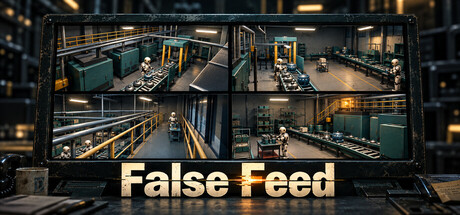 False Feed In-game content textart | Generative AI tools assisted with pre-generated game content, including text and localization, and with store artwork and marketing text. The game uses prepared content. It does not generate content with AI during gameplay or connect to external AI services. | Katarienumono, Inc. | - | Oct 12, 2026 | |
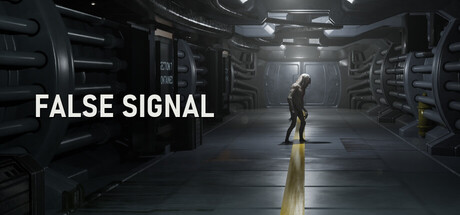 False Signal In-game content audioart | This game contains pre-generated AI content, all reviewed and edited by the developer:
- Voice acting: every radio and PA line, in English and Turkish, is text-to-speech generated with ElevenLabs.
- Audio: most sound effects and the three music beds were generated with ElevenLabs.
- 3D art: some organic growth props were shaped with an image-to-3D pipeline (SDXL + Hunyuan3D), then UV-unwrapped, baked and finished by hand in Blender.
- 2D art: the still images in the narrated opening were made with an image model.
The game generates nothing with AI while it runs. The trailer, screenshots and capsule art on this page are in-game footage and in-engine captures. | Veilward Studios | - | Oct 12, 2026 | |
 Haunted Schoolbag In-game content artaudiotextcode | Character art, portraits, monsters, backgrounds, item and skill icons, and story illustrations were created with AI image-generation tools, then selected, reviewed and laid out in the game by the developers. The background music was created with an AI music-generation tool (Suno). The code and text were written with AI assistance and reviewed by the developers. The game does not generate any AI content while it runs. | 550 Atelier | - | Oct 10, 2026 | |
 LiarLock: No Cameras, No Clues — Just a Corpse in My Club In-game content audioart | Music was generated by AI. Art was generated by AI and rework by human | Myriad | - | Oct 10, 2026 | |
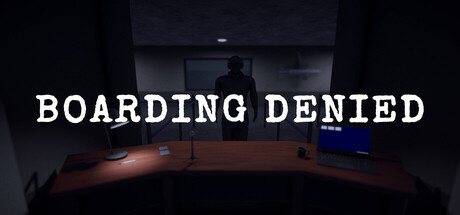 Boarding Denied In-game content audio | AI tools were used for some background audio and aiding with scripts. | AdriDev | - | Oct 10, 2026 | |
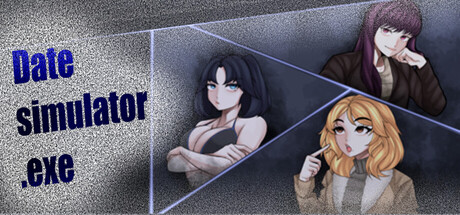 DATE_SIMULATOR.EXE In-game content art | AI tools were used solely for generating background images. All character art, UI elements, writing, and other visual content were created entirely by the development team without the use of generative AI. | NO REGRETS | - | Oct 10, 2026 | |
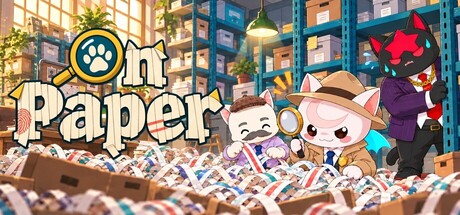 On Paper In-game content arttext | Nuclear Kitty Games is a human-led studio whose team brings 15 years of professional game-development experience. We use AI and large language models (LLMs) to support development and content creation, improve our workflows and speed up iteration. Our developers direct the design and development of every game, and review and integrate the final content. We are game makers and players who care about the games we create.
Some content included in this game and its promotional materials was created with generative AI assistance. No content is AI-generated during gameplay. | Nuclear Kitty Games | - | Oct 9, 2026 | |
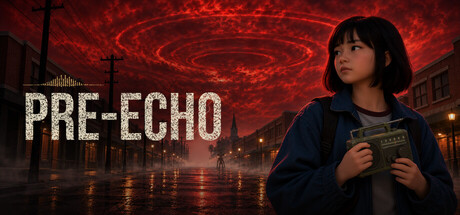 PRE-ECHO In-game content artaudiotext | Some content in PRE-ECHO was created with the help of generative AI tools during development and was then integrated, adjusted and art-directed by the developer:
- 3D models: the character and creature models, and many prop and vehicle models, were generated with Tripo from original reference images made for this project, then rigged, adjusted and textured in Blender and Unreal Engine.
- 2D art: some textures and interface images (such as the main-menu background, the workshop investigation board, journal and map paper, and inventory icons) were generated with image-generation tools from original prompts.
- Voices: all spoken lines are synthesized with the open-source Kokoro text-to-speech model using generic voices. No real person's voice was recorded or cloned.
- Text: the script, in-game text and English/Spanish localization were written with an AI assistant under the developer's direction.
- Store art: the store and library artwork was generated with AI image tools from the project's own character and creature references, then retouched by the developer. The logo was made without AI. The screenshots are unedited captures of the game.
No content is generated by AI while the game is running. | Simulsix | - | Oct 9, 2026 | |
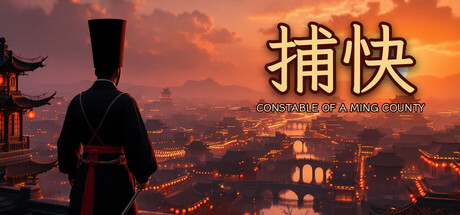 捕快: Constable of a Ming County In-game content artaudiotext | AI tools helped create models, art, textures, music and English localization. | chi yin so | - | Oct 9, 2026 | |
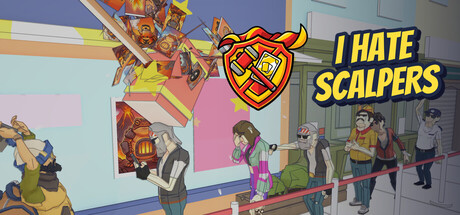 I Hate Scalpers In-game content art | Solo devving the art for the cards is practically really long given how many cards are there. So i had to make the cards a bit prettier. Everything else is non AI. | Passytee | - | Oct 9, 2026 | |
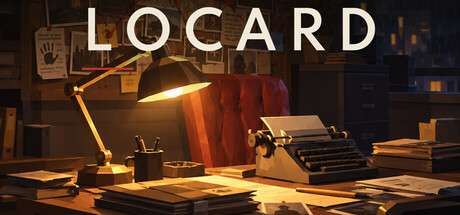 Locard Dev only code | Some source code and internal editor tooling were written with the assistance of AI coding tools during development. All of it was reviewed, edited and tested by the developer. The game's story, dialogue, characters and design are human-written. Visual and audio assets come from licensed asset packs and human-made content. No content is generated by AI while the game is running. | JinjaGames | - | Oct 9, 2026 | |
 1.76流派传奇 Store/marketing text | The store page is created with AI-assisted tools | 1.76流派传奇 | - | Oct 9, 2026 | |
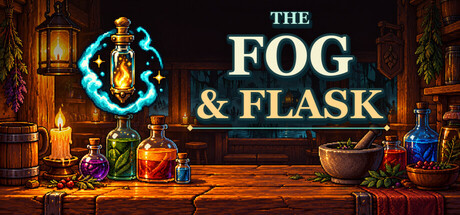 The Fog & Flask In-game content artaudiotext | Some of the artwork (including store art) and the music were created with the help of generative AI tools, then selected and edited by the developer. Translations were also prepared with AI assistance. No AI content is generated while you play. | RedRock Games | - | Oct 7, 2026 | |
 嘶叫门徒YellingDisciple Dev only code | Note: All story, art, and audio assets are original and human-made. Some scripting was developed with the assistance of AI-generated code. | 茵果绿 | - | Oct 7, 2026 | |
 睿闻三国志・说客天下 Live AI text | NPC dialogue in Ruiwen’s Romance of the Three Kingdoms: The Life of a Persuader is generated in real‑time by a locally‑running AI model. All content is computed offline on your own device, with no data uploaded to external servers.
The game’s story framework, directed plotlines, numerical judgement rules and ending conditions are all hand‑crafted. The AI is only responsible for generating character conversations.
Multiple safety guardrails are built‑in: automatic profanity detection, historical timeline checks to avoid anachronisms, character‑stance locking and fallback responses. These ensure every line of dialogue fits the character’s identity and historical context. | 睿闻工作室 | - | Oct 7, 2026 | |
 Werewolf Whispers In-game content artaudiocode | Generative AI tools were used during development to assist with the creation of certain 2D visual assets, animations and sound effects. AI tools were also used as development assistance for programming and implementation. All generated content was reviewed and curated by the developer before inclusion in the final game. | SK | - | Oct 7, 2026 | |
 1420MHz In-game content text | 1420MHz uses AI tools for translations from English to non-English languages. | Play With Your Mind | - | Oct 6, 2026 | |
 肝試しオンライン In-game content art | Some assets in this game were created with generative AI during development: 3D models of characters and props (including some of their animations), and images such as textures and illustrations. All of them were selected and adjusted by the developers before being used in the game. No content is generated by AI while the game is running. | パン田 | - | Oct 6, 2026 | |
 Mind Echoes: Broken Vow Collector's Edition In-game content art | In our project, AI was used to partially create art assets, helping our artists bring some ideas to life. | Do Games Limited | - | Oct 6, 2026 | |
 扫雷英雄 Mine Heroes In-game content artaudiotextcode | This game uses generative AI to help create pre-rendered store artwork, chapter illustrations, background music, and the official trailer. Game logic was drafted with AI assistance and reviewed by the developer.
All level design, gameplay mechanics, and in-game text are hand-authored. No copyrighted third-party material was used in any AI output. | Sparkmine Studio | - | Oct 4, 2026 | |
 Aili Is Here In-game content artaudiotextcode | Pre-generated content (created during development, not generated while playing):
- The ending theme song "さくら色の上履き" was created with Suno.
- The title logos were generated with an AI image tool and reviewed by the developer.
- Game artwork (scenes, character art and illustrations) was created with the help of AI image generation and upscaled with Real-ESRGAN, then selected and edited by the developer.
- AI assistants (Codex, Claude) were used to help write code and to draft/translate some text; all story text was reviewed by the developer.
The game does not generate any content with AI at runtime. | 550 Atelier | - | Oct 3, 2026 | |
 The Grid Detective In-game content arttext | This game uses generative AI tools to help create some artwork and store page text. All AI-assisted content is reviewed by the developer before use. | Duskery | - | Oct 3, 2026 | |
 Secrets of Salem: Tarot Murders Collector's Edition In-game content art | In our project, AI was used to partially create art assets, helping our artists bring some ideas to life. | DominiGames | - | Oct 3, 2026 | |
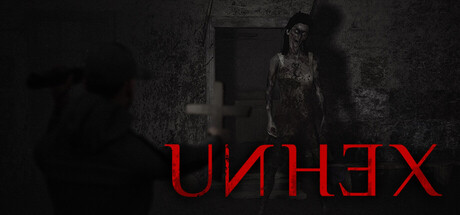 Unhex In-game content audioart | Some assets (voiceovers, wall paintings, icons) are currently generated using AI and are planned to be replaced with artist-created assets in future updates. | Major Dog Games | - | Oct 3, 2026 | |
 Connected Hearts: Vanished Beauty Collector's Edition In-game content art | In our project, AI was used to partially create art assets, helping our artists bring some ideas to life. | Do Games Limited | - | Oct 2, 2026 | |
 Parcel Inspector Simulator In-game content text | The game's cases, design and text were created by the developer. Generative AI was used as an assistant when writing the text of this store page and of the game, and to translate it into 12 languages; all of it was reviewed and edited by the developer. No content is generated while you play. | Alexframe | - | Oct 1, 2026 | |
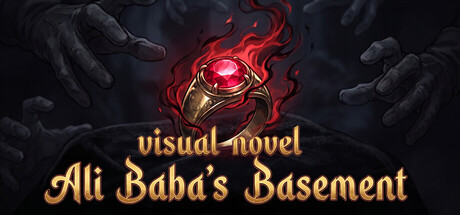 Visual Novel: Ali Baba Basemen In-game content art | all the pictures are generated by artificial intelligence. | Reanim Games | - | Oct 1, 2026 | |
 Breath Of The Death Store/marketing artcode | The store page artwork (capsule images, header, library images and logo) was created with the help of generative AI tools. Part of the game's source code and development tools were also written with the help of AI coding assistants, then reviewed and integrated by the developer. The in-game content itself (3D visuals from licensed asset packs, CC0 sound effects, texts) is not AI-generated, and the game does not use generative AI while playing. All screenshots are captured from the actual game. | Ethernal Games Inc | - | Sep 30, 2026 | |
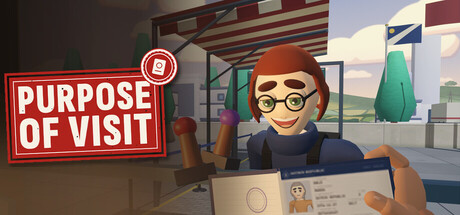 Purpose of Visit In-game content text | Game text and translations were created with the help of AI tools. The public build has no AI voices; it has no voice acting yet. The art is not made with generative AI: it comes from free CC0 asset packs plus shapes and textures built in code. Sound effects are synthesized by our own scripts. Nothing is generated by AI while you play. | Larch Games | - | Sep 30, 2026 | |
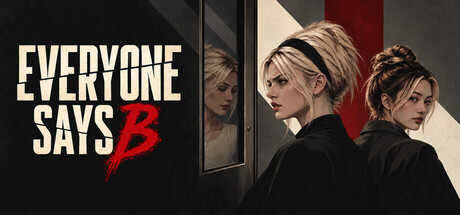 EVERYONE SAYS B In-game content art | Generative AI tools were used during development to create some character, environment, and object visuals, 3D assets, and promotional materials. All AI-generated content was created in advance during development. No new content is generated by AI during gameplay, and the game does not connect to any external AI services. | Nythalor Studios | - | Sep 30, 2026 | |
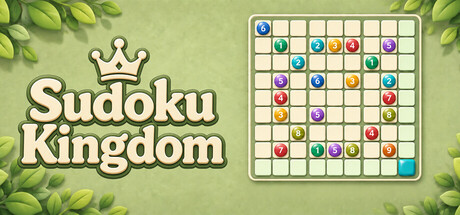 Sudoku Kingdom Store/marketing | AI-generated content is used on the store page. | FWGames | - | Sep 30, 2026 | |
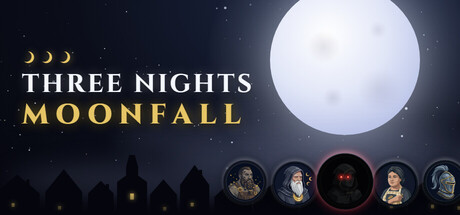 Three Nights: Moonfall In-game content arttext | The illustrated character portraits used as player avatars (also shown in our store and library artwork) were created with AI image generation (Google Gemini) and then cropped and adjusted by the developer. Some store text and interface translations were drafted with AI assistance. The game does not generate any AI content while you play. | Diay Games | - | Sep 30, 2026 | |
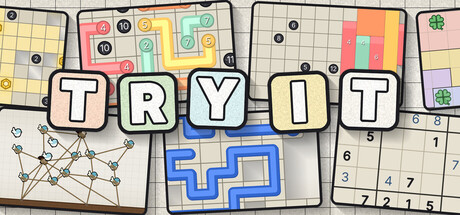 TRY IT In-game content audioartcode | This game uses AI tools in the following ways:
Music: Composed using Suno.
Code: Written and debugged with AI assistance.
Art: Created with AI assistance.
All AI-assisted content was reviewed, edited, and finalized by the developer. | HuntForge | - | Sep 28, 2026 | |
 数学谜题 In-game content art | Some 2D artwork used in this game (such as character and environment illustrations) was created or assisted with generative AI tools, then selected and edited by the developer for the final game. Gameplay systems, puzzles, and interactive logic were designed and implemented by the developer. The game does not use generative AI to create content in real time during play. | wzy | - | Sep 28, 2026 | |
 Dealer's Tell: All Bets Are Final Store/marketing art | Some store and library capsule art was produced with image-generation tools
(SDXL and a chat assistant) using our own in-game screenshots as the input
image. The underlying game content -- models, textures, code, text -- is
authored by us without generative AI. All generated art was reviewed by us
before publication. | MistaNonik | - | Sep 28, 2026 | |
 Second Source In-game content audiotext | The soundtrack was produced with generative AI music tools and then edited, cut and mixed by the developer. Part of the game's text and this store page was written with AI assistance and reviewed line by line by the developer. Everything else - code, interface art, achievement icons, the map and every capsule and screenshot - is hand-made. No content is generated by AI while you play. | Pablo Marcelo Riestra | - | Sep 27, 2026 | |
 The Anomalarian In-game content art | The Art 2d art in the main menu was AI generated through chat gpt. | Sion Kruger | - | Sep 27, 2026 | |
 Entity Unknown In-game content arttextcode | Generative AI tools were used to during development to assist with game code, content, and materials. The game contains no live generative AI interactions and does not generate content during gameplay. | Blackbox Interactive | - | Sep 25, 2026 | |
 Utkant In-game content textcode | Utkant is a solo project developed with the help of AI coding assistants. The store page text and some in-game writing were drafted with AI assistance, then reviewed and edited by the developer. Nothing is generated by AI while you play. | Mathias Rørvik | - | Sep 25, 2026 | |
 Eyes Behind 2 In-game content artaudiotext | AI tools assisted in developing certain visual and audio elements, design references, and translations. The development team reviewed and finalized all published content. | chambazGames | - | Sep 25, 2026 | |
 Thank You 4 Playing In-game content audio | This game is a polished and updated version of a limited-time game released in August 2026, and only available for a single month.
The objective for the original was to create a game in as short a time as possible. Development was finished in three weeks, and to achieve this goal, Suno(AI) was used to create some of the sound assets.
If you would prefer not to support this game due to this use of AI, we fully understand. Regardless, thank you for taking the time to consider it! | Libragames | - | Sep 25, 2026 | |
 The Attic: A Mystery Puzzle Game In-game content text | Machine translation programs have been used for translations into the various languages, except for Spanish and English. | Tortita Studio | - | Sep 25, 2026 | |
 VOICES LIE In-game content arttext | Some artwork, promotional images, text, and translations were created with AI assistance. | Origin Echo | - | Sep 25, 2026 | |
 Visual Novel: Calendar Without Tomorrow In-game content art | all the pictures are generated by artificial intelligence. | Reanim Games | - | Sep 24, 2026 | |
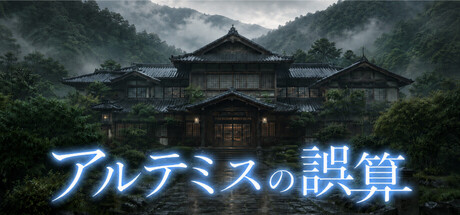 アルテミスの誤算 In-game content arttext | Generative AI was used to create background images and character artwork in the game. It was also used as a writing aid for proofreading and editing the narrative. AI-assisted content was reviewed and selected by the developer. | 未明観測所 | - | Sep 24, 2026 | |
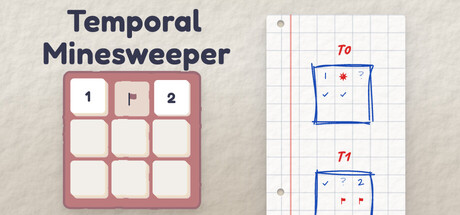 Temporal Minesweeper In-game content text | Multilingual translation. | Deee Studio | - | Sep 24, 2026 | |
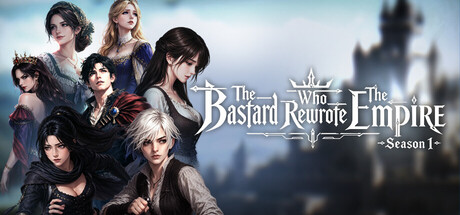 The Bastard Who Rewrote The Empire In-game content art | The game utilizes AI to generate animations, and AI is also used to modify the atmosphere of some background images. | Genuine Studio | - | Sep 24, 2026 | |
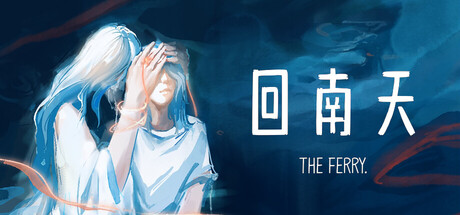 回南天 The Ferry In-game content audio | 部分背景音乐使用人工智能辅助合成 | 寒悦Hannyueh | - | Sep 22, 2026 |


