








Disclosure
Generative AI was used to create some of the game's artwork and visual assets.
- Creator
- Devanda labs
- Reviews
- -
- Added
- Oct 12, 2026
Public Steam disclosure research 25,376 disclosures tracked
Search developers’ Steam disclosures, compare classified AI use across games, and follow recorded changes. This index adds cross-game classifications and statistics to statements published on individual store pages.
Code help, debugging and other development work.
Capsule art, trailers and promotional material.
Pre-made art, audio, writing and other game assets.
Interactive or runtime AI features disclosed by the developer.
Groups reflect automatic analysis of public disclosures; mature records are excluded. These counts do not measure AI use across all of Steam. Missing or unclear statements cannot establish whether a game uses AI.
Generative AI was used to create some of the game's artwork and visual assets.
Ardhan was made by a solo developer with some help of generative AI tools. The card, hero, background and cinematic artwork, the key art on this store page, the short animated clips, the voice narration in all nine languages, part of the music and many of the sound effects were generated with AI models (image models hosted on Higgsfield; ElevenLabs voice, music and sound models) and then selected, cropped and edited by the developer. The game does not generate any content while you play, has no AI chat, and sends nothing to any AI service.
Some in-game 3D models, textures and sound effects are generated by code written with AI assistance.
AI was used to help localize this game in multiple languages.
Some translations were generated with AI and are in beta, so more players can enjoy the game in their language. The art and music were made without AI.
Dealer's Choice was made by a solo developer working with AI assistance. AI tools helped write the game's code and in-game text, and the store artwork and achievement icons were rendered from 3D models built with AI assistance. All of this content was created during development and reviewed by the developer. Nothing in the game is generated by AI while you play.
AI was used to draft the localizations into 30 languages and parts of the store page text.
AI is used to aid in store page.
No art, audio, levels, or other authored game content was created using generative AI. However, a small local AI model runs during gameplay to interpret the player's commands and control the character accordingly. Rest assured, it's dumb as a rock. It won't take over the world or your computer. It can barely take over the test subject.
Some pre-generated assets were created with generative AI tools and then reviewed and edited by the developer: chapter illustrations and mission background images shown in the menus, some badge (achievement) artwork, four mission-category icons, and six short cockpit voice alerts (text-to-speech). Gameplay, terrain, aircraft models, flight physics, mission design, and all in-game text were authored by the developer. The game does not generate any content at runtime.
Translation: AI tools assisted with translating the game's text into Simplified Chinese, Japanese, Korean, Spanish, Brazilian Portuguese, Italian and French. The English text, all art, music and sound are made by hand.
AI tools assisted with development, including Steam store-page and marketing text.
It has been used in the page visuals and logo.
The key art used for the store capsules and the title screen background was generated with image models run locally and then hand-edited. The Spanish, Portuguese (Brazil), German and Simplified Chinese translations and drafts of the store page text were produced with the help of an AI assistant. Everything you see during gameplay (the beetle, the tree, its surfaces and all animation) is drawn procedurally in code. Sound effects are CC0 recordings; no AI-generated voice or music is used, and no generative AI runs while you play.
LAZARUS was developed with the help of generative AI tools. AI assisted in writing the game's code — including the code that draws every visual and synthesizes all music and sound effects in real time — as well as drafting the story, dialogue, in-game text, English/Chinese localization and store page text. All content was directed, reviewed and edited by the developer. The game does not use AI to generate any content while it is running.
Generative AI tools were used during development to assist with drafting and editing some written content, lore and localization. All AI-assisted material was reviewed and revised by the developer before inclusion. DeltaV does not generate content during gameplay and does not connect to any generative AI service. Its computer-controlled opponents use conventional rule-based game logic, not generative AI.
Generative AI was used to translate the game's text from Japanese into the other supported languages (English, Simplified Chinese, Traditional Chinese, Russian, German and French). The original Japanese text was written by a human.
1420MHz uses AI tools for translations from English to non-English languages.
Some visual assets (artwork and cinematic scenes) and some music and sound effects were created with the help of generative AI tools, then reviewed and curated by the developer. No content is generated by AI during gameplay.
Generative AI tools were used during development to assist with code, text and localization, audio, and some visual assets.
Glyphtrip is made by a studio of three: one human and two silicon genius-toddlers. The soundtrack stems were generated with AI and mixed and mastered by hand. The translations and custom font were made with AI.
Some sprites, event card illustrations, background music and sound effects were created with locally-run generative AI models (Stable Diffusion XL, ACE-Step, Stable Audio Open) and then edited by the developer. No generative AI is used while the game is running.
Some of the in-game text and the store page text were written with the help of AI tools and edited by the developer. All artwork and sound are drawn and synthesized by the game's own code; no image, audio or video generators were used. Nothing is generated by AI while you play.
LUMENKEEP was built by a solo developer working with AI development tools. AI assisted in generating the game's code, procedural geometry, shaders, and audio during development, under direct human direction and review; there is no hand-drawn art, hand-animation, or human-recorded audio in the game. LUMENKEEP does not use AI to generate content live during gameplay, and does not connect to any third-party AI service while you play.
The translations of this game into English, Spanish, Portuguese, Russian and Chinese were produced with the help of a large language model, working from the German original. The Spanish, Portuguese, Russian and Chinese versions are machine-made and are marked as beta inside the game. The text of this store page and the captions in the trailer were written the same way. No image, no sound and no music in this game is AI-generated. The symbols come from historical alchemical plates, the witches from the Wellcome Collection, the cauldron from the Smithsonian, the reeds from an 1885 plant atlas.
Proofreading
Generative AI was used to create some art assets (the title screen background and the store capsule images). The game does not use AI to generate any content at runtime.
Some of the in-game and store page text was written with the help of AI tools and edited by the developer. No AI image, music or voice generators were used.
Some of Grim Island's artwork was created using generative AI image tools, working from original artwork hand-drawn by the developer and then curated and edited by the developer. No other content is AI-generated.
The altered paintings ("forgeries") were made by editing public-domain museum scans with generative AI image tools. Each one was reviewed by hand, colour-matched to its original scan and, where possible, composited back onto that scan so that only the altered detail differs. Some in-game English text (the questions that appear beside the paintings) and parts of this store description were drafted with an AI writing assistant and edited by the developer. The capsule art and screenshots are frames rendered by the game itself; the capsule art shows one of the AI-edited paintings. Nothing is generated by AI while the game runs.
Generative AI tools were used to assist with the localization and translation of the game's text into additional languages.
HELIOBANE was made with the help of generative AI tools. - Assets: AI was used to generate some of the game's assets, including artwork, voice lines, sound effects, in-game text and translations. Artwork was edited and fitted to the game's 32-colour palette and style before use. - Music: the soundtrack was made with a custom tracker built for agentic work, by an AI trained on a curated collection of public-domain tracker (MOD) music. - Some store page and marketing art is also AI-assisted. Nothing is generated while you play. All content is fixed in the build, and the game does not connect to any AI service.
I'm a solo developer with a full-time job and a dad with two wonderful little kids. Full Count Club is a game I've wanted to make for a long time. AI tools are how I fit it into the time I have: they helped create the illustrated art, some sound effects, and some in-game writing such as newspaper headlines. I direct, select and edit all of it. The game does not generate any AI content while you play.
Trapoint is made by a single developer. 3D models, 2D art, sound, music, UI text, and the English localization were generated with AI tools from the developer's own prompts and then edited and integrated by hand; game design, systems, and level data are the developer's own work.
Generative AI helped create/edit art assets and assisted with writing code. All game development and art direction choices were made by a human.
During development, this game used generative AI tools to assist in creating some content: some card illustrations, character art, and scene images were initially generated by AI, then manually selected, redrawn, and post-processed by the developer. Some music, sound effects, and text were also created with AI assistance and finalized after item-by-item revisions by the developer. Some assets used on the store page and promotional images were also produced with the assistance of the above tools. The game does not contain any AI content generated in real time at runtime, and does not use any third-party copyrighted characters, assets, or trademarks.
Character, enemy and environment art were generated with AI tools, then curated, edited and integrated by the developer. Music and sound are procedurally composed in-engine (not AI-generated). Code was written by the developer with AI assistance. The game contains no live/runtime AI generation.
Spirestorm uses pre-generated AI-assisted artwork for characters, enemies, environments, interface illustrations, and promotional images. These assets were selected, edited, animated, and integrated during development. No AI content is generated during gameplay.
The in-game background music was pre-produced using AI audio generation tools.
Spellsanity is made by one person and uses generative AI as a tool, not as a substitute for design. Art: Much of the pixel art (enemies, bosses, characters, portraits, story stills, environment details) was produced with AI image generators and then reworked by hand: reduced to the game's colour palette, corrected pixel by pixel, animated and fitted into the game. Some of the art (surfaces, effects, UI frames) was drawn without AI or generated procedurally. Text: Dialogue, descriptions and help texts were written with AI assistance and revised by the developer. The translations from English (German, Spanish, Portuguese, Russian, Chinese) were produced with AI and spot-checked; please report mistakes. Code: AI assistants were used during programming. Music and sound are not AI: the music is licensed work by Kevin MacLeod (incompetech.com), the sound effects are synthesized. No AI runs inside the game. All content is shipped with the game and was reviewed before release; nothing is generated at runtime.
Character illustrations, backgrounds, and card artwork in this game were created with the help of generative AI tools and then selected and edited by the developer. AI tools were also used to assist with English translation and text. All music and sound effects are licensed works by human creators. The game does not generate any AI content during gameplay.
We use generative AI as a reference and drafting tool, and always finish by hand. Early in development we generated AI concept images to explore ideas and mood; those are reference only. All in-game models, animation and UI are built by hand in 3D by the two of us. Some in-game textures were first generated with AI as a guide and then retouched by hand. The store key art is rendered from the game's own 3D characters and scenes, run through an AI tool for style, then composited and retouched by hand. Store text was drafted with an AI assistant and rewritten by us. The game does not use generative AI while you play.
I used AI-generated images, assets, and music. I also used AI to assist with creating some of game's Bluprint. However, as a Motion graphic designer, I created as many of the 3D assets myself as possible.
Voltwood was developed with AI assistance. Pre-generated AI content that ships in the game and on the store page includes: 3D unit, structure, and environment models generated with Meshy from our own concept art; 2D art generated with ChatGPT from the developer's direction, including store capsule art, the app icon and key art, menu artwork, and achievement icons; music generated with Mureka; sound effects and character voice lines generated with ElevenLabs; game code, UI icons, and interface and store-page translations authored with Anthropic Claude. All AI output was reviewed, curated, and integrated by the developer, and all of it is owned by the developer under the respective services' paid-tier terms.
Generative AI was used only for the character portrait artwork currently included in the demo. No generative AI was used for gameplay, programming, game assets, localization, or other game content.
Pre-generated AI-assisted content is present for background art, portions of the Steam/Windows key art and logo derivatives. Kingside Break contains no runtime generative-AI system or live AI-content generation. Its chess opponent is conventional gameplay AI, not generative AI.
Some 3D models and sound effects in this game were created using generative AI tools.
Generative AI was used to assist with some development and promotional content. All AI-assisted output was reviewed and curated by the developer.
Game illustrations and some sound effects, as well as part of the text and localization, are created using generative AI tools, then manually refined and validated. No content is generated by AI in real time, and the game design is human-made.
Pre-generated content only. Some 2D art assets in the game (planet, star and interface sprites) and the store page capsule artwork were produced using generative AI image tools, then edited, composited, colour-corrected and integrated by hand. No generative AI runs at runtime and no content is generated live during gameplay. All audio is either licensed under Creative Commons with attribution given in-game, or original.
| Title⇅ | Disclosure | Creator⇅ | Src | Reviews⇅ | Added↓ |
|---|---|---|---|---|---|
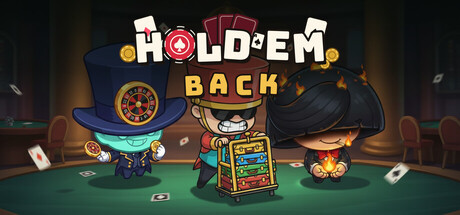 Casino defense In-game content art | Generative AI was used to create some of the game's artwork and visual assets. | Devanda labs | - | Oct 12, 2026 | |
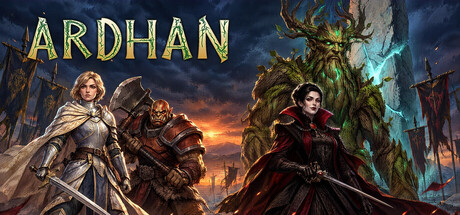 Ardhan In-game content artaudiotext | Ardhan was made by a solo developer with some help of generative AI tools. The card, hero, background and cinematic artwork, the key art on this store page, the short animated clips, the voice narration in all nine languages, part of the music and many of the sound effects were generated with AI models (image models hosted on Higgsfield; ElevenLabs voice, music and sound models) and then selected, cropped and edited by the developer. The game does not generate any content while you play, has no AI chat, and sends nothing to any AI service. | Ștefan Mihai Șerb | - | Oct 10, 2026 | |
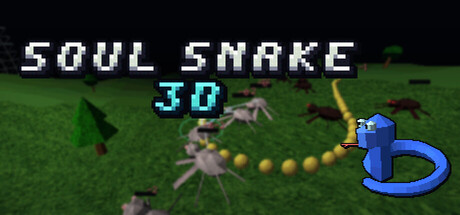 Soul Snake 3D In-game content artaudiocode | Some in-game 3D models, textures and sound effects are generated by code written with AI assistance. | nanophage research | - | Oct 10, 2026 | |
 AfterCursor In-game content text | AI was used to help localize this game in multiple languages. | Phoenix Downtown Studios | - | Oct 10, 2026 | |
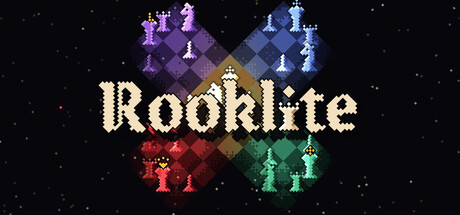 Rooklite In-game content text | Some translations were generated with AI and are in beta, so more players can enjoy the game in their language.
The art and music were made without AI. | Elias Guyd | - | Oct 9, 2026 | |
 Dealer's Choice In-game content arttextcode | Dealer's Choice was made by a solo developer working with AI assistance. AI tools helped write the game's code and in-game text, and the store artwork and achievement icons were rendered from 3D models built with AI assistance. All of this content was created during development and reviewed by the developer. Nothing in the game is generated by AI while you play. | Mars Industries | - | Oct 9, 2026 | |
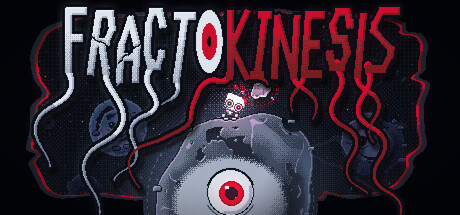 Fractokinesis Store/marketing text | AI was used to draft the localizations into 30 languages and parts of the store page text. | Panin Maxim | - | Oct 9, 2026 | |
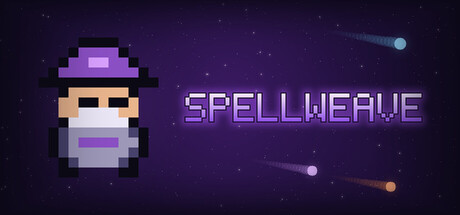 SpellWeave general | AI is used to aid in store page. | Josh Dillion | - | Oct 9, 2026 | |
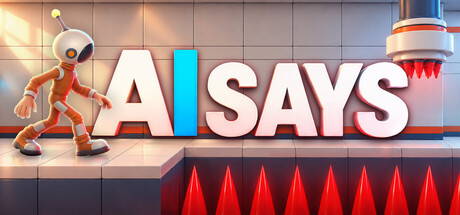 AI Says code | No art, audio, levels, or other authored game content was created using generative AI.
However, a small local AI model runs during gameplay to interpret the player's commands and control the character accordingly. Rest assured, it's dumb as a rock. It won't take over the world or your computer. It can barely take over the test subject. | Duck Milk | - | Oct 9, 2026 | |
 F-2 MISSIONS: CASE ONE In-game content artaudio | Some pre-generated assets were created with generative AI tools and then reviewed and edited by the developer: chapter illustrations and mission background images shown in the menus, some badge (achievement) artwork, four mission-category icons, and six short cockpit voice alerts (text-to-speech). Gameplay, terrain, aircraft models, flight physics, mission design, and all in-game text were authored by the developer. The game does not generate any content at runtime. | UNVELL Games | - | Oct 9, 2026 | |
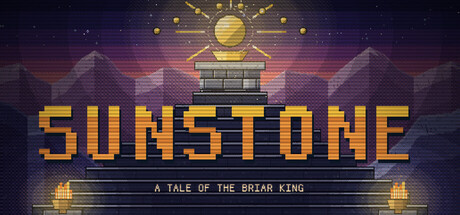 SUNSTONE: A Tale of the Briar King In-game content text | Translation: AI tools assisted with translating the game's text into Simplified Chinese, Japanese, Korean, Spanish, Brazilian Portuguese, Italian and French. The English text, all art, music and sound are made by hand. | Quorum | - | Oct 9, 2026 | |
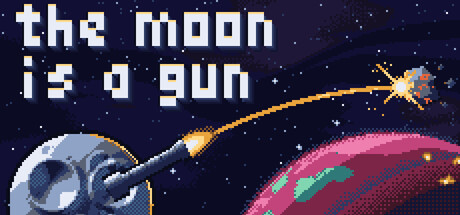 the moon is a gun Store/marketing text | AI tools assisted with development, including Steam store-page and marketing text. | Ember Bee | - | Oct 8, 2026 | |
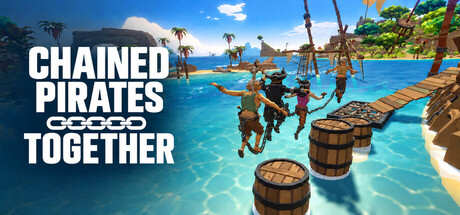 Chained Pirates Together Store/marketing art | It has been used in the page visuals and logo. | cnsgames | - | Oct 7, 2026 | |
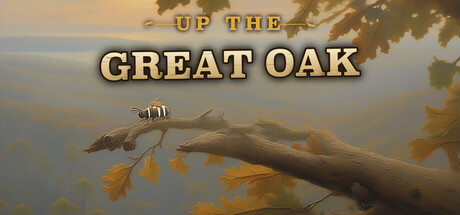 Up the Great Oak In-game content arttext | The key art used for the store capsules and the title screen background was generated with image models run locally and then hand-edited. The Spanish, Portuguese (Brazil), German and Simplified Chinese translations and drafts of the store page text were produced with the help of an AI assistant. Everything you see during gameplay (the beetle, the tree, its surfaces and all animation) is drawn procedurally in code. Sound effects are CC0 recordings; no AI-generated voice or music is used, and no generative AI runs while you play. | Andrey Drobovich | - | Oct 7, 2026 | |
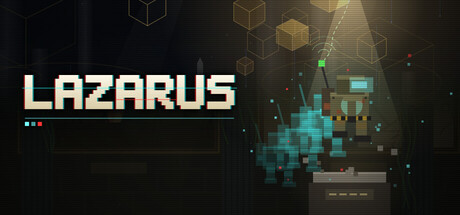 LAZARUS In-game content artaudiotext | LAZARUS was developed with the help of generative AI tools. AI assisted in writing the game's code — including the code that draws every visual and synthesizes all music and sound effects in real time — as well as drafting the story, dialogue, in-game text, English/Chinese localization and store page text. All content was directed, reviewed and edited by the developer. The game does not use AI to generate any content while it is running. | LunaCraft Games | - | Oct 7, 2026 | |
 DeltaV Orbital Strategy In-game content text | Generative AI tools were used during development to assist with drafting and editing some written content, lore and localization. All AI-assisted material was reviewed and revised by the developer before inclusion. DeltaV does not generate content during gameplay and does not connect to any generative AI service. Its computer-controlled opponents use conventional rule-based game logic, not generative AI. | Vazkor | - | Oct 7, 2026 | |
 マイセリウムクイーン In-game content text | Generative AI was used to translate the game's text from Japanese into the other supported languages (English, Simplified Chinese, Traditional Chinese, Russian, German and French). The original Japanese text was written by a human. | MushroomPunk | - | Oct 7, 2026 | |
 1420MHz In-game content text | 1420MHz uses AI tools for translations from English to non-English languages. | Play With Your Mind | - | Oct 6, 2026 | |
 Don't Feed the Zombie In-game content artaudio | Some visual assets (artwork and cinematic scenes) and some music and sound effects were created with the help of generative AI tools, then reviewed and curated by the developer. No content is generated by AI during gameplay. | HYDRA GAMES | - | Oct 6, 2026 | |
 RE:COPY In-game content textaudioart | Generative AI tools were used during development to assist with code, text and localization, audio, and some visual assets. | masasgames | - | Oct 6, 2026 | |
 Glyphtrip In-game content audiotext | Glyphtrip is made by a studio of three: one human and two silicon genius-toddlers. The soundtrack stems were generated with AI and mixed and mastered by hand. The translations and custom font were made with AI. | Well-Read Varangians | - | Oct 4, 2026 | |
 FARLINE In-game content artaudio | Some sprites, event card illustrations, background music and sound effects were created with locally-run generative AI models (Stable Diffusion XL, ACE-Step, Stable Audio Open) and then edited by the developer. No generative AI is used while the game is running. | Tal Games | - | Oct 3, 2026 | |
 Chopsticks In-game content text | Some of the in-game text and the store page text were written with the help of AI tools and edited by the developer. All artwork and sound are drawn and synthesized by the game's own code; no image, audio or video generators were used. Nothing is generated by AI while you play. | Sharkey | - | Oct 3, 2026 | |
 LUMENKEEP In-game content artaudiocode | LUMENKEEP was built by a solo developer working with AI development tools. AI assisted in generating the game's code, procedural geometry, shaders, and audio during development, under direct human direction and review; there is no hand-drawn art, hand-animation, or human-recorded audio in the game. LUMENKEEP does not use AI to generate content live during gameplay, and does not connect to any third-party AI service while you play. | Milivoje Simonovic | - | Oct 3, 2026 | |
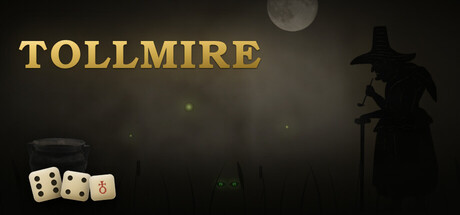 Tollmire In-game content text | The translations of this game into English, Spanish, Portuguese, Russian and Chinese were produced with the help of a large language model, working from the German original. The Spanish, Portuguese, Russian and Chinese versions are machine-made and are marked as beta inside the game. The text of this store page and the captions in the trailer were written the same way.
No image, no sound and no music in this game is AI-generated. The symbols come from historical alchemical plates, the witches from the Wellcome Collection, the cauldron from the Smithsonian, the reeds from an 1885 plant atlas. | Smartstift | - | Oct 3, 2026 | |
 How To Hunt text | Proofreading | Northern Games | - | Oct 3, 2026 | |
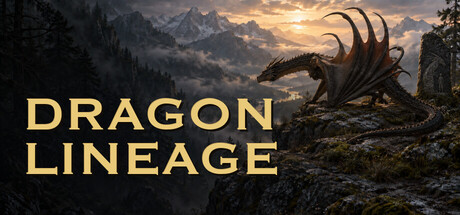 DragonLineage Store/marketing art | Generative AI was used to create some art assets (the title screen background and the store capsule images). The game does not use AI to generate any content at runtime. | C'est bon marché | - | Oct 1, 2026 | |
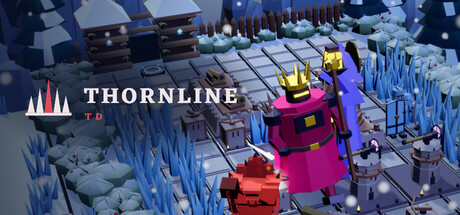 Thornline TD In-game content text | Some of the in-game and store page text was written with the help of AI tools and edited by the developer. No AI image, music or voice generators were used. | Corby Wenzelbach | - | Oct 1, 2026 | |
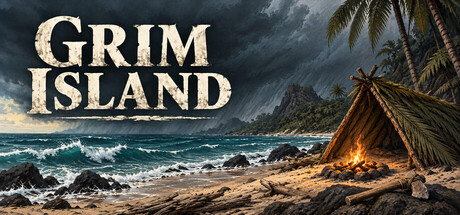 Grim Island In-game content art | Some of Grim Island's artwork was created using generative AI image tools, working from original artwork hand-drawn by the developer and then curated and edited by the developer. No other content is AI-generated. | Spectral Crow | - | Oct 1, 2026 | |
 I Know This One (IKTO) In-game content arttext | The altered paintings ("forgeries") were made by editing public-domain museum scans with generative AI image tools. Each one was reviewed by hand, colour-matched to its original scan and, where possible, composited back onto that scan so that only the altered detail differs. Some in-game English text (the questions that appear beside the paintings) and parts of this store description were drafted with an AI writing assistant and edited by the developer. The capsule art and screenshots are frames rendered by the game itself; the capsule art shows one of the AI-edited paintings. Nothing is generated by AI while the game runs. | JoMi | - | Oct 1, 2026 | |
 Dybbuk In-game content text | Generative AI tools were used to assist with the localization and translation of the game's text into additional languages. | Saul Morag Black | - | Oct 1, 2026 | |
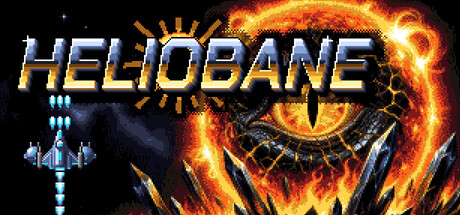 Heliobane In-game content artaudiotext | HELIOBANE was made with the help of generative AI tools.
- Assets: AI was used to generate some of the game's assets, including artwork, voice lines, sound effects, in-game text and translations. Artwork was edited and fitted to the game's 32-colour palette and style before use.
- Music: the soundtrack was made with a custom tracker built for agentic work, by an AI trained on a curated collection of public-domain tracker (MOD) music.
- Some store page and marketing art is also AI-assisted.
Nothing is generated while you play. All content is fixed in the build, and the game does not connect to any AI service. | Gand | - | Sep 30, 2026 | |
 Full Count Club In-game content artaudiotext | I'm a solo developer with a full-time job and a dad with two wonderful little kids. Full Count Club is a game I've wanted to make for a long time. AI tools are how I fit it into the time I have: they helped create the illustrated art, some sound effects, and some in-game writing such as newspaper headlines. I direct, select and edit all of it. The game does not generate any AI content while you play. | Corner Lab Games | - | Sep 30, 2026 | |
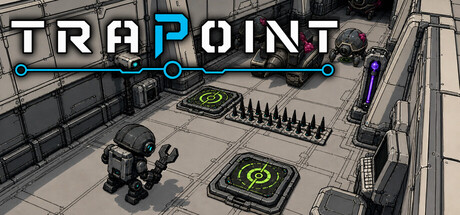 Trapoint In-game content artaudiotext | Trapoint is made by a single developer. 3D models, 2D art, sound, music, UI text, and the English localization were generated with AI tools from the developer's own prompts and then edited and integrated by hand; game design, systems, and level data are the developer's own work. | Taruby | - | Sep 30, 2026 | |
 STARZ.PEG In-game content artcode | Generative AI helped create/edit art assets and assisted with writing code. All game development and art direction choices were made by a human. | Loop Logic | - | Sep 28, 2026 | |
 Strive Card In-game content artaudiotext | During development, this game used generative AI tools to assist in creating some content: some card illustrations, character art, and scene images were initially generated by AI, then manually selected, redrawn, and post-processed by the developer. Some music, sound effects, and text were also created with AI assistance and finalized after item-by-item revisions by the developer. Some assets used on the store page and promotional images were also produced with the assistance of the above tools. The game does not contain any AI content generated in real time at runtime, and does not use any third-party copyrighted characters, assets, or trademarks. | 赤兔工作室 | - | Sep 27, 2026 | |
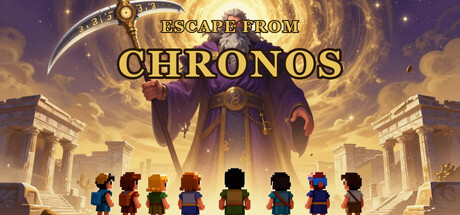 Escape From Chronos In-game content artcode | Character, enemy and environment art were generated with AI tools, then curated, edited and integrated by the developer. Music and sound are procedurally composed in-engine (not AI-generated). Code was written by the developer with AI assistance. The game contains no live/runtime AI generation. | Drifting Minds Studio | - | Sep 27, 2026 | |
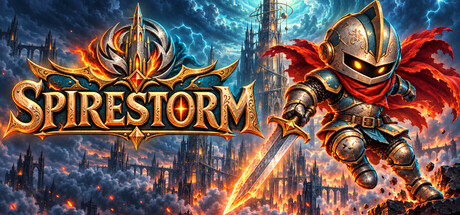 Spirestorm In-game content art | Spirestorm uses pre-generated AI-assisted artwork for characters, enemies, environments, interface illustrations, and promotional images. These assets were selected, edited, animated, and integrated during development. No AI content is generated during gameplay. | nextgenrungames | - | Sep 25, 2026 | |
 Platformino In-game content audio | The in-game background music was pre-produced using AI audio generation tools. | Bjaeng | - | Sep 25, 2026 | |
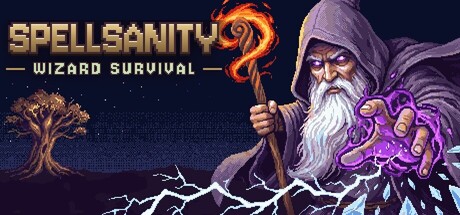 Spellsanity: Wizard Survival In-game content arttext | Spellsanity is made by one person and uses generative AI as a tool, not as a substitute for design.
Art: Much of the pixel art (enemies, bosses, characters, portraits, story stills, environment details) was produced with AI image generators and then reworked by hand: reduced to the game's colour palette, corrected pixel by pixel, animated and fitted into the game. Some of the art (surfaces, effects, UI frames) was drawn without AI or generated procedurally.
Text: Dialogue, descriptions and help texts were written with AI assistance and revised by the developer. The translations from English (German, Spanish, Portuguese, Russian, Chinese) were produced with AI and spot-checked; please report mistakes.
Code: AI assistants were used during programming.
Music and sound are not AI: the music is licensed work by Kevin MacLeod (incompetech.com), the sound effects are synthesized.
No AI runs inside the game. All content is shipped with the game and was reviewed before release; nothing is generated at runtime. | Spellsanity Games | - | Sep 25, 2026 | |
 Acorn Heist! In-game content arttext | Character illustrations, backgrounds, and card artwork in this game were created with the help of generative AI tools and then selected and edited by the developer. AI tools were also used to assist with English translation and text. All music and sound effects are licensed works by human creators. The game does not generate any AI content during gameplay. | Pop Polygon | - | Sep 25, 2026 | |
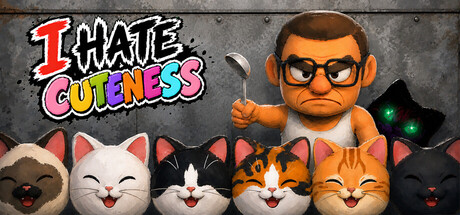 I Hate Cuteness In-game content arttext | We use generative AI as a reference and drafting tool, and always finish by hand. Early in development we generated AI concept images to explore ideas and mood; those are reference only. All in-game models, animation and UI are built by hand in 3D by the two of us. Some in-game textures were first generated with AI as a guide and then retouched by hand. The store key art is rendered from the game's own 3D characters and scenes, run through an AI tool for style, then composited and retouched by hand. Store text was drafted with an AI assistant and rewritten by us. The game does not use generative AI while you play. | Ennface | - | Sep 25, 2026 | |
 COCORUSH In-game content artaudiocode | I used AI-generated images, assets, and music. I also used AI to assist with creating some of game's Bluprint. However, as a Motion graphic designer, I created as many of the 3D assets myself as possible. | Wilson.Pairs | - | Sep 24, 2026 | |
 Voltwood In-game content artaudiocodetext | Voltwood was developed with AI assistance. Pre-generated AI content that ships in the game and on the store page includes: 3D unit, structure, and environment models generated with Meshy from our own concept art; 2D art generated with ChatGPT from the developer's direction, including store capsule art, the app icon and key art, menu artwork, and achievement icons; music generated with Mureka; sound effects and character voice lines generated with ElevenLabs; game code, UI icons, and interface and store-page translations authored with Anthropic Claude. All AI output was reviewed, curated, and integrated by the developer, and all of it is owned by the developer under the respective services' paid-tier terms. | Well Actually Games LLC | - | Sep 24, 2026 | |
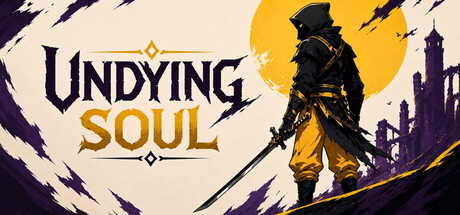 Undying Soul In-game content art | Generative AI was used only for the character portrait artwork currently included in the demo. No generative AI was used for gameplay, programming, game assets, localization, or other game content. | MipuDevs | - | Sep 24, 2026 | |
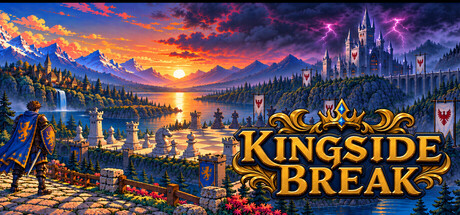 Kingside Break In-game content art | Pre-generated AI-assisted content is present for background art, portions of the Steam/Windows key art and logo derivatives. Kingside Break contains no runtime generative-AI system or live AI-content generation. Its chess opponent is conventional gameplay AI, not generative AI. | YuJam Games | - | Sep 22, 2026 | |
 A Weird Game About Sausage In-game content artaudio | Some 3D models and sound effects in this game were created using generative AI tools. | Madman's Cheese | 159 | Sep 22, 2026 | |
 DON'T DROP IT Unclear | Generative AI was used to assist with some development and promotional content. All AI-assisted output was reviewed and curated by the developer. | Public Liability Games | - | Sep 21, 2026 | |
 Beyond Realm In-game content artaudiotext | Game illustrations and some sound effects, as well as part of the text and localization, are created using generative AI tools, then manually refined and validated. No content is generated by AI in real time, and the game design is human-made. | Power Spike | - | Sep 21, 2026 | |
 Eat the Sky In-game content art | Pre-generated content only. Some 2D art assets in the game (planet, star and interface sprites) and the store page capsule artwork were produced using generative AI image tools, then edited, composited, colour-corrected and integrated by hand. No generative AI runs at runtime and no content is generated live during gameplay. All audio is either licensed under Creative Commons with attribution given in-game, or original. | Parahyba Games | - | Sep 21, 2026 |


