Public Steam disclosure research25,376 disclosures tracked
Where do games disclose AI use?
Search developers’ Steam disclosures, compare classified AI use across
games, and follow recorded changes.
This index adds cross-game classifications and statistics to
statements published on individual store pages.
Groups reflect automatic analysis of public disclosures; mature records are excluded. These counts do not measure AI use across all of Steam.
Missing or unclear statements cannot establish whether a game uses AI.
Pre-generated content: Many 3D models and textures used in the game, including cakes, fruit, items, tools, and environmental/shop assets, were generated using Meshy AI and then edited and integrated by the developer. Generative AI was also used to assist in drafting some store-page text, which was reviewed and edited by the developer. No generative AI is used at runtime. No AI-generated voice or music is used.
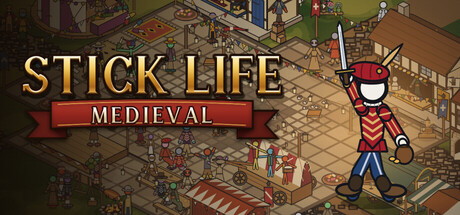
Stick Life: Medieval is designed and directed by a solo developer. Some of the game's code, its in-game writing, the artwork the game draws and parts of this store page were made with the help of generative AI tools, and some of its music was made with Suno, an AI music tool. All of it was played, reviewed and edited by the developer. Nothing is generated by AI while you play.
Much of the artwork in Convoy Inc. was created with the help of AI image tools, including job and event scenes, driver portraits, truck and city illustrations, map decorations and parts of the interface art. Every image was selected, edited and composited by the developer to fit the game's vintage atlas style.
The illustrated story scenes and the music in the trailer were also created with AI-assisted tools.
The game's design, code, systems, map data and all written text were created by the developer. The game does not generate any AI content while it runs.
AI tools were used during development to create the pixel art, the game's text and promotional images. Pawnbroke does not generate AI content during gameplay.
Generative AI tools were used throughout this game's production pipeline, alongside traditional development tools and techniques, to speed up iteration and expand what our team can make. AI-assisted content that ships in the game includes 2D artwork, voice narration, sound effects, music and in-game text. Every asset in the final product was selected, reviewed, modified where appropriate, and integrated by the development team. No generative AI content is created during gameplay.
The game's code, some in-game text (English/Turkish dialogue and UI) and some poster artwork were created with the help of generative AI and then reviewed and edited by the developer. The game does not generate any AI content at runtime.
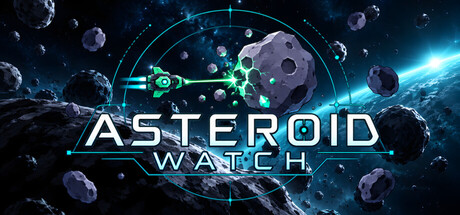
Generative AI tools were used to assist with the creation and refinement of selected visual assets and promotional materials for Asteroid Watch. All AI-assisted content is reviewed, edited, and integrated by the developer to ensure consistency with the game's visual style and overall design.
The capsule and logo artwork was created with an AI image generator. Some of the game's code and parts of the written dialogue were produced with the help of an AI assistant, then reviewed and edited by the developer. No content is generated by AI while the game is running.
Some content was made with generative AI: the game's logo, and much of the in-game writing (tutorial text, shop item names and descriptions, and other on-screen text), which was drafted with an AI assistant and edited by the developer. Parts of this store page were written the same way. Everything else - rooms, props, characters, sound and gameplay - is made procedurally in code or comes from CC0 asset kits. Nothing is generated by AI while you play.
Some in-game text (event and dilemma card writing, UI copy) and the store description were drafted with AI assistance and then reviewed and edited by the developer. The game's non-English translations (French, Italian, German, Spanish, Portuguese-Brazil, Polish, Ukrainian, Japanese) were AI-translated drafts and are being reviewed. No AI generates content while the game is running, and the game makes no network calls to AI services. The logo/key art was created with AI image tools and edited by the developer
Generative AI was used for some Steam store and marketing materials only (section banners and draft store copy). These assets were reviewed and edited before publishing.
No generative AI is used in the shipped game at runtime. In-game 3D furniture, environments, and gameplay content are created with traditional art and development tools (purchased/licensed assets and original work). AI-assisted coding tools were used during development; they are not used to generate player-facing game content.
Generative AI assisted in creating selected illustrations, visual assets, narrative text, and translations during development, including store materials. No content is generated by AI during gameplay.
AI tools were used during development to assist with writing and debugging game code and to generate card illustrations and promotional artwork. All AI-generated content is created before release. The game does not generate AI content during gameplay.
Pre-generated content: AI tools assisted during development. Some in-game text (commentary, TV show dialogue), the translations and the store page text were written with AI assistance, and the pixel art, music and sound effects are generated by scripts written with AI assistance. All of this content has been reviewed, approved and modified by the developer. No content is generated by AI while the game is running.
This game was made by one developer working with an AI coding assistant.
No image, audio or video generators were used — there are no model-generated assets in the files. Every sprite is drawn by the game's own art generator, and all music and sound effects are synthesised at runtime from square, triangle and noise waves. However, the code that draws and synthesises them was written with the AI assistant, as was much of the in-game text and the English localisation. All of it was directed, reviewed and revised by the developer.
No AI runs while you play, and the game never connects to an external service.
AI tools were used to create artwork and assist with coding. The game's writing and planning were created by the developer. No generative AI runs during gameplay.
The game's code and its in-game text (UI strings, help text, achievement and mission descriptions) were written with an AI assistant. All visuals are procedurally built from simple shapes in code, and all sound effects and music are synthesized procedurally in code. No generative AI art, voice or music is used, and nothing is generated live during play.
Parts of the game's code, interface art, store artwork and store text were created with the help of AI tools and then reviewed and edited by the developer. Nothing is generated by AI while you play.
The English voice-over for story dialogue and prison PA announcements was generated with an open-source text-to-speech model (Kokoro) from scripts written for the game. Much of the game's code, dialogue text and localisation was written with AI assistance under the developer's direction. No AI generates content while you play. 3D models, textures, sound effects and music come from human-made asset libraries (CC0 sources and Mixamo).
Generative AI tools were used to create store artwork and portions of in-game text, customer support dialogue, and German/English localization during development. Development also used AI-assisted programming. The current build does not generate content during gameplay or connect to an external AI service.
Frogs Can Jump uses generative AI only as a writing aid during development.
The game's text content (interface text) localization into the 14 supported interface languages were produced with
the assistance of large language models, directed and reviewed by the
developer. Parts of this store page were drafted the same way.
No AI-generated images, audio or video are used: all artwork, animation
and sound in the game are produced by hand-written procedural code. The
game does not generate any content with AI while you play, and it never
connects to an external AI service.
This game contains pre-generated content only: no AI generates content during gameplay. The game's translations (English, German, Italian, Spanish) and the store page texts were produced with the help of AI tools, then reviewed. All in-game visuals are rendered from the game's own 3D models.
Generative AI was used to create promotional store artwork and assist with written store descriptions. The game includes Midnight Cocktails, an instrumental background-music track created with Suno. It contains no sung or spoken words.
This game uses generative AI tools for the creation of certain static visual assets, including background images, loading screens, character portraits, marketing materials, and depictions of aircraft.
Generative AI tools were used during development to assist with the creation of some visual assets, text, audio, localization, and code. All AI-assisted content included in the game was reviewed and curated by the developer. No generative AI is used during gameplay.
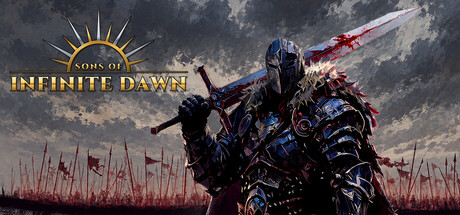
Generative AI was used during the visual development of Sons of Infinite Dawn to create and refine selected 2D artwork, textures and other visual assets used in the game and its store presentation. The resulting assets are reviewed and adjusted before use. No AI content is generated during gameplay, and the game does not connect to external AI services.
Some character portraits in this game were created with the assistance of generative AI during development. All AI-assisted images were reviewed, edited, and approved by the development team before being included. The game contains no live generation features, and no AI content is generated dynamically during gameplay.
Generative AI tools were used during development to assist in creating some pre-generated 3D assets. All AI-assisted content is created and reviewed during development. The game does not generate AI content during gameplay and does not connect to external AI services.
Pre-generated AI was used to create some promotional artwork for the Steam store page. All such assets are reviewed and selected by the developer before publication. The game does not use live-generated AI content during gameplay.
Generative AI tools were used to assist with some of the game's artwork and translations. All content was directed, selected and edited by the developer. Nothing is generated while you play.
Generative AI tools were used during development to assist with some visual and audio assets in Fishing Trawler. All AI-assisted content is reviewed, edited, and integrated by the developer.
As a solo developer from a small town in Brazil, I used AI-assisted tools to help create some of the game’s visual assets. This allowed me to bring the project to life with limited resources while focusing my time on gameplay, systems, and the overall player experience.
Some in-game text, the translations into seven languages and parts of the artwork and store material were created with the help of generative AI tools, then reviewed and edited by the developer. The game does not use AI to generate any content while you play and does not connect to any AI service.
IDE Code assistant used to optimize parts of the game's code and resolve bugs.
Certain assets in this game were created or modified with the assistance of genAI tools, then reviewed and integrated by our team.
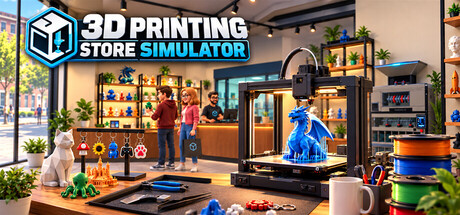
Several 3D assets in this game — including some character models and props — were created with generative AI tools (Meshy) and then converted, cleaned up and hand-adjusted before being used in the game. Textures are either hand-made or generated procedurally with our own code.
Generative AI tools were used during development to assist with the creation of some visual assets and promotional artwork. No generative AI is used during gameplay and no content is generated in real time.
Pre-generated content: Many 3D models and textures used in the game, including cakes, fruit, items, tools, and environmental/shop assets, were generated using Meshy AI and then edited and integrated by the developer. Generative AI was also used to assist in drafting some store-page text, which was reviewed and edited by the developer. No generative AI is used at runtime. No AI-generated voice or music is used.
Stick Life: Medieval is designed and directed by a solo developer. Some of the game's code, its in-game writing, the artwork the game draws and parts of this store page were made with the help of generative AI tools, and some of its music was made with Suno, an AI music tool. All of it was played, reviewed and edited by the developer. Nothing is generated by AI while you play.
Much of the artwork in Convoy Inc. was created with the help of AI image tools, including job and event scenes, driver portraits, truck and city illustrations, map decorations and parts of the interface art. Every image was selected, edited and composited by the developer to fit the game's vintage atlas style.
The illustrated story scenes and the music in the trailer were also created with AI-assisted tools.
The game's design, code, systems, map data and all written text were created by the developer. The game does not generate any AI content while it runs.
AI tools were used during development to create the pixel art, the game's text and promotional images. Pawnbroke does not generate AI content during gameplay.
Generative AI tools were used throughout this game's production pipeline, alongside traditional development tools and techniques, to speed up iteration and expand what our team can make. AI-assisted content that ships in the game includes 2D artwork, voice narration, sound effects, music and in-game text. Every asset in the final product was selected, reviewed, modified where appropriate, and integrated by the development team. No generative AI content is created during gameplay.
The game's code, some in-game text (English/Turkish dialogue and UI) and some poster artwork were created with the help of generative AI and then reviewed and edited by the developer. The game does not generate any AI content at runtime.
Generative AI tools were used to assist with the creation and refinement of selected visual assets and promotional materials for Asteroid Watch. All AI-assisted content is reviewed, edited, and integrated by the developer to ensure consistency with the game's visual style and overall design.
The capsule and logo artwork was created with an AI image generator. Some of the game's code and parts of the written dialogue were produced with the help of an AI assistant, then reviewed and edited by the developer. No content is generated by AI while the game is running.
Some content was made with generative AI: the game's logo, and much of the in-game writing (tutorial text, shop item names and descriptions, and other on-screen text), which was drafted with an AI assistant and edited by the developer. Parts of this store page were written the same way. Everything else - rooms, props, characters, sound and gameplay - is made procedurally in code or comes from CC0 asset kits. Nothing is generated by AI while you play.
Some in-game text (event and dilemma card writing, UI copy) and the store description were drafted with AI assistance and then reviewed and edited by the developer. The game's non-English translations (French, Italian, German, Spanish, Portuguese-Brazil, Polish, Ukrainian, Japanese) were AI-translated drafts and are being reviewed. No AI generates content while the game is running, and the game makes no network calls to AI services. The logo/key art was created with AI image tools and edited by the developer
Generative AI was used for some Steam store and marketing materials only (section banners and draft store copy). These assets were reviewed and edited before publishing.
No generative AI is used in the shipped game at runtime. In-game 3D furniture, environments, and gameplay content are created with traditional art and development tools (purchased/licensed assets and original work). AI-assisted coding tools were used during development; they are not used to generate player-facing game content.
Generative AI assisted in creating selected illustrations, visual assets, narrative text, and translations during development, including store materials. No content is generated by AI during gameplay.
AI tools were used during development to assist with writing and debugging game code and to generate card illustrations and promotional artwork. All AI-generated content is created before release. The game does not generate AI content during gameplay.
Pre-generated content: AI tools assisted during development. Some in-game text (commentary, TV show dialogue), the translations and the store page text were written with AI assistance, and the pixel art, music and sound effects are generated by scripts written with AI assistance. All of this content has been reviewed, approved and modified by the developer. No content is generated by AI while the game is running.
This game was made by one developer working with an AI coding assistant.
No image, audio or video generators were used — there are no model-generated assets in the files. Every sprite is drawn by the game's own art generator, and all music and sound effects are synthesised at runtime from square, triangle and noise waves. However, the code that draws and synthesises them was written with the AI assistant, as was much of the in-game text and the English localisation. All of it was directed, reviewed and revised by the developer.
No AI runs while you play, and the game never connects to an external service.
AI tools were used to create artwork and assist with coding. The game's writing and planning were created by the developer. No generative AI runs during gameplay.
The game's code and its in-game text (UI strings, help text, achievement and mission descriptions) were written with an AI assistant. All visuals are procedurally built from simple shapes in code, and all sound effects and music are synthesized procedurally in code. No generative AI art, voice or music is used, and nothing is generated live during play.
Parts of the game's code, interface art, store artwork and store text were created with the help of AI tools and then reviewed and edited by the developer. Nothing is generated by AI while you play.
The English voice-over for story dialogue and prison PA announcements was generated with an open-source text-to-speech model (Kokoro) from scripts written for the game. Much of the game's code, dialogue text and localisation was written with AI assistance under the developer's direction. No AI generates content while you play. 3D models, textures, sound effects and music come from human-made asset libraries (CC0 sources and Mixamo).
Generative AI tools were used to create store artwork and portions of in-game text, customer support dialogue, and German/English localization during development. Development also used AI-assisted programming. The current build does not generate content during gameplay or connect to an external AI service.
Frogs Can Jump uses generative AI only as a writing aid during development.
The game's text content (interface text) localization into the 14 supported interface languages were produced with
the assistance of large language models, directed and reviewed by the
developer. Parts of this store page were drafted the same way.
No AI-generated images, audio or video are used: all artwork, animation
and sound in the game are produced by hand-written procedural code. The
game does not generate any content with AI while you play, and it never
connects to an external AI service.
This game contains pre-generated content only: no AI generates content during gameplay. The game's translations (English, German, Italian, Spanish) and the store page texts were produced with the help of AI tools, then reviewed. All in-game visuals are rendered from the game's own 3D models.
Generative AI was used to create promotional store artwork and assist with written store descriptions. The game includes Midnight Cocktails, an instrumental background-music track created with Suno. It contains no sung or spoken words.
This game uses generative AI tools for the creation of certain static visual assets, including background images, loading screens, character portraits, marketing materials, and depictions of aircraft.
Generative AI tools were used during development to assist with the creation of some visual assets, text, audio, localization, and code. All AI-assisted content included in the game was reviewed and curated by the developer. No generative AI is used during gameplay.
Generative AI was used during the visual development of Sons of Infinite Dawn to create and refine selected 2D artwork, textures and other visual assets used in the game and its store presentation. The resulting assets are reviewed and adjusted before use. No AI content is generated during gameplay, and the game does not connect to external AI services.
Some character portraits in this game were created with the assistance of generative AI during development. All AI-assisted images were reviewed, edited, and approved by the development team before being included. The game contains no live generation features, and no AI content is generated dynamically during gameplay.
Generative AI tools were used during development to assist in creating some pre-generated 3D assets. All AI-assisted content is created and reviewed during development. The game does not generate AI content during gameplay and does not connect to external AI services.
Pre-generated AI was used to create some promotional artwork for the Steam store page. All such assets are reviewed and selected by the developer before publication. The game does not use live-generated AI content during gameplay.
Generative AI tools were used to assist with some of the game's artwork and translations. All content was directed, selected and edited by the developer. Nothing is generated while you play.
Generative AI tools were used during development to assist with some visual and audio assets in Fishing Trawler. All AI-assisted content is reviewed, edited, and integrated by the developer.
As a solo developer from a small town in Brazil, I used AI-assisted tools to help create some of the game’s visual assets. This allowed me to bring the project to life with limited resources while focusing my time on gameplay, systems, and the overall player experience.
Some in-game text, the translations into seven languages and parts of the artwork and store material were created with the help of generative AI tools, then reviewed and edited by the developer. The game does not use AI to generate any content while you play and does not connect to any AI service.
IDE Code assistant used to optimize parts of the game's code and resolve bugs.
Certain assets in this game were created or modified with the assistance of genAI tools, then reviewed and integrated by our team.
Several 3D assets in this game — including some character models and props — were created with generative AI tools (Meshy) and then converted, cleaned up and hand-adjusted before being used in the game. Textures are either hand-made or generated procedurally with our own code.
Generative AI tools were used during development to assist with the creation of some visual assets and promotional artwork. No generative AI is used during gameplay and no content is generated in real time.