Public Steam disclosure research25,376 disclosures tracked
Where do games disclose AI use?
Search developers’ Steam disclosures, compare classified AI use across
games, and follow recorded changes.
This index adds cross-game classifications and statistics to
statements published on individual store pages.
Groups reflect automatic analysis of public disclosures; mature records are excluded. These counts do not measure AI use across all of Steam.
Missing or unclear statements cannot establish whether a game uses AI.
Generative AI was used only for localization. As a solo developer, I used AI tools to translate the game's text into other languages, which would not have been possible for me otherwise. All artwork, audio, and gameplay content were created without generative AI.
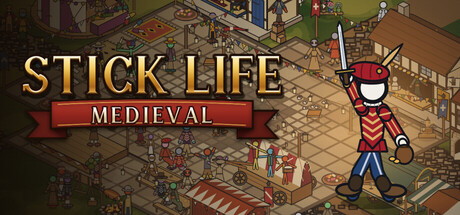
Stick Life: Medieval is designed and directed by a solo developer. Some of the game's code, its in-game writing, the artwork the game draws and parts of this store page were made with the help of generative AI tools, and some of its music was made with Suno, an AI music tool. All of it was played, reviewed and edited by the developer. Nothing is generated by AI while you play.
Currently, AI‑assisted Photoshop image editing is only used for the Steam store‑page assets. No AI is utilized within the game itself. All image and audio assets are either sourced from free open‑source resources or purchased commercially.
Made by one developer with a little help from AI! Some artwork and text started life in generative AI tools, then got edited and polished by hand. Nothing is generated while you play.
This game contains content created with the assistance of AI tools. AI was used during development to assist with programming, visual assets, and other creative elements. All generated content was reviewed, edited, and integrated by the dev.
Some of the artwork and all original background music in this game were created with the assistance of generative AI. All AI-assisted content was manually reviewed and checked for copyright compliance before release.
The game does not generate any AI content in real time during gameplay, nor does it connect to any external AI services. All consumable content is pre-generated during development and distributed as part of the game.
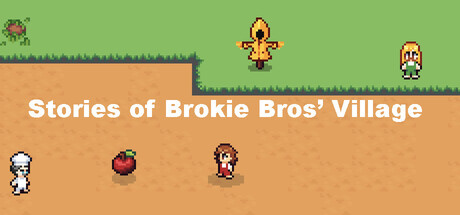
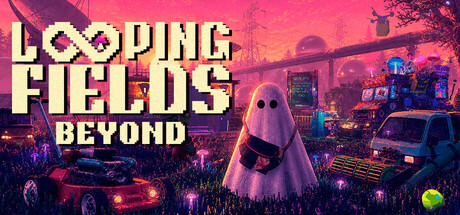
The in-game pixel art (fields, characters, vehicles, backgrounds, etc.), sound effects, and skill icons in this title were rendered and composited using a program created by AI under the developer’s direction, and were then reviewed and adjusted by the developer. The AI does not generate any content while the game is being played.
Generative AI was used during development to create promotional illustrations and the title-screen logo, and to assist with written text and translations. This content is prepared in advance. The game does not generate content or connect to AI services during gameplay.
Some of the images on our store page were created by artificial intelligence and edits were made on the images. and some images in the game were made by artificial intelligence.
AI was used as an interface and scripting assistant for industry standard tools such as Reaper, Godot, Blender, Aseprite, and Deepl for enhancing the quality and consistency of the game content and building systems I otherwise would not have the capacity to design and implement as solo developer.
Where possible, artists are and will continue to be supported via use of their paid or free assets. For this game, the most money spent was on Quaternius source level packages.
Notable exception to this is the UI, which was generated using RetroDiffusion with a python pipeline built in house for consistent design around UI elements using color normalization and targeting from a theme palette, which is then imported and tweaked in Godot.
Choban uses generative AI to power conversations and interactions with certain NPCs. AI-generated dialogue is used to create more natural, dynamic, and context-aware responses during gameplay. All core gameplay systems, quests, progression, world generation, and game mechanics are designed by the developers and are not generated by AI. AI is used solely to enhance NPC interactions and player immersion.
Sound effects and music were created with AI audio tools (ElevenLabs) and selected and edited by the developer. Parts of the in-game text, villager dialogue and translations were written with the help of AI and reviewed by the developer. AI coding assistants were used during development, including scripts that build the game's 3D models. No AI generates content while you play.
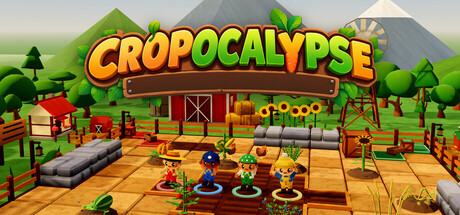
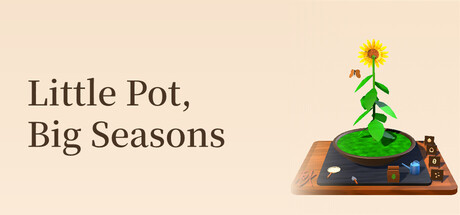
The game's 2D artwork (plant, item and upgrade icons, logo, background and store key art) and some of the garden sound effects (harvest, plant, water, discover and golden-seed sounds) were created with generative AI tools (OpenAI GPT Image and Stability AI Stable Audio) and curated by the developer. All content is pre-generated and ships with the game. The game does not generate any content with AI during gameplay and does not connect to any external AI service.
Generative AI tools were used during development to assist with localization and the creation of some game assets. Generative AI is not used to generate content during gameplay, and the game does not connect to external AI services during execution.
The use of generative AI in this title is limited exclusively to technical assistance for the creation of secondary environmental textures and background patterns. The art direction, the design of all main characters, and the vast majority of visual elements have been handcrafted by our development team.
AI tools were part of our process, helping with the game's art, writing and translations. Everything was shaped and reviewed by us, and nothing is generated by AI while you play.
Pre-generated AI content: The four background music tracks were generated with Suno AI under the developer's paid subscription (commercial license per Suno's Terms of Service). The source image of the application icon was generated with an AI image tool and manually processed. All in-game 3D models, textures, chalk illustrations and sound effects are procedurally generated by in-house scripts without AI. The game contains no live-generated AI content.
This game includes pre-generated AI-assisted artwork used in store and marketing materials and in some in-game 2D visuals. All such content was created and reviewed before release. The game does not use generative AI during gameplay and does not accept or transmit player prompts.
As a solo developer, generative AI tools were used to assist in creating promotional capsule artwork and achievement icons. All gameplay mechanics, coding, and game design were created directly by the developer.
Some sound effects and music were created with AI audio tools.
AI tools assisted in writing the game's code and some of its text (descriptions, hints and story notes), all reviewed and edited by the developer. The artwork is drawn procedurally by the game itself, not AI-generated, and no AI content is generated during gameplay.
Use of Generative AI & AI Credits
This game uses AI to generate in-game dialogue text and small gameplay extension modules ("evolution modules"). AI features consume AI credits.
You can get AI credits via small in-game purchases processed by Steam, or connect your own AI service at no extra cost — the settings menu lets you enter a custom API URL and key (any OpenAI-compatible endpoint), in which case usage is billed directly by your provider and no credits are consumed.
AI-generated code runs in a strictly sandboxed environment with a limited set of game APIs, and every output must pass the game's validation and test gates before taking effect. AI features can be disabled at any time.
Generative AI tools were used during development to help create and refine some 2D artwork, icons and promotional images, and to assist with store-page text and translation. These assets are prepared before release and reviewed by the developer. The game does not generate AI content during gameplay or connect to an external AI service. Player-designed weapons are created with the in-game drawing and crafting tools, not generative AI.
Our logo and key art were created with the help of AI image generation tools and edited by us. All gameplay, 3D models, and audio were made by our team.
Generative AI tools were used to assist in creating a limited number of pre-generated visual assets and localization text used in the game and its store materials. As an independent developer working with a limited production budget, I used these tools where commissioning additional original artwork was not financially feasible. All AI-assisted content was carefully selected, reviewed, and edited by the developer. The game does not generate AI content during gameplay.
An AI coding assistant (Claude, Anthropic) was used under the developer's direction to help write the game's code, some in-game text and the note tables of its music, which is then rendered by our own synthesis code and a licensed instrument sample library. No audio-generation, image-generation or voice models were used: no AI-generated artwork, 3D models, voice or sound recordings ship in the game, on the store page or in marketing materials. Every shipped track is logged in a provenance ledger and checked against YouTube Content ID
Generative AI was used during development to create artwork, music and sound assets, including artwork used on the store page. AI also assisted with story development, alongside substantial writing and editing by the developer. All of this content was created before release. The game does not generate AI content or connect to AI services during play.
Parts of this game were made with the help of AI tools: the store page text, the Turkish and Simplified Chinese translations, and some of the 3D models, UI graphics and store images. The game does not generate any content with AI while you play.
We use generative AI as a reference and supporting tool during game development, while final creative decisions and implementation are made by our team.
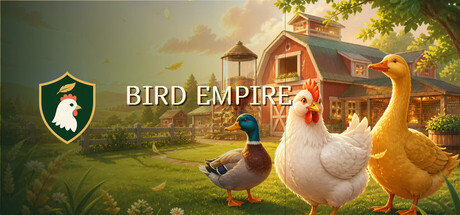
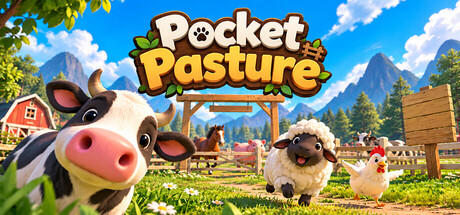
Some 2D art assets were created with the assistance of generative AI image tools and then heavily edited and cleaned up by hand before being used in the game. This includes the logo, some animals, the main menu background, and icon artwork. All such content is pre-generated and baked into the build; the game does not generate any content at runtime.
While every mission, achievement, perk, story beat and game mode was designed and built by hand, one at a time.
Generative AI was used to assist with the localization of some store page content. The generated translations were reviewed and edited before publication.
The English localization was prepared with AI assistance and was fully reviewed and edited by the developer. Some in-game sounds were generated with AI. The capsule image on the Steam store page was generated with AI. The in-game visual and model assets were not generated with AI.
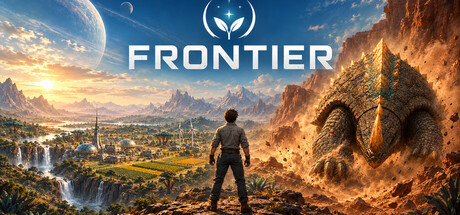
Frontier was conceived, designed, directed, and extensively play tested by a solo developer. Generative AI was used as the primary production tool to implement that vision, including programming, artwork, audio, writing, and other game assets. Every aspect of the game was developed through an iterative human-directed process, with the developer specifying requirements, reviewing results, requesting revisions, making design decisions, integrating systems, and personally testing and approving the final content. No generative AI is used during gameplay.
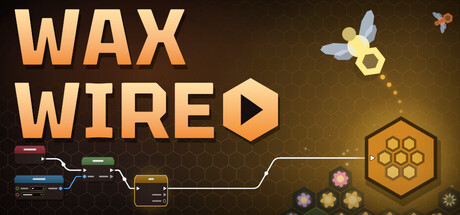
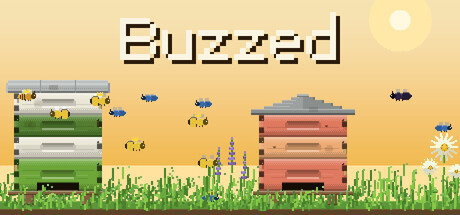
In-game text (bee facts, item descriptions, achievement lines) and store page copy were written with the assistance of an AI writing tool, under the developer's direction and review. All artwork is pixel art drawn by the game's own code, and all audio is synthesized or CC0 field recordings — no AI-generated images, audio, or music.
Generative AI tools were used to assist in the creation of certain visual assets during development. All final in-game content was reviewed and edited by the developer. No AI-generated content is produced during gameplay.
Generative AI was used only for localization. As a solo developer, I used AI tools to translate the game's text into other languages, which would not have been possible for me otherwise. All artwork, audio, and gameplay content were created without generative AI.
Stick Life: Medieval is designed and directed by a solo developer. Some of the game's code, its in-game writing, the artwork the game draws and parts of this store page were made with the help of generative AI tools, and some of its music was made with Suno, an AI music tool. All of it was played, reviewed and edited by the developer. Nothing is generated by AI while you play.
Currently, AI‑assisted Photoshop image editing is only used for the Steam store‑page assets. No AI is utilized within the game itself. All image and audio assets are either sourced from free open‑source resources or purchased commercially.
Made by one developer with a little help from AI! Some artwork and text started life in generative AI tools, then got edited and polished by hand. Nothing is generated while you play.
This game contains content created with the assistance of AI tools. AI was used during development to assist with programming, visual assets, and other creative elements. All generated content was reviewed, edited, and integrated by the dev.
Some of the artwork and all original background music in this game were created with the assistance of generative AI. All AI-assisted content was manually reviewed and checked for copyright compliance before release.
The game does not generate any AI content in real time during gameplay, nor does it connect to any external AI services. All consumable content is pre-generated during development and distributed as part of the game.
The in-game pixel art (fields, characters, vehicles, backgrounds, etc.), sound effects, and skill icons in this title were rendered and composited using a program created by AI under the developer’s direction, and were then reviewed and adjusted by the developer. The AI does not generate any content while the game is being played.
Generative AI was used during development to create promotional illustrations and the title-screen logo, and to assist with written text and translations. This content is prepared in advance. The game does not generate content or connect to AI services during gameplay.
Some of the images on our store page were created by artificial intelligence and edits were made on the images. and some images in the game were made by artificial intelligence.
AI was used as an interface and scripting assistant for industry standard tools such as Reaper, Godot, Blender, Aseprite, and Deepl for enhancing the quality and consistency of the game content and building systems I otherwise would not have the capacity to design and implement as solo developer.
Where possible, artists are and will continue to be supported via use of their paid or free assets. For this game, the most money spent was on Quaternius source level packages.
Notable exception to this is the UI, which was generated using RetroDiffusion with a python pipeline built in house for consistent design around UI elements using color normalization and targeting from a theme palette, which is then imported and tweaked in Godot.
Choban uses generative AI to power conversations and interactions with certain NPCs. AI-generated dialogue is used to create more natural, dynamic, and context-aware responses during gameplay. All core gameplay systems, quests, progression, world generation, and game mechanics are designed by the developers and are not generated by AI. AI is used solely to enhance NPC interactions and player immersion.
Sound effects and music were created with AI audio tools (ElevenLabs) and selected and edited by the developer. Parts of the in-game text, villager dialogue and translations were written with the help of AI and reviewed by the developer. AI coding assistants were used during development, including scripts that build the game's 3D models. No AI generates content while you play.
The game's 2D artwork (plant, item and upgrade icons, logo, background and store key art) and some of the garden sound effects (harvest, plant, water, discover and golden-seed sounds) were created with generative AI tools (OpenAI GPT Image and Stability AI Stable Audio) and curated by the developer. All content is pre-generated and ships with the game. The game does not generate any content with AI during gameplay and does not connect to any external AI service.
Generative AI tools were used during development to assist with localization and the creation of some game assets. Generative AI is not used to generate content during gameplay, and the game does not connect to external AI services during execution.
The use of generative AI in this title is limited exclusively to technical assistance for the creation of secondary environmental textures and background patterns. The art direction, the design of all main characters, and the vast majority of visual elements have been handcrafted by our development team.
AI tools were part of our process, helping with the game's art, writing and translations. Everything was shaped and reviewed by us, and nothing is generated by AI while you play.
Pre-generated AI content: The four background music tracks were generated with Suno AI under the developer's paid subscription (commercial license per Suno's Terms of Service). The source image of the application icon was generated with an AI image tool and manually processed. All in-game 3D models, textures, chalk illustrations and sound effects are procedurally generated by in-house scripts without AI. The game contains no live-generated AI content.
This game includes pre-generated AI-assisted artwork used in store and marketing materials and in some in-game 2D visuals. All such content was created and reviewed before release. The game does not use generative AI during gameplay and does not accept or transmit player prompts.
As a solo developer, generative AI tools were used to assist in creating promotional capsule artwork and achievement icons. All gameplay mechanics, coding, and game design were created directly by the developer.
Some sound effects and music were created with AI audio tools.
AI tools assisted in writing the game's code and some of its text (descriptions, hints and story notes), all reviewed and edited by the developer. The artwork is drawn procedurally by the game itself, not AI-generated, and no AI content is generated during gameplay.
Use of Generative AI & AI Credits
This game uses AI to generate in-game dialogue text and small gameplay extension modules ("evolution modules"). AI features consume AI credits.
You can get AI credits via small in-game purchases processed by Steam, or connect your own AI service at no extra cost — the settings menu lets you enter a custom API URL and key (any OpenAI-compatible endpoint), in which case usage is billed directly by your provider and no credits are consumed.
AI-generated code runs in a strictly sandboxed environment with a limited set of game APIs, and every output must pass the game's validation and test gates before taking effect. AI features can be disabled at any time.
Generative AI tools were used during development to help create and refine some 2D artwork, icons and promotional images, and to assist with store-page text and translation. These assets are prepared before release and reviewed by the developer. The game does not generate AI content during gameplay or connect to an external AI service. Player-designed weapons are created with the in-game drawing and crafting tools, not generative AI.
Our logo and key art were created with the help of AI image generation tools and edited by us. All gameplay, 3D models, and audio were made by our team.
Generative AI tools were used to assist in creating a limited number of pre-generated visual assets and localization text used in the game and its store materials. As an independent developer working with a limited production budget, I used these tools where commissioning additional original artwork was not financially feasible. All AI-assisted content was carefully selected, reviewed, and edited by the developer. The game does not generate AI content during gameplay.
An AI coding assistant (Claude, Anthropic) was used under the developer's direction to help write the game's code, some in-game text and the note tables of its music, which is then rendered by our own synthesis code and a licensed instrument sample library. No audio-generation, image-generation or voice models were used: no AI-generated artwork, 3D models, voice or sound recordings ship in the game, on the store page or in marketing materials. Every shipped track is logged in a provenance ledger and checked against YouTube Content ID
Generative AI was used during development to create artwork, music and sound assets, including artwork used on the store page. AI also assisted with story development, alongside substantial writing and editing by the developer. All of this content was created before release. The game does not generate AI content or connect to AI services during play.
Parts of this game were made with the help of AI tools: the store page text, the Turkish and Simplified Chinese translations, and some of the 3D models, UI graphics and store images. The game does not generate any content with AI while you play.
We use generative AI as a reference and supporting tool during game development, while final creative decisions and implementation are made by our team.
Some 2D art assets were created with the assistance of generative AI image tools and then heavily edited and cleaned up by hand before being used in the game. This includes the logo, some animals, the main menu background, and icon artwork. All such content is pre-generated and baked into the build; the game does not generate any content at runtime.
While every mission, achievement, perk, story beat and game mode was designed and built by hand, one at a time.
Generative AI was used to assist with the localization of some store page content. The generated translations were reviewed and edited before publication.
The English localization was prepared with AI assistance and was fully reviewed and edited by the developer. Some in-game sounds were generated with AI. The capsule image on the Steam store page was generated with AI. The in-game visual and model assets were not generated with AI.
Frontier was conceived, designed, directed, and extensively play tested by a solo developer. Generative AI was used as the primary production tool to implement that vision, including programming, artwork, audio, writing, and other game assets. Every aspect of the game was developed through an iterative human-directed process, with the developer specifying requirements, reviewing results, requesting revisions, making design decisions, integrating systems, and personally testing and approving the final content. No generative AI is used during gameplay.
In-game text (bee facts, item descriptions, achievement lines) and store page copy were written with the assistance of an AI writing tool, under the developer's direction and review. All artwork is pixel art drawn by the game's own code, and all audio is synthesized or CC0 field recordings — no AI-generated images, audio, or music.
Generative AI tools were used to assist in the creation of certain visual assets during development. All final in-game content was reviewed and edited by the developer. No AI-generated content is produced during gameplay.