Public Steam disclosure research25,376 disclosures tracked
Where do games disclose AI use?
Search developers’ Steam disclosures, compare classified AI use across
games, and follow recorded changes.
This index adds cross-game classifications and statistics to
statements published on individual store pages.
Groups reflect automatic analysis of public disclosures; mature records are excluded. These counts do not measure AI use across all of Steam.
Missing or unclear statements cannot establish whether a game uses AI.
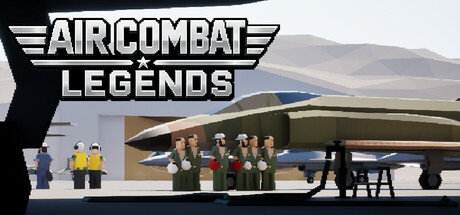
Some of the art in Planet Pilot was made with generative AI tools during development, then selected, edited and fitted into the game by the developer. This covers the store and key art, many 2D illustrations (mission briefing, Legends, ace, medal and loading pictures, hangar plane pictures, emblems and some painted ground textures), the picture thumbnails in the landmarks list, and the high-detail 3D models of more than 40 landmarks. The game's translations were made with AI tools and reviewed by the developer. In the trailers, the opening 30 seconds of the cinematic trailer and the trailer music and sound effects were made with AI tools. The world, aircraft, flight model and gameplay were built by the developer. Nothing in the game is generated by AI while you play.
Character voices, and some of the sound effects and music, were pre-generated with AI voice and audio tools and then edited and mixed by the developer. The dialogue, store text and Korean/English translations were written with the help of an AI assistant and reviewed by the developer. All ships, cockpit and environments are in-engine 3D models, and the store images and trailer are in-game captures. No AI content is generated while you play.
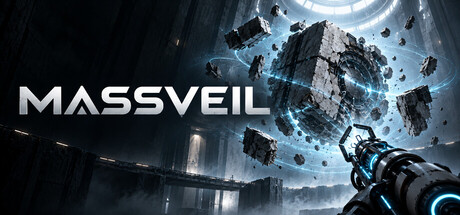
Generative AI tools are used during the development of MASSVEIL to assist with the creation and refinement of certain pre-generated materials, including selected visual elements, sound effects, voice lines, and text content.
All AI-assisted content is reviewed and, where necessary, edited by the developer before being included in the game.
Generative AI is not used to create new content during gameplay, and the game does not connect to third-party AI services while running.
Made with AI tools and reviewed and edited by the developer: the character portraits of pilots and controllers, the app icon and the medal artwork (image generation); some 3D props (image-to-3D, then edited); the radio voices, which are original designed voices (not imitating real people) synthesised with text-to-speech. The voices speak only the game's own radio phrases; players cannot make them say other text.
Some of the artwork in Wonder Glider (scenery, characters, icons and the title lettering) and some of its text and translations were created with the help of generative AI tools, then edited by us. The game does not generate any AI content while you play.
Some pre-generated assets were created with generative AI tools and then reviewed and edited by the developer: chapter illustrations and mission background images shown in the menus, some badge (achievement) artwork, four mission-category icons, and six short cockpit voice alerts (text-to-speech). Gameplay, terrain, aircraft models, flight physics, mission design, and all in-game text were authored by the developer. The game does not generate any content at runtime.
Generative AI tools were used to create the 3D models, images, voices, sound effects, music, dialogue and translations, and to help write the code. Every element was chosen, edited and put together by the developer. Nothing is generated by AI while you play.
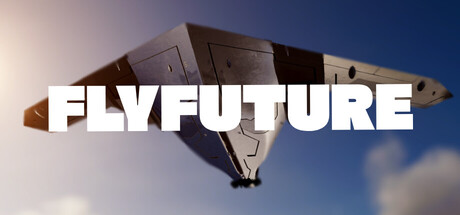
I’m developing FlyFuture as a solo developer and use AI tools to assist with troubleshooting, programming, design, and optimization. On top of this, there will be planes in the future that are commandable through OpenAi's Speech to command functions...similar to now and not so far future aerial combat usage of unmanned wingman jets.
I don’t agree with many of the ways AI is being used, and I understand why people have concerns about it. I believe AI should should be used as a tool and not to take over entire workloads, replace creative judgment, or become a shortcut for producing unoriginal work. Used thoughtfully, though, I think it can be a valuable tool...which is how I use it.
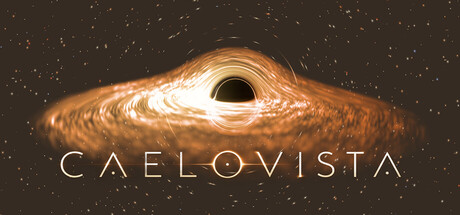
This product includes some visual assets and background music generated using AI during development. Some visual assets provide illustrative fills for missing celestial surface data or artistic representations and do not represent actual observations. No generative AI content is generated during gameplay.
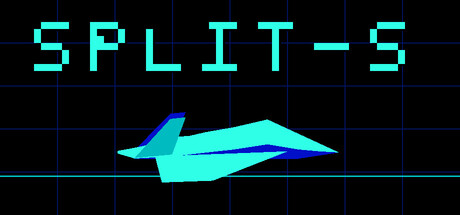
Some sprite artwork was created with generative AI tools during development. SPLIT-S does not generate AI content during gameplay or connect to external AI services.
Generative AI tools were used during development to create images and music. These are pre-generated assets included in the game and/or its store and promotional materials. The game does not generate AI content during gameplay or connect to external AI services while playing.
Generative AI tools assisted the creation of pre-generated visual assets, including artwork and textures used in the game, promotional art, and store descriptions and localization. These assets and texts are reviewed and integrated during development. The game does not generate AI content during gameplay or connect to an external AI service.
Generative AI was used during development to create background music and sound effects, and to assist with store text and translations. These assets are prepared before release. The game does not generate content or connect to AI services during gameplay.
Store page and marketing: the main capsule art was composed and rendered by the developer from in-game models, with generative AI used to repaint parts of the background (landscape, sky and lighting), then corrected by hand. Some promotional videos use an AI-generated voiceover.
Generative AI was used to create some art assets (the title screen background and the store capsule images). The game does not use AI to generate any content at runtime.
Generative AI was used during development to create 3D models, music, sound effects, and promotional artwork, and to assist with localization, store-page text, and the implementation of game logic and code. This content and code are prepared during development. The game does not generate content or code using AI or connect to external AI services during gameplay.
AI tools were used to help draft and edit some English text: store page copy and some in-game UI strings such as hints, item descriptions and dialogs. All text was reviewed and edited by the developer. All art, models, audio and music are human-made or licensed assets. The game does not generate any content with AI at runtime.
Generative AI tools were used to assist in the creation and refinement of some pre-rendered artwork and interface elements. AI-generated music is also used, and AI tools assisted with store-page text and localization. All AI-assisted content was selected, edited, and reviewed by the developer. The game does not generate AI content during gameplay.
Generative AI was used primarily to assist in the creation of some visual assets and images used in the game, including illustrations, UI artwork, and promotional materials. AI-generated images were manually reviewed, selected, edited, and adjusted by the developer before being integrated into the game.
The game does not use generative AI to create content in real time during gameplay.
Generative AI tools were used during development to assist with the creation of some pre-generated visual artwork. AI-assisted artwork is substantially edited, painted over, composited, and finalized by the developer before inclusion in the game. No generative AI is used to create content during gameplay.
The campaign's spoken dialogue is AI-generated speech. Over 650 lines were produced with ElevenLabs under a paid plan that licenses commercial use of the output. I wrote every line of that dialogue myself - the writing is mine, the performance is synthetic. I would prefer human voice actors and intend to replace these recordings when the project can afford it.
No AI-generated art ships in the game. Every ship, station and environment mesh is either licensed art or made by me. A set of AI-generated 3D models was removed from the project in July 2026.
The combat and zone music tracks are AI-generated songs I made with Suno on a paid plan that grants commercial-use rights to the output. The remaining music and all sound effects are licensed audio packs and my own work.
Some pre-generated artwork used in the game and on its Steam store page, including title, introduction, event illustration, and capsule artwork, was created using OpenAI image generation tools. One music track was generated using Google Gemini from a developer-written prompt. All generated assets were reviewed and selected by the developer before release. The game does not generate AI content during gameplay or connect to external AI services.
Generative AI tools were used in parts of the developer's workflow: some texture source images (such as water splash sprites and certain ground materials) originate from AI image tools, and the dragon character's base mesh was initially created with AI assistance. All of this content was then extensively hand-edited, sculpted, rigged and integrated by the developer. Some music tracks were generated with Suno (licensed under a paid subscription). The world itself, the environment models and the game's art direction are hand-made. The game does not generate any content at runtime.
Sunday Pilot contains no AI-generated art, music, voice or in-game text.
Every visual in the game is rendered in real time from geometry and materials authored by hand in code — there are no image assets. Every sound is synthesized by the game while you play, from a physical model of the engine; no audio files ship with the game. All car data and track layouts are hand-authored.
The store page capsule art and screenshots are rendered by the game itself, using the same renderer that draws the game — they are not concept art, not painted, and not AI-generated.
The game description and other store page text were written with the assistance of an AI writing assistant, and portions of the game's source code were written with the assistance of an AI coding assistant. All of it was reviewed and edited by the developer.
The game does not use generative AI at runtime. Nothing is generated while you play, there is no network connection of any kind, and the game is fully playable offline.
Pre-generated AI-assisted artwork is used for some store/marketing graphical assets. The game does not generate AI content at runtime. All assets are reviewed by the developer before release.
Astro Inc currently uses some AI-assisted assets during development. As we get more support, we plan to replace more of these with human-authored assets.
Generative AI was used during development to assist in creating some pre-generated game assets, such as sound effects and visual content. No AI-generated content is created during gameplay.
Some 2D sprites, sound effects, and music tracks were created with the assistance of generative AI tools during development and were manually reviewed and edited by the developer.
Vectorline uses on-device AI for its optional voice features. When you speak commands to aircraft, a local speech-recognition model transcribes your voice into ATC instructions. Pilot and controller radio readbacks are spoken aloud using a local neural text-to-speech model. Both models run entirely on your own machine — no audio, text, or data is ever sent to an external server, and no internet connection is required for these features. The spoken content is limited to standard air-traffic-control phraseology generated by the simulator itself.
You can disable these features in the settings without impacting gameplay.
Pre-generated AI content: TROPHY FLEET's visual assets and its synthetic character voice performances were produced using AI image and voice generation as a starting point during development. Every generated asset was then selected, chroma-keyed against a solid key background, retouched, resized and hand-aligned by the developer before shipping. Boss artwork is collision-aligned to gameplay: each visible weak point on a boss sprite corresponds to an actual targetable hitbox at that exact position. Source masters and shipped runtime assets are both retained in the project repository.
The soundtrack is not AI-generated. It consists of 39 CC0-licensed music tracks, curated per world and normalized to -16 LUFS, with full attribution shipped in the game's THIRD_PARTY_NOTICES file.
All game design, code, level authoring, enemy behaviour, boss mechanics and balance systems are the developer's own work.
The game generates no content while it is running. It sends no player data or prompts to any AI service or any other service, requires no network connection, and functions fully offline.
Some of the art in Planet Pilot was made with generative AI tools during development, then selected, edited and fitted into the game by the developer. This covers the store and key art, many 2D illustrations (mission briefing, Legends, ace, medal and loading pictures, hangar plane pictures, emblems and some painted ground textures), the picture thumbnails in the landmarks list, and the high-detail 3D models of more than 40 landmarks. The game's translations were made with AI tools and reviewed by the developer. In the trailers, the opening 30 seconds of the cinematic trailer and the trailer music and sound effects were made with AI tools. The world, aircraft, flight model and gameplay were built by the developer. Nothing in the game is generated by AI while you play.
Character voices, and some of the sound effects and music, were pre-generated with AI voice and audio tools and then edited and mixed by the developer. The dialogue, store text and Korean/English translations were written with the help of an AI assistant and reviewed by the developer. All ships, cockpit and environments are in-engine 3D models, and the store images and trailer are in-game captures. No AI content is generated while you play.
Generative AI tools are used during the development of MASSVEIL to assist with the creation and refinement of certain pre-generated materials, including selected visual elements, sound effects, voice lines, and text content.
All AI-assisted content is reviewed and, where necessary, edited by the developer before being included in the game.
Generative AI is not used to create new content during gameplay, and the game does not connect to third-party AI services while running.
Made with AI tools and reviewed and edited by the developer: the character portraits of pilots and controllers, the app icon and the medal artwork (image generation); some 3D props (image-to-3D, then edited); the radio voices, which are original designed voices (not imitating real people) synthesised with text-to-speech. The voices speak only the game's own radio phrases; players cannot make them say other text.
Some of the artwork in Wonder Glider (scenery, characters, icons and the title lettering) and some of its text and translations were created with the help of generative AI tools, then edited by us. The game does not generate any AI content while you play.
Some pre-generated assets were created with generative AI tools and then reviewed and edited by the developer: chapter illustrations and mission background images shown in the menus, some badge (achievement) artwork, four mission-category icons, and six short cockpit voice alerts (text-to-speech). Gameplay, terrain, aircraft models, flight physics, mission design, and all in-game text were authored by the developer. The game does not generate any content at runtime.
Generative AI tools were used to create the 3D models, images, voices, sound effects, music, dialogue and translations, and to help write the code. Every element was chosen, edited and put together by the developer. Nothing is generated by AI while you play.
I’m developing FlyFuture as a solo developer and use AI tools to assist with troubleshooting, programming, design, and optimization. On top of this, there will be planes in the future that are commandable through OpenAi's Speech to command functions...similar to now and not so far future aerial combat usage of unmanned wingman jets.
I don’t agree with many of the ways AI is being used, and I understand why people have concerns about it. I believe AI should should be used as a tool and not to take over entire workloads, replace creative judgment, or become a shortcut for producing unoriginal work. Used thoughtfully, though, I think it can be a valuable tool...which is how I use it.
This product includes some visual assets and background music generated using AI during development. Some visual assets provide illustrative fills for missing celestial surface data or artistic representations and do not represent actual observations. No generative AI content is generated during gameplay.
Some sprite artwork was created with generative AI tools during development. SPLIT-S does not generate AI content during gameplay or connect to external AI services.
Generative AI tools were used during development to create images and music. These are pre-generated assets included in the game and/or its store and promotional materials. The game does not generate AI content during gameplay or connect to external AI services while playing.
Generative AI tools assisted the creation of pre-generated visual assets, including artwork and textures used in the game, promotional art, and store descriptions and localization. These assets and texts are reviewed and integrated during development. The game does not generate AI content during gameplay or connect to an external AI service.
Generative AI was used during development to create background music and sound effects, and to assist with store text and translations. These assets are prepared before release. The game does not generate content or connect to AI services during gameplay.
Store page and marketing: the main capsule art was composed and rendered by the developer from in-game models, with generative AI used to repaint parts of the background (landscape, sky and lighting), then corrected by hand. Some promotional videos use an AI-generated voiceover.
Generative AI was used to create some art assets (the title screen background and the store capsule images). The game does not use AI to generate any content at runtime.
Generative AI was used during development to create 3D models, music, sound effects, and promotional artwork, and to assist with localization, store-page text, and the implementation of game logic and code. This content and code are prepared during development. The game does not generate content or code using AI or connect to external AI services during gameplay.
AI tools were used to help draft and edit some English text: store page copy and some in-game UI strings such as hints, item descriptions and dialogs. All text was reviewed and edited by the developer. All art, models, audio and music are human-made or licensed assets. The game does not generate any content with AI at runtime.
Generative AI tools were used to assist in the creation and refinement of some pre-rendered artwork and interface elements. AI-generated music is also used, and AI tools assisted with store-page text and localization. All AI-assisted content was selected, edited, and reviewed by the developer. The game does not generate AI content during gameplay.
Generative AI was used primarily to assist in the creation of some visual assets and images used in the game, including illustrations, UI artwork, and promotional materials. AI-generated images were manually reviewed, selected, edited, and adjusted by the developer before being integrated into the game.
The game does not use generative AI to create content in real time during gameplay.
Generative AI tools were used during development to assist with the creation of some pre-generated visual artwork. AI-assisted artwork is substantially edited, painted over, composited, and finalized by the developer before inclusion in the game. No generative AI is used to create content during gameplay.
The campaign's spoken dialogue is AI-generated speech. Over 650 lines were produced with ElevenLabs under a paid plan that licenses commercial use of the output. I wrote every line of that dialogue myself - the writing is mine, the performance is synthetic. I would prefer human voice actors and intend to replace these recordings when the project can afford it.
No AI-generated art ships in the game. Every ship, station and environment mesh is either licensed art or made by me. A set of AI-generated 3D models was removed from the project in July 2026.
The combat and zone music tracks are AI-generated songs I made with Suno on a paid plan that grants commercial-use rights to the output. The remaining music and all sound effects are licensed audio packs and my own work.
Some pre-generated artwork used in the game and on its Steam store page, including title, introduction, event illustration, and capsule artwork, was created using OpenAI image generation tools. One music track was generated using Google Gemini from a developer-written prompt. All generated assets were reviewed and selected by the developer before release. The game does not generate AI content during gameplay or connect to external AI services.
Generative AI tools were used in parts of the developer's workflow: some texture source images (such as water splash sprites and certain ground materials) originate from AI image tools, and the dragon character's base mesh was initially created with AI assistance. All of this content was then extensively hand-edited, sculpted, rigged and integrated by the developer. Some music tracks were generated with Suno (licensed under a paid subscription). The world itself, the environment models and the game's art direction are hand-made. The game does not generate any content at runtime.
Sunday Pilot contains no AI-generated art, music, voice or in-game text.
Every visual in the game is rendered in real time from geometry and materials authored by hand in code — there are no image assets. Every sound is synthesized by the game while you play, from a physical model of the engine; no audio files ship with the game. All car data and track layouts are hand-authored.
The store page capsule art and screenshots are rendered by the game itself, using the same renderer that draws the game — they are not concept art, not painted, and not AI-generated.
The game description and other store page text were written with the assistance of an AI writing assistant, and portions of the game's source code were written with the assistance of an AI coding assistant. All of it was reviewed and edited by the developer.
The game does not use generative AI at runtime. Nothing is generated while you play, there is no network connection of any kind, and the game is fully playable offline.
Pre-generated AI-assisted artwork is used for some store/marketing graphical assets. The game does not generate AI content at runtime. All assets are reviewed by the developer before release.
Astro Inc currently uses some AI-assisted assets during development. As we get more support, we plan to replace more of these with human-authored assets.
Generative AI was used during development to assist in creating some pre-generated game assets, such as sound effects and visual content. No AI-generated content is created during gameplay.
Some 2D sprites, sound effects, and music tracks were created with the assistance of generative AI tools during development and were manually reviewed and edited by the developer.
Vectorline uses on-device AI for its optional voice features. When you speak commands to aircraft, a local speech-recognition model transcribes your voice into ATC instructions. Pilot and controller radio readbacks are spoken aloud using a local neural text-to-speech model. Both models run entirely on your own machine — no audio, text, or data is ever sent to an external server, and no internet connection is required for these features. The spoken content is limited to standard air-traffic-control phraseology generated by the simulator itself.
You can disable these features in the settings without impacting gameplay.
Pre-generated AI content: TROPHY FLEET's visual assets and its synthetic character voice performances were produced using AI image and voice generation as a starting point during development. Every generated asset was then selected, chroma-keyed against a solid key background, retouched, resized and hand-aligned by the developer before shipping. Boss artwork is collision-aligned to gameplay: each visible weak point on a boss sprite corresponds to an actual targetable hitbox at that exact position. Source masters and shipped runtime assets are both retained in the project repository.
The soundtrack is not AI-generated. It consists of 39 CC0-licensed music tracks, curated per world and normalized to -16 LUFS, with full attribution shipped in the game's THIRD_PARTY_NOTICES file.
All game design, code, level authoring, enemy behaviour, boss mechanics and balance systems are the developer's own work.
The game generates no content while it is running. It sends no player data or prompts to any AI service or any other service, requires no network connection, and functions fully offline.