Public Steam disclosure research25,376 disclosures tracked
Where do games disclose AI use?
Search developers’ Steam disclosures, compare classified AI use across
games, and follow recorded changes.
This index adds cross-game classifications and statistics to
statements published on individual store pages.
Groups reflect automatic analysis of public disclosures; mature records are excluded. These counts do not measure AI use across all of Steam.
Missing or unclear statements cannot establish whether a game uses AI.
Luckforge was made with the help of generative AI tools, selected and directed by the developer. The title-screen and battle backdrops were generated from our own layout briefs and screenshots, then converted to the game's pixel grid and colour palette. The pixel sprites, in-game text, translations and store text were created with AI assistance. Some promotional materials use AI-generated art or music. Nothing is generated by AI while you play.
Some of the game's artwork (cards, bosses, mascot, icons) and music were initially created with generative AI tools, then reworked, edited and integrated by the developer. All code, game design, writing and balancing were made by the developer. No content is generated by AI while the game is running.
Generative AI was used during the development of this game. AI-assisted tools were used to create or assist with visual assets, UI elements, backgrounds, in-game text, localization, and portions of the game's code and development process. Music used in the game was not generated by AI.
All AI-assisted content was created during development. The game does not use generative AI to create content in real time during gameplay.
[Generative AI Disclosure]This game contains content created or assisted by generative AI, including:Images: [card illustrations, backgrounds, UI icons, marketing art, etc.]Text: [in-game text, descriptions, localization drafts, prompt text, etc.]Voice: [character voice, narration, voice-over prompts, etc.]These assets are pre-generated during development and have been reviewed, edited, and integrated by the development team. They are not generated in real time during gameplay.
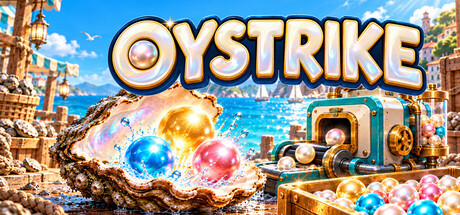
The game contains pre-generated AI-assisted artwork, including industrial workshop and interface art, jewels, visual effect assets, and static store artwork. No content is generated by AI during gameplay, and the game does not connect to external AI services.
Dealer's Choice was made by a solo developer working with AI assistance. AI tools helped write the game's code and in-game text, and the store artwork and achievement icons were rendered from 3D models built with AI assistance. All of this content was created during development and reviewed by the developer. Nothing in the game is generated by AI while you play.
Generative AI tools were used during development to create and refine some pre-generated content, including UI artwork and icons, selected 3D models and textures, music, character and dealer voice lines, and localized text. Tools used include OpenAI image generation and Codex, Meshy, Suno, and Alibaba Cloud Model Studio. All AI-assisted content was reviewed, curated, and edited before inclusion. The game does not generate AI content at runtime or connect to generative AI services during play.
Music, background, videos and images in this game, especially the artwork, were created using AI tools as a visual supplement.
This creative choice allowed me to focus more time and resources on what matters most, delivering longer, more engaging, and fun gameplay.
Generative AI was used during the development of the game to create and assist with visual assets, including illustrations, UI elements, icons, textures, and promotional artwork. These AI-generated assets were reviewed, selected, edited, and integrated into the game by the developer.
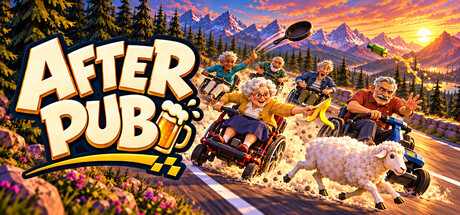
3D models: the AfterPub models (plushies, items, props) come from an AI 3D generator; the files are named like Tripo exports.
2D assets: mix between AI and an Actual Human Designer and Artist.
Commentator voice: produced by Piper, an AI text-to-speech engine, while the game runs.
Music: Pixabay tracks.
Generative AI was used to translate the game's text from Japanese into the other supported languages (English, Simplified Chinese, Traditional Chinese, Russian, German and French). The original Japanese text was written by a human.
Generative AI was used only for a few images shown briefly in the trailer (such as the wolf and the monkey in the suit). All in-game models and textures were hand-drawn by me.
The track announcer and color commentator voices, including the horse-name calls, use AI text-to-speech voices (ElevenLabs), pre-generated during development and built into the game - no AI voice generation happens while you play. All game design, race simulation, wagering math, career systems, UI, code, and the horse and track roster were built by the developer.
Card, character, background, UI and store art, as well as some in-game text and translations, were made with the help of generative AI. The game does not generate any content with AI while it runs.
AI tools assisted with a small number of icon images and most text localization. Localized text may be replaced in future updates with higher-quality, human-translated versions.
Generative AI was used during development to help create some visual assets and assist with development work. The resulting content was selected, edited, and integrated into the game by the developer.
The game's code, which procedurally generates all 3D models, textures, sound effects and music at runtime, was written with the help of an AI coding assistant, as were the store description, marketing images and trailer. No AI generation happens while the game is running.
Pre-generated content only; nothing is generated at runtime. Some sound effects, Some textures and images, The in-game dialogue and the Spanish/English texts were written with the help of an AI assistant and reviewed by the developer.
Some store and library capsule art was produced with image-generation tools
(SDXL and a chat assistant) using our own in-game screenshots as the input
image. The underlying game content -- models, textures, code, text -- is
authored by us without generative AI. All generated art was reviewed by us
before publication.
The developer uses generative AI during development for prototyping (placeholder models/assets), and some current store‑page marketing images are AI‑composed. No generative AI runs during gameplay.
Generative AI was used for pre-generated artwork, including character portraits, key art, cards, Jokers and decorative interface artwork, and assisted portions of game text and localization. Assets are selected and integrated during development. No AI content is generated during gameplay, and the game does not connect to external AI services.
The game uses generative AI to create some of the 2D pixel-art sprites and character animations. All such content is manually reviewed and edited before being included in the game.
We used AI to generate initial music tracks, concept art, and temporary translations into some languages.
All materials were then thoroughly edited, reworked, and finalized by humans.
Nothing went straight from the generator into the game.
SOFT 17's visuals and audio are generated procedurally from code: the dealers, the
cards, the table and every sound are drawn and synthesized while you play, rather than
imported as files.
Generative AI contributed to some of the content that ships with the game: eight
interface icons in the main menu, the artwork used on this store page, and part of the
in-game text and its English translation. All of it was produced from written briefs,
then reviewed, edited and assembled by hand.
During development we use AI-based tools to assist with content creation, including modelling, voice lines, music and translations. All of it is reviewed by the team to ensure the final product stays true to our own vision.
Stick Life is designed and directed by a solo developer. Some of the game's code, its in-game writing, the artwork the game draws, the achievement icons and parts of this store page were made with the help of generative AI tools, then played, reviewed and edited by the developer. Nothing is generated by AI while you play.
All visual artwork used in the game was created directly by the developer.
Generative AI tools were used as part of the production process for certain audio assets and for translation/localization assistance. AI-generated or AI-assisted outputs were reviewed and edited by the developer before being included in the final game.
Artificial intelligence was used as a productivity tool during the development phase to program the mathematical balance, optimize the interface code, and structure the underlying data tables. The entire final gameplay, design, and logic were controlled by humans. The game does not contain any live AI content generated during gameplay.
The background music in this game was pre-generated with a generative AI tool. No AI-generated content is used for visuals, characters, environments, icons, store artwork, or text, and the game does not generate content at runtime or connect to external AI services.
AI was generally used in collaboration with human editing throughout most of the game. All released content was selected, edited and integrated by the developer. No content is generated during gameplay.
Break Even was built with an AI coding assistant working under the developer's direction and review. That includes the game's code and, with it, the pixel maps its sprites are drawn from, its synthesized sound, its dialogue and ending text, the scripts that draw the store images, and drafts of this store page. The game ships no image or audio files of its own — every picture is drawn and every sound synthesized by its own code while you play — and the one bundled file is an open-licence pixel font. No AI runs during play, and the game contacts no AI service.
This game uses AI-generated content for some background music, sound effects, and artwork/visual assets. All other content, including game design and code, was created by the developer.
Luckforge was made with the help of generative AI tools, selected and directed by the developer. The title-screen and battle backdrops were generated from our own layout briefs and screenshots, then converted to the game's pixel grid and colour palette. The pixel sprites, in-game text, translations and store text were created with AI assistance. Some promotional materials use AI-generated art or music. Nothing is generated by AI while you play.
Some of the game's artwork (cards, bosses, mascot, icons) and music were initially created with generative AI tools, then reworked, edited and integrated by the developer. All code, game design, writing and balancing were made by the developer. No content is generated by AI while the game is running.
Generative AI was used during the development of this game. AI-assisted tools were used to create or assist with visual assets, UI elements, backgrounds, in-game text, localization, and portions of the game's code and development process. Music used in the game was not generated by AI.
All AI-assisted content was created during development. The game does not use generative AI to create content in real time during gameplay.
[Generative AI Disclosure]This game contains content created or assisted by generative AI, including:Images: [card illustrations, backgrounds, UI icons, marketing art, etc.]Text: [in-game text, descriptions, localization drafts, prompt text, etc.]Voice: [character voice, narration, voice-over prompts, etc.]These assets are pre-generated during development and have been reviewed, edited, and integrated by the development team. They are not generated in real time during gameplay.
The game contains pre-generated AI-assisted artwork, including industrial workshop and interface art, jewels, visual effect assets, and static store artwork. No content is generated by AI during gameplay, and the game does not connect to external AI services.
Dealer's Choice was made by a solo developer working with AI assistance. AI tools helped write the game's code and in-game text, and the store artwork and achievement icons were rendered from 3D models built with AI assistance. All of this content was created during development and reviewed by the developer. Nothing in the game is generated by AI while you play.
Generative AI tools were used during development to create and refine some pre-generated content, including UI artwork and icons, selected 3D models and textures, music, character and dealer voice lines, and localized text. Tools used include OpenAI image generation and Codex, Meshy, Suno, and Alibaba Cloud Model Studio. All AI-assisted content was reviewed, curated, and edited before inclusion. The game does not generate AI content at runtime or connect to generative AI services during play.
Music, background, videos and images in this game, especially the artwork, were created using AI tools as a visual supplement.
This creative choice allowed me to focus more time and resources on what matters most, delivering longer, more engaging, and fun gameplay.
Generative AI was used during the development of the game to create and assist with visual assets, including illustrations, UI elements, icons, textures, and promotional artwork. These AI-generated assets were reviewed, selected, edited, and integrated into the game by the developer.
3D models: the AfterPub models (plushies, items, props) come from an AI 3D generator; the files are named like Tripo exports.
2D assets: mix between AI and an Actual Human Designer and Artist.
Commentator voice: produced by Piper, an AI text-to-speech engine, while the game runs.
Music: Pixabay tracks.
Generative AI was used to translate the game's text from Japanese into the other supported languages (English, Simplified Chinese, Traditional Chinese, Russian, German and French). The original Japanese text was written by a human.
Generative AI was used only for a few images shown briefly in the trailer (such as the wolf and the monkey in the suit). All in-game models and textures were hand-drawn by me.
The track announcer and color commentator voices, including the horse-name calls, use AI text-to-speech voices (ElevenLabs), pre-generated during development and built into the game - no AI voice generation happens while you play. All game design, race simulation, wagering math, career systems, UI, code, and the horse and track roster were built by the developer.
Card, character, background, UI and store art, as well as some in-game text and translations, were made with the help of generative AI. The game does not generate any content with AI while it runs.
AI tools assisted with a small number of icon images and most text localization. Localized text may be replaced in future updates with higher-quality, human-translated versions.
Generative AI was used during development to help create some visual assets and assist with development work. The resulting content was selected, edited, and integrated into the game by the developer.
The game's code, which procedurally generates all 3D models, textures, sound effects and music at runtime, was written with the help of an AI coding assistant, as were the store description, marketing images and trailer. No AI generation happens while the game is running.
Pre-generated content only; nothing is generated at runtime. Some sound effects, Some textures and images, The in-game dialogue and the Spanish/English texts were written with the help of an AI assistant and reviewed by the developer.
Some store and library capsule art was produced with image-generation tools
(SDXL and a chat assistant) using our own in-game screenshots as the input
image. The underlying game content -- models, textures, code, text -- is
authored by us without generative AI. All generated art was reviewed by us
before publication.
The developer uses generative AI during development for prototyping (placeholder models/assets), and some current store‑page marketing images are AI‑composed. No generative AI runs during gameplay.
Generative AI was used for pre-generated artwork, including character portraits, key art, cards, Jokers and decorative interface artwork, and assisted portions of game text and localization. Assets are selected and integrated during development. No AI content is generated during gameplay, and the game does not connect to external AI services.
The game uses generative AI to create some of the 2D pixel-art sprites and character animations. All such content is manually reviewed and edited before being included in the game.
We used AI to generate initial music tracks, concept art, and temporary translations into some languages.
All materials were then thoroughly edited, reworked, and finalized by humans.
Nothing went straight from the generator into the game.
SOFT 17's visuals and audio are generated procedurally from code: the dealers, the
cards, the table and every sound are drawn and synthesized while you play, rather than
imported as files.
Generative AI contributed to some of the content that ships with the game: eight
interface icons in the main menu, the artwork used on this store page, and part of the
in-game text and its English translation. All of it was produced from written briefs,
then reviewed, edited and assembled by hand.
During development we use AI-based tools to assist with content creation, including modelling, voice lines, music and translations. All of it is reviewed by the team to ensure the final product stays true to our own vision.
Stick Life is designed and directed by a solo developer. Some of the game's code, its in-game writing, the artwork the game draws, the achievement icons and parts of this store page were made with the help of generative AI tools, then played, reviewed and edited by the developer. Nothing is generated by AI while you play.
All visual artwork used in the game was created directly by the developer.
Generative AI tools were used as part of the production process for certain audio assets and for translation/localization assistance. AI-generated or AI-assisted outputs were reviewed and edited by the developer before being included in the final game.
Artificial intelligence was used as a productivity tool during the development phase to program the mathematical balance, optimize the interface code, and structure the underlying data tables. The entire final gameplay, design, and logic were controlled by humans. The game does not contain any live AI content generated during gameplay.
The background music in this game was pre-generated with a generative AI tool. No AI-generated content is used for visuals, characters, environments, icons, store artwork, or text, and the game does not generate content at runtime or connect to external AI services.
AI was generally used in collaboration with human editing throughout most of the game. All released content was selected, edited and integrated by the developer. No content is generated during gameplay.
Break Even was built with an AI coding assistant working under the developer's direction and review. That includes the game's code and, with it, the pixel maps its sprites are drawn from, its synthesized sound, its dialogue and ending text, the scripts that draw the store images, and drafts of this store page. The game ships no image or audio files of its own — every picture is drawn and every sound synthesized by its own code while you play — and the one bundled file is an open-licence pixel font. No AI runs during play, and the game contacts no AI service.
This game uses AI-generated content for some background music, sound effects, and artwork/visual assets. All other content, including game design and code, was created by the developer.