








Disclosure
AI used for graphics, translations, and sounds.
- Creator
- Kemonocept
- Reviews
- -
- Added
- Oct 12, 2026
Public Steam disclosure research 25,376 disclosures tracked
Search developers’ Steam disclosures, compare classified AI use across games, and follow recorded changes. This index adds cross-game classifications and statistics to statements published on individual store pages.
Code help, debugging and other development work.
Capsule art, trailers and promotional material.
Pre-made art, audio, writing and other game assets.
Interactive or runtime AI features disclosed by the developer.
Groups reflect automatic analysis of public disclosures; mature records are excluded. These counts do not measure AI use across all of Steam. Missing or unclear statements cannot establish whether a game uses AI.
AI used for graphics, translations, and sounds.
This game uses generative AI in the creation of some visual elements, including character illustrations and backgrounds; all results were reviewed and retouched by hand. Voice audio is based on dubbing and recordings by real people, which were then converted or refined using generative AI.
Generative AI tools were used during development to create some 3D models and textures, including buildings, vegetation, rocks and animals, as well as some menu backgrounds, interface artwork and store artwork. These assets were selected, edited, optimized and integrated during development. The game does not generate AI content during play or connect to an external AI service.
Pissant is built with AI-assisted code. The developer directs and edits everything; an AI assistant helps write the game's code, its in-game text, the music scores and the store and marketing text. No AI image, video or voice generator made anything in the game: every visual is drawn by the game's own procedural code, and every sound and note of music comes from its own synthesis engine. No generative AI runs during gameplay, and the game does not connect to any AI service.
Generative AI was used during the visual development of Sons of Infinite Dawn to create and refine selected 2D artwork, textures and other visual assets used in the game and its store presentation. The resulting assets are reviewed and adjusted before use. No AI content is generated during gameplay, and the game does not connect to external AI services.
Character, enemy, and terrain sprites and the key art were produced with AI image tools from our own concept art and style references, then selected, corrected, and composited by hand. All game rules, code, writing, board layout, and interface art are made by the developer without generative AI at runtime. The game does not generate content with AI while you play.
Pre-generated AI was used to create some promotional artwork for the Steam store page. All such assets are reviewed and selected by the developer before publication. The game does not use live-generated AI content during gameplay.
Character art, UI graphics and icons were created with generative AI image tools, then selected and edited by the developer. Some in-game text, translations and store page text were drafted with AI assistance and reviewed by the developer. Nothing is generated by AI while you play.
Some music, sound effects, artwork and translations were made with AI tools and edited by hand. The map, units and interface you see in play are drawn by the game's own code. No generative AI is used at runtime.
Clade is made by a small independent developer. During development, AI tools were used to help write some of the game's code, and to create some placeholder 3D models and text. All placeholder art is being replaced with handmade work, and this note will be updated as that happens. The game does not generate any content with AI while you play. The computer controlled empires are traditional game AI written for Clade, not generative AI.
Some icons and images in the game were created using generative AI. All AI-generated content is reviewed, edited, and curated by the developer. No live generative AI is used during gameplay.
Fliprium contains visual artwork, music, and sound effects created with the assistance of generative AI tools. OpenAI image-generation tools were used for some visual assets, Suno for some music, and ElevenLabs for some sound effects. These assets were selected, edited, and integrated into the game by the developer during production
Three non-playable characters, the Celestial narrator and the antagonists Vexaroth and Valdris, are voiced with AI-generated voices. All playable characters are voiced by human actors. A small number of sound effects were also created with AI tools. No content is generated by AI while you play.
AI is used to assist with programming, graphics creation and translations.
The store page and the hero portraits in the game use AI-generated content.
LUMENKEEP was built by a solo developer working with AI development tools. AI assisted in generating the game's code, procedural geometry, shaders, and audio during development, under direct human direction and review; there is no hand-drawn art, hand-animation, or human-recorded audio in the game. LUMENKEEP does not use AI to generate content live during gameplay, and does not connect to any third-party AI service while you play.
Most of the game's code and the Steam page artwork were made with the help of AI. The farm animal 3D models were made in Blender with the help of AI tools (Astra and Claude). The game does not generate any AI content while you play.
This game includes content created with the assistance of generative AI tools. Some character and UI artwork was produced using AI image generation (ChatGPT) and then edited by the developer, and the background music was generated using Suno. All AI-assisted assets were reviewed by the developer to ensure they do not infringe the intellectual property of third parties. No AI is used at runtime—all generation occurred during development (pre-generated).
As with most VTT systems, users are welcome to import assets made anywhere. Phroller makes it easier than ever. You can just drag the image or model files into the VTT directly from your browser or file system! I want to encourage supporting real artists where we can though. As such I do my best to collaborate with real creatives on the vast Phroller libraries. Each one of the assets in the library has a field showing the artist behind it. If you like their work, please consider checking them out. Many of them are open for commissions as well! However, I cannot guarantee that assets or part of those assets were created with no AI use at all. A large amount of the assets are made before 2022 though, so we should be safe there. While I do my best to make Phroller as user friendly as possible, it does still require a ton of instructions and manuals. Frontier models are used to keep some of the text up to date across rapid early access development. Sorry if it sounds robotic!
The game's user-interface text was written in English and Thai by the developer. The other 12 language files (interface and subtitles) were machine-translated with an AI language model, then reviewed and corrected by the developer. No artwork, music, sound, characters, game rules, or store assets were generated by AI. The game does not generate any content with AI at runtime and does not connect to any AI service.
Bloodlines & Banners is designed, architected, and coded by one person. Generative AI is used as a production tool for volume, with portraits, illustration, music, cinematics, voice, and a share of the in-game prose, at a scale a solo developer could not otherwise afford or commission. It is not used to make creative decisions. The art direction is a single locked style anchor authored by hand and enforced across every asset. The game design, the systems architecture, the historical research, the balance, and every line of the server and client are human work. In-game text is a mixed case, and we set that out plainly rather than round it up to “human-written”. We are stating this up front, unprompted, because we would rather a partner evaluate the game knowing exactly what it is than discover it later.
Pre-generated AI was used to assist in creating the game's logo, some 2D UI elements (HUD icons), and the background music for the promotional teaser (using Soundraw). The game's code, 3D assets, core mechanics, and level design are developed without generative AI.
Generative AI was used during development to help create some visual assets included in the game, including artwork and models, and to assist with translation of in-game text. Generative AI was also used to create promotional artwork and help write the descriptions on this Steam store page. These materials and translations are prepared in advance. The game does not use AI to generate content or code during gameplay and does not connect to external AI services.
The game was 100% designed and tested by me and my kids. I did use AI tools to help create the logo, some of the 3d objects in the game (portion of the buildings) and the voice narration in the trailer.
This game includes AI-generated content created during development. Character portraits, illustrations and store artwork were generated with an image model and curated by the developer. Background music was generated with Google Lyria and contains SynthID watermarking. Translations were produced with AI assistance. No AI content is generated while you play.
Programming with AI. For the art assets, the demo currently uses AI-generated art assets, which will be gradually replaced with artwork created by professional artists before the game’s release.
Some art assets in this game — including scene backgrounds, character portraits, promotional images, and music — were created with the assistance of generative AI tools during development, and were manually selected, retouched, and integrated by the developer.
very limited amount of ui elements was generated by ai
Experimental translation beta branch includes generative large language model assisted translations.
Generative AI tools were used during development to assist in creating some visual assets, music, sound effects, and voice-over content. All AI-generated content was created and reviewed prior to its inclusion in the game. The game does not generate AI content during gameplay.
Artificial Intelligence was used to assist for the art, music, and development as this was built by a single person working a full time job. Your support is appreciated and we understand if this does not align with your values.
Hexcavate uses AI-assisted tools in parts of its development: some UI icons and Images were made with AI image generation. All of it was reviewed and edited by the developer. 2D art, level design, game design and codes are human made or licensed. No content is generated by AI while the game runs.
Modern generative AI tools have been used alongside traditional development tools to assist with creating and modifying some visual and audio assets. This includes tasks such as retexturing assets to improve historical accuracy.
Spritesheets, translations, most of the music, and a handful of images are currently AI-generated. I hope to replace them all with human-made by the 1.0 release.
Some marketing artwork for the store page (the capsule's sky, city backdrop, rain and lettering layers) was produced with generative image tools (OpenAI image generation, Google Gemini) and then composited and edited by hand. A few placeholder textures currently in the build (the city seen through the office window and its signs, and the sample sheets in the customization menu) were AI-generated and are scheduled to be replaced with licensed or hand-made art before release. AI coding and writing assistants were used during development for parts of the source code, documentation and drafts of store text; all game rules, design decisions and final art direction are the developer's own. The game does not generate content with AI at runtime.
Parts of this game's art, music and translations were created with AI tools during development and edited by hand. They ship as fixed assets — nothing is generated by AI while you play.
The area background artwork in this game is based on images created with a generative AI tool. This covers 96 images across six themes; the generated images were reviewed, selected, and processed into the game's format during development. Some title logos were produced the same way and then post-processed. All other assets — cell graphics, clouds, sound effects, background music, planet textures, and the app icon — are generated procedurally in code and do not use AI. No AI runs while the game is playing.
Pre-generated generative AI was used during development to create and refine some character illustrations, 3D character models, and selected visual or marketing assets. All generated material was reviewed and edited by the developer before inclusion. The game does not generate AI content during play.
Our App employs AI-powered image generation tools to aid in the production of visual assets and background artwork for marketing materials, including store page screenshots and preview assets, as well as for full-screen in-game interfaces such as the home screen and event pages.
As an individual developer, during development of this game, AI tools were heavily used. I disclose this honestly and transparently. 1. In-Game Assets Illustrations & Art: Unit portraits and the opening cinematic illustrations were generated using AI image models, then manually curated, retouched, and unified in style. All assets were human-reviewed under strict art direction to ensure historical tone and consistency. Opening Cinematic: Subtle motion effects on the illustrations were produced with an AI image-to-video model and assembled by using the Remotion pipeline. Background Music: The soundtrack was generated by an AI music model in multiple takes, then human-selected, mixed, and mastered. Telegram Voice-overs: The historical telegram voice-overs in-game were synthesized by an AI TTS system. Each character's reference voice was human-approved through listening tests before use. 2. Development Assistance Code: Game code was written and debugged with the aid of AI coding assistants. All code was human-reviewed and validated through automated testing. Localization: The game supports Simplified Chinese, Traditional Chinese, and English. The English text was AI-drafted and human-proofread. 3. What Is NOT AI-Generated Historical Text: The telegrams in-game are taken from historical archives, 34 are verbatim transcriptions of the original documents, and 12 were written based on the sources. They were not AI-generated. Terrain & Map: The battlefield map was procedurally rendered from real elevation data (SRTM), not generated by AI. Game Balance & Statistics: Troop strength, Unit Introduction, and values were researched and set manually from historical sources, cross-checked for accuracy and play balance.
Some of this game's assets were created with the assistance of generative AI tools and were then reviewed, edited, and integrated by the developer. This includes: base meshes of some 3D character models, some 2D artwork such as card illustrations and icons, voice lines and sound effects created with AI voice/audio generation, and parts of the localized text. All such content was pre-generated during development — the game does not generate any content with AI at runtime.
Some artwork in this game, including background images, was made with the help of generative AI tools.
As part of our early access work, we have used AI-generated images as placeholders for the illustrations on our cards and leader icons. This allows us to iterate quickly and see which game mechanics players like or dislike. We will replace these with human art once we've received enough feedback to finalize what we keep or discard.
Localization into some supported languages was created with a mix of Community members and machine generation and reviewed by the developer. The developer is actively seeking to replace any machine-generated localization over time.
Generative AI tools were used to assist in the creation and refinement of some visual assets, including illustrations, user interface elements, and marketing materials.
Ai has been used to generate the Steam Store Page and the needed assets.
We used Kimi 3 to generate the code, vector game assets, skeletal animations and code-synthesized sound effects for this game. Music was generated via Suno, while the game design documents, gameplay mechanics and numerical balancing are strictly controlled by human designers.
The game uses generative artificial intelligence on informative text messages and coding assistance. The game rules and campaign maps are crafted by a human,.
AI translated languages
Generative AI tools were used during development to assist in the creation of certain game assets. For visual assets such as units and characters, the developer first created original line art manually, then used AI-assisted coloring as part of the workflow, followed by additional manual editing and refinement. For music, AI was used to generate an initial melodic idea, which was then manually edited, arranged, and refined by the developer in LMMS. All AI-assisted content is pre-generated and reviewed by the developer before being included in the game. The game does not use live-generated AI during gameplay.
| Title⇅ | Disclosure | Creator⇅ | Src | Reviews⇅ | Added↓ |
|---|---|---|---|---|---|
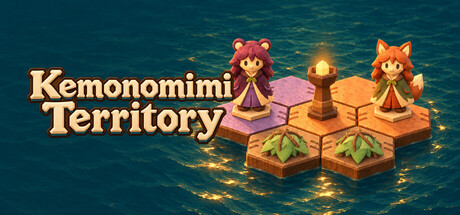 Kemonomimi Territory In-game content arttextaudio | AI used for graphics, translations, and sounds. | Kemonocept | - | Oct 12, 2026 | |
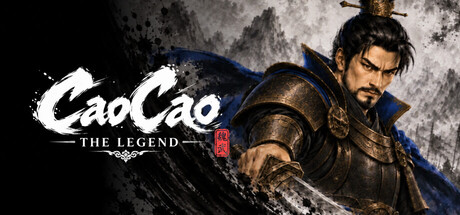 Cao Cao the Legend In-game content artaudio | This game uses generative AI in the creation of some visual elements, including character illustrations and backgrounds; all results were reviewed and retouched by hand. Voice audio is based on dubbing and recordings by real people, which were then converted or refined using generative AI. | MaengLab | - | Oct 12, 2026 | |
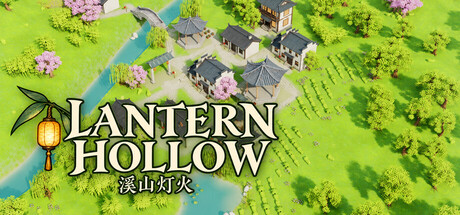 溪山灯火 In-game content art | Generative AI tools were used during development to create some 3D models and textures, including buildings, vegetation, rocks and animals, as well as some menu backgrounds, interface artwork and store artwork. These assets were selected, edited, optimized and integrated during development. The game does not generate AI content during play or connect to an external AI service. | PS GAMING | - | Oct 12, 2026 | |
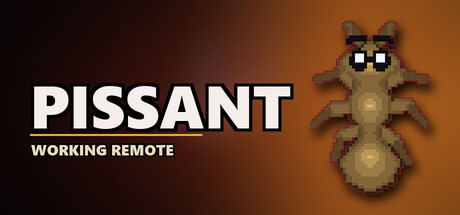 Pissant In-game content textaudiocode | Pissant is built with AI-assisted code. The developer directs and edits everything; an AI assistant helps write the game's code, its in-game text, the music scores and the store and marketing text. No AI image, video or voice generator made anything in the game: every visual is drawn by the game's own procedural code, and every sound and note of music comes from its own synthesis engine. No generative AI runs during gameplay, and the game does not connect to any AI service. | ClaudetoCEO | - | Oct 12, 2026 | |
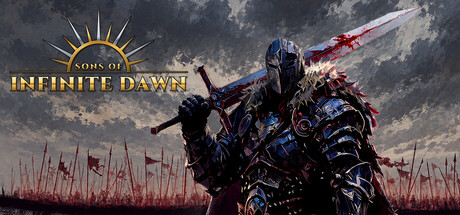 Sons of Infinite Dawn In-game content art | Generative AI was used during the visual development of Sons of Infinite Dawn to create and refine selected 2D artwork, textures and other visual assets used in the game and its store presentation. The resulting assets are reviewed and adjusted before use. No AI content is generated during gameplay, and the game does not connect to external AI services. | MDC Gaming | - | Oct 10, 2026 | |
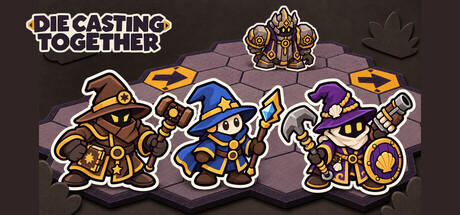 Die Casting Together In-game content art | Character, enemy, and terrain sprites and the key art were produced with AI image tools from our own concept art and style references, then selected, corrected, and composited by hand. All game rules, code, writing, board layout, and interface art are made by the developer without generative AI at runtime. The game does not generate content with AI while you play. | KANTH Games | - | Oct 10, 2026 | |
 Just bury! Store/marketing art | Pre-generated AI was used to create some promotional artwork for the Steam store page. All such assets are reviewed and selected by the developer before publication. The game does not use live-generated AI content during gameplay. | Chamchi Gimbap Games | - | Oct 10, 2026 | |
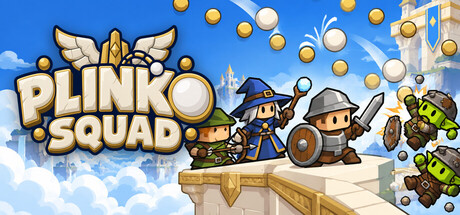 Plinko Squad In-game content arttext | Character art, UI graphics and icons were created with generative AI image tools, then selected and edited by the developer. Some in-game text, translations and store page text were drafted with AI assistance and reviewed by the developer. Nothing is generated by AI while you play. | Natural Nomad | - | Oct 10, 2026 | |
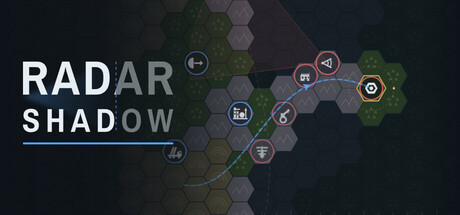 Radar Shadow In-game content artaudiotext | Some music, sound effects, artwork and translations were made with AI tools and edited by hand. The map, units and interface you see in play are drawn by the game's own code. No generative AI is used at runtime. | ZMEJ | - | Oct 9, 2026 | |
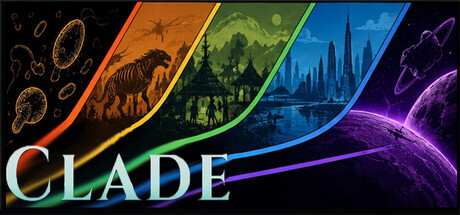 Clade Dev only codearttext | Clade is made by a small independent developer. During development, AI tools were used to help write some of the game's code, and to create some placeholder 3D models and text. All placeholder art is being replaced with handmade work, and this note will be updated as that happens. The game does not generate any content with AI while you play. The computer controlled empires are traditional game AI written for Clade, not generative AI. | Hyena Striata | - | Oct 9, 2026 | |
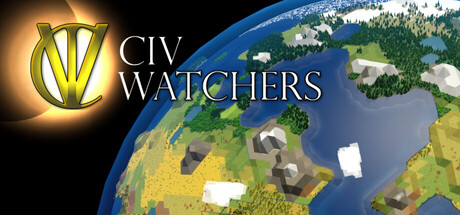 CIV Watchers In-game content art | Some icons and images in the game were created using generative AI. All AI-generated content is reviewed, edited, and curated by the developer. No live generative AI is used during gameplay. | Done by One Games | - | Oct 9, 2026 | |
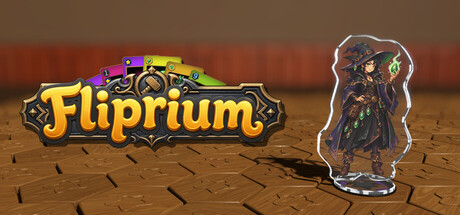 Fliprium In-game content artaudio | Fliprium contains visual artwork, music, and sound effects created with the assistance of generative AI tools. OpenAI image-generation tools were used for some visual assets, Suno for some music, and ElevenLabs for some sound effects. These assets were selected, edited, and integrated into the game by the developer during production | Longbow Link | - | Oct 9, 2026 | |
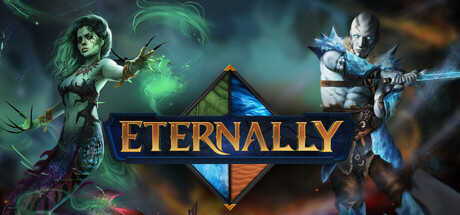 Eternally In-game content audio | Three non-playable characters, the Celestial narrator and the antagonists Vexaroth and Valdris, are voiced with AI-generated voices. All playable characters are voiced by human actors. A small number of sound effects were also created with AI tools. No content is generated by AI while you play. | Astral Kranium Ltd | - | Oct 7, 2026 | |
 Bonaparte 1789 AD Unclear artcodetext | AI is used to assist with programming, graphics creation and translations. | netmin games GmbH | - | Oct 4, 2026 | |
 守城录:六阵 — 三国卡牌构筑塔防 In-game content art | The store page and the hero portraits in the game use AI-generated content. | Meowridian Studio | - | Oct 4, 2026 | |
 LUMENKEEP In-game content artaudiocode | LUMENKEEP was built by a solo developer working with AI development tools. AI assisted in generating the game's code, procedural geometry, shaders, and audio during development, under direct human direction and review; there is no hand-drawn art, hand-animation, or human-recorded audio in the game. LUMENKEEP does not use AI to generate content live during gameplay, and does not connect to any third-party AI service while you play. | Milivoje Simonovic | - | Oct 3, 2026 | |
 Bones will Fly: Tower Defense In-game content artcode | Most of the game's code and the Steam page artwork were made with the help of AI. The farm animal 3D models were made in Blender with the help of AI tools (Astra and Claude). The game does not generate any AI content while you play. | Nonna's Oven Games | - | Oct 2, 2026 | |
 Kingdom Chronicle: Ancient Saga In-game content artaudio | This game includes content created with the assistance of generative AI tools. Some character and UI artwork was produced using AI image generation (ChatGPT) and then edited by the developer, and the background music was generated using Suno. All AI-assisted assets were reviewed by the developer to ensure they do not infringe the intellectual property of third parties. No AI is used at runtime—all generation occurred during development (pre-generated). | スタジオ白猫斎 / Studio Hakubyousai | - | Oct 1, 2026 | |
 Phroller Dev only text | As with most VTT systems, users are welcome to import assets made anywhere. Phroller makes it easier than ever. You can just drag the image or model files into the VTT directly from your browser or file system!
I want to encourage supporting real artists where we can though. As such I do my best to collaborate with real creatives on the vast Phroller libraries. Each one of the assets in the library has a field showing the artist behind it. If you like their work, please consider checking them out. Many of them are open for commissions as well! However, I cannot guarantee that assets or part of those assets were created with no AI use at all. A large amount of the assets are made before 2022 though, so we should be safe there.
While I do my best to make Phroller as user friendly as possible, it does still require a ton of instructions and manuals. Frontier models are used to keep some of the text up to date across rapid early access development. Sorry if it sounds robotic! | Phroller.com | - | Sep 28, 2026 | |
 Scope Creep In-game content text | The game's user-interface text was written in English and Thai by the developer. The other 12 language files (interface and subtitles) were machine-translated with an AI language model, then reviewed and corrected by the developer. No artwork, music, sound, characters, game rules, or store assets were generated by AI. The game does not generate any content with AI at runtime and does not connect to any AI service. | NAMEMYZ | - | Sep 27, 2026 | |
 Bloodlines & Banners In-game content artaudiotext | Bloodlines & Banners is designed, architected, and coded by one person. Generative AI is used as a production tool for volume, with portraits, illustration, music, cinematics, voice, and a share of the in-game prose, at a scale a solo developer could not otherwise afford or commission. It is not used to make creative decisions. The art direction is a single locked style anchor authored by hand and enforced across every asset. The game design, the systems architecture, the historical research, the balance, and every line of the server and client are human work. In-game text is a mixed case, and we set that out plainly rather than round it up to “human-written”. We are stating this up front, unprompted, because we would rather a partner evaluate the game knowing exactly what it is than discover it later. | Synprax Labs | - | Sep 27, 2026 | |
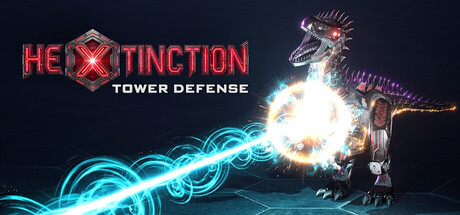 Hextinction: Tower Defense In-game content artaudio | Pre-generated AI was used to assist in creating the game's logo, some 2D UI elements (HUD icons), and the background music for the promotional teaser (using Soundraw). The game's code, 3D assets, core mechanics, and level design are developed without generative AI. | A2L Games | - | Sep 26, 2026 | |
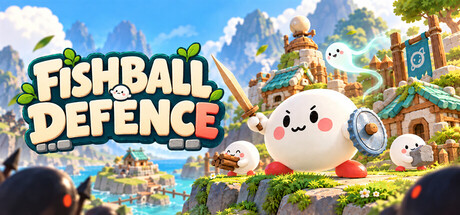 Fishball Defence In-game content arttext | Generative AI was used during development to help create some visual assets included in the game, including artwork and models, and to assist with translation of in-game text. Generative AI was also used to create promotional artwork and help write the descriptions on this Steam store page. These materials and translations are prepared in advance. The game does not use AI to generate content or code during gameplay and does not connect to external AI services. | BitForest | - | Sep 25, 2026 | |
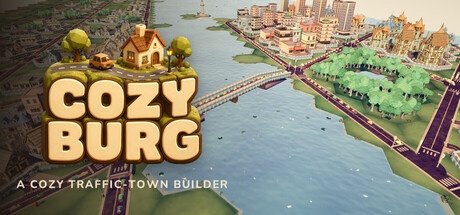 Cozy Burg In-game content artaudio | The game was 100% designed and tested by me and my kids. I did use AI tools to help create the logo, some of the 3d objects in the game (portion of the buildings) and the voice narration in the trailer. | Noise Harbor | - | Sep 25, 2026 | |
 Samhan: Where Korea Began In-game content artaudiotext | This game includes AI-generated content created during development.
Character portraits, illustrations and store artwork were generated with an image model and curated by the developer. Background music was generated with Google Lyria and contains SynthID watermarking.
Translations were produced with AI assistance. No AI content is generated while you play. | CODEMAPO | - | Sep 24, 2026 | |
 Green Again! In-game content art | Programming with AI.
For the art assets, the demo currently uses AI-generated art assets, which will be gradually replaced with artwork created by professional artists before the game’s release. | RingoCat | - | Sep 24, 2026 | |
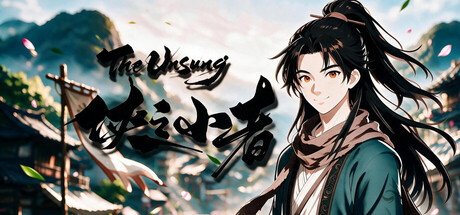 侠之小者 In-game content artaudio | Some art assets in this game — including scene backgrounds, character portraits, promotional images, and music — were created with the assistance of generative AI tools during development, and were manually selected, retouched, and integrated by the developer. | Weiming Studio | - | Sep 24, 2026 | |
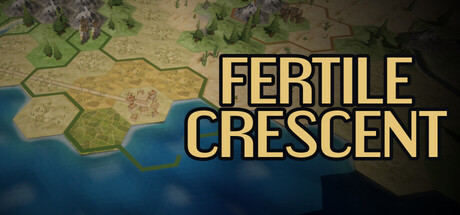 Fertile Crescent | very limited amount of ui elements was generated by ai | gold_iron_and_salt | - | Sep 24, 2026 | |
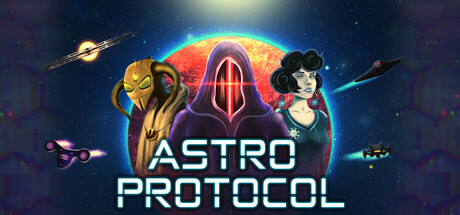 Astro Protocol In-game content text | Experimental translation beta branch includes generative large language model assisted translations. | Null Vector Studios | 66 | Sep 23, 2026 | |
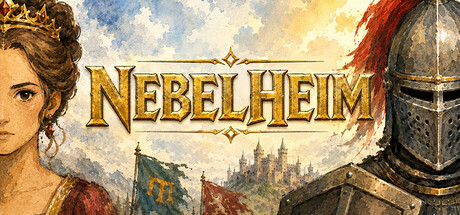 NEBELHEIM In-game content artaudio | Generative AI tools were used during development to assist in creating some visual assets, music, sound effects, and voice-over content. All AI-generated content was created and reviewed prior to its inclusion in the game. The game does not generate AI content during gameplay. | Kararsız Studio | - | Sep 22, 2026 | |
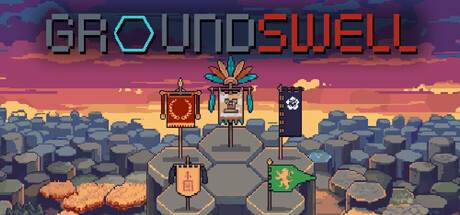 Groundswell In-game content artaudio | Artificial Intelligence was used to assist for the art, music, and development as this was built by a single person working a full time job. Your support is appreciated and we understand if this does not align with your values. | Two Drink Minimum Games | - | Sep 19, 2026 | |
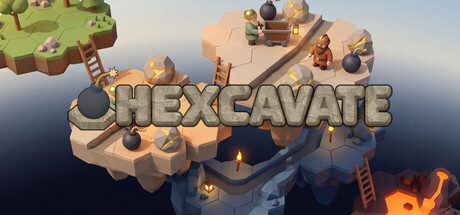 Hexcavate In-game content art | Hexcavate uses AI-assisted tools in parts of its development: some UI icons and Images were made with AI image generation. All of it was reviewed and edited by the developer. 2D art, level design, game design and codes are human made or licensed. No content is generated by AI while the game runs. | Robo Sombrero Studios | - | Sep 18, 2026 | |
 Smoke and Steel In-game content artaudio | Modern generative AI tools have been used alongside traditional development tools to assist with creating and modifying some visual and audio assets. This includes tasks such as retexturing assets to improve historical accuracy. | Grenadier Games | - | Sep 17, 2026 | |
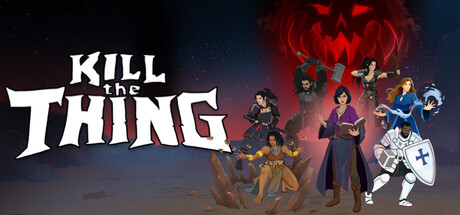 Kill the Thing In-game content artaudiotext | Spritesheets, translations, most of the music, and a handful of images are currently AI-generated. I hope to replace them all with human-made by the 1.0 release. | Jajooka Games | - | Sep 15, 2026 | |
 Par Under Review In-game content arttextcode | Some marketing artwork for the store page (the capsule's sky, city backdrop, rain and lettering layers) was produced with generative image tools (OpenAI image generation, Google Gemini) and then composited and edited by hand. A few placeholder textures currently in the build (the city seen through the office window and its signs, and the sample sheets in the customization menu) were AI-generated and are scheduled to be replaced with licensed or hand-made art before release. AI coding and writing assistants were used during development for parts of the source code, documentation and drafts of store text; all game rules, design decisions and final art direction are the developer's own. The game does not generate content with AI at runtime. | Minor Planet Games | - | Sep 12, 2026 | |
 Bee on a Roll In-game content artaudiotext | Parts of this game's art, music and translations were created with AI tools during development and edited by hand. They ship as fixed assets — nothing is generated by AI while you play. | Reimar Waitz | - | Sep 12, 2026 | |
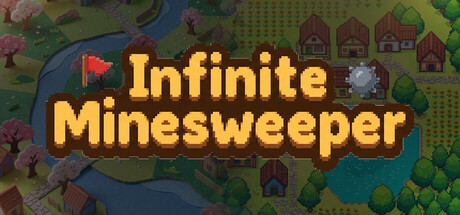 Infinite Minesweeper In-game content art | The area background artwork in this game is based on images created with a generative AI tool. This covers 96 images across six themes; the generated images were reviewed, selected, and processed into the game's format during development. Some title logos were produced the same way and then post-processed.
All other assets — cell graphics, clouds, sound effects, background music, planet textures, and the app icon — are generated procedurally in code and do not use AI.
No AI runs while the game is playing. | JSM games | - | Sep 9, 2026 | |
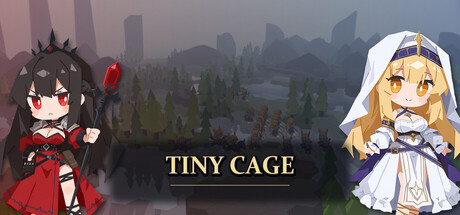 微小牢笼 Store/marketing art | Pre-generated generative AI was used during development to create and refine some character illustrations, 3D character models, and selected visual or marketing assets. All generated material was reviewed and edited by the developer before inclusion. The game does not generate AI content during play. | HOMULILIES | - | Sep 6, 2026 | |
 Wargame Forge In-game content art | Our App employs AI-powered image generation tools to aid in the production of visual assets and background artwork for marketing materials, including store page screenshots and preview assets, as well as for full-screen in-game interfaces such as the home screen and event pages. | JIN CHENMING | - | Sep 6, 2026 | |
 四渡赤水模拟器 Four Crossings of the ChiShui River Simulator In-game content artaudiotext | As an individual developer, during development of this game, AI tools were heavily used. I disclose this honestly and transparently.
1. In-Game Assets
Illustrations & Art: Unit portraits and the opening cinematic illustrations were generated using AI image models, then manually curated, retouched, and unified in style. All assets were human-reviewed under strict art direction to ensure historical tone and consistency.
Opening Cinematic: Subtle motion effects on the illustrations were produced with an AI image-to-video model and assembled by using the Remotion pipeline.
Background Music: The soundtrack was generated by an AI music model in multiple takes, then human-selected, mixed, and mastered.
Telegram Voice-overs: The historical telegram voice-overs in-game were synthesized by an AI TTS system. Each character's reference voice was human-approved through listening tests before use.
2. Development Assistance
Code: Game code was written and debugged with the aid of AI coding assistants. All code was human-reviewed and validated through automated testing.
Localization: The game supports Simplified Chinese, Traditional Chinese, and English. The English text was AI-drafted and human-proofread.
3. What Is NOT AI-Generated
Historical Text: The telegrams in-game are taken from historical archives, 34 are verbatim transcriptions of the original documents, and 12 were written based on the sources. They were not AI-generated.
Terrain & Map: The battlefield map was procedurally rendered from real elevation data (SRTM), not generated by AI.
Game Balance & Statistics: Troop strength, Unit Introduction, and values were researched and set manually from historical sources, cross-checked for accuracy and play balance. | Han | - | Sep 4, 2026 | |
 Century of Conquest In-game content artaudiotext | Some of this game's assets were created with the assistance of generative AI tools and were then reviewed, edited, and integrated by the developer. This includes: base meshes of some 3D character models, some 2D artwork such as card illustrations and icons, voice lines and sound effects created with AI voice/audio generation, and parts of the localized text. All such content was pre-generated during development — the game does not generate any content with AI at runtime. | Jiye Mingniao Games | - | Sep 3, 2026 | |
 Sekigahara 1600 In-game content art | Some artwork in this game, including background images, was made with the help of generative AI tools. | ShunGumma | - | Sep 3, 2026 | |
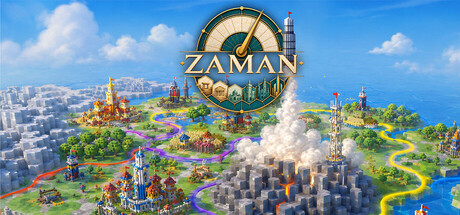 Zaman In-game content art | As part of our early access work, we have used AI-generated images as placeholders for the illustrations on our cards and leader icons. This allows us to iterate quickly and see which game mechanics players like or dislike. We will replace these with human art once we've received enough feedback to finalize what we keep or discard. | Naleka Studio | - | Sep 3, 2026 | |
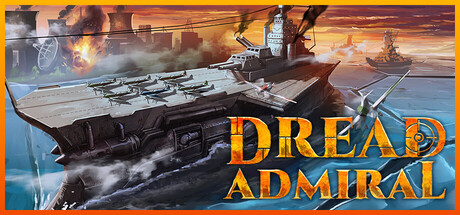 Dread Admiral In-game content text | Localization into some supported languages was created with a mix of Community members and machine generation and reviewed by the developer.
The developer is actively seeking to replace any machine-generated localization over time. | Tescrin Games | - | Sep 2, 2026 | |
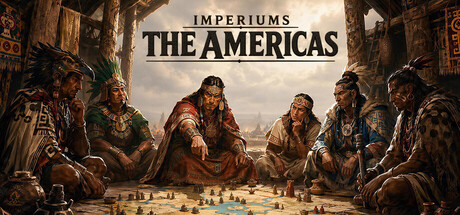 Imperiums: The Americas Store/marketing art | Generative AI tools were used to assist in the creation and refinement of some visual assets, including illustrations, user interface elements, and marketing materials. | Kube Games | - | Sep 2, 2026 | |
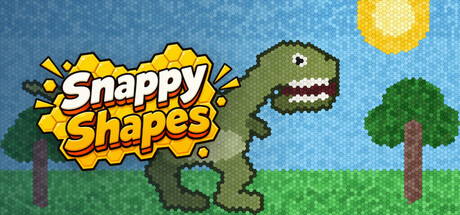 Snappy Shapes Store/marketing arttext | Ai has been used to generate the Steam Store Page and the needed assets. | Mario H | - | Aug 31, 2026 | |
 Desert Vein In-game content artcodeaudio | We used Kimi 3 to generate the code, vector game assets, skeletal animations and code-synthesized sound effects for this game. Music was generated via Suno, while the game design documents, gameplay mechanics and numerical balancing are strictly controlled by human designers. | Beijing Mayfly And Grain Technology Co.,Ltd | - | Aug 31, 2026 | |
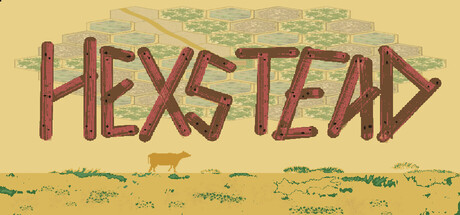 Hexstead In-game content textcode | The game uses generative artificial intelligence on informative text messages and coding assistance. The game rules and campaign maps are crafted by a human,. | pelidevaaja | - | Aug 31, 2026 | |
 SAAM Tactics In-game content text | AI translated languages | wantagamemakeagame | - | Aug 28, 2026 | |
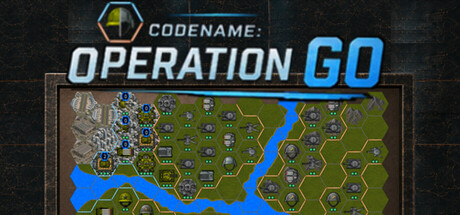 Codename: Operation Go In-game content artaudio | Generative AI tools were used during development to assist in the creation of certain game assets. For visual assets such as units and characters, the developer first created original line art manually, then used AI-assisted coloring as part of the workflow, followed by additional manual editing and refinement. For music, AI was used to generate an initial melodic idea, which was then manually edited, arranged, and refined by the developer in LMMS. All AI-assisted content is pre-generated and reviewed by the developer before being included in the game. The game does not use live-generated AI during gameplay. | Iteration Unit | - | Aug 28, 2026 |


