



Disclosure
AI is used to translate the store page.
- Creator
- Alex Le Mesurier
- Reviews
- -
- Added
- Oct 12, 2026
Public Steam disclosure research 25,376 disclosures tracked
Search developers’ Steam disclosures, compare classified AI use across games, and follow recorded changes. This index adds cross-game classifications and statistics to statements published on individual store pages.
Code help, debugging and other development work.
Capsule art, trailers and promotional material.
Pre-made art, audio, writing and other game assets.
Interactive or runtime AI features disclosed by the developer.
Groups reflect automatic analysis of public disclosures; mature records are excluded. These counts do not measure AI use across all of Steam. Missing or unclear statements cannot establish whether a game uses AI.
AI is used to translate the store page.
Generative AI was used during development to create and refine some of the game’s visual assets, including certain images and textures.
Generative AI was used to assist in creating some game assets, like certain sound effects, music, and textures.
This game contains pre-generated AI content, all reviewed and edited by the developer: - Voice acting: every radio and PA line, in English and Turkish, is text-to-speech generated with ElevenLabs. - Audio: most sound effects and the three music beds were generated with ElevenLabs. - 3D art: some organic growth props were shaped with an image-to-3D pipeline (SDXL + Hunyuan3D), then UV-unwrapped, baked and finished by hand in Blender. - 2D art: the still images in the narrated opening were made with an image model. The game generates nothing with AI while it runs. The trailer, screenshots and capsule art on this page are in-game footage and in-engine captures.
Generative AI tools are used during the development of MASSVEIL to assist with the creation and refinement of certain pre-generated materials, including selected visual elements, sound effects, voice lines, and text content. All AI-assisted content is reviewed and, where necessary, edited by the developer before being included in the game. Generative AI is not used to create new content during gameplay, and the game does not connect to third-party AI services while running.
The images in this game (in-game assets and store artwork) were created with image-generation AI, then selected and edited by a human. The original draft of the scenario and dialogue was written with Google Gemini, and the implementation and dialogue revisions were done with Claude Code (Anthropic). All of it was supervised and tested by a human. No content is generated by AI while the game is running.
Se han utilizado herramientas de inteligencia artificial generativa durante el desarrollo para ayudar en la creación y adaptación de algunos recursos del juego, como modelos 3D, imágenes, audio y otros elementos gráficos. Todo el contenido generado con IA ha sido revisado y preparado previamente antes de incluirse en el juego. El juego no genera contenido mediante IA en tiempo real ni se conecta a servicios externos de IA durante la partida.
Some images in the game were generated using AI tools and then refined by the game's developer. All the music in the game was written by the game's developer, but the mastering was done using AI tools. The 3D character models (all except the zombie mutants) were initially generated via AI and later refined and adapted by the game's developer.
Music was generated by AI. Art was generated by AI and rework by human
As a small independent team working with a limited budget, we use AI-generated English voiceover for the in-game narration.
AI tools were used for some background audio and aiding with scripts.
Generative AI tools were used to create some of this game's store page and marketing artwork, including images and the logo.
Generative AI was used as a development aid for drafting and refining some in-game text, English localization, the game logo, and certain visual design elements. The game does not use generative AI to create content during gameplay.
Nuclear Kitty Games is a human-led studio whose team brings 15 years of professional game-development experience. We use AI and large language models (LLMs) to support development and content creation, improve our workflows and speed up iteration. Our developers direct the design and development of every game, and review and integrate the final content. We are game makers and players who care about the games we create. Some content included in this game and its promotional materials was created with generative AI assistance. No content is AI-generated during gameplay.
Game videos and images are generated using AIGC.
Some content in PRE-ECHO was created with the help of generative AI tools during development and was then integrated, adjusted and art-directed by the developer: - 3D models: the character and creature models, and many prop and vehicle models, were generated with Tripo from original reference images made for this project, then rigged, adjusted and textured in Blender and Unreal Engine. - 2D art: some textures and interface images (such as the main-menu background, the workshop investigation board, journal and map paper, and inventory icons) were generated with image-generation tools from original prompts. - Voices: all spoken lines are synthesized with the open-source Kokoro text-to-speech model using generic voices. No real person's voice was recorded or cloned. - Text: the script, in-game text and English/Spanish localization were written with an AI assistant under the developer's direction. - Store art: the store and library artwork was generated with AI image tools from the project's own character and creature references, then retouched by the developer. The logo was made without AI. The screenshots are unedited captures of the game. No content is generated by AI while the game is running.
AI tools helped create models, art, textures, music and English localization.
Some source code and internal editor tooling were written with the assistance of AI coding tools during development. All of it was reviewed, edited and tested by the developer. The game's story, dialogue, characters and design are human-written. Visual and audio assets come from licensed asset packs and human-made content. No content is generated by AI while the game is running.
Images in the game’s gallery were created using AI.
Generative AI was used only for selected pre-generated concept and marketing materials during development. These materials are reviewed and edited by the developer before use. No generative AI is used during gameplay, and the game does not generate live text, images, audio, code, or other player-facing content.
This game was made by a solo developer with the help of generative AI tools. The world, buildings and 3D scenes are built and composed by hand. AI was used to produce: some character voices (text written by me, spoken with AI voice synthesis), some of the sound effects
Note: All story, art, and audio assets are original and human-made. Some scripting was developed with the assistance of AI-generated code.
The option to disabled images created with AI can be found inside of the options menu of the game. This game has some images that used AI in their creation.
How we do use AI:
1420MHz uses AI tools for translations from English to non-English languages.
Generative AI was used to create promotional and store-page artwork for TAKEN during development. No AI-generated content or code is generated during gameplay.
In our project, AI was used to partially create art assets, helping our artists bring some ideas to life.
AI-Generated Content Disclosure – CONJURARIUN CONJURARIUN uses AI-generated content in certain elements of the game. AI-generated images were used for some visual assets, including artwork featured in the game. Additionally, AI-generated music was used in the main menu. All AI-generated content was reviewed, selected, and integrated by the development team as part of the game's creative process. The gameplay, programming, mechanics, and overall game development were created and implemented by the developer.
Stay With Me contains a limited amount of pre-generated content created with the assistance of generative AI. Some visual assets, the loading screen artwork, and some voice lines for the characters Margaret and the child were created using AI tools. The AI-generated content was further edited, processed and adapted by the developer before being integrated into the game. All AI content is pre-generated during development. The game does not generate content using AI while running, and there is no live AI generation.
Some artwork for the game or its store materials includes minor AI-assisted edits. This content is pre-generated. The game does not generate AI content during gameplay and does not connect to external AI services.
Art/visual assets in the game and on the Steam store page were created with AI assistance. No AI-generated content is created during gameplay.
This game uses generative AI tools to help create some artwork and store page text. All AI-assisted content is reviewed by the developer before use.
From the moment I understood the weakness of my flesh, it disgusted me. I craved the strength and certainty of steel. I aspired to the purity of the blessed machine. Your kind cling to your flesh as if it will not decay and fail you. One day, the crude biomass you call a temple will wither, and you will beg my kind to save you. But I am already saved. For the Machine is Immortal.
This game was made with the help of generative AI. AI tools were used during development to create visual assets, sound and music, parts of the source code, and the translations of this page and the in-game text. Everything was chosen, edited and assembled by hand before release. Nothing is generated while you play — all content ships with the game.
Some assets (voiceovers, wall paintings, icons) are currently generated using AI and are planned to be replaced with artist-created assets in future updates.
In our project, AI was used to partially create art assets, helping our artists bring some ideas to life.
The game's cases, design and text were created by the developer. Generative AI was used as an assistant when writing the text of this store page and of the game, and to translate it into 12 languages; all of it was reviewed and edited by the developer. No content is generated while you play.
Some 3D models, illustrations and music in the current version were created with the help of generative AI tools and then edited and integrated by our team. They are placeholders: we are replacing them with work by human artists as development continues.
Generative AI was used during development to create and refine some of the game's 2d and 3d artwork and music. All AI-generated content was reviewed, selected, and edited by the developer before being included in the game. Generative AI is not used during gameplay, and no content is generated in real time.
This game contains a neural network model.
AI tools were used to assist in creating selected promotional store assets and game assets. These materials were or will be later edited, refined, and finalized by human creators.
The store page artwork (capsule images, header, library images and logo) was created with the help of generative AI tools. Part of the game's source code and development tools were also written with the help of AI coding assistants, then reviewed and integrated by the developer. The in-game content itself (3D visuals from licensed asset packs, CC0 sound effects, texts) is not AI-generated, and the game does not use generative AI while playing. All screenshots are captured from the actual game.
Artificial intelligence was used to assist in development, primarily for the front end, and AI generated content is used in game for text and voices via local models ran on the player's system or external models provided by the player.
Game text and translations were created with the help of AI tools. The public build has no AI voices; it has no voice acting yet. The art is not made with generative AI: it comes from free CC0 asset packs plus shapes and textures built in code. Sound effects are synthesized by our own scripts. Nothing is generated by AI while you play.
Generative AI tools were used during development to create some character, environment, and object visuals, 3D assets, and promotional materials. All AI-generated content was created in advance during development. No new content is generated by AI during gameplay, and the game does not connect to any external AI services.
Generative AI tools were used during development to assist in the creation of some visual and 3D assets. All generated content was reviewed, edited, and integrated by the developer.
Generative AI was used to assist in creating pre-generated content during development. No generative AI is used during gameplay.
Generative AI was used during development as an assistive tool for code prototyping and localization, and to create some pre-generated visual content, including fictional patient photographs used as environmental and narrative elements in the game. AI-generated concept art is used only as internal visual reference and is not included as game assets. All AI-generated content included in the game is pre-generated. No generative AI runs during gameplay. Final level design, asset placement, gameplay systems, narrative implementation, and asset integration are created and assembled by the developer.
Some promotional artwork for this game (such as the store capsule image) was created with the help of generative AI tools and then edited by hand. All in-game content — 3D models, animations, sound effects, interface and code — was created without generative AI. The game does not use AI during gameplay and does not connect to any external AI service.
The soundtrack was produced with generative AI music tools and then edited, cut and mixed by the developer. Part of the game's text and this store page was written with AI assistance and reviewed line by line by the developer. Everything else - code, interface art, achievement icons, the map and every capsule and screenshot - is hand-made. No content is generated by AI while you play.
| Title⇅ | Disclosure | Creator⇅ | Src | Reviews⇅ | Added↓ |
|---|---|---|---|---|---|
 Untold Cases - Lot 42 Store/marketing text | AI is used to translate the store page. | Alex Le Mesurier | - | Oct 12, 2026 | |
 SKEFs Night Grill In-game content art | Generative AI was used during development to create and refine some of the game’s visual assets, including certain images and textures. | SKEF_5XX3 | - | Oct 12, 2026 | |
 Ajnabee 2 In-game content audioart | Generative AI was used to assist in creating some game assets, like certain sound effects, music, and textures. | Akshat Softwares | - | Oct 12, 2026 | |
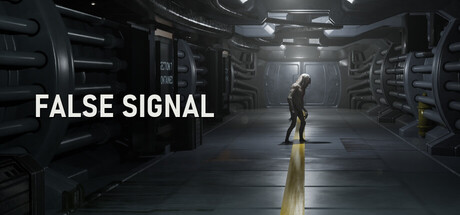 False Signal In-game content audioart | This game contains pre-generated AI content, all reviewed and edited by the developer:
- Voice acting: every radio and PA line, in English and Turkish, is text-to-speech generated with ElevenLabs.
- Audio: most sound effects and the three music beds were generated with ElevenLabs.
- 3D art: some organic growth props were shaped with an image-to-3D pipeline (SDXL + Hunyuan3D), then UV-unwrapped, baked and finished by hand in Blender.
- 2D art: the still images in the narrated opening were made with an image model.
The game generates nothing with AI while it runs. The trailer, screenshots and capsule art on this page are in-game footage and in-engine captures. | Veilward Studios | - | Oct 12, 2026 | |
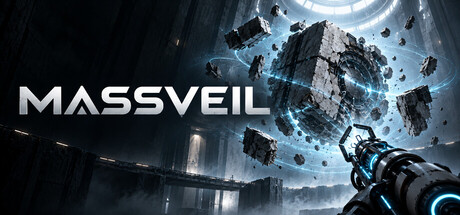 MassVeil In-game content artaudiotext | Generative AI tools are used during the development of MASSVEIL to assist with the creation and refinement of certain pre-generated materials, including selected visual elements, sound effects, voice lines, and text content.
All AI-assisted content is reviewed and, where necessary, edited by the developer before being included in the game.
Generative AI is not used to create new content during gameplay, and the game does not connect to third-party AI services while running. | Who you need | - | Oct 12, 2026 | |
 戦う情報システム部 In-game content arttextcode | The images in this game (in-game assets and store artwork) were created with image-generation AI, then selected and edited by a human. The original draft of the scenario and dialogue was written with Google Gemini, and the implementation and dialogue revisions were done with Claude Code (Anthropic). All of it was supervised and tested by a human. No content is generated by AI while the game is running. | CandyRock | - | Oct 12, 2026 | |
 El Enigma del Colegio Cumbres In-game content artaudio | Se han utilizado herramientas de inteligencia artificial generativa durante el desarrollo para ayudar en la creación y adaptación de algunos recursos del juego, como modelos 3D, imágenes, audio y otros elementos gráficos. Todo el contenido generado con IA ha sido revisado y preparado previamente antes de incluirse en el juego. El juego no genera contenido mediante IA en tiempo real ni se conecta a servicios externos de IA durante la partida. | David Orizaola | - | Oct 10, 2026 | |
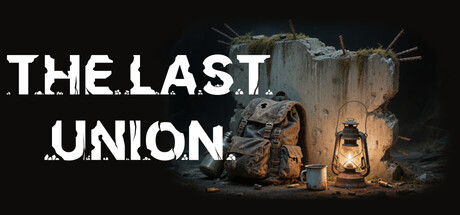 The Last UNION In-game content artaudio | Some images in the game were generated using AI tools and then refined by the game's developer. All the music in the game was written by the game's developer, but the mastering was done using AI tools. The 3D character models (all except the zombie mutants) were initially generated via AI and later refined and adapted by the game's developer. | DevStoria | - | Oct 10, 2026 | |
 LiarLock: No Cameras, No Clues — Just a Corpse in My Club In-game content audioart | Music was generated by AI. Art was generated by AI and rework by human | Myriad | - | Oct 10, 2026 | |
 History Experience: Rome In-game content audio | As a small independent team working with a limited budget, we use AI-generated English voiceover for the in-game narration. | BlackBird Studios | - | Oct 10, 2026 | |
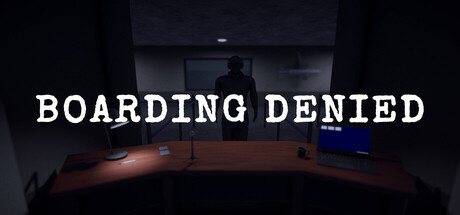 Boarding Denied In-game content audio | AI tools were used for some background audio and aiding with scripts. | AdriDev | - | Oct 10, 2026 | |
 Mafia Deck Online Store/marketing art | Generative AI tools were used to create some of this game's store page and marketing artwork, including images and the logo. | Nichita Levandovici | - | Oct 9, 2026 | |
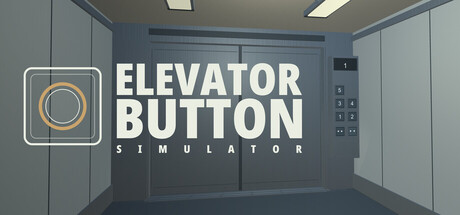 Elevator Button Simulator In-game content textart | Generative AI was used as a development aid for drafting and refining some in-game text, English localization, the game logo, and certain visual design elements. The game does not use generative AI to create content during gameplay. | Facish | - | Oct 9, 2026 | |
 On Paper In-game content arttext | Nuclear Kitty Games is a human-led studio whose team brings 15 years of professional game-development experience. We use AI and large language models (LLMs) to support development and content creation, improve our workflows and speed up iteration. Our developers direct the design and development of every game, and review and integrate the final content. We are game makers and players who care about the games we create.
Some content included in this game and its promotional materials was created with generative AI assistance. No content is AI-generated during gameplay. | Nuclear Kitty Games | - | Oct 9, 2026 | |
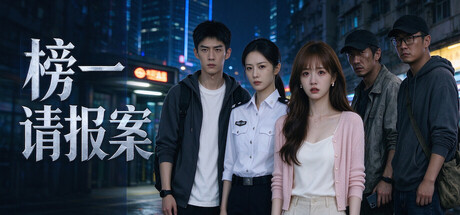 榜一请报案 Store/marketing art | Game videos and images are generated using AIGC. | BackSnow Games | - | Oct 9, 2026 | |
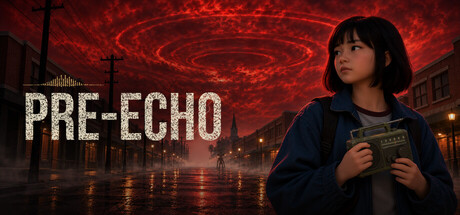 PRE-ECHO In-game content artaudiotext | Some content in PRE-ECHO was created with the help of generative AI tools during development and was then integrated, adjusted and art-directed by the developer:
- 3D models: the character and creature models, and many prop and vehicle models, were generated with Tripo from original reference images made for this project, then rigged, adjusted and textured in Blender and Unreal Engine.
- 2D art: some textures and interface images (such as the main-menu background, the workshop investigation board, journal and map paper, and inventory icons) were generated with image-generation tools from original prompts.
- Voices: all spoken lines are synthesized with the open-source Kokoro text-to-speech model using generic voices. No real person's voice was recorded or cloned.
- Text: the script, in-game text and English/Spanish localization were written with an AI assistant under the developer's direction.
- Store art: the store and library artwork was generated with AI image tools from the project's own character and creature references, then retouched by the developer. The logo was made without AI. The screenshots are unedited captures of the game.
No content is generated by AI while the game is running. | Simulsix | - | Oct 9, 2026 | |
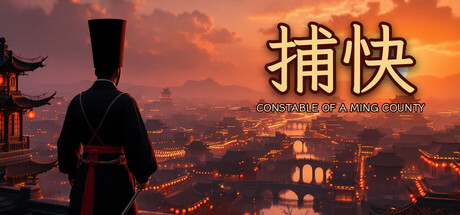 捕快: Constable of a Ming County In-game content artaudiotext | AI tools helped create models, art, textures, music and English localization. | chi yin so | - | Oct 9, 2026 | |
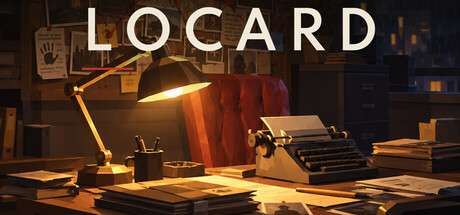 Locard Dev only code | Some source code and internal editor tooling were written with the assistance of AI coding tools during development. All of it was reviewed, edited and tested by the developer. The game's story, dialogue, characters and design are human-written. Visual and audio assets come from licensed asset packs and human-made content. No content is generated by AI while the game is running. | JinjaGames | - | Oct 9, 2026 | |
 Who? In-game content art | Images in the game’s gallery were created using AI. | pedro | - | Oct 9, 2026 | |
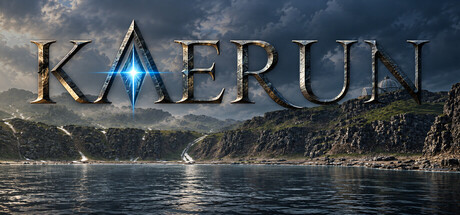 Kaerun Store/marketing arttext | Generative AI was used only for selected pre-generated concept and marketing materials during development. These materials are reviewed and edited by the developer before use. No generative AI is used during gameplay, and the game does not generate live text, images, audio, code, or other player-facing content. | Moorstone Studios | - | Oct 9, 2026 | |
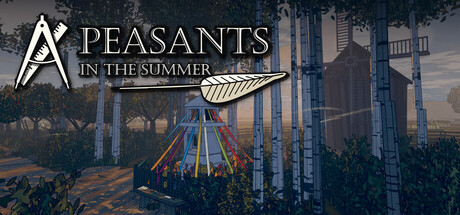 Peasants in the Summer In-game content audio | This game was made by a solo developer with the help of generative AI tools. The world, buildings and 3D scenes are built and composed by hand. AI was used to produce:
some character voices (text written by me, spoken with AI voice synthesis),
some of the sound effects | Woweach Games | - | Oct 7, 2026 | |
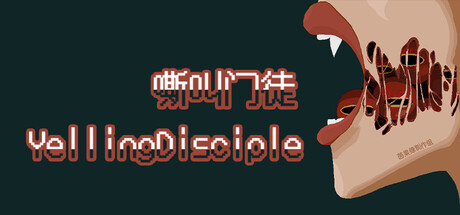 嘶叫门徒YellingDisciple Dev only code | Note: All story, art, and audio assets are original and human-made. Some scripting was developed with the assistance of AI-generated code. | 茵果绿 | - | Oct 7, 2026 | |
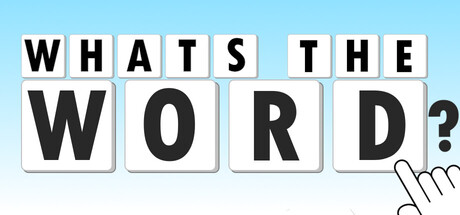 What's the Word In-game content art | The option to disabled images created with AI can be found inside of the options menu of the game. This game has some images that used AI in their creation. | OutGG | - | Oct 7, 2026 | |
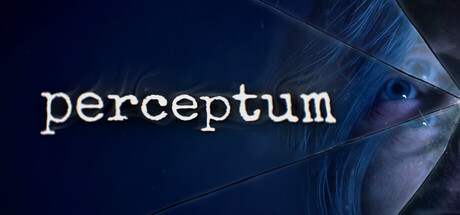 Perceptum Unclear | How we do use AI: | Duck Reaction | - | Oct 7, 2026 | |
 1420MHz In-game content text | 1420MHz uses AI tools for translations from English to non-English languages. | Play With Your Mind | - | Oct 6, 2026 | |
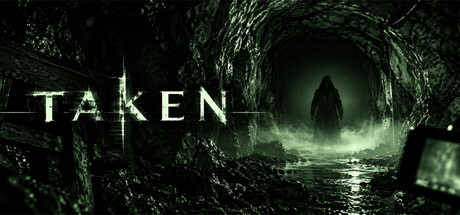 TAKEN Store/marketing art | Generative AI was used to create promotional and store-page artwork for TAKEN during development. No AI-generated content or code is generated during gameplay. | MIZANUR RAHMAN | - | Oct 6, 2026 | |
 Mind Echoes: Broken Vow Collector's Edition In-game content art | In our project, AI was used to partially create art assets, helping our artists bring some ideas to life. | Do Games Limited | - | Oct 6, 2026 | |
 Conjurariun In-game content artaudio | AI-Generated Content Disclosure – CONJURARIUN
CONJURARIUN uses AI-generated content in certain elements of the game. AI-generated images were used for some visual assets, including artwork featured in the game. Additionally, AI-generated music was used in the main menu.
All AI-generated content was reviewed, selected, and integrated by the development team as part of the game's creative process. The gameplay, programming, mechanics, and overall game development were created and implemented by the developer. | Leonardo Ferreira da silva | - | Oct 6, 2026 | |
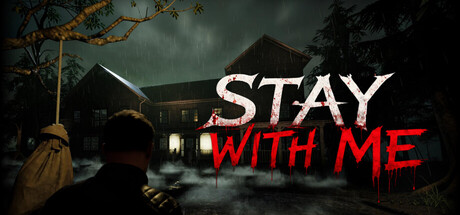 Stay with me In-game content artaudio | Stay With Me contains a limited amount of pre-generated content created with the assistance of generative AI.
Some visual assets, the loading screen artwork, and some voice lines for the characters Margaret and the child were created using AI tools.
The AI-generated content was further edited, processed and adapted by the developer before being integrated into the game.
All AI content is pre-generated during development. The game does not generate content using AI while running, and there is no live AI generation. | Marselok Games | - | Oct 4, 2026 | |
 The Hollow Servant Store/marketing art | Some artwork for the game or its store materials includes minor AI-assisted edits. This content is pre-generated. The game does not generate AI content during gameplay and does not connect to external AI services. | 33 Games | - | Oct 3, 2026 | |
 Scent of You Store/marketing art | Art/visual assets in the game and on the Steam store page were created with AI assistance. No AI-generated content is created during gameplay. | Framea Studios | - | Oct 3, 2026 | |
 The Grid Detective In-game content arttext | This game uses generative AI tools to help create some artwork and store page text. All AI-assisted content is reviewed by the developer before use. | Duskery | - | Oct 3, 2026 | |
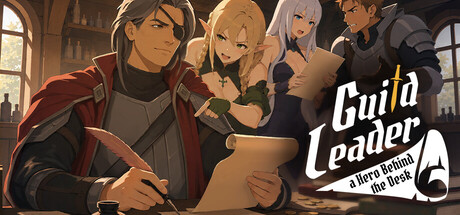 Guild Leader: The Hero Behind the Desk general | From the moment I understood the weakness of my flesh, it disgusted me. I craved the strength and certainty of steel. I aspired to the purity of the blessed machine. Your kind cling to your flesh as if it will not decay and fail you. One day, the crude biomass you call a temple will wither, and you will beg my kind to save you. But I am already saved. For the Machine is Immortal. | Pigeon Eye Games | - | Oct 3, 2026 | |
 Podyezd In-game content artaudiotextcode | This game was made with the help of generative AI.
AI tools were used during development to create visual assets, sound and music, parts
of the source code, and the translations of this page and the in-game text. Everything
was chosen, edited and assembled by hand before release.
Nothing is generated while you play — all content ships with the game. | RavenS Software | - | Oct 3, 2026 | |
 Unhex In-game content audioart | Some assets (voiceovers, wall paintings, icons) are currently generated using AI and are planned to be replaced with artist-created assets in future updates. | Major Dog Games | - | Oct 3, 2026 | |
 Connected Hearts: Vanished Beauty Collector's Edition In-game content art | In our project, AI was used to partially create art assets, helping our artists bring some ideas to life. | Do Games Limited | - | Oct 2, 2026 | |
 Parcel Inspector Simulator In-game content text | The game's cases, design and text were created by the developer. Generative AI was used as an assistant when writing the text of this store page and of the game, and to translate it into 12 languages; all of it was reviewed and edited by the developer. No content is generated while you play. | Alexframe | - | Oct 1, 2026 | |
 The Friendship Protocol In-game content artaudio | Some 3D models, illustrations and music in the current version were created with the help of generative AI tools and then edited and integrated by our team. They are placeholders: we are replacing them with work by human artists as development continues. | Parabola Studio | - | Oct 1, 2026 | |
 Liar's Front In-game content artaudio | Generative AI was used during development to create and refine some of the game's 2d and 3d artwork and music. All AI-generated content was reviewed, selected, and edited by the developer before being included in the game. Generative AI is not used during gameplay, and no content is generated in real time. | Zhabka Productions | - | Oct 1, 2026 | |
 FlyMuse 2 Unclear | This game contains a neural network model. | XieXing Game | - | Oct 1, 2026 | |
 Motel 51: Papers, Keys & Aliens In-game content art | AI tools were used to assist in creating selected promotional store assets and game assets. These materials were or will be later edited, refined, and finalized by human creators. | press any key | - | Oct 1, 2026 | |
 Breath Of The Death Store/marketing artcode | The store page artwork (capsule images, header, library images and logo) was created with the help of generative AI tools. Part of the game's source code and development tools were also written with the help of AI coding assistants, then reviewed and integrated by the developer. The in-game content itself (3D visuals from licensed asset packs, CC0 sound effects, texts) is not AI-generated, and the game does not use generative AI while playing. All screenshots are captured from the actual game. | Ethernal Games Inc | - | Sep 30, 2026 | |
 relay Live AI textaudio | Artificial intelligence was used to assist in development, primarily for the front end, and AI generated content is used in game for text and voices via local models ran on the player's system or external models provided by the player. | soli_dstate | - | Sep 30, 2026 | |
 Purpose of Visit In-game content text | Game text and translations were created with the help of AI tools. The public build has no AI voices; it has no voice acting yet. The art is not made with generative AI: it comes from free CC0 asset packs plus shapes and textures built in code. Sound effects are synthesized by our own scripts. Nothing is generated by AI while you play. | Larch Games | - | Sep 30, 2026 | |
 EVERYONE SAYS B In-game content art | Generative AI tools were used during development to create some character, environment, and object visuals, 3D assets, and promotional materials. All AI-generated content was created in advance during development. No new content is generated by AI during gameplay, and the game does not connect to any external AI services. | Nythalor Studios | - | Sep 30, 2026 | |
 The House In-game content art | Generative AI tools were used during development to assist in the creation of some visual and 3D assets. All generated content was reviewed, edited, and integrated by the developer. | Meercraft | - | Sep 30, 2026 | |
 Football Transfer Insider Dev only | Generative AI was used to assist in creating pre-generated content during development. No generative AI is used during gameplay. | OZL Games | - | Sep 30, 2026 | |
 Locked In: The Ward In-game content arttextcode | Generative AI was used during development as an assistive tool for code prototyping and localization, and to create some pre-generated visual content, including fictional patient photographs used as environmental and narrative elements in the game. AI-generated concept art is used only as internal visual reference and is not included as game assets.
All AI-generated content included in the game is pre-generated. No generative AI runs during gameplay. Final level design, asset placement, gameplay systems, narrative implementation, and asset integration are created and assembled by the developer. | GES Interactive | - | Sep 28, 2026 | |
 Court of Lies art | Some promotional artwork for this game (such as the store capsule image)
was created with the help of generative AI tools and then edited by hand.
All in-game content — 3D models, animations, sound effects, interface and
code — was created without generative AI. The game does not use AI during
gameplay and does not connect to any external AI service. | TAMGA Games | - | Sep 27, 2026 | |
 Second Source In-game content audiotext | The soundtrack was produced with generative AI music tools and then edited, cut and mixed by the developer. Part of the game's text and this store page was written with AI assistance and reviewed line by line by the developer. Everything else - code, interface art, achievement icons, the map and every capsule and screenshot - is hand-made. No content is generated by AI while you play. | Pablo Marcelo Riestra | - | Sep 27, 2026 |


