Public Steam disclosure research25,376 disclosures tracked
Where do games disclose AI use?
Search developers’ Steam disclosures, compare classified AI use across
games, and follow recorded changes.
This index adds cross-game classifications and statistics to
statements published on individual store pages.
Groups reflect automatic analysis of public disclosures; mature records are excluded. These counts do not measure AI use across all of Steam.
Missing or unclear statements cannot establish whether a game uses AI.
Some in-game text (event and dilemma card writing, UI copy) and the store description were drafted with AI assistance and then reviewed and edited by the developer. The game's non-English translations (French, Italian, German, Spanish, Portuguese-Brazil, Polish, Ukrainian, Japanese) were AI-translated drafts and are being reviewed. No AI generates content while the game is running, and the game makes no network calls to AI services. The logo/key art was created with AI image tools and edited by the developer
Voice acting, music and sound effects were generated with ElevenLabs AI tools, then selected, edited and mixed by the developer. Some game text, including dialogue and store descriptions, was drafted with AI assistance and edited by the developer. The game does not generate any AI content while it runs.
The art, music, and sound effects in this game were made with the help of generative AI tools, and each piece was selected and refined by the developer. The Chinese and English translations were drafted with AI assistance and will continue to be refined throughout Early Access. The story and dialogue were written by the developer, and the game was designed by the developer.
The key art, store capsules and library artwork were created with an AI image generator and edited by the developer. The trailer music was generated with Suno under a paid plan. No AI-generated content is included in the game itself, and the game runs no AI generation and requires no AI service.
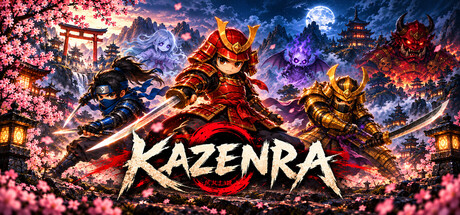
Some visual and text content in KAZENRA was created or refined with the assistance of generative AI tools during development. All such content was reviewed, selected, edited, and integrated by the developer before release. The game does not generate AI content during gameplay.
Generative AI tools were used during development to create some visual assets, including card and encounter illustrations, the game icon, and certain visual effects, as well as music and some sound effects. AI tools also assisted with in-game text, localization, and store-page copy. This content is prepared before release. The game does not use generative AI to create content during gameplay.
Some of this game's art assets and store page text were created with the help of generative AI tools. All AI-assisted material is pre-rendered and reviewed by the developer before release. No content is generated by AI while the game is running.
Playtest fighter, promotion, and title imagery created utilizing generative AI. Later builds of the game will replace these assets with artist-created versions.
Generative AI utilizes for troubleshooting when developing.
Generative AI was used to assist with the development of this game and with the creation of some of its visual assets.
The game includes an optional custom character feature. Players may enter text descriptions and provide reference images to generate character visuals. Players may also use text descriptions together with character reference images to create custom cinematic videos for their characters’ special moves.
These materials are generated by generative AI through an online service during gameplay. Once generation is complete, the resulting content is provided to the player for use as part of their custom character data.
Generative AI tools were used during development. Some 3D models of characters and environments, some pre-rendered cutscenes, the main theme song, marketing videos and the translations were created with the help of AI tools, then edited and assembled by the developer. Gameplay design, code and in-game animations were made by the developer. No content is generated by AI during gameplay.
Generative AI was used during development to assist in creating some pre-generated game assets, such as sound effects and visual content. No AI-generated content is created during gameplay.
# AI Disclosure
Generative AI was used during development as a creative support tool for selected visual and audio assets. All AI-assisted content was reviewed, curated and integrated by the developer. No generative AI is used during gameplay.
Some 2D art assets in this game — a portion of the character portraits, unit sprites, and city illustration backgrounds — were created with the assistance of AI image-generation tools (Google Gemini) during development. All such assets are pre-generated, then reviewed and curated by the developer before being included in the build; the game does not generate any AI content live at runtime. Game text, design, code, and systems are authored by the developer without live AI generation.
We used generative AI on fighter portraits for deeper immersion and as a pre-production tool for early concept layouts. From there, all character assets and visual elements were extensively edited and manually hand-painted by human artists to ensure high visual quality and artistic control.
Some character, costume, and promotional artwork was created with the assistance of generative AI image tools, then selected, edited, and assembled by the developer. There is no live AI generation during gameplay, and the game does not connect to external AI services.
During development, we used procedural and AI-assisted tools to analyze, merge, refine, and polish systems that were originally developed through years of our own experimentation, iteration, and hands-on exploration. These tools accelerated implementation and helped unify complex ideas beyond what would have been practical through manual development alone, while the underlying concepts, creative direction, design decisions, and final implementation remain the work of our development team.
Selected visual assets and music tracks were created using generative AI tools as part of the production process. All AI-generated material was reviewed, curated, and integrated by the developer to ensure consistency with the game’s creative direction. No AI-generated content is produced during gameplay.
This game used generative AI during the development process to assist with the creation and modeling visual assets, including characters designs and environmental textures like buildings.
Some card illustrations currently use AI-generated artwork. Following the game’s full release, these illustrations will gradually be replaced with artwork created by professional artists.
Many of the game's visual assets were initially created with the assistance of generative AI as part of the concepting and asset production process. All AI-generated content was reviewed, curated, and refined by the developer to ensure it matched the game's artistic style and quality standards. Gameplay systems, design, balance, writing, and overall creative direction were developed by the developer.
This game uses AI-assisted tools solely for programming and logic development. AI helped generate some basic code frameworks, but all core game logic was manually written, tested, and optimized.
Machine translation has been used for language localization.
Some background elements, such as grass and trees, were created using AI-generated images and then manually edited and refined.
Pre-generated generative AI was used to create selected Steam store-page and library marketing images based on original in-game screenshots, character designs and branding supplied by the developers.
The game's art and animation content — including character sprites, animations, tilesets, UI elements, and store page artwork — was generated with the assistance of AI tools during development and then refined by the team. All AI-generated content was created during development; the game does not generate content while you play.
Many scene illustrations were generated with AI image tools, then selected, edited, and integrated by hand. Every image in the game was individually reviewed and curated by the developer.
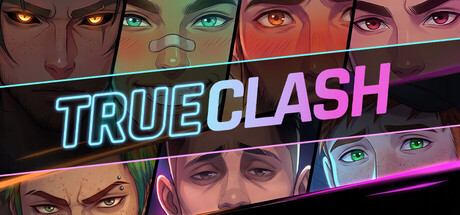
TrueClash uses generative AI as part of its art workflow: character art and backgrounds are initially generated with AI tools, then manually reviewed, edited, and refined by our team in order to maintain the game's consistent visual style.
AI tools were also used to assist with translation and as a development aid for coding.
Some of the licensed music tracks featured in the game may have been created with AI assistance by their respective artists.
This game uses generative AI to pre-generate visual assets (character portraits, capsule/marketing art) and voice narration (TTS). All AI-generated content is created during development and reviewed/curated
by the developer before shipping. No generative AI runs live during gameplay. We have the necessary rights to use the AI tools and their outputs, and the content does not infringe third-party IP.
The game's fighters are controlled by AI models (LLMs) chosen by the player and reached through their own OpenRouter API key. During a match the model decides the character's actions and writes the short taunts shown on screen (text only). The game does not generate images, audio, music or voices with AI: every character, arena, soundtrack and sound effect is authored in advance and ships with the game. Every AI-generated line goes through an illegal content filter before it is displayed, on the player's computer and again on the server that hosts online matches, and online matches have a report system reviewed by a human team.
Pre-rendered AI-assisted promotional artwork and marketing assets may be used for the store page and promotional materials. No generative AI content is created live during gameplay.
Some visual assets in this game were created with the assistance of generative AI tools, then edited and integrated by the developer.
The game does not use live generative AI to generate content during gameplay.
Some art, music, and 3D assets in this game were created with the help of generative AI tools. Every AI-generated asset was carefully reviewed, refined, and hand-curated by the developer to fit the game's art direction and tone. The game does not use any live-generated (runtime) AI content.
AI-Generated Content Disclosure:
Pre-Generated Content: Generative AI tools were used to create the game's background music, and to generate source material for portions of the sound and art, refined by the developer.
No Real-Time Generation: This game does not feature any live or real-time AI content generation.
No External Connectivity: The game runs entirely locally and does not connect to external AI services or servers while playing.
Some in-game text (event and dilemma card writing, UI copy) and the store description were drafted with AI assistance and then reviewed and edited by the developer. The game's non-English translations (French, Italian, German, Spanish, Portuguese-Brazil, Polish, Ukrainian, Japanese) were AI-translated drafts and are being reviewed. No AI generates content while the game is running, and the game makes no network calls to AI services. The logo/key art was created with AI image tools and edited by the developer
Voice acting, music and sound effects were generated with ElevenLabs AI tools, then selected, edited and mixed by the developer. Some game text, including dialogue and store descriptions, was drafted with AI assistance and edited by the developer. The game does not generate any AI content while it runs.
The art, music, and sound effects in this game were made with the help of generative AI tools, and each piece was selected and refined by the developer. The Chinese and English translations were drafted with AI assistance and will continue to be refined throughout Early Access. The story and dialogue were written by the developer, and the game was designed by the developer.
The key art, store capsules and library artwork were created with an AI image generator and edited by the developer. The trailer music was generated with Suno under a paid plan. No AI-generated content is included in the game itself, and the game runs no AI generation and requires no AI service.
Some visual and text content in KAZENRA was created or refined with the assistance of generative AI tools during development. All such content was reviewed, selected, edited, and integrated by the developer before release. The game does not generate AI content during gameplay.
Generative AI tools were used during development to create some visual assets, including card and encounter illustrations, the game icon, and certain visual effects, as well as music and some sound effects. AI tools also assisted with in-game text, localization, and store-page copy. This content is prepared before release. The game does not use generative AI to create content during gameplay.
Some of this game's art assets and store page text were created with the help of generative AI tools. All AI-assisted material is pre-rendered and reviewed by the developer before release. No content is generated by AI while the game is running.
Playtest fighter, promotion, and title imagery created utilizing generative AI. Later builds of the game will replace these assets with artist-created versions.
Generative AI utilizes for troubleshooting when developing.
Generative AI was used to assist with the development of this game and with the creation of some of its visual assets.
The game includes an optional custom character feature. Players may enter text descriptions and provide reference images to generate character visuals. Players may also use text descriptions together with character reference images to create custom cinematic videos for their characters’ special moves.
These materials are generated by generative AI through an online service during gameplay. Once generation is complete, the resulting content is provided to the player for use as part of their custom character data.
Generative AI tools were used during development. Some 3D models of characters and environments, some pre-rendered cutscenes, the main theme song, marketing videos and the translations were created with the help of AI tools, then edited and assembled by the developer. Gameplay design, code and in-game animations were made by the developer. No content is generated by AI during gameplay.
Generative AI was used during development to assist in creating some pre-generated game assets, such as sound effects and visual content. No AI-generated content is created during gameplay.
# AI Disclosure
Generative AI was used during development as a creative support tool for selected visual and audio assets. All AI-assisted content was reviewed, curated and integrated by the developer. No generative AI is used during gameplay.
Some 2D art assets in this game — a portion of the character portraits, unit sprites, and city illustration backgrounds — were created with the assistance of AI image-generation tools (Google Gemini) during development. All such assets are pre-generated, then reviewed and curated by the developer before being included in the build; the game does not generate any AI content live at runtime. Game text, design, code, and systems are authored by the developer without live AI generation.
We used generative AI on fighter portraits for deeper immersion and as a pre-production tool for early concept layouts. From there, all character assets and visual elements were extensively edited and manually hand-painted by human artists to ensure high visual quality and artistic control.
Some character, costume, and promotional artwork was created with the assistance of generative AI image tools, then selected, edited, and assembled by the developer. There is no live AI generation during gameplay, and the game does not connect to external AI services.
During development, we used procedural and AI-assisted tools to analyze, merge, refine, and polish systems that were originally developed through years of our own experimentation, iteration, and hands-on exploration. These tools accelerated implementation and helped unify complex ideas beyond what would have been practical through manual development alone, while the underlying concepts, creative direction, design decisions, and final implementation remain the work of our development team.
Selected visual assets and music tracks were created using generative AI tools as part of the production process. All AI-generated material was reviewed, curated, and integrated by the developer to ensure consistency with the game’s creative direction. No AI-generated content is produced during gameplay.
This game used generative AI during the development process to assist with the creation and modeling visual assets, including characters designs and environmental textures like buildings.
Some card illustrations currently use AI-generated artwork. Following the game’s full release, these illustrations will gradually be replaced with artwork created by professional artists.
Many of the game's visual assets were initially created with the assistance of generative AI as part of the concepting and asset production process. All AI-generated content was reviewed, curated, and refined by the developer to ensure it matched the game's artistic style and quality standards. Gameplay systems, design, balance, writing, and overall creative direction were developed by the developer.
This game uses AI-assisted tools solely for programming and logic development. AI helped generate some basic code frameworks, but all core game logic was manually written, tested, and optimized.
Machine translation has been used for language localization.
Some background elements, such as grass and trees, were created using AI-generated images and then manually edited and refined.
Pre-generated generative AI was used to create selected Steam store-page and library marketing images based on original in-game screenshots, character designs and branding supplied by the developers.
The game's art and animation content — including character sprites, animations, tilesets, UI elements, and store page artwork — was generated with the assistance of AI tools during development and then refined by the team. All AI-generated content was created during development; the game does not generate content while you play.
Many scene illustrations were generated with AI image tools, then selected, edited, and integrated by hand. Every image in the game was individually reviewed and curated by the developer.
TrueClash uses generative AI as part of its art workflow: character art and backgrounds are initially generated with AI tools, then manually reviewed, edited, and refined by our team in order to maintain the game's consistent visual style.
AI tools were also used to assist with translation and as a development aid for coding.
Some of the licensed music tracks featured in the game may have been created with AI assistance by their respective artists.
This game uses generative AI to pre-generate visual assets (character portraits, capsule/marketing art) and voice narration (TTS). All AI-generated content is created during development and reviewed/curated
by the developer before shipping. No generative AI runs live during gameplay. We have the necessary rights to use the AI tools and their outputs, and the content does not infringe third-party IP.
The game's fighters are controlled by AI models (LLMs) chosen by the player and reached through their own OpenRouter API key. During a match the model decides the character's actions and writes the short taunts shown on screen (text only). The game does not generate images, audio, music or voices with AI: every character, arena, soundtrack and sound effect is authored in advance and ships with the game. Every AI-generated line goes through an illegal content filter before it is displayed, on the player's computer and again on the server that hosts online matches, and online matches have a report system reviewed by a human team.
Pre-rendered AI-assisted promotional artwork and marketing assets may be used for the store page and promotional materials. No generative AI content is created live during gameplay.
Some visual assets in this game were created with the assistance of generative AI tools, then edited and integrated by the developer.
The game does not use live generative AI to generate content during gameplay.
Some art, music, and 3D assets in this game were created with the help of generative AI tools. Every AI-generated asset was carefully reviewed, refined, and hand-curated by the developer to fit the game's art direction and tone. The game does not use any live-generated (runtime) AI content.
AI-Generated Content Disclosure:
Pre-Generated Content: Generative AI tools were used to create the game's background music, and to generate source material for portions of the sound and art, refined by the developer.
No Real-Time Generation: This game does not feature any live or real-time AI content generation.
No External Connectivity: The game runs entirely locally and does not connect to external AI services or servers while playing.