Public Steam disclosure research25,376 disclosures tracked
Where do games disclose AI use?
Search developers’ Steam disclosures, compare classified AI use across
games, and follow recorded changes.
This index adds cross-game classifications and statistics to
statements published on individual store pages.
Groups reflect automatic analysis of public disclosures; mature records are excluded. These counts do not measure AI use across all of Steam.
Missing or unclear statements cannot establish whether a game uses AI.
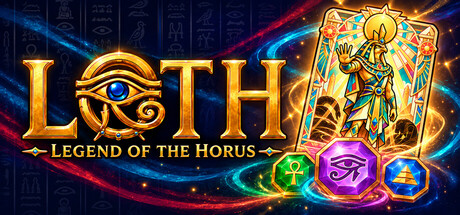
Generative AI tools were used during the development of Loth to create certain game assets. These AI-generated assets were reviewed, edited, and integrated into the game by the developer. No generative AI is used to create content in real time during gameplay.
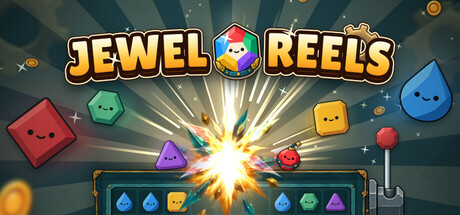
The game contains pre-generated AI-assisted artwork, including industrial workshop and interface art, jewels, visual effect assets, and static store artwork. No content is generated by AI during gameplay, and the game does not connect to external AI services.
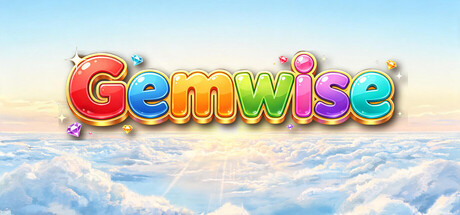
Gemwise includes pre-generated music, visual artwork, and localized text created with generative AI tools. These assets were selected, edited, processed, integrated, and reviewed by the developer. The game does not generate AI content during gameplay and does not connect to external AI services.
As a solo developer, I used generative AI tools as part of the visual production workflow for selected assets. All final materials were carefully reviewed, edited, and refined by hand before being included in the game.
During the development of this game, we utilized generative artificial intelligence tools—specifically Claude, Gemini, and Codex (GPT)—to assist with programming, debugging, and drafting text/documentation.
Code and Systems: AI models were used as development assistants to help write, refactor, and troubleshoot code logic.
Text and Documentation: AI assistants were used to brainstorm and draft text content, which was then thoroughly reviewed, edited, and manually integrated by our development team.
This game utilizes AI for the localization and translation of language content, and employs AI to generate the basic materials for in-game graphic resources (requiring manual post-processing). Additionally, the music in the game is also generated using AI
Some sound effects included in the game were generated using generative AI tools. The game's non-English translations were machine-generated. The game contains no live-generated AI content. Visual assets and UI are generated procedurally by conventional game code.
Generative AI tools were used during development to create and assist with some pre-generated visual and audio assets. All AI-assisted content included in the game is reviewed, selected, and integrated by the developer. No generative AI content is created in real time during gameplay.
Pre-generated AI tools were used during development to create portions of the game's static 2D artwork and music, including some environment and character images, store marketing art, and achievement icons. The outputs were selected, edited, integrated, and reviewed by the developer. No content is generated while the game is running, and the game does not send player prompts or player data to any AI service.
Generative AI was used during development for a small number of visual assets and background music. All AI-generated content was carefully directed, reviewed, and edited by the developer to maintain the game's quality, consistency, and artistic vision. No AI-generated content is created during gameplay.
Artwork: created with generative AI, pre-rendered, hand-curated and edited.
Code and design: 100% human-written, built on a match-3 framework I've developed and shipped five games with since 2012.
Runtime: no AI is used while the game is running.
This game uses AI-generated 2D art assets, including block icons,
character sprites, and tower visuals. These assets were created
with the assistance of generative AI image models and have beenreviewed and curated by our team. All gameplay logic, story,
and sound design are human-authored.
This game has a lot of assets; as a solo developer, AI-assisted tools were used to help create some of the audio and sound files. I'm sharing this openly so players can make an informed choice. If the game finds an audience, I'd love to invest in commissioning original art to replace these assets down the line.
Some visual art assets were created using AI-assisted collage techniques, combining and compositing multiple generated elements into final scenes. Some character voices use AI voice modulation applied to original voice performances to modify and enhance those performances. Music is originally composed, with AI tools assisting in instrumentation and production.
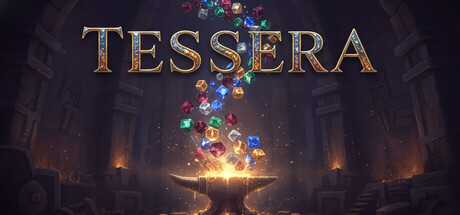
Some of Tessera's assets - including monster and character artwork, background art, gem and tile art, certain UI icons, and some audio - were created with the assistance of generative AI tools (Google Gemini) during development. These assets were reviewed, edited, curated, and integrated by the developer. Tessera does NOT generate any AI content live during gameplay; all AI-assisted content is pre-made and fixed in the build.
Generative AI tools were used during development to assist with code optimization and UI icon prototyping. All content is safe for all audiences and does not infringe any copyrights.
Halloween Trouble 8 utilizes generative artificial intelligence tools to assist in creating several elements of the game. Specifically, AI was used in the generation of:
Art & Visuals: Background environments, character portraits, and the in-game puzzle tiles and runes.
Audio: The game's musical soundtrack.
Narrative & Writing: The overarching story generation and descriptive in-game text.
AI tools were used during development solely to assist with coding, including identifying and fixing bugs and making minor code corrections and improvements. AI does not generate any content for players during gameplay.
The character illustrations and their animation frames were created with the assistance of image-generation AI (Stable Diffusion), then manually layered, retouched and reviewed by the developer. All other content — game design, code, music, sound effects and text — is made by humans. No AI content is generated at runtime.
Loop Spot is a solo-developed game. Generative AI tools were used to assist with the creation of some visual assets, including UI artwork, logos, and capsule/marketing artwork. These assets were further edited, composited, and refined by me to fit the game’s visual direction and overall artistic vision.
The core gameplay, puzzle design, programming, and music were created by me. No generative AI was used to create the game’s music.
AI was used as a supporting visual production tool, while the game’s design, creative direction, gameplay, and music are my original work.
Some of this game's assets were made with the assistance of generative AI tools and were reviewed, curated and hand-finished by the developer. No content is generated while you play.
During the development of this game, generative AI tools were used to assist in creating some of the art materials (scenes / props / UI) and text content. All AI-generated content has been thoroughly reviewed, modified, optimized, and checked for copyright by humans to ensure the quality and compliance of the content.
This game uses generative AI in the following ways:
Art: Visual assets including the logo, UI elements, backgrounds, and character sprites were created with the assistance of AI image generation tools, then reviewed and adjusted by the developer.
Localization: In-game text was translated into 72 languages with the assistance of AI translation tools.
All content has been reviewed by the developer before release.
Generative AI tools were used during development to help create some content, including the English localization, music and sound effects, the 3D-rendered block art pipeline, and parts of the store/marketing materials. All AI-assisted content was reviewed and refined by the developer. No content is generated by AI at runtime.
Generative AI tools were used during development to assist with programming, localization, and the creation and editing of some promotional artwork. AI-assisted content was reviewed and adjusted by the developer. The game does not generate content during gameplay.
Nexus Ascendant contains pre-generated content created with the assistance of generative AI tools during development. This includes portions of the character and environment artwork, animated visual assets, user-interface graphics, gameplay textures, narrative writing, Japanese voice audio, and marketing materials. All AI-assisted content was selected, edited, reviewed, and integrated by the developer before inclusion. The game does not generate AI content during gameplay or transmit player data to generative AI services.
Generative AI was used throughout nearly every aspect of this game's development and production. AI and a human developer formed an unholy union of sound and mind (a merge, if you will) to birth this production.
No generative AI runs during gameplay. Its contributions were created during development.
NyanDrop uses AI tools in parts of its development process, including the creation of some of the pixel artwork used in the game and on the store page, the sound effects and music, and the writing and translation of text shown in the game and on the store page. All such output is generated and reviewed in advance before being incorporated into the product, and no generative AI runs during gameplay.
Generative AI tools were used during development to create all visual artwork, sound effects, and music in Matchinko, including artwork used in store and marketing materials. AI tools also assisted with code, debugging, and drafts of some written content. All generated material was reviewed, selected, edited, tested, and integrated by the developer before inclusion. The game does not generate content using AI at runtime, connect to external AI services during play, or send player data to AI systems.
We use AI as a creative assistant to refine our English descriptions and ensure they are easy to read and engaging (since we are not native speakers). In addition, some of the game’s illustrations were created with the help of generative AI tools and later refined by human artists.
Generative AI was used in the game for (a) Generating dialogs and translations (b) Generating game backgrounds, character art and tiles etc (c) Generating Music.
I used modern AI tools as creative assistants while building the world of my game. This allowed me to share the dark fantasy universe in my mind with you in a much more vivid and detailed way.
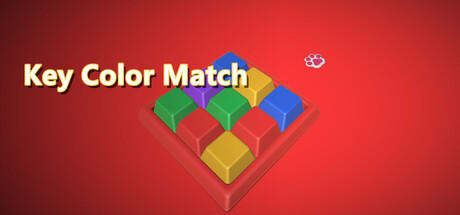
This game uses generative AI to assist with creating some visual assets, including the default keyboard skin, decorative elements, and store promotional images. AI-generated content is manually reviewed, edited, and integrated before use. The game does not generate AI content in real time during gameplay.
Generative AI was used for creating Store page assets and in game items. Generated content was then manually edited to remove any anomalies and match look and feel of overall game's theme.
Generative AI tools were used during the development of Loth to create certain game assets. These AI-generated assets were reviewed, edited, and integrated into the game by the developer. No generative AI is used to create content in real time during gameplay.
The game contains pre-generated AI-assisted artwork, including industrial workshop and interface art, jewels, visual effect assets, and static store artwork. No content is generated by AI during gameplay, and the game does not connect to external AI services.
Gemwise includes pre-generated music, visual artwork, and localized text created with generative AI tools. These assets were selected, edited, processed, integrated, and reviewed by the developer. The game does not generate AI content during gameplay and does not connect to external AI services.
As a solo developer, I used generative AI tools as part of the visual production workflow for selected assets. All final materials were carefully reviewed, edited, and refined by hand before being included in the game.
During the development of this game, we utilized generative artificial intelligence tools—specifically Claude, Gemini, and Codex (GPT)—to assist with programming, debugging, and drafting text/documentation.
Code and Systems: AI models were used as development assistants to help write, refactor, and troubleshoot code logic.
Text and Documentation: AI assistants were used to brainstorm and draft text content, which was then thoroughly reviewed, edited, and manually integrated by our development team.
This game utilizes AI for the localization and translation of language content, and employs AI to generate the basic materials for in-game graphic resources (requiring manual post-processing). Additionally, the music in the game is also generated using AI
Some sound effects included in the game were generated using generative AI tools. The game's non-English translations were machine-generated. The game contains no live-generated AI content. Visual assets and UI are generated procedurally by conventional game code.
Generative AI tools were used during development to create and assist with some pre-generated visual and audio assets. All AI-assisted content included in the game is reviewed, selected, and integrated by the developer. No generative AI content is created in real time during gameplay.
Pre-generated AI tools were used during development to create portions of the game's static 2D artwork and music, including some environment and character images, store marketing art, and achievement icons. The outputs were selected, edited, integrated, and reviewed by the developer. No content is generated while the game is running, and the game does not send player prompts or player data to any AI service.
Generative AI was used during development for a small number of visual assets and background music. All AI-generated content was carefully directed, reviewed, and edited by the developer to maintain the game's quality, consistency, and artistic vision. No AI-generated content is created during gameplay.
Artwork: created with generative AI, pre-rendered, hand-curated and edited.
Code and design: 100% human-written, built on a match-3 framework I've developed and shipped five games with since 2012.
Runtime: no AI is used while the game is running.
This game uses AI-generated 2D art assets, including block icons,
character sprites, and tower visuals. These assets were created
with the assistance of generative AI image models and have beenreviewed and curated by our team. All gameplay logic, story,
and sound design are human-authored.
This game has a lot of assets; as a solo developer, AI-assisted tools were used to help create some of the audio and sound files. I'm sharing this openly so players can make an informed choice. If the game finds an audience, I'd love to invest in commissioning original art to replace these assets down the line.
Some visual art assets were created using AI-assisted collage techniques, combining and compositing multiple generated elements into final scenes. Some character voices use AI voice modulation applied to original voice performances to modify and enhance those performances. Music is originally composed, with AI tools assisting in instrumentation and production.
Some of Tessera's assets - including monster and character artwork, background art, gem and tile art, certain UI icons, and some audio - were created with the assistance of generative AI tools (Google Gemini) during development. These assets were reviewed, edited, curated, and integrated by the developer. Tessera does NOT generate any AI content live during gameplay; all AI-assisted content is pre-made and fixed in the build.
Generative AI tools were used during development to assist with code optimization and UI icon prototyping. All content is safe for all audiences and does not infringe any copyrights.
Halloween Trouble 8 utilizes generative artificial intelligence tools to assist in creating several elements of the game. Specifically, AI was used in the generation of:
Art & Visuals: Background environments, character portraits, and the in-game puzzle tiles and runes.
Audio: The game's musical soundtrack.
Narrative & Writing: The overarching story generation and descriptive in-game text.
AI tools were used during development solely to assist with coding, including identifying and fixing bugs and making minor code corrections and improvements. AI does not generate any content for players during gameplay.
The character illustrations and their animation frames were created with the assistance of image-generation AI (Stable Diffusion), then manually layered, retouched and reviewed by the developer. All other content — game design, code, music, sound effects and text — is made by humans. No AI content is generated at runtime.
Loop Spot is a solo-developed game. Generative AI tools were used to assist with the creation of some visual assets, including UI artwork, logos, and capsule/marketing artwork. These assets were further edited, composited, and refined by me to fit the game’s visual direction and overall artistic vision.
The core gameplay, puzzle design, programming, and music were created by me. No generative AI was used to create the game’s music.
AI was used as a supporting visual production tool, while the game’s design, creative direction, gameplay, and music are my original work.
Some of this game's assets were made with the assistance of generative AI tools and were reviewed, curated and hand-finished by the developer. No content is generated while you play.
During the development of this game, generative AI tools were used to assist in creating some of the art materials (scenes / props / UI) and text content. All AI-generated content has been thoroughly reviewed, modified, optimized, and checked for copyright by humans to ensure the quality and compliance of the content.
This game uses generative AI in the following ways:
Art: Visual assets including the logo, UI elements, backgrounds, and character sprites were created with the assistance of AI image generation tools, then reviewed and adjusted by the developer.
Localization: In-game text was translated into 72 languages with the assistance of AI translation tools.
All content has been reviewed by the developer before release.
Generative AI tools were used during development to help create some content, including the English localization, music and sound effects, the 3D-rendered block art pipeline, and parts of the store/marketing materials. All AI-assisted content was reviewed and refined by the developer. No content is generated by AI at runtime.
Generative AI tools were used during development to assist with programming, localization, and the creation and editing of some promotional artwork. AI-assisted content was reviewed and adjusted by the developer. The game does not generate content during gameplay.
Nexus Ascendant contains pre-generated content created with the assistance of generative AI tools during development. This includes portions of the character and environment artwork, animated visual assets, user-interface graphics, gameplay textures, narrative writing, Japanese voice audio, and marketing materials. All AI-assisted content was selected, edited, reviewed, and integrated by the developer before inclusion. The game does not generate AI content during gameplay or transmit player data to generative AI services.
Generative AI was used throughout nearly every aspect of this game's development and production. AI and a human developer formed an unholy union of sound and mind (a merge, if you will) to birth this production.
No generative AI runs during gameplay. Its contributions were created during development.
NyanDrop uses AI tools in parts of its development process, including the creation of some of the pixel artwork used in the game and on the store page, the sound effects and music, and the writing and translation of text shown in the game and on the store page. All such output is generated and reviewed in advance before being incorporated into the product, and no generative AI runs during gameplay.
Generative AI tools were used during development to create all visual artwork, sound effects, and music in Matchinko, including artwork used in store and marketing materials. AI tools also assisted with code, debugging, and drafts of some written content. All generated material was reviewed, selected, edited, tested, and integrated by the developer before inclusion. The game does not generate content using AI at runtime, connect to external AI services during play, or send player data to AI systems.
We use AI as a creative assistant to refine our English descriptions and ensure they are easy to read and engaging (since we are not native speakers). In addition, some of the game’s illustrations were created with the help of generative AI tools and later refined by human artists.
Generative AI was used in the game for (a) Generating dialogs and translations (b) Generating game backgrounds, character art and tiles etc (c) Generating Music.
I used modern AI tools as creative assistants while building the world of my game. This allowed me to share the dark fantasy universe in my mind with you in a much more vivid and detailed way.
This game uses generative AI to assist with creating some visual assets, including the default keyboard skin, decorative elements, and store promotional images. AI-generated content is manually reviewed, edited, and integrated before use. The game does not generate AI content in real time during gameplay.
Generative AI was used for creating Store page assets and in game items. Generated content was then manually edited to remove any anomalies and match look and feel of overall game's theme.