Public Steam disclosure research25,376 disclosures tracked
Where do games disclose AI use?
Search developers’ Steam disclosures, compare classified AI use across
games, and follow recorded changes.
This index adds cross-game classifications and statistics to
statements published on individual store pages.
Groups reflect automatic analysis of public disclosures; mature records are excluded. These counts do not measure AI use across all of Steam.
Missing or unclear statements cannot establish whether a game uses AI.
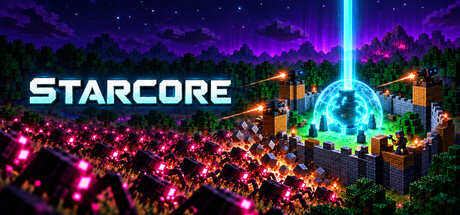
Some pre-generated content was made with AI tools: the store key art and capsule images, the localization into 19 languages, and parts of the in-game and store text. 3D models, sound effects and achievement icons are built procedurally by code written with AI assistance. No AI-generated content is created live while you play.
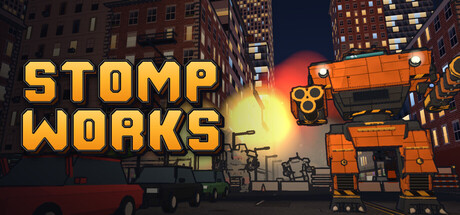
Some artwork and promotional images, dialogue, synthesized character voices, and sound effects were created with generative AI tools during development. These are pre-generated, fixed assets. No content is generated by AI during gameplay, and the game does not connect to third-party AI services while you play.
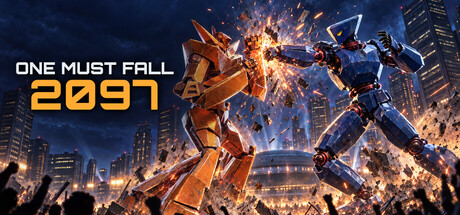
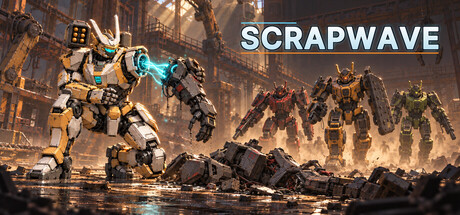
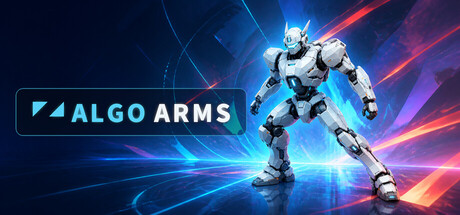
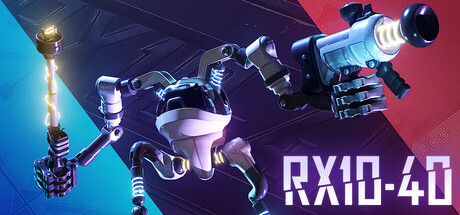
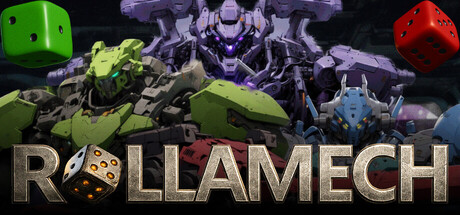
The remake's 3D robots, arenas and animation were produced with AI-assisted generation tools (image-to-3D and image generation) from the original game's designs, then authored, repaired and reviewed by hand in Blender and Unreal. The menu art shown in HD is AI-remastered from the original game's pictures, and the store page artwork was AI-generated from renders of our in-game robots. All AI content is pre-made during development; nothing is generated while you play. The music and sound effects are the original recordings, remastered without AI.
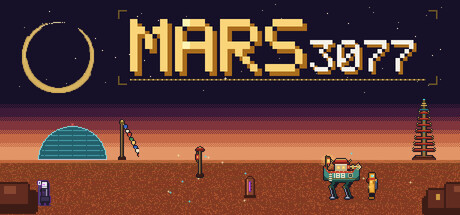
AI tools assisted the creation of in-game text and localization, and the development of code used to render pixel artwork and synthesize music and sound effects. The game does not use a generative AI model or service during gameplay.
Some art and audio in this game were generated with AI tools during development and edited by the developer. No AI content is generated while the game is running.
Audio sound effects, translated localization text, and promotional trailer videos in this game were produced with the assistance of generative AI tools. All AI-assisted assets have been reviewed, edited and finalized by the development team.
Generative AI was used to assist with the creation of the game logo and some promotional assets for the Steam store. The generated materials were selected, edited, and further processed by the developer before use.
Generative AI was also used during development to assist with programming and debugging.
No generative AI is used to generate content during gameplay.
Current development builds include one AI-generated splash-screen image and a small number of prerecorded soldier voice lines created using generative AI. No content is generated by AI during gameplay.
Some pre-generated artwork in the opening/title presentation and Steam store images was created with generative AI and edited by the developer. No AI content is generated during gameplay.
Generative AI was used during development to create some artwork, character animation assets, music, and promotional artwork. These assets were prepared before release. The game does not generate AI content during gameplay or connect to an AI service.
Generative AI was used primarily to assist in the creation of some visual assets and images used in the game, including illustrations, UI artwork, and promotional materials. AI-generated images were manually reviewed, selected, edited, and adjusted by the developer before being integrated into the game.
The game does not use generative AI to create content in real time during gameplay.
Generative AI was used during development to create visual assets, including illustrations and backgrounds, produce background music, and translate in-game text. Images created using generative AI are also used on the Steam store page and in promotional materials. No content is generated using AI during gameplay.
Some visual effect textures in this game were generated using AI image tools and then edited by hand before being used. All other content - character and environment art, animation, models, music, sound and writing was created with love by humans. All AI-assisted assets were reviewed and edited before inclusion.
Generative AI was used during development to create some visual assets, including background artwork, UI graphics, icons and 3D models, as well as music, some sound effects, and localized text. These assets are included as pre-generated content. The game does not generate AI content or connect to external AI services during gameplay.
Generative AI tools were used to help create some of our promotional artwork, such as the store capsule and key art. AI is used to develop intelligence of the enemy bot players in the arena. It was reviewed and selected by our team. No AI content is generated during gameplay.
Card illustrations, some environment backgrounds and promotional assets in this game were created with AI-assisted generation tools, then hand-picked, edited and post-processed by the team. No AI-generated content is produced at runtime; the game does not connect to any external AI service during gameplay.
Generative AI was used during production to create license icons and to assist with store descriptions and Chinese and English text. The icons were selected, edited and integrated as fixed assets. The AI use described here takes place during production.
Development of this game used AI assistance for writing source code, and for creating some of the in-game art assets such as objects and enemies. All AI-generated content was produced during development and reviewed by the developer; the game does not generate any content with AI at runtime.
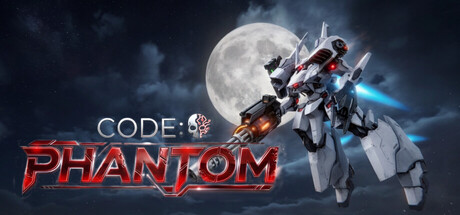
AI was used to create write parts of the game code and scripting, to refine mech textures, and for voiceover and audio content - to be used as placeholders while in playtests.
I've been using Generative AI tools as part of development for things like programming assistance, troubleshooting, research, brainstorming, and some concept exploration.
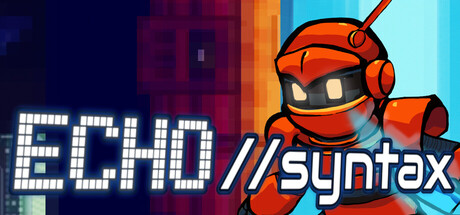
ECHO//syntax is a work of mechanics made from love of the beat-em-up genre from CHROMAGEM. It is designed, directed, assembled, tested, and curated by me. I make the first and final decisions on the game's mechanics, characters, levels, visual direction, and overall design.
As a designer that's looking to get a particular feel and experience with this game, I'm looking through and making sure you're getting a good game to play and enjoy.
Generative AI was used as a development tool for this game. An AI assistant helped with programming, game design iteration, and text translation, always under the developer's direction and review. Some 3D models, such as mech parts, are based on assets created with generative AI tools and then adjusted and integrated by the developer. No content is generated by AI during gameplay: enemy behavior is not generative AI, but the same deterministic node-based algorithms that players build themselves.
AI was used during development to create portions of the game’s pre-generated artwork, characters, animations, music, voices, and sound effects. These assets are included in the finished game. No AI content is generated live during gameplay.
Generative AI tools were used during development to create certain pre-generated visual and audio assets, including character portraits and video sequences, mech and environment artwork, synthetic voice-over, and some sound effects. All generated assets were reviewed and curated by the developer. The game does not generate content during gameplay, and no player input is sent to generative AI services.
This game makes limited, supplementary use of generative AI tools during development. The primary uses are programming assistance (such as debugging), certain image and audio assets, and assistance with translating text into English.
Generated image and audio assets are not used as-is. The development team reviews their content and makes additions, revisions, edits, and other adjustments to ensure that they are appropriately refined and fit the game.
For text translated with the assistance of generative AI, the development team reviews the context and content and makes any necessary revisions before using it in the game. Please note that generative AI does not generate any game content during gameplay.
This game uses generative AI tools for parts of its 3D model creation and music/sound effect production.
Core elements of the game experience — including the scenario, game design, AI logic design and implementation, and part balance adjustments — are created and decided primarily by the developer himself.
In keeping with the game's own concept of "designing AI logic to fight," the development process itself also actively incorporates collaboration with AI. This game was completed by using dialogue with AI to work around the limitations of a one-person team.
AI is used in part for translating text from Japanese into the supported languages.
AI is not used for game development, content generation, or any purposes other than translation.
Generative tools were used during development to assist with portions of the game's source code and to create or refine some visual assets and promotional artwork. All included content was reviewed and edited by the developer. The game does not generate content during gameplay.
Generative AI tools were used during development to assist with pre-generated content only.
AI-assisted content includes one promotional artwork asset used in the Steam store capsule and library assets, AI-generated imagery used in the game's story description, some in-game sound assets, localization and translation, and portions of certain 3D models.
All AI-assisted outputs were reviewed, selected, edited where necessary, and integrated by the developer before being included in the game or on the Steam store page.
The game does not generate content using AI while it is running, does not connect players to any generative AI service, and does not send player input to an AI service.
Some 2D art was made with generative AI as a starting point, cards are renders of our real 3D models with painted backgrounds. No in-game AI, no AI voices, no real people's likenesses. Art may be replaced during Early Access.
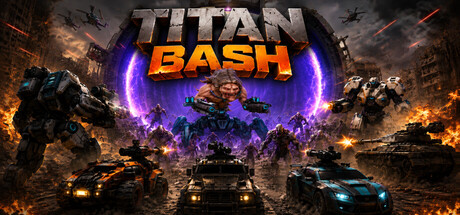
MonsterBash includes pre-generated AI-assisted artwork for certain menu backgrounds and between-level illustrations. All AI-generated assets were reviewed, edited, and integrated by the developer. No AI-generated content is created during gameplay.
Generative AI is used in this title for translation (to support multiple languages) and for the initial concepts of the background music.
All final assets have undergone a process of editing, refinement, and review by human creators.
Generative tools were used during development to assist with certain aspects of the games rendering systems; all such content was curated, reviewed, and integrated by the development team.
Generative AI was used exclusively for marketing and promotional materials. This includes the store page capsule art, translations and the background music featured in the promotional trailer.
No AI generated assets, imagery or audio are used within the actual game build, game screenshots or gameplay experience.
Some 2D images and promotional artwork used in the game and on the Steam store page were created or assisted using generative AI tools and then reviewed, modified, and integrated by the developer. No real-time AI-generated content is created during gameplay.
I am currently a solo developer working hard to bring this project to life. To keep development moving during the early stages, you will notice some placeholder character portraits and backgrounds that were AI-assisted.
My goal and commitment is to replace every piece of AI-generated content with custom-made, hand-crafted pixel art by the time of the official 1.0 release. All current monster designs, battle maps, and GUI elements are already original pixel artwork. I appreciate your patience as I work to ensure the final version of the game fully reflects my personal artistic vision!
Some pre-generated content was made with AI tools: the store key art and capsule images, the localization into 19 languages, and parts of the in-game and store text. 3D models, sound effects and achievement icons are built procedurally by code written with AI assistance. No AI-generated content is created live while you play.
Some artwork and promotional images, dialogue, synthesized character voices, and sound effects were created with generative AI tools during development. These are pre-generated, fixed assets. No content is generated by AI during gameplay, and the game does not connect to third-party AI services while you play.
The remake's 3D robots, arenas and animation were produced with AI-assisted generation tools (image-to-3D and image generation) from the original game's designs, then authored, repaired and reviewed by hand in Blender and Unreal. The menu art shown in HD is AI-remastered from the original game's pictures, and the store page artwork was AI-generated from renders of our in-game robots. All AI content is pre-made during development; nothing is generated while you play. The music and sound effects are the original recordings, remastered without AI.
AI tools assisted the creation of in-game text and localization, and the development of code used to render pixel artwork and synthesize music and sound effects. The game does not use a generative AI model or service during gameplay.
Some art and audio in this game were generated with AI tools during development and edited by the developer. No AI content is generated while the game is running.
Audio sound effects, translated localization text, and promotional trailer videos in this game were produced with the assistance of generative AI tools. All AI-assisted assets have been reviewed, edited and finalized by the development team.
Generative AI was used to assist with the creation of the game logo and some promotional assets for the Steam store. The generated materials were selected, edited, and further processed by the developer before use.
Generative AI was also used during development to assist with programming and debugging.
No generative AI is used to generate content during gameplay.
Current development builds include one AI-generated splash-screen image and a small number of prerecorded soldier voice lines created using generative AI. No content is generated by AI during gameplay.
Some pre-generated artwork in the opening/title presentation and Steam store images was created with generative AI and edited by the developer. No AI content is generated during gameplay.
Generative AI was used during development to create some artwork, character animation assets, music, and promotional artwork. These assets were prepared before release. The game does not generate AI content during gameplay or connect to an AI service.
Generative AI was used primarily to assist in the creation of some visual assets and images used in the game, including illustrations, UI artwork, and promotional materials. AI-generated images were manually reviewed, selected, edited, and adjusted by the developer before being integrated into the game.
The game does not use generative AI to create content in real time during gameplay.
Generative AI was used during development to create visual assets, including illustrations and backgrounds, produce background music, and translate in-game text. Images created using generative AI are also used on the Steam store page and in promotional materials. No content is generated using AI during gameplay.
Some visual effect textures in this game were generated using AI image tools and then edited by hand before being used. All other content - character and environment art, animation, models, music, sound and writing was created with love by humans. All AI-assisted assets were reviewed and edited before inclusion.
Generative AI was used during development to create some visual assets, including background artwork, UI graphics, icons and 3D models, as well as music, some sound effects, and localized text. These assets are included as pre-generated content. The game does not generate AI content or connect to external AI services during gameplay.
Generative AI tools were used to help create some of our promotional artwork, such as the store capsule and key art. AI is used to develop intelligence of the enemy bot players in the arena. It was reviewed and selected by our team. No AI content is generated during gameplay.
Card illustrations, some environment backgrounds and promotional assets in this game were created with AI-assisted generation tools, then hand-picked, edited and post-processed by the team. No AI-generated content is produced at runtime; the game does not connect to any external AI service during gameplay.
Generative AI was used during production to create license icons and to assist with store descriptions and Chinese and English text. The icons were selected, edited and integrated as fixed assets. The AI use described here takes place during production.
Development of this game used AI assistance for writing source code, and for creating some of the in-game art assets such as objects and enemies. All AI-generated content was produced during development and reviewed by the developer; the game does not generate any content with AI at runtime.
AI was used to create write parts of the game code and scripting, to refine mech textures, and for voiceover and audio content - to be used as placeholders while in playtests.
I've been using Generative AI tools as part of development for things like programming assistance, troubleshooting, research, brainstorming, and some concept exploration.
ECHO//syntax is a work of mechanics made from love of the beat-em-up genre from CHROMAGEM. It is designed, directed, assembled, tested, and curated by me. I make the first and final decisions on the game's mechanics, characters, levels, visual direction, and overall design.
As a designer that's looking to get a particular feel and experience with this game, I'm looking through and making sure you're getting a good game to play and enjoy.
Generative AI was used as a development tool for this game. An AI assistant helped with programming, game design iteration, and text translation, always under the developer's direction and review. Some 3D models, such as mech parts, are based on assets created with generative AI tools and then adjusted and integrated by the developer. No content is generated by AI during gameplay: enemy behavior is not generative AI, but the same deterministic node-based algorithms that players build themselves.
AI was used during development to create portions of the game’s pre-generated artwork, characters, animations, music, voices, and sound effects. These assets are included in the finished game. No AI content is generated live during gameplay.
Generative AI tools were used during development to create certain pre-generated visual and audio assets, including character portraits and video sequences, mech and environment artwork, synthetic voice-over, and some sound effects. All generated assets were reviewed and curated by the developer. The game does not generate content during gameplay, and no player input is sent to generative AI services.
This game makes limited, supplementary use of generative AI tools during development. The primary uses are programming assistance (such as debugging), certain image and audio assets, and assistance with translating text into English.
Generated image and audio assets are not used as-is. The development team reviews their content and makes additions, revisions, edits, and other adjustments to ensure that they are appropriately refined and fit the game.
For text translated with the assistance of generative AI, the development team reviews the context and content and makes any necessary revisions before using it in the game. Please note that generative AI does not generate any game content during gameplay.
This game uses generative AI tools for parts of its 3D model creation and music/sound effect production.
Core elements of the game experience — including the scenario, game design, AI logic design and implementation, and part balance adjustments — are created and decided primarily by the developer himself.
In keeping with the game's own concept of "designing AI logic to fight," the development process itself also actively incorporates collaboration with AI. This game was completed by using dialogue with AI to work around the limitations of a one-person team.
AI is used in part for translating text from Japanese into the supported languages.
AI is not used for game development, content generation, or any purposes other than translation.
Generative tools were used during development to assist with portions of the game's source code and to create or refine some visual assets and promotional artwork. All included content was reviewed and edited by the developer. The game does not generate content during gameplay.
Generative AI tools were used during development to assist with pre-generated content only.
AI-assisted content includes one promotional artwork asset used in the Steam store capsule and library assets, AI-generated imagery used in the game's story description, some in-game sound assets, localization and translation, and portions of certain 3D models.
All AI-assisted outputs were reviewed, selected, edited where necessary, and integrated by the developer before being included in the game or on the Steam store page.
The game does not generate content using AI while it is running, does not connect players to any generative AI service, and does not send player input to an AI service.
Some 2D art was made with generative AI as a starting point, cards are renders of our real 3D models with painted backgrounds. No in-game AI, no AI voices, no real people's likenesses. Art may be replaced during Early Access.
MonsterBash includes pre-generated AI-assisted artwork for certain menu backgrounds and between-level illustrations. All AI-generated assets were reviewed, edited, and integrated by the developer. No AI-generated content is created during gameplay.
Generative AI is used in this title for translation (to support multiple languages) and for the initial concepts of the background music.
All final assets have undergone a process of editing, refinement, and review by human creators.
Generative tools were used during development to assist with certain aspects of the games rendering systems; all such content was curated, reviewed, and integrated by the development team.
Generative AI was used exclusively for marketing and promotional materials. This includes the store page capsule art, translations and the background music featured in the promotional trailer.
No AI generated assets, imagery or audio are used within the actual game build, game screenshots or gameplay experience.
Some 2D images and promotional artwork used in the game and on the Steam store page were created or assisted using generative AI tools and then reviewed, modified, and integrated by the developer. No real-time AI-generated content is created during gameplay.
I am currently a solo developer working hard to bring this project to life. To keep development moving during the early stages, you will notice some placeholder character portraits and backgrounds that were AI-assisted.
My goal and commitment is to replace every piece of AI-generated content with custom-made, hand-crafted pixel art by the time of the official 1.0 release. All current monster designs, battle maps, and GUI elements are already original pixel artwork. I appreciate your patience as I work to ensure the final version of the game fully reflects my personal artistic vision!