Public Steam disclosure research25,376 disclosures tracked
Where do games disclose AI use?
Search developers’ Steam disclosures, compare classified AI use across
games, and follow recorded changes.
This index adds cross-game classifications and statistics to
statements published on individual store pages.
Groups reflect automatic analysis of public disclosures; mature records are excluded. These counts do not measure AI use across all of Steam.
Missing or unclear statements cannot establish whether a game uses AI.
Nuclear Kitty Games is a human-led studio whose team brings 15 years of professional game-development experience. We use AI and large language models (LLMs) to support development and content creation, improve our workflows and speed up iteration. Our developers direct the design and development of every game, and review and integrate the final content. We are game makers and players who care about the games we create.
Some content included in this game and its promotional materials was created with generative AI assistance. No content is AI-generated during gameplay.
Some included character, animal, creature and sample images were created with generative AI and then edited and prepared for the product. Generative AI also assisted with localization. MEMEMINT does not generate new images or text with generative AI during use and does not connect to a third-party generative AI service. Its local background-removal feature uses a non-generative segmentation model.
Some artwork, promotional images and translations were created with generative AI. Computer players generate short photo captions through an external AI service. Players can report inappropriate captions.
Generative AI Usage Disclosure
Generative AI tools were used during the development of One Last Shot! to generate or assist with the game’s code, character designs, and visual assets. This includes AI-assisted programming, refactoring, and debugging, as well as AI-generated or AI-assisted character concepts, card artwork, backgrounds, UI elements, and other visual assets.
All AI-generated or AI-assisted content included in the released version was reviewed, edited, integrated, and tested by the development team. The game does not use live generative AI during gameplay, and no text, images, audio, or other content is generated at runtime through an external AI service.
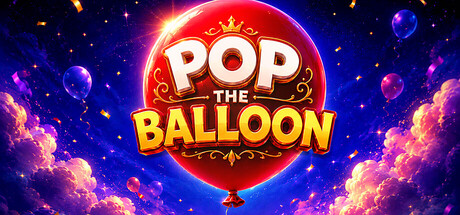
This game was developed with the help of generative AI tools. AI was used to create pre-generated content that ships with the game: the balloon artwork, menu backgrounds, achievement icons and other visual assets, the music, the sound effects, and parts of the in-game text and the German/English localization. AI coding assistants were also used during development. All content was selected, edited and assembled by the developer. No content is generated by AI while you play.
Soundgun does not use AI while it runs, and it ships no AI-generated sounds. Some of its interface text, translations and store page text were drafted with the help of AI tools and reviewed by the developer.
Some game assets and store promotional artwork were created with generative AI before release. The game does not generate AI content during gameplay or connect to external AI services.
Some visual and art assets in the game were created with the assistance of generative AI, combined with live-action materials and human-created artwork and editing.
The music for this game has been created with AI through serious prompting and critical listening.
Want to donate your own electric swing music to this game? Contact us on Discord :)
AI was used only for localization and for generating some assets outside the game. The game itself does not use or integrate AI. Any AI use described in the game refers to players using their own external tools.
Generative AI tools were used during development. Some 3D models of characters and environments, some pre-rendered cutscenes, the main theme song, marketing videos and the translations were created with the help of AI tools, then edited and assembled by the developer. Gameplay design, code and in-game animations were made by the developer. No content is generated by AI during gameplay.
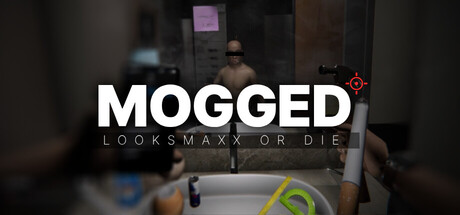
I built every environment, HUD and system in MOGGED by hand over months. I even placed the individual pingpong balls and the patches of grass myself.
But two things did involve AI: A few decals and icons, made for comedic effect. And several voice lines: narrator and NPC barks. If the game does well, I'm hiring proper voice acting.
Everything I did not make myself is properly licensed and credited to the people who did.
We used AI tools during development: part of the source code was written with an AI
assistant, and part of the pixel art was generated with PixelLab. Everything was
reviewed, edited and tested by the developer by hand. The game generates nothing at
runtime — all content is fixed in the build and identical for every player.
Every voice you hear in Dub Night Live is a real person. Nothing in the game is AI-generated: no AI voices, no AI art, no AI judging (scoring is player votes).
The clip editor uses two open-source machine-learning tools that run locally on your PC: one separates a clip's original voices from its music and effects, and one drafts line timings for you to review and fix. They process your own video files, never send anything to an external service, and never create content.
During development, AI was used as a coding assistant only.
This game was created by a real human, using the Codex development environment. Contains lots of generated artwork and descriptive text, as well as gameplay refinements gained through AI powered balance testing.
This game used generative AI during development as a programming aid, assisting with the writing, debugging, and optimization of portions of the source code. All AI-assisted code was reviewed, edited, and tested by the developer before inclusion.
The voice acting of President Grump, the game's fictional parody character, is pre-generated with AI voice generation tools. The shipped game does not generate any content with AI while you play.
This game uses generative AI for some visual content, including icons, logos, game art, Steam store page art, and website marketing images. Some store and website descriptions were written with AI assistance. Store, website, and marketing art is made to match the actual in-game look and design.
Generative AI tools were used in creating and refining promotional artwork and marketing assets for this game's Steam store page. The game does not use live-generated AI during gameplay.
MemeWorks contains some pre-generated visual materials created with the assistance of generative AI tools during development. These materials include certain brand elements, sample images, and promotional video assets used for presentation and marketing purposes.
MemeWorks does not use generative AI during runtime, does not generate content for users in real time, and does not connect to any external AI services while the application is being used.
Generative AI was used in a limited, supporting role during development:
• Portions of this store page description were drafted with the help of AI text tools and then reviewed and edited by the developer.
• A small number of icons (used on the store page) were created with the assistance of AI image generation tools and refined by the developer.
The game itself does not use generative AI at runtime.
Pixel art assets, in-game text translation to other languages were produced with AI assistance during development and edited by the developer. No content is generated at runtime.
Generative AI was used during development to assist with code, artwork, in-game text such as death messages, and store page text. All AI-generated content was reviewed and edited by the developer. No AI runs during gameplay - the game is fully offline and generates no content at runtime.
Generative AI tools were used only to assist with localization and the writing of text for the Steam store page. No content is generated while the product is running.
Generative AI tools were used during development to assist with some pre-generated visual assets, written content, and development-related creative work. All AI-assisted content included in the final game and store materials is reviewed by the developer before release. The game does not generate AI content during gameplay and does not connect to external AI services while running.
Some of the artwork in this game was made with AI image generators and edited by hand afterwards. This covers the two player characters, the logo, the menu icons and the curtain texture. The English interface texts were written with the help of a language model and reviewed afterwards. The German texts are written by hand.
The bundled Pack Creator uses a speech recognition model to find the spoken parts of a video you supply yourself and turn them into the lines you read out. An AI noise filter for your microphone recordings and AI-based separation of speech and background audio work the same way. All of this runs locally on your own machine and never sends data to an external service. These models only process material you provide yourself, they do not invent content of their own, and the result stays inside your own lobby.
This game is a solo project developed by a student. Due to limited resources and budget, Generative AI tools were utilized to create store page visuals and capsule designs, as well as to localize and draft store descriptions; these elements were personally edited, refined, and finalized by the developer.
As a solo developer working with a limited budget, I used generative AI tools to help bring my vision to life and add more variety to the game. Specifically, AI generated 10-20 graphical assets and assisted in creating about half of the game's music tracks. The vast majority of the game (over 95%) - including all core design, programming, and mechanics was created entirely by hand.
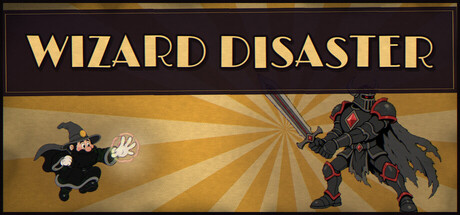
Wizard Disaster was made by a solo developer, using generative AI tools as part of the production pipeline.
Art. Character, boss and background artwork, and the source frames the animations are built from, were produced with generative image and video tools. Everything was then cut, keyed, aligned, retimed and composited by hand into the sheets the game actually plays. The generated output is the raw material, not the finished asset. Concept passes were made the same way.
Audio. The music and most of the sound effects were generated with Suno, then trimmed, pitched, levelled and fitted to the length of the action each one accompanies. Not all of the audio is generated: a number of the effects are synthesised procedurally in code from a 1930s orchestra-pit palette, and the wizard's own voice (his cries and shouts) are human recordings.
Code. Generative AI was used as a programming assistant during development, and to build and run the automated test harnesses that measure boss pacing, damage output and medal times. Those harnesses are development-only tooling and are not part of the shipped game.
The game contains no live-generated AI content. Nothing is generated while you play, and the game makes no network or AI service calls at runtime.
Nuclear Kitty Games is a human-led studio whose team brings 15 years of professional game-development experience. We use AI and large language models (LLMs) to support development and content creation, improve our workflows and speed up iteration. Our developers direct the design and development of every game, and review and integrate the final content. We are game makers and players who care about the games we create.
Some content included in this game and its promotional materials was created with generative AI assistance. No content is AI-generated during gameplay.
Some included character, animal, creature and sample images were created with generative AI and then edited and prepared for the product. Generative AI also assisted with localization. MEMEMINT does not generate new images or text with generative AI during use and does not connect to a third-party generative AI service. Its local background-removal feature uses a non-generative segmentation model.
Some artwork, promotional images and translations were created with generative AI. Computer players generate short photo captions through an external AI service. Players can report inappropriate captions.
Generative AI Usage Disclosure
Generative AI tools were used during the development of One Last Shot! to generate or assist with the game’s code, character designs, and visual assets. This includes AI-assisted programming, refactoring, and debugging, as well as AI-generated or AI-assisted character concepts, card artwork, backgrounds, UI elements, and other visual assets.
All AI-generated or AI-assisted content included in the released version was reviewed, edited, integrated, and tested by the development team. The game does not use live generative AI during gameplay, and no text, images, audio, or other content is generated at runtime through an external AI service.
This game was developed with the help of generative AI tools. AI was used to create pre-generated content that ships with the game: the balloon artwork, menu backgrounds, achievement icons and other visual assets, the music, the sound effects, and parts of the in-game text and the German/English localization. AI coding assistants were also used during development. All content was selected, edited and assembled by the developer. No content is generated by AI while you play.
Soundgun does not use AI while it runs, and it ships no AI-generated sounds. Some of its interface text, translations and store page text were drafted with the help of AI tools and reviewed by the developer.
Some game assets and store promotional artwork were created with generative AI before release. The game does not generate AI content during gameplay or connect to external AI services.
Some visual and art assets in the game were created with the assistance of generative AI, combined with live-action materials and human-created artwork and editing.
The music for this game has been created with AI through serious prompting and critical listening.
Want to donate your own electric swing music to this game? Contact us on Discord :)
AI was used only for localization and for generating some assets outside the game. The game itself does not use or integrate AI. Any AI use described in the game refers to players using their own external tools.
Generative AI tools were used during development. Some 3D models of characters and environments, some pre-rendered cutscenes, the main theme song, marketing videos and the translations were created with the help of AI tools, then edited and assembled by the developer. Gameplay design, code and in-game animations were made by the developer. No content is generated by AI during gameplay.
I built every environment, HUD and system in MOGGED by hand over months. I even placed the individual pingpong balls and the patches of grass myself.
But two things did involve AI: A few decals and icons, made for comedic effect. And several voice lines: narrator and NPC barks. If the game does well, I'm hiring proper voice acting.
Everything I did not make myself is properly licensed and credited to the people who did.
We used AI tools during development: part of the source code was written with an AI
assistant, and part of the pixel art was generated with PixelLab. Everything was
reviewed, edited and tested by the developer by hand. The game generates nothing at
runtime — all content is fixed in the build and identical for every player.
Every voice you hear in Dub Night Live is a real person. Nothing in the game is AI-generated: no AI voices, no AI art, no AI judging (scoring is player votes).
The clip editor uses two open-source machine-learning tools that run locally on your PC: one separates a clip's original voices from its music and effects, and one drafts line timings for you to review and fix. They process your own video files, never send anything to an external service, and never create content.
During development, AI was used as a coding assistant only.
This game was created by a real human, using the Codex development environment. Contains lots of generated artwork and descriptive text, as well as gameplay refinements gained through AI powered balance testing.
This game used generative AI during development as a programming aid, assisting with the writing, debugging, and optimization of portions of the source code. All AI-assisted code was reviewed, edited, and tested by the developer before inclusion.
The voice acting of President Grump, the game's fictional parody character, is pre-generated with AI voice generation tools. The shipped game does not generate any content with AI while you play.
This game uses generative AI for some visual content, including icons, logos, game art, Steam store page art, and website marketing images. Some store and website descriptions were written with AI assistance. Store, website, and marketing art is made to match the actual in-game look and design.
Generative AI tools were used in creating and refining promotional artwork and marketing assets for this game's Steam store page. The game does not use live-generated AI during gameplay.
MemeWorks contains some pre-generated visual materials created with the assistance of generative AI tools during development. These materials include certain brand elements, sample images, and promotional video assets used for presentation and marketing purposes.
MemeWorks does not use generative AI during runtime, does not generate content for users in real time, and does not connect to any external AI services while the application is being used.
Generative AI was used in a limited, supporting role during development:
• Portions of this store page description were drafted with the help of AI text tools and then reviewed and edited by the developer.
• A small number of icons (used on the store page) were created with the assistance of AI image generation tools and refined by the developer.
The game itself does not use generative AI at runtime.
Pixel art assets, in-game text translation to other languages were produced with AI assistance during development and edited by the developer. No content is generated at runtime.
Generative AI was used during development to assist with code, artwork, in-game text such as death messages, and store page text. All AI-generated content was reviewed and edited by the developer. No AI runs during gameplay - the game is fully offline and generates no content at runtime.
Generative AI tools were used only to assist with localization and the writing of text for the Steam store page. No content is generated while the product is running.
Generative AI tools were used during development to assist with some pre-generated visual assets, written content, and development-related creative work. All AI-assisted content included in the final game and store materials is reviewed by the developer before release. The game does not generate AI content during gameplay and does not connect to external AI services while running.
Some of the artwork in this game was made with AI image generators and edited by hand afterwards. This covers the two player characters, the logo, the menu icons and the curtain texture. The English interface texts were written with the help of a language model and reviewed afterwards. The German texts are written by hand.
The bundled Pack Creator uses a speech recognition model to find the spoken parts of a video you supply yourself and turn them into the lines you read out. An AI noise filter for your microphone recordings and AI-based separation of speech and background audio work the same way. All of this runs locally on your own machine and never sends data to an external service. These models only process material you provide yourself, they do not invent content of their own, and the result stays inside your own lobby.
This game is a solo project developed by a student. Due to limited resources and budget, Generative AI tools were utilized to create store page visuals and capsule designs, as well as to localize and draft store descriptions; these elements were personally edited, refined, and finalized by the developer.
As a solo developer working with a limited budget, I used generative AI tools to help bring my vision to life and add more variety to the game. Specifically, AI generated 10-20 graphical assets and assisted in creating about half of the game's music tracks. The vast majority of the game (over 95%) - including all core design, programming, and mechanics was created entirely by hand.
Wizard Disaster was made by a solo developer, using generative AI tools as part of the production pipeline.
Art. Character, boss and background artwork, and the source frames the animations are built from, were produced with generative image and video tools. Everything was then cut, keyed, aligned, retimed and composited by hand into the sheets the game actually plays. The generated output is the raw material, not the finished asset. Concept passes were made the same way.
Audio. The music and most of the sound effects were generated with Suno, then trimmed, pitched, levelled and fitted to the length of the action each one accompanies. Not all of the audio is generated: a number of the effects are synthesised procedurally in code from a 1930s orchestra-pit palette, and the wizard's own voice (his cries and shouts) are human recordings.
Code. Generative AI was used as a programming assistant during development, and to build and run the automated test harnesses that measure boss pacing, damage output and medal times. Those harnesses are development-only tooling and are not part of the shipped game.
The game contains no live-generated AI content. Nothing is generated while you play, and the game makes no network or AI service calls at runtime.