Public Steam disclosure research25,376 disclosures tracked
Where do games disclose AI use?
Search developers’ Steam disclosures, compare classified AI use across
games, and follow recorded changes.
This index adds cross-game classifications and statistics to
statements published on individual store pages.
Groups reflect automatic analysis of public disclosures; mature records are excluded. These counts do not measure AI use across all of Steam.
Missing or unclear statements cannot establish whether a game uses AI.
Generative AI tools were used during development to assist with certain pre-generated content, including localization and selected visual assets. All AI-assisted content was reviewed and edited by the developer before being included in the game. The game does not use generative AI during gameplay and does not connect to external AI services.
Some voices, music, sound effects, 3D models, images, text, translations and code were made with AI tools and then edited by the developer. Nothing is generated by AI while you play.
Game source code, videos, images, and music in some parts of the game are initially generated using generative AI and then manually edited and refined.
The host's voice lines were generated with an AI text-to-speech service from a script we wrote. Parts of the store page text were drafted with AI assistance and edited by us. All game art, minigames and code are made by the developer; nothing is generated while you play.
Generative AI was used during development to create in-game collectible cover artwork, as well as store and marketing artwork and text. These assets are prepared in advance. The game does not generate AI content during gameplay or connect to a live AI service.
Voice acting, music and sound effects were generated with ElevenLabs AI tools, then selected, edited and mixed by the developer. Some game text, including dialogue and store descriptions, was drafted with AI assistance and edited by the developer. The game does not generate any AI content while it runs.
Generative AI tools were used during development to assist in the creation of selected visual, audio, and text assets. All AI-assisted content was reviewed, curated, and integrated by the development team. The game does not generate AI content during gameplay.
Some character portraits were created with generative AI. AI tools were also used to help write and translate the store page and to translate the game's text. The story and dialogue were written by our team.
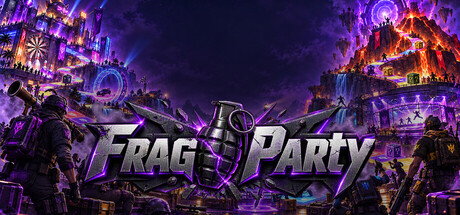
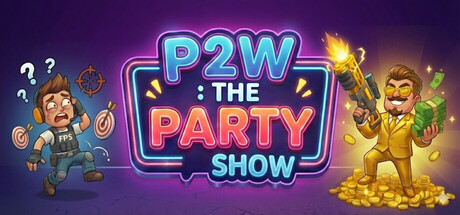
Parts of Frag Party's artwork and translated text were produced with generative AI tools.
Artwork: the promotional key art that the store capsules are composed from, and a small number of
static wallpaper images used as backdrops behind a few of the challenges.
Text: the non-English interface translations (Spanish, French, Portuguese, Russian, Arabic and
Simplified Chinese). English is the original and was written by hand.
Everything else is human-made: all gameplay and code, the 3D characters, weapons and environments,
animation, interface layout and audio. Nothing is generated while you play, and the game does not
connect to any AI service.
Generative AI tools were used during development to help create artwork, audio, writing, and programming. The game does not generate AI content during gameplay and does not connect to an external AI service while you play.
All graphics in the game are hand-pixelled. The soundtrack was created with generative AI. Some images for the Steam store and library were expanded using AI to fit the required aspect ratios. No content is generated by AI during gameplay.
Some in-game backgrounds and character and item artwork, as well as promotional artwork, were created using generative AI. AI also assisted with text localization. No generative AI is used during gameplay.
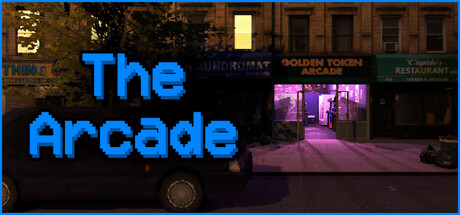
Generative AI used for UV editing, and slight modifications to existing works. (80's arcade video game posters modified to avoid using trademarked content)
Generative AI was used only to assist with the localization of in-game text. All AI-assisted translations are manually reviewed and edited by the developer before being included in the game. No generative AI is used to generate content during gameplay.
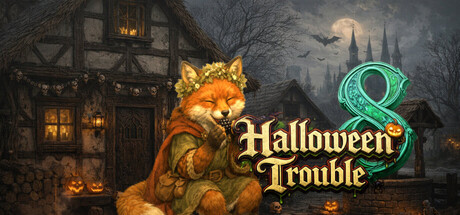
Halloween Trouble 8 utilizes generative artificial intelligence tools to assist in creating several elements of the game. Specifically, AI was used in the generation of:
Art & Visuals: Background environments, character portraits, and the in-game puzzle tiles and runes.
Audio: The game's musical soundtrack.
Narrative & Writing: The overarching story generation and descriptive in-game text.
Pre-generated content only. No AI runs while the game is played.
Some monster and boss sprites were generated with PixelLab (an AI pixel-art tool) and then hand-edited, cut into animation strips and cleaned up by the developer. A few background art pieces, such as arcade machine sheets and map-card thumbnails, were generated with Google Gemini and then reworked by hand. The music soundtrack was generated with Suno on a paid licence. Some store page art may be based on these assets.
All gameplay code, the level design, the rest of the sprite art, UI, sound effects and all text were made by the developer without generative AI. The game does not generate any content at runtime.
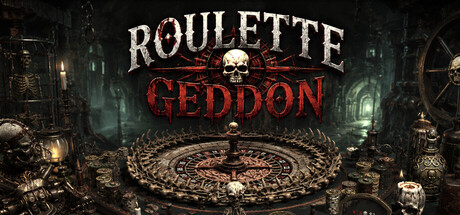
Some pre-generated visual assets used in Roulettegeddon, including portions of promotional artwork and certain in-game visual elements, were created or refined with the assistance of generative AI. The game's gameplay, mechanics, and player progression do not rely on AI-generated content during play.
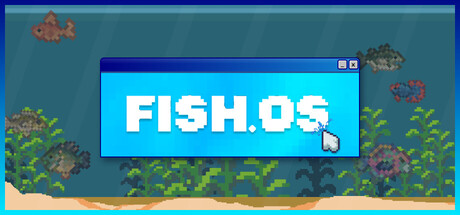
Some 2D art in the game was created with the help of an AI pixel-art tool during development, specifically the application icons and and was hand-adjusted before shipping. The rest of the game's art, including all fish sprites and item icons, was made without AI.
This game contains pre-generated AI-assisted illustrations and visual assets. All AI-assisted content has been reviewed, modified, and integrated by the developer. The game does not generate AI content during gameplay and does not connect to external AI services.
This game uses generative AI for some background and minigame music tracks. Artwork, UI, gameplay systems, and written content were created without generative AI. No AI content is generated during gameplay.
Generative AI was used in the game for (a) Generating dialogs and translations (b) Generating game backgrounds, character art and tiles etc (c) Generating Music.
Some art and audio assets in Cozy Airways were created with the help of generative AI tools during development. All AI-assisted content was reviewed, edited and approved by our team. The game does not generate any AI content live during gameplay.
Generative AI was used to create artwork for the title screen, lobby background, and some UI decorations. The generated images were selected, edited, and sliced by the development team before being integrated into the game. Generative AI was also used to assist with drafting and editing some mini-game prompts. The game does not use generative AI at runtime and does not connect to external AI services during play.
Some of the art, music, and voice assets that ship with this game were created with the help of generative AI tools during development, then curated,
▎ edited, and assembled by the developer. This includes character and mascot art, background and scene art, UI and logo imagery, background music tracks,
▎ and in-game voice lines. The game does not generate any AI content live at runtime. All AI-assisted assets were reviewed before inclusion, and we do not
▎ knowingly ship content that infringes third-party intellectual property.
Some visual assets, such as icon/key art variations, may be generated or assisted using generative AI tools and then reviewed/edited by the developer before inclusion. The game does not use live generative AI during gameplay.
This game contains pre-generated AI-created images, including realistic and horror-themed imagery used during gameplay. All content was reviewed and curated by the developer. The game does not include live AI generation or user-generated content.
Most of this game is AI-generated. In-game text (UI, game names, descriptions), graphics (player icons, vector elements), code and the majority of the micro-game implementations — all AI, then reviewed and curated by the developer. Localization to all non-English languages is AI-translated. No AI runs at runtime; everything is pre-generated and shipped statically.
CielChan uses generative AI to create real-time conversation responses and voice synthesis. By default, a local AI model generates text responses, and bundled TTS engines convert those responses to speech directly on your device.
All core functionality is fully available offline, and no internet connection is required to use the application.
Optional cloud-based AI and voice features are available for advanced users. When enabled, these features may send text or audio data to selected third-party providers using user-provided API keys.
The AI model, voice synthesis, and core systems are included in the download, allowing CielChan to function independently offline.
This game uses generative AI to support both development and gameplay features. During development, AI tools were used to assist in creating certain text, visual, and audio assets.
In-game, AI provides conversational responses during NPC interactions, enhancing immersion and social gameplay.
All AI-generated content is reviewed and controlled to ensure it aligns with the game’s design and provides a safe player experience.
This game is adapted from an original short story written and owned by the developer. The story and all narrative content are original creative works with no AI-generated writing. The English script was produced with Claude's assistance to adapt the setting and dialogue style to small-town Ohio. Visual assets were generated using Seedance 2.0. Game code is built on Nova, an open-source visual novel framework, and is not AI-generated.
During the game's development, we may use tools that make use of procedural generation or AI. In every case, the final product reflects the creativity and artistic direction of the development team.
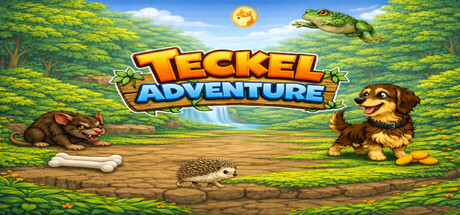
Some promotional or artistic visual assets in Teckel Adventure were initially generated with the help of AI tools and then edited or integrated by the developer.
No content is generated by AI during gameplay. All gameplay systems and interactive content are fully predefined.
This game was developed using AI-assisted tools in multiple areas of development, including programming, writing, music, and visual assets. AI tools were used during the creation process to help generate and prototype content, which was then reviewed, edited, and integrated into the game by the developer.
Generative AI tools were used during development to assist with certain pre-generated content, including localization and selected visual assets. All AI-assisted content was reviewed and edited by the developer before being included in the game. The game does not use generative AI during gameplay and does not connect to external AI services.
Some voices, music, sound effects, 3D models, images, text, translations and code were made with AI tools and then edited by the developer. Nothing is generated by AI while you play.
Game source code, videos, images, and music in some parts of the game are initially generated using generative AI and then manually edited and refined.
The host's voice lines were generated with an AI text-to-speech service from a script we wrote. Parts of the store page text were drafted with AI assistance and edited by us. All game art, minigames and code are made by the developer; nothing is generated while you play.
Generative AI was used during development to create in-game collectible cover artwork, as well as store and marketing artwork and text. These assets are prepared in advance. The game does not generate AI content during gameplay or connect to a live AI service.
Voice acting, music and sound effects were generated with ElevenLabs AI tools, then selected, edited and mixed by the developer. Some game text, including dialogue and store descriptions, was drafted with AI assistance and edited by the developer. The game does not generate any AI content while it runs.
Generative AI tools were used during development to assist in the creation of selected visual, audio, and text assets. All AI-assisted content was reviewed, curated, and integrated by the development team. The game does not generate AI content during gameplay.
Some character portraits were created with generative AI. AI tools were also used to help write and translate the store page and to translate the game's text. The story and dialogue were written by our team.
Parts of Frag Party's artwork and translated text were produced with generative AI tools.
Artwork: the promotional key art that the store capsules are composed from, and a small number of
static wallpaper images used as backdrops behind a few of the challenges.
Text: the non-English interface translations (Spanish, French, Portuguese, Russian, Arabic and
Simplified Chinese). English is the original and was written by hand.
Everything else is human-made: all gameplay and code, the 3D characters, weapons and environments,
animation, interface layout and audio. Nothing is generated while you play, and the game does not
connect to any AI service.
Generative AI tools were used during development to help create artwork, audio, writing, and programming. The game does not generate AI content during gameplay and does not connect to an external AI service while you play.
All graphics in the game are hand-pixelled. The soundtrack was created with generative AI. Some images for the Steam store and library were expanded using AI to fit the required aspect ratios. No content is generated by AI during gameplay.
Some in-game backgrounds and character and item artwork, as well as promotional artwork, were created using generative AI. AI also assisted with text localization. No generative AI is used during gameplay.
Generative AI used for UV editing, and slight modifications to existing works. (80's arcade video game posters modified to avoid using trademarked content)
Generative AI was used only to assist with the localization of in-game text. All AI-assisted translations are manually reviewed and edited by the developer before being included in the game. No generative AI is used to generate content during gameplay.
Halloween Trouble 8 utilizes generative artificial intelligence tools to assist in creating several elements of the game. Specifically, AI was used in the generation of:
Art & Visuals: Background environments, character portraits, and the in-game puzzle tiles and runes.
Audio: The game's musical soundtrack.
Narrative & Writing: The overarching story generation and descriptive in-game text.
Pre-generated content only. No AI runs while the game is played.
Some monster and boss sprites were generated with PixelLab (an AI pixel-art tool) and then hand-edited, cut into animation strips and cleaned up by the developer. A few background art pieces, such as arcade machine sheets and map-card thumbnails, were generated with Google Gemini and then reworked by hand. The music soundtrack was generated with Suno on a paid licence. Some store page art may be based on these assets.
All gameplay code, the level design, the rest of the sprite art, UI, sound effects and all text were made by the developer without generative AI. The game does not generate any content at runtime.
Some pre-generated visual assets used in Roulettegeddon, including portions of promotional artwork and certain in-game visual elements, were created or refined with the assistance of generative AI. The game's gameplay, mechanics, and player progression do not rely on AI-generated content during play.
Some 2D art in the game was created with the help of an AI pixel-art tool during development, specifically the application icons and and was hand-adjusted before shipping. The rest of the game's art, including all fish sprites and item icons, was made without AI.
This game contains pre-generated AI-assisted illustrations and visual assets. All AI-assisted content has been reviewed, modified, and integrated by the developer. The game does not generate AI content during gameplay and does not connect to external AI services.
This game uses generative AI for some background and minigame music tracks. Artwork, UI, gameplay systems, and written content were created without generative AI. No AI content is generated during gameplay.
Generative AI was used in the game for (a) Generating dialogs and translations (b) Generating game backgrounds, character art and tiles etc (c) Generating Music.
Some art and audio assets in Cozy Airways were created with the help of generative AI tools during development. All AI-assisted content was reviewed, edited and approved by our team. The game does not generate any AI content live during gameplay.
Generative AI was used to create artwork for the title screen, lobby background, and some UI decorations. The generated images were selected, edited, and sliced by the development team before being integrated into the game. Generative AI was also used to assist with drafting and editing some mini-game prompts. The game does not use generative AI at runtime and does not connect to external AI services during play.
Some of the art, music, and voice assets that ship with this game were created with the help of generative AI tools during development, then curated,
▎ edited, and assembled by the developer. This includes character and mascot art, background and scene art, UI and logo imagery, background music tracks,
▎ and in-game voice lines. The game does not generate any AI content live at runtime. All AI-assisted assets were reviewed before inclusion, and we do not
▎ knowingly ship content that infringes third-party intellectual property.
Some visual assets, such as icon/key art variations, may be generated or assisted using generative AI tools and then reviewed/edited by the developer before inclusion. The game does not use live generative AI during gameplay.
This game contains pre-generated AI-created images, including realistic and horror-themed imagery used during gameplay. All content was reviewed and curated by the developer. The game does not include live AI generation or user-generated content.
Most of this game is AI-generated. In-game text (UI, game names, descriptions), graphics (player icons, vector elements), code and the majority of the micro-game implementations — all AI, then reviewed and curated by the developer. Localization to all non-English languages is AI-translated. No AI runs at runtime; everything is pre-generated and shipped statically.
CielChan uses generative AI to create real-time conversation responses and voice synthesis. By default, a local AI model generates text responses, and bundled TTS engines convert those responses to speech directly on your device.
All core functionality is fully available offline, and no internet connection is required to use the application.
Optional cloud-based AI and voice features are available for advanced users. When enabled, these features may send text or audio data to selected third-party providers using user-provided API keys.
The AI model, voice synthesis, and core systems are included in the download, allowing CielChan to function independently offline.
This game uses generative AI to support both development and gameplay features. During development, AI tools were used to assist in creating certain text, visual, and audio assets.
In-game, AI provides conversational responses during NPC interactions, enhancing immersion and social gameplay.
All AI-generated content is reviewed and controlled to ensure it aligns with the game’s design and provides a safe player experience.
This game is adapted from an original short story written and owned by the developer. The story and all narrative content are original creative works with no AI-generated writing. The English script was produced with Claude's assistance to adapt the setting and dialogue style to small-town Ohio. Visual assets were generated using Seedance 2.0. Game code is built on Nova, an open-source visual novel framework, and is not AI-generated.
During the game's development, we may use tools that make use of procedural generation or AI. In every case, the final product reflects the creativity and artistic direction of the development team.
Some promotional or artistic visual assets in Teckel Adventure were initially generated with the help of AI tools and then edited or integrated by the developer.
No content is generated by AI during gameplay. All gameplay systems and interactive content are fully predefined.
This game was developed using AI-assisted tools in multiple areas of development, including programming, writing, music, and visual assets. AI tools were used during the creation process to help generate and prototype content, which was then reviewed, edited, and integrated into the game by the developer.