








Disclosure
AI-generated content is used for artwork, sound, and coding assistance.
- Creator
- MIKAGE STUDIO.
- Reviews
- -
- Added
- Oct 12, 2026
Public Steam disclosure research 25,376 disclosures tracked
Search developers’ Steam disclosures, compare classified AI use across games, and follow recorded changes. This index adds cross-game classifications and statistics to statements published on individual store pages.
Code help, debugging and other development work.
Capsule art, trailers and promotional material.
Pre-made art, audio, writing and other game assets.
Interactive or runtime AI features disclosed by the developer.
Groups reflect automatic analysis of public disclosures; mature records are excluded. These counts do not measure AI use across all of Steam. Missing or unclear statements cannot establish whether a game uses AI.
AI-generated content is used for artwork, sound, and coding assistance.
Some graphics and sound assets included in this game were created with the assistance of Generative AI and were subsequently reviewed and retouched by humans.
Music, background, videos and images in this game, especially the artwork, were created using AI tools as a visual supplement. This creative choice allowed me to focus more time and resources on what matters most, delivering longer, more engaging, and fun gameplay.
SoundGoat includes an optional real-time AI voice changer and offline dictation. Both run entirely on your own PC. One community RVC voice model ("Egirl") is included. Parts of the code and texts were written with AI assistance
Parts of the game's code and in-game text were written with AI assistance and edited by hand. The store capsule art was generated with AI image tools from the game's own visual style and then edited. No AI-generated image or audio files ship inside the game itself: every graphic is drawn in code while it runs, and all music and sound are synthesised live.
Music generated with artificial intelligence assistance
I used the help of AI to supplement me in areas, where my talent lacks to bring my ideas to live. I am no great musician, I am no graphics designer and partly colorblind. I used these modern tools to create what I've dreamt of.
AI tools were used to assist with programming and generate a small number of textures and menu illustrations. These visual assets were adjusted by hand before being included in the game.
We used AI tools to help create artwork, music, and text, including translations. We selected and refined the visuals to fit Desktop Theme Park’s cartoon style.
Generative AI was used during development to create the mascot and some promotional artwork, and to help prepare written content and interface translations. Earthwind does not generate AI content during use or send microphone audio or imported scores to an AI service.
Generative AI tools were used during development to create and refine some pre-generated visual assets, music, sound effects, and promotional artwork. No text or narrative content was generated using AI. All AI-assisted materials were reviewed, edited, and integrated by the development team. The game does not use generative AI at runtime, and no player input or personal data is sent to any AI service.
Pre-generated: AI-assisted development was used for portions of WiderUp's included preset/code content. Generative image tools were also used for splash/backdrop artwork and parts of the user-interface icon set, based on WiderUp's prompts and followed by human review/editing. Shipped outputs were reviewed, tested and integrated by WiderUp. The product does not rely on an AI service while it is running. Live-generated: None. Spiroshader does not generate content with AI at runtime and contains no runtime AI model or generative-AI service.
This game includes assets created with generative AI during development (official music, song artwork, and drum animations). Nothing is generated while you play, and the game does not connect to an AI service at runtime. Players cannot send prompts to any AI.
AI was used in developing game mechanics, primarily coding. Human reviewed code.
Soundgun does not use AI while it runs, and it ships no AI-generated sounds. Some of its interface text, translations and store page text were drafted with the help of AI tools and reviewed by the developer.
Help in creating images
Scriptura uses pre-generated AI content for ambient music, sound effects, and some artwork used on the store page and in marketing. The Race Friends trailer includes AI-generated music and sound effects. Certain optional DLC texts include AI-generated translations, identified in their edition information. Scriptura does not generate AI content during gameplay or connect to an AI service while you play.
Some in-app text (character dialogue) and translations were drafted with AI writing assistance and edited by the developer. All graphics are drawn at runtime by hand-written code, and all sounds and music are synthesised by code; no AI image, voice or music models are used, and nothing is AI-generated while you use the app.
KiosuneVN ships no generative AI: nothing it draws, composes or exports comes out of an AI model, it makes no calls to any AI service, and nothing you make is collected or sent anywhere. The developer used an AI assistant (Claude) to help write parts of the application's code and this store page's text; every character, sprite, cue and starter script the tools produce comes from hand-built, deterministic engines.
Ping Pong Attack: The Return of the Pong contains pre-generated AI-assisted content created during development. Certain background music tracks were generated using Suno while Tedesen Pty Ltd held an active paid subscription granting commercial-use rights. Certain pre-rendered cinematic videos and visual assets were created using DaVinci AI while Tedesen Pty Ltd held an active paid subscription permitting commercial use. All included assets were selected, reviewed, edited and integrated into the game by Tedesen Pty Ltd. No generative AI services operate while the game is running, and players cannot create or submit AI-generated content through the game.
AI was used as a coding assistant during development, and for translations. I’m a software engineer with 25 years of programming experience. I used AI to help with technical implementation while I focused on the game’s design, systems, balance, and overall feel.
The application itself does not use generative AI. Maps are produced by a deterministic, rule-based algorithm from signal analysis of the user's own audio file (tempo, beat grid, onsets, song structure); no machine-learning models are involved, and nothing is generated at runtime by AI. Generative AI was used only for marketing: the animated scenes in the store trailer were produced with AI image and video tools from our own storyboard and prompts. Store screenshots are real captures of the application, and the capsule artwork was designed by hand.
Generative AI was used to assist with localization and some written text, and to create selected artwork for official Steam Workshop content, including the abstract fallback cover in PULSE INDEX. ECHO does not generate content with AI during use or connect to external AI services during use.
* Some artwork was created with reference to concept images generated by generative AI * Language localization
The developer first created a visual guide for the character NULL. Based on that guide, Meshy AI was used to create one pre-generated 3D character model. No AI-generated content is created during gameplay. All other game content, music, audiovisual works, film, website, and Unreal Engine and Wwise systems were created by the developer.
Almost all of the game’s content has been handmade by our art team. A small number of textures were generated with generative AI tools, then edited and integrated into the final assets by the development team.
WICKLING was built with AI assistance. Generative AI was used during development to help write the game's code, its pixel art, its level layouts and some of its writing, and to help produce this store page and its artwork. The soundtrack is not AI-generated. Every note is a hand-written 2A03 chiptune, synthesised by the game as it runs rather than played back from audio files, which is why the horror systems can bend the music live. Nothing in WICKLING is generated while you play. Every level, sprite, line of text and piece of music is fixed and identical for every player, and the game makes no network requests of any kind.
This game uses AI-assisted tools during the development process to support the solo developer's workflow: - 2D Art & Textures: Some background textures, UI elements, and concept art references were initially drafted using AI tools, followed by extensive manual repainting, editing, and refinement. All character designs, 3D models, are fully crafted and hand-painted by human artists. The story context is designed by myself. - Audio: Certain background music tracks and ambient prototypes were generated with AI assistance. Character voice acting in story and core themes are produced by human creators. No real-time (live-generated) AI is used during runtime.
Generative AI tools were used in the development of this game, including character art and sprites, backgrounds and environment art, sound effects and music, in-game text and narrative content, and store page assets such as screenshots and marketing images. All AI-assisted content was reviewed and curated by the developer before being included in the game.
Parts of this product were produced with the help of generative AI. The HTML, CSS, JavaScript and shader code of the bundled wallpapers, the store page text and its translations were drafted with AI assistance and reviewed by a person before release. The application itself does not use generative AI at runtime. It generates no content while you use it, and nothing you do in Wallpaper — hardware readings, settings, your own photos and videos — is sent to any AI model or to any server. Everything stays on your PC.
Every voice you hear in Dub Night Live is a real person. Nothing in the game is AI-generated: no AI voices, no AI art, no AI judging (scoring is player votes). The clip editor uses two open-source machine-learning tools that run locally on your PC: one separates a clip's original voices from its music and effects, and one drafts line timings for you to review and fix. They process your own video files, never send anything to an external service, and never create content. During development, AI was used as a coding assistant only.
Loop Spot is a solo-developed game. Generative AI tools were used to assist with the creation of some visual assets, including UI artwork, logos, and capsule/marketing artwork. These assets were further edited, composited, and refined by me to fit the game’s visual direction and overall artistic vision. The core gameplay, puzzle design, programming, and music were created by me. No generative AI was used to create the game’s music. AI was used as a supporting visual production tool, while the game’s design, creative direction, gameplay, and music are my original work.
This game was developed by a single developer. Generative AI was used in the creation of character animation, UI icons, music, and sound effects, and for coding assistance during development. The story, writing, character design direction, and all creative decisions were made entirely by the developer. No content is generated by AI during gameplay.
The soundtrack of PERIHELIA was created with the assistance of generative AI music tools. All tracks were curated, edited and integrated by hand, and each ships with a hand-authored beatmap. All other content — art, code, visual effects — is authored directly and drawn procedurally, with no AI involvement.
This game was developed with assistance from multiple generative AI models, but it does not use generative AI at runtime or produce any live-generated content.
AI is used in the first section of gameplay trailer, the scenes with Ethan.
Generative AI was used only as a writing aid: the first drafts of the character's short speech-bubble lines, the store page text and our support/privacy web pages were written with an LLM (Claude) and then reviewed and edited by our team. No AI-generated images, 3D models, animations, voices or music are used; the character model, motions and songs were created by people. Nothing is generated by AI at runtime.
Rippusion is a music generation tool: every track it produces is created by a generative AI model. The app bundles the Stable Audio 3 Small (Music) model from Stability AI, used under the Stability AI Community License, and runs it entirely on your own device. Generation happens offline on your GPU or CPU - no cloud service is involved, no account is required, and no data is sent anywhere. Music featured in our trailer was generated using Rippusion itself.
Swirl Together contains a rotoscoping/masking model similar to Adobe’s roto brush, or Davinci Resolve's magic masking tool, and a depth-estimating model for colliders.
Some audio and translations were made with the assistance of AI.
Rhythm Nebula's chart generation runs totally offline, on your local hardware. None of the art, music, or other assets are AI-generated.
We use generative AI across all disciplines of game development with heavy amounts of human editing. That involves audio and visual art. We use it as a productivity tool so we can achieve a higher level of quality, faster, than we would have been able to.
We used AI image-generation tools to help create some 2D art assets in the game, such as in-game banners, posters, and signage. All AI-assisted content was reviewed and edited by the developer.
Some promotional artwork on the store page (capsule images and logo) was created with the assistance of generative AI tools, based on the game's own original key art and branding. The game itself contains no AI-generated content: all gameplay, music, visuals, and levels are hand-crafted.
Generative AI tools assisted with some pre-generated player-facing text, localization, visual designs, and store and marketing content. All resulting material was reviewed and edited before inclusion. Random Mix does not use generative AI at runtime or connect to an AI service. Its music is generated locally through conventional procedural algorithms based on music-theory rules; no machine-learning model is involved.
Development of Wandering Bard used generative AI tools to assist with some pre-generated character portraits, environment and store artwork, narrative and dialogue text, fixed character voice recordings, and instrumental music. All of this content was generated before release, then reviewed, selected, edited and integrated by the developer. The game does not generate content during play and does not connect to external AI services during play.
Part of the game's art illustrations and promotional materials are assisted by generative AI. All AI-generated assets have been manually reviewed, edited and verified for compliance, with no infringing or illegal content.
This game uses AI-assisted tools during development, limited exclusively to programming assistance, assistance with the creation of certain UI assets, and multilingual translation assistance. AI-generated output is not integrated directly into the game. All content is manually reviewed, edited, integrated, proofread, and tested by the development team before use. AI is not used to create characters, character illustrations, character-related artwork, animations, music, sound effects, narrative, or other core creative content. The game does not generate content in real time while running, nor does it connect to external AI services to provide generative features to players.
Voxio uses a local AI model to understand spoken words and trigger sound items you have set up.
Some of the in-game written text in Encore was created with the assistance of generative AI tools, and was reviewed by the development team.
| Title⇅ | Disclosure | Creator⇅ | Src | Reviews⇅ | Added↓ |
|---|---|---|---|---|---|
 SLASH//SYNC In-game content artaudiocode | AI-generated content is used for artwork, sound, and coding assistance. | MIKAGE STUDIO. | - | Oct 12, 2026 | |
 Pan, Please! In-game content artaudio | Some graphics and sound assets included in this game were created with the assistance of Generative AI and were subsequently reviewed and retouched by humans. | BitPick | - | Oct 9, 2026 | |
 The Outlaw's Saloon In-game content artaudio | Music, background, videos and images in this game, especially the artwork, were created using AI tools as a visual supplement.
This creative choice allowed me to focus more time and resources on what matters most, delivering longer, more engaging, and fun gameplay. | Red Sasori | - | Oct 9, 2026 | |
 Soundboard - SoundGoat Live AI codetext | SoundGoat includes an optional real-time AI voice changer and offline dictation. Both run entirely on your own PC. One community RVC voice model ("Egirl") is included. Parts of the code and texts were written with AI assistance | amxn | - | Oct 9, 2026 | |
 Chordfall In-game content arttextcode | Parts of the game's code and in-game text were written with AI assistance and edited by hand. The store capsule art was generated with AI image tools from the game's own visual style and then edited. No AI-generated image or audio files ship inside the game itself: every graphic is drawn in code while it runs, and all music and sound are synthesised live. | Kovid Bhaduri | - | Oct 9, 2026 | |
 Geodancer In-game content audio | Music generated with artificial intelligence assistance | AW LABS | - | Oct 7, 2026 | |
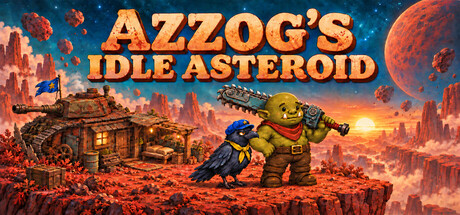 Azzog's Idle Asteroid In-game content artaudio | I used the help of AI to supplement me in areas, where my talent lacks to bring my ideas to live.
I am no great musician, I am no graphics designer and partly colorblind. I used these modern tools to create what I've dreamt of. | Sebastian von Herff | - | Oct 7, 2026 | |
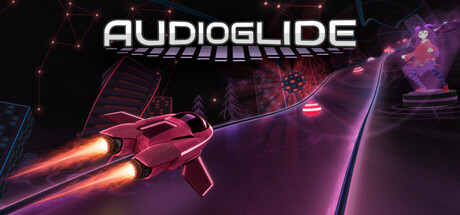 Audioglide In-game content artcode | AI tools were used to assist with programming and generate a small number of textures and menu illustrations. These visual assets were adjusted by hand before being included in the game. | Ospekki | - | Oct 5, 2026 | |
 Desktop Theme Park In-game content artaudiotext | We used AI tools to help create artwork, music, and text, including translations. We selected and refined the visuals to fit Desktop Theme Park’s cartoon style. | Tiny Pause | - | Oct 3, 2026 | |
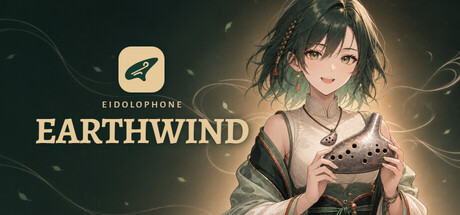 Eidolophone EARTHWIND Store/marketing arttext | Generative AI was used during development to create the mascot and some promotional artwork, and to help prepare written content and interface translations. Earthwind does not generate AI content during use or send microphone audio or imported scores to an AI service. | Black Glass Strangely | - | Oct 3, 2026 | |
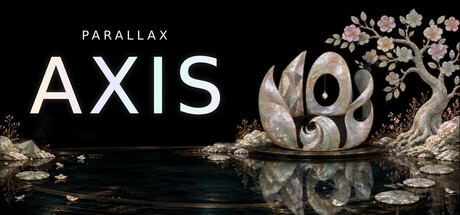 Parallax In-game content artaudio | Generative AI tools were used during development to create and refine some pre-generated visual assets, music, sound effects, and promotional artwork. No text or narrative content was generated using AI. All AI-assisted materials were reviewed, edited, and integrated by the development team. The game does not use generative AI at runtime, and no player input or personal data is sent to any AI service. | NEUTWORK | - | Oct 1, 2026 | |
 Spiroshader art | Pre-generated: AI-assisted development was used for portions of WiderUp's
included preset/code content. Generative image tools were also used for
splash/backdrop artwork and parts of the user-interface icon set, based on
WiderUp's prompts and followed by human review/editing. Shipped outputs were
reviewed, tested and integrated by WiderUp. The product does not rely on an
AI service while it is running.
Live-generated: None. Spiroshader does not generate content with AI at
runtime and contains no runtime AI model or generative-AI service. | WiderUp LLC | - | Sep 30, 2026 | |
 Music Maniaz In-game content artaudio | This game includes assets created with generative AI during development (official music, song artwork, and drum animations). Nothing is generated while you play, and the game does not connect to an AI service at runtime. Players cannot send prompts to any AI. | Maniaz | - | Sep 28, 2026 | |
 Not Musical Chairs Dev only code | AI was used in developing game mechanics, primarily coding. Human reviewed code. | CCG | - | Sep 28, 2026 | |
 Soundgun In-game content text | Soundgun does not use AI while it runs, and it ships no AI-generated sounds. Some of its interface text, translations and store page text were drafted with the help of AI tools and reviewed by the developer. | Sketchub | - | Sep 27, 2026 | |
 Puzzle Musical Instruments Unclear art | Help in creating images | IR Studio | - | Sep 25, 2026 | |
 Scriptura In-game content audioarttext | Scriptura uses pre-generated AI content for ambient music, sound effects, and some artwork used on the store page and in marketing. The Race Friends trailer includes AI-generated music and sound effects. Certain optional DLC texts include AI-generated translations, identified in their edition information. Scriptura does not generate AI content during gameplay or connect to an AI service while you play. | Light Burden Software | - | Sep 25, 2026 | |
 QuackType In-game content text | Some in-app text (character dialogue) and translations were drafted with AI writing assistance and edited by the developer. All graphics are drawn at runtime by hand-written code, and all sounds and music are synthesised by code; no AI image, voice or music models are used, and nothing is AI-generated while you use the app. | Secret X | - | Sep 24, 2026 | |
 KiosuneVN Dev only codetext | KiosuneVN ships no generative AI: nothing it draws, composes or exports comes out of an AI model, it makes no calls to any AI service, and nothing you make is collected or sent anywhere. The developer used an AI assistant (Claude) to help write parts of the application's code and this store page's text; every character, sprite, cue and starter script the tools produce comes from hand-built, deterministic engines. | MelloStudios | - | Sep 19, 2026 | |
 Ping Pong Attack: Return of the Pong In-game content audioart | Ping Pong Attack: The Return of the Pong contains pre-generated AI-assisted content created during development. Certain background music tracks were generated using Suno while Tedesen Pty Ltd held an active paid subscription granting commercial-use rights. Certain pre-rendered cinematic videos and visual assets were created using DaVinci AI while Tedesen Pty Ltd held an active paid subscription permitting commercial use.
All included assets were selected, reviewed, edited and integrated into the game by Tedesen Pty Ltd. No generative AI services operate while the game is running, and players cannot create or submit AI-generated content through the game. | Tedesen Games | - | Sep 18, 2026 | |
 Colorsong Dev only codetext | AI was used as a coding assistant during development, and for translations.
I’m a software engineer with 25 years of programming experience. I used AI to help with technical implementation while I focused on the game’s design, systems, balance, and overall feel. | Vladlen Manshin | - | Sep 15, 2026 | |
 SliceForge Store/marketing art | The application itself does not use generative AI. Maps are produced by a deterministic, rule-based algorithm from signal analysis of the user's own audio file (tempo, beat grid, onsets, song structure); no machine-learning models are involved, and nothing is generated at runtime by AI.
Generative AI was used only for marketing: the animated scenes in the store trailer were produced with AI image and video tools from our own storyboard and prompts. Store screenshots are real captures of the application, and the capsule artwork was designed by hand. | NikiBStudio | - | Sep 13, 2026 | |
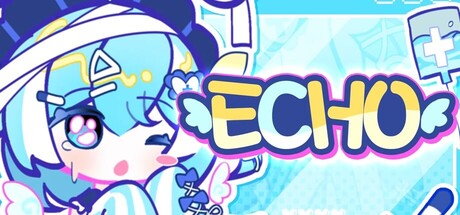 ECHO In-game content arttext | Generative AI was used to assist with localization and some written text, and to create selected artwork for official Steam Workshop content, including the abstract fallback cover in PULSE INDEX. ECHO does not generate content with AI during use or connect to external AI services during use. | Moekotori | - | Sep 13, 2026 | |
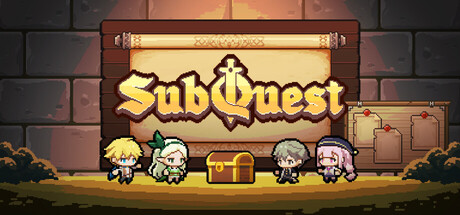 SubQuest In-game content arttext | * Some artwork was created with reference to concept images generated by generative AI
* Language localization | SubQuest | - | Sep 13, 2026 | |
 INTERSECTION I In-game content art | The developer first created a visual guide for the character NULL. Based on that guide, Meshy AI was used to create one pre-generated 3D character model. No AI-generated content is created during gameplay. All other game content, music, audiovisual works, film, website, and Unreal Engine and Wwise systems were created by the developer. | Emile Lee | - | Sep 12, 2026 | |
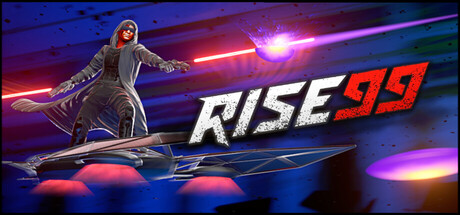 RISE99 In-game content art | Almost all of the game’s content has been handmade by our art team. A small number of textures were generated with generative AI tools, then edited and integrated into the final assets by the development team. | Springplay Studio | - | Sep 12, 2026 | |
 Wickling In-game content arttextcode | WICKLING was built with AI assistance. Generative AI was used during development to help write the game's code, its pixel art, its level layouts and some of its writing, and to help produce this store page and its artwork.
The soundtrack is not AI-generated. Every note is a hand-written 2A03 chiptune, synthesised by the game as it runs rather than played back from audio files, which is why the horror systems can bend the music live.
Nothing in WICKLING is generated while you play. Every level, sprite, line of text and piece of music is fixed and identical for every player, and the game makes no network requests of any kind. | Grey Line Interactive LLC | - | Sep 10, 2026 | |
 LUMINA: Echoes of Astalia In-game content artaudio | This game uses AI-assisted tools during the development process to support the solo developer's workflow:
- 2D Art & Textures: Some background textures, UI elements, and concept art references were initially drafted using AI tools, followed by extensive manual repainting, editing, and refinement. All character designs, 3D models, are fully crafted and hand-painted by human artists. The story context is designed by myself.
- Audio: Certain background music tracks and ambient prototypes were generated with AI assistance. Character voice acting in story and core themes are produced by human creators.
No real-time (live-generated) AI is used during runtime. | Integrix Works | - | Sep 10, 2026 | |
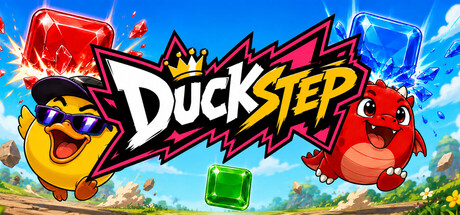 Duckstep In-game content artaudiotext | Generative AI tools were used in the development of this game, including character art and sprites, backgrounds and environment art, sound effects and music, in-game text and narrative content, and store page assets such as screenshots and marketing images. All AI-assisted content was reviewed and curated by the developer before being included in the game. | Birdie Games | - | Sep 9, 2026 | |
 Wallpaper Store/marketing codetext | Parts of this product were produced with the help of generative AI. The HTML, CSS, JavaScript and shader code of the bundled wallpapers, the store page text and its translations were drafted with AI assistance and reviewed by a person before release.
The application itself does not use generative AI at runtime. It generates no content while you use it, and nothing you do in Wallpaper — hardware readings, settings, your own photos and videos — is sent to any AI model or to any server. Everything stays on your PC. | Simay Yaşın | - | Sep 9, 2026 | |
 Dub Night Live Dev only code | Every voice you hear in Dub Night Live is a real person. Nothing in the game is AI-generated: no AI voices, no AI art, no AI judging (scoring is player votes).
The clip editor uses two open-source machine-learning tools that run locally on your PC: one separates a clip's original voices from its music and effects, and one drafts line timings for you to review and fix. They process your own video files, never send anything to an external service, and never create content.
During development, AI was used as a coding assistant only. | Dubster Games | - | Sep 7, 2026 | |
 Loop Spot Store/marketing art | Loop Spot is a solo-developed game. Generative AI tools were used to assist with the creation of some visual assets, including UI artwork, logos, and capsule/marketing artwork. These assets were further edited, composited, and refined by me to fit the game’s visual direction and overall artistic vision.
The core gameplay, puzzle design, programming, and music were created by me. No generative AI was used to create the game’s music.
AI was used as a supporting visual production tool, while the game’s design, creative direction, gameplay, and music are my original work. | Solus Games | - | Sep 6, 2026 | |
 Archechord In-game content artaudiocode | This game was developed by a single developer. Generative AI was used in the creation of character animation, UI icons, music, and sound effects, and for coding assistance during development. The story, writing, character design direction, and all creative decisions were made entirely by the developer. No content is generated by AI during gameplay. | ArcheprismStudio | - | Sep 3, 2026 | |
 PERIHELIA In-game content audio | The soundtrack of PERIHELIA was created with the assistance of generative AI music tools. All tracks were curated, edited and integrated by hand, and each ships with a hand-authored beatmap. All other content — art, code, visual effects — is authored directly and drawn procedurally, with no AI involvement. | Miroslav Hrnčíř | - | Sep 3, 2026 | |
 Chroma Keyboard Dev only | This game was developed with assistance from multiple generative AI models, but it does not use generative AI at runtime or produce any live-generated content. | Ambertide Studio | - | Sep 1, 2026 | |
 MoonLite Store/marketing art | AI is used in the first section of gameplay trailer, the scenes with Ethan. | Lector Interactive | - | Sep 1, 2026 | |
 推しマスコット Store/marketing text | Generative AI was used only as a writing aid: the first drafts of the character's short speech-bubble lines, the store page text and our support/privacy web pages were written with an LLM (Claude) and then reviewed and edited by our team. No AI-generated images, 3D models, animations, voices or music are used; the character model, motions and songs were created by people. Nothing is generated by AI at runtime. | MGK Inc. | - | Aug 29, 2026 | |
 Rippusion In-game content audio | Rippusion is a music generation tool: every track it produces is created by a generative AI model. The app bundles the Stable Audio 3 Small (Music) model from Stability AI, used under the Stability AI Community License, and runs it entirely on your own device. Generation happens offline on your GPU or CPU - no cloud service is involved, no account is required, and no data is sent anywhere. Music featured in our trailer was generated using Rippusion itself. | JSM Digital Engineering | - | Aug 29, 2026 | |
 Swirl Together Dev only art | Swirl Together contains a rotoscoping/masking model similar to Adobe’s roto brush, or Davinci Resolve's magic masking tool, and a depth-estimating model for colliders. | Gabriel Martin | - | Aug 28, 2026 | |
 Bamboo Beat In-game content audiotext | Some audio and translations were made with the assistance of AI. | Musefarm | - | Aug 28, 2026 | |
 RHYTHM NEBULA general | Rhythm Nebula's chart generation runs totally offline, on your local hardware. None of the art, music, or other assets are AI-generated. | NEBULA CORP | - | Aug 28, 2026 | |
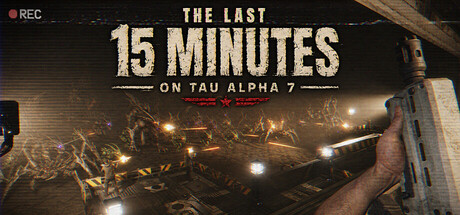 The Last 15 Minutes on Tau Alpha 7 Unclear artaudio | We use generative AI across all disciplines of game development with heavy amounts of human editing. That involves audio and visual art. We use it as a productivity tool so we can achieve a higher level of quality, faster, than we would have been able to. | Over The Moon | - | Aug 24, 2026 | |
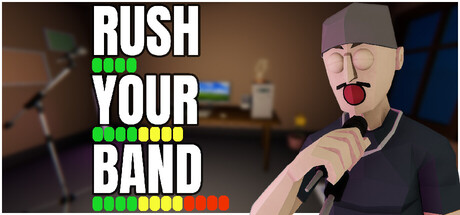 Rush Your Band In-game content art | We used AI image-generation tools to help create some 2D art assets in the game, such as in-game banners, posters, and signage. All AI-assisted content was reviewed and edited by the developer. | lok1f | - | Aug 24, 2026 | |
 Note Bounce – Sheet Music Game & Video Creator In-game content art | Some promotional artwork on the store page (capsule images and logo) was created with the assistance of generative AI tools, based on the game's own original key art and branding. The game itself contains no AI-generated content: all gameplay, music, visuals, and levels are hand-crafted. | Cihad Turhan | - | Aug 22, 2026 | |
 Random Mix In-game content textart | Generative AI tools assisted with some pre-generated player-facing text, localization, visual designs, and store and marketing content. All resulting material was reviewed and edited before inclusion. Random Mix does not use generative AI at runtime or connect to an AI service. Its music is generated locally through conventional procedural algorithms based on music-theory rules; no machine-learning model is involved. | InternalErrorX | - | Aug 22, 2026 | |
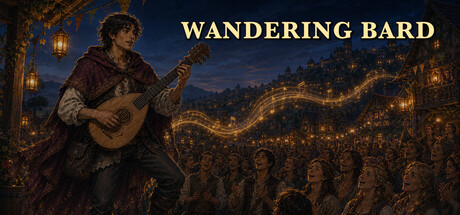 Wandering Bard In-game content arttextaudio | Development of Wandering Bard used generative AI tools to assist with some pre-generated character portraits, environment and store artwork, narrative and dialogue text, fixed character voice recordings, and instrumental music. All of this content was generated before release, then reviewed, selected, edited and integrated by the developer. The game does not generate content during play and does not connect to external AI services during play. | Fossil Studios | - | Aug 20, 2026 | |
 Summer of Singing Insects Store/marketing art | Part of the game's art illustrations and promotional materials are assisted by generative AI. All AI-generated assets have been manually reviewed, edited and verified for compliance, with no infringing or illegal content. | TIANBODA | - | Aug 20, 2026 | |
 HoloCozy In-game content codearttext | This game uses AI-assisted tools during development, limited exclusively to programming assistance, assistance with the creation of certain UI assets, and multilingual translation assistance. AI-generated output is not integrated directly into the game. All content is manually reviewed, edited, integrated, proofread, and tested by the development team before use.
AI is not used to create characters, character illustrations, character-related artwork, animations, music, sound effects, narrative, or other core creative content. The game does not generate content in real time while running, nor does it connect to external AI services to provide generative features to players. | Ninth Games | - | Aug 20, 2026 | |
 Voxio - Soundboard Live AI audio | Voxio uses a local AI model to understand spoken words and trigger sound items you have set up. | resoft | - | Aug 20, 2026 | |
 Encore In-game content text | Some of the in-game written text in Encore was created with the assistance of generative AI tools, and was reviewed by the development team. | Moon Shadow Studio | - | Aug 19, 2026 |


