Public Steam disclosure research25,376 disclosures tracked
Where do games disclose AI use?
Search developers’ Steam disclosures, compare classified AI use across
games, and follow recorded changes.
This index adds cross-game classifications and statistics to
statements published on individual store pages.
Groups reflect automatic analysis of public disclosures; mature records are excluded. These counts do not measure AI use across all of Steam.
Missing or unclear statements cannot establish whether a game uses AI.
Generative AI was used during development to help create some in-game visual assets, store and promotional artwork, and store description text and translations. These materials were generated in advance.
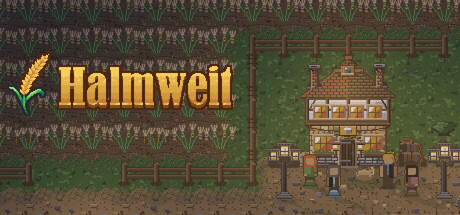
Halmweit is a one-person project, and I've had a little help from some tools along the way. AI helped with writing and translating the texts and with programming. What goes into the game is my decision. The music was written by hand by a composer. While you play, the game doesn't generate anything with AI.
Some of the in-game text (dialogue and descriptions) was written with the help of AI and reviewed and edited line by line by the developer. All pixel art and music are drawn and synthesized in real time by the game's own code, which was written with AI assistance; no AI image or audio generation models were used.
Generative AI was used to assist with some pre-generated 2D artwork. All AI-assisted assets were selected, edited and integrated by the developer. No generative AI is used during gameplay.
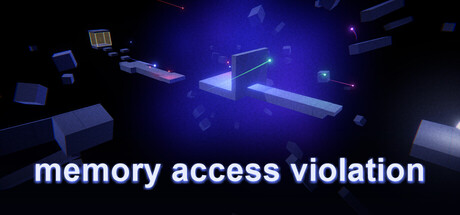
Memory Access Violation was made by a solo developer working with an AI coding assistant, which was used during development:
Code and level design: much of the game's code, including the level-building tools, puzzle layouts, enemy behaviour and vehicle handling, was written with AI assistance. The developer directed, playtested and revised every level. Puzzle solutions were checked by automated solvers so each one is fair.
Visuals: the game's environments, vehicles, mechs and enemies are built in code from simple geometric shapes and custom shaders. No AI image generators were used for in-game art.
During early development and for the playable demo, Generative AI tools were used to create base templates and draft assets for certain 3D models, textures, and sound effects. All AI-generated placeholders and base models have been manually re-worked, polished, and edited. As development progresses, these draft assets are being actively replaced with fully custom, handcrafted art and audio.
TV Dynasty Manager was designed by a solo developer. The game idea, the gameplay systems and the original German texts were created by the developer.
Generative AI was used as a tool for some parts, and all results were reviewed and edited by hand:
- Store artwork, logos and the main menu background image
- Translations of the German original into English, Spanish, French, Italian, Portuguese, Japanese, Russian and Chinese
- Help with some in-game descriptions (shows, films, characters)
The game does not use AI while you play.
Generative AI was used during development to create in-game collectible cover artwork, as well as store and marketing artwork and text. These assets are prepared in advance. The game does not generate AI content during gameplay or connect to a live AI service.
This game uses AI as a development aid. The English and Chinese translations (in-game and on the store page) were produced with AI. Some of the in-game music, sound effects and art are generated by programs written with the help of AI. No content is generated by AI during play.
Generative AI tools were used during development to create selected visual assets and music. All generated content was reviewed, selected, edited where necessary, and integrated by the developer.
Generative AI was used only to assist with localization and translation into English, Simplified Chinese, Traditional Chinese, and Korean. The original story, artwork, audio, and other game assets were not generated using AI. No live-generated AI content is used in the game.
Character illustrations, backgrounds, cutscene videos, voice acting and music were created with generative AI tools, then selected and edited by our team. The story, dialogue and game systems were written and designed by the developer with AI assistance. No content is generated by AI during gameplay.
This game uses generative AI to help create pre-rendered store artwork, chapter illustrations, background music, and the official trailer. Game logic was drafted with AI assistance and reviewed by the developer.
All level design, gameplay mechanics, and in-game text are hand-authored. No copyrighted third-party material was used in any AI output.
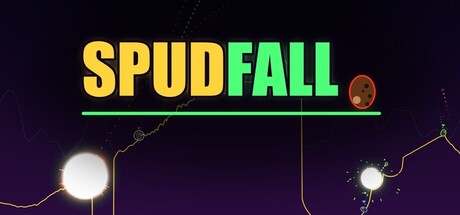
Spudfall's visuals and music are created entirely by the game's own code as you play. There are no image, sprite, or audio files. The developer used an AI assistant to help design and write that code, including the neon visual style and the synthesized soundtrack, and to draft the store page text. Trailers and screenshots show real gameplay. The game does not generate any content with AI while you play.
I'm a solo developer with a full-time job and a dad with two wonderful little kids. Full Count Club is a game I've wanted to make for a long time. AI tools are how I fit it into the time I have: they helped create the illustrated art, some sound effects, and some in-game writing such as newspaper headlines. I direct, select and edit all of it. The game does not generate any AI content while you play.
Gród is designed, built and tested by a solo developer. Every rule, system and pixel of the game follows my own vision.
AI tools helped with parts of the production: the voice lines, the music and some store artwork were created with generative AI, then selected, edited and fitted into the game by me. The in-game pixel art is drawn by the game's own code, with no AI image generators.
Screenshots and GIFs show real gameplay. The game does not use generative AI while you play.
Generative AI was used in parts of this project: the animated story cutscenes were brought to life with AI tools from original artwork drawn by the developer; the game's music, most of its sound effects, some in-game images such as the main menu, its logo and some promotional material, the store-page translations, and the English and Turkish in-game text were also created with generative AI tools. The gameplay itself — its systems, characters, environments and screenshots — is authentic and shows the real game. No AI is used to generate content during gameplay.
We used generative AI tools to create the video content shown on the in-game pinball machine, and some of the promotional assets on our store page. All AI-generated content is reviewed by our team before release.
Some of this game's assets were created with the assistance of generative AI tools. Character, enemy, and background artwork was created using Stable Diffusion and then manually edited and retouched by the developer. Background music and the ending theme songs were generated using ACE-Step v1.5. All AI-assisted assets were reviewed and curated by the developer. No content is generated by AI during gameplay.
This title uses generative AI tools as supporting tools in limited parts of development.The game design, animation, asset placement, implementation, direction, programming, writing, stage design, and overall creative decisions are handled by the developer.All AI-assisted content is pre-generated during development. The game does not generate AI content in real time during gameplay.[3D Models]- Tripo AIAI-generated models are used as a base for some 3D assets. The developer performs mesh editing, scaling, texture and normal map adjustments, placement, and in-game implementation.[Music & Sound]- SUNO AIUsed to assist music production based on the developer's original motifs, samples, and creative direction.- ElevenLabsUsed for sound effect generation.All AI-generated content is used within the scope permitted by each tool's commercial usage terms.
Some visual assets in this game, including certain textures and illustrative elements, were initially created using generative AI tools and then manually edited, refined, and integrated by the developer as part of the final game production.
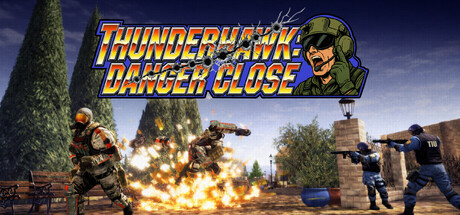
Thunderhawk: Danger Close uses a minimal amount of AI generated assets, including a handful of textures, marketing art, and dialog. Roughly 95% of the game's total content is human-authored, including all models, sound effects, music, and code. A detailed AI-generated content disclosure can be found on our website.
Since this game is older than “Reflection Of Sin”, I was inexperienced when it came to finding good ambient music. For this reason, I used AI to create ambient music in only a few levels.
Some visual and textual elements in this game were created with the assistance of generative tools and were then edited, curated, and integrated as part of the overall artistic development process.
AI tools were used during development for prototyping, text correction, and translation support.
No AI-generated images or assets are present in the final game or on the store page.
All visual and gameplay content is original and created by the developer.
Our game utilizes neural networks for creating visually stunning and immersive environments. AI technology is employed in the production pipeline to assist in rendering backgrounds and character designs, ensuring a unique and high-quality artistic style. While AI aids in the creative process, all generated content is carefully reviewed, refined, and finalized by our team of professional artists to meet the highest standards of originality and quality.
Generative AI was used during development to help create some in-game visual assets, store and promotional artwork, and store description text and translations. These materials were generated in advance.
Halmweit is a one-person project, and I've had a little help from some tools along the way. AI helped with writing and translating the texts and with programming. What goes into the game is my decision. The music was written by hand by a composer. While you play, the game doesn't generate anything with AI.
Some of the in-game text (dialogue and descriptions) was written with the help of AI and reviewed and edited line by line by the developer. All pixel art and music are drawn and synthesized in real time by the game's own code, which was written with AI assistance; no AI image or audio generation models were used.
Generative AI was used to assist with some pre-generated 2D artwork. All AI-assisted assets were selected, edited and integrated by the developer. No generative AI is used during gameplay.
Memory Access Violation was made by a solo developer working with an AI coding assistant, which was used during development:
Code and level design: much of the game's code, including the level-building tools, puzzle layouts, enemy behaviour and vehicle handling, was written with AI assistance. The developer directed, playtested and revised every level. Puzzle solutions were checked by automated solvers so each one is fair.
Visuals: the game's environments, vehicles, mechs and enemies are built in code from simple geometric shapes and custom shaders. No AI image generators were used for in-game art.
During early development and for the playable demo, Generative AI tools were used to create base templates and draft assets for certain 3D models, textures, and sound effects. All AI-generated placeholders and base models have been manually re-worked, polished, and edited. As development progresses, these draft assets are being actively replaced with fully custom, handcrafted art and audio.
TV Dynasty Manager was designed by a solo developer. The game idea, the gameplay systems and the original German texts were created by the developer.
Generative AI was used as a tool for some parts, and all results were reviewed and edited by hand:
- Store artwork, logos and the main menu background image
- Translations of the German original into English, Spanish, French, Italian, Portuguese, Japanese, Russian and Chinese
- Help with some in-game descriptions (shows, films, characters)
The game does not use AI while you play.
Generative AI was used during development to create in-game collectible cover artwork, as well as store and marketing artwork and text. These assets are prepared in advance. The game does not generate AI content during gameplay or connect to a live AI service.
This game uses AI as a development aid. The English and Chinese translations (in-game and on the store page) were produced with AI. Some of the in-game music, sound effects and art are generated by programs written with the help of AI. No content is generated by AI during play.
Generative AI tools were used during development to create selected visual assets and music. All generated content was reviewed, selected, edited where necessary, and integrated by the developer.
Generative AI was used only to assist with localization and translation into English, Simplified Chinese, Traditional Chinese, and Korean. The original story, artwork, audio, and other game assets were not generated using AI. No live-generated AI content is used in the game.
Character illustrations, backgrounds, cutscene videos, voice acting and music were created with generative AI tools, then selected and edited by our team. The story, dialogue and game systems were written and designed by the developer with AI assistance. No content is generated by AI during gameplay.
This game uses generative AI to help create pre-rendered store artwork, chapter illustrations, background music, and the official trailer. Game logic was drafted with AI assistance and reviewed by the developer.
All level design, gameplay mechanics, and in-game text are hand-authored. No copyrighted third-party material was used in any AI output.
Spudfall's visuals and music are created entirely by the game's own code as you play. There are no image, sprite, or audio files. The developer used an AI assistant to help design and write that code, including the neon visual style and the synthesized soundtrack, and to draft the store page text. Trailers and screenshots show real gameplay. The game does not generate any content with AI while you play.
I'm a solo developer with a full-time job and a dad with two wonderful little kids. Full Count Club is a game I've wanted to make for a long time. AI tools are how I fit it into the time I have: they helped create the illustrated art, some sound effects, and some in-game writing such as newspaper headlines. I direct, select and edit all of it. The game does not generate any AI content while you play.
Gród is designed, built and tested by a solo developer. Every rule, system and pixel of the game follows my own vision.
AI tools helped with parts of the production: the voice lines, the music and some store artwork were created with generative AI, then selected, edited and fitted into the game by me. The in-game pixel art is drawn by the game's own code, with no AI image generators.
Screenshots and GIFs show real gameplay. The game does not use generative AI while you play.
Generative AI was used in parts of this project: the animated story cutscenes were brought to life with AI tools from original artwork drawn by the developer; the game's music, most of its sound effects, some in-game images such as the main menu, its logo and some promotional material, the store-page translations, and the English and Turkish in-game text were also created with generative AI tools. The gameplay itself — its systems, characters, environments and screenshots — is authentic and shows the real game. No AI is used to generate content during gameplay.
We used generative AI tools to create the video content shown on the in-game pinball machine, and some of the promotional assets on our store page. All AI-generated content is reviewed by our team before release.
Some of this game's assets were created with the assistance of generative AI tools. Character, enemy, and background artwork was created using Stable Diffusion and then manually edited and retouched by the developer. Background music and the ending theme songs were generated using ACE-Step v1.5. All AI-assisted assets were reviewed and curated by the developer. No content is generated by AI during gameplay.
This title uses generative AI tools as supporting tools in limited parts of development.The game design, animation, asset placement, implementation, direction, programming, writing, stage design, and overall creative decisions are handled by the developer.All AI-assisted content is pre-generated during development. The game does not generate AI content in real time during gameplay.[3D Models]- Tripo AIAI-generated models are used as a base for some 3D assets. The developer performs mesh editing, scaling, texture and normal map adjustments, placement, and in-game implementation.[Music & Sound]- SUNO AIUsed to assist music production based on the developer's original motifs, samples, and creative direction.- ElevenLabsUsed for sound effect generation.All AI-generated content is used within the scope permitted by each tool's commercial usage terms.
Some visual assets in this game, including certain textures and illustrative elements, were initially created using generative AI tools and then manually edited, refined, and integrated by the developer as part of the final game production.
Thunderhawk: Danger Close uses a minimal amount of AI generated assets, including a handful of textures, marketing art, and dialog. Roughly 95% of the game's total content is human-authored, including all models, sound effects, music, and code. A detailed AI-generated content disclosure can be found on our website.
Since this game is older than “Reflection Of Sin”, I was inexperienced when it came to finding good ambient music. For this reason, I used AI to create ambient music in only a few levels.
Some visual and textual elements in this game were created with the assistance of generative tools and were then edited, curated, and integrated as part of the overall artistic development process.
AI tools were used during development for prototyping, text correction, and translation support.
No AI-generated images or assets are present in the final game or on the store page.
All visual and gameplay content is original and created by the developer.
Our game utilizes neural networks for creating visually stunning and immersive environments. AI technology is employed in the production pipeline to assist in rendering backgrounds and character designs, ensuring a unique and high-quality artistic style. While AI aids in the creative process, all generated content is carefully reviewed, refined, and finalized by our team of professional artists to meet the highest standards of originality and quality.